
Reviewed · TOURS IN OKINAWA
Naha, Okinawa: Kerama Islands Half-Day Whale Watching Tour
The big draw is simple: from December through March, humpback whales gather near Naha to breed and raise their calves. You may see a mother and newborn surfacing together, a tail lifting above the sea, or a whale charging into the air. The blue water and open decks make the ride part of the show.
I like the hotel pickup and the crew’s effort to find whales rather than merely cruise around and hope. I also like the low $37 price, which includes water, a life jacket, rain protection, and digital whale photos. The tradeoff is nature’s usual rule: sightings are not guaranteed, the boat can be windy and rough, and the actual whale-watching time is usually about one hour.
Key points to know before you book
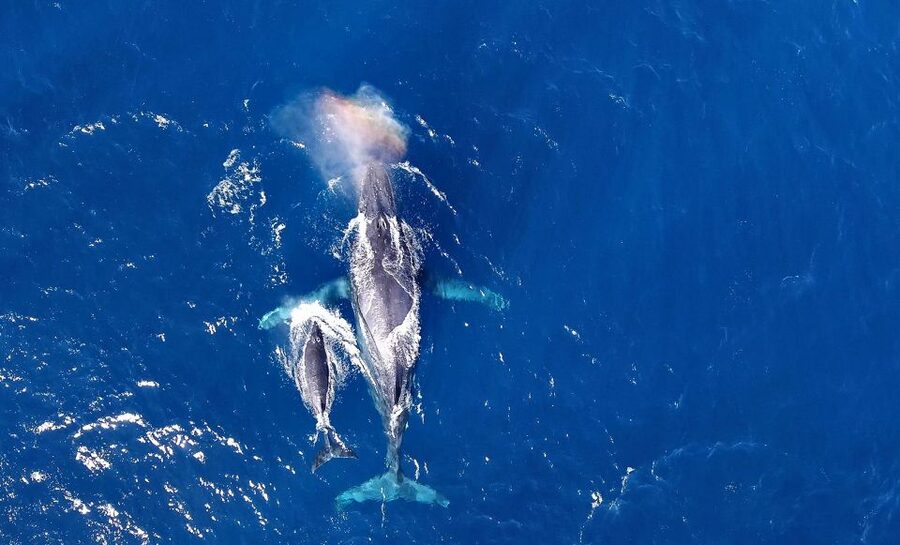
- Humpback season runs from December through March, when whales come near Okinawa to breed and raise calves.
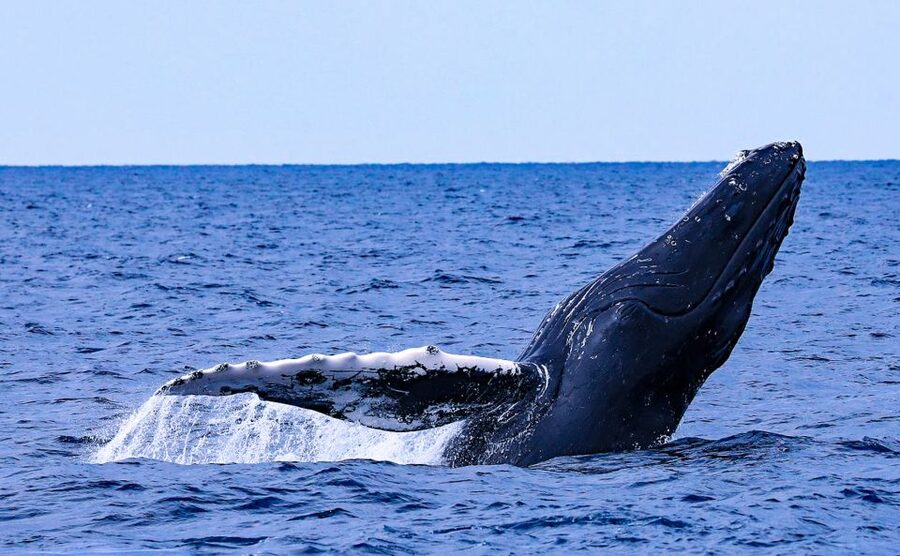
- Mothers and babies are possible sightings, along with tail slaps, blows, backs, flukes, and occasional jumps.
- Hotel pickup and return are included, but only from selected Naha hotels and pickup points.
- Guides speak English or Chinese, though the requested language cannot always be guaranteed.
- The boat ride can be rough and cold, so bring warm layers and motion sickness medicine.
- No sighting policy changes by month: February and March qualify for a full refund if no whale or dolphin appears; December and January provide a retry voucher.
Why Naha is a good base for whale watching
Naha gives you easy access to the waters around the Kerama Islands without requiring a full-day excursion. The trip lasts four hours from pickup through return, so you can fit it into a morning or afternoon and still have time for markets, Shuri, or dinner in the city.
The whales are not resident animals hanging around one fixed point. They come to Okinawa during the winter breeding season, then move on. That makes the outing a search at sea, not a visit to an aquarium with a guaranteed show.
That uncertainty is part of the appeal, but you should understand it before paying. A successful trip might bring several whales close to the boat. Another might produce only distant backs and blows. One December outing produced no sightings, but the passengers received a free retry ticket. In February and March, the policy is stronger: no whales or dolphins means a full refund.
Other experiences people book in Japan:
- Mt Fuji and Hakone 1-Day Bus Tour Return by Bullet Train
★ 5.0 · 26,383 reviews - 1-Day Tokyo Bus Tour
★ 5.0 · 14,250 reviews - PERFECT KYOTO 1-Day Bus Tour
★ 5.0 · 13,518 reviews
Hotel pickup keeps the morning simple
Pickup is available from a selected list of hotels and meeting points in Naha. You need to reserve the service at least two days ahead, and you should wait outside the designated pickup location 10 minutes before the scheduled time. Drivers wait only five minutes, so this is not the morning to wander down from a hotel room at the last second.
The shuttle service is one of the most useful parts of the package. You do not need to find the port, arrange a taxi, or work out Japanese instructions at the start of the day. Several pickup points are available, which helps if your hotel is not on the direct list.
The handoff at the port may be less polished. One passenger found the arrival confusing because the vehicle dropped the group off and gave only general directions toward the boat. Keep your booking details handy and watch for other passengers heading to the same vessel.
The ride to the port also gives you a practical buffer. Once aboard, you can settle into a seat, check the open decks, and get ready for the sea. Food is not included, so eat before pickup or bring an appropriate snack if the operator allows it. Alcohol is not allowed in the vehicle.
Boarding the boat and facing the open sea
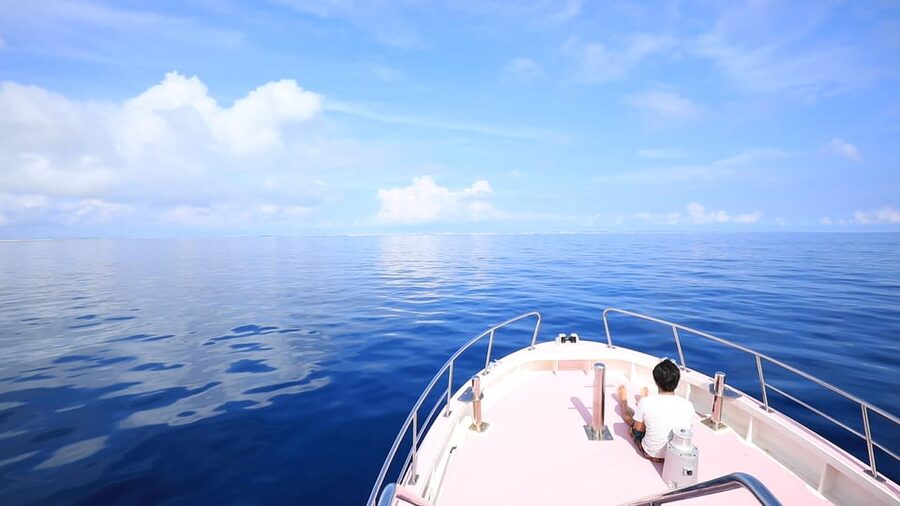
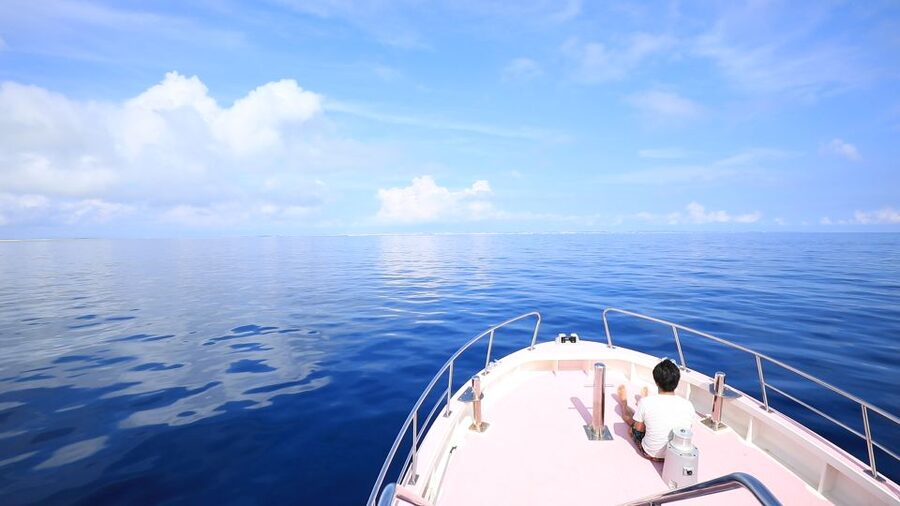
The boat has spacious decks, but it is not a huge vessel. That can work in your favor because guides can direct people toward the front or sides when a whale appears. It also means the boat may feel crowded if every passenger moves to one rail at once.
Expect wind, spray, and a noticeable change from city weather. January and February can feel cool even when Naha itself seems mild. Bring a jacket, and use the provided raincoat if conditions turn wet.
The motion is the main physical issue. The sea may be choppy, and several passengers strongly wished they had taken motion sickness medicine before departure. I would treat that advice seriously even if you do not usually get seasick. A four-hour outing gives nausea plenty of time to ruin an otherwise fine day.
Pregnant women and people with epilepsy should not join this activity. Children under two need their own baby carrier with a harness that attaches to an adult. The carrier is not provided, and infants may need to reschedule if the sea is too rough.
The search for humpback whales
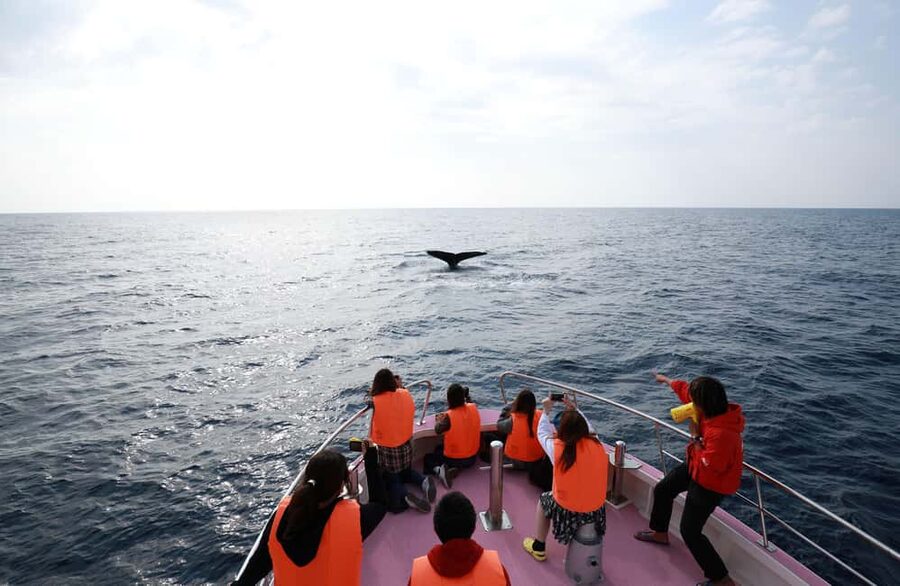
The crew searches for humpbacks in the waters near Naha and the Kerama Islands. Adult whales can reach about 15 meters and weigh around 30 tons, so even a brief appearance feels substantial. Most sightings are less theatrical than a full breach, but a back, blow, or tail fluke can still be exciting when you have spent time scanning empty water.
The crew’s performance matters here. Stephane has been praised for keeping people informed while waiting for the next surfacing, with a good sense of humor and plenty of whale facts. Miguel has also been singled out for explaining whale behavior and helping people spot animals that were easy to miss.
You might see one whale surfacing and disappearing in a repeating pattern. You might see a pair, a mother with a calf, or three or four animals moving through the same area. Dolphins are also possible, but they are not promised.
The most useful habit is to watch the water rather than stare only at the guide. Look for a blow, a dark back, or a sudden change in the surface. When the crew spots an animal, move promptly. One of the best parts of this trip is that staff do not waste much time once a whale appears.
Same base, a different sort of day:
- Tokyo: TOKYO SKYTREE® Admission ticket
★ 4.5 · 11,192 reviews - Tokyo: teamLab Planets TOKYO Digital Art Museum Entry Ticket
★ 4.6 · 9,779 reviews - Mt Fuji & Hakone Cruise, Drum Show Bullet Train 1 Day from Tokyo
★ 4.0 · 7,413 reviews - Tokyo: Sumo Show Experience with Chicken Hot Pot and a Photo
★ 4.8 · 6,678 reviews
What a real sighting may look like
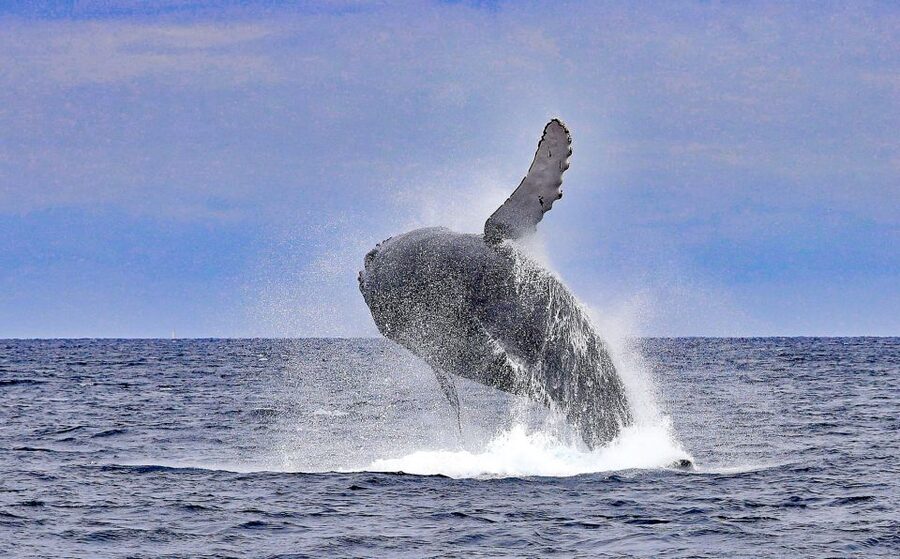
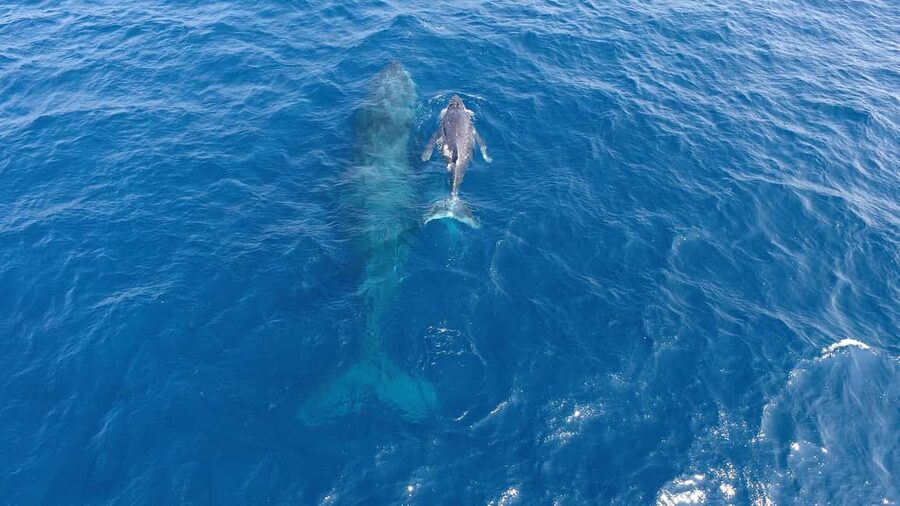
A mother and calf can be more rewarding than a single dramatic jump. The pair may surface together, blow, swim slowly, and show their tails before disappearing. A baby may play or jump, but you should not expect that behavior on every trip.
Some outings produce close views. One group watched a mother and newborn from a comfortable distance, and another saw a baby jump several times. Other passengers saw several whales but felt they were too far away for a strong look.
That difference is normal for a wild animal outing. The crew cannot order a whale to surface beside the boat, and responsible operators should not chase an animal aggressively. The boat is kept at a respectful distance, except when whales approach on their own.
You may also see several boats working the same area. That is not always ideal for a quiet nature experience, but it can help locate animals. The boat may spend close to an hour with one or two whales, and one outing followed a pair for about two hours. The standard description allows about one hour of whale observation, so think of that as the usual target, not a strict guarantee.
The most common successful sighting is less cinematic: repeated backs, blows, and flukes. That still gives you a clear look at humpback behavior. If your main goal is a breaching photograph, you are asking nature for a very specific favor.
Guides, languages, and the learning side
Guiding quality appears to vary with the crew and the language you receive. English and Chinese are offered, but the requested language cannot always be guaranteed. Some passengers had excellent English explanations, while another found that much of the whale talk was in Japanese.
The best guides add real value during the waiting periods. Whale watching includes stretches of open water with nothing visible, so explanations about size, breeding, calves, surfacing behavior, and tail movements help the time pass.
You should still think of this as a straightforward sightseeing trip rather than a specialist marine biology cruise. If you want long lectures, scientific identification, or a research-focused format, this may feel basic. If you want a friendly introduction to whales with enough information to understand what you are seeing, it fits well.
The staff also help with positioning. When whales appear, they may ask passengers to move toward the front so everyone gets a fair chance. That small bit of crowd management matters on a compact boat.
Photos, water, and practical inclusions
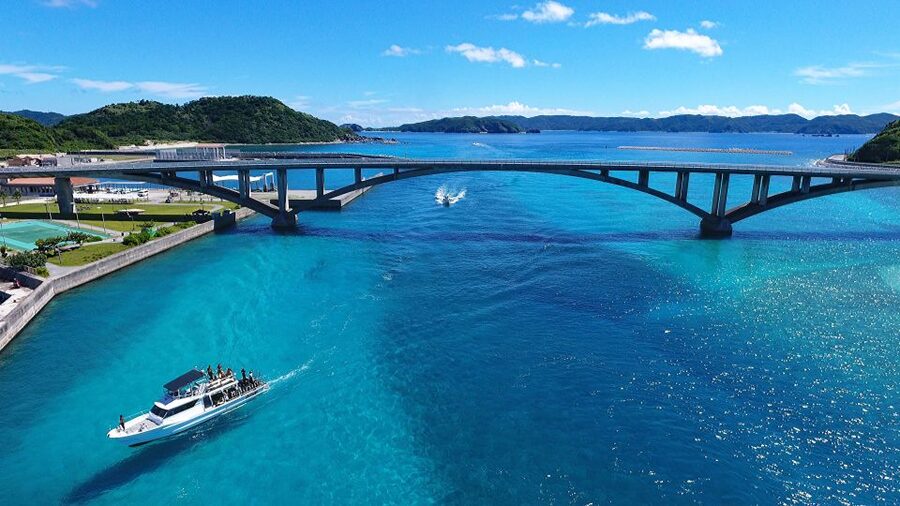
The package includes drinking water, life jackets, and a raincoat if needed. Digital copies of whale photographs are also provided after the outing through a download link.
The photographs are a useful extra, especially because it is hard to frame a whale while the boat moves and the animal disappears within seconds. Do not treat them as a promise of professional close-up images. The quality and distance will depend on the sighting, the weather, and where the whale surfaces.
Bring your own jacket. The supplied raincoat helps with spray and showers but does not replace warm clothing. Food is not included, so plan around the pickup and four-hour duration.
Alcohol is not allowed in the vehicle, and intoxicated passengers are not permitted. Swimming is not part of the activity. This is a viewing trip from the boat, not a water activity.
Is $37 good value?
At $37 per person, this is a strong-value way to try whale watching from Naha. The price covers a four-hour experience, round-trip transportation from selected locations, a boat ride, crew assistance, safety equipment, water, possible rain protection, and whale photos.
The included transport makes the price even better for visitors who would otherwise need a taxi to the port. The retry or refund policy also reduces the financial risk during the whale season, though the remedy depends on the month.
The lower price comes with limits. You get a half-day search, not a long expedition. The whale-viewing portion is generally about an hour, and guide language may be limited on some departures. The boat can also feel busy when several passengers move to the same side.
For a first whale-watching outing, a family activity, or a quick addition to a Naha itinerary, the cost is easy to justify. If you want a smaller specialist boat, longer observation time, or detailed marine research commentary, you may prefer to spend more elsewhere. This tour is built for access and value.
Who will enjoy this tour most
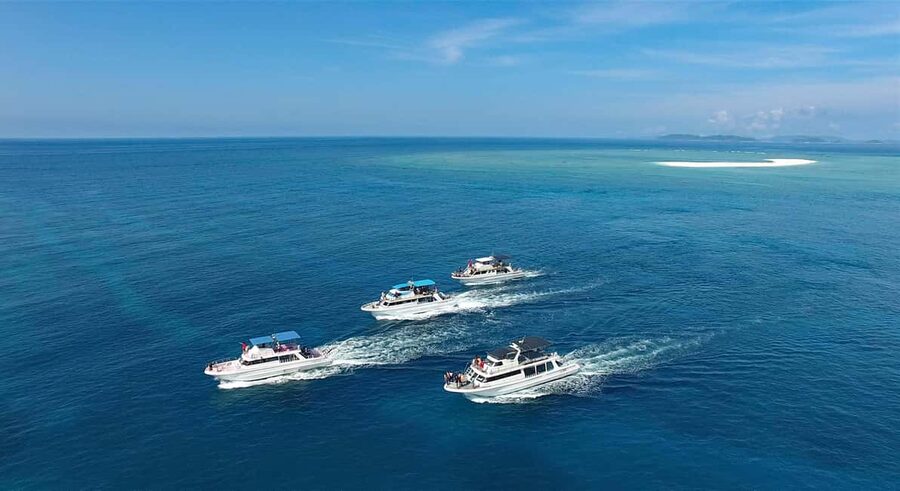
I would choose this outing if you have one day in Naha and want an experience tied to Okinawa’s natural setting. It suits families with older children, couples, first-time whale watchers, and anyone who likes the idea of a boat trip but does not need luxury service.
It is also a good choice if hotel transport matters. Pickup and return remove much of the port-day fuss, and the four-hour schedule leaves room for other plans.
You should think twice if you become seasick easily, dislike cold wind, or need a guaranteed close encounter. The trip can be rough, and even a well-run search cannot control the whales.
I would also avoid booking this as your only Okinawa highlight if you need a dramatic breach. Many of the best sightings are quieter: a mother and calf, a fluke rising from the water, or several backs appearing in sequence.
Booking details worth remembering
You can cancel up to 24 hours before departure for a full refund, and you can reserve now and pay later. Check the available start times because the four-hour schedule varies.
Tours may be canceled for weather or sea conditions. If that happens, the operator may advise you to reschedule. For infants, rough water can lead to a change of date, so bring the required baby carrier and watch for the day-before update.
In February and March, no whale or dolphin sighting qualifies for a full refund. In December and January, you receive a retry voucher for another day. That seasonal distinction is easy to miss, so check it before booking.
Should you book the Kerama Islands whale tour?
Book it if you want a reasonably priced, well-organized introduction to humpback watching and you can accept that wild animals set the schedule. The strongest reasons are the seasonal chance to see mothers and calves, the capable crew members such as Stephane and Miguel, and the convenience of hotel pickup.
Bring warm clothes and motion sickness medicine. Keep your expectations focused on seeing whales, not necessarily seeing them breach. If you are happy with backs, blows, flukes, and the possibility of a baby surfacing near its mother, this is a memorable use of half a day in Naha.
FAQ
When does the whale-watching season run?
The tour operates during the humpback season from December through March. The whales come near Naha to breed and raise their calves.
How long does the activity last?
The full experience lasts about four hours, including pickup, the boat trip, whale watching, and return transportation. The standard whale-observation period is about one hour, though the timing can vary.
Is hotel pickup included?
Yes. Pickup and drop-off are included from selected hotels and meeting points in Naha. You must reserve pickup at least two days before the tour.
What languages are available?
The activity offers English and Chinese. Your requested guide language cannot always be guaranteed, but the operator will try to accommodate it.
What happens if no whales are seen?
On tours in February and March, you receive a full refund if no whales or dolphins are spotted. On tours in December and January, you receive a retry voucher for another day.
What should I bring?
Bring a jacket and motion sickness prevention. The tour supplies drinking water, life jackets, and a raincoat if needed.
Can young children join?
Children under two must use a baby carrier with a harness attached to an adult, and you must bring your own carrier. If the sea is too rough for infants, the operator may advise you to reschedule.
Is food included?
No. Food is not included in the tour price. Alcohol is not allowed in the vehicle, and swimming is not part of the activity.
Just added in Japan
- 1 Day Tour: Snow Monkeys & Snow Fun in Shiga Kogen★ 5.0 · 52 reviews
- Kobe: Guided Sake Breweries Tour with Tastings★ 5.0 · 55 reviews
- Kamakura Historical Walking Tour with the Great Buddha★ 5.0 · 129 reviews
- Japanese Whisky Hunting《HIGH-QUALITY-ONLY》Rare Tasting Class★ 5.0 · 20 reviews
- Matsumoto Castle Town Walking Tour★ 4.8 · 58 reviews
- Kamakura Private Tour: Temples, Nature, and the Great Buddha★ 5.0 · 121 reviews
- Luxury Tokyo Sake, Cocktail, Whisky and Pairing Tour★ 5.0 · 18 reviews
- Nagasaki: Private Walking Tour with a Local★ 4.7 · 79 reviews
Tours in Okinawa, compared.
North Okinawa Sightseeing Tour & Churaumi Aquarium
Read our review →
From Naha: Kerama Islands 1-day snorkeling tour
Read our review →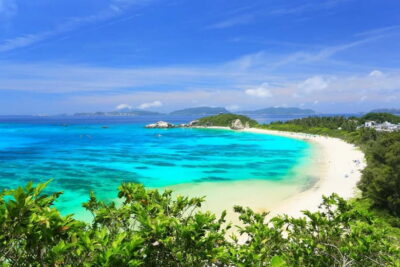
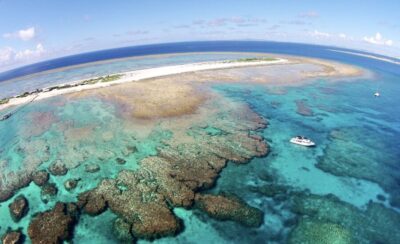
Naha, Okinawa: Keramas Island Snorkeling Day Trip with Lunch
Read our review →![[Miyako Island/Half Day] Sea Turtle Snorkeling](https://assets.japanesetravels.com/wp-content/uploads/miyako-island-half-day-sea-turtle-snorkeling-400x267.jpg)
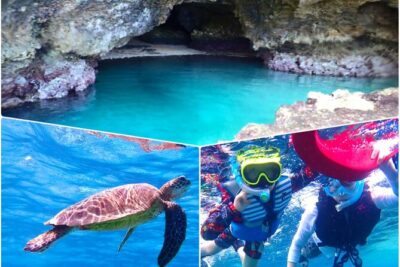
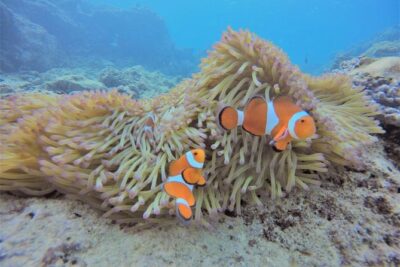
Snorkeling in the Blue Cave area【Okinawa Prefecture: Free feeding & photo images!English and Chinese speaking guide available!
Read our review →Browse the lists this tour appears in