
Reviewed · SNORKELING
Okinawa: From Naha: Kerama Islands 1-day snorkeling tour
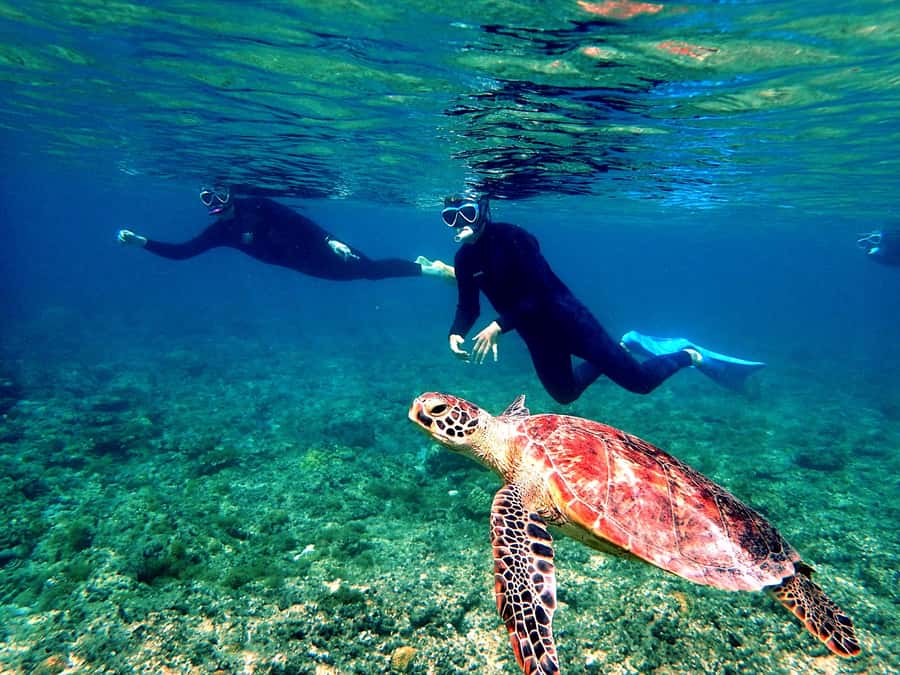
The best part of this Naha day trip is the chance to see clear Kerama water and living coral without arranging your own boat, gear, or transport. At two or three sites, you may spot turtles, squid, puffer fish, sea cucumbers, reef fish, and even small sharks. I like the friendly, practical crew and the freedom to snorkel at your own pace. I also like that towels, tea, a hot-water shower, and equipment are included.
The main catch is the open sea. The ride can be rocky, and the water can feel cool, even in Okinawa. Bring seasickness medicine, a warm layer, and realistic expectations: the exact islands and snorkel sites depend on the weather, currents, and visibility. One further concern is important: marine life must never be touched or disturbed.
Kerama Islands snorkeling from Naha: key points
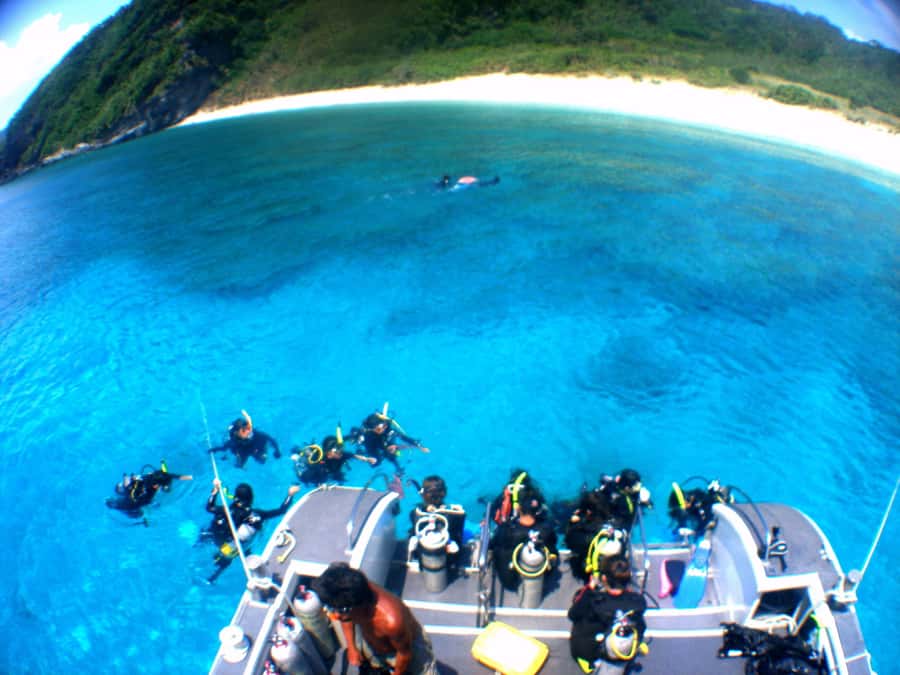
- Three reef stops are common: The boat usually visits three snorkeling areas, though the plan can change with sea conditions.
- Sea turtles are a real possibility: Clear water and healthy coral can bring turtles, squid, puffer fish, sea snakes, and many reef fish into view.
- English support is available: Christina is one guide praised for her patient help, and staff also communicate in Japanese and Portuguese.
- The boat works for beginners: Life jackets are available and often required for less confident swimmers, while instructors help with masks, fins, and snorkels.
- Seasonal extras add interest: Whale watching runs from January 12 through March, and Kerama Blue shaved ice is offered in August and September.
- Pack your own lunch and motion-sickness remedy: Food is not included, and the ride out can be rough even for people who do not usually get seasick.
Leaving Naha for the Kerama blue
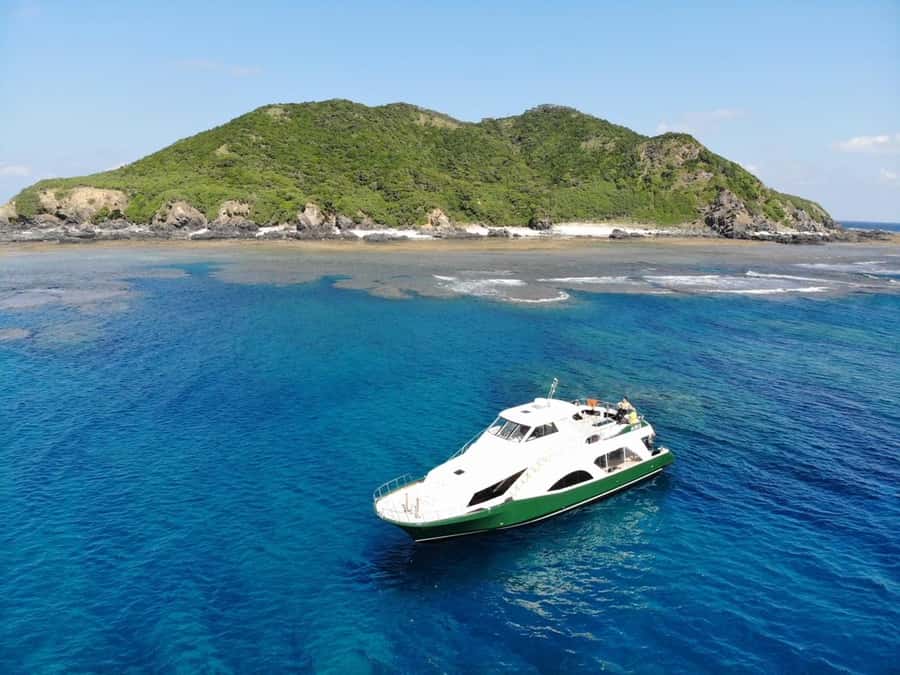
This is a boat day, not an island tour. You cruise from Naha toward the Kerama Islands, then spend your time in the water near coral reefs and white-sand beaches. You do not land on Tokashiki, Zamami, or Aka Island, so book this for the sea rather than for village walks, beaches, or island sightseeing.
The ride to the snorkeling area takes about an hour according to the operating details shared on the trip. That makes the boat itself part of the experience. You can sit, drink tea, watch the islands come into view, and get ready for the first swim. The boat is described as clean and well kept, with toilets, a changing room, towels, and a hot-water shower.
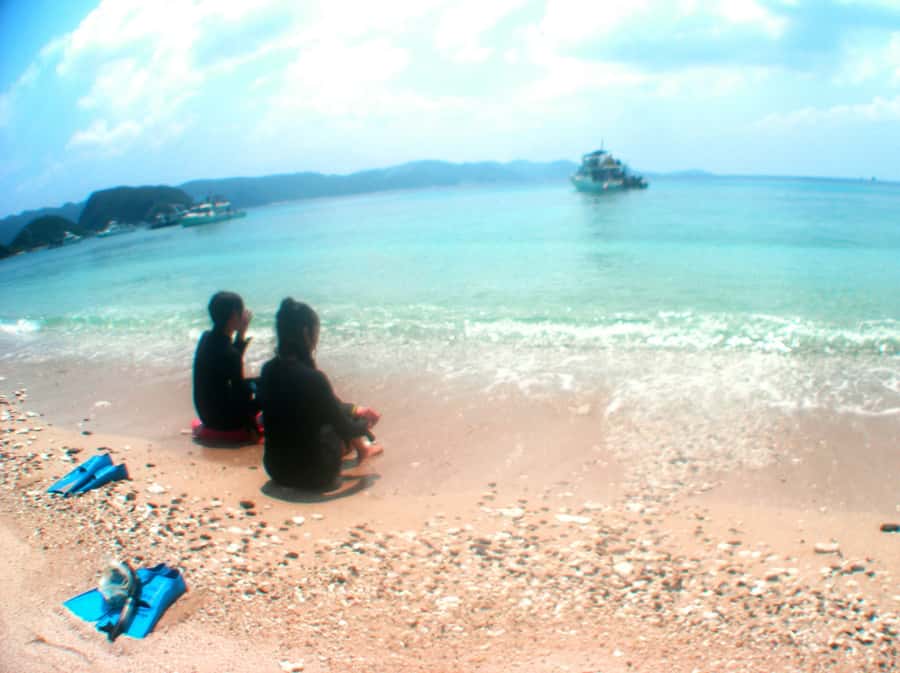
Hotel pickup may be available, but you must tell the operator where you are staying. If your accommodation is outside the pickup area, you will receive a meeting point instead. You can also drive to the port, where customer parking is available, with paid parking listed at 500 yen per day.
The staff speak Japanese, English, and Portuguese. English ability varies among the crew, but English-speaking instructors are available on many departures. Christina is singled out for helping people find clown fish and for making first-time snorkelers feel comfortable. That kind of in-water help matters more than polished commentary when you are trying to clear a mask or locate a turtle.
A few more things to do in Japan worth a look
- Naha, Okinawa: Keramas Island Snorkeling Day Trip with Lunch
★ 4.7 · 370 reviews - [Miyako Island/Half Day] Sea Turtle Snorkeling
★ 5.0 · 337 reviews - Okinawa Ishigaki Blue Cave Snorkeling Tour
★ 5.0 · 332 reviews
What the first snorkel stop feels like
After boarding, you receive the snorkeling equipment and usually put on a wetsuit or other protective gear. The package includes mask, snorkel, fins, and a boat coat, while a hooded 3-millimeter vest or coat can help in cooler weather. You also receive towels, and a mobile or hot-water shower is available after swimming.
The first stop is your chance to settle into the water. You may snorkel above coral groups, white sand, and schools of colorful fish. The guides can point out creatures, but this is not a constant guided swim in which someone leads every second. The setup gives you room to look around at your own pace while remaining near the boat and following the crew’s safety directions.
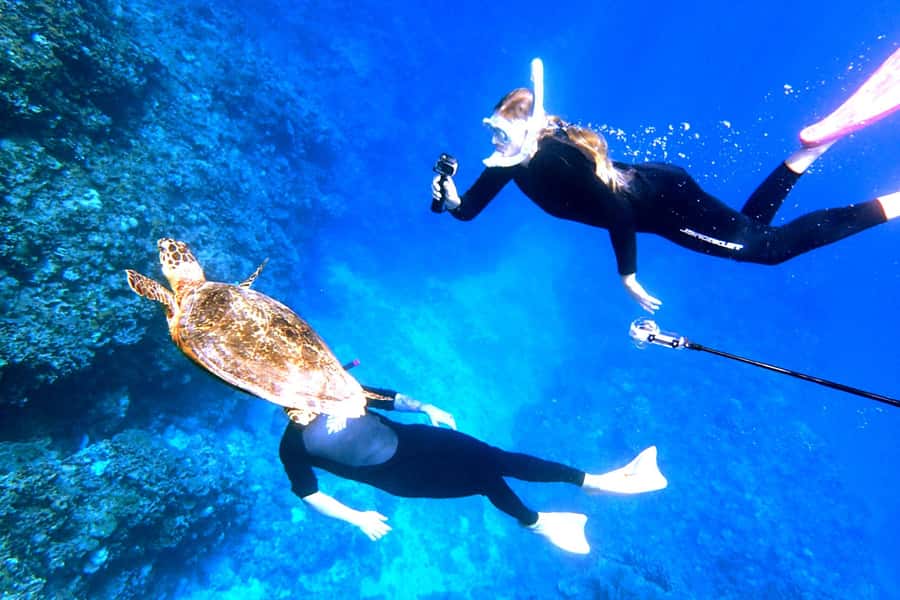
That balance suits a mixed group. Confident swimmers can move about and look closely at the reef. If you are not comfortable in open water, you can use a life jacket and stay near the staff. One first-time snorkeler found the crew reassuring, while another noted that a mandatory life jacket means you cannot simply swim down toward a turtle. That is a reasonable safety rule, even if it limits underwater photos.
The water may be wonderfully clear, but conditions are not fixed. Rain does not always spoil visibility, and one departure still had good snorkeling during wet weather. Strong currents can make the sea tiring, though, and the exact point may be changed to a nearby site if the Kerama route is not suitable.
The second and third sites bring more variety
The strength of this trip is the number of chances you get. Most departures stop at three locations, so a site with weaker visibility or fewer fish does not define the whole day. You may see different coral shapes and fish communities at each stop, and a turtle found at one reef may not appear at the next.
Reported sightings include sea turtles, black squid, octopus, puffer fish, sea cucumbers, sea snakes, giant trevally, clown fish, and small sharks. None of these animals is guaranteed, of course. You should book for the reefs and the chance to see wildlife, not for a promised turtle encounter.
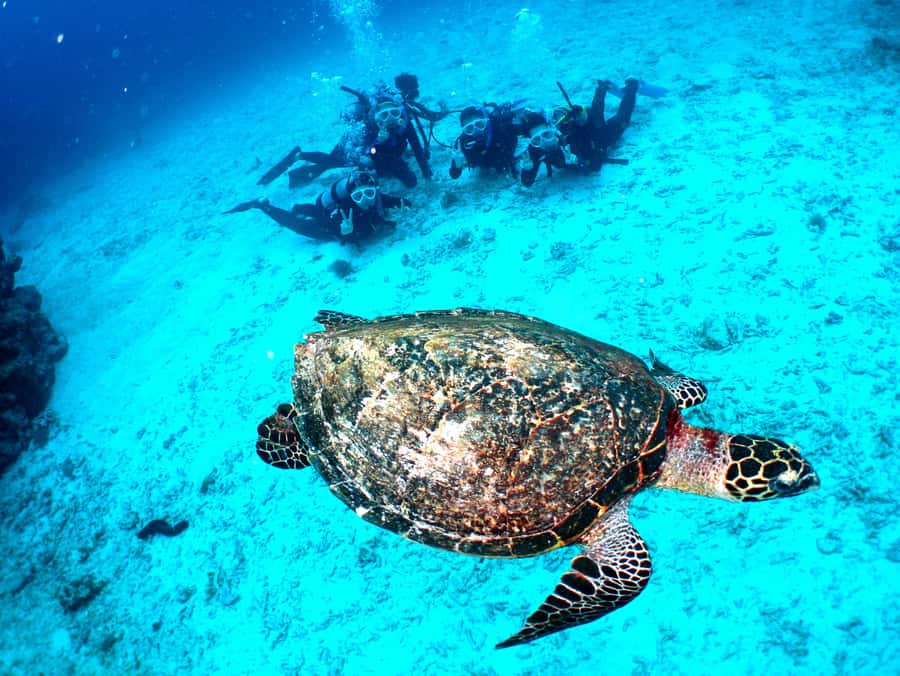
Some departures combine snorkelers with scuba participants. That gives the boat access to sites used by both groups, but it can affect what you see from the surface. At one site, scuba divers crowded around a turtle and briefly blocked the view for snorkelers. If you want the most relaxed surface experience, stay close to the snorkeling guides and ask where they are directing people.
The amount of water time appears generous, with one account describing about an hour for snorkeling, though the length of each stop can vary. One person wished the boat had stayed longer, and another said the group returned about an hour earlier than expected. Keep your schedule flexible after the tour rather than booking a tight evening plan.
The crew sometimes takes photos and uploads them to Facebook at no extra charge. That can be a useful bonus, especially if you do not bring an underwater camera. Ask for the correct page or link before leaving, since finding the photos later may not be straightforward.
Equipment and support for first-timers
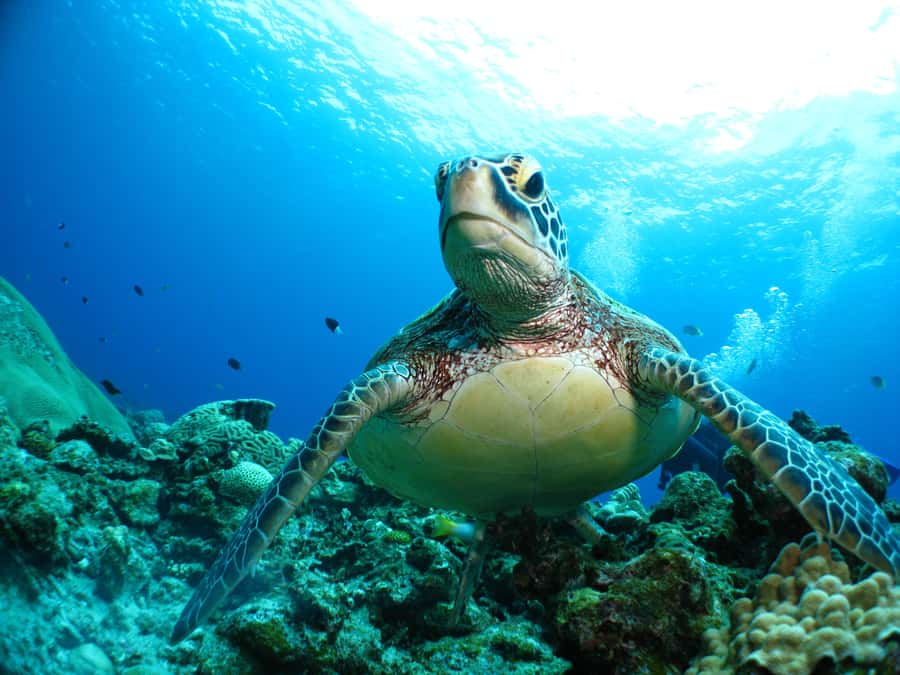
You do not need to bring your own snorkeling kit. Masks, snorkels, fins, wetsuits, and other basic equipment are supplied, and the gear is generally considered suitable for the activity. Staff help fit it and can adjust the level of support to match your experience.
I would still bring a rash guard or swim shirt if you have one. Small jellyfish may be present at some sites, and a full swimsuit or protective layer is more comfortable than bare skin. The wetsuit also helps with temperature, particularly during the second and third swims.
The water is listed at about 22°C in winter, with outside temperatures around 20°C. That is not tropical bathwater. A 3-millimeter hooded vest or coat is suggested for chilly days, and some departures have offered heat packs for wetsuits. Bring a dry jumper or jacket for the boat ride back, when wind and wet clothing can make you feel colder than expected.
Safety support is one of the trip’s better features. Instructors are in the water, staff can point out marine life, and life jackets are available for people who are not strong swimmers. Still, this is an ocean activity, not a calm swimming pool. The operator says the trip is not suitable for children under five, pregnant women, wheelchair users, or people with heart, respiratory, kidney, or blood-pressure problems, diabetes, epilepsy, a cold, or recent surgery.
Same base, a different sort of day:
- Mt Fuji and Hakone 1-Day Bus Tour Return by Bullet Train
★ 5.0 · 26,383 reviews - 1-Day Tokyo Bus Tour
★ 5.0 · 14,250 reviews - PERFECT KYOTO 1-Day Bus Tour
★ 5.0 · 13,518 reviews - Tokyo: TOKYO SKYTREE® Admission ticket
★ 4.5 · 11,192 reviews
Lunch, drinks, and the practical boat routine
Lunch is not included in the stated price. The information also refers to a lunch option, and some people have bought a prepared meal, but I would treat that as an add-on and bring food unless you have confirmed it during booking. A packed lunch gives you more control, especially if you need vegetarian food or extra protein.
One prepared lunch was described as tasty but heavy on rice and sauce, with little meat. Another person found the hot lunch better than expected. The boat has hot water and a microwave according to the onboard facilities described, so bringing a simple meal is easy enough.
Tea, hot water, and drinking water are available, but you should still bring a refillable bottle and snacks. The boat ride and repeated swims use more energy than many people expect. Eat lightly before departure if you are prone to seasickness, and avoid a large meal just before rough water.
Alcohol, drugs, littering, fishing, loud behavior, and touching marine life are not allowed. Drinks are also restricted in the vehicle. These rules are basic, but they matter here. Coral breaks easily, and wild animals should remain wild. Do not chase turtles, handle puffer fish, or reach for coral to get a better photograph.
Seasonal extras: whales and Kerama Blue shaved ice
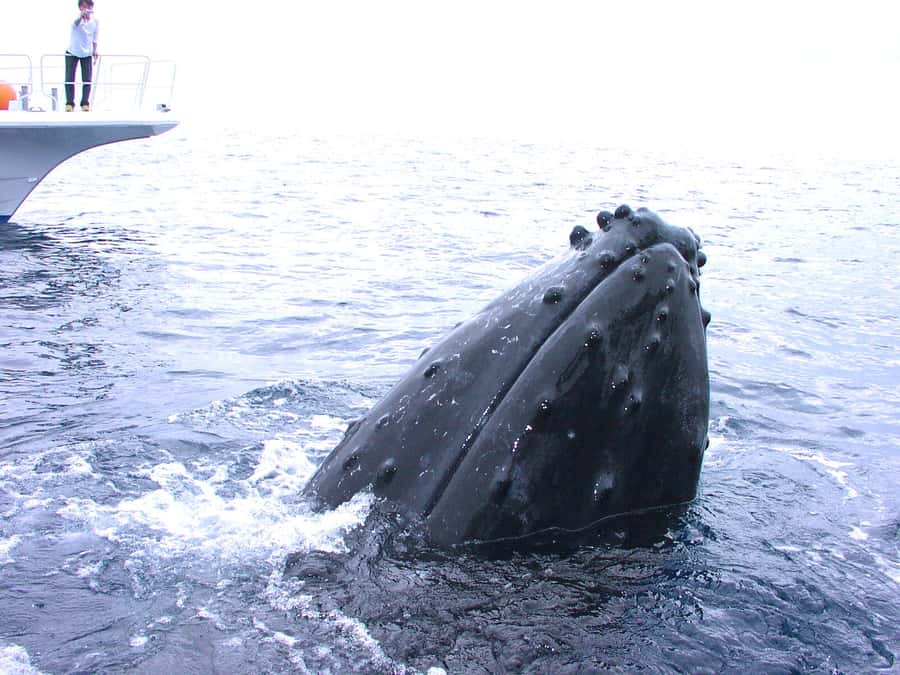
From January 12 through March, whale watching is offered as a limited-time service. A whale sighting is not guaranteed, and the snorkeling plan still depends on weather and sea conditions, but winter can bring this extra possibility on the cruise.
Winter is also perfectly workable for snorkeling if you prepare properly. The water remains around 22°C, and wetsuits are provided. Add a hooded vest, boat coat, warm change of clothes, and seasickness medicine, and you can enjoy the season without assuming summer is the only good time to go.
In August and September, the boat serves Kerama Blue shaved ice. It is a small seasonal treat rather than a reason to choose the tour, but it is welcome after time in the sun. Free swim-ring rentals are also available if reserved in advance, which may help less confident swimmers or families with older children who meet the age requirements.
The rough-water question
Seasickness is the biggest practical drawback. The boat ride is described as rocky by several people, and strong currents or choppy conditions can affect the day. The operator may have motion-sickness tablets available, but you should use your own medicine in advance if you know you are sensitive.
Sit where you are least affected by movement, keep your eyes on the horizon when possible, and avoid eating too much before departure. Bring water, a light snack, and a dry layer. If you are already feeling sick, getting into the water may not fix the problem.
Weather can also change the route. The boat may use nearby snorkeling points instead of the Kerama Islands, or the entire plan may be canceled. That is the trade-off for a real ocean outing. You gain access to clear reefs and open-water wildlife, but you do not get a guaranteed set of islands or fixed visibility.
Is $81 good value?
At $81 per person, this is a strong value if you want a full day on the water without paying separately for boat transport, snorkeling equipment, towels, tea, showers, and insurance. Hotel pickup, when available for your location, adds more value. Three snorkeling stops also give you several chances to see good coral and fish.
The price does not cover lunch, and island landing is not part of the plan. You may also want to budget for motion-sickness medicine, parking, or optional food. If you are comparing it with a private charter, this shared boat is likely the cheaper route, but you will have less control over the schedule and exact sites.
The most praised features are the clear water, healthy coral, colorful fish, turtles, friendly crew, and smooth organization. The less flattering points are also useful: the boat can be rough, shade may be limited, English communication is not identical across all staff, and the day may finish earlier than expected.
Respect the reef
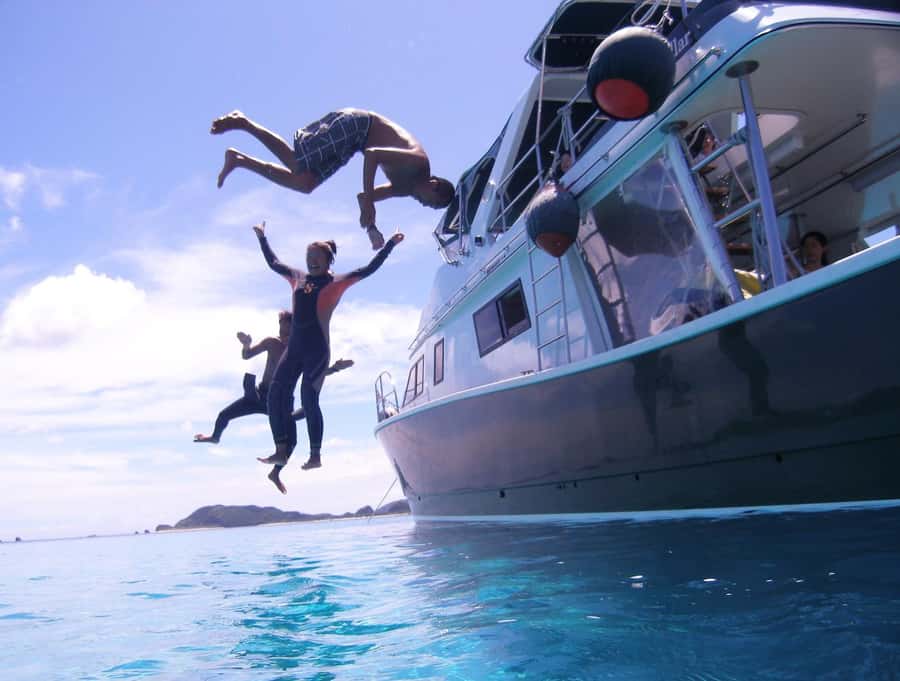
Most of the wildlife encounters here are special because they happen in the animals’ own home. Keep your hands off coral and marine life, maintain a respectful distance from turtles, and follow the guide’s instructions even when the perfect photo is just below you.
One serious concern has been raised about staff handling coral and marine animals. That behavior is not acceptable. If you see it, speak up politely and tell the operator afterward. A good snorkeling trip should help you observe the reef, not interfere with it.
Who should book this Naha day trip?
I would choose this trip if you want an easy way to reach Okinawa’s best-known snorkeling waters and you value staff support more than a private itinerary. It suits first-timers, mixed-ability groups, and confident swimmers who want several reef stops in one day.
It is less suitable if you need a calm boat, strict shade, a guaranteed island landing, or a fixed return time. It is also not the right choice if you dislike open-water conditions or have any of the medical restrictions listed by the operator.
For the best day, reserve early if you need pickup, bring lunch, pack a warm layer, wear protective swim clothing, and take seasickness medicine before boarding. If the sea is calm and visibility is good, the combination of coral, fish, turtles, and three separate stops can make this one of Naha’s most rewarding outings.
FAQ
How many snorkeling stops are included?
The tour usually visits two or three snorkeling locations, with three stops common on many departures. The number and exact locations can change because of weather, currents, and sea conditions.
Are snorkeling equipment and towels included?
Yes. Snorkeling equipment, towels, a boat coat, tea, insurance, toilets, a changing room, and a hot-water shower are included.
Is lunch included in the $81 price?
No. Lunch is not included, so you should bring a packed lunch and drinks. A purchasable lunch option may be available, but confirm this before departure if you plan to use it.
Can I see whales during the tour?
Whale watching is offered from January 12 through March. Sightings are not guaranteed, and the service is seasonal.
Is this tour suitable for someone who cannot swim well?
The crew can provide life jackets and help beginners with equipment and water safety. You must follow the staff’s instructions, and a life jacket may be required. The open sea can still be challenging, so this is not a suitable activity for everyone with limited swimming ability.
What happens if the weather is poor?
The operator may choose nearby snorkeling locations instead of the Kerama Islands, change the destination, or cancel the tour if conditions are unsafe. A full refund is available for cancellations made at least 24 hours in advance.
Just added in Japan
- 1 Day Tour: Snow Monkeys & Snow Fun in Shiga Kogen★ 5.0 · 52 reviews
- Osaka Temple Cool Foot Bath & Matcha Experience〈45min〉★ 4.9 · 82 reviews
- Kobe 4hr Private Tour with Government-Licensed Guide★ 5.0 · 59 reviews
- Small-Group Wagyu Beef and 7 Japanese Dishes Tokyo Cooking Class★ 5.0 · 190 reviews
- Osaka: Mind & Spirit Balance Temple Reiki Healing★ 5.0 · 41 reviews
- Kobe Highlights & Hidden Gems: Private & Custom Tour with a Guide★ 4.5 · 70 reviews
- Sakurajima Century Lava Climb Journey with E-bike★ 4.9 · 27 reviews
- KOBE Sake Tasting Tour at Breweries (tasting fee included)★ 5.0 · 154 reviews
Snorkeling, compared.
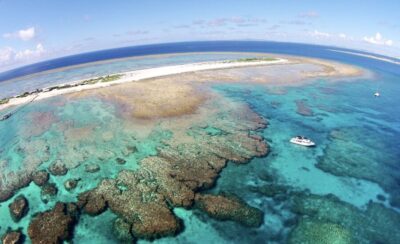
Naha, Okinawa: Keramas Island Snorkeling Day Trip with Lunch
Read our review →![[Miyako Island/Half Day] Sea Turtle Snorkeling](https://assets.japanesetravels.com/wp-content/uploads/miyako-island-half-day-sea-turtle-snorkeling-400x267.jpg)
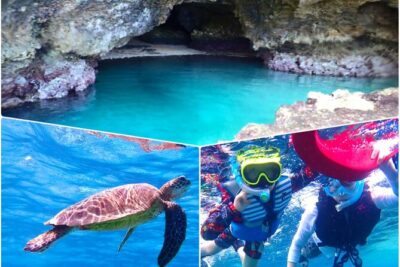
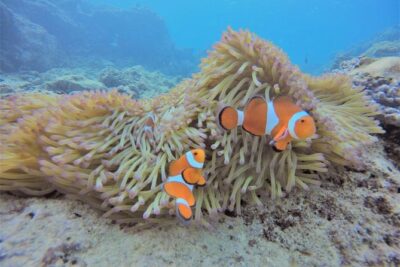
Snorkeling in the Blue Cave area【Okinawa Prefecture: Free feeding & photo images!English and Chinese speaking guide available!
Read our review →Browse the lists this tour appears in