
Reviewed · JDM CAR MEET TOURS
Tokyo: Best Price Daikoku Parking Area JDM Car Meet
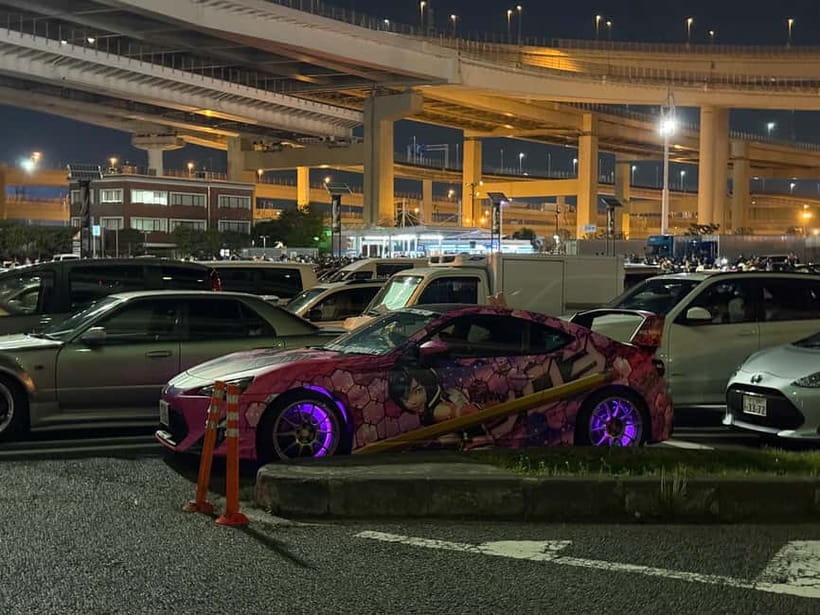
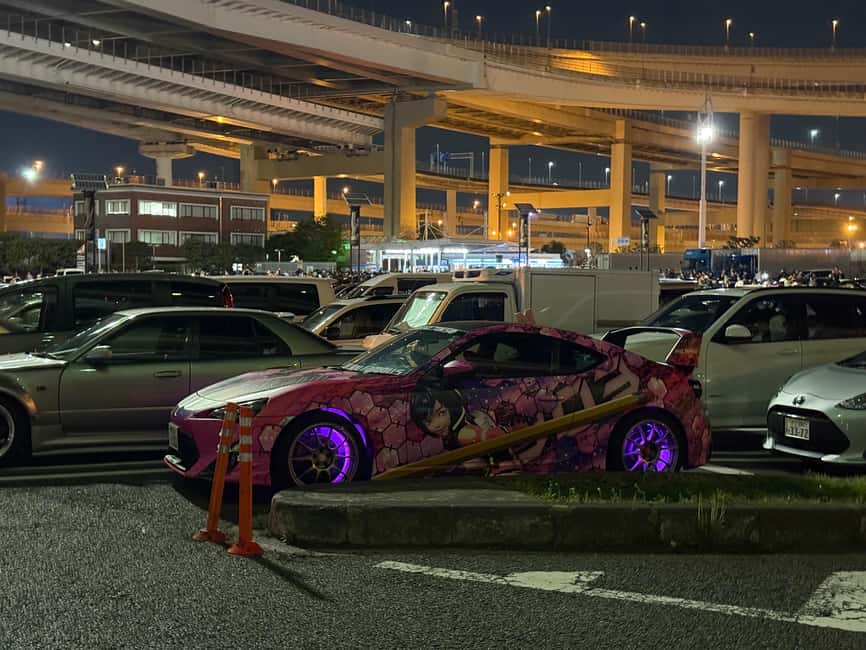
Daikoku Parking Area is not a museum or a staged car show. It is a real highway rest stop where JDM legends, supercars, tuned cars, and classic vehicles may gather, often with little warning. The drive there, across Tokyo’s expressways and Rainbow Bridge, is part of the fun. This is a rare way to reach a car-spotting place that is awkward to access without a car.
I like the honest $76 flat price, with no solo surcharge or minimum group requirement. I also like the freedom to wander for about 90 minutes instead of being marched from car to car. The main catch is simple: the cars are never guaranteed, and the ride uses a regular Toyota, Nissan, or similar vehicle, not a flashy tuned JDM machine.
Key points to know before booking
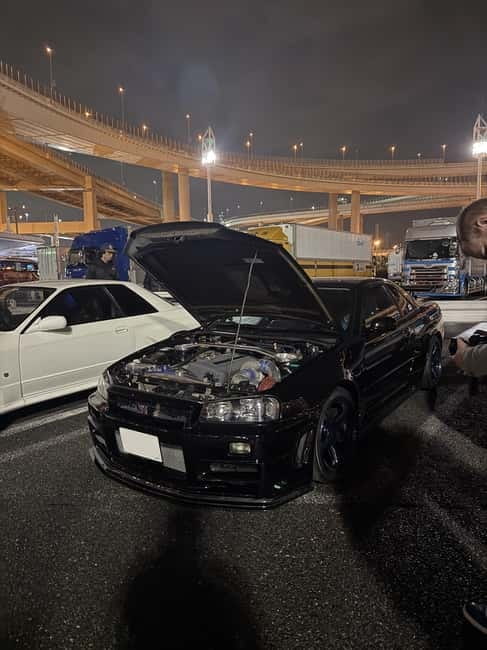
- Daikoku is a real, unpredictable car meet: You may see Skylines, GT-Rs, exotics, classics, and modified cars, but the exact turnout changes by day.
- The drive is part of the experience: You cross Rainbow Bridge, pass Haneda Airport, and cruise Tokyo and Yokohama expressways.
- You explore independently: Guides explain the setting and answer questions, but this is not a structured walking tour.
- The shared ride holds up to six people: Vehicle size depends on the group, from a Toyota Aqua to a Noah, Voxy, Serena, or Hiace.
- Weekdays can work well: A Tuesday or Thursday may start quietly, then build as more cars arrive.
- The guides are a major strength: Joshua, Josh, and Kai are praised for friendly conversation, English help, and car culture knowledge.
Why Daikoku PA is worth the ride
If Japanese car culture interests you, Daikoku Parking Area has a pull that a polished attraction cannot copy. It is a working rest stop on Daikoku Futo in Yokohama, not a venue built for sightseeing. Cars arrive, owners chat, people take photos, and the mood changes from one visit to the next.
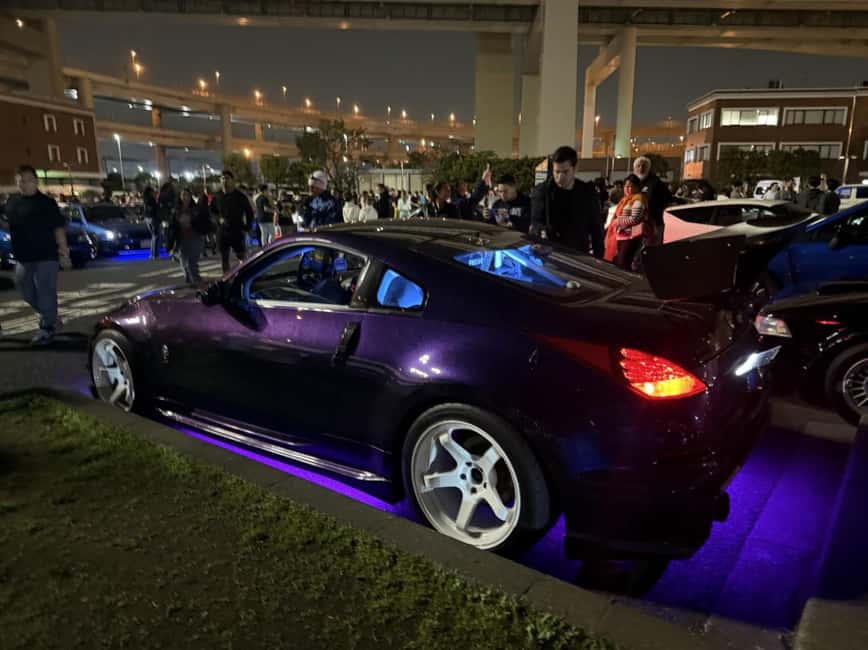
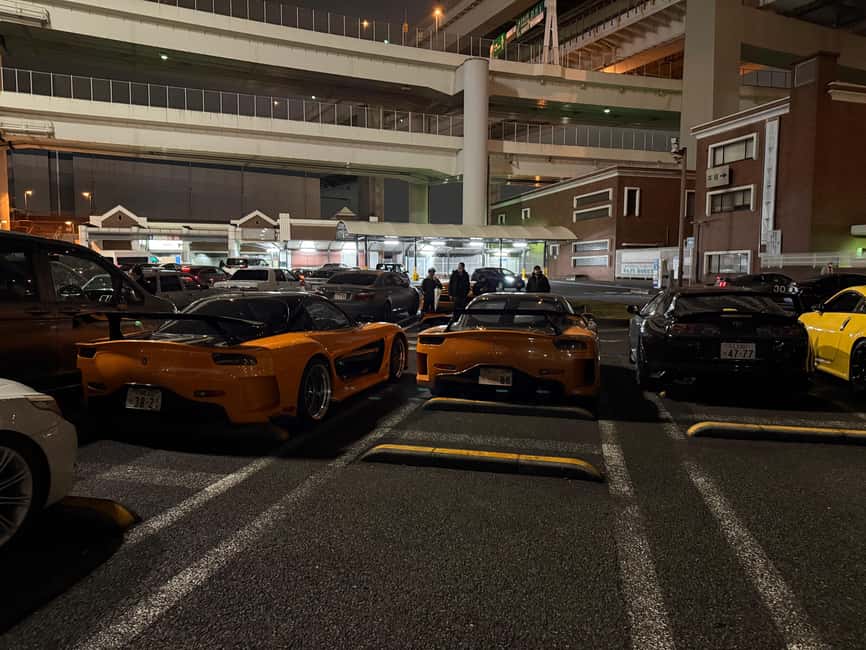
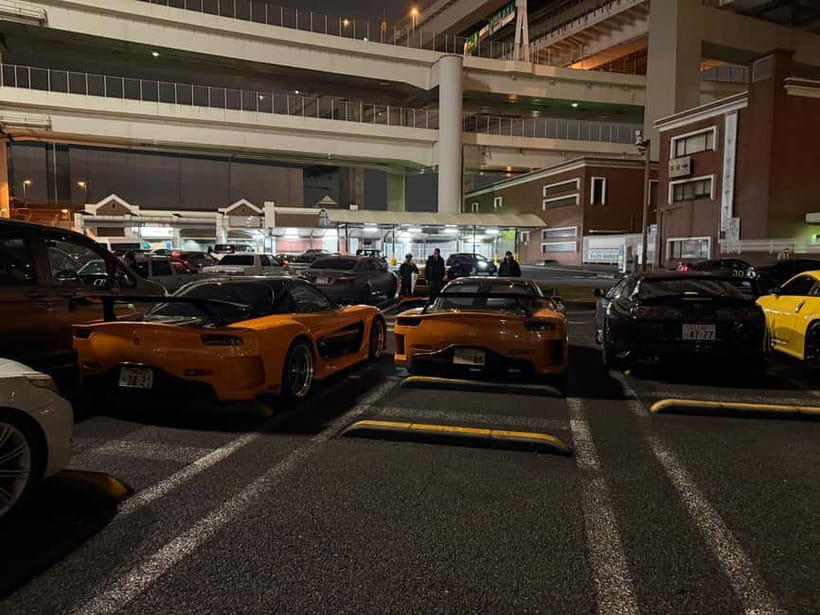
That uncertainty is part of the deal. One evening might bring a strong showing of JDM cars and sports cars. Another might begin slowly, then fill up as the night goes on. You could see rare classics, heavily modified tuners, exotic supercars, or familiar Japanese performance cars such as Skylines and GT-Rs. You could also arrive during a quiet spell.
I see this as a car culture outing, not a guaranteed catalogue of dream cars. If you need to see a particular model, this is the wrong choice. If you like the idea of showing up and seeing what Japan’s car scene produces that night, it makes much more sense.
The setting also matters. You are not simply dropped at a car park. You reach it by highway, with Tokyo’s lights, expressway lanes, and port-side views providing a sense of place along the way. The route gives you a look at the city beyond temples, shopping streets, and observation decks.
Other nights out with the car scene around Japan:
- GT-R35 800hp Club Membership – secret underground car meet
★ 4.8 · 998 reviews - Tokyo: Fast & Furious Tokyo Drift 3 Experience (Kaila Yu SP)
★ 4.8 · 947 reviews - Tokyo: Daikoku JDM Car Meet & Night Car Culture Tour
★ 4.8 · 626 reviews
From Tochomae Station to Tokyo’s expressways
The usual starting point is Tochomae Station in Nishishinjuku, though the meeting point can vary with the option you book. You need to make your own way there, since hotel pickup and transport to the start are not included.
The ride begins in an ordinary car. For a small group, that may be a Toyota Aqua. Larger groups may ride in a Toyota Noah, Toyota Voxy, Nissan Serena, or Toyota Hiace. This detail is important because some people arrive expecting a tuned sports car or a replica of a movie car. That is not what you are booking.
The benefit of a normal vehicle is comfort and practicality. You are paying for access to Daikoku, the route, and the guidance, not for a performance-car rental. The drawback is that a full vehicle can feel snug. The operator limits the group to six and does not exceed the vehicle’s capacity, but space depends on the car and the number of people sharing it.
Guides such as Joshua, Josh, and Kai add much of the human interest. Their role is not only to drive. They can chat about Japanese car culture, explain the route, and offer background on the places you pass. English support is available, along with Traditional Chinese, Japanese, and Indonesian.
Rainbow Bridge, Haneda, and the ride itself
The route passes Rainbow Bridge, Haneda Airport, and other parts of Tokyo and Yokohama. These are drive-by points rather than stops, so you should not expect time to get out and take formal photos at each one.
Still, the highway section earns its place. At night, Tokyo looks different from the expressways. You see the city in motion, with bridges, lights, ramps, and long views across the urban area. The route also helps explain why Daikoku is such a popular meeting point: it sits within a network of roads that car owners enjoy driving.
Some people book this mainly for the destination and treat the ride as transport. I think that undersells it. The expressway cruise gives the evening a sense of movement, and the return journey can be especially fun if cars from the meet happen to be heading back along the same roads.
The guides can also make the drive more useful. Joshua is repeatedly praised for clear English, easy conversation, and explanations of car culture and nearby sights. Kai is described as relaxed and informative. Exact guide assignment can change, so book this for the overall guiding style rather than one guaranteed individual.
Ninety minutes at Daikoku Parking Area
The planned visit at Daikoku lasts about 1.5 hours. That is enough time to walk around, look at cars, take photos, and watch the flow of people and vehicles without making the stop feel rushed.
You explore freely. There is no fixed parade of vehicles and no promise that a guide will give a detailed explanation of every car. This suits you if you already enjoy spotting details such as body kits, wheels, engine swaps, classic shapes, and Japanese performance badges.
If you are not a serious car fan, the independent format still has value, but you should know what you are getting. The guide is available to answer questions and explain the parking area, yet the evening is not built around a formal talk. You may spend much of the time walking at your own pace.
That freedom is one of the best features here. Everyone has a different favorite car. One person may want a classic Toyota, another may be watching for a GT-R, and someone else may care more about a wild custom build. You are free to follow your own interests.
Bring a camera, wear comfortable shoes, and be respectful. These are privately owned vehicles, not props. Ask before touching a car, avoid blocking people, and keep in mind that the meet is a public car culture scene rather than a photo studio.
Same base, a different sort of day:
- Mt Fuji and Hakone 1-Day Bus Tour Return by Bullet Train
★ 5.0 · 26,383 reviews - 1-Day Tokyo Bus Tour
★ 5.0 · 14,250 reviews - PERFECT KYOTO 1-Day Bus Tour
★ 5.0 · 13,518 reviews - Tokyo: TOKYO SKYTREE® Admission ticket
★ 4.5 · 11,192 reviews
Why weekday visits can be a smart choice
A weekend may offer a stronger crowd, and weekends or holidays are often the safer choice if your top goal is seeing a large number of cars. Even then, no turnout is guaranteed.
Weekdays have a different appeal. A Tuesday or Thursday can feel less crowded and more relaxed. Several outings have started slowly and improved as more cars arrived. One weekday evening still produced a wide range of JDM and sports cars, while another became busier after the group waited a little longer.
I would choose based on your priorities:
- Pick a weekend or holiday for the best chance of a larger gathering.
- Pick a weekday if you prefer more room and a calmer atmosphere.
- Keep your expectations flexible on either day.
The operator may adjust the timing at Daikoku when conditions allow. One guide let a group stay longer because the parking area was quiet at first. That kind of flexibility can help, but it also means the precise schedule may shift.
When plans change at Daikoku
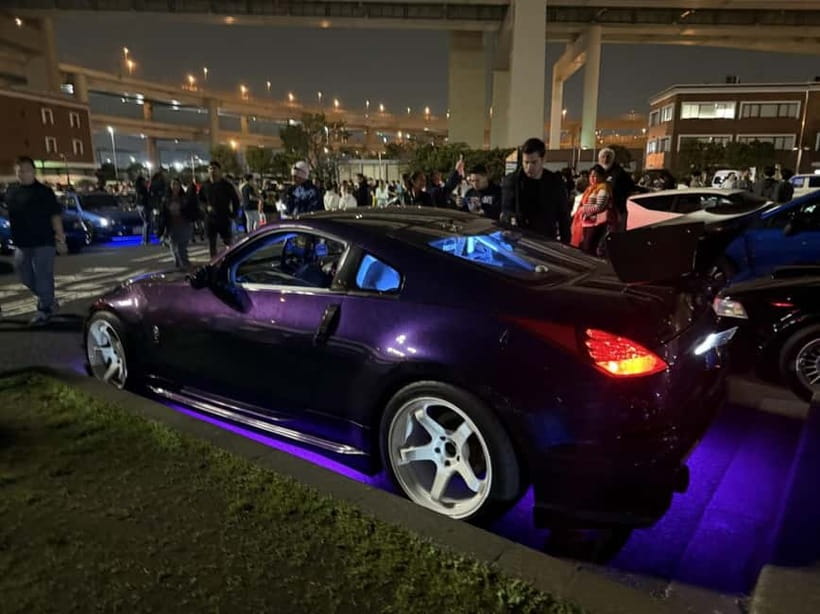
Daikoku can close early or be cleared by police. That is not a flaw unique to this outing. It is part of visiting an active public rest stop where large car gatherings can draw attention.
The important thing is how the operator handles it. On several occasions, guides moved the group to another location when Daikoku closed or cars were required to leave. One group arrived just before the police cleared the area, yet the guide found another place so the evening did not simply end.
You should treat the backup plan as a safety net, not as an equal substitute. The main attraction is Daikoku, and another spot may not offer the same scale or setting. Still, a flexible guide can make a major difference when the original plan falls apart.
The experience is not a drifting or illegal racing tour. You are there to observe car culture. Any fast-looking cars or dramatic highway scenes should not be confused with a promise of racing, drifting, or reckless driving.
Returning through Tokyo to Shinjuku
After the Daikoku visit, the route returns through Tokyo, again passing Rainbow Bridge and Tokyo Tower before finishing near Shinjuku Station. The full activity lasts about 210 minutes, including travel time.
That timing matters. You are not getting 3.5 hours at the parking area. About 90 minutes is planned at Daikoku, with the rest spent driving to and from the site. If you want a long, all-night car meet, this is too short. If you want an evening outing that combines a highway ride with a concentrated stop, the length is sensible.
The finish near Shinjuku Station is useful for dinner, drinks, or a straightforward return to your accommodation. Meals and drinks are not included, so plan to eat before or after. Since the activity ends in a busy part of Tokyo, you do not need to arrange a separate ride back from an isolated port area.
In some cases, the group may return later than planned because Daikoku closes, a backup location is used, or the timing changes. One outing ended around 9:15 pm after a 5 pm departure. Leave some room in your evening schedule rather than booking a tight dinner reservation.
Is $76 good value?
At $76 per person, I think the price is fair if you need transport to Daikoku and want a guide who can talk about the local car scene. You are also paying for a roughly 3.5-hour evening, the highway route, access to a place that is difficult to reach without a car, and a small shared group.
The value is strongest for solo visitors and pairs. The flat price does not rise because you are alone, and there is no minimum number of participants. That removes a common worry with small-group outings.
For a family or group of four, the cost adds up, but you gain private time together within a shared vehicle format. A family group enjoyed the experience with two transfers, and the small-group setup kept the outing manageable.
The price is weaker if you only want a guaranteed car show. Daikoku does not promise a certain number or type of cars, and closures can happen. You are buying access and local help, not a fixed display.
The honest pricing is still worth noting. There is no low starting figure that changes for solo bookings or a higher-demand date. Toyota’s new GR86 is offered as an additional option, but it has different pricing from the standard shared ride. Check the exact option before paying.
Who should book this experience?
I would recommend it to:
- JDM fans who want to see real Japanese car culture rather than a staged exhibit.
- Casual car fans who enjoy unusual vehicles, night drives, and city views.
- Solo visitors who want a practical way to reach Daikoku.
- Small groups that prefer a shared ride and informal conversation.
- People who are comfortable wandering independently.
- Visitors who can accept that the best moments depend on the night.
I would think twice if you need a highly structured tour, a guaranteed list of cars, or a tuned sports car for the ride. It is also not suitable for anyone over 280 pounds, or 127 kilograms, according to the activity restrictions.
The tour is wheelchair accessible, though you should still confirm that the specific vehicle and meeting arrangement suit your needs. Smoking and pets are not allowed.
Cancellation is flexible up to 24 hours before departure for a full refund, and you can reserve now and pay later. Those terms help when your Tokyo schedule is still moving.
Final call: book it for the scene, not a guarantee
I would book this if the idea of an unplanned Japanese car meet sounds exciting. The strongest parts are the access, the expressway ride, the friendly guides, and the freedom to look around without being rushed.
I would not book it expecting a movie-style Tokyo Drift experience or a guaranteed row of rare supercars. The ride uses a normal vehicle, the turnout can be quiet, and Daikoku may close. But if you understand those limits, $76 buys a memorable look at a side of Tokyo that is hard to reach on your own.
For the best odds, choose a weekend or holiday, bring a camera, and keep your evening open until the return to Shinjuku. For a calmer outing, try a weekday and enjoy the possibility that the meet grows while you are there.
FAQ
Where does the experience start?
One listed starting point is Tochomae Station at 2-chōme-7-2 Nishishinjuku. The exact meeting point may vary depending on the option booked.
Where does the experience finish?
The ride finishes at or near Shinjuku Station.
How long does the activity last?
The total duration is 210 minutes, including travel time. About 1.5 hours is planned at Daikoku Parking Area.
How much does the standard shared ride cost?
The standard shared ride costs $76 per person. There is no higher solo price and no minimum participant requirement. The Toyota GR86 option has different pricing.
What kind of vehicle is used?
The vehicle depends on group size. Options include a Toyota Aqua for a small group, or a Toyota Noah, Voxy, Nissan Serena, or Toyota Hiace for a larger group.
How many people can join?
The small group is limited to six participants. The operator does not exceed vehicle capacity.
Are specific cars guaranteed at Daikoku?
No. The type and number of cars depend on the impromptu meet. You might see exotic supercars, modified tuners, rare classics, JDM legends, Skylines, or GT-Rs, but no particular vehicle is promised.
Is this a drifting or racing tour?
No. The activity is for observing car culture at Daikoku Parking Area. Drifting and illegal racing are not included.
What happens if Daikoku is closed?
A backup plan is used if Daikoku closes or no cars appear. The alternative is intended to provide another car culture experience, though it may not match the original location.
Just added in Japan
- 1 Day Tour: Snow Monkeys & Snow Fun in Shiga Kogen★ 5.0 · 52 reviews
- Fukuoka Your Way: 100% Customisable Private Tour with Local Guide★ 5.0 · 83 reviews
- Nagasaki Full-Day Private Tour with Government-Licensed Guide★ 5.0 · 66 reviews
- Private Fukuoka Tour with a Local, Highlights & Hidden Gems 100% Personalised★ 5.0 · 143 reviews
- Visit Gunkanjima Island (Battleship Island) in Nagasaki★ 4.0 · 32 reviews
- From Matsumoto/Nagano: Nakasendo Trail Walking Tour★ 4.9 · 33 reviews
- Hakone 8 hour Private Tour with Government-Licensed Guide★ 5.0 · 63 reviews
- Nagasaki Half-Day Private Tour with Government-Licensed Guide★ 5.0 · 53 reviews
JDM Car Meet Tours, compared.
GT-R35 800hp Club Membership – secret underground car meet
Read our review →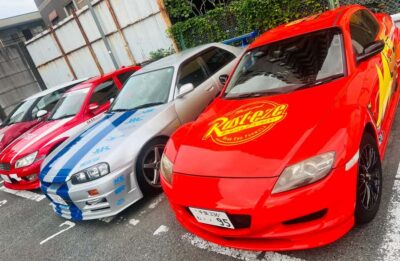
Fast & Furious Tokyo Drift 3 Experience (Kaila Yu SP)
Read our review →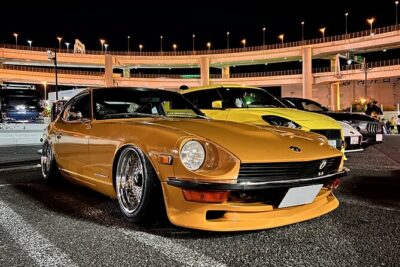
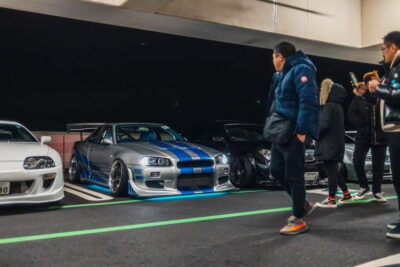
Secret Car Meet: R34 Skyline Car Club Membership
Read our review →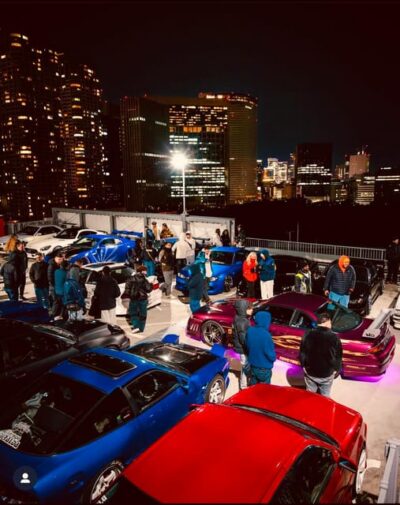
EVO, WRX, Skyline – JDM Night Run to Daikoku Car Meet
Read our review →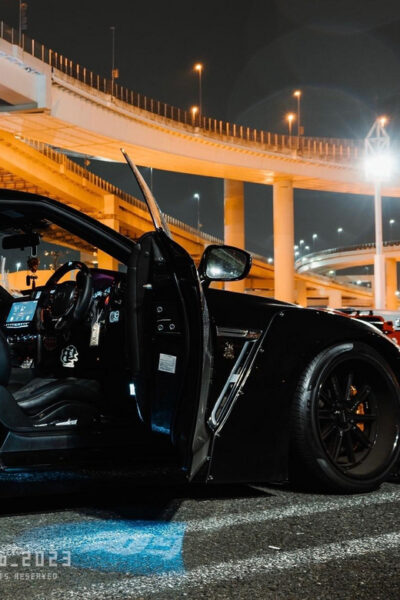
Tokyo Drift: Daikoku PA Supreme Car Experience 大黒PA
Read our review →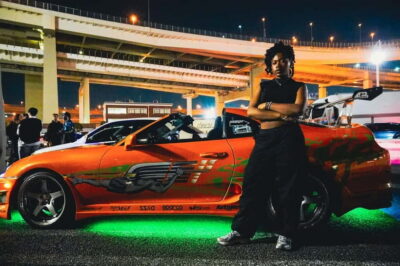
Go Daikoku PA Fast & Furious 3 Sports Car Meetup
Read our review →Browse the lists this tour appears in