
Reviewed · CASTLE TOURS
Himeji: Himeji Castle Guided Tour – UNESCO Heritage
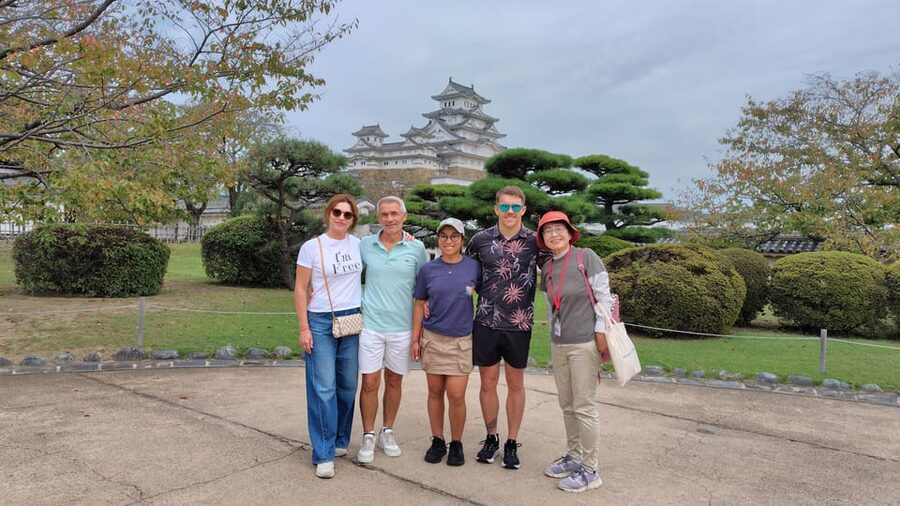
Himeji Castle is one of Japan’s rare original castles, still showing the form it had when it was completed in the early 1600s. The white-plastered walls, clever defenses, and six-story tower are impressive from outside, but the best reason to book this tour is having someone explain what you are actually looking at. The castle’s survival is remarkable, since it escaped battle and World War II bombing.
I like the way the guide meets you at JR Himeji Station and helps turn a grand monument into a readable place. I also like the choice of formats, from a shorter castle visit to a longer outing with Kokoen Garden and Shoshazan Engyo-ji Temple. The main drawback is physical, with more than 100 steps, steep wooden stairways, and a shoes-off visit inside the tower.
Key points to know before booking
- Original six-story castle tower: Himeji has not been rebuilt as a modern replica, giving you a rare look at a surviving Japanese castle.
- Station meeting point: Meet at the central ticket gate at JR Himeji Station, where your guide holds a yellow DeepExperience sign.
- Flexible tour lengths: Plans range from about 150 minutes to 450 minutes, depending on whether you add Kokoen Garden and Shoshazan Engyo-ji Temple.
- Guides add the missing details: Guides such as Junko, Rie, Chiyuki, and Kayo are praised for clear English, local stories, photographs, and patient answers.
- Expect bare rooms and steep stairs: The castle is not furnished like many European castles, and the climb requires walking in socks.
- Good value for history fans: At $83 per person, the tour costs more than a simple admission ticket, but the guide can make the architecture and defenses far easier to understand.
Why Himeji Castle is worth the trip from the station
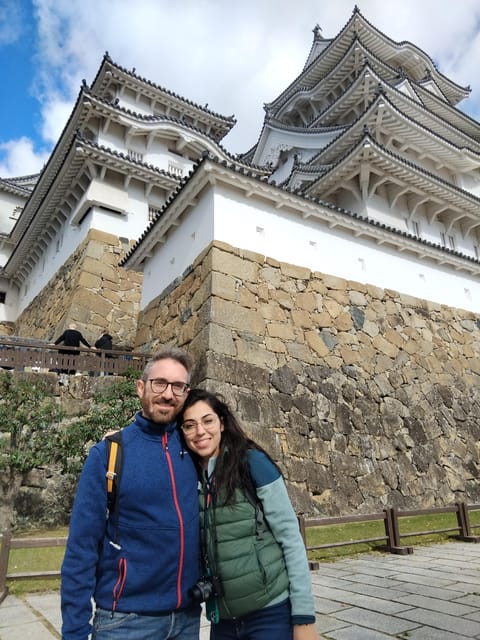
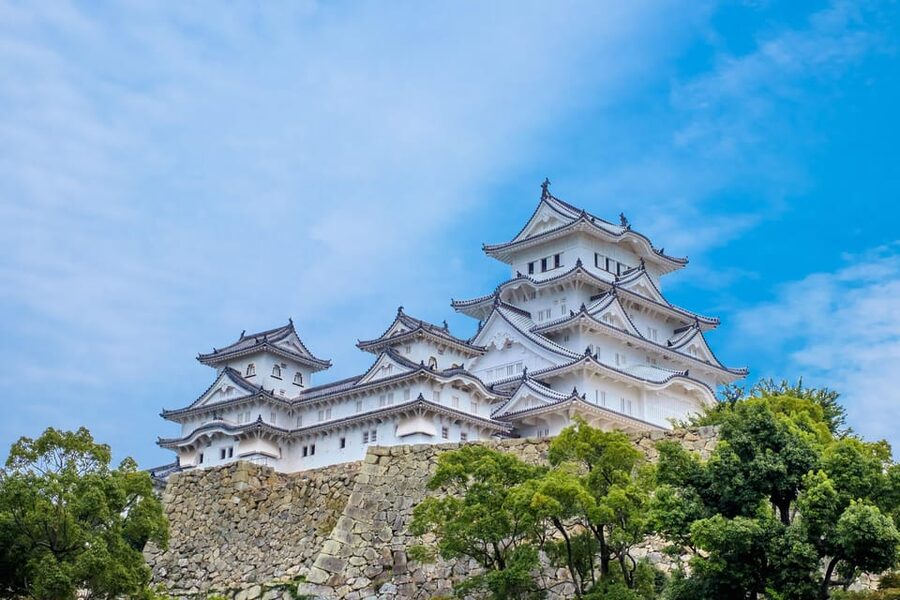
Himeji Castle is often called the White Heron Castle because its brilliant white exterior resembles a bird in flight. That nickname is easy to understand when you first see the tower rising above the city, but the color is not the only thing that makes the place special.
The castle has remained intact since the early 1600s. It was never taken in battle, and it survived the bombing of World War II. In a country where many castles are reconstructed in concrete, Himeji gives you the rare chance to walk through an original structure.
That distinction matters. You are not simply looking at a pretty tower. You are seeing a real defensive complex with its old walls, gates, passageways, wooden floors, and carefully planned approach. A guide helps you notice why the route bends, why the walls narrow, and how the castle was designed to slow an attacker.
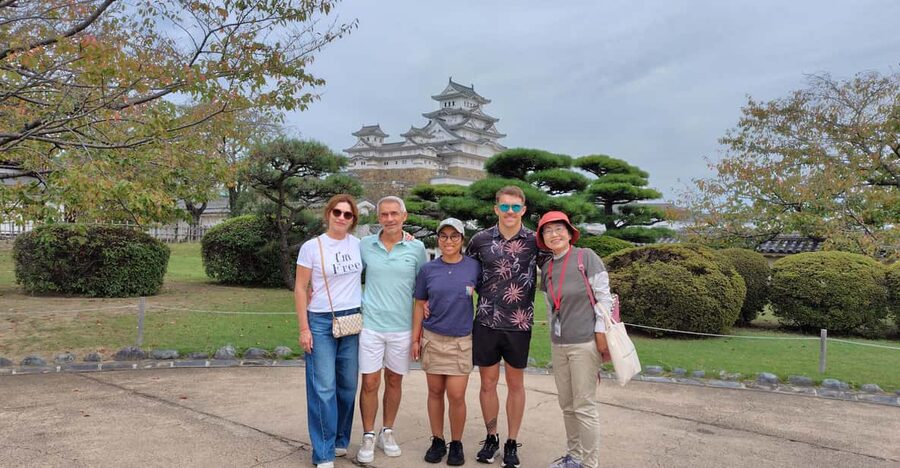
The tour begins at JR Himeji Station, a practical meeting point for anyone arriving by train. Meet your guide in front of the central ticket gate and look for the yellow sign with the DeepExperience logo. Several guides, including Junko, Rie, Chiyuki, Kayo, and Kaoru, have been praised for meeting promptly, explaining clearly, and helping with photographs.
The walk from the station is useful in its own right. It gives you time to meet your guide and ask what interests you most. Some guides also point out less obvious details and quieter streets on the way to the castle, rather than rushing straight to the entrance.
Other castles reached from Japan:
- Osaka Castle: Museum and Tower Entry Ticket
★ 4.5 · 2,380 reviews - Tokyo Castle & Imperial PalaceーShogun Walking Tour
★ 4.7 · 1,068 reviews - Kyoto: Nijo-jo Castle and Ninomaru Palace Guided Tour
★ 4.7 · 1,020 reviews
Inside the six-story tower
The castle visit takes about two hours on the standard itinerary. That is enough time to see the main tower properly, listen to explanations, stop for photographs, and make the climb without treating the place like a quick photo stop.
The exterior is the easy part to admire. Its white walls, dark rooflines, layered towers, and broad grounds create the classic image of a Japanese castle. The guide can help you understand how these parts fit together, including the castle’s defensive purpose and the political role it once played.
Inside, keep your expectations realistic. The rooms are largely bare, without the furniture, armor, and weapons displays you might expect in a European castle. For some people, that feels spare. For me, it also allows the building itself to take center stage.
You will see wooden floors and traditional construction rather than a fully decorated historical interior. Guides use stories, explanations, and sometimes illustrations to make the empty rooms easier to read. Rie Ito, for example, has been praised for bringing visual aids that helped explain difficult details.
The climb is a major part of the experience. You will go up and down more than 100 steps, including narrow and steep wooden stairways. Shoes are removed inside, so you walk in socks. That sounds minor on paper, but the combination of bare feet or socks, polished wood, tight stairways, and other people moving through the tower requires care.
The upper floors reward the effort with views across Himeji. The height also helps you understand why the tower was such a useful lookout. Your guide can point out the relationship between the tower, surrounding grounds, and city beyond.
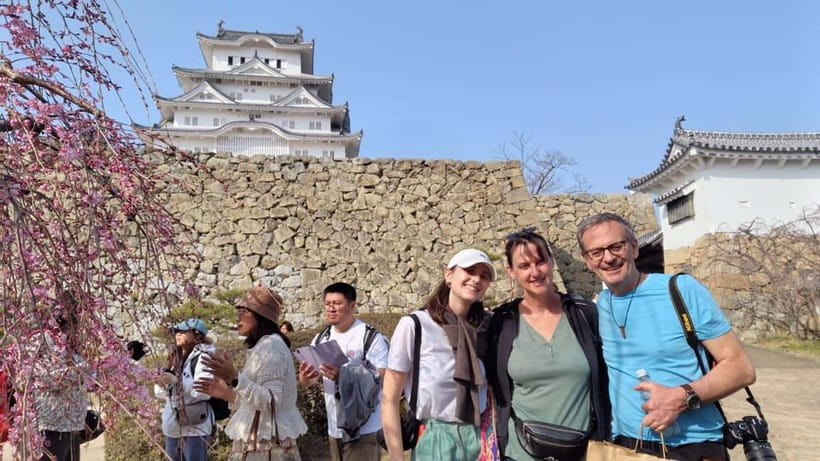
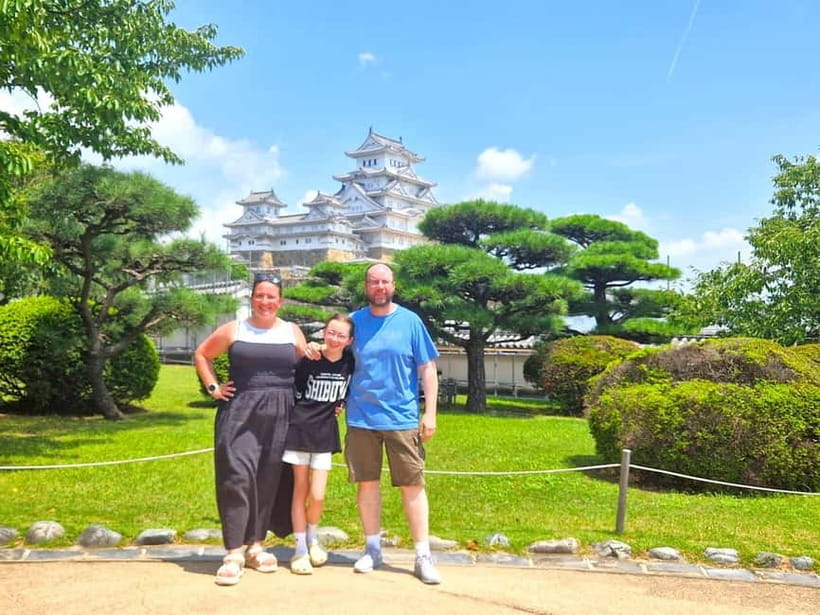
Take your time with photographs before or after the main climb. Guides such as Chiyuki and Rie have been praised for knowing good picture spots and helping families or couples get better photos. The castle tower itself is the essential souvenir, but a well-timed photo from the grounds often shows the full white facade more clearly.
The small details a guide makes visible
A self-guided visit lets you enjoy the beauty of Himeji Castle, but it is easy to miss the logic behind it. The castle contains many details that look decorative until someone explains their purpose.
A guide may draw your attention to the castle’s approach, its gates, its walls, and the way visitors are directed through the grounds. You might otherwise walk past these features as part of one large scenic complex. With context, the building becomes a piece of military planning rather than just a handsome monument.
The human stories help, too. Guides share castle legends, local stories, and information about the people connected to Himeji. Chiyuki has been praised for combining historical details with myths and legends, while other guides connect the castle to broader Japanese customs and daily life.
This conversation is one of the tour’s strongest points. You can ask about the castle, Japanese history, modern life, or nearby places to visit. The best guides adjust the level of detail to your interests. If you love architecture, ask about construction and design. If you prefer stories, ask about the people and legends tied to the site.
The personal element can be especially useful in a small group. One guide connected stories from Japan with the home countries of the participants, which helped strangers begin talking to one another. That is a nice difference from a fixed audio guide, where everyone receives the same information at the same pace.
Private tours offer the most room for questions and changes in pace. Small groups can be better value if you want company but still need a guide who can hear your questions. Group size matters inside the tower because some stairways and rooms are tight.
Kokoen Garden adds calm beside the castle
Some tour plans continue to Kokoen Garden after Himeji Castle. The garden is next to the castle but is a separate attraction, not part of the original castle complex. Allow about one hour for a guided visit.
Kokoen is a useful contrast to Himeji’s walls and stairways. Its ponds, planted areas, and seasonal flowers offer a quieter setting after the exertion of the tower. You can slow down, take photographs, and notice how Japanese garden design uses water, plants, bridges, and carefully framed views.
The garden is not as old as the castle, so do not expect another untouched piece of the early 1600s. Its value lies in the atmosphere and the change of pace. A visit here works well if you like gardens, seasonal scenery, or a more peaceful pause after a busy historic site.
One practical point deserves attention: the supplied tour details list castle admission as included, while options that add Kokoen Garden may include garden admission as part of that specific booking. Check the exact plan before paying, especially if the garden is a priority.
A garden visit also makes the longer tour feel less repetitive. The castle requires concentration, climbing, and attention to structure. Kokoen gives you room to breathe and enjoy the setting without another long interior ascent.
Same base, a different sort of day:
- Mt Fuji and Hakone 1-Day Bus Tour Return by Bullet Train
★ 5.0 · 26,383 reviews - 1-Day Tokyo Bus Tour
★ 5.0 · 14,250 reviews - PERFECT KYOTO 1-Day Bus Tour
★ 5.0 · 13,518 reviews - Tokyo: TOKYO SKYTREE® Admission ticket
★ 4.5 · 11,192 reviews
The longer Shoshazan Engyo-ji Temple option
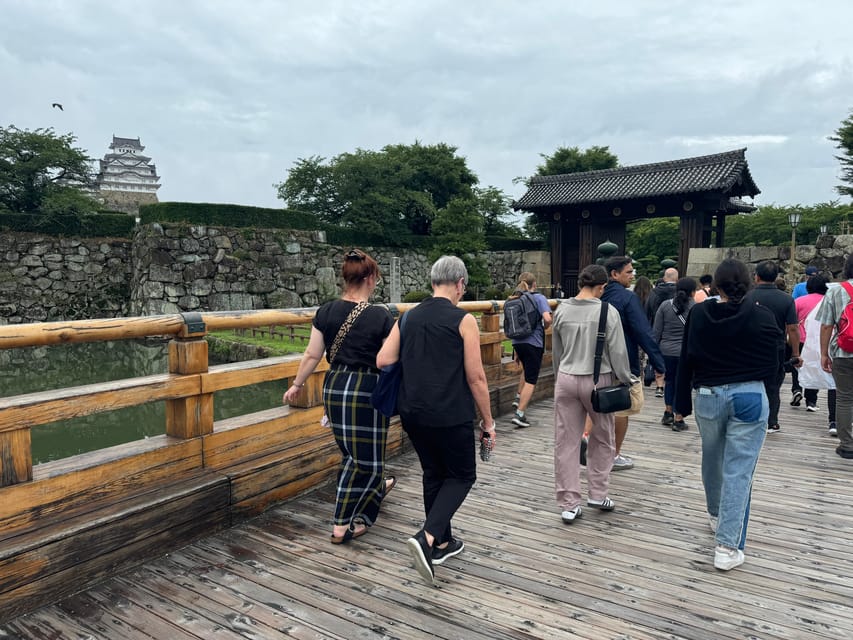
The longest format adds about two hours at Shoshazan Engyo-ji Temple. This creates a much fuller Himeji day, with a castle, a garden, and a temple experience rather than a single concentrated attraction.
The temple is listed as a guided stop, but the available details do not specify transport arrangements or which admission fees are included. Confirm those points when choosing the longer plan. The 450-minute duration also means you should keep the rest of your day open.
This option suits you if you want a broader cultural outing and prefer one guide to connect several places. It is less suitable if your main goal is simply to see the castle before continuing by train. The shorter castle-only option is easier to fit into a busy route.
The drop-off points listed for the tour are Himeji Castle, Kokoen Garden, and JR Himeji Station. That gives you some practical flexibility at the end. You can continue at the castle or garden, or return to the station for your next train, depending on your selected plan and guide arrangements.
What $83 buys you
The listed price is $83 per person. That is not the cheapest way to enter Himeji Castle, since you are paying for a guide as well as admission. The value depends on how much you want from the visit.
For a quick look at the exterior and tower, independent entry may be enough. Himeji is visually clear even without help, and the grounds are rewarding on their own. But if you want to understand the castle’s defenses, construction, political importance, and local stories, the guide adds real substance.
The price becomes easier to justify for a private or small-group outing. You are not just being led from room to room. You can ask questions, request photo stops, adjust the pace, and get help with details that are easy to miss. Guides have also helped with onward transport, nearby suggestions, and family photographs.
The tour has a 4.7 rating from 115 reviews, with repeated praise for guide manners, timing, English ability, and personal attention. The strongest pattern is not simply that guides know the facts. It is that people such as Junko, Rie, Chiyuki, Kayo, and Kaoru make the visit feel conversational and adapt to different interests.
That matters at Himeji because the castle can be visually overwhelming but textually limited. A guide fills in the story while you are standing in the actual rooms and passageways. If you are already a serious student of Japanese castles, you may prefer to explore alone and read at your own pace. For most first-time visitors, the extra context is useful.
Timing, weather, and physical effort
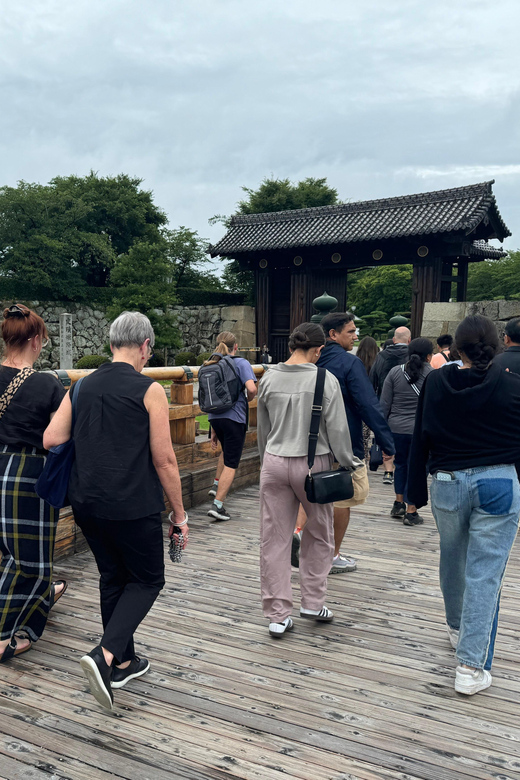
The tour can last from about 150 minutes to 450 minutes, depending on the option and stops. An early start is a smart choice if you want a quieter visit. One guide suggested beginning at 9:00, before larger crowds build later in the day.
Weather affects the experience. The castle grounds are exposed, and rain can make the walk and stairs less comfortable. A guide has helped visitors navigate a wet day, but you should still bring suitable footwear for the walk outside and be prepared to remove shoes inside.
Do not book this tour if you have difficulty walking or climbing stairs. The castle requires more than 100 steps, and there is no gentle route through the main tower. The experience is not suitable for people with mobility impairments.
Families can enjoy the tour if children are comfortable with stairs and history. One guide made the visit engaging for adults and a 10-year-old, showing that the experience does not have to feel like a lecture. Still, the narrow wooden stairways require patience and attention.
The castle is also a place where you should avoid rushing. You will want time for the exterior, the interior climb, the views, and photographs. If you choose Kokoen or Shoshazan as well, treat it as the main event of the day rather than a quick stop between train connections.
Who should book this Himeji tour?
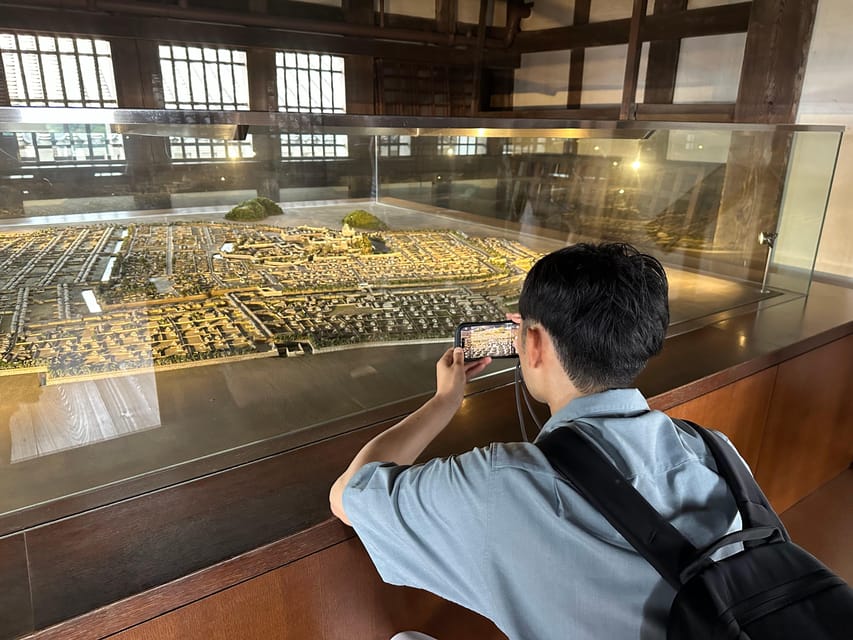
I would choose this tour if you value explanation as much as scenery. It is especially useful if you want to understand Japanese castle design, ask questions in English, or have a local person connect the site with wider Japanese culture.
It also suits visitors who want a little help with the practical side of the day. Meeting at the station removes uncertainty at the start, while the guide can help with photographs, onward transport, and the best way to use your time.
The castle-only plan is the sensible choice for a half-day visit. Add Kokoen if gardens and seasonal flowers appeal to you. Choose the Shoshazan option only if you have enough time for a longer cultural day and have confirmed the transport and admission details.
You should think twice if you dislike stairs, shoes-off interiors, or mostly empty historic rooms. Himeji’s beauty is undeniable, but its interior is not a furnished museum. The reward comes from the original structure, the defensive design, the views, and the stories that make the building understandable.
FAQ
Where do I meet the guide?
Meet your guide in front of the central ticket gate at JR Himeji Station. The guide will be holding a yellow sign with the DeepExperience logo.
How long does the tour last?
Available plans range from about 150 minutes to 450 minutes. The length depends on whether you choose the castle-only option or add Kokoen Garden and Shoshazan Engyo-ji Temple.
Is Himeji Castle admission included?
Entry to Himeji Castle is included. Plans that add Kokoen Garden may include garden admission, so check the details of your selected option.
Is the tour available in English?
Yes. Live guiding is available in English and Japanese.
Can I book a private tour?
Yes. Private and small-group options are available.
Is the tour suitable for people with mobility difficulties?
No. The castle requires climbing more than 100 steps, including steep wooden stairs, so it is not suitable for people with mobility impairments.
Should you book it?
Book this tour if you want Himeji Castle to make sense, not just look beautiful. At $83, it is a considered purchase, but the combination of original architecture, a flexible guide, station meeting point, and optional garden or temple visits gives you useful value.
For the best balance, I would choose a private or small-group castle visit with Kokoen Garden, start early, and allow plenty of time for the stairs. The castle is the main reason to come, but a thoughtful guide such as Junko, Rie, or Chiyuki can help you notice why it has survived as one of Japan’s great historic buildings.
Just added in Japan
- Nagasaki Private Customizable Half Day Tour★ 5.0 · 16 reviews
- Nagasaki Full Day Tour with Licensed Guide and Vehicle★ 5.0 · 27 reviews
- Nagasaki Private Tour with a Local – Highlights & Hidden Gems★ 5.0 · 24 reviews
- Nagasaki WW2 History and Culture Tour★ 5.0 · 19 reviews
- Nagasaki Like a Local: Private & Custom Experience (2-3 hrs)★ 5.0 · 14 reviews
- Snow Monkeys, Hokusai & Sake: A Perfect Day in Nagano★ 5.0 · 19 reviews
- Wasabi Farm Walking Tour & Lunch★ 4.5 · 20 reviews
- Nagasaki Street Food Adventure: Private Walking Tour with a Local★ 5.0 · 26 reviews
Castle Tours, compared.
Tokyo Castle & Imperial PalaceーShogun Walking Tour
Read our review →
Nijo-jo Castle and Ninomaru Palace Guided Tour
Read our review →
Ultimate Osaka Walking Tour: Castle, Dotonbori & Hidden Gems
Read our review →
Nijo Castle, Kiyomizu & Fushimi Inari Guided Tour
Read our review →
Nijo, Kinkaku-ji, Arashiyama, Kiyomizu & Fushimi Inari
Read our review →
Osaka Castle Walking Tour and Castle Tower Admission
Read our review →
Imperial Palace East Garden and Edo Castle Walking Tour in Tokyo
Read our review →Browse the lists this tour appears in