
Reviewed · SNORKELING
Ishigaki: Mangrove SUP or Canoe & Phantom Island Snorkeling
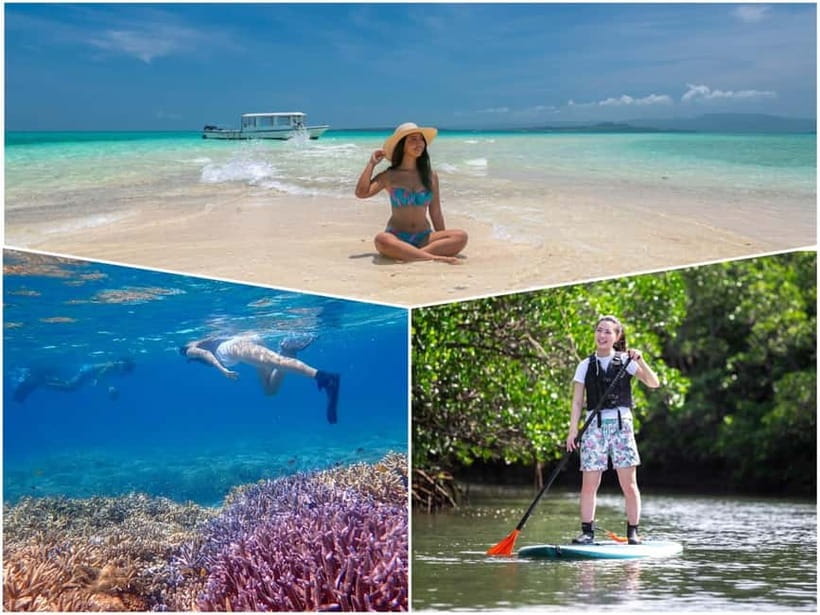
Phantom Island is not really an island at all, but a shifting strip of sand that appears and fades with the tide. Pair that with a quiet paddle beneath Miyara River’s hirugi mangroves, and you get two very different sides of Ishigaki in one six-hour outing. The natural setting is the main event, not a long list of attractions.
I like the calm pace of the mangrove section, where guides such as Akari have explained the plants and helped paddlers steer around obstacles. I also like the careful approach to snorkeling: guides including Arai, Sebastian, Kote, and Diego have taken time with nervous beginners and supplied underwater photos. The main consideration is weather. Wind, tides, and strait conditions can change the boat trip, snorkeling site, or order of the day, and English support is not guaranteed on every departure.
The best parts of the day at a glance
- Phantom Island changes with the tide: You may walk on a sandy patch surrounded by sea, but its size and shape are never fixed.
- Miyara River offers a gentle paddle: Canoeing through the hirugi forest is relaxed, scenic, and easier than an open-water activity.
- Snorkeling is aimed at beginners: Life jackets, fins, masks, and guide support are included, with time to watch fish and coral.
- You get two distinct environments: The mangrove river feels quiet and sheltered, while the speedboat and reef portion brings open sea and more movement.
- Photos are included: Guides take photos and videos during the activities, including underwater images when conditions allow.
- Weather flexibility matters: The operator may switch to another snorkeling site, change the order, or offer alternatives if the sea is unsafe.
A six-hour mix of mangrove calm and open sea
At $103 per person, this is not the cheapest way to spend half a day in Ishigaki. Still, the price covers a speedboat ride, canoe or SUP equipment, snorkeling gear, safety equipment, winter wetsuits, insurance, sales tax, and photo data. You are paying for two guided activities rather than one short rental, so the value is strongest if you want an organized day with instruction and equipment included.
The schedule is usually split into a morning sea outing and an afternoon river outing, though the order can change. A typical plan takes you by speedboat for about 30 minutes, gives you around an hour at the snorkeling area and sandy island, allows a break near Ishigaki Port, then finishes with about an hour on Miyara River.
That middle break is worth noting. This is not six straight hours on the water. You have roughly two hours around the port between activities, which gives you time to eat and change, but you need to plan for that pause yourself. Transportation away from the meeting point is not included, so do not assume the tour price covers every transfer on Ishigaki.
A few more things to do in Okinawa worth a look
- Okinawa: From Naha: Kerama Islands 1-day snorkeling tour
★ 4.4 · 423 reviews - Naha, Okinawa: Keramas Island Snorkeling Day Trip with Lunch
★ 4.7 · 370 reviews - [Miyako Island/Half Day] Sea Turtle Snorkeling
★ 5.0 · 337 reviews
Setting out from Ishigaki Port
The usual starting point is Euglena Ishigaki Port Remote Island Terminal, though the exact meeting place can vary with the option you book. The operator sends the final details by the day before, so keep the phone number or email you used for booking active while you are in Japan.
If no message arrives by 6 PM the day before, contact ISHIGAKI ADVENTURE PiPi. Late arrivals without notice can be treated as no-shows, with a cancellation charge. That rule is strict for a practical reason: a boat departure and a tide-based schedule cannot easily wait for one late person.
Wear swimwear under clothes that can get dirty or wet. Bring a towel, a change of clothes, drinks, and some cash. Use the restroom before leaving because there is no restroom at the activity site. Hot showers are available near the terminal, but you should ask the guide where to find them.
The tour runs in rain unless conditions become unsafe. That means a cloudy morning does not automatically cancel your plans, but rough seas, strong wind, tides, or strait conditions can lead to a new arrangement.
Speedboat ride to Phantom Island
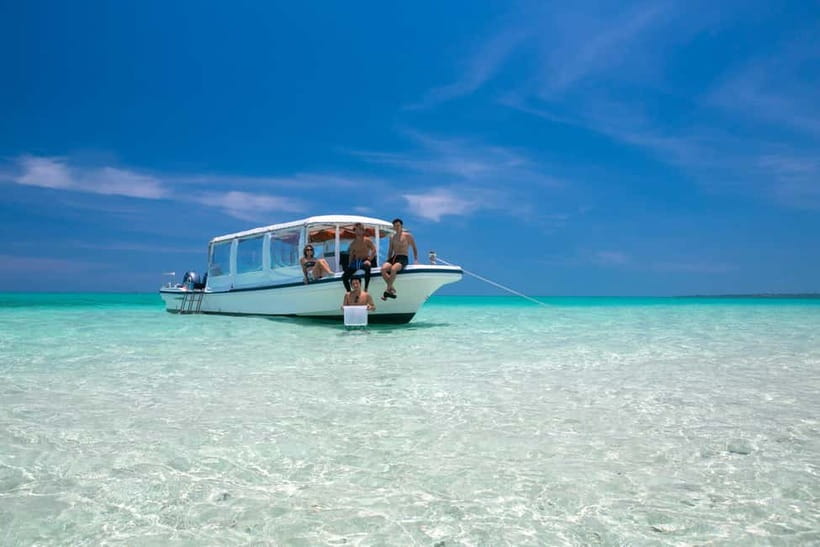
The sea section begins with a speedboat ride of about 30 minutes. That ride is more than simple transport. It gets you away from the port and toward the sandy formation known as Phantom Island, on the west side of Ishigaki.
The name makes sense once you understand the tides. This sandy beach appears to float in the ocean, then changes its shape or becomes much less visible as the water rises. The stop is therefore not a conventional island visit with a fixed shoreline. Your time on the sand may be short, and the exact appearance can vary from one departure to the next.
You may have around 20 minutes to relax on the sand, take photos, and enjoy the setting before snorkeling nearby. Do not treat the beach as the whole attraction. Its appeal comes from the strange feeling of standing on a temporary sandbar in open water, with no permanent buildings or roads around you.
The boat ride and open-water stop can feel lively in poor conditions. If you are prone to seasickness, ask about the forecast and sea conditions before departure. The operator may move snorkeling to another site if the original area is not safe, and the itinerary can be rearranged.
Snorkeling in a natural aquarium
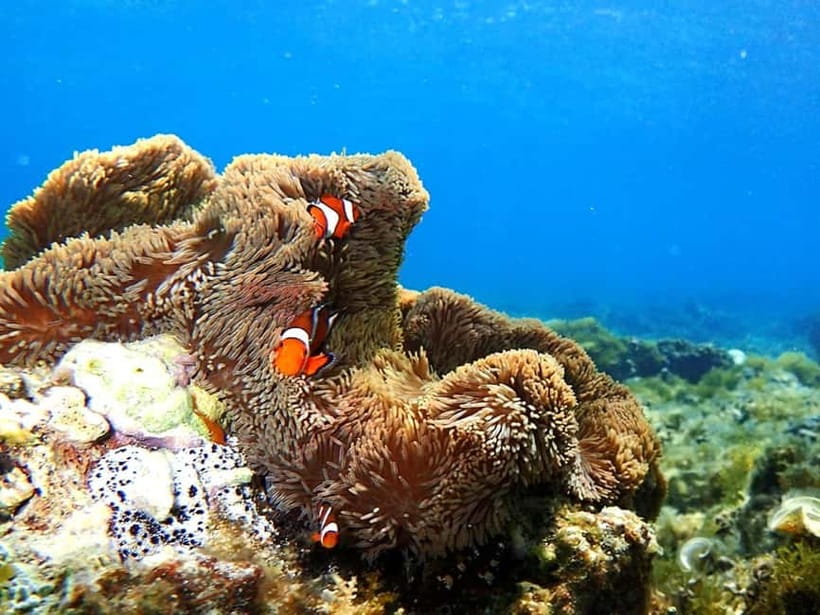
The snorkeling portion is designed for people who want a guided introduction rather than a long independent swim. A mask, fins, life jacket, and special shoes are included, and you must use the supplied safety equipment and follow the guide’s instructions.
The water around Phantom Island can bring you close to schools of fish and coral. Diego has allowed time for people to swim at their own pace, while Arai has helped first-time snorkelers stay calm with a floating aid and clear explanations. Sebastian has also been praised for adjusting his help to different comfort levels.
That support matters. Snorkeling in open water can feel very different from looking through an aquarium window, especially if you are nervous about letting go of the boat or floating device. You can expect the guide to keep the group together, but this is still a sea activity. Choppy water, reduced visibility, or a change of site can affect what you see.
The snorkeling is best understood as a friendly, beginner-level introduction rather than a technical reef expedition. Nina from Germany found it more suited to beginners, even in choppy conditions, while still enjoying the experience. If you already spend a lot of time snorkeling, you may want to temper your expectations about the length and intensity of the swim.
Underwater photo and video data are included. Guides such as Kote and Arai have taken pictures beneath the surface, which is a useful benefit when you do not want to worry about carrying a camera. The number and style of photos can vary, but the included images give you a record of the day without requiring extra equipment.
Same base, a different sort of day:
- Official Street Go-Kart Tour – Okinawa Shop
★ 5.0 · 699 reviews - Naha: North Okinawa Sightseeing Tour & Churaumi Aquarium
★ 4.4 · 472 reviews - From Naha: Tokashiki Island Day Trip by Boat
★ 4.3 · 385 reviews - Okinawa Ishigaki Blue Cave Snorkeling Tour
★ 5.0 · 332 reviews
A useful break at Ishigaki Port
After the sea portion, the schedule includes about two hours of break time near Euglena Ishigaki Port. This is a practical pause, not a guided sightseeing stop.
You can use it to eat, visit a shop, change clothes, or simply rest before paddling. Bring enough time and money for your own meal because food is not listed as included. One guide, Ayaka, recommended Vanilla Deli to a paddler, who enjoyed an avocado wasabi burger there, but you should confirm current opening hours yourself.
The break also helps if the morning has left you wet or tired. Bring that dry change of clothes. You will be more comfortable on the river, where the pace is gentle but the day can still feel long.
Paddling through Miyara River’s hirugi forest
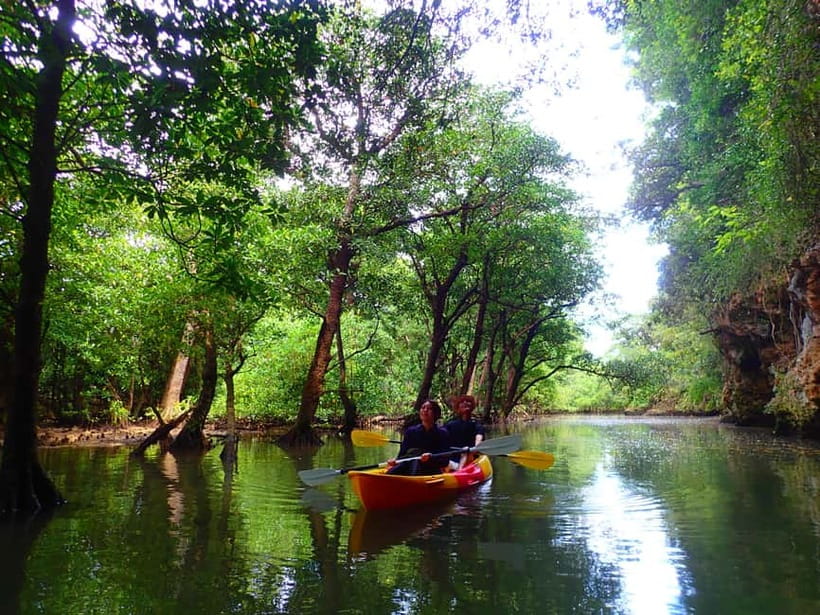
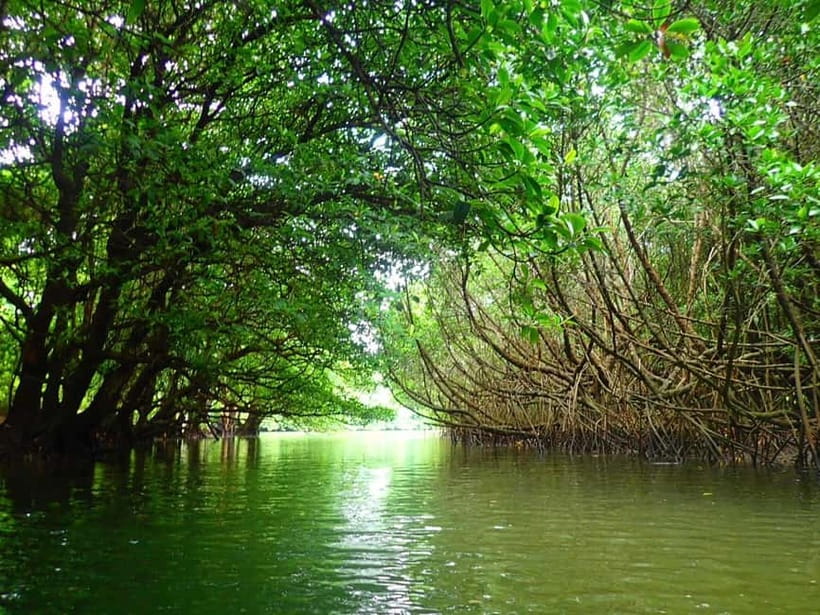
The river portion takes you into the hirugi mangroves of Miyara River, described as a national natural treasure. Here, the experience changes completely. The speedboat and open sea give way to quiet water, low branches, exposed roots, and a close view of a coastal ecosystem.
You can choose a canoe or SUP, although the operator may direct children into the more stable canoe based on sea conditions and the number of people in the group. The canoe is the sensible choice if you are unsure about balance, tired from snorkeling, or bringing a child. SUP offers a more active challenge, but falling into shallow water is a possibility, especially for beginners.
The paddling itself is not presented as a race. Dominic from Austria found the canoe trip calm and unhurried, with enough time to move beneath the mangrove crowns and look around. That relaxed pace is one of the strongest reasons to choose this tour over a basic equipment rental. You receive help with steering, a safety briefing, and explanations about the plants.
Ayaka has explained the local flora, including the unusual fairy tree, and given clear English instructions on avoiding obstacles. Akari has also been praised for taking photos and helping people manage the waterways. English ability depends on the guide assigned that day, so you may receive a Japanese-only tour despite the advertised English and Japanese language options.
The river is the more dependable half of the day. Even when poor conditions cancel snorkeling, the canoe trip may continue. Timothy from Switzerland had that experience in February and still found the paddling fun and relaxed. The mangroves cannot promise clear skies, but they offer shelter and a quieter kind of nature experience.
Guides, safety, and the real pace of the tour
The strongest pattern across the experience is attentive guiding. Makoto and Sebastian have helped with the mangroves and sea portion, while Kote, Diego, Arai, Ayaka, and Akari have each guided different departures. Names are not assigned in advance, so you should treat these as examples of the team, not a promise about your guide.
The guides appear to focus on keeping the group together and making the activities manageable. Several people have received help with steering, floating, balancing, and understanding the local plants. That makes this a good choice if you prefer a guided introduction over finding your own way.
You must still be honest about your fitness and comfort in the water. The tour requires participation in snorkeling equipment, and refusing the required safety gear can mean exclusion from the activity. Pregnant people and those with heart problems are not permitted, and the activity is not suitable for anyone over 60 according to the supplied conditions.
There is a small age discrepancy worth clearing up before you pay. One part of the information allows ages 3 to 59, while the suitability guidance says children under 5 should not join. Contact the operator if you are booking for a child between 3 and 4. Children aged 3 to 11 may be placed in a canoe instead of on a SUP.
How weather can change the plan
Ishigaki’s sea conditions control much of this day. Rain alone does not stop the tour, but unsafe wind, waves, tides, or strait conditions can affect the boat.
The operator may change the snorkeling location, switch the order of the activities, or replace the planned Phantom Island stop with another site. Blue Cave snorkeling has been used as an alternative on a weather-affected departure. Another option may be offered, and a refund may be available if the planned sea outing cannot go ahead, but ask the operator for the exact arrangement when they contact you.
This flexibility is a strength, but it also means you should not book the tour solely for the sandy island. Book it for the combination of mangroves, paddling, and guided snorkeling, with Phantom Island as the weather-dependent centerpiece.
Winter visitors should note that wetsuits are included. Summer brings warmer water and better odds of enjoying the sand and sea, though the tour can still be affected by wind and tides. January and February departures may feel less predictable, but the river section remains worthwhile.
Who will get the most from this experience?
I would choose this for an active couple, a family with older children, or a first-time snorkeler who wants instruction and photos. It suits you if you like a day with several short stages rather than one long beach stay.
It is also a good match if you want nature without committing to a demanding paddle. The canoe is fairly gentle, and the river section is described as calm. SUP is available for people who want more balance work and a closer connection to the water.
I would think twice if you want guaranteed English, a fixed itinerary, or serious reef snorkeling. Guide language can be Japanese only, the sea plan can change, and the snorkeling is aimed more at beginners than experienced underwater explorers.
You should also skip it if you dislike open-water boat rides, cannot use a life jacket and mask, have a listed medical restriction, or want a completely dry day. The tour involves water, mud, wet clothing, and a possible change of plan.
Is $103 a fair price?
For $103, you receive a six-hour guided combination of river paddling and sea activities, rather than paying separately for equipment, instruction, and photos. The included insurance, safety gear, winter wetsuit, and photo data add useful value.
The price is less attractive if weather removes the Phantom Island section and you were mainly booking for the sandbar. In that case, the canoe or SUP trip and an alternative snorkeling site carry the value. The operator’s willingness to change locations and keep the day moving helps, but it cannot recreate the exact sight you wanted.
Free cancellation up to 24 hours before the tour and a reserve-now, pay-later option make this easier to fit into a changing Ishigaki schedule. Keep in mind that late arrival or a no-show can still bring a fee.
Should you book the Ishigaki mangrove and Phantom Island tour?
Book it if you want a well-organized sampler of Ishigaki’s coastal nature, especially if you are new to snorkeling or would like a calm canoe trip as a counterpoint to the open sea. The best features are the two-part setting, careful safety support, included photos, and the quiet paddle through Miyara’s mangroves.
Skip it if your main goal is a guaranteed Phantom Island visit, advanced snorkeling, or a private English-language guide. The tide and weather can rewrite the schedule, and English is not certain on every departure.
For most active visitors under 60, the combination offers good value. Bring dry clothes, arrive early, answer the operator’s confirmation message, and keep your expectations flexible. That is the right way to enjoy a day built around a sandbar that may look different by the time you reach it.
FAQ
How long does the experience last?
The tour lasts about six hours. A typical schedule includes a 30-minute speedboat ride, around one hour for snorkeling and the Phantom Island area, about two hours of break time near Ishigaki Port, and around one hour of canoeing or SUP on Miyara River.
Is transportation included?
Transportation away from the meeting point is not included. The activity may begin and end at Euglena Ishigaki Port Remote Island Terminal, but the exact meeting point can vary with the option booked.
Can I choose between a canoe and SUP?
Yes. The activity offers canoeing or stand-up paddleboarding on Miyara River. Children aged 3 to 11 may be directed to a more stable canoe depending on sea conditions and the number of participants.
What equipment is supplied?
SUP or canoe equipment, snorkeling equipment, a life jacket, special shoes, and winter wetsuits are included. Photo data, liability insurance, and sales tax are also included.
Can the itinerary change because of weather?
Yes. Weather, tides, wind, and strait conditions can change the boat departure, the order of activities, or the snorkeling location. The operator may use another snorkeling site if Phantom Island is not safe or practical.
What ages and health restrictions apply?
The supplied information allows participation from ages 3 to 59, but the suitability guidance says children under 5 should not join. Pregnant people, people with heart problems, and people over 60 are not suitable for the activity. Contact ISHIGAKI ADVENTURE PiPi if you are unsure about fitness or comfort in the sea.
Just added in Okinawa
- Okinawa: Scuba Diving Tour with Wagyu Lunch and English guide★ 5.0 · 32 reviews
- Okinawa: Discover SCUBA Diving 2 Dives at Minna, Sesoko or Motobu★ 5.0 · 19 reviews
- Okinawa Miyako Sea turtle Snorkeling Free Pick up and Drop off★ 5.0 · 86 reviews
- [Miyako Island / Half Day] Pumpkin Limestone Cave & Sea Kayaking★ 5.0 · 82 reviews
- Miyako SUP or Canoe Tour on a Spectacular Beach in Miyako★ 5.0 · 24 reviews
- Snorkeling Activity in Okinawa Miyako Japan★ 5.0 · 49 reviews
- Okinawa Miyakojima Half Day SUPor Canoe & Sea Turtle Snorkeling (Half Day Set)★ 5.0 · 51 reviews
- Okinawa Miyako Star Gazing & Subtropical Jungle Night Tour★ 5.0 · 97 reviews
Snorkeling, compared.
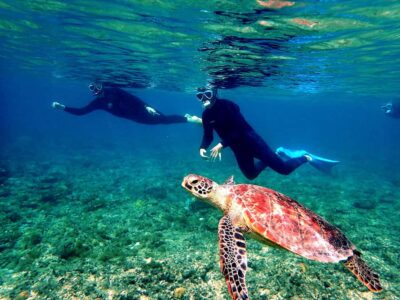
From Naha: Kerama Islands 1-day snorkeling tour
Read our review →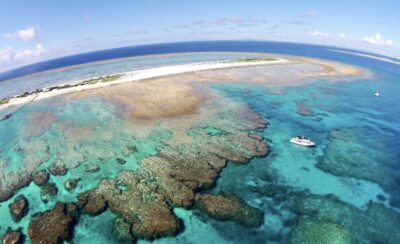
Naha, Okinawa: Keramas Island Snorkeling Day Trip with Lunch
Read our review →
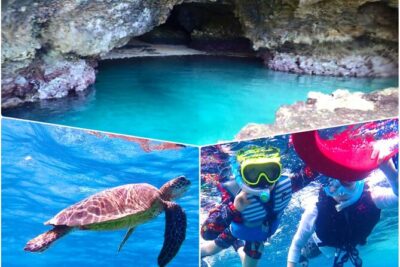
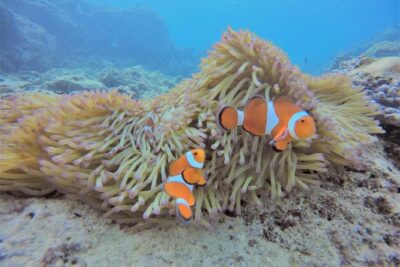
Snorkeling in the Blue Cave area【Okinawa Prefecture: Free feeding & photo images!English and Chinese speaking guide available!
Read our review →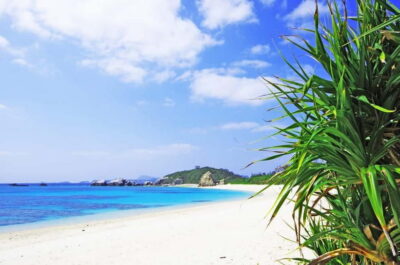
Ishigaki Island: Blue Cave Exploration & Snorkeling Tour
Read our review →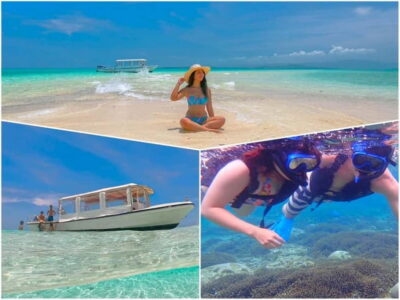
Ishigaki Island: Boat Snorkeling Tour at Phantom Island
Read our review →Browse the lists this tour appears in