
Reviewed · SNOW MONKEY TOURS
Snow Monkey Park & Miso Production Day Tour from Nagano
The most unusual part of this Nagano day tour is the pairing: a 300-year-old miso brewery in the morning, then wild Japanese macaques soaking in hot springs in the afternoon. Between the two, you get free time in Obuse, a small town tied to artist Katsushika Hokusai and famous for chestnuts.
I like the mix of food, local history, and wildlife. I also like that the English-speaking, nationally licensed guide handles transport and admission fees, which keeps a full day in the Nagano countryside simple. The main catch is the hike to the monkey park, roughly 50 minutes each way, with slippery footing possible in winter.
Key points to know before booking
- A traditional miso brewery visit: See how miso, a foundation of Japanese cooking, is produced at a family brewery with around three centuries of history.
- Free time in Obuse: Walk traditional streets, look for chestnut sweets, and connect the town with Hokusai’s later years.
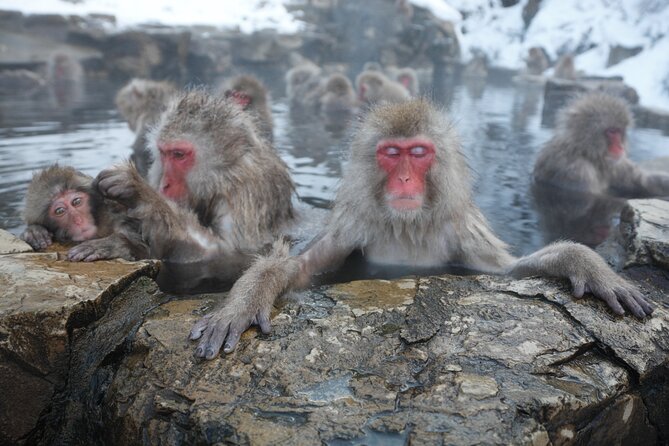
- Wild macaques at Jigokudani: The monkeys cannot be fed or touched, but you can watch their natural behavior close up.
- A real walking day: The route to the park takes about 50 minutes each way, not counting time spent at the hot springs.
- Best winter detail: Japanese macaques may bathe in the hot springs until around March, but sightings are never guaranteed.
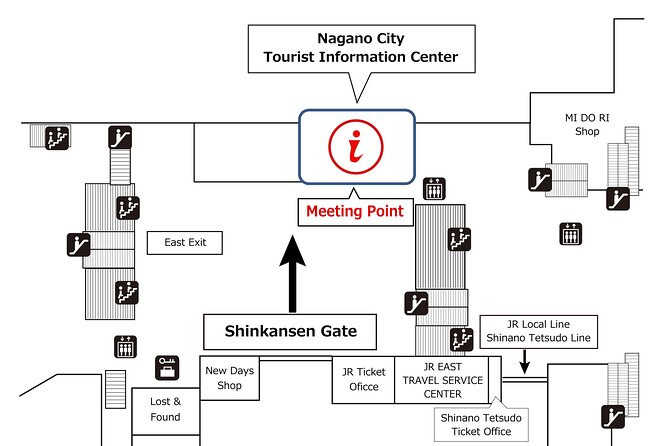
- Simple Nagano transport: Meet at 9:50 am at the Nagano Tourist Information Center and return near Nagano Station around 6 pm.
Why this Nagano day trip works so well
This is not a one-subject excursion. You are not spending eight hours only on monkeys, nor are you stuck on a bus looking at distant countryside. The day moves through three different parts of Nagano culture: fermented food, a historic town, and wildlife in the mountains.
That variety matters. If the monkey park is crowded, the brewery and Obuse give the day more substance. If you have already seen temples and shrines in central Japan, the miso production visit offers a different look at everyday Japanese life.
The tour costs $176.04 per person. That is not a bargain-basement price, but it covers the English-speaking guide, transportation, all listed admission fees, and entry to Jigokudani Monkey Park. You still pay for lunch and any extra purchases, yet the price can make sense if you want a carefully arranged day without working out rural bus connections.
The current rating is 4.8 out of 5, with 100 percent recommending it across 18 ratings. That is a small sample, so I would not treat it as final proof. Still, the strongest praise centers on useful things: warm guides, small groups, an appealing walk to the monkeys, and memorable spring sightings of baby macaques.
Other wildlife days out of Nagano:
- 1-Day Snow Monkeys, Zenko-ji Temple & Sake in Nagano
★ 5.0 · 1,020 reviews - Nagano: Snow Monkeys, Zenkoji Temple & Sake Day Trip
★ 4.9 · 833 reviews - From Tokyo: Snow Monkey 1 Day Tour with Beef Sukiyaki Lunch
★ 4.6 · 295 reviews
Starting at Nagano Station at 9:50 am
You meet at the Nagano Tourist Information Center at 9:50 am. This is convenient if you arrive in Nagano by train, including from Tokyo by bullet train, as one participant did before joining the group at the station.
The tour can use a bus, sedan, or taxi van, depending on the number of people. The maximum group size is 20, but a smaller group may feel more personal and allow easier questions during the day. Seats are not assigned, so arrive on time and be ready for flexible seating.
Your guide is an important part of the experience. The tour uses an English-speaking, nationally licensed guide-interpreter. One guide named Humiko received particularly warm praise for sharing local details, Japanese customs, and practical recommendations. You may not have Humiko on your departure, but the licensed guide format is useful when you want more than basic transportation.
Road traffic can change the order of the stops and the arrival times. That is normal for a day covering Nagano roads and a popular mountain park. Keep your evening flexible, especially if you plan to catch a train or make a dinner reservation after returning.
Inside Shioya Brewery and the meaning of miso
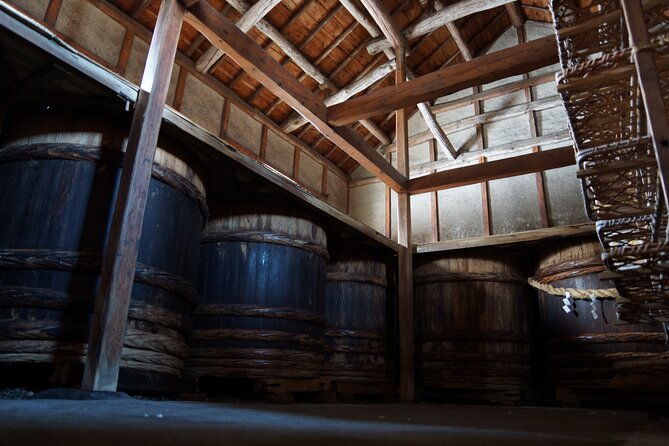
The first stop is Shioya Brewery, where you spend about 40 minutes seeing the miso-making process. This is not just a quick shop stop. Miso is a basic ingredient in Japanese cooking, especially miso soup, and it has supported the country’s food traditions for centuries.
Nagano Prefecture is one of Japan’s leading miso-producing areas, making this a fitting place to learn about the product. The brewery has operated for around 300 years, so the setting connects a familiar ingredient with a long local tradition.
I like this stop because it gives you a better way to understand Japanese meals later in your trip. Once you have seen how much care goes into a staple ingredient, a bowl of miso soup feels less like a side dish and more like a small part of a larger food culture.
The visit is short, so do not expect a full cooking class or an extended food tasting session. The focus is on observing production. Lunch is not included in the tour, which gives you more control over what and when you eat, but you should plan to buy your own meal during the day.
Obuse, chestnuts, and Hokusai’s final years
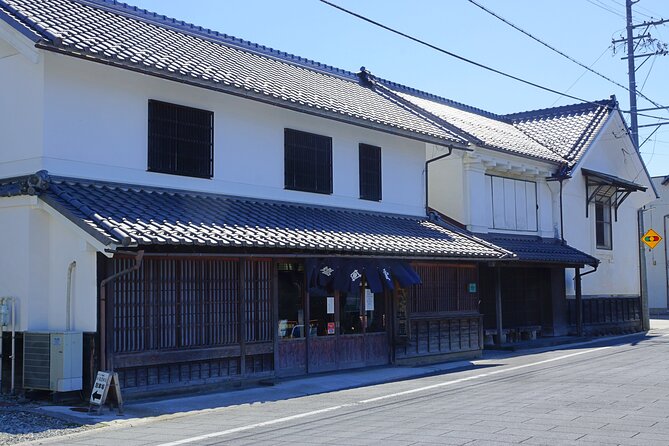
After the brewery, you get about 1 hour and 20 minutes in Obuse. This charming town is known for its traditional streets, chestnuts, and connection to Katsushika Hokusai, the famous ukiyo-e artist who spent his later years here.
Obuse is a good middle stop because it slows the pace. You can stroll rather than follow a tightly managed sightseeing route. Look at the old townscape, browse for chestnut specialties, and use the free time to choose lunch or a snack.
The town is described as small and interesting rather than a major sightseeing center. That is part of its appeal. You are not being rushed through a long checklist of attractions. You get a taste of a quieter Nagano town before heading to the busier monkey park.
The time can pass quickly if you want to eat and shop. Since lunch is not included, ask the guide for suggestions and watch the meeting time. The tour’s schedule may shift because of traffic, so your actual free time can vary.
Same base, a different sort of day:
- Tokyo: Snow Monkey & Nagano Customiseable Private Day Tour
★ 4.8 · 138 reviews - Matsumoto Castle Tour & Samurai Experience
★ 4.9 · 128 reviews - 1-Day Tour from Nagano and Matsumoto Kamikochi & Matsumoto Castle
★ 5.0 · 105 reviews - 1-Day Snow Monkeys & Snow Fun in Shiga Kogen Tour
★ 5.0 · 94 reviews
The walk to Jigokudani Monkey Park
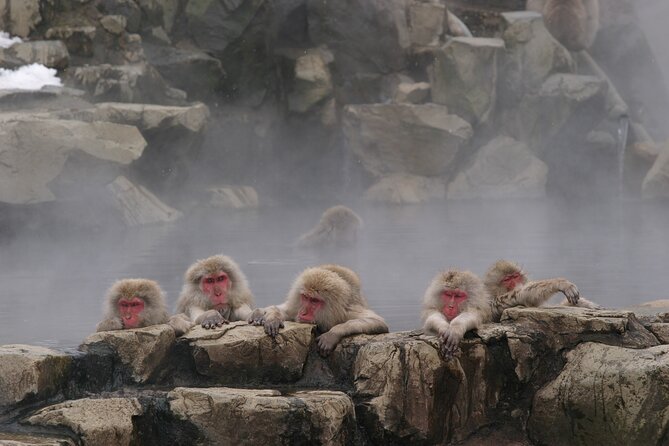
The afternoon visit to Jigokudani Monkey Park is the main event for many people. The park sits about 850 meters above sea level, and the approach involves about 50 minutes of walking each way. This is a forested mountain route, not a short stroll from the vehicle.
You need moderate physical fitness. The path may be frozen or slippery when snow is present, so winter boots or other non-slip footwear are important. Warm clothing also matters because the mountain is colder than the Nagano plain.
The walking time is part of the experience, but it is also the tour’s biggest physical demand. If you have trouble walking, this is not an easy outing. The operator cannot provide special support for people with walking difficulties or small children, so consider your pace carefully before booking.
The tour allows about 2 hours and 30 minutes at the monkey park and surrounding area. That gives you time to make the walk, watch the macaques, and take photographs without treating the visit as a quick photo stop.
Watching wild Japanese macaques up close
Jigokudani is famous for Japanese macaques, often called snow monkeys. These are wild animals, not trained performers. You cannot feed or touch them, and their behavior can change without warning.
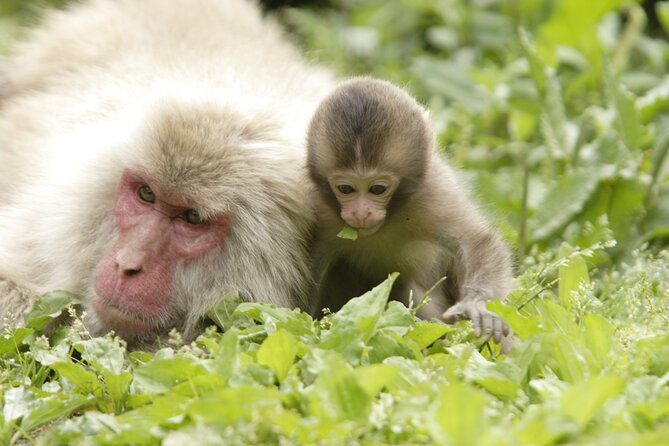
That rule improves the experience. You are watching the monkeys move, rest, play, and interact on their own terms. In spring and summer, you may see young monkeys wrestling and newborns with their mothers. One spring visit included baby macaques playing with one another, which shows why the season can be just as appealing as winter.
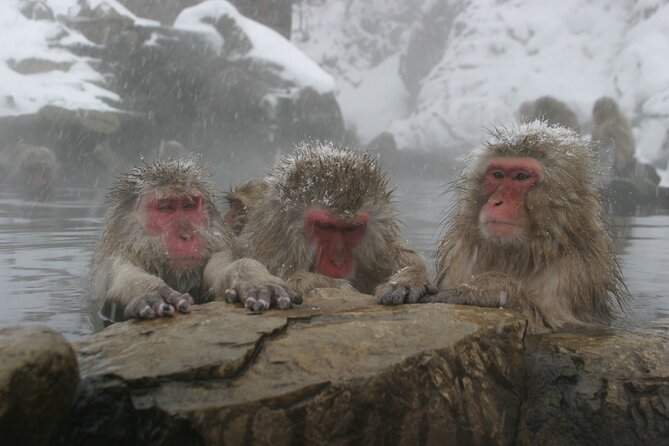
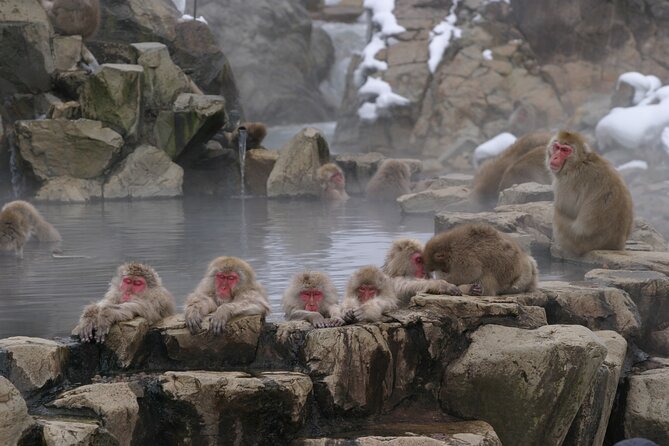
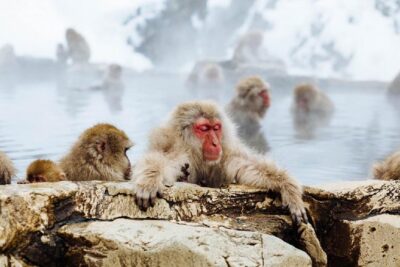
The famous image is a monkey sitting in a hot spring while snow falls around it. You may see that scene until around March, but it is not guaranteed. Weather, timing, and the monkeys’ own choices all matter. A clear day does not promise a soaking macaque, and the park does not offer refunds if the monkeys stay out of the water.
That is worth understanding before you book. If you need one exact photograph, this outing carries some risk. If you are happy to watch wild animals in changing conditions, the park offers a much more honest experience.
The park may also close suddenly because of weather, seasonal conditions, macaque behavior, or other safety concerns. A full refund is issued if the tour itself is canceled, but you should not build a complicated, nonrefundable evening plan around the park visit.
How the seasons change the experience
Winter is the classic season for the hot spring scene. The colder air makes a macaque sitting in warm water especially striking, and the park path can feel wintry and atmospheric. It is also the season that demands the most care with shoes and clothing.
Spring brings newborns and young monkeys. If you like animal behavior, this can be a wonderful time to visit, since you may see playful youngsters and changing family groups. The hot spring scene can still be possible until around March, but it remains unpredictable.
Summer does not offer the same snowy image, yet the macaques are still present, and young animals can be active. The park is not only a winter attraction. The tour description specifically presents it as a place to observe Japanese macaques in every season.
Your guide can help explain seasonal behavior, but nature controls the schedule. Go for the chance to observe the animals, not for a guaranteed pose.
What the $176.04 price really covers
At $176.04, this is best viewed as a convenience and interpretation package rather than a cheap way to reach the park. You receive transportation, the guide, listed admission fees, and monkey park entry. You do not need to arrange each leg between Nagano, the brewery, Obuse, and the mountain park.
The guide also gives the day local context. The miso brewery can be difficult to appreciate without background on Japanese food, and Obuse benefits from knowing why Hokusai and chestnuts matter. The English explanation ties separate stops into one readable day.
Lunch is extra, as are any fees not listed in the inclusions. You should also budget for food in Obuse and possible rental equipment near the monkey park if your clothing or footwear is judged unsuitable. Those rental costs are your responsibility.
For an independent person comfortable with local transport, the tour may cost more than assembling a day yourself. For you, the price is easier to justify if you want an English-speaking guide, do not want to navigate rural connections, and value having admission and transport arranged in one booking.
Timing, drop-off, and practical limits
The day begins at 9:50 am and ends around 6 pm at Nagano Station’s East Exit. You may also ask to get off near Nakamise Shopping Street on the approach to Zenko-ji Temple.
That alternate drop-off can help if you want to visit Zenko-ji afterward, but many shops near the street close around 5 pm. Do not count on an evening shopping session there after the tour.
The full day lasts about eight hours, but some of that time is road travel. Traffic and congestion can change the activity order and arrival times. The operator also notes that missed time from the planned tour is assigned to travel time, so the schedule is not as loose as it may feel in Obuse.
Participants under 18 need written parental permission. Anyone under 15, or not yet enrolled in middle school, must be accompanied by a parent or guardian. These rules matter for families planning a booking.
Free cancellation is available up to 24 hours before the start time. Changes or cancellations made within 24 hours are not refunded, so check the local cut-off time before making last-minute plans.
Who should book this day tour
I would choose this tour if you want three different Nagano experiences in one day and prefer an English-speaking guide to manage the practical details. It suits people who enjoy food culture, small-town walks, and wildlife more than a day spent visiting only major monuments.
It is also a good fit if you are staying in Nagano and want a guided outing beyond the city. The combination of a food producer, Obuse, and Jigokudani gives you more local range than a direct monkey park transfer.
I would think twice if you have limited walking ability, dislike uneven or slippery paths, or need a guaranteed view of macaques in the hot spring. The park is not designed as a quick roadside attraction, and the monkeys do not perform on schedule.
A small group can make the guide’s explanations easier to hear and may create a friendlier pace. A larger group of up to 20 keeps the price more manageable but may feel less personal. Since the vehicle can change with group size, you should expect practical flexibility rather than a fixed luxury coach.
Should you book the Snow Monkey Park and Miso Production Day Tour?
Book it if you want a well-rounded Nagano day with food culture, Obuse, and wildlife rather than a single attraction. The brewery adds real local character, the free time in Obuse breaks up the transport, and the monkey park provides the memorable finish.
The strongest reason to skip it is physical effort. The approximately 50-minute walk each way, cold mountain air, and possible ice make this a serious walking outing. You should also accept that the monkeys may not enter the hot springs, even in the season when that sight is most likely.
For most reasonably fit visitors who want context as well as photographs, the $176.04 price is fair. You get a licensed English guide, transport, and admission without having to solve the Nagano countryside on your own. Just bring proper shoes, warm layers, lunch money, and realistic expectations about wild animals.
FAQ
Where does the tour begin?
The tour begins at the Nagano Tourist Information Center at 9:50 am.
Where does the tour end?
It ends around 6 pm at Nagano Station’s East Exit. You may ask the guide to let you off near Nakamise Shopping Street on the approach to Zenko-ji Temple.
Is lunch included?
No. Lunch is not included, so you should plan to buy food during the time in Obuse or at another suitable point in the day.
How much walking is required at Jigokudani Monkey Park?
The walk between the Shiga Kogen Roman Museum area and Jigokudani Monkey Park takes about 50 minutes each way. The tour requires moderate physical fitness.
Can I see the monkeys bathing in the hot springs?
You may see Japanese macaques bathing until around March, but the sight depends on weather, timing, and the monkeys’ behavior. No refund is provided if they do not enter the water.
What happens if the tour is canceled?
The park or tour may close suddenly because of weather, seasonal conditions, macaque behavior, or other reasons. A full refund is issued if the tour is canceled.
Just added in Nagano
- Snow Monkeys, Hokusai & Sake: A Perfect Day in Nagano★ 5.0 · 19 reviews
- Wasabi Farm Walking Tour & Lunch★ 4.5 · 20 reviews
- 1-Day Tateyama-Kurobe Tour: Walking on the ‘Roof of Japan’★ 5.0 · 20 reviews
- Ski or Snowboard Lesson in Shiga Kogen (4Hours)★ 5.0 · 34 reviews
- Snow Monkey & Shibu Onsen Afternoon Tour (Depart: Iiyama & Nozwa)★ 5.0 · 54 reviews
- Snow Monkey Park, Soba Lunch and Shibu Onsen Tour★ 5.0 · 12 reviews
- Nagano Sake Tasting Walking Tour★ 5.0 · 32 reviews
- Private Snow Monkey Tour – Conveniently Resort Hop and Sightsee★ 5.0 · 47 reviews
Snow Monkey Tours, compared.

1-Day Snow Monkeys, Zenko-ji Temple & Sake in Nagano
Read our review →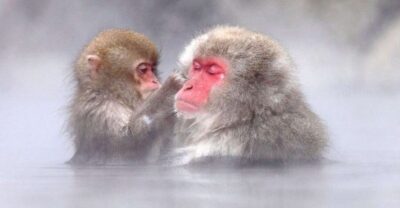
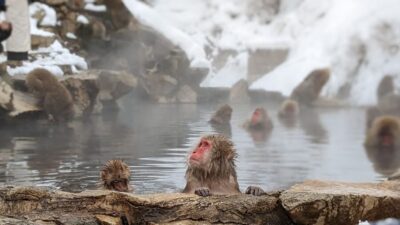
Snow Monkey 1 Day Tour with Beef Sukiyaki Lunch
Read our review →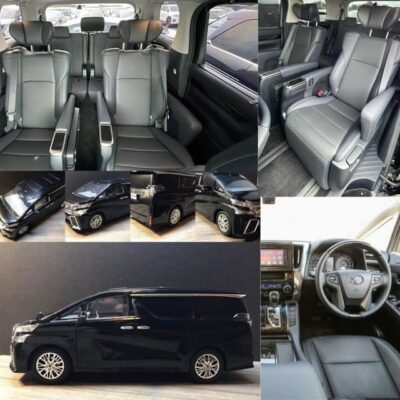
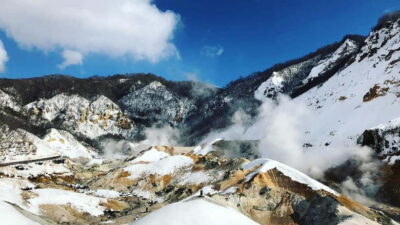
Hokkaido Seasonal: Lake Toya & Noboribetsu Jigokudani Valley
Read our review →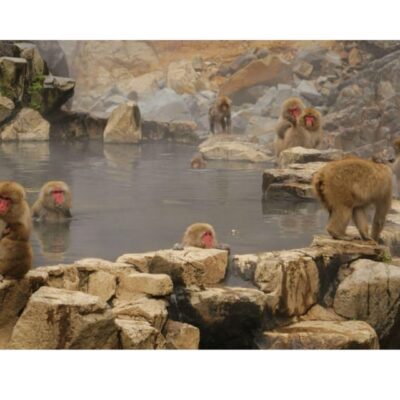
1-Day Snow Monkeys & Snow Fun in Shiga Kogen Tour
Read our review →
Nagano Tokyo: Snow Monkey Private Day Tour Hotel Pick & Drop
Read our review →Browse the lists this tour appears in