
Reviewed · JAPAN
Nikko Private Custom Tour with Local Guide
Nikko Toshogu Shrine is the star here, a lavish forest shrine where carved monkeys, a sleeping cat, a red pagoda, and the ornate Yomeimon Gate turn a history lesson into something you can actually see. The complex tells the story of Tokugawa Ieyasu and the shogunate that ruled Japan for more than 250 years.
I like the private format, since you can shape six hours around the sites that matter most to you. I also like having an English-speaking local guide explain why Shinto and Buddhist features share the same grounds, rather than simply pointing out pretty buildings.
The main catch is cost. The $214 price is per person, but entrance fees, lunch, transport, and private transportation are not included. If you want to add Kegon Falls and Lake Chuzenji, those extra costs and travel time matter.
Key points to know before booking
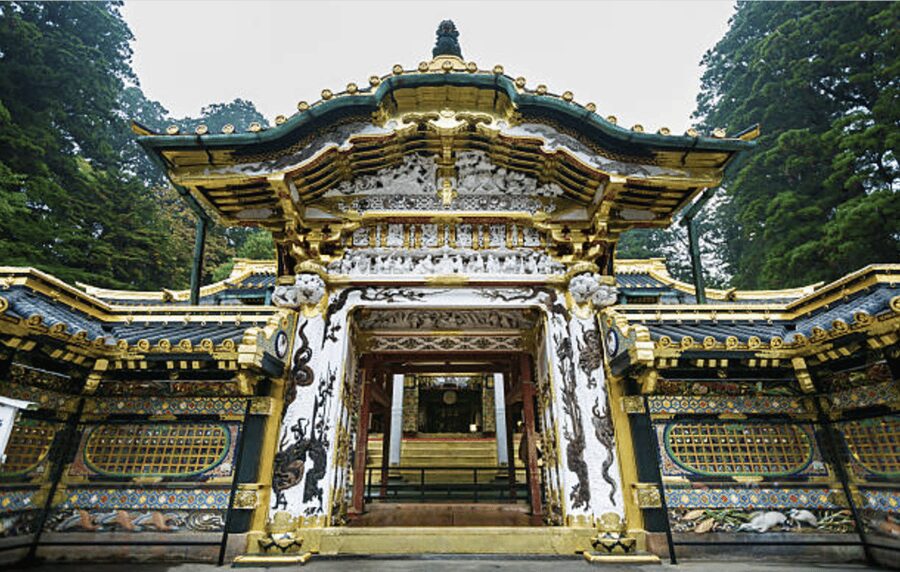
- Toshogu Shrine gives you Nikko’s essential cultural stop, with the Yomeimon Gate, Five-Story Pagoda, Three Wise Monkeys, and Sleeping Cat carving.
- Your six hours are flexible, so you can concentrate on shrine architecture, religious sites, natural scenery, or a mix.
- The tour is private, with an English-speaking local guide rather than a fixed group schedule.
- Rinnoji Temple and Futarasan Shrine make useful additions near Toshogu Shrine.
- Kegon Falls and Lake Chuzenji require careful planning, since the six-hour visit must also cover travel time.
- The advertised price is not all-inclusive, so set aside money for admission, transport, food, and the guide’s necessary expenses.
Why Toshogu Shrine deserves the first half of your day
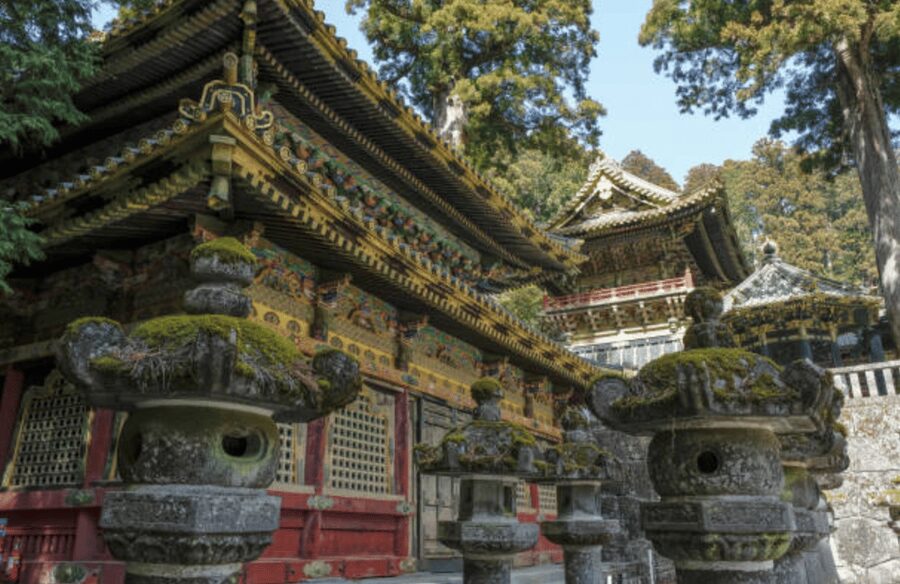
Nikko Toshogu Shrine is not a quiet, plain wooden shrine. It is a grand display of Edo-period craft, with more than a dozen buildings decorated in detailed carvings and strong colors. Ancient cedar trees frame the complex, giving the site a solemn setting even when your eyes are busy taking in every carving.
The shrine was established in 1617 for Tokugawa Ieyasu, founder of the Tokugawa shogunate. That government ruled Japan for more than 250 years, so this is not just another religious stop. It is also a place where political power, family honor, artistic skill, and religious practice meet.
I would give Toshogu your best attention, not treat it as a quick photo stop. The guide can help you read the site in the right order, explaining what belongs to Shinto practice, what reflects Buddhism, and how the two traditions existed together in the Edo period.
The forest setting matters. The cedar trees soften the formal grandeur of the buildings, and the contrast helps you notice how carefully the complex was designed. You get both a sense of ceremony and a sense of quiet, even though the architecture is anything but modest.
Other experiences people book in Japan:
- Mt Fuji and Hakone 1-Day Bus Tour Return by Bullet Train
★ 5.0 · 26,383 reviews - 1-Day Tokyo Bus Tour
★ 5.0 · 14,250 reviews - PERFECT KYOTO 1-Day Bus Tour
★ 5.0 · 13,518 reviews
Yomeimon Gate and the details worth slowing down for
The Yomeimon Gate is usually the visual high point. Known as the Gate of Sunlight, it is covered with more than 500 carvings of mythical creatures, flowers, and sages. You can admire it from a distance, but the best use of a guide is to help you notice the smaller details rather than simply taking one wide photograph.
This is where a private visit earns its keep. You can pause when a carving catches your eye and ask what it represents. You are not tied to a group moving at someone else’s pace, and you can spend less time on features that do not interest you.
The Five-Story Pagoda adds a different note. Its red color and carefully worked details are easy to spot, but the guide can place it within the wider design of the shrine grounds. It helps to look at the complex as a planned statement, not a collection of unrelated buildings.
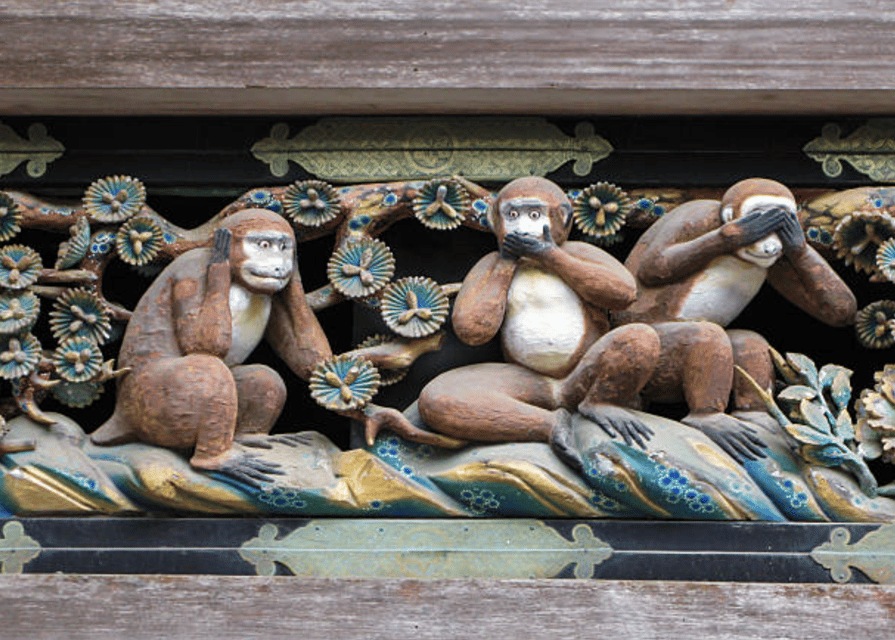
The Three Wise Monkeys are among the most familiar images at Nikko. Their message, see no evil, hear no evil, speak no evil, reflects an ethical ideal associated with the Edo period. A guide can explain why this small carving became so recognizable and how it fits into the moral themes found around the site.
Look above the Kuguri-mon Gate for the Nemuri-neko, or Sleeping Cat. The carving symbolizes peace and tranquility. It is easy to pass by if you are focused on larger structures, which is one reason guided viewing is useful here.
What a private guide changes at Nikko
A private tour is less about having someone lead you from one gate to the next and more about getting the right context at the right moment. Nikko has enough symbols, names, and religious layers to make a self-guided visit feel scattered. An English-speaking local guide can connect the buildings to the people and beliefs behind them.
The personal format also lets you set priorities. You might want a close look at Toshogu’s architecture, or you might prefer to balance the shrine with Rinnoji Temple and Futarasan Shrine. You can ask to spend more time on history, religion, art, or local culture.
The itinerary is customizable, but customization works best when you decide what matters before the day begins. Six hours sounds generous, yet Nikko offers more than can comfortably fit into one short visit. If Toshogu is your main reason for coming, do not overfill the schedule with distant nature stops.
The guide’s necessary expenses are also your responsibility. That can include costs connected with the day, so clarify the expected arrangement before setting out. Since private transportation is not included, make sure you understand how the group will move between locations.
Rinnoji Temple adds a quieter religious counterpoint
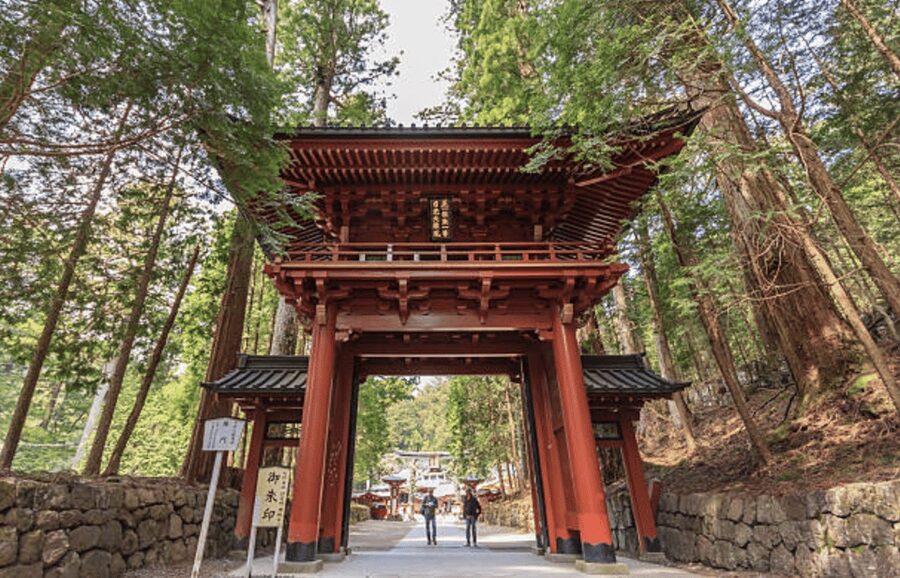
Rinnoji Temple is a sensible companion to Toshogu Shrine because it brings your attention back from decoration to religious figures. The temple is known for three large gold-lacquered wooden Buddha statues, which give the interior a more contemplative feel.
I would choose Rinnoji if you want to understand Nikko as a religious center, not only as a memorial to Tokugawa Ieyasu. The contrast with Toshogu is useful. Toshogu makes power and ceremony highly visible, while Rinnoji focuses your attention on sacred images and devotional space.
The exact amount of time you spend here depends on your interests and the rest of your plan. The private format lets you make that call with your guide instead of following a rigid checklist.
Entrance fees are not included in the tour price. Keep that in mind for every paid site you add, including Toshogu and Rinnoji.
Same base, a different sort of day:
- Tokyo: TOKYO SKYTREE® Admission ticket
★ 4.5 · 11,192 reviews - Tokyo: teamLab Planets TOKYO Digital Art Museum Entry Ticket
★ 4.6 · 9,779 reviews - Mt Fuji & Hakone Cruise, Drum Show Bullet Train 1 Day from Tokyo
★ 4.0 · 7,413 reviews - Tokyo: Sumo Show Experience with Chicken Hot Pot and a Photo
★ 4.8 · 6,678 reviews
Futarasan Shrine and Nikko’s mountain connection
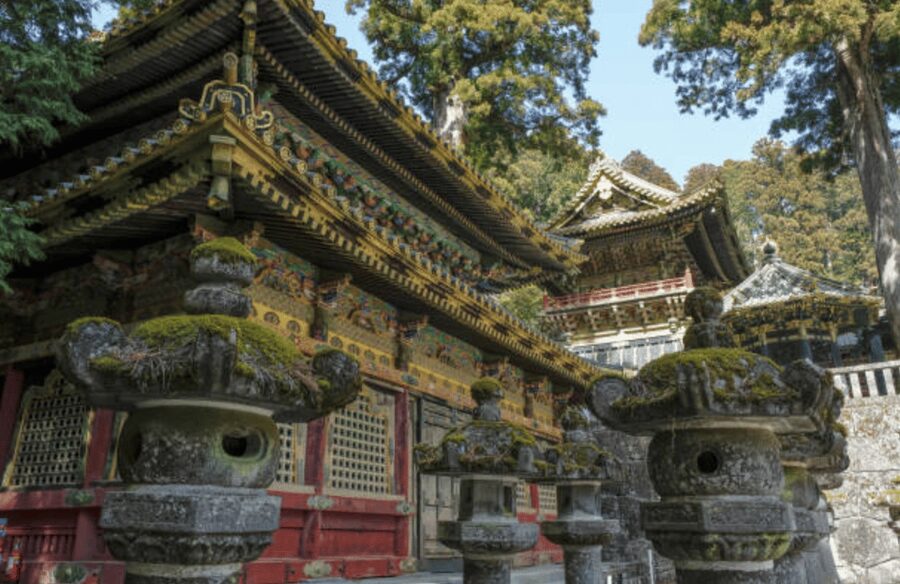
Futarasan Shrine is dedicated to the deities of the Nikko mountains. It gives the day another angle, linking the cultural sites to the surrounding natural setting.
I find this kind of stop valuable because it shows that Nikko is not only about the Tokugawa family. The mountains have their own spiritual importance, and Futarasan helps explain why this area became such a significant religious destination.
You can ask your guide to compare Futarasan with Toshogu and Rinnoji. That comparison may be more useful than rushing through all three sites without understanding how they differ.
As with the other stops, the choice belongs to you. If you want a focused shrine visit, spend more time at Toshogu. If you want a broader picture of Nikko’s sacred traditions, include Futarasan and accept that each stop will receive less time.
Kegon Falls and Lake Chuzenji need a realistic plan
Kegon Falls and Lake Chuzenji offer a strong change of pace after the shrine district. The waterfall provides dramatic natural scenery, while the lake adds a wider view of Nikko’s mountain setting.
These stops sound easy to add, but the six-hour limit matters. Travel time can take a meaningful portion of your day, and transportation costs are not included. You should not assume that Toshogu, Rinnoji, Futarasan, Kegon Falls, and Lake Chuzenji will all receive proper attention in one tour.
I would choose the lake and waterfall only if nature is a top priority. If this is your first visit and you care most about Edo-period art and Japanese history, stay near the shrine district. If you have already seen major temples and shrines elsewhere in Japan, the natural stops may give your day a welcome change.
This is exactly where a private guide can help. Explain your priorities at the start, then build a plan that respects both distance and time. A flexible itinerary is useful only when it remains realistic.
The $214 price and what it really covers
At $214 per person, this is not a bargain sightseeing ticket. You are paying for a private six-hour experience, an English-speaking local guide, a walking tour, and the ability to customize the plan.
The value depends on how much you want personal attention. A private guide is worthwhile if you care about context, have a specific interest in Japanese history or religion, or want to avoid spending the day figuring out how several Nikko sites fit together.
The price does not include entrance fees, lunch, personal expenses, transportation fees, private transportation, or the guide’s necessary expenses. That list changes the real budget. A couple or family should calculate the total cost for every person, then add food and transport.
The tour is a better value for people who would otherwise lose time making decisions on their own. It is less attractive if you mainly want a simple walk around Toshogu and do not need explanations. In that case, paying for a private guide may feel like more service than you require.
Six hours is enough, if you choose your focus
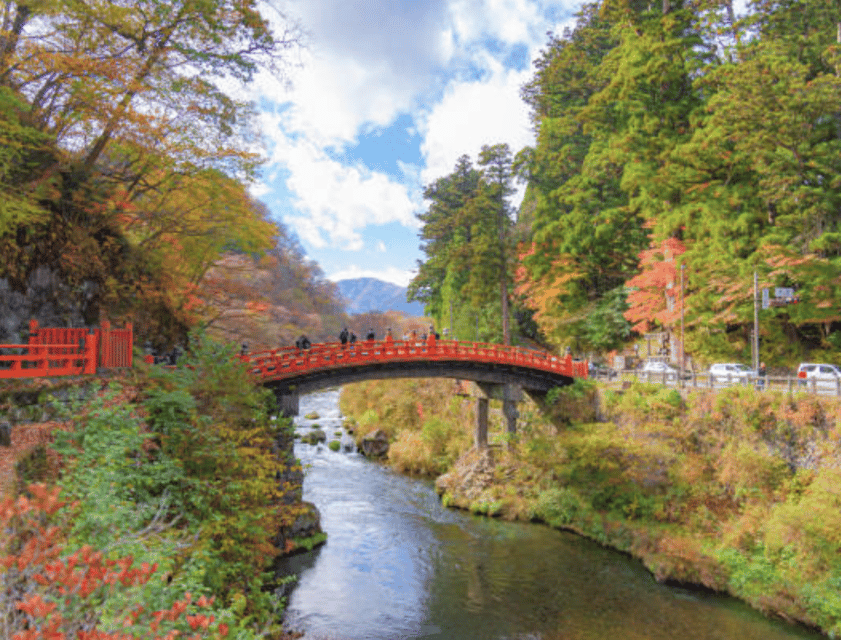
A six-hour tour gives you a useful half-day-plus visit, but it is not a full exploration of every major site in Nikko. The best plan depends on how much time you want at Toshogu and how far you want to travel.
For a culture-first day, I would focus on Toshogu, then add Rinnoji and Futarasan if time allows. This keeps the schedule centered on nearby religious and historical sites.
For a culture-and-nature day, choose Toshogu plus either the lake and waterfall or one of the nearby shrines. Trying to do everything can turn a thoughtful visit into a series of quick stops.
You should also tell the guide if you prefer a slow pace. The carvings at Toshogu reward attention, and the value of the tour lies partly in the explanations. A rushed schedule works against that strength.
Who will get the most from this tour
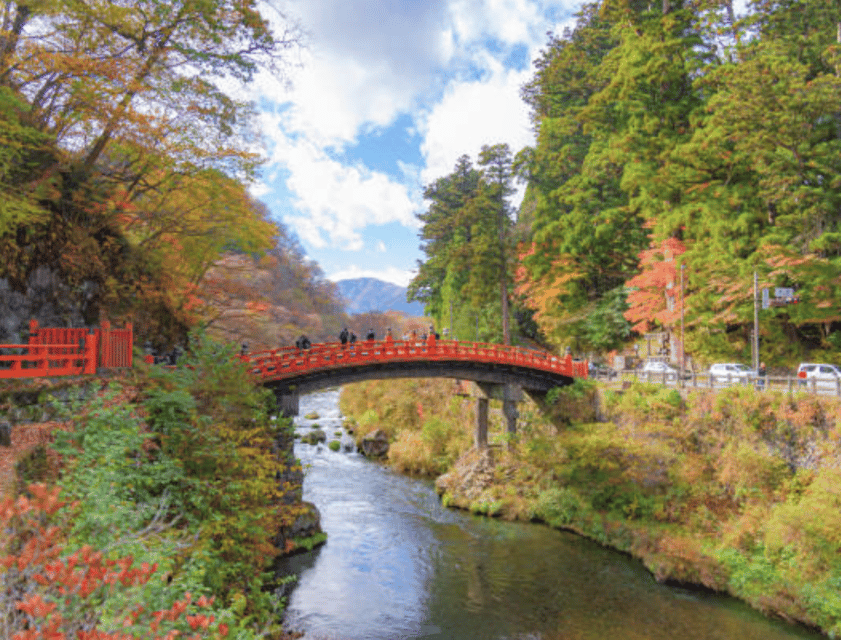
This experience suits you if you want more than photographs. It is a good match for anyone interested in Tokugawa history, Edo-period art, Japanese religious traditions, or the way Shinto and Buddhism appear together at Nikko.
It also suits couples, families, and small private groups that want control over the day. You can adapt the plan to your interests instead of following a standard group route.
The tour may be less suitable if you need an all-inclusive package. You must pay for entrance fees, food, transportation, and private vehicle service separately. It may also disappoint if you expect to see every major Nikko attraction in six hours.
I would especially consider it for a first visit when you want a clear introduction to Nikko. A local English-speaking guide can help you understand why the details matter, which is more useful than simply collecting names and photographs.
Practical details before you commit
Cancellation is free up to seven days in advance for a full refund. Starting times vary, so check availability before booking.
The tour is conducted in English and is for a private group. It includes a private walking tour and an itinerary shaped around your interests, but private transportation is not part of the included services.
Lunch is also your responsibility. Personal expenses are not covered, and you should plan for the guide’s necessary expenses during the day.
The most important planning step is to confirm your preferred stops and transport arrangement. Ask yourself whether Toshogu is the main event or whether you want to trade some shrine time for Lake Chuzenji and Kegon Falls.
Should you book the Nikko private custom tour?
Book it if you want a personal introduction to Nikko, value clear historical and cultural explanation, and prefer to set your own pace. The private format is strongest at Toshogu, where the carvings and religious symbolism can otherwise blur into a long procession of impressive gates.
Think twice if you want a low-cost outing or an all-inclusive day. At $214 per person before admission, transport, lunch, and other expenses, the total can rise quickly.
My practical choice would be to book this tour for a culture-focused visit, then add nature only if the schedule and budget allow it. Give Toshogu the time it deserves, use the guide to make sense of the Three Wise Monkeys and Sleeping Cat, and treat Rinnoji, Futarasan, Kegon Falls, and Lake Chuzenji as carefully chosen additions rather than a checklist.
FAQ
How long is the Nikko private custom tour?
The tour lasts six hours. Starting times vary, so you need to check availability when booking.
Is the tour private?
Yes. The experience is for a private group and includes a private walking tour with an English-speaking local guide.
Is the itinerary fixed?
No. The itinerary can be customized around your interests, including Toshogu Shrine and nearby attractions.
Are entrance fees included?
No. Entrance fees for you are not included in the tour price.
Is transportation included?
No. Transportation fees and private transportation are not included. You are also responsible for the guide’s necessary expenses during the tour.
Can I cancel for a full refund?
Yes. You can cancel up to seven days in advance for a full refund.
Just added in Japan
- Nagasaki Full Day Tour with Licensed Guide and Vehicle★ 5.0 · 27 reviews
- Nagasaki Private Customizable Half Day Tour★ 5.0 · 16 reviews
- Nagasaki Like a Local: Private & Custom Experience (2-3 hrs)★ 5.0 · 14 reviews
- Nagasaki Private Tour with a Local – Highlights & Hidden Gems★ 5.0 · 24 reviews
- Nagasaki WW2 History and Culture Tour★ 5.0 · 19 reviews
- Snow Monkeys, Hokusai & Sake: A Perfect Day in Nagano★ 5.0 · 19 reviews
- Wasabi Farm Walking Tour & Lunch★ 4.5 · 20 reviews
- Nagasaki Street Food Adventure: Private Walking Tour with a Local★ 5.0 · 26 reviews