
Reviewed · MOUNT FUJI DAY TRIPS
From Tokyo: Full-Day Mount Fuji Tour in English or Spanish
Mount Fuji supplies the headline, but the best part of this day is the variety of viewpoints. You get the famous Chureito Pagoda panorama, the old pilgrimage route through Honcho Street, quiet shrine grounds, flower gardens, and a boat ride on Lake Kawaguchiko. I especially like the choice of both English and Spanish guiding, and the chance to see Fuji through local religious and cultural traditions, not just from a lookout.
The main drawback is the pace. Ten hours covers a lot of ground, and the climb to Chureito Pagoda includes 400 steps unless you choose the sloping path. Fuji is also weather-dependent, so the grand view is never guaranteed. The advertised Mount Fuji fifth station is not listed as a regular stop in the detailed route, so check the day’s plan before booking.
Key points at a glance
- The Chureito Pagoda climb takes 400 steps: The first 100 steps lead toward the shrine, followed by 300 more to the pagoda. A stair-free sloping path is also available.
- Guide Luis receives especially warm praise: His Spanish explanations, patience, local suggestions, and early meeting arrangements are useful strengths.
- Honcho Street gives you a classic Fuji photo: Traditional buildings frame the mountain along an old route toward the sacred peak.
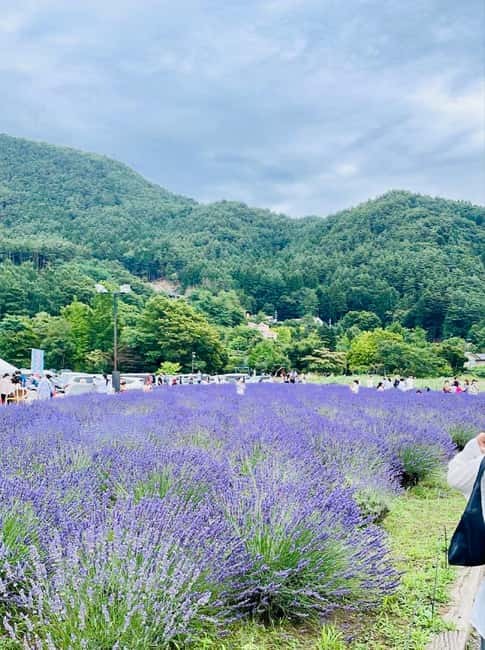
- Oishi Park adds seasonal color: Gardens, fruit, souvenirs, and 14 ice cream flavors make this more than a quick photo stop.
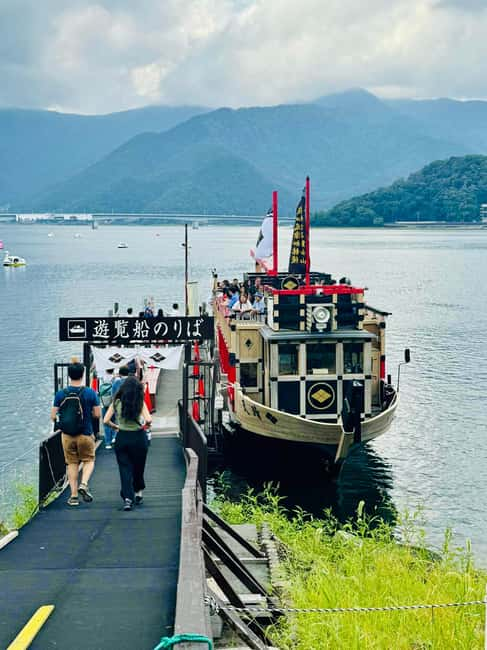
- The 40-minute lake cruise changes the view: You see Fuji and the surrounding area from the water instead of another roadside lookout.
- The route may change in poor conditions: If access to Mount Fuji is closed, Kitaguchi Hongu Fuji Sengen Shrine is used as the substitute visit.
Why this Fuji day trip works
This is a photo-focused Mount Fuji tour with enough cultural material to give the day shape. You are not simply driven to one lookout, handed a few minutes, and sent back to Tokyo. The route links sacred sites, a historic shopping street, a lakeside park, and a short cruise.
At $90 per person, the price is reasonable if you value organized transport and a live guide. Bus travel from Tokyo, entrance costs, the planned sightseeing stops, and the Lake Kawaguchiko cruise are included. You still pay for lunch, drinks, snacks, ice cream, souvenirs, and personal purchases, so bring some cash and do not treat the listed price as your full spending budget.
The day lasts about 10 hours. That makes it a full outing rather than a quick escape from Tokyo. I would choose it for a first Mount Fuji visit, especially if you want several well-known views without working out regional transport connections yourself.
Other days out to the mountain from Japan:
- Mt Fuji and Hakone 1-Day Bus Tour Return by Bullet Train
★ 5.0 · 26,383 reviews - Mt Fuji & Hakone Cruise, Drum Show Bullet Train 1 Day from Tokyo
★ 4.0 · 7,413 reviews - Tokyo Mt Fuji 5th St & Hakone Cruise Bus Tour w/Bullet Train
★ 4.4 · 5,024 reviews
Meeting in Shinjuku and setting off
The meeting point is in front of the Robert Indiana sculpture LOVE at 6-chōme-5-1 Nishishinjuku. Look for a guide holding a sign for JP Travelers and saying Fuji tour in Spanish for the Spanish-language departure.
The listed bus ride to the first sightseeing stop takes about 30 minutes, though the full road journey between Tokyo and the Fuji area can feel longer depending on traffic. A comfortable coach matters here because the day includes several stops and a return to central Tokyo at 1-chōme-8-8 Nishishinjuku.
If you are using the English departure, confirm the exact meeting instructions before leaving your hotel. If you are joining the Spanish departure, the sign and spoken greeting should help you find the right group.
Arakura Sengen Shrine and the Chureito Pagoda climb
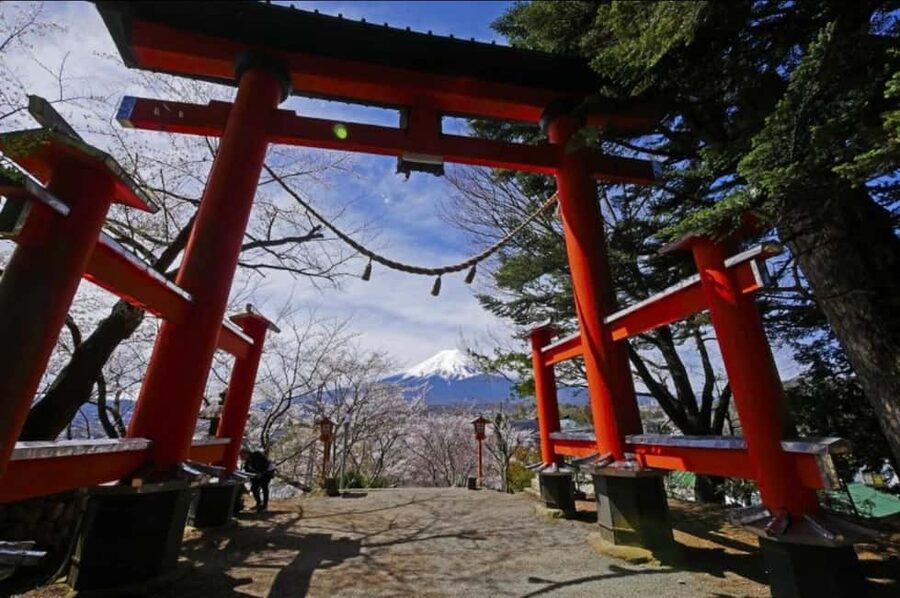
The first major stop is Arakurayama Sengen Park, home to Arakura Fuji Sengen Shrine and the famous Chureito Pagoda. This is the classic Fuji image: red pagoda in the foreground, mountain behind it, and often seasonal color around the frame.
The shrine is one of the oldest in the area and is linked to the history of Yamanashi and the samurai lord Takeda. The visit gives you a useful introduction to the religious side of Mount Fuji. For centuries, the mountain was not only a scenic peak but also a sacred place connected with pilgrimage.
The climb needs honest planning. From the entrance to the pagoda there are 400 steps. The first 100 lead to the shrine area, and the remaining 300 take you higher to the pagoda. You can use another route without stairs, following a pleasant slope to the same area. It takes longer and still involves walking uphill, but it is the better choice if your knees dislike long staircases.
You are scheduled for about 70 minutes at the park and observatory. That time allows for the shrine, the walk, and photographs, but it is not an open-ended visit. Wear shoes with a good grip, bring water, and avoid assuming you can linger at every viewpoint.
Cloud cover is the great variable. The pagoda may be fully visible while Fuji is hidden, or the mountain may appear only for a few minutes. Keep your camera ready, but also appreciate the shrine and hillside if the peak disappears.
Honcho Street and the famous Fuji-framed view
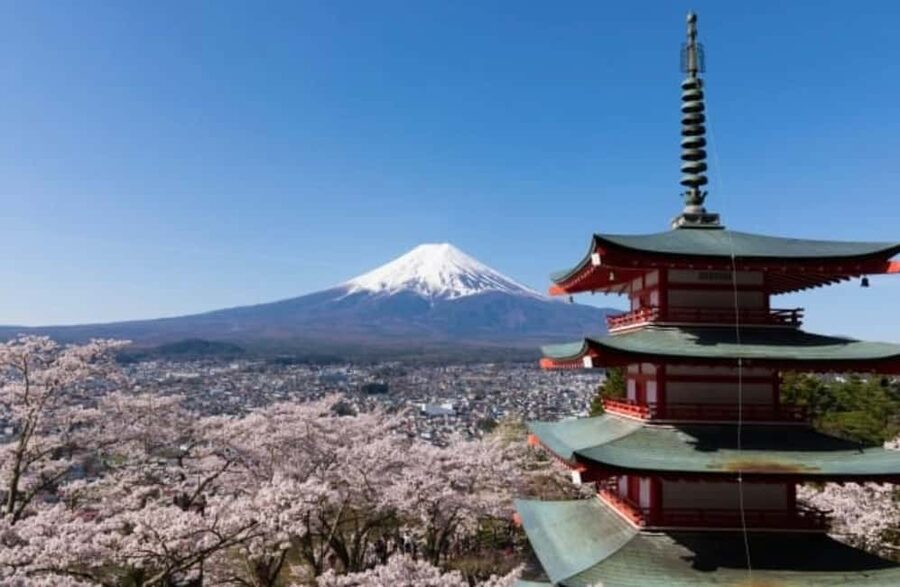
The walk along Shimoyoshida Honcho Street lasts about 40 minutes. This is a shopping street with traditional architecture, local stores, and a direct visual link to Mount Fuji. The mountain rises at the end of the street in the well-known composition that has become a favorite Fuji photograph.
Honcho Street is more than a backdrop. It follows part of Fuji Michi, an old access route used by pilgrims heading toward the sacred mountain. That connection gives the street a stronger sense of place than a purpose-built viewing platform.
The visit is also a useful change of pace after the pagoda climb. You can walk at street level, look at the architecture, and take another set of photographs without tackling another major ascent. The main limitation is that this is a public shopping street, so the timing is fixed and the walk may feel brief if you want to browse every shop.
Same base, a different sort of day:
- 1-Day Tokyo Bus Tour
★ 5.0 · 14,250 reviews - PERFECT KYOTO 1-Day Bus Tour
★ 5.0 · 13,518 reviews - Tokyo: TOKYO SKYTREE® Admission ticket
★ 4.5 · 11,192 reviews - Tokyo: teamLab Planets TOKYO Digital Art Museum Entry Ticket
★ 4.6 · 9,779 reviews
Kitaguchi Hongu Fuji Sengen Shrine
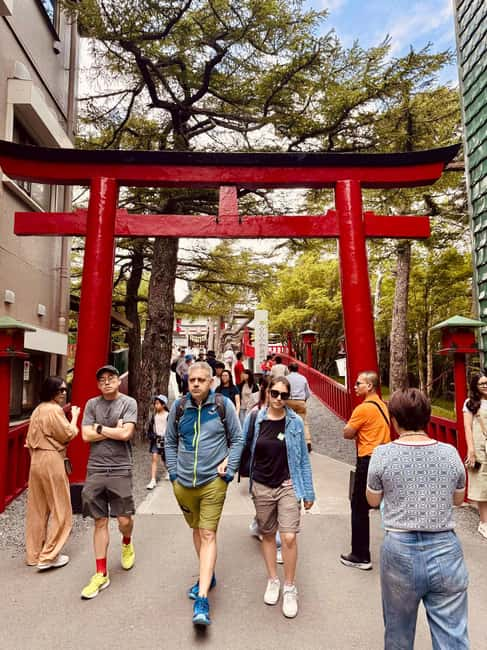
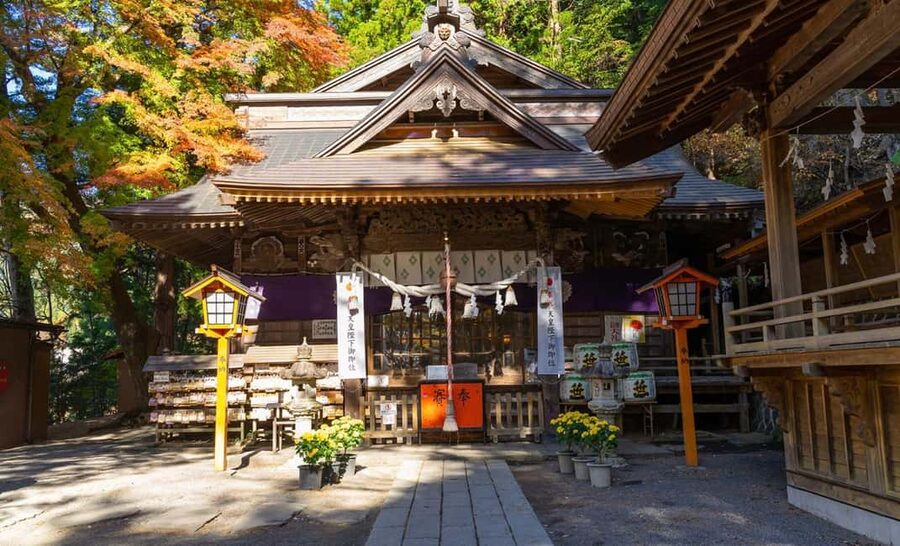
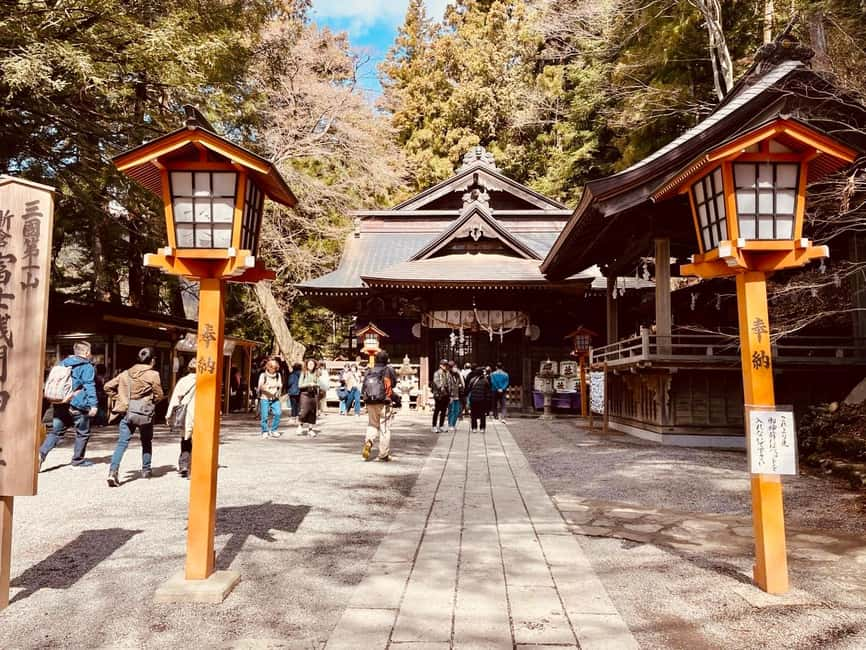
Next comes Kitaguchi Hongu Fuji Sengen Shrine, with about 50 minutes for sightseeing. This is one of the most meaningful stops for understanding how people approached Mount Fuji before modern sightseeing took over.
The shrine is part of the Mount Fuji UNESCO World Cultural Heritage site, designated in 2013. It is described as having more than 1,900 years of history, with origins connected to a small shrine honoring the legendary prince Yamato Takeru around 100 AD. It also served as the northern entrance and starting point for a pilgrimage route up the mountain.
You should expect a quieter, more reflective stop than the pagoda. Here, the value is in the setting, religious traditions, and historical connection to the mountain. If your main goal is dramatic photography, this may feel less immediate. If you want cultural context, it is one of the most important places on the route.
There is a practical wrinkle in the tour information. The alternate-plan note describes the shrine as more than 1,400 years old, while the main description gives a history of over 1,900 years. The useful point is clear: this is an ancient shrine and a traditional northern gateway to Fuji. Exact historical dates are best treated as part of the guide’s explanation rather than a single fixed figure.
Oishi Park beside Lake Kawaguchiko
Oishi Park sits beside Lake Kawaguchiko and is scheduled for about 50 minutes. Its gardens are planted with seasonal flowers, so the appearance changes through the year. This is one of the tour’s easier walking stops, with open views and room to pause.
The park also has a local story tied to Mount Fuji’s eruptions. Stones recovered around the lake after eruptions were used in the park, which was created in memory of Fuji’s volcanic activity. That detail connects the pretty gardens with the physical force of the mountain.
You can buy fruit from the area, souvenirs, and ice cream in 14 flavors. Ice cream is not included, so budget for it separately. I would save a little spending money here because this is the most natural place in the day to pick up a local snack or small gift.
The park works well for people who want a less strenuous stop after the shrines. Still, the visit is timed, and the flower displays depend on the season. You may find the gardens at their best during one period of the year and more subdued during another.
Cruising Lake Kawaguchiko
The final listed stop is a 40-minute cruise on Lake Kawaguchiko, the second largest of the lakes around Mount Fuji. After several land-based viewpoints, the boat gives you a fresh angle on both the mountain and the shore.
I like ending the route on the water. A cruise requires less walking, gives your feet a break, and lets you look back at the scenery rather than constantly searching for the next photo position. If Fuji is visible, the lake adds a strong foreground. If clouds hide the summit, the ride still provides a calm change from the roads and crowds.
The cruise is included in the tour price. Food and drinks are not, so bring water and snacks. The schedule allows 40 minutes, which is long enough for the planned sailing but not enough to turn it into a relaxed afternoon by the lake.
Guide quality and language choice
The strongest personal feature of this tour is the guide service, especially for Spanish speakers. Luis is repeatedly praised for explaining each location clearly, offering shopping and local suggestions, and remaining patient throughout the day. Several Spanish-speaking participants specifically valued being able to discuss the sites in their own language.
One useful detail is that Luis may arrange an earlier meeting time to reduce the effect of crowds. That is not a promise for every departure, but it shows why the guide can matter beyond translation. Good timing is important at Chureito Pagoda and Honcho Street, where the famous views attract many people.
English is also available. The tour is conducted in English and Spanish, so confirm that you are booking the language you want. The value of the guide is greatest if you care about the shrine traditions, pilgrimage route, and local background rather than only wanting transportation to photo stops.
What to bring for a long day outside
Wear comfortable shoes. The stairs at Chureito Pagoda are the clearest reason, but you will also walk through shrine grounds, along Honcho Street, around Oishi Park, and between transport stops.
Bring water, food, sunscreen, a camera, and comfortable clothing. Weather around Mount Fuji can change quickly, so layers are sensible. Cash is useful for ice cream, fruit, souvenirs, drinks, and other personal purchases.
A camera is worth bringing, but do not build the whole day around one perfect Fuji photograph. Weather can obscure the summit, and no tour operator can control that. The shrines, street, gardens, and lake still give the day structure when the peak is hidden.
The tour is not suitable for people over 95 years old. The data does not give a detailed accessibility rating, so anyone with mobility concerns should ask about the stair-free route and walking requirements before booking.
Is the $90 price good value?
For $90, you are paying for a full-day outing with bus transportation, a live English or Spanish guide, entrance costs, several major sightseeing stops, and a Lake Kawaguchiko cruise. That is fair value if you want a simple way to connect places that would otherwise require careful regional transport planning.
The price is less attractive if you only want a quick Fuji photo. You will spend much of the day on the road or following a fixed schedule, and lunch, drinks, snacks, and ice cream are extra. Independent visitors may prefer more control over how long they spend at each shrine or park.
The cancellation terms are useful for uncertain weather: you can cancel up to 24 hours in advance for a full refund. You can also reserve now and pay later, which helps if your Tokyo plans are still changing.
Should you book this Mount Fuji tour?
Book it if you want a well-organized first look at Mount Fuji, need Spanish guiding, or prefer a day that mixes famous photographs with shrines and local history. Luis is a particular reason to consider it if you want clear Spanish explanations and practical help during the day.
Think twice if you dislike early starts, fixed timing, long bus days, or weather-dependent sightseeing. Also confirm the fifth station question before booking, since the highlights mention Mount Fuji’s fifth station but the detailed route lists Arakura, Honcho Street, Kitaguchi Hongu Fuji Sengen Shrine, Oishi Park, and Lake Kawaguchiko instead.
For most people, the tour is strongest as a cultural and scenic introduction to the Fuji area. You get the classic pagoda view, a pilgrimage street, ancient shrine grounds, seasonal gardens, and a lake cruise in one demanding but worthwhile day.
FAQ
Where does the tour start?
The meeting point is in front of the Robert Indiana sculpture LOVE at 6-chōme-5-1 Nishishinjuku.
Where does the tour finish?
The tour finishes at 1-chōme-8-8 Nishishinjuku.
How long does the tour last?
The full activity lasts 10 hours.
Is the tour available in Spanish?
Yes. Live guiding is available in Spanish and English.
Is transportation included?
Yes. Bus transportation is included.
Is the Lake Kawaguchiko cruise included?
Yes. The planned 40-minute cruise is included in the tour.
Are food and drinks included?
No. Lunch, snacks, drinks, and ice cream are not included.
How many steps lead to Chureito Pagoda?
There are 400 steps from the entrance to the pagoda area. The first 100 lead toward the shrine, and the next 300 continue to the pagoda. A route without stairs is also available.
What happens if Mount Fuji is closed or entry is not allowed?
The tour instead visits Kitaguchi Hongu Fuji Sengen Shrine when Mount Fuji is closed or entry is not permitted for reasons beyond the operator’s control.
Just added in Japan
- Nagasaki Private Customizable Half Day Tour★ 5.0 · 16 reviews
- Nagasaki Full Day Tour with Licensed Guide and Vehicle★ 5.0 · 27 reviews
- Nagasaki Like a Local: Private & Custom Experience (2-3 hrs)★ 5.0 · 14 reviews
- Nagasaki Private Tour with a Local – Highlights & Hidden Gems★ 5.0 · 24 reviews
- Nagasaki WW2 History and Culture Tour★ 5.0 · 19 reviews
- Snow Monkeys, Hokusai & Sake: A Perfect Day in Nagano★ 5.0 · 19 reviews
- Wasabi Farm Walking Tour & Lunch★ 4.5 · 20 reviews
- Nagasaki Street Food Adventure: Private Walking Tour with a Local★ 5.0 · 26 reviews
Mount Fuji Day Trips, compared.
Mt Fuji and Hakone 1-Day Bus Tour Return by Bullet Train
Read our review →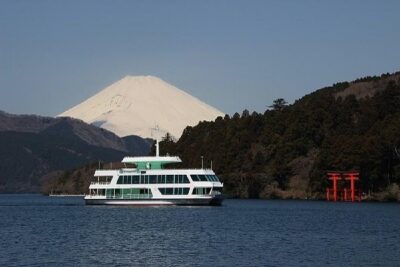
Mt Fuji & Hakone Cruise, Drum Show Bullet Train 1 Day from Tokyo
Read our review →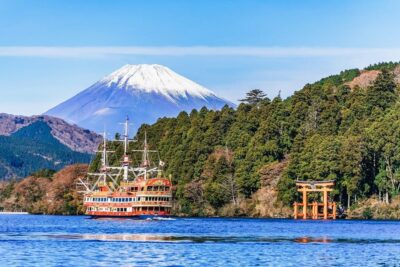
Tokyo Mt Fuji 5th St & Hakone Cruise Bus Tour w/Bullet Train
Read our review →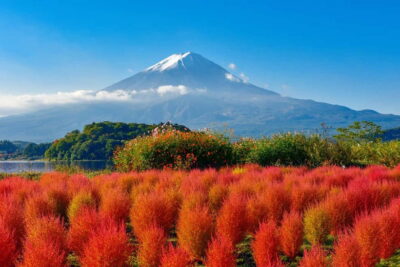

Mt.Fuji,Kawaguchiko Oishi Park,Arakurayama Sengen Park
Read our review →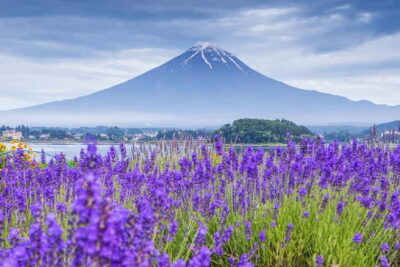
Mt Fuji Top 5 Spots Day Tour: Arakurayama Park,Oshino Hakkai
Read our review →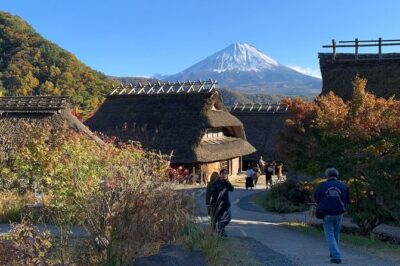
Private Tour to Mt. Fuji and Hakone (Fully Licenced Operator)
Read our review →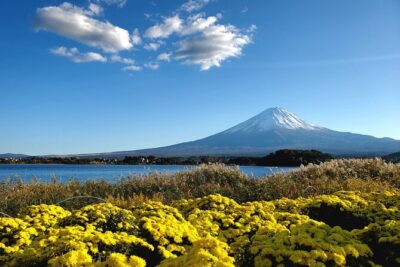
Mount Fuji Full-Day Private Tour from Tokyo (Customizable)
Read our review →Browse the lists this tour appears in