
Reviewed · JAPAN
Fukushima Daiichi Nuclear Power Plant visit 2 day tour
The rare part of this Fukushima tour is clear: you can enter Fukushima Daiichi Nuclear Power Plant with a guide and Geiger counter, then spend time in the surrounding communities hearing how March 11, 2011 changed everyday life. This is not a quick photo stop. It is a serious, sometimes emotional look at the disaster and the long work of recovery.
I like the way the two days combine the plant visit with local voices, schools, museums, farms, and rebuilding projects. I also like the guides’ reported range: Yoko, Noriko, Fumi, and Fumie have led trips that included careful explanations, humor, and direct answers. The main drawback is that the schedule can change, the plant visit may fall on either day, and you must arrange your own travel to and from Koriyama.
Key points
- Enter Fukushima Daiichi with a Geiger counter: The plant visit offers access that is rarely available on ordinary Fukushima trips, with an estimated exposure of about 0.02 mSv.
- Hear from people who lived through March 11: Meetings with local residents add personal detail that a museum display cannot provide.
- See both damage and recovery: The program can include Ukedo Elementary School, the Ranch of Hope, the Namie Town Flower Project, and the Great East Japan Earthquake and Nuclear Disaster Memorial Museum.
- Start and finish in Koriyama: Tokyo transportation is not included, so you need to plan the Shinkansen or another connection yourself.
- Prepare for a respectful, practical visit: Long sleeves, long pants, covered ankles, flat shoes, and an original photo ID are required for the plant.
- Best for adults seeking context, not light sightseeing: You must be at least 20, and the subject matter calls for patience and care.
This experience takes you from Koriyama Station into Fukushima’s coastal area for two full days. The focus is the 2011 earthquake, tsunami, and nuclear accident, but the trip is not limited to the plant itself. You also look at schools, community projects, memorial sites, local businesses, and the people trying to rebuild their lives.
That broader approach matters. A power plant alone cannot explain Fukushima. You need to see how the disaster affected towns, farms, families, schools, and public life. You also need to hear what recovery means on the ground, where progress can sit beside empty buildings, difficult memories, and uncertain plans.
The tour is operated by Japan Wonder Travel and is limited to a maximum of 20 people. A smaller group can make conversations easier, especially when the subject turns personal. It also keeps the plant visit more manageable, though the minimum booking requirement means the trip can be canceled if fewer than six people sign up.
Starting at Koriyama Station at 10 a.m.
Your meeting point is the east side of Koriyama Station, where the tour begins at 10 a.m. Koriyama is not on the coast, so you need to reach Fukushima Prefecture independently. Transportation from Tokyo to Koriyama and back is not part of the $579.82 price.
That extra planning is the first practical issue to solve. Build in enough time to arrive at the station for the 10 a.m. start, and remember that the tour ends back at the same meeting point on the second day. The tour vehicle, with air conditioning, handles transportation during the program.
The first day is built around the Fukushima coast, though the exact order depends on facility schedules. The power plant visit may happen on Day 1 or Day 2. That flexibility is necessary, but it means you should not count on a particular attraction appearing at a certain hour.
Other experiences people book in Japan:
- Mt Fuji and Hakone 1-Day Bus Tour Return by Bullet Train
★ 5.0 · 26,383 reviews - 1-Day Tokyo Bus Tour
★ 5.0 · 14,250 reviews - PERFECT KYOTO 1-Day Bus Tour
★ 5.0 · 13,518 reviews
Seeing Fukushima Beyond the Plant
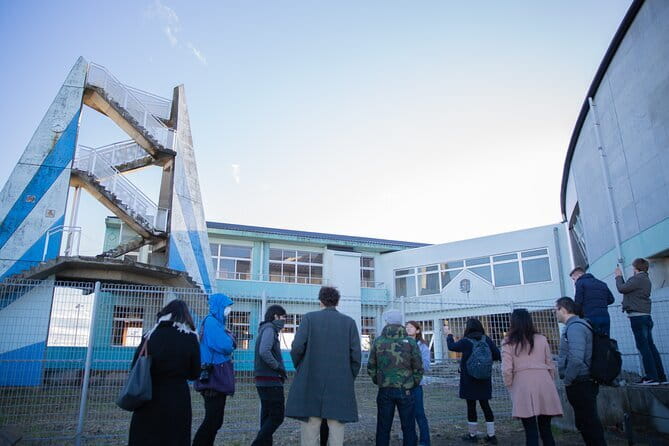
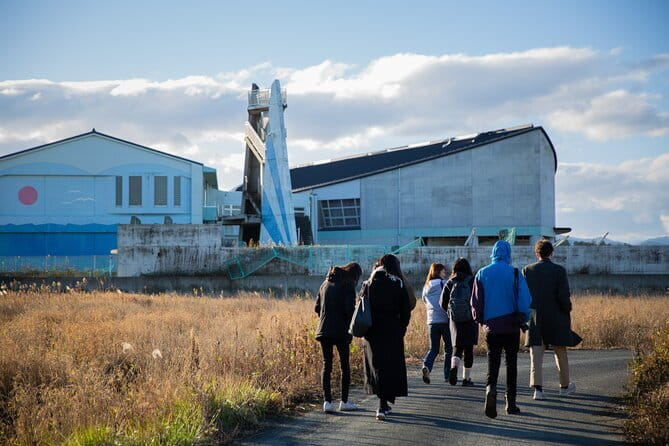
The coastal portion of the tour gives the nuclear accident a human setting. Depending on the schedule, you may visit places such as Ukedo Elementary School, the Ranch of Hope, the Namie Town Flower Project, and the Great East Japan Earthquake and Nuclear Disaster Memorial Museum.
Ukedo Elementary School has been described as a highlight because it connects the disaster to a familiar part of daily life: children, classrooms, and a community school. It helps you understand that March 11 was not an abstract event measured only by radiation readings or engineering reports.
The Great East Japan Earthquake and Nuclear Disaster Memorial Museum provides another layer of context. Its focus allows you to place the Fukushima accident within the larger earthquake and tsunami disaster, rather than treating the nuclear plant as an isolated story.
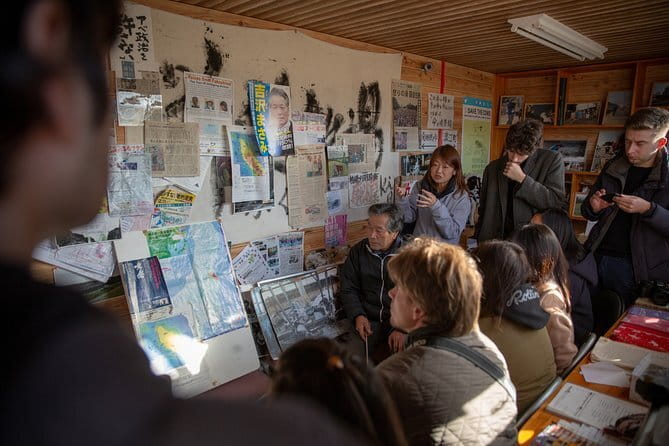
The Ranch of Hope and the flower project point toward recovery and local action. You may see how people have used work, agriculture, and community projects to keep ties to the area. The program can also include meetings with local residents who experienced the disaster directly. These conversations are among the most valuable parts of the trip, but they are also the moments when your behavior matters most.
Ask permission before photographing people or private property. Avoid treating the area as a dramatic backdrop. Listen carefully, keep your questions considerate, and remember that a person telling you about 2011 may be discussing loss, displacement, or years of uncertainty.
Entering Fukushima Daiichi Nuclear Power Plant
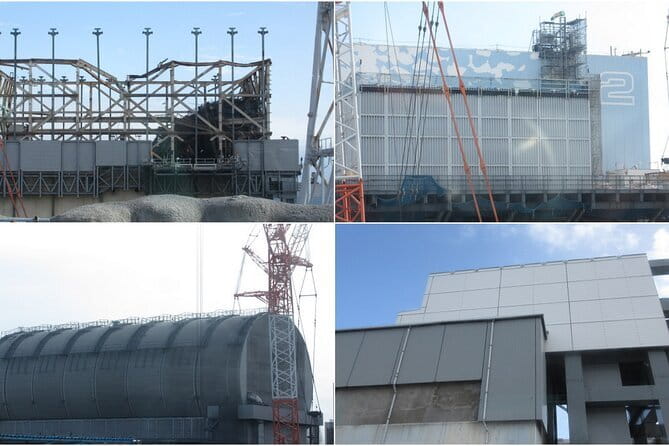
The plant visit is the central reason to choose this tour. You will be guided inside the Fukushima Daiichi Nuclear Power Plant, and the guide will carry a Geiger counter to measure radiation dose during this part of the trip.
The operator estimates exposure at about 0.02 mSv for the plant visit. That figure gives you a useful frame for the activity, but you should still follow every instruction from the guide. Access is controlled, and the tour does not provide special permission to enter other restricted areas beyond the Fukushima Daiichi visit.
You must bring an original, accepted photo ID. A copy is not enough for entry, and the operator also asks you to send a copy after booking. Accepted documents include a driver’s license, passport, photo My Number card, photo Basic Resident Registration Card, or Residence Card and Special Permanent Resident Certificate.
Photography and filming around the plant and in restricted areas are prohibited. That rule can feel strict to anyone used to documenting every stop, but it protects security and keeps attention on the visit itself. Follow the guide closely. If you ignore instructions, you may be asked to leave the group.
The visit requires long sleeves, long pants that cover your skin, socks covering your ankles, and flat shoes such as sneakers. Sandals and high heels are not allowed. These are not suggestions to tuck into your suitcase at the last minute. Check your clothing before leaving Tokyo or Koriyama.
What the Guides Add to the Experience
A difficult subject needs a guide who can explain facts without turning the trip into a lecture. Past departures have been led by Yoko, Noriko, Fumi, and Fumie. Their roles have included explaining the plant visit, answering questions, adding humor where appropriate, and helping participants understand different views of the disaster and recovery.
The strongest part of this guiding style is balance. You may hear about TEPCO’s perspective, local activism, community projects, environmental concerns, and the effort to bring people back to affected towns. One departure even included the playful Cow Godzilla, a reminder that Fukushima’s recovery story is not made only of solemn memorials.
That balance does not make the subject simple. It gives you more tools for understanding it. You can learn about the accident while also seeing the work of people who are rebuilding, preserving memories, or questioning official decisions.
The guide also helps with the social side of the experience. Meetings with residents can be hard to navigate on your own. A local guide can introduce the subject with care, translate when needed, and explain details that would otherwise pass quickly.
Same base, a different sort of day:
- Tokyo: TOKYO SKYTREE® Admission ticket
★ 4.5 · 11,192 reviews - Tokyo: teamLab Planets TOKYO Digital Art Museum Entry Ticket
★ 4.6 · 9,779 reviews - Mt Fuji & Hakone Cruise, Drum Show Bullet Train 1 Day from Tokyo
★ 4.0 · 7,413 reviews - Tokyo: Sumo Show Experience with Chicken Hot Pot and a Photo
★ 4.8 · 6,678 reviews
Day One: Coast, Communities, and First Context
Day One starts at Koriyama Station and moves toward the coastal area. The exact route is not fixed, since access to facilities and the plant schedule can change. Treat that as a practical condition of visiting an active recovery area, not as a flaw in the concept.
You can expect a busy day. The program may include memorial and educational sites, conversations with local people, and community projects. The range keeps the day from becoming a single-note account of the nuclear accident.
One benefit of the busy schedule is that you see the story from several angles. One stop may explain the disaster. Another may show a building or town affected by it. A conversation may reveal what official summaries leave out. A recovery project may show how local people are working with the reality that remains.
The tradeoff is limited free time. This is not a slow coastal holiday, and you should not expect long breaks for independent wandering. If you want to stop at every site for hours, this organized format may feel rushed.
Dinner and accommodation are included. Breakfast is also included, while lunch is not, so budget for that midday meal. The provided accommodation removes one major planning task, but you still need cash and personal items for the overnight stay.
Day Two: The Plant Visit and the Return to Koriyama
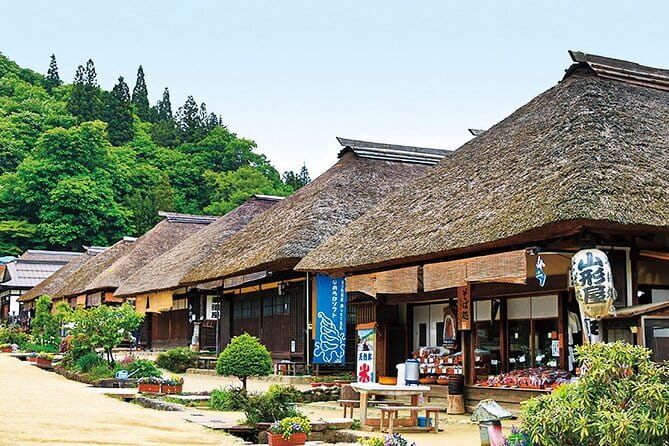
The second day continues around the Fukushima coast, with the nuclear plant visit scheduled on either Day 1 or Day 2. You return to Koriyama Station at the end of the program.
If the plant visit falls on Day Two, the experience may feel like the natural center of the trip, after you have already learned about residents and local recovery. If it happens on Day One, the following day can help place the plant within the larger story. Either order has value, and the operator’s schedule determines the final arrangement.
The final return to Koriyama is useful for anyone continuing by train, but do not book a very tight onward connection. The itinerary can change, and the tour ends at the meeting point rather than at a Tokyo station. Leave some breathing room in your plans.
Is the $579.82 Price Fair?
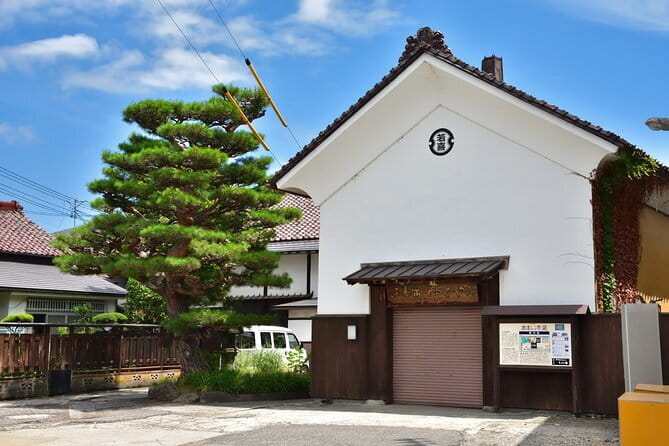
At $579.82 per person, this is not a cheap side trip. It is also more than a standard day tour because you receive two days of guiding, overnight accommodation, breakfast, dinner, an air-conditioned vehicle, and access to a controlled nuclear plant visit.
You still pay for lunch and for your Tokyo to Koriyama return transportation. Those costs can change the total considerably, so include them when comparing this tour with other Fukushima options.
I see the value mainly in access and interpretation. The plant visit is difficult to arrange independently, and the combination of a guide, Geiger counter, local conversations, and recovery sites gives the trip a clear purpose. If your goal is a well-organized introduction to Fukushima’s post-2011 story, the price is easier to justify.
If you mainly want scenic sightseeing, food, or a relaxed weekend, the price may feel high. Much of what you are paying for is time, coordination, translation, access, and careful explanation of a complicated subject.
Who Should Book This Experience?
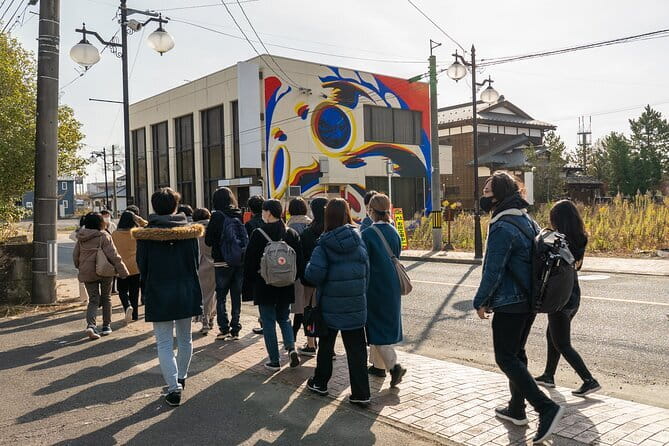
This tour suits adults who want to understand the disaster rather than simply pass through Fukushima. It is especially useful if you value direct conversations, memorial and educational sites, and a chance to see how recovery is taking shape.
You should be comfortable with serious subject matter. The trip may be emotionally heavy, and some parts could challenge your assumptions about the disaster, government response, energy policy, or life in affected communities.
The tour also suits people who prefer organized logistics. Once you arrive at Koriyama, the vehicle, guide, accommodation, and main program are arranged for you. You do not need to build a two-day route through the coastal area yourself.
It is less suitable if you need a fixed timetable, dislike schedule changes, or want extensive private time. The group can include up to 20 people, and the operator may adjust the itinerary based on availability.
Book well ahead if possible. The experience is booked about 90 days in advance on average, and confirmation is subject to availability within 48 hours. The minimum group size is six, so keep the possibility of a cancellation in mind.
Practical Details to Handle Before You Go
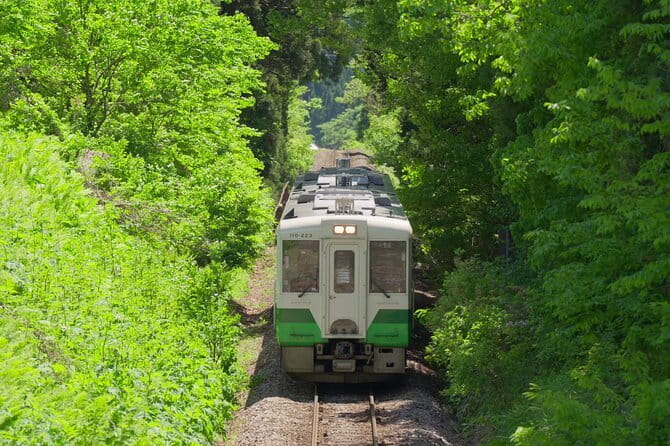
Bring your original ID, not just a digital image or photocopy. You should also be prepared to provide a copy after booking.
Pack long pants, a long-sleeved top or jacket, socks covering your ankles, and flat closed shoes. These requirements apply to the plant visit, even if the weather suggests lighter clothing.
Carry personal items for the overnight stay, along with cash. Lunch is not included, and the supplied information does not specify that every possible expense during the route will be covered.
Treat local communities with care. Do not photograph people or private property without permission, and avoid casual comments about the disaster. Spending money with local businesses and buying local products can support the region’s continuing recovery.
Cancellation terms are strict close to departure. You receive a full refund when canceling at least six full days before the start time, 50 percent when canceling two to six full days ahead, and no refund for cancellations under two full days. The operator uses local time, and a cancellation caused by failure to reach the minimum group size offers a different date or experience, or a full refund.
Should You Book the Fukushima Daiichi Two-Day Tour?
I would book this if you want a serious, guided account of Fukushima that combines the plant with local voices and recovery work. The access to Fukushima Daiichi, the estimated radiation reading, and the chance to speak with residents make it far more useful than a quick drive past the exclusion area.
Go in with patience, proper clothing, an open mind, and respect for the people who live with this history every day. If that sounds like the kind of travel you value, the two days offer rare access and real context. If you want light entertainment or a flexible sightseeing schedule, choose another trip.
FAQ
Where does the Fukushima Daiichi tour start?
The tour starts at Koriyama Station East Exit Plaza in Fukushima Prefecture at 10 a.m.
Where does the tour end?
The tour ends back at Koriyama Station East Exit Plaza after the second day.
Is transportation from Tokyo included?
No. Transportation from Tokyo to Koriyama and back is not included in the tour price.
Is the Fukushima Daiichi Nuclear Power Plant visit guaranteed on Day One?
No. The plant visit may take place on Day One or Day Two, depending on facility scheduling.
What identification do I need?
You must bring an original accepted photo ID, such as a passport, driver’s license, photo My Number card, photo Basic Resident Registration Card, Residence Card, or Special Permanent Resident Certificate. A copy is not accepted for entry.
What should I wear for the plant visit?
Wear a long-sleeved top, long pants that cover your skin, socks covering your ankles, and flat shoes such as sneakers. Sandals and high heels are prohibited.
How old must I be to join?
You must be at least 20 years old to participate.
Just added in Japan
- Nagasaki Private Customizable Half Day Tour★ 5.0 · 16 reviews
- Nagasaki Full Day Tour with Licensed Guide and Vehicle★ 5.0 · 27 reviews
- Nagasaki WW2 History and Culture Tour★ 5.0 · 19 reviews
- Nagasaki Like a Local: Private & Custom Experience (2-3 hrs)★ 5.0 · 14 reviews
- Nagasaki Private Tour with a Local – Highlights & Hidden Gems★ 5.0 · 24 reviews
- Snow Monkeys, Hokusai & Sake: A Perfect Day in Nagano★ 5.0 · 19 reviews
- Wasabi Farm Walking Tour & Lunch★ 4.5 · 20 reviews
- Nagasaki Street Food Adventure: Private Walking Tour with a Local★ 5.0 · 26 reviews