
Reviewed · TOURS IN NAGANO
Wild Japanese Flying Squirrel Watching Tour in Nagano
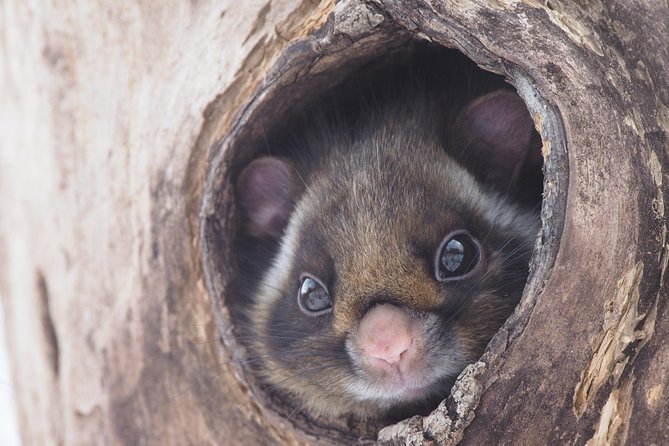
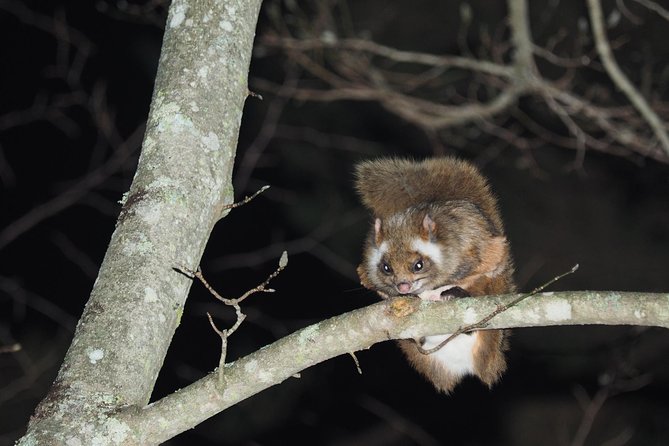
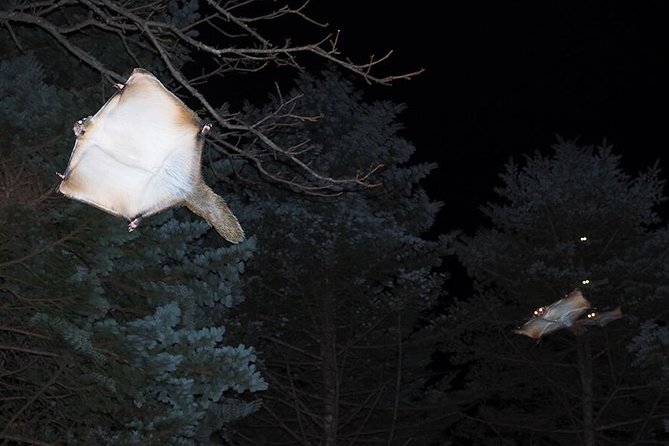
The most thrilling part of this Karuizawa outing is the wait for a Japanese giant flying squirrel to launch from a tree and sail silently through the forest. You meet at the Karuizawa Wild Bird Sanctuary, learn what to watch for, then head outside as daylight fades.
I like the short ecology lesson, which gives meaning to the sight rather than leaving you to stare into the branches. I also like that binoculars are included and that the guide knows the squirrels’ habits and usual gliding areas.
The main drawback is simple: this is wild-animal watching, not a guaranteed performance. Poor weather or an absent squirrel can cancel the outing, and some guides speak limited English, though the lecture slides include English subtitles.
Key points to know before booking
- The squirrels are wild: Sightings depend on weather, timing, and animal behavior.
- The tour begins at 4 pm: Plan to arrive at the Karuizawa Wild Bird Sanctuary before the start time.
- The talk lasts about 20 minutes: You learn about diet, size, habitat, and gliding distance at the Picchio Visitor Center.
- The outdoor watch takes about an hour: The group walks into the Karuizawa Hoshino Area and waits quietly.
- Binoculars are provided: You do not need to bring your own pair.
- The price is modest: At $28.69 per person, the fee pays for a guide, interpretation, local knowledge, and a focused wildlife encounter.
Why this Japanese flying squirrel tour is special
Japan’s giant flying squirrel, called musasabi, is not the sort of animal you usually spot by accident. It spends much of its time high in the trees, and its movement is easy to miss unless you know where to look.
The animal does not truly fly like a bird. It glides from one tree to another using a membrane between its limbs. That makes the sight brief but striking. One moment you are standing in a quiet wooded area, and the next a large shape slips across the gap between trees.
This tour works because it combines a short explanation with a guided search. You first learn what the squirrel eats, how large it is, how far it can glide, and why the area suits it. Then you have a better chance of recognizing the animal when it moves.
I like this format for a first visit to Karuizawa. You are not simply handed binoculars and pointed toward the forest. You get enough context to understand why the guides choose certain places and why silence matters.
The tour is run by the Picchio Wildlife Research Center, an organization focused on nature tours and conservation. That connection matters. You are joining a wildlife activity shaped around the animal’s behavior, not a quick stop designed only for a photograph.
Other experiences people book in Nagano:
- 1-Day Snow Monkeys, Zenko-ji Temple & Sake in Nagano
★ 5.0 · 1,020 reviews - Nagano: Snow Monkeys, Zenkoji Temple & Sake Day Trip
★ 4.9 · 833 reviews - From Tokyo: Snow Monkey 1 Day Tour with Beef Sukiyaki Lunch
★ 4.6 · 295 reviews
Starting at the Picchio Visitor Center
The meeting point is the Karuizawa Wild Bird Sanctuary at 2148 Hoshino, Nagakura, in Karuizawa, Nagano. The activity starts at 4 pm and ends back at the same meeting point.
Your first 20 minutes take place at the Picchio Visitor Center. A professional nature guide introduces the Japanese giant flying squirrel and explains the basics of its daily life.
Expect information about:
- Its diet
- Its size
- Its habitat
- Its gliding distance
- Its habits and behavior
- The kinds of places where it may be seen
This indoor introduction is short enough to hold your attention, but useful enough to change the way you watch the forest. If you have never seen a flying squirrel before, the explanation helps you understand what counts as a promising movement and what may simply be a branch shifting in the evening air.
The English situation deserves a clear note. Some guides do not speak much English. You can still follow the main presentation because the lecture slides have English subtitles, but this may not feel like a fully English-language tour from start to finish.
That limitation is less serious for this activity than it would be on a history walk or a food tour. The experience depends heavily on observation, location, and quiet waiting. Still, if detailed spoken English is important to you, keep the subtitle arrangement in mind.
Into the Karuizawa Hoshino Area
After the introduction, you head outside for about an hour of observation in the Karuizawa Hoshino Area. The tour description emphasizes the silence of the setting, broken by the excited sounds of people watching a squirrel glide overhead.
That quiet is part of the attraction. The outing is not a fast walk from one sight to the next. You need to pause, watch, and let your eyes adjust. The guides use their understanding of the squirrels’ lifestyle and gliding patterns to choose good areas, which is a major reason to join rather than search alone.
The outdoor portion may feel slow at first. That is normal for a wildlife activity. You are waiting for a brief natural event, and the squirrel does not follow a timetable for the convenience of a group.
The reward is the quality of the sighting. A giant flying squirrel gliding in its natural setting is very different from seeing an animal in an enclosure. You see the movement as part of the forest, with no barrier and no staged feeding time.
Binoculars are included, which is practical. Even if the squirrel passes close enough to identify, it may move quickly or land high in a tree. A pair of binoculars gives you a better chance to follow its movement and inspect the animal once it settles.
You should expect to walk outdoors for roughly an hour, so comfortable shoes and clothing suited to the weather make sense. The operator asks for a moderate level of physical fitness. The information provided does not describe a strenuous hike, but you should be comfortable walking and standing outside during the observation period.
The timing, light, and weather factor
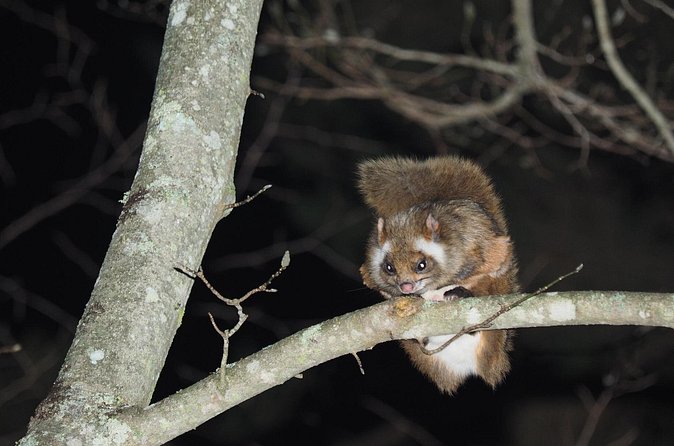
The 4 pm start is tied to the character of the experience. The activity takes place later in the day, when the forest begins to quiet down and the squirrels may become active.
The exact conditions can affect what you see. The operator requires good weather and may cancel the activity if conditions are poor. It may also be canceled if no flying squirrels are present. You can choose a different date or receive a full refund if the operator cancels for poor weather.
That policy is sensible for a wildlife outing, but it creates a planning issue. Do not build a tightly packed schedule around this tour if missing it would cause trouble elsewhere. The operator does not refund your transport costs or other expenses if an unexpected cancellation occurs.
You also need to accept that a clear evening does not guarantee a sighting. A wild animal can remain out of view, move before the group reaches the right point, or simply choose another part of the forest. The guide improves your odds, but cannot control the result.
I see this as a fair trade. The modest price reflects a guided attempt to find an animal in the wild, not a promise of a guaranteed show. If you need certainty, a wildlife park will suit you better. If you want a genuine chance to see a native Japanese animal behaving naturally, the uncertainty is part of the point.
Same base, a different sort of day:
- Tokyo: Snow Monkey & Nagano Customiseable Private Day Tour
★ 4.8 · 138 reviews - Matsumoto Castle Tour & Samurai Experience
★ 4.9 · 128 reviews - 1-Day Tour from Nagano and Matsumoto Kamikochi & Matsumoto Castle
★ 5.0 · 105 reviews - 1-Day Snow Monkeys & Snow Fun in Shiga Kogen Tour
★ 5.0 · 94 reviews
What the $28.69 price includes
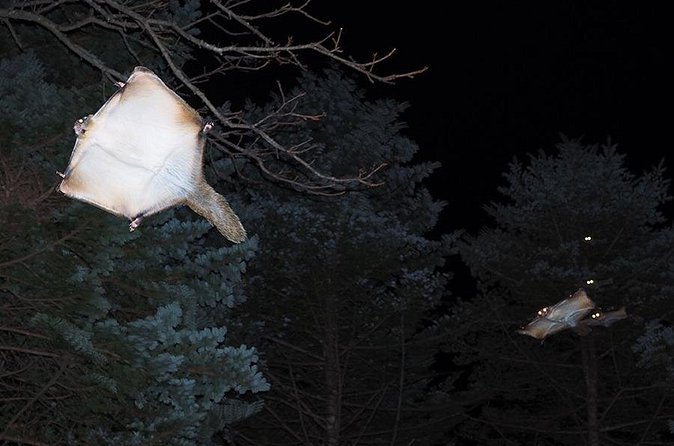
At $28.69 per person, this is a reasonably priced guided nature activity. The fee covers the lecture at the Picchio Visitor Center, the outdoor observation, the guide’s local experience, and the use of binoculars.
You are paying for access to information as much as equipment. Without a guide, you might spend an hour looking into the wrong trees or leave just before an animal appears. Someone familiar with the squirrels’ patterns can direct your attention to more promising areas.
The 90-minute duration also works well for a short stay in Karuizawa. It is long enough to give the activity a proper chance, but short enough to fit around other plans. You can spend the earlier part of the day exploring the area and still reach the meeting point before 4 pm.
The value is strongest for people who care about wildlife and want a guided introduction without committing to a full-day excursion. Families with older children, couples, photographers, and nature-minded visitors can all find something here, provided they understand that patience is required.
For very young children, the quiet waiting may be difficult. The available information does not give a minimum age, so you should check directly if you are booking for a child. The moderate fitness requirement also matters for anyone who finds outdoor walking or standing uncomfortable.
Group size and the feel of the watch
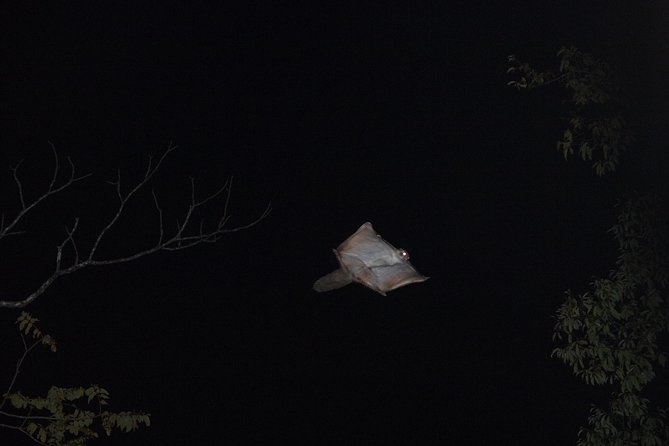
The maximum group size is 30 people. That is not a private nature walk, and the experience may feel social rather than solitary.
A group of this size has one advantage: several people can watch different sections of the trees and alert one another when something moves. It also means the guide has to manage many pairs of eyes in one quiet area.
The activity’s character depends on everyone keeping voices low and following instructions. Loud conversation can make it harder for the group to notice movement, and a crowded viewing area can be less calm than the description suggests.
I would book this knowing that the group size is capped, not that it is a small private tour. If you want personal attention or a custom pace, ask the provider about private options. If you are happy to share the moment with other people who are equally keen to see the squirrel, the group format should be workable.
The tour ends where it begins, at the Karuizawa Wild Bird Sanctuary. That is convenient because you do not need to arrange a separate return transfer from the viewing area.
Language support and what you should prepare for

The tour is not presented as a fully English-guided experience. Some guides speak limited English, while the lecture slides include English subtitles.
You can prepare by reading a little about Japanese giant flying squirrels before arrival, but the short presentation should cover the main facts. Pay attention to the visual material, and do not hesitate to use the binoculars and follow the guide’s gestures during the outdoor portion.
The nature of the activity also reduces the language barrier. Much of the second half involves watching, listening, and moving as a group. You may not need a long conversation to enjoy a well-timed glide through the trees.
Bring only what helps you stay comfortable and attentive. Wear shoes suitable for outdoor walking, dress for the local weather, and arrive ready to stand quietly. Binoculars are supplied, so you do not need specialist equipment.
The meeting point is near public transportation, which makes the tour practical for people without a car. The supplied information does not specify the exact transport route or travel time, so check your route to the Karuizawa Wild Bird Sanctuary before the day of the activity.
Who should book this experience

I would choose this tour if you enjoy nature, can wait patiently, and like the idea of seeing a native animal without a cage or feeding session. It is especially appealing if you are already staying in Karuizawa and want an activity that feels tied to the area.
It is also a good match for anyone who prefers a short outing with a clear purpose. The introduction gives you useful background, the outdoor watch gives you a real chance to see the squirrel, and the experience finishes at the original meeting place.
You should think twice if your schedule cannot handle a cancellation or if you need a guaranteed sighting. The operator may cancel because of weather or because no squirrels are present, and your transport costs are not covered.
You may also want another activity if you dislike quiet observation. This is not a fast-paced attraction. The best part could last only a few seconds, followed by more waiting.
Cancellation and booking details to keep in mind
You can cancel for a full refund up to 24 hours before the 4 pm start time. Changes or cancellations made less than 24 hours before the activity are not accepted for a refund.
Confirmation is sent within 48 hours of booking, subject to availability. The experience is often booked about 28 days ahead, so reserving early is sensible if your Karuizawa dates are fixed.
The ticket is mobile, which keeps arrival simple. Have your booking available on your phone and reach the Karuizawa Wild Bird Sanctuary with enough time to find the meeting point before 4 pm.
Should you book the Karuizawa squirrel tour?
Book it if you want a low-cost, guided chance to see one of Japan’s most unusual native mammals in the wild. The short lesson, included binoculars, local guide knowledge, and convenient 90-minute format give the experience solid value.
Skip it if you need guaranteed wildlife sightings, fluent English throughout, or a private group. The weather and animal behavior remain beyond anyone’s control.
For the right visitor, that uncertainty is not a flaw to hide. It is the honest nature of watching wildlife. You learn where to look, wait in the forest, and hope for the quiet rush of a giant flying squirrel crossing the trees.
FAQ
Where does the Japanese flying squirrel tour meet?
The tour meets at the Karuizawa Wild Bird Sanctuary, at 2148 Hoshino, Nagakura, Karuizawa, Nagano 389-0111, Japan.
What time does the tour start?
The activity starts at 4 pm.
How long does the experience last?
The tour lasts approximately 1 hour and 30 minutes. About 20 minutes are spent at the Picchio Visitor Center, followed by about one hour of outdoor observation.
Are binoculars included?
Yes. Binoculars are provided for the outdoor wildlife observation.
Is the tour conducted in English?
Some guides speak limited English. The lecture slides include English subtitles, which help you follow the introduction.
What happens if the weather is poor or no squirrel appears?
The activity may be canceled because of poor weather or the absence of flying squirrels. If the operator cancels, you will be offered a different date or a full refund.
Just added in Nagano
- Snow Monkeys, Hokusai & Sake: A Perfect Day in Nagano★ 5.0 · 19 reviews
- Wasabi Farm Walking Tour & Lunch★ 4.5 · 20 reviews
- 1-Day Tateyama-Kurobe Tour: Walking on the ‘Roof of Japan’★ 5.0 · 20 reviews
- Ski or Snowboard Lesson in Shiga Kogen (4Hours)★ 5.0 · 34 reviews
- Snow Monkey Park & Miso Production Day Tour from Nagano★ 5.0 · 18 reviews
- Snow Monkey & Shibu Onsen Afternoon Tour (Depart: Iiyama & Nozwa)★ 5.0 · 54 reviews
- Snow Monkey Park, Soba Lunch and Shibu Onsen Tour★ 5.0 · 12 reviews
- Nagano Private Two Day Tour★ 5.0 · 29 reviews
Tours in Nagano, compared.

1-Day Snow Monkeys, Zenko-ji Temple & Sake in Nagano
Read our review →
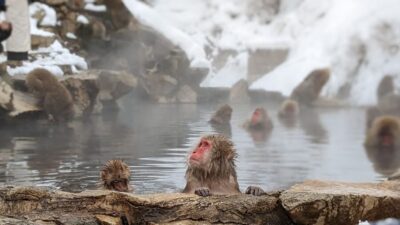
Snow Monkey 1 Day Tour with Beef Sukiyaki Lunch
Read our review →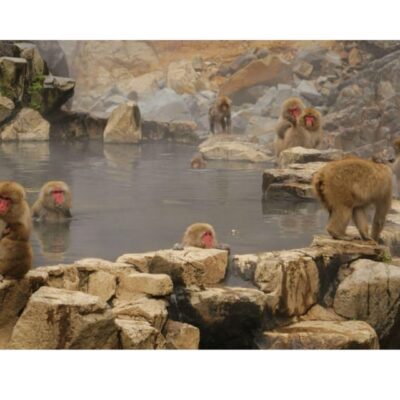

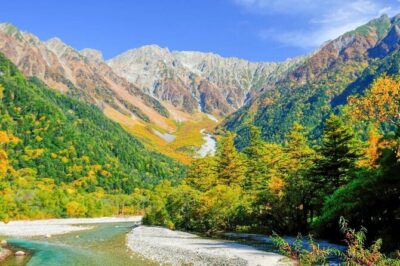
1-Day Tour from Nagano and Matsumoto Kamikochi & Matsumoto Castle
Read our review →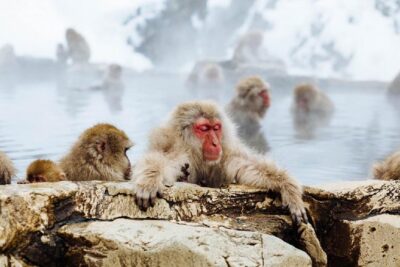
1-Day Snow Monkeys & Snow Fun in Shiga Kogen Tour
Read our review →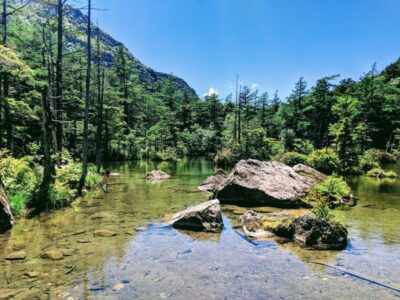
Full-Day Tour: Matsumoto Castle & Kamikochi Alpine Valley
Read our review →Browse the lists this tour appears in