
Reviewed · CASTLE TOURS
Nagano/Matsumoto: Matsumoto Castle and Narai-juku Day Trip
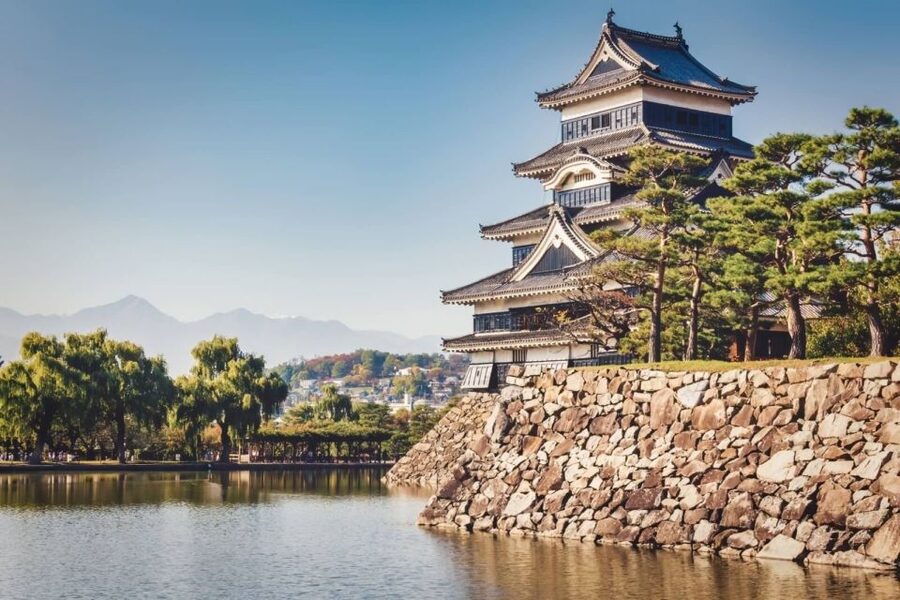
Matsumoto Castle is the star here: a dark, beautifully preserved samurai fortress with steep wooden stairs, narrow passageways, old weapons, and city views from the top. I like that this day pairs the castle with Narai-juku, a much quieter old post town where wooden buildings line the former Nakasendo road. I also like the practical setup: a guide, bus transport, and the castle ticket are all handled for you.
The tradeoff is the long day. You spend about 100 minutes getting from the Nagano area to Matsumoto, another hour reaching Narai-juku, and more than two hours returning. The walking is also real, especially inside the castle, where the stairs are narrow and very steep.
Key points to know before booking
- Matsumoto Castle’s six-story climb: The oldest surviving five-tiered, six-story castle tower in Japan rewards you with preserved woodwork, weapons, and views, but the stairs are demanding.
- Frog Street adds a lighter stop: Nawate-doori has more than 50 shops, cafes, and restaurants selling frog souvenirs, rice crackers, taiyaki, candy, and ice cream.
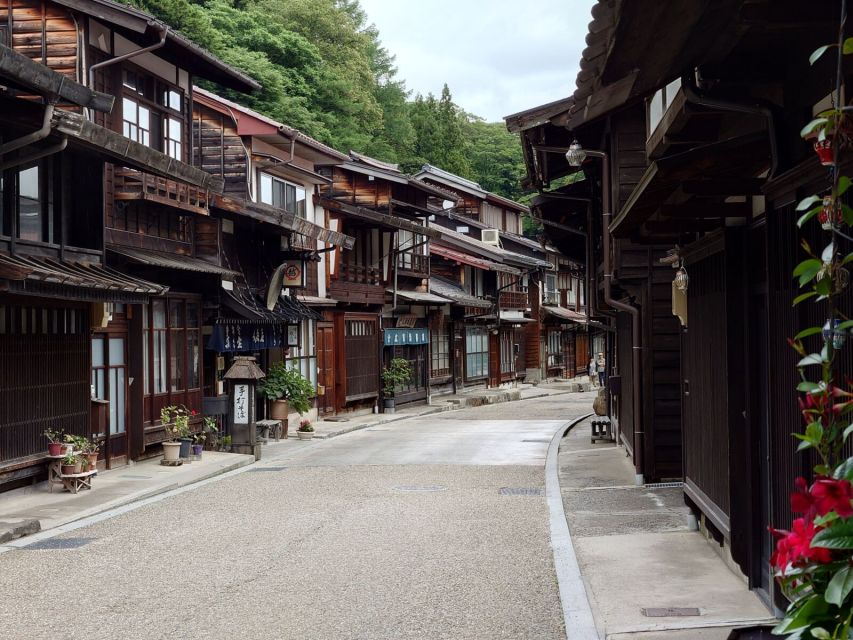
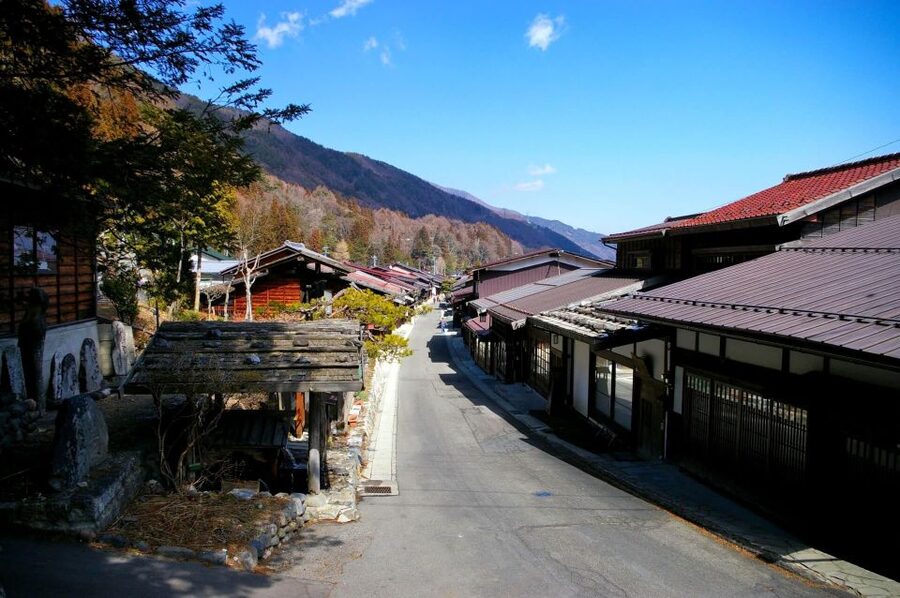
- Narai-juku feels different from Matsumoto: This former Nakasendo post town offers wooden buildings, mountain scenery, small shops, and a slower pace.
- The day works from three pickup points: You can begin at Nagano Station, Matsumoto Station, or Kokusai 21, depending on the option booked.
- Lunch is your responsibility: You get free time for a meal, but food is not included. A guide may point you toward local choices, including udon or regional fried chicken.
- Weather matters: Snow, rain, and wet ground can affect comfort, so waterproof shoes and suitable clothing are important in colder months.
Why this day trip is worth your time
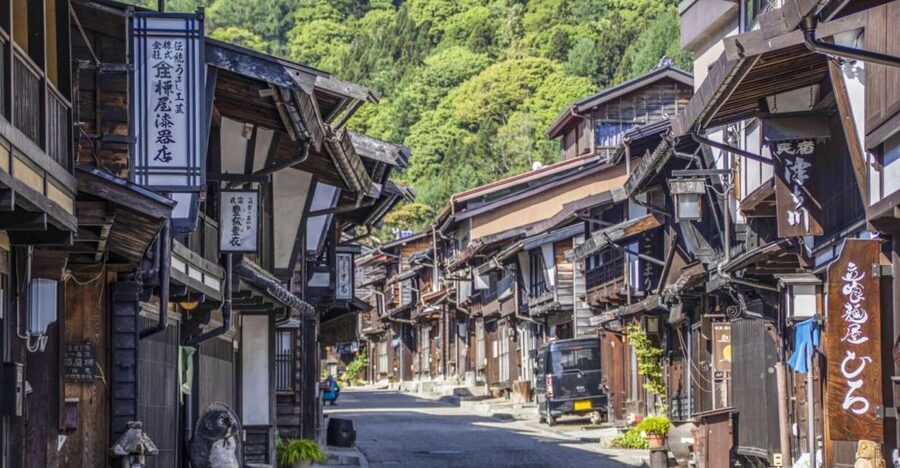
I would choose this outing if you want more than a quick castle photo. Matsumoto and Narai-juku show two different sides of central Japan. One is a powerful castle town shaped by samurai rule. The other is a preserved roadside settlement built to serve people moving between Tokyo and Kyoto.
That contrast gives the day a useful rhythm. Matsumoto offers a major sight with a clear historical focus. Narai-juku gives you time to walk, browse, and notice details without the same pressure to cover a large attraction. The guide helps connect both places to the old roads, local communities, and changing fortunes of the region.
The tour costs $180 per person. That is not a budget bus ride, but it can make financial sense if you are starting in Nagano. The price includes transport between the listed destinations, an English-speaking guide, entry to Matsumoto Castle, and guided walks at both main stops. A self-arranged visit would still require transport tickets, castle admission, and careful timing. You also avoid figuring out the transfer from Matsumoto to Narai-juku.
The value is strongest for anyone who wants context and convenience in one day. It is less attractive if you prefer to move at your own pace, linger for hours at the castle, or choose every train and meal yourself.
Other castle tours in Nagano people book:
- Matsumoto Castle Tour & Samurai Experience
★ 4.9 · 128 reviews - 1-Day Tour from Nagano and Matsumoto Kamikochi & Matsumoto Castle
★ 5.0 · 105 reviews - Full-Day Tour: Matsumoto Castle & Kamikochi Alpine Valley
★ 4.8 · 78 reviews
Starting from Nagano or Matsumoto
The meeting point depends on the option you select. Departures are available from Nagano Station, Matsumoto Station, or Kokusai 21. Check the exact pickup and return point carefully, especially if your hotel is in Nagano and you are considering the Matsumoto start.
If you begin at Nagano Station, the first bus ride to Matsumoto takes about 100 minutes. That sounds long, but it lets you avoid managing a separate trip before the tour begins. The bus also gives you a chance to see fields and mountain country as you leave Nagano.
Matsumoto Station is the second pickup point. Once the full group is aboard, the tour heads into the old castle town. The return options mirror the start points, with drop-offs at Matsumoto Station, Kokusai 21, or Nagano Station.
This is a full-day commitment. The schedule includes roughly 2.5 hours at Matsumoto Castle, one hour between Matsumoto and Narai-juku, 2.5 hours at Narai-juku, and about 2 hours 15 minutes for the final return ride. Bring water, dress for the weather, and avoid scheduling an evening activity that requires a precise arrival time.
Frog Street and the old center of Matsumoto
The day begins in Matsumoto’s historic center at Nawate-doori, usually called Frog Street. The name comes from the frog figures and frog-themed goods found along this lively little shopping street.
More than 50 shops, cafes, and restaurants line the route. You can browse o-senbei rice crackers, taiyaki pastries, dagashi candy, ice cream, small souvenirs, and local snacks. The frog theme gives the stop a playful feel before the more serious castle visit.
This is also a useful place to get your bearings in Matsumoto. You are not simply being dropped at a fortress and rushed through a ticket gate. The guide introduces the town first, then leads you toward the castle and explains how Matsumoto grew around it.
You may have free time to look around the shops and temple area near Frog Street. One useful food tip from past departures is to try a regional fried chicken dish. Guides have also helped with local restaurant choices, including a small place serving a meat and seafood udon soup for a modest price. Food suggestions depend on the day and the guide, but lunch is not included, so this is the point to plan it.
Inside Matsumoto Castle’s six-story tower
Matsumoto Castle dates from the end of Japan’s Warring States Period, when rival military leaders fought for control of the country. Its black exterior gives it a serious, almost stern appearance, and much of the original structure remains intact.
The castle is designated a National Treasure of Japan. More importantly for you, it is not just an exterior shell. You enter the tower and climb through all six levels, seeing the wood construction, defensive features, historical weapons, and other objects tied to the warriors who used the castle.
The stairs deserve a warning in large letters. They are steep, narrow, and uneven in places. You may need to use a rope or handrail, move slowly, and wait for other people on the tight stairways. This is not an easy climb for anyone with knee, balance, or mobility problems.
At the top, you can look over Matsumoto City and the surrounding mountains. The view changes with the season. In winter, snow may cover the ground and mountain tops. In wet weather, visibility can be limited, but the castle remains atmospheric and the timber interiors are still worth seeing.
The guide’s explanation adds much to the visit. Historical objects are easier to understand when you know how they relate to defense, daily life, and the samurai class. Shawn, Nadin, and Joyce have led departures and are noted for detailed explanations, personal attention, and practical help. The guide on your date may be different, but English is the tour language.
After the guided portion, you have free time around the castle grounds. Use it for photographs, a slower look at the exterior, or a short visit to nearby shops. If the castle interior feels crowded, this free time gives you a chance to enjoy the grounds without having to keep up with the group.
Other castles reached from Nagano:
- Matsumoto Castle Tour & Samurai Experience
★ 5.0 · 69 reviews - Matsumoto Castle Town Walking Tour
★ 4.8 · 58 reviews - 1 Day Tour From Nagano to Matsumoto Castle and Narai-Juku
★ 5.0 · 37 reviews - Matsumoto Castle Tour & Soba Noodle Experience
★ 4.5 · 20 reviews
The bus ride into the Kiso Valley
The trip from Matsumoto to Narai-juku takes about an hour. This transfer is part of the appeal, as the route leaves the city and passes through fields and mountain country. In colder months, snow may cover the roadside and surrounding peaks.
Keep your camera ready, but do not expect a nonstop sightseeing commentary from the bus. The main benefit is that you can sit back while someone else handles the road and timing. After the physical effort of the castle stairs, the ride also gives your legs a break.
Weather can change quickly in this part of Japan. Pack sunglasses and a sun hat for clear days, but also bring an umbrella or rain gear. Wear layers and choose shoes that can handle wet ground. Winter visitors should use waterproof shoes and warm clothing, since snow may remain on the ground.
Walking through Narai-juku’s wooden streets
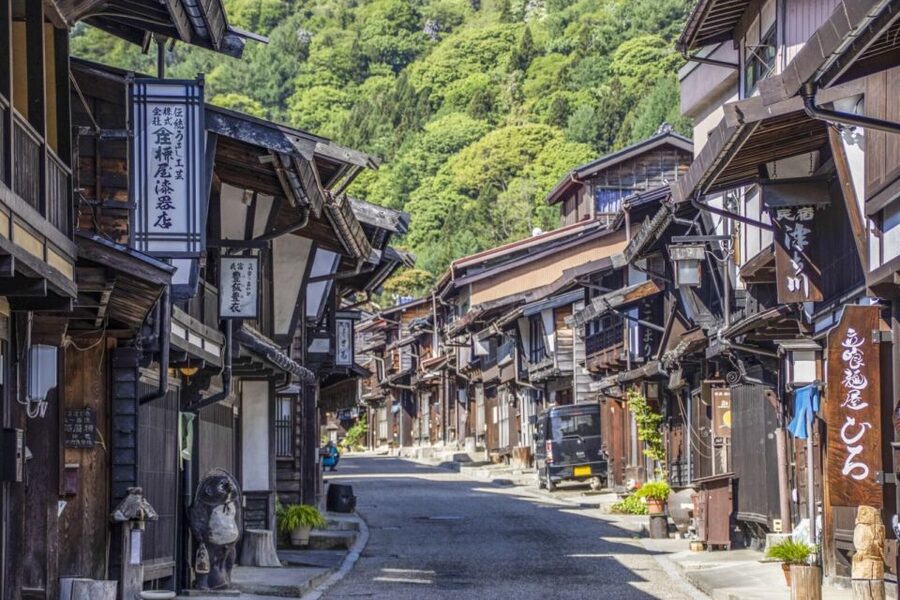
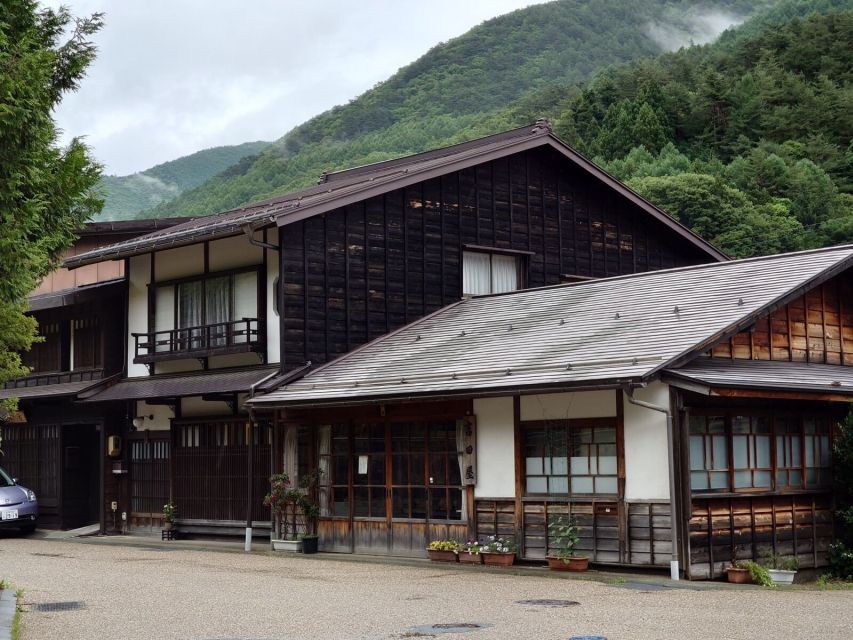
Narai-juku once served people traveling the Nakasendo road between Tokyo and Kyoto. The town offered food, lodging, and supplies during a long journey through the mountains. Today, its preserved wooden buildings make it one of the most appealing old post towns in the region.
The guided walk begins near the train station at the entrance to town. Your guide points out the way Narai-juku was built and explains how its shops and homes worked during its busiest period. The long main street is the attraction. You walk past traditional facades, small stores, cafes, and local craft shops rather than visiting a single large monument.
The town has a quieter feel than Matsumoto. That is precisely why it works well as the second stop. After the castle’s crowds, stairs, and military displays, Narai-juku gives you room to slow down and pay attention to wooden details, signs, shop fronts, and the shape of the street.
Do not expect every shop to be open, especially outside the busiest weekend periods. Past departures have found some businesses closed, while open stores offered local woodwork and lacquered handicrafts. That can limit shopping, but it also keeps the town from feeling like a nonstop retail strip.
The guided walk lasts about 2.5 hours, including the visit and free time. You get around an hour to browse the main street, eat at a cafe or restaurant, and take photographs. If you want a substantial meal, ask your guide early about the available choices. Lunch is not part of the tour price.
Narai-juku is especially appealing if you want a traditional town setting rather than another major attraction. The surrounding mountains add to the sense of place, and the older buildings are the sort of detail you might miss if you simply passed through by train.
Guides who add practical value
A good guide matters on a day built around history. The strongest departures have included Shawn, Nadin, and Joyce. Shawn has been praised for explaining the historical setting of both stops and for making the day easy to follow. Nadin has paid close attention to dietary needs, including helping a vegetarian participant. Joyce has been described as friendly and flexible, with extra touches such as teaching origami and recommending an affordable local restaurant.
You should not assume you will have one of these guides on your date. Still, these examples show what the guide can add: background at the castle, stories about the old road, food suggestions, and help adjusting to the pace of the day.
The guide also helps bridge the gap between a beautiful old building and an understandable place. Without context, Matsumoto Castle can become a quick photo stop. With explanation, its weapons, woodwork, stairs, and defensive design make more sense.
Who should book this experience
I would recommend this day trip to you if you are staying in Nagano or Matsumoto and want to see both a major cultural sight and a smaller historic town without arranging several separate journeys.
It suits first-time visitors to the area, history fans, photographers, and people who prefer guided transport. It can also work well for solo visitors who want company and an English-speaking guide throughout a long day.
I would think twice if you have limited mobility. The castle’s stairs are steep and narrow, and the tour includes substantial walking at both stops. Wheelchair users and people with mobility impairments are not suited to this activity.
Families with older children may enjoy the castle’s samurai setting and frog-themed street. Younger children may find the long bus rides and castle stairs tiring. Anyone sensitive to weather should be especially careful with winter bookings.
Free cancellation is available up to 24 hours before departure, and you can reserve now and pay later. Those terms help if your Nagano plans may shift, but they do not remove the need to check the correct meeting point and prepare for a full outdoor day.
Should you book the Matsumoto and Narai-juku tour?
Book it if you want a well-organized day that connects Matsumoto’s samurai past with the old Nakasendo road. The combination is the real strength: a National Treasure castle, a cheerful local shopping street, and a preserved mountain post town in one outing.
Skip it if you want a relaxed schedule or independent control over every stop. The $180 price is fair when you count transport, guiding, and castle admission, but the day is long and the walking is demanding.
For most visitors based in Nagano, I think the convenience is worth paying for. Wear sensible shoes, bring layers and rain protection, reserve time for lunch, and be ready for steep stairs. If you can manage that, this is a strong way to see two very different parts of central Japan.
FAQ
Where does the tour start?
The available starting points are Kokusai 21, Matsumoto Station, and Nagano Station. The exact meeting point depends on the option you book.
Where does the tour finish?
The available drop-off points are Matsumoto Station, Kokusai 21, and Nagano Station.
How long does the tour last?
It is a full one-day experience. The listed schedule includes bus rides, about 2.5 hours at Matsumoto Castle, and about 2.5 hours at Narai-juku.
Is the tour conducted in English?
Yes. The tour includes a live English-speaking guide.
Is Matsumoto Castle admission included?
Yes. The castle entry ticket and guided tour are included.
Is lunch included?
No. Lunch is not included. You have free time to choose a cafe or restaurant during the day.
How much walking is involved?
The tour includes a reasonable amount of walking at Matsumoto Castle and Narai-juku. The castle also requires climbing steep, narrow stairs to reach the top.
Is the tour suitable for wheelchair users?
No. The activity is not suitable for wheelchair users or people with mobility impairments.
What should I bring?
Bring weather-appropriate clothing, sunglasses, a sun hat, an umbrella, and rain gear. In winter, wear waterproof shoes and warm clothing because snow may be on the ground.
Just added in Nagano
- Snow Monkeys, Hokusai & Sake: A Perfect Day in Nagano★ 5.0 · 19 reviews
- Wasabi Farm Walking Tour & Lunch★ 4.5 · 20 reviews
- 1-Day Tateyama-Kurobe Tour: Walking on the ‘Roof of Japan’★ 5.0 · 20 reviews
- Ski or Snowboard Lesson in Shiga Kogen (4Hours)★ 5.0 · 34 reviews
- Snow Monkey Park & Miso Production Day Tour from Nagano★ 5.0 · 18 reviews
- Snow Monkey & Shibu Onsen Afternoon Tour (Depart: Iiyama & Nozwa)★ 5.0 · 54 reviews
- Snow Monkey Park, Soba Lunch and Shibu Onsen Tour★ 5.0 · 12 reviews
- Nagano Private Two Day Tour★ 5.0 · 29 reviews
Castle Tours, compared.
Tokyo Castle & Imperial PalaceーShogun Walking Tour
Read our review →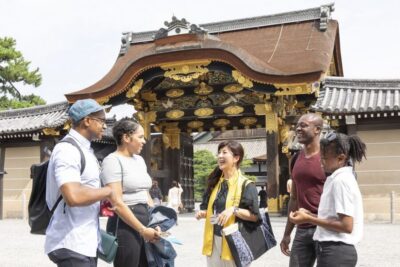
Nijo-jo Castle and Ninomaru Palace Guided Tour
Read our review →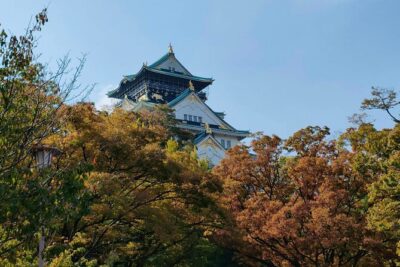
Ultimate Osaka Walking Tour: Castle, Dotonbori & Hidden Gems
Read our review →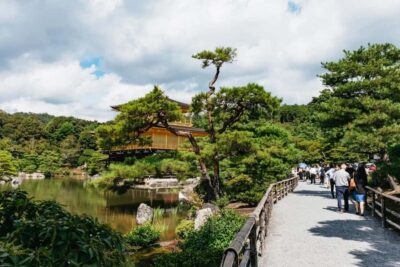
Nijo Castle, Kiyomizu & Fushimi Inari Guided Tour
Read our review →
Nijo, Kinkaku-ji, Arashiyama, Kiyomizu & Fushimi Inari
Read our review →
Osaka Castle Walking Tour and Castle Tower Admission
Read our review →
Imperial Palace East Garden and Edo Castle Walking Tour in Tokyo
Read our review →Browse the lists this tour appears in