
Reviewed · TEMPLE & SHRINE TOURS
Fukuoka’s Sacred Path: Temples, History & Culture
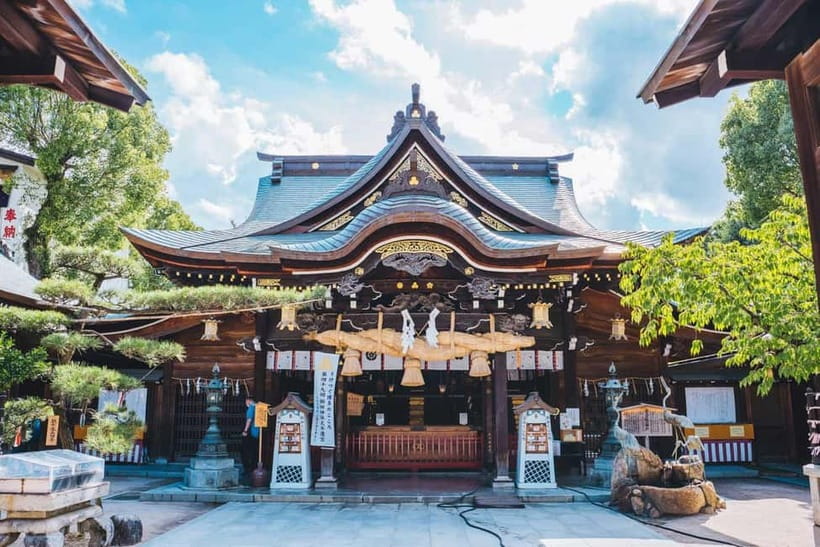
Fukuoka’s old Hakata district gives you a fine lesson in how Japan’s religious traditions fit into daily city life. In three hours, you’ll move from Japan’s first Zen temple to a 10.8-meter wooden Buddha, a festival shrine, a modern shopping complex, and a place dedicated to safe travel.
I like the clear contrast between quiet temple grounds and modern Canal City. I also like the guides’ relaxed pace. Andy is praised for patient explanations and useful food and market tips, while Paula and Arianna are also named as guides. The main caution is simple: this is a real walking tour, not a short hop between sights, so wear good shoes and expect a long afternoon on foot.
Key points at a glance
- Japan’s first Zen temple: Explore Shōfukuji, founded in 1195 by Eisai, who introduced Zen Buddhism from China.
- A 10.8-meter wooden Buddha: Tōchōji’s Great Buddha is the tour’s biggest visual moment, with an unusual underground passage nearby.
- Hakata festival culture: Kushida Shrine connects the city to the annual Gion Yamakasa festival and its towering floats.
- Old meets new: Canal City adds a lively change of pace, including a music, light, and water fountain show.
- A gentle walking route: The tour takes about three hours and returns to the Hakata Station area.
- Private guiding in two languages: English and German are offered, with conversational Japanese available.
Starting beside Hakata Station
The tour begins outside the West Exit of Hakata Station, in front of the CASETiFY shop at Amu Plaza Hakata. This is a useful meeting point if you have just arrived by train, though you should allow time to find the correct station exit. Hakata Station is large, so do not rely on a last-second dash from a platform.
From there, you walk for about 10 minutes to Shōfukuji. That opening walk helps you shift from transport mode into sightseeing mode, but it also makes clear what you are buying: a guided city walk, not a temple tour reached by bus or taxi.
The full route includes several walking stretches, with a 15-minute section between Tōchōji and Kushida Shrine and another 15 minutes at the end back to the station area. The pace is described as leisurely, which is useful if you like to stop, ask questions, and take photographs. In warm weather or rain, the same pace may feel more demanding.
Other places of worship worth the walk in Fukuoka:
- Day Tour to Miyazaki Takachiho Gorge & Shrine depart from Fukuoka
★ 4.5 · 61 reviews - From Fukuoka: Miyazaki, Takachiho Gorge And Shrine Day Tour
★ 4.5 · 44 reviews - Kyushu: Aso Vocano, Grassland,Onsen and Aso shrine 1-Day Tour
★ 4.5 · 23 reviews
Shōfukuji and the beginning of Japanese Zen
Shōfukuji is the first major stop, with about 20 minutes for a guided visit. Founded in 1195 by the monk Eisai, it is identified as Japan’s first Zen temple. Eisai introduced Zen Buddhism from China, giving the site a direct link to one of the most important religious developments in Japanese culture.
The appeal here is not only the date or the title. The temple offers a calm opening to the tour, with traditional wooden buildings and quiet grounds that feel far removed from the noise of Hakata Station. Your guide explains Zen ideas and meditation, giving the architecture some meaning instead of leaving you to take a few quick photographs and move on.
Twenty minutes is enough for an introduction, but not enough for a slow, detailed study of every building. I would treat this stop as a focused orientation to Zen rather than a full temple visit. If you enjoy stillness and traditional architecture, it may be one of your favorite parts. If you prefer grand statues and dramatic interiors, Tōchōji will likely make the stronger first impression.
The route then takes only about five minutes on foot to Tōchōji, keeping the first half of the tour compact and easy to follow.
Tōchōji’s giant Buddha and underground passage
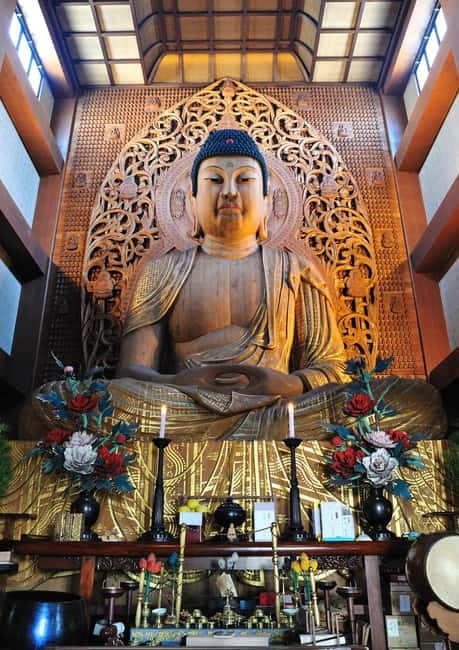
Tōchōji receives about 30 minutes, making it the longest temple stop on the route. Its main draw is Japan’s largest wooden Buddha, the Great Buddha, which measures 10.8 meters high. That scale gives you a clear visual centerpiece after the quieter, more atmospheric visit to Shōfukuji.
The statue is not just a large object to photograph. A guide can help you understand its place within the temple and the wider Buddhist setting. The tour also includes Tōchōji’s underground passage, described as a symbol of the journey through the afterlife. This unusual feature adds a more physical and memorable element to the visit.
You should expect a different mood here from Shōfukuji. Shōfukuji is about quiet grounds and Zen tradition. Tōchōji is about scale, sacred imagery, and a distinctive passage beneath the temple. Thirty minutes gives you time to see the main sights and hear the explanation without turning the visit into a long religious study.
The tour description does not provide details about the passage’s length or exact conditions, so your guide will be the best source of information on the day. Bring a camera, but remember that a photograph cannot quite convey the size of the Buddha when you are standing in front of it.
Kushida Shrine and the Gion Yamakasa tradition
A 15-minute walk brings you to Kushida Shrine, where the guided visit and sightseeing time total about 30 minutes. This is one of Fukuoka’s key Shinto sites and the place where the tour’s discussion of religion connects most clearly with local festival life.
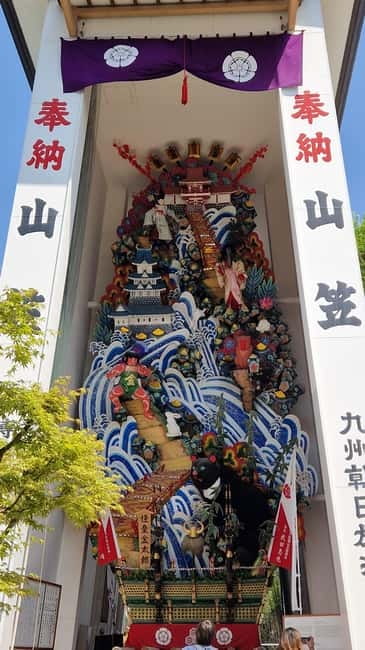
Kushida Shrine is famous for the Hakata Gion Yamakasa festival, held each summer. The shrine has a towering Yamakasa float on display, giving you a chance to see the scale and craft of the festival even if your visit does not coincide with the event itself.
This stop is especially useful if you want to understand how a shrine functions as part of a city’s identity. The tour explains festival customs and local traditions, not only the basic difference between Buddhism and Shinto. You also learn about etiquette, such as how to behave at temples and shrines, and how the two traditions are practiced alongside one another in Japan.
The 30-minute timing works well for a first visit. You can see the main shrine area, examine the float, and ask questions without spending the entire afternoon on one site. Do not expect a long period for quiet reflection here, since the stop includes both a guided explanation and sightseeing.
Same base, a different sort of day:
- Mt. Aso & Takachiho Gorge Tour with Optional Boat Ride
★ 4.7 · 222 reviews - Fukuoka: Takachiho Gorge & Scenic Railway One Day Tour
★ 4.8 · 178 reviews - Private Fukuoka Tour with a Local, Highlights & Hidden Gems 100% Personalised
★ 5.0 · 143 reviews - Fukuoka Your Way: 100% Customisable Private Tour with Local Guide
★ 5.0 · 83 reviews
Canal City shifts the mood

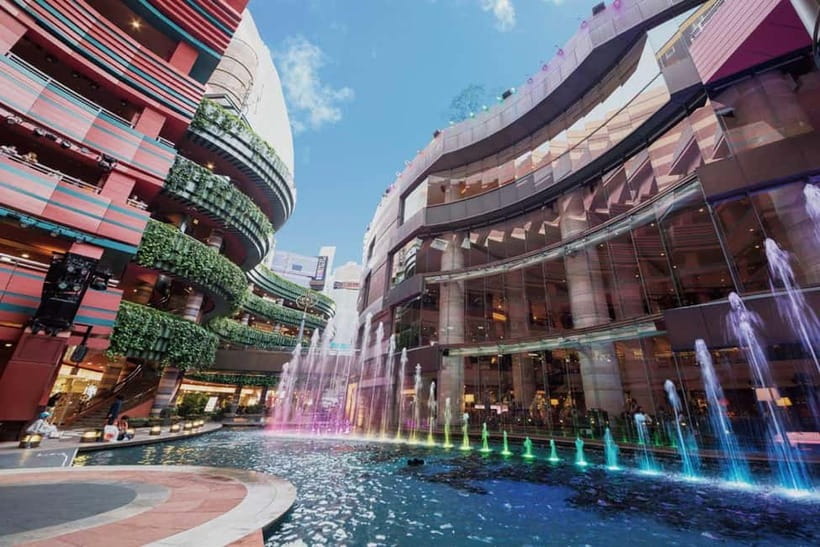
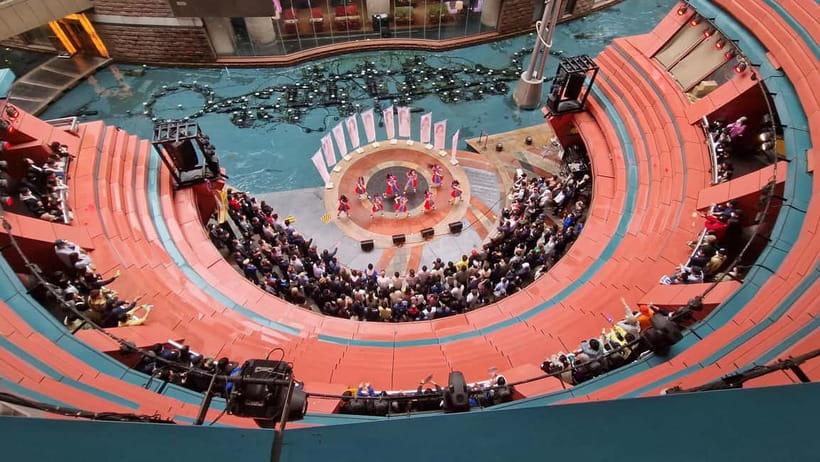
From Kushida Shrine, the tour continues to Canal City Hakata for about 15 minutes of sightseeing. This is the route’s sharpest change of scene. After three religious sites, you enter a large shopping and entertainment complex with a fountain show featuring water, music, and lights.
Canal City is not included as a token shopping stop. It shows you another side of Fukuoka, where older customs and modern city life sit close together. The fountain performance gives the walk a visual break and may be a welcome pause after the temples and shrine.
The drawback is that 15 minutes is a short window in a complex built for shopping and entertainment. You will not have time to browse properly, eat, and watch the show at a leisurely pace. Think of Canal City as a brief cultural contrast and photo stop, not a shopping excursion.
The exact fountain schedule can affect what you see, so it is sensible to check the timing when you book or ask your guide at the start. The tour promises a fountain show, but the supplied information does not give a specific performance time.
Sumiyoshi Shrine and a calm finish
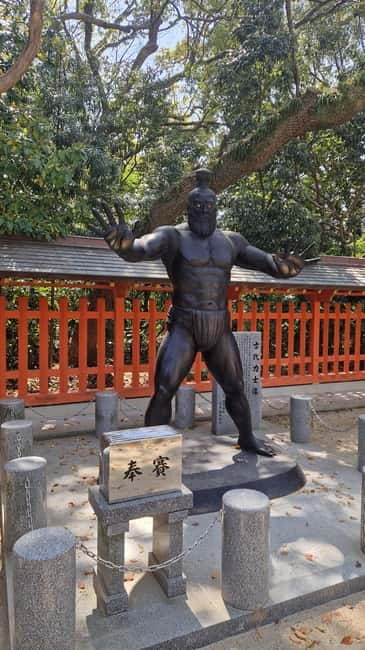
A five-minute walk takes you from Canal City to Sumiyoshi Shrine. The tour allows about 25 minutes here, followed by a 15-minute walk back to the original meeting point.
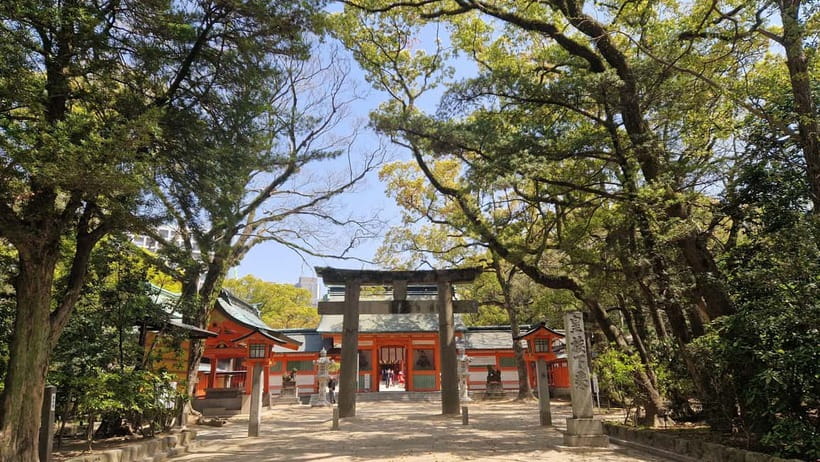
Sumiyoshi Shrine is dedicated to the gods of safe travel and protection, making it a fitting final stop for a walking tour. Its vermilion torii gates and quieter atmosphere offer a natural pause after the visual activity at Canal City. You can reflect on the day’s themes, from Zen meditation and Buddhist imagery to Shinto ritual and local festivals.
The shrine is described as one of Japan’s oldest Sumiyoshi shrines. Your guide can explain why Sumiyoshi shrines are associated with protection and travel, giving the final visit a direct connection to modern visitors making their way through Japan.
I like the order of this route. It does not simply stack four religious sites together. It moves from Zen, to a major Buddhist statue, to a festival-focused Shinto shrine, then to modern Fukuoka, before ending at another shrine tied to safe journeys. The sequence gives the afternoon a sense of shape without making the tour feel like a lecture.
What the guide adds to the walk
The quality of this experience depends heavily on the person leading it. The available guide names include Andy, Paula, and Arianna. Andy is specifically associated with a patient, conversational approach, cultural explanations, and useful suggestions for food and markets after the tour. If you have a choice of guide, it is reasonable to ask about availability.
The tour is offered in English and German, and conversational Japanese is available. The formal activity details list English and German as the guide languages, so if Japanese conversation is important to you, confirm the arrangement before booking.
This is a private group experience, which should give you more room to ask questions than a large public tour. The supplied details also describe it as a small group experience, so the practical feel is likely to be personal rather than crowded. Still, group size is not specified, and you should not assume a particular number of people.
The best guides will help you connect the sites. For example, you can ask how Zen differs from other Buddhist traditions, how people use shrines in daily life, or how festival customs shape local identity. The tour is strongest when you treat it as a conversation rather than a checklist of buildings.
Is $77 good value?
At $77 per person, the tour is not the cheapest way to see these sites. Many of the rewards here come from walking through public city areas, and the tour does not include transport, food, or drinks. You are paying mainly for the guide, the private format, the three-hour structure, and the explanations that link the stops together.
That price can make sense if you are new to Japan, short on time, or unsure how to approach temples and shrines respectfully. A guide can save you from simply passing through without understanding what you are seeing. The cultural context is particularly useful at Kushida Shrine and Tōchōji, where the festival float and underground passage need explanation to mean more than a quick photo.
Value is weaker if you already know Fukuoka well, prefer to explore alone, or mainly want time for shopping. You can see the route at a slower pace by yourself, but you would need to arrange your own background information and navigation.
The free cancellation option up to 24 hours before the tour and the reserve-now, pay-later option make it easier to fit into a changing schedule. Those policies are helpful, but they do not change the central question: do you want a guided cultural walk or independent sightseeing?
Who should book this Fukuoka walk?
I would recommend it to first-time visitors who want a clear introduction to Hakata. It also suits history fans, people interested in Buddhism and Shinto, and anyone who prefers local context over a string of unconnected photo stops.
Families with older children may enjoy the giant Buddha, underground passage, and fountain show. The route has enough visual variety to hold attention, though younger children may find three hours of walking and explanations tiring.
This tour also works well near the start of a Fukuoka stay. Andy’s food and market suggestions can help you plan the rest of your time, and the route gives you an early sense of how the old Hakata district fits beside modern shopping areas.
You should think twice if you have limited walking ability, dislike fixed pacing, or want extended time inside each temple. Comfortable shoes are essential. Check the weather before you go, carry money for souvenirs, and bring a camera. Food and drinks are not included, so plan those separately.
FAQ
How long does Fukuoka’s Sacred Path tour take?
The tour lasts three hours, including walking between the sites and the return to the meeting point.
Where does the tour begin?
It begins outside the West Exit of Hakata Station, in front of the CASETiFY shop at Amu Plaza Hakata.
Which sites are included?
The tour visits Shōfukuji Zen Temple, Tōchōji Temple, Kushida Shrine, Canal City Hakata, and Sumiyoshi Shrine.
What languages are available?
The live tour is offered in English and German. Conversational Japanese is also available according to the activity details.
Is transportation included?
No. This is a walking tour, and transportation costs are not included.
What should I bring?
Wear comfortable walking shoes and bring a camera. You should also check the weather before going and carry money if you plan to buy souvenirs.
Should you book it?
Book this tour if you want Fukuoka’s temples and shrines explained in plain language, with a guide who can connect religion, festivals, etiquette, and modern city life. The strongest features are the variety of stops, the relaxed pace, and the chance to ask questions in a private setting.
Skip it if you want a completely independent day, extended shopping time, or a short route with little walking. For $77, the experience earns its value through its guide and cultural context, not through included meals or transportation. If that sounds like the kind of help you want in Hakata, this is a well-shaped introduction to Fukuoka.
Just added in Fukuoka
- Fukuoka Sumo Tournament November 2025 with a Sumo Expert Guide★ 5.0 · 21 reviews
- Fukuoka Group/Private Tour by Local Professionals!★ 5.0 · 15 reviews
- Tour Nagasaki or Fukuoka in Privacy and Comfort.★ 5.0 · 17 reviews
- Hakata Old Town Walking Tour Tracing the True History of Fukuoka★ 5.0 · 17 reviews
- Kyushu: Aso Vocano, Grassland,Onsen and Aso shrine 1-Day Tour★ 4.5 · 23 reviews
- From Fukuoka: Miyazaki, Takachiho Gorge And Shrine Day Tour★ 4.5 · 44 reviews
- Fukuoka Takachiho Gorge, Amano Iwato and Scenic Train Tour★ 4.5 · 17 reviews
- Fukuoka Evening Tours: Yatai, Izakaya, Karaoke and more★ 5.0 · 21 reviews
Temple & Shrine Tours, compared.


Meiji Shrine, Asakusa, Skytree Bus Tour and Cruise
Read our review →
Asakusa Walking Tour with Sensoji Temple Visit
Read our review →
Kamakura & Enoshima Day Trip including Temple Tickets
Read our review →
Nikko Toshogu Shrine and Kegon Waterfall Tour
Read our review →
Tokyo Panoramic 1 Day: Meiji Shrine, Asakusa, Odaiba and SKYTREE®
Read our review →
1-Day Snow Monkeys, Zenko-ji Temple & Sake in Nagano
Read our review →Browse the lists this tour appears in