
Reviewed · TEMPLE & SHRINE TOURS
Tokyo: Nikko Toshogu Shrine and Kegon Waterfall Tour
Nikko’s Toshogu Shrine is the star here, a lavish mountain shrine built around the tomb of Tokugawa Ieyasu, the founder of the shogunate that ruled Japan for more than 250 years. Add Kegon Falls, Lake Chuzenji, and a scenic ride up the Iroha Slope, and you get a strong one-day escape from Tokyo.
I like the comfortable coach and the guides, who provide useful history on the road without filling every quiet moment. I also like the practical route: Nikko’s sights are spread out, and this tour handles the long transfers for you. The drawback is the journey time, about five and a half hours on the bus, with the shrine sometimes feeling a little rushed.
Key points to know before booking

- Toshogu Shrine is the main event: Allow 75 minutes to see its ornate gates, carvings, and sacred buildings.
- Kegon Falls drops nearly 100 meters: The waterfall is especially dramatic when viewed from the paid elevator area.
- The mountain road is part of the fun: The Iroha Slope has 48 sharp turns and is famous for autumn color.
- The route changes by date: Shinkyo Bridge replaces the Nikko onsen from October 1, 2025.
- Bring cash and sensible shoes: Lunch, drinks, and the Kegon Falls elevator are not included.
- Weather can reshape the day: Mist and rain may hide the waterfall and Lake Chuzenji views.
Why Nikko makes a worthwhile day from Tokyo
Tokyo can keep you occupied for weeks, but Nikko gives you a very different view of Japan in one long day. The city sits in Tochigi Prefecture, north of Tokyo, where forested mountains, sacred buildings, lakes, and waterfalls come together.
This is not a slow village stroll. You leave Tokyo, spend much of the day moving between sights by coach, then return in the evening. Still, the route covers places that are awkward to combine independently, especially Toshogu Shrine and Kegon Falls.
The tour costs $84 per person. That is a fair price if you value direct transport, a shrine entry ticket, and a guide who explains what you are seeing. You could plan Nikko yourself, but you would need to manage train connections, local transport, admission, and the mountain route. The tour saves that work.
The day lasts 630 minutes, or 10.5 hours. You should treat it as a full day out, not a quick side trip. The return to Tokyo can take about three hours, and serious traffic may force changes to the schedule.
Other temples and shrines in Tokyo people book:
- Tokyo: Meiji Shrine, Asakusa, Skytree Bus Tour and Cruise
★ 4.7 · 1,986 reviews - Tokyo: Asakusa Walking Tour with Sensoji Temple Visit
★ 4.8 · 1,583 reviews - Nikko: Kegon Falls, Lake Chuzenji & Toshogu Temple
★ 4.6 · 1,577 reviews
Meeting the coach in Tokyo
There are two possible pickup areas: Tokyo Yaesu Bus Terminal and the ground floor of the Sumitomo Mitsui Bank, Shinjuku Nishiguchi Branch. Your exact meeting point depends on the option and date booked, so check the schedule closely before setting out.
The guide greets the group and stays with you through the day. Guides have included Tina, Zoe, Jeff, Vicki, Jax, Annie, Sheila, and others. The tour operates in English and Chinese, and the guide’s role is mainly to accompany the group, explain the sites, help with timing, and offer practical suggestions.
The bus ride to Nikko takes about two and a half hours. That sounds long, but it gives the guide time to explain the day and introduce the history behind Toshogu Shrine. Several guides also give food suggestions for Nikko and Tokyo, which is useful since lunch is not part of the price.
Some coaches have Wi-Fi and USB charging ports, and the bus has been described as comfortable, with generous seat space. Do not count on every possible amenity unless it is confirmed for your departure, but the coach is clearly important here because of the long road time.
Shinkyo Bridge and the new route
From October 1, 2025, the first sightseeing stop is Shinkyo Bridge. Until September 30, 2025, the route uses a Nikko onsen instead, so check your travel date carefully.
Shinkyo is a red, arched bridge crossing the Daiya River. It marks the entrance to Nikko’s sacred area and makes a good first photo stop. The visit lasts about 20 minutes, enough to see the bridge and its setting, but not enough for a leisurely walk around the wider area.
The bridge is more than a scenic object. Its color and position at the river give you an immediate sense that Nikko is both a religious center and a mountain town. You do not need a long stop to appreciate it, which makes it a sensible addition to a packed day.
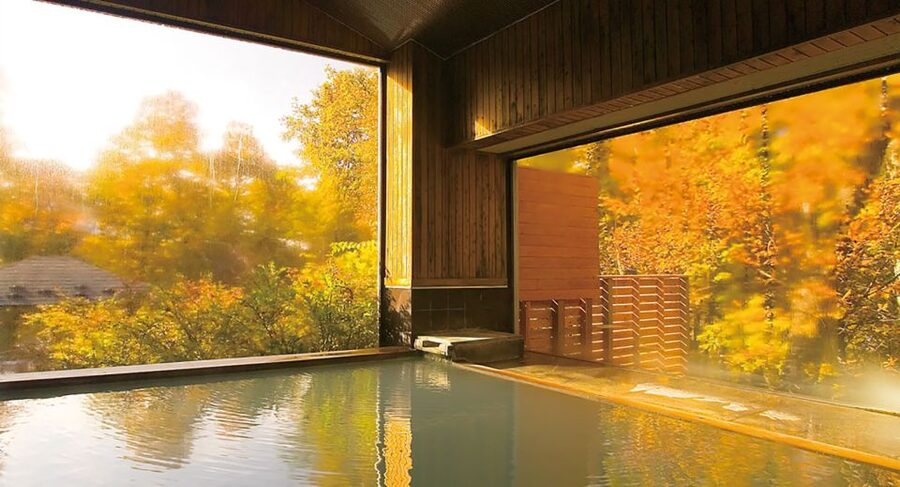
If you are booking before October 2025, the onsen stop offers a different kind of experience. One traveler particularly enjoyed the hot spring visit, describing the water as a welcome place to relax. That option is no longer part of the route after the change date.
Entering Toshogu Shrine
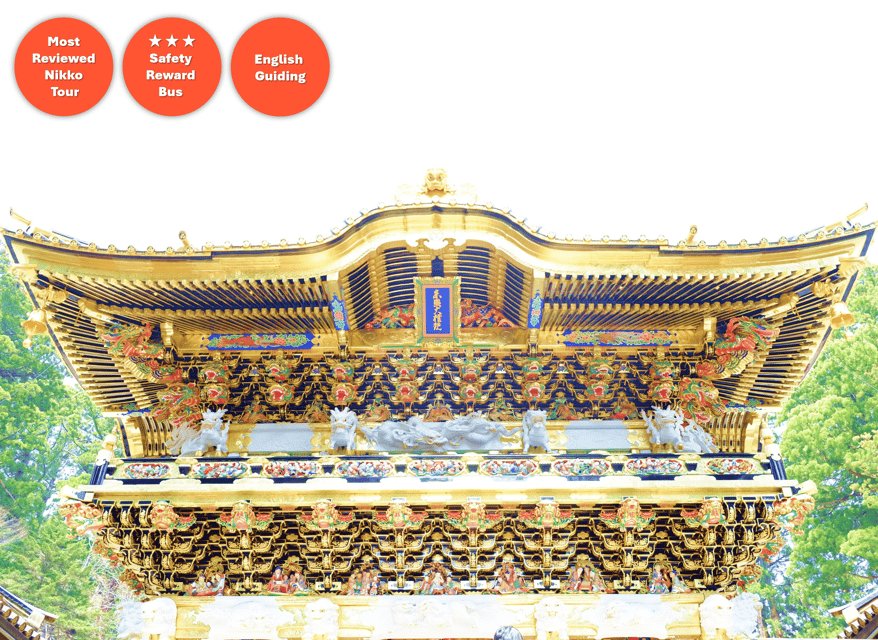
Toshogu Shrine is where the tour earns much of its value. It is the final resting place of Tokugawa Ieyasu, whose shogunate governed Japan for more than two centuries until 1868. The shrine is part of Nikko’s UNESCO World Heritage area.
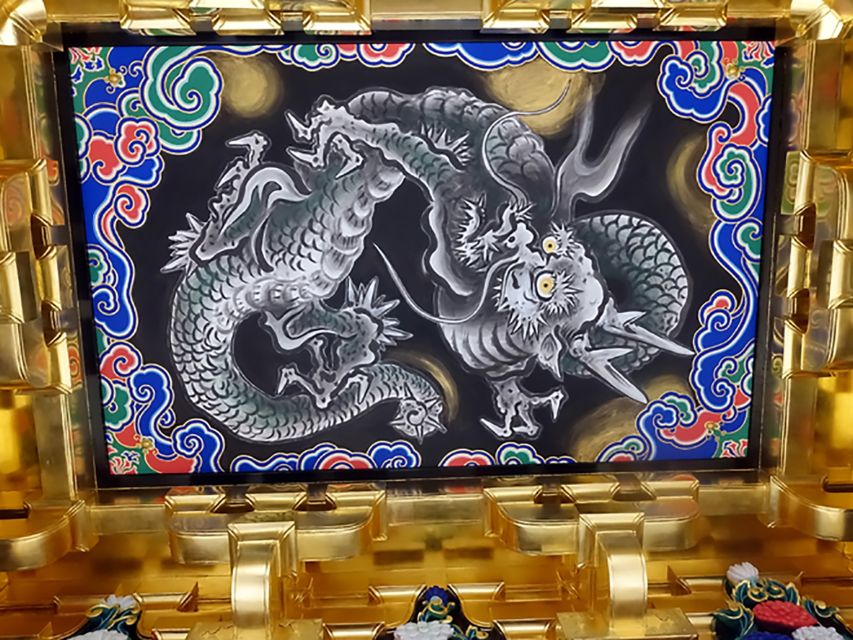
The complex is known for its highly decorated gates, wood carvings, painted details, and layered religious symbolism. Your guide gives the stories behind the buildings and legends, which helps you see more than an attractive collection of roofs and gates.
You receive the shrine entry ticket with the tour. That matters because Toshogu is not a place you want to rush through without context. The carvings can look confusing at first, while a short explanation helps you understand what to notice.
The scheduled visit is 75 minutes. That gives you a useful introduction, but it may not satisfy anyone who wants to study every building in detail. The shrine can be busy, and crowd control may affect how freely you move. One practical suggestion is to consider an audio guide at the shrine if one is available during your visit, since it can add detail after the group explanation.
You should also expect steps. One account refers to 207 steps being worth the effort, so wear shoes that can handle uneven ground and stairs. The shrine is the least casual part of the day. You will get more from it if you slow down when possible, look above eye level, and pay attention to the carvings rather than simply taking a few photographs.
For many people, Toshogu is the emotional high point. It combines politics, religion, craftsmanship, and mountain scenery in one compact site. If Japanese history interests you, this tour is a better match than a simple waterfall excursion.
Other places of worship worth the walk in Tokyo:
- Tokyo Panoramic 1 Day: Meiji Shrine, Asakusa, Odaiba and SKYTREE®
★ 4.5 · 1,222 reviews - Tokyo: Zen Meditation at a Private Temple with a Monk
★ 5.0 · 510 reviews - Mt. Fuji Heritage Tour: Traditional Villages, Lakes & Shrine
★ 4.5 · 509 reviews - Tokyo: Samurai Entertainment Night Show in Kanda Shrine
★ 4.6 · 417 reviews
Riding the Iroha Slope
After the shrine, the coach follows the Iroha Slope toward the higher mountain area. The road is famous for its 48 sharp turns and is known to fans of the animation Initial D.
The driver handles a demanding route, and the winding road becomes part of the attraction. You may see monkeys along the way, and autumn is especially popular because of the changing leaves. The coach only passes through this section, with about 20 minutes allocated to the drive rather than a separate walking stop.
If you suffer from motion sickness, prepare for this section. The road curves repeatedly, and the combination of mountain driving and a full day may be tiring. Keep water nearby and choose a seat that helps you feel comfortable. The trip information specifically asks you to bring water and wear comfortable shoes.
Kegon Falls, Nikko’s great waterfall stop
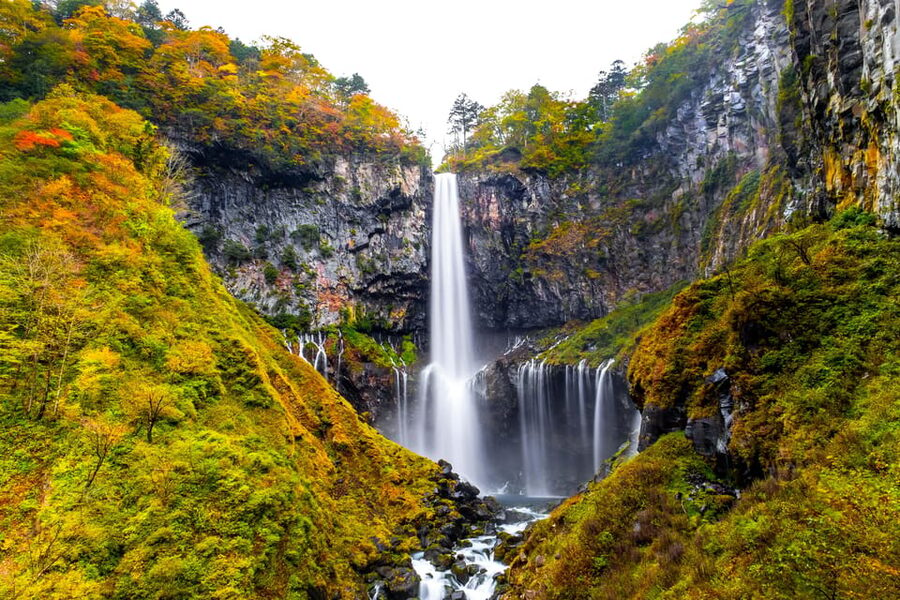
Kegon Falls drops almost 100 meters and is one of Japan’s three famous waterfalls, along with Nachi Falls in Wakayama Prefecture and Fukuroda Falls in Ibaraki Prefecture.
The stop lasts about 75 minutes and includes time for sightseeing and lunch. Lunch is not provided, so use this window to buy food or bring money for a local meal. A guide may point you toward a good noodle or udon restaurant, but you should not expect a set meal included in the booking.
The waterfall viewing area is the part that can cost extra. The elevator is not included, and one practical recommendation from the day is to bring cash if you want the lower viewpoint. Credit cards are not accepted at every location, so cash is the safer choice.
Weather matters greatly here. Mist can partly or fully hide the falls, and rain can make the viewing experience less comfortable. Several departures have encountered fog at Kegon Falls or the lake. That is not a fault in the tour, but it is a real reason to keep expectations flexible.
On a clear day, the near-100-meter drop makes Kegon a powerful sight. On a misty day, you may still enjoy the sound and atmosphere, but the photographs will be less certain. The waterfall is worth including, yet the shrine is the more reliable highlight because it depends less on visibility.
Lake Chuzenji and the high mountain air
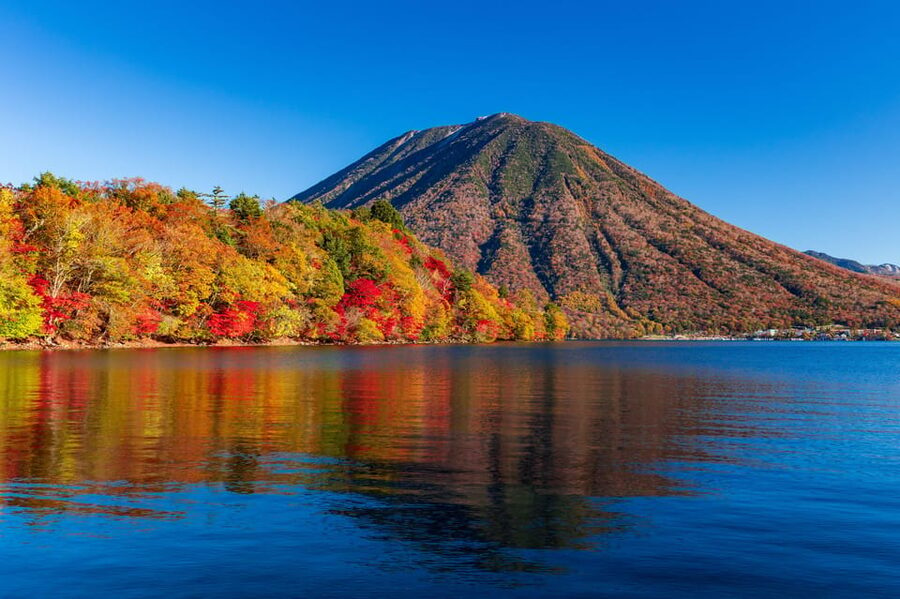
The final sightseeing stop is Lake Chuzenji, with about 45 minutes for photographs, a walk, shopping, or a drink. The lake sits in the mountain area above Nikko and offers a cooler contrast to Tokyo.
You may have time for coffee and cake, a short walk, or a look at the waterfront shops. Do not assume that the entire lake can be explored during this stop. The schedule gives you a scenic taste, not a full lakeside outing.
Bring an extra layer, even outside winter. The lake can feel cold, especially in late autumn, and one November visit was notably chilly. Snow, fog, and rain can change the mood quickly. On a clear day, you get open mountain and water views. In poor weather, the lake may appear only in brief glimpses.
This stop works well as a pause after the shrine and waterfall. It is less about checking off another major attraction and more about giving you time to breathe, take photographs, and buy a snack before the long ride back.
The return to Tokyo and the real cost of the day
The coach returns to either Tokyo Yaesu Bus Terminal or the Shinjuku Nishiguchi meeting area, depending on the departure option. The ride back may take about three hours. Traffic is a serious variable, especially on a day trip leaving and entering Tokyo, so avoid booking an evening activity that cannot tolerate delays.
At $84, the tour offers solid value for someone who wants Nikko in one day. The price includes the coach and Toshogu Shrine entry, while the guide handles the route and gives you background before you arrive.
Budget separately for:
- Lunch and drinks
- The Kegon Falls elevator
- Small purchases at the lake or shrine area
- Any other admissions not listed as included
The tour is less attractive if you want complete freedom, long meals, or several hours inside Toshogu Shrine. A self-planned visit could let you stay longer, but it would also require more transport planning. Here, you trade flexibility for convenience.
The group format also means you need to follow the day’s timing. Most stops are carefully paced, but the shrine can feel short if you want to examine every detail. You should be ready to return to the coach on schedule.
Who will get the most from this tour
I would choose this trip if you want a broad introduction to Nikko without arranging several trains and buses. It suits first-time visitors, people interested in Japanese history, and anyone looking for a nature break from Tokyo.
It also works well for couples and families with older children who can manage a long day and walking on uneven ground. Children must be accompanied by an adult, and unaccompanied minors are not permitted.
You may want another option if you dislike long coach journeys, have mobility concerns related to stairs, or want a quiet, unhurried visit to the shrine. Large bags and heavy luggage are not allowed. Only one carry-on bag is permitted, so leave suitcases at your accommodation.
Tattoos are considered taboo in this area, particularly around the onsen option used before October 1, 2025. If your booking includes the former hot spring stop, check the rules before you go.
The tour can be canceled for very bad weather. If that happens, notice is provided on or before 2:00 PM the day before. You can also cancel up to 24 hours in advance for a full refund, and the reserve-now, pay-later option gives you some booking flexibility.
Should you book this Nikko day trip?
Book it if your priority is seeing Toshogu Shrine and Kegon Falls in one organized day. The strongest parts are the shrine admission, the comfortable coach, the scenic mountain drive, and guides such as Tina, Zoe, Jeff, and Vicki, who add useful context without taking away all your free time.
Go in prepared for a long day, extra costs, possible traffic, and weather that may hide the waterfall or lake. Bring cash, water, warm layers, and good shoes.
For $84, this is a practical way to reach Nikko from Tokyo. It will not replace a slow, independent stay in the area, but it gives you a well-planned first look at one of Japan’s best combinations of sacred architecture and mountain scenery.
FAQ
How long does the Nikko tour last?
The tour lasts 630 minutes, or about 10.5 hours. The journey includes roughly 2.5 hours to Nikko and about three hours returning to Tokyo, plus the sightseeing stops.
What sights are included?
The route includes Toshogu Shrine, Kegon Falls, Lake Chuzenji, and, from October 1, 2025, Shinkyo Bridge. Before that date, the route uses a Nikko onsen instead of Shinkyo Bridge.
Is the Toshogu Shrine admission included?
Yes. The Toshogu Shrine entry ticket is included in the tour price.
Is lunch included?
No. You need to pay for lunch and drinks yourself. Bring cash because credit cards are not accepted at all locations.
Does the tour include the Kegon Falls elevator?
No. The waterfall elevator costs extra, so bring cash if you want to use it.
What languages does the guide speak?
The tour has a live guide in English and Chinese. Guides such as Tina, Zoe, Jeff, Vicki, Jax, Annie, and Sheila have led departures.
Where does the tour start and finish?
Possible meeting and drop-off points are Tokyo Yaesu Bus Terminal and the ground floor of the Sumitomo Mitsui Bank, Shinjuku Nishiguchi Branch. The exact point depends on the option booked and the day’s schedule.
What should I bring?
Bring comfortable shoes, water, and cash. Only one carry-on bag is allowed, and large luggage is not permitted. Children must be accompanied by an adult.
Just added in Tokyo
- Luxury Tokyo Sake, Cocktail, Whisky and Pairing Tour★ 5.0 · 18 reviews
- Wagyu & Sake Pairing in Shinjuku – Steak, Shabu-Shabu & More★ 5.0 · 112 reviews
- Small-Group Wagyu Beef and 7 Japanese Dishes Tokyo Cooking Class★ 5.0 · 190 reviews
- Nikko: Edo Wonderland Edomura Cultural Theme Park Ticket★ 4.3 · 205 reviews
- 《MEMBERS-ONLY-BAR-HOPPING》Discover Your Special Whiskey in Tokyo!★ 5.0 · 29 reviews
- Japanese Whisky Hunting《HIGH-QUALITY-ONLY》Rare Tasting Class★ 5.0 · 20 reviews
- From Tokyo: Private Tour to Fuji/Hakone – Onsen, Art, Nature★ 5.0 · 116 reviews
- Tokyo: KABUKI Show at Kabukiza Theatre Admission Ticket★ 4.8 · 152 reviews
Temple & Shrine Tours, compared.
Meiji Shrine, Asakusa, Skytree Bus Tour and Cruise
Read our review →
Asakusa Walking Tour with Sensoji Temple Visit
Read our review →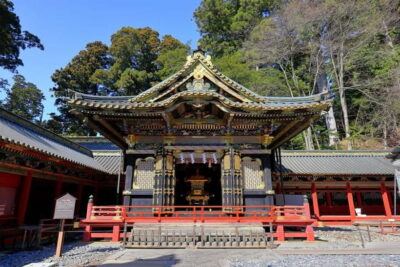
Kamakura & Enoshima Day Trip including Temple Tickets
Read our review →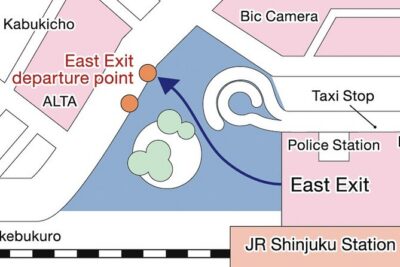
Tokyo Panoramic 1 Day: Meiji Shrine, Asakusa, Odaiba and SKYTREE®
Read our review →
1-Day Snow Monkeys, Zenko-ji Temple & Sake in Nagano
Read our review →
Arashiyama Bamboo, Temple, Monkeys, or Secret Sake Brewery
Read our review →Browse the lists this tour appears in