
Reviewed · TEMPLE & SHRINE TOURS
Tokyo: Kamakura & Enoshima Day Trip including Temple Tickets
Kamakura gives you samurai-era Japan, while Enoshima brings sea air, seafood, caves, and a chance to see Mount Fuji. This $58 day trip covers both without making you plan several train connections or work out temple tickets on your own.
I like the mix of major sights and free time. You get history at Tsurugaoka Hachimangu and Hasedera, food on Komachi Street and Enoshima Benzaiten Shopping Street, then open coastal views on the island. I also like that guides such as Eric, Yuki, Mitsuko, Omar, and Koji have been praised for keeping the day organized and explaining the sites clearly.
The tradeoff is time. Enoshima gets about two hours, and the Great Buddha stop lasts about 30 minutes, so this is a well-planned introduction rather than a slow, thorough visit. Traffic can also change the time available at each stop.
Key points at a glance
- Two historic towns in one day: See Kamakura’s temples and shrine before finishing on Enoshima’s coast.
- Temple entry is included: Hasedera and Kōtoku-in tickets are covered in the price.
- A useful food stop: Komachi Street offers roughly 250 shops, snacks, restaurants, and local specialties.
- A flexible touring style: You can usually follow the guide or explore independently, then return to the vehicle on time.
- Strong guide support: English and Chinese guides, including Eric, Yuki, Mitsuko, Omar, and Koji, lead depending on the departure.
- A clear limitation: The schedule fits in many sights, but it leaves little room for lingering at any one place.
Why this Tokyo day trip works
Tokyo can keep you busy for days, but it does not show you every side of Japan. Kamakura is a former political and cultural center, with shrines and temples tied to samurai rule. Enoshima feels different again: a small island with sea views, seafood, old religious sites, and paths that climb above the coast.
This tour links those places in nine hours. You travel in an air-conditioned vehicle from the Shinjuku area, with an English or Chinese guide and a set route. That matters because Kamakura’s sights are spread across the town, while Enoshima requires another move south toward the Shonan Coast.
I see this as a good first visit. You get the major names, a taste of local food, and enough free time to decide which places deserve a longer return trip. If you already know Kamakura well, the short stops may feel restrictive. If you are based in Tokyo and want one easy day outside the city, the route makes good sense.
Other places of worship worth the walk in Japan:
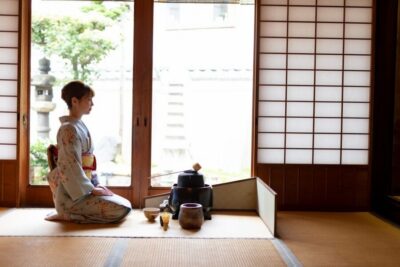
- Kyoto: Tea Ceremony Ju-An at Jotokuji Temple
★ 4.9 · 3,207 reviews - Tokyo: Meiji Shrine, Asakusa, Skytree Bus Tour and Cruise
★ 4.7 · 1,986 reviews - Tokyo: Asakusa Walking Tour with Sensoji Temple Visit
★ 4.8 · 1,583 reviews
Starting in Shinjuku and heading south
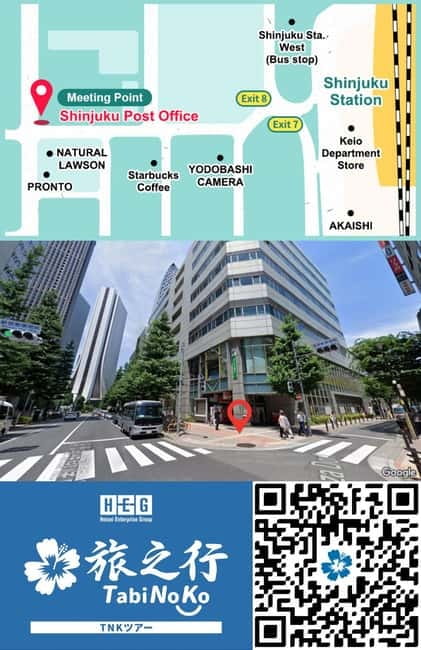
There are two possible meeting points: Shinjuku Post Office or GLOBAL RING CAFÉ. Your exact meeting point depends on the option booked, so check the product photo and scan the correct QR code before leaving your hotel.
Arrive at least 10 minutes early. The vehicle leaves on time, and a late arrival can be difficult to solve once the group is on the road. The only listed return point is in the Shinjuku area, so you can plan your evening around that rather than expecting a drop-off elsewhere in Tokyo.
The vehicle is air-conditioned, though one summer departure found the bus too warm at the start. Conditions can vary with the group size and the day, since the operator may adjust the vehicle used. Traffic on the narrow roads around Kamakura can also be heavy, so keep your expectations practical: this is a full day on the road, not a rail trip with precise platform timing.
Tsurugaoka Hachimangu, Kamakura’s spiritual center
Your first major stop is Tsurugaoka Hachimangu, the shrine most closely tied to Kamakura’s identity. It served as a spiritual anchor during the Kamakura period, when the city was Japan’s political center and samurai families held power.
You get about an hour here for sightseeing, photographs, and free time. That is enough to see the main approach and appreciate the scale of the shrine, but you may want to stay close to the guide’s instructions because the next stop is scheduled tightly.
The shrine has more than 800 years of history and remains one of Japan’s best-known pilgrimage sites. Around New Year, about 2.5 million people visit for hatsumode, the first shrine visit of the year. That figure helps explain why this is not a quiet, obscure corner of Kamakura. It is a major cultural site, and the route gives you a useful first look without asking you to spend half the day there.
A guide can add useful context here, especially if you are unfamiliar with the relationship between Shinto shrines, samurai leaders, and Kamakura’s rise. Several guides, including Mitsuko, Eric, Yuki, and Omar, have been praised for giving historical background while keeping the group moving.
Komachi Street, where history meets snacks
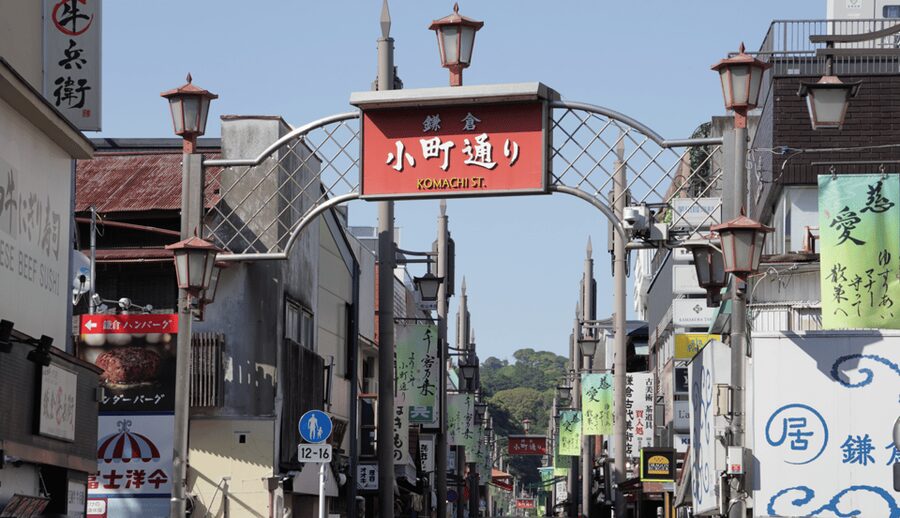
From the shrine, the tour continues to Komachi Street for about an hour. The street runs roughly 360 to 600 meters between Kamakura Station and the shrine, with about 250 shops selling souvenirs, clothing, sweets, snacks, and local food.
This is your best chance to eat while walking. Look for shirasu dishes, dumplings, croquettes, and other regional treats. The street also has restaurants if you prefer a proper meal, but sitting down takes time away from shopping and the next temple. One useful piece of advice from a past departure was to choose vendor food rather than a sit-down meal when time is tight, especially if you want to see more of Enoshima later.
I like this stop because it breaks up the temples. You get a sense of present-day Kamakura, not only its religious buildings and old stories. The drawback is that the street can feel crowded and commercial, with little time to compare shops carefully. Treat the hour as a tasting stop and a chance to pick up a small souvenir, not as a full shopping afternoon.
Same base, a different sort of day:
- Mt Fuji and Hakone 1-Day Bus Tour Return by Bullet Train
★ 5.0 · 26,383 reviews - 1-Day Tokyo Bus Tour
★ 5.0 · 14,250 reviews - PERFECT KYOTO 1-Day Bus Tour
★ 5.0 · 13,518 reviews - Tokyo: TOKYO SKYTREE® Admission ticket
★ 4.5 · 11,192 reviews
Hasedera and the Eleven-Headed Kannon
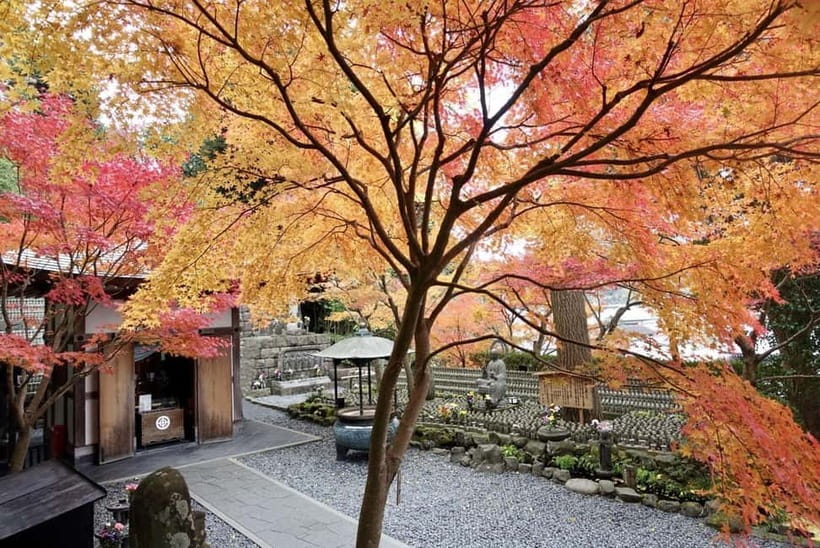
Hasedera receives about 50 minutes and includes the temple ticket. Founded in 736, it is one of Kamakura’s oldest temples and home to a 9.18-meter Eleven-Headed Kannon statue.
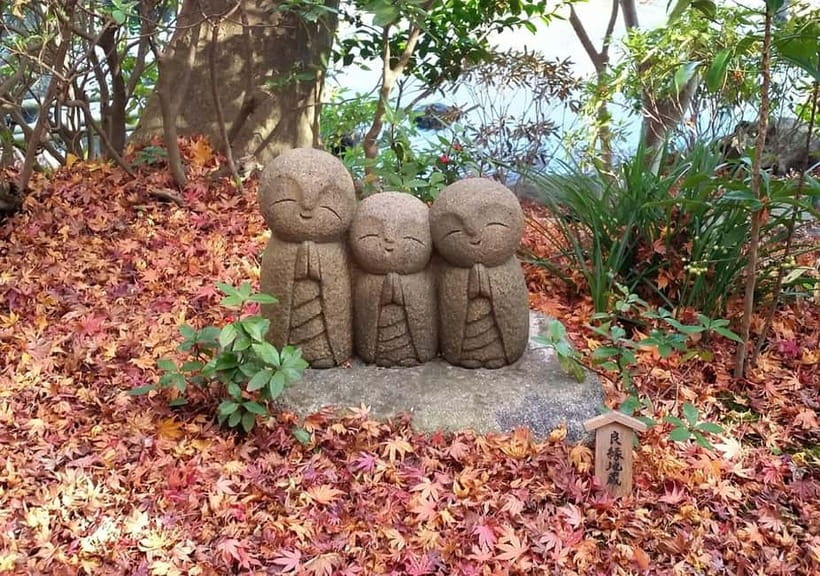
The grounds are known for seasonal flowers. Depending on when you visit, you may see cherry blossoms, peonies, hydrangeas, or autumn leaves. Small Jizo statues add a gentler, more personal touch to the grounds, and the temple’s higher areas offer views across Kamakura and Sagami Bay.
This is one of the stops where the schedule can feel short. The temple combines religious art, gardens, seasonal plants, and elevated views, so you could easily spend longer than 50 minutes. Still, the allotted time lets you see the key areas and take photographs without turning the day into a single-site visit.
Wear comfortable shoes and expect some walking. The tour description does not promise a private guided route through every section, so listen carefully to the meeting instructions and note where the vehicle will be waiting.
Kōtoku-in and Kamakura’s Great Buddha
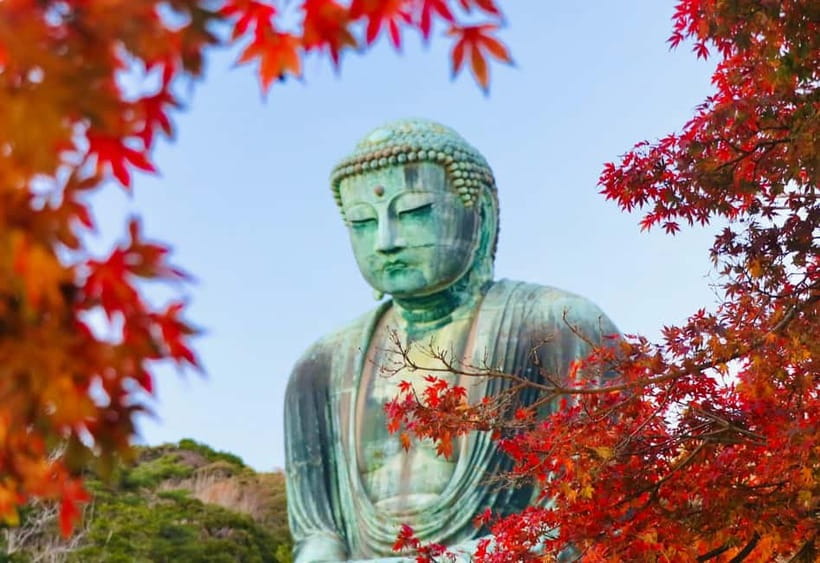
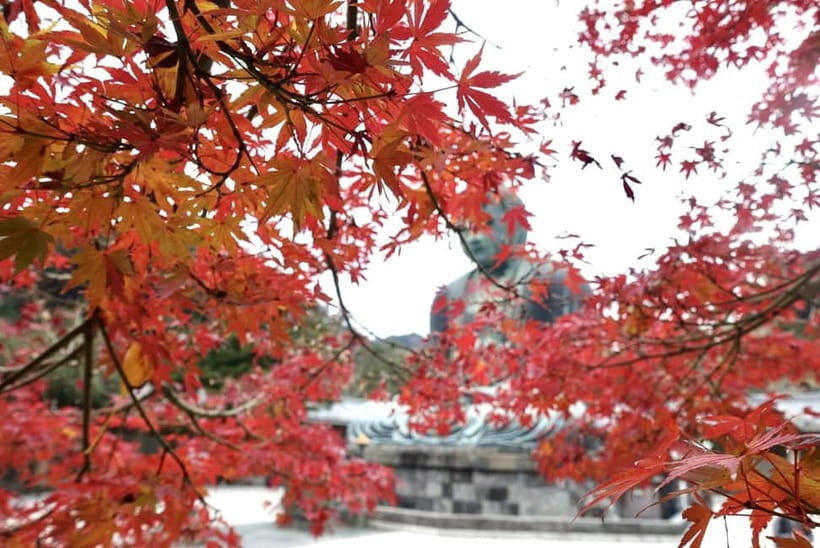
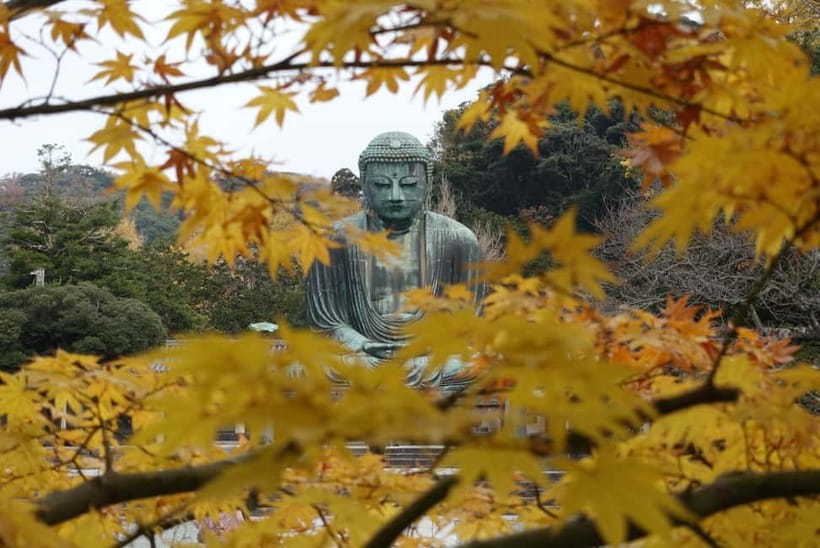
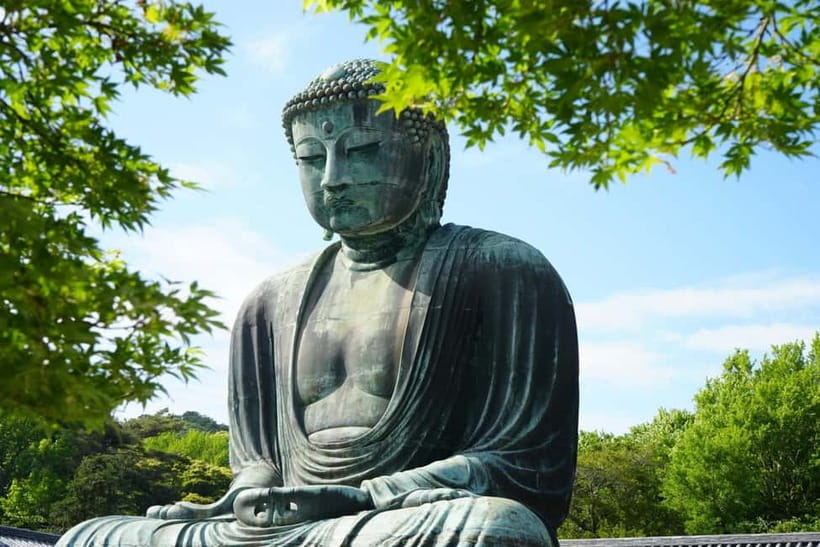
Kōtoku-in is a compact but powerful stop. Its Great Buddha is a bronze Amida Buddha about 13.3 meters tall and weighing roughly 121 tons. The statue is a National Treasure and one of Japan’s most recognizable Buddhist images.
You have about 30 minutes here, with admission included. That gives you time to approach the statue, take photographs, and appreciate its size from several angles. You can also enter the Buddha to see part of its internal structure, an unusual detail that makes the visit more than a quick exterior photo.
Thirty minutes is the clearest compromise in the schedule. One past participant felt more time would have been useful, and I agree that anyone fascinated by Buddhist sculpture may want longer. For most people, the stop works as a focused visit. You see the principal sight without losing the rest of the day.
The setting also changes with the season. Cherry blossoms add color in spring, while autumn foliage gives the grounds a different feel later in the year. Do not expect a long guided lecture at this point. The practical value is the included entry and the chance to see the statue directly rather than arranging a separate Kamakura visit.
Enoshima, from shrine paths to sea views
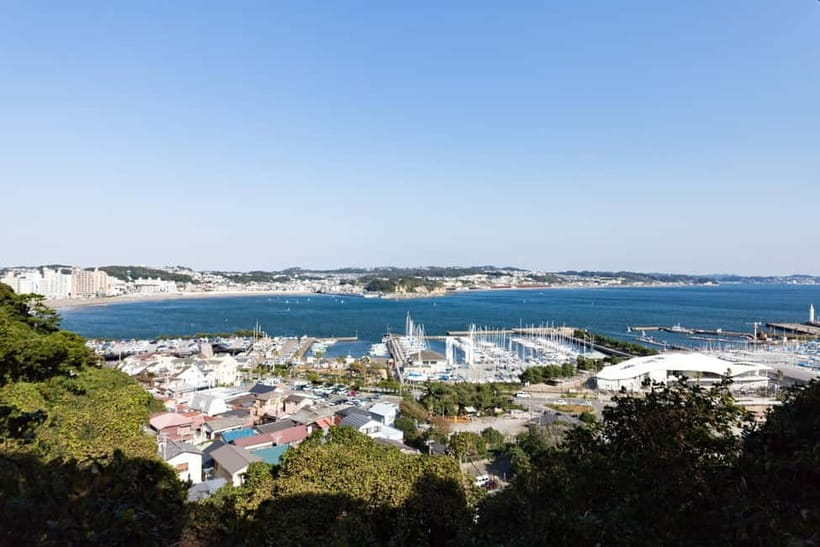
The final major section gives you about two hours on Enoshima. This is the part many people remember most, but it is also where you will feel the time limit most sharply.
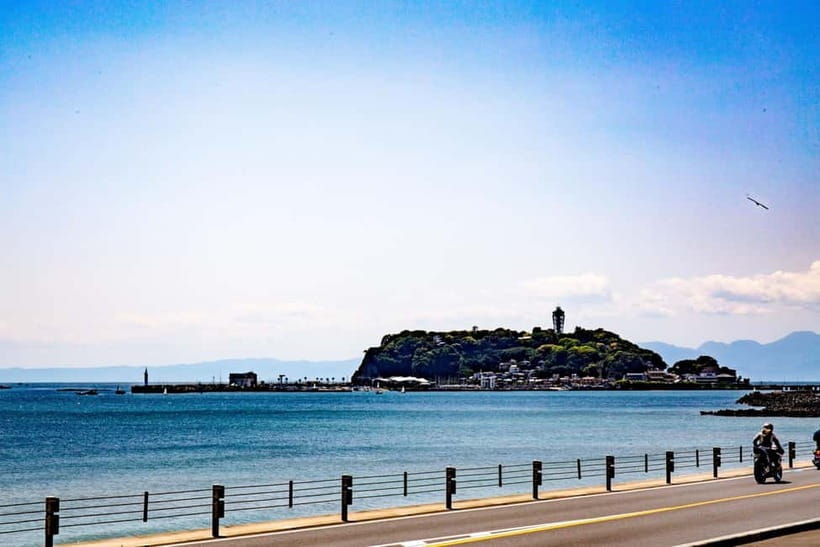
Enoshima has been associated with religious practice for more than 1,000 years through Enoshima Shrine. The island also includes the Enoshima Sea Candle observation tower, Samuel Cocking Garden, Iwaya Caves, and Enoshima Benzaiten Shopping Street.
You can walk, take photographs, look for seafood, and choose which sights matter most. On a clear day, high points on the island offer a view of Mount Fuji. That view is never guaranteed, so keep it as a bonus rather than the main reason to book. Clear weather can turn the final hours into the visual highlight of the day.
The island involves walking and some uphill sections. You need to manage your own time carefully because the attractions are not all beside one another. If the caves matter most, head there early. If you want the Sea Candle or a leisurely meal, you may need to skip another part of the island.
The Sea Candle, Iwaya Caves, and Benzaiten Street
The Enoshima Sea Candle is the island’s observation tower and one of its main photo stops. It gives you a high view over the coast and, when conditions cooperate, toward Mount Fuji. The supplied information does not state that entry to the tower is included, so confirm the current arrangement if you want to go inside rather than simply see it as part of the island visit.
Enoshima Iwaya Caves add a different mood. These natural caves are tied to the island’s old religious traditions and sit farther along the walking route. The tour allows time to visit them, but two hours for all of Enoshima is not generous. Make a quick decision when you arrive instead of wandering first and rushing later.
Enoshima Benzaiten Shopping Street is your place for snacks, souvenirs, cafés, and seafood. Local specialties are part of the appeal, and seafood is a good choice if you want to connect the setting with what is on your plate. A vendor meal is the smarter option if you plan to see the caves, since a sit-down restaurant can consume much of your island time.
Guides, language, and how the day feels
The tour operates with English and Chinese-speaking guides. The guide changes by departure, with names appearing in recent bookings including Eric, Yuki, Mitsuko, Omar, Koji, Yumi, Sumi, and others.
The strongest pattern is practical organization. Guides have been praised for keeping the group on schedule, giving tips on photo spots, answering questions, and allowing people to explore on their own before returning to the vehicle. Eric, Mitsuko, Yuki, and Omar are among the guides singled out for clear explanations and friendly help.
The level of commentary can vary by guide and language combination. One departure wanted more information at the sites, while another found the guide spoke a little quickly. Also, English and Chinese bookings may be combined in one vehicle, depending on the day. If detailed interpretation at every shrine is your top priority, a private guide or slower independent visit may suit you better.
The independent time is useful. You can follow the guide for context, then split off to buy food or take photographs, provided you return at the agreed time. That balance makes the trip less rigid than a nonstop escorted walk.
Is $58 good value?
At $58 per person, the price is reasonable for a nine-hour outing that includes transport from Tokyo, an air-conditioned vehicle, an English or Chinese guide, Hasedera admission, and Kōtoku-in admission.
The value comes from the amount covered in one day. You reach Kamakura, move between several major sights, continue to Enoshima, and return to Shinjuku without arranging the route yourself. The vehicle is especially useful for families, first-time visitors, and anyone who does not want to manage transfers after a long day of sightseeing.
The price does not buy unlimited time or a private experience. You pay for a broad introduction, not a slow study of every temple. Food, shopping, and any attractions not specifically listed as included should be treated as extra expenses.
Free cancellation up to 24 hours before departure and the reserve-now, pay-later option add useful flexibility. Still, the practical rules matter more than the booking promise: arrive early, verify your meeting point, and watch the clock at every stop.
Who should book this day trip?
I would choose this tour if you have limited time in Tokyo and want to see a coastal side of Japan in one day. It suits first-time visitors, families who value a simple route, and anyone who wants a guided introduction to Kamakura’s religious sites without building the schedule from scratch.
It also works well if you want a preview before returning independently. The Great Buddha, Hasedera, Komachi Street, and Enoshima each offer enough to justify a longer future visit.
I would hesitate if you want to photograph every corner, eat a long seafood lunch, or spend a full afternoon on Enoshima. The short Great Buddha stop and two-hour island visit will feel brisk. People with mobility concerns should also note the walking and uphill paths, though the available information does not give a detailed accessibility plan.
Should you book it?
Book it if your goal is breadth, ease, and a well-organized first look at Kamakura and Enoshima. The included temple tickets, central Tokyo pickup, bilingual guide, and strong track record for punctual organization make $58 a fair deal.
Skip it if you already know the area or want a slow, detailed temple day. For everyone else, this is a sensible way to trade some freedom for a lot of scenery, culture, food, and coastal atmosphere in one long day.
FAQ
How long does the Kamakura and Enoshima tour last?
The activity lasts nine hours, or 570 minutes.
Where does the tour start?
There are two possible starting locations: Shinjuku Post Office and GLOBAL RING CAFÉ. The exact meeting point depends on the option booked.
Where does the tour finish?
The available drop-off location is in the Shinjuku area, at Shinjuku Post Office.
Which languages are available?
The tour offers live guides in English and Chinese.
Are temple tickets included?
Yes. Admission to Hasedera and Kōtoku-in Temple is included.
Is transportation provided?
Yes. The tour uses an air-conditioned vehicle.
How much free time do I get at Enoshima?
The Enoshima portion lasts about two hours. It includes time for sightseeing, shopping, food, and visits to attractions such as the Sea Candle, Enoshima Shrine, and Iwaya Caves.
Can I see Mount Fuji from Enoshima?
You can see Mount Fuji from high points on Enoshima on a clear day. The view depends on weather and visibility.
What happens if traffic delays the vehicle?
If traffic or another unexpected issue causes a delay, the time available at the stops may be adjusted. The vehicle departs on schedule, so you should arrive at the meeting point at least 10 minutes early.
Just added in Japan
- 1 Day Tour: Snow Monkeys & Snow Fun in Shiga Kogen★ 5.0 · 52 reviews
- Daikoku & Tokyo Private JDM Tour by 700HP R34 GT-R★ 4.9 · 101 reviews
- Custom Private Tour in Hakone with a Certified Local Guide★ 5.0 · 91 reviews
- [Otaru & Yoichi] Let’s go to Otaru Canal, Sakaimachi Street, Music Box Hall, and Yoichi Nikka Whiskey by private car (arriving and departing from Sapporo)★ 5.0 · 21 reviews
- Nikko: Edo Wonderland Edomura Cultural Theme Park Ticket★ 4.3 · 205 reviews
- Private Tour – Hakone Day Trip! A Tour to Explore All Must-Sees!★ 5.0 · 58 reviews
- Sapporo Private Tour with a Local – Highlights & Hidden Gems★ 5.0 · 91 reviews
- Fukuoka: Takachiho Gorge & Scenic Railway One Day Tour★ 4.8 · 178 reviews
Temple & Shrine Tours, compared.
Meiji Shrine, Asakusa, Skytree Bus Tour and Cruise
Read our review →
Asakusa Walking Tour with Sensoji Temple Visit
Read our review →
Nikko Toshogu Shrine and Kegon Waterfall Tour
Read our review →
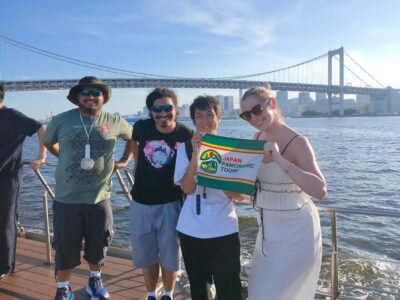
Tokyo Panoramic 1 Day: Meiji Shrine, Asakusa, Odaiba and SKYTREE®
Read our review →
1-Day Snow Monkeys, Zenko-ji Temple & Sake in Nagano
Read our review →
Arashiyama Bamboo, Temple, Monkeys, or Secret Sake Brewery
Read our review →Browse the lists this tour appears in