
Reviewed · TOURS IN NAGASAKI
Nagasaki WW2 History and Culture Tour
Nagasaki’s wartime story is often reduced to one terrible morning. This tour gives you a wider view: peace sites and WWII remnants sit alongside shrines, sake, ceramics, sea channels, and Dutch-era influences. Shannon Lefebvre leads the day, using a private vehicle to connect places that are hard to reach in one outing.
I like the unusual stops, especially the Hario transmission towers, Mukyudo air-raid shelter, and Katashima Torpedo Base Ruin. I also like the practical extras: lunch, water, alcoholic and nonalcoholic drinks, WiFi, transport, and two admission fees are included. The main drawback is the demanding schedule. Seven to nine hours is a long day, and the subject matter at the Atomic Bomb Museum can be painful.
Key points to know before you book
- WWII sites beyond the usual route: Visit Hario’s transmission towers, an air-raid shelter, and a former torpedo training base.
- A private day for up to three people: Your group travels together in an air-conditioned vehicle with pickup offered.
- Nagasaki’s story is not only about war: The route includes Sohonzan Shrine, Hasami ceramics, sake, sea views, and Mount Inasa.
- The Atomic Bomb Museum and Inasayama Observation Deck are included: You do not pay separate admission for these two stops.
- Food and drinks are built into the day: Lunch may be served on the go or as a picnic, depending on weather and timing.
- Plan for serious reflection: The Peace Park and museum are emotionally heavy, not quick photo stops.
A full-day look at Nagasaki beyond the standard route
I like this tour because it treats Nagasaki as a real city with many layers. You see the destruction caused by war, but you also see religious life, local food and drink, craft traditions, coastal geography, and views over the city.
That wider approach matters. If you only visit the Peace Park and Atomic Bomb Museum, you learn about one central event. If you add the wartime communication towers, military ruins, ceramics, and brewery, you get a stronger sense of the region around Nagasaki and how ordinary life continued before and after the war.
The day lasts about seven to nine hours. That gives Shannon time to make several stops, though some visits are short. Most are around 20 to 35 minutes, so you should expect a steady rhythm of getting out, looking around, hearing the story, and getting back into the vehicle.
Because this is a private tour for up to three people, the day has a more personal feel than a large bus outing. Pickup is offered, and private transportation keeps you from piecing together a complicated route by yourself.
Other experiences people book in Japan:
- Mt Fuji and Hakone 1-Day Bus Tour Return by Bullet Train
★ 5.0 · 26,383 reviews - 1-Day Tokyo Bus Tour
★ 5.0 · 14,250 reviews - PERFECT KYOTO 1-Day Bus Tour
★ 5.0 · 13,518 reviews
Sohonzan Shrine begins the day on a quiet note
The first stop is Sohonzan Shrine, where a huge torii gate gives you an immediate sense that this is not an ordinary neighborhood shrine. You have about 30 minutes here, enough to see the main features and absorb the setting without turning the visit into a rushed photograph.
I like starting with a shrine. It gives the day a calm opening before the more difficult wartime sites. The visit also helps place Japanese religious customs into the wider story of Nagasaki, a city shaped by many outside contacts and local traditions.
Do not expect a long guided temple-style visit. This is a short stop within a packed day. Its value comes from the setting and contrast with what follows.
Saikai Bridge shows the power of the Hario Strait
At Saikai Bridge, the subject changes from religion to geography. Hario Strait is known for its fast-moving currents and whirlpools, created as seawater moves between Omura Bay and the narrow channel with the changing tide.
You get about 30 minutes here. The bridge gives you a clear place to look at the water and understand why the strait matters. This is more than a scenic pause. The currents help explain the importance of the nearby Hario area and make the next stop more meaningful.
Weather and tide affect what you see, so do not expect the same view every time. Still, the stop breaks up the museum and military material with open air and moving water.
Hario Radio Tower connects Nagasaki to the Pacific War
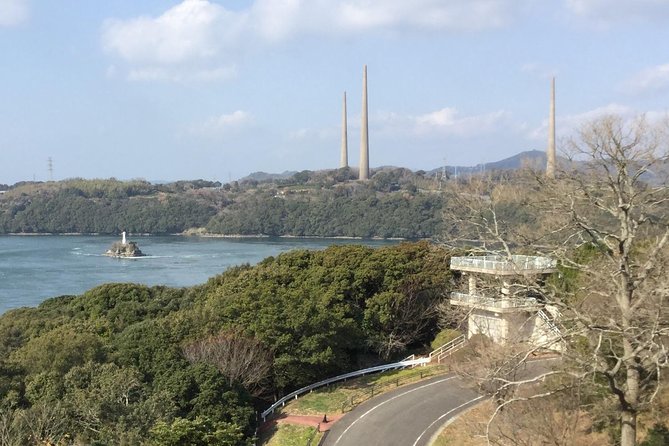
The Hario Transmission Towers are among the most unusual stops on the route. They are presented as the starting point for a message sent by officials to proceed with the attack on Pearl Harbor.
You spend about 30 minutes here. The site is valuable because it connects a physical place in Nagasaki Prefecture with a major event far beyond Japan. Instead of seeing wartime history only in a museum case, you are looking at the location associated with military communications.
This stop may appeal most to you if you enjoy lesser-known WWII sites. It is not a conventional attraction with a long sequence of exhibits. Shannon’s explanation is important because the meaning comes from the site’s role and setting.
Same base, a different sort of day:
- Tokyo: TOKYO SKYTREE® Admission ticket
★ 4.5 · 11,192 reviews - Tokyo: teamLab Planets TOKYO Digital Art Museum Entry Ticket
★ 4.6 · 9,779 reviews - Mt Fuji & Hakone Cruise, Drum Show Bullet Train 1 Day from Tokyo
★ 4.0 · 7,413 reviews - Tokyo: Sumo Show Experience with Chicken Hot Pot and a Photo
★ 4.8 · 6,678 reviews
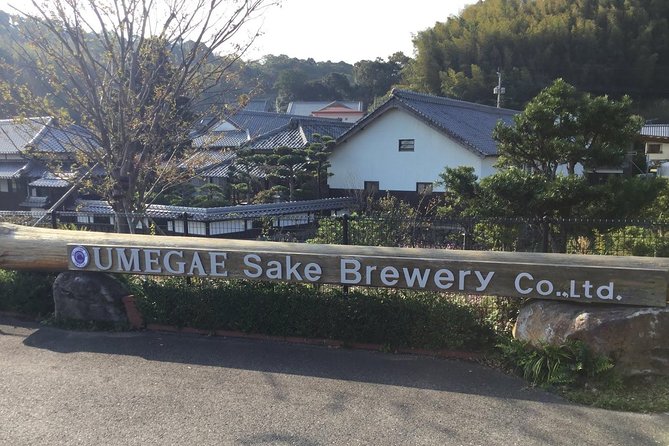
Umegae Sake Brewery adds a local taste
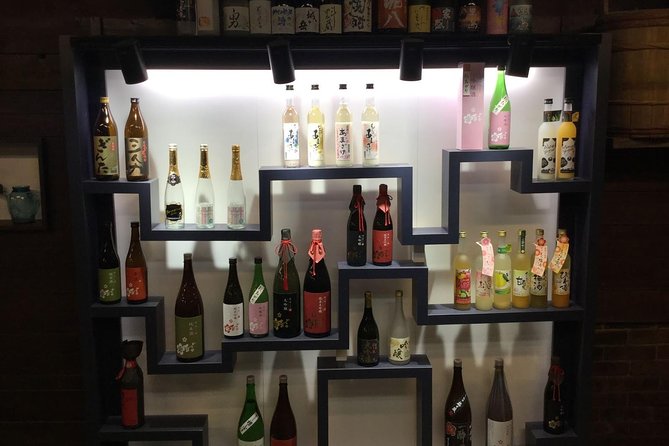
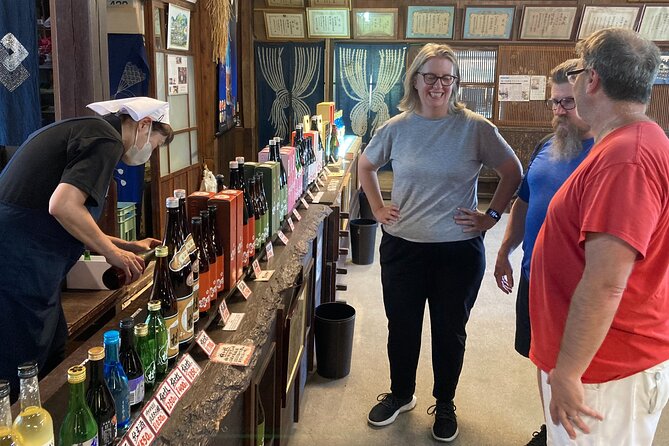
Umegae Sake Brewery brings a different kind of history into the day. After the military and coastal stops, you get a look at local drink-making and the traditions surrounding sake.
The planned visit lasts about 30 minutes. Alcoholic and nonalcoholic drinks are provided at certain times during the day, but you should not treat this as a long tasting program unless Shannon’s timing allows it. The listing specifically includes beverages, not a detailed tasting menu.
I like this stop because it keeps the tour from becoming emotionally relentless. Nagasaki is not only a place of memorials. Food, drink, and craft are part of how you understand a region and the people who live there.
Mukyudo preserves an air-raid shelter
Mukyudo served as the air-raid shelter for the former Miyamura Elementary and Junior High School during WWII. You have about 20 minutes here, making it one of the shorter visits.
The shelter is especially notable because of its connection to both male and female students. That detail gives the site a human scale. Military history can feel abstract when you hear only dates and operations. A school shelter reminds you that wartime danger reached children and ordinary communities.
This is a modest stop, and it may not have the polish or explanatory material of a major museum. That is also part of its value. You are seeing a surviving place rather than a purpose-built exhibition.
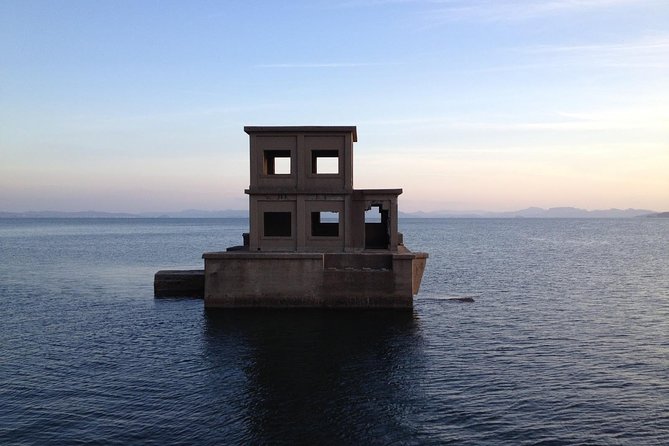
Katashima Torpedo Base Ruin feels raw and unpolished
The Katashima Torpedo Base Ruin is another site that rewards curiosity. The former training facilities include a large, empty building connected to torpedo preparation and military instruction.
You spend about 30 minutes here. The attraction is the structure itself, along with the sense of abandonment. It is not presented as a fully restored historic site, so you should expect a more basic visit than at the Atomic Bomb Museum.
That rough quality can make the stop more affecting, but it also means conditions may feel less predictable. The tour information describes the site as requiring some searching to locate, so this is not a polished, signposted attraction in the usual sense. Shannon’s guidance is particularly useful here.
Hasami ceramics gives the itinerary a creative turn
Hasami is known for Japanese ceramics and porcelain. The ceramics museum and related area offer a look at a craft tradition that is quite different from the war memorials earlier in the day.
You have around 30 minutes, which is enough for a focused look but not a leisurely ceramics workshop or extended shopping session. If you enjoy tableware, pottery, or Japanese design, this may be one of your favorite stops. You might also find small ceramic pieces to take home, depending on what is available during your visit.
The stop becomes even more useful after the heavier WWII sites. It reminds you that the region’s identity includes making, trade, and everyday objects, not only military history and tragedy.
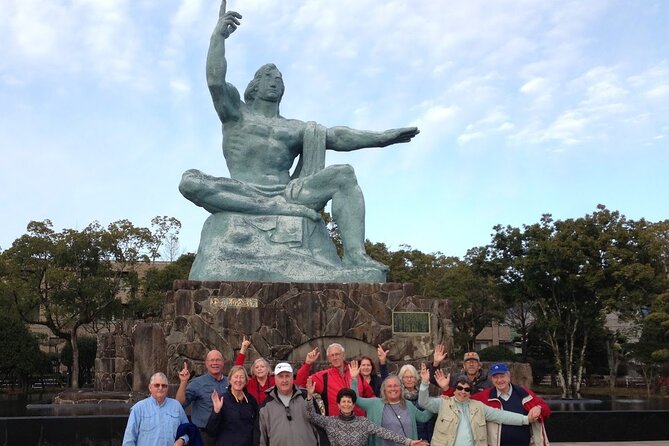
Nagasaki Peace Park asks you to slow down
At Nagasaki Peace Park, you have about 30 minutes to walk, look, and reflect. The park is designed as a peaceful public place, but its purpose is impossible to miss.
I recommend treating this as a quiet stop rather than trying to cover it quickly. The short time means you will not examine every feature in detail, but you can take in the memorial setting before entering the museum.
The Peace Park is suitable for a wide range of ages, but the tone is serious. If you are traveling with children, prepare them for a difficult subject before the visit. The stop works best when you give yourself permission not to rush through it.
The Atomic Bomb Museum provides the hard facts
Admission to the Nagasaki Atomic Bomb Museum is included. The visit lasts about 35 minutes, though you may want more time if the schedule permits.
This is the emotional center of the tour. The exhibits and photographs can be graphic, and the museum presents the human cost of the atomic bombing in direct terms. You should not expect a light cultural attraction or a quick stop between scenic viewpoints.
I appreciate that the museum is paired with less familiar wartime locations. The Hario towers and military ruins explain parts of the wider conflict, while the museum focuses on Nagasaki’s destruction and its call for peace. Together, the stops create a fuller picture.
The allotted 35 minutes may feel short for visitors who read every panel. If the subject is central to your visit, ask about timing before the day begins. You may need to choose the exhibits that matter most to you.
Mount Inasa closes the day with a broad view
The final listed stop is Inasayama Observation Deck, with admission included and about 20 minutes set aside. From Mount Inasa, you get wide views over Nagasaki.
A viewpoint is a smart way to end this particular day. After hours of difficult history, you can look across the city and see it as a living place rather than only a memorial site. Daytime views are included in the itinerary, though the famous night view is considered especially impressive.
Twenty minutes is enough to take in the panorama and take photographs. It is not enough for a long stay or a separate evening visit. If you specifically want the night view, confirm the schedule and timing before booking, since this tour is described as a daytime stop.
Lunch, drinks, and transport improve the long day
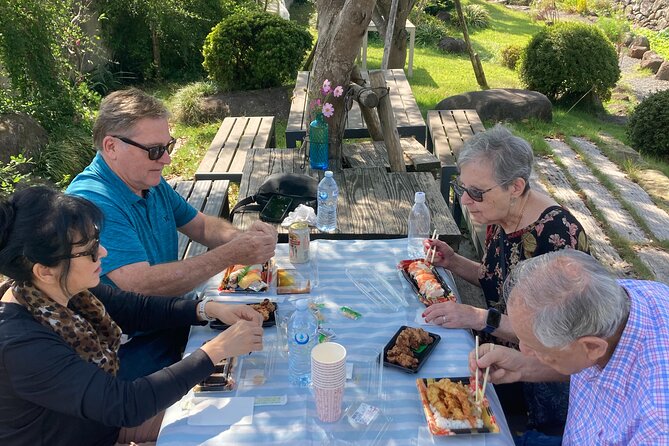
Lunch is included and may be served as an on-the-go meal or a sit-down picnic. The choice depends on weather and time constraints. That flexibility is useful because the route covers many places and does not leave much room for a long restaurant meal.
The tour also includes still and sparkling bottled water throughout the day, plus alcoholic and nonalcoholic beverages at certain times. WiFi is available on board, and the vehicle is air-conditioned.
These details matter more than they may seem. Nagasaki’s humid weather can make a long sightseeing day tiring, and regular water helps. A private vehicle also saves you from arranging separate transport between scattered sites.
The tradeoff is that the day remains tightly organized. Lunch may not happen at the exact time you prefer, and a picnic depends on weather. I would bring a light snack if you need to eat at very specific times.
Is $656.88 good value for three people?
The price is $656.88 per group of up to three people, not per person. Split three ways, that is about $219 per person before considering the included food, drinks, transportation, WiFi, and admissions.
That is a substantial cost, but the comparison is not with a basic walking tour. You are paying for a full private day, a vehicle, a guide, several distant stops, and a route that would be difficult to reproduce efficiently on your own.
For one person, the price is harder to justify. For three people who want a private vehicle and a focused WWII and culture route, the value improves. It can also make sense for a family or small group with only one full day in Nagasaki.
The tour is commonly booked well ahead, around 65 days in advance on average. If your dates are fixed, planning early is sensible.
Who should choose this Nagasaki tour?
I would choose this tour if you want more than the standard Peace Park and Atomic Bomb Museum visit. It suits you especially well if you enjoy military history, local culture, unusual ruins, Japanese ceramics, and scenic stops in one long day.
It is also a good fit if you value personal transport and do not want to plan connections between Nagasaki and the surrounding sites. Small groups can ask questions and adjust the conversation more easily than a large coach group.
I would think twice if you want a slow museum day, a long meal, or lots of free time. The route covers many stops, and some visits last only 20 or 30 minutes. The wartime material is also difficult, particularly at the Atomic Bomb Museum.
The tour requires reasonable weather. If poor weather causes cancellation, you are offered another date or a full refund. Otherwise, the booking is non-refundable and cannot be changed, so your plans should be firm before you pay.
Should you book it?
Book this tour if you want Nagasaki’s wartime past placed beside its living culture. The strongest part is the mix of major sites and less familiar places: Hario’s transmission towers, Mukyudo, Katashima, Hasami, and Umegae give the day a sense of discovery that a standard city tour may miss.
The price makes the most sense for three people sharing the vehicle. Choose it with enough time to handle serious museum content, a full schedule, and changing weather. If that sounds right for you, Shannon Lefebvre’s route offers a thoughtful and unusually broad day in Nagasaki.
FAQ
How long does the Nagasaki tour last?
The tour lasts approximately 7 to 9 hours.
How many people can join the private tour?
The private tour is available for a group of up to three people, and only your group participates.
Is pickup available?
Yes, pickup is offered.
Is transportation included?
Yes. The tour includes private transportation in an air-conditioned vehicle.
Are the Atomic Bomb Museum and Inasayama Observation Deck admissions included?
Yes. Admission to both the Atomic Bomb Museum and Inasayama Observation Deck is included.
Is lunch included?
Yes. Lunch is provided, either on the go or as a sit-down picnic, depending on weather and time constraints.
Are drinks included?
Yes. Still and sparkling bottled water is provided throughout the day. Alcoholic and nonalcoholic beverages are provided at certain times.
Does the tour include WiFi?
Yes. WiFi is available on board.
Can most people participate?
Yes. Most people can participate according to the tour information.
What happens if bad weather cancels the tour?
If poor weather causes the experience to be canceled, you are offered a different date or a full refund. Normal cancellations or amendments are non-refundable.
Just added in Japan
- Nagasaki Private Customizable Half Day Tour★ 5.0 · 16 reviews
- Nagasaki Full Day Tour with Licensed Guide and Vehicle★ 5.0 · 27 reviews
- Nagasaki Like a Local: Private & Custom Experience (2-3 hrs)★ 5.0 · 14 reviews
- Nagasaki Private Tour with a Local – Highlights & Hidden Gems★ 5.0 · 24 reviews
- Snow Monkeys, Hokusai & Sake: A Perfect Day in Nagano★ 5.0 · 19 reviews
- Wasabi Farm Walking Tour & Lunch★ 4.5 · 20 reviews
- Nagasaki Street Food Adventure: Private Walking Tour with a Local★ 5.0 · 26 reviews
- 1-Day Tateyama-Kurobe Tour: Walking on the ‘Roof of Japan’★ 5.0 · 20 reviews
Tours in Nagasaki, compared.
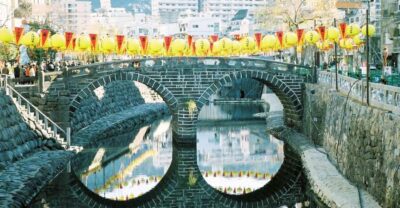
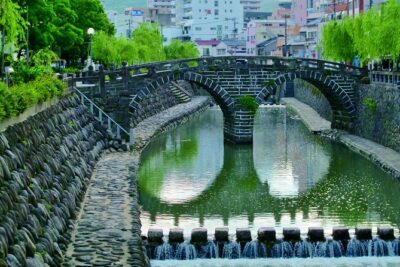
Nagasaki Full-Day Private Tour with Government-Licensed Guide
Read our review →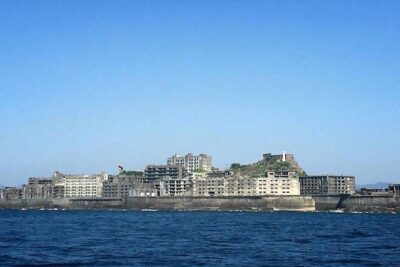
Visit Gunkanjima Island (Battleship Island) in Nagasaki
Read our review →

Nagasaki Street Food Adventure: Private Walking Tour with a Local
Read our review →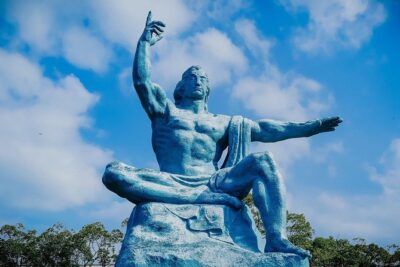
Nagasaki Private Tour with a Local – Highlights & Hidden Gems
Read our review →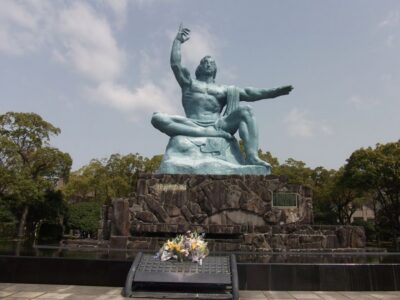
Browse the lists this tour appears in