
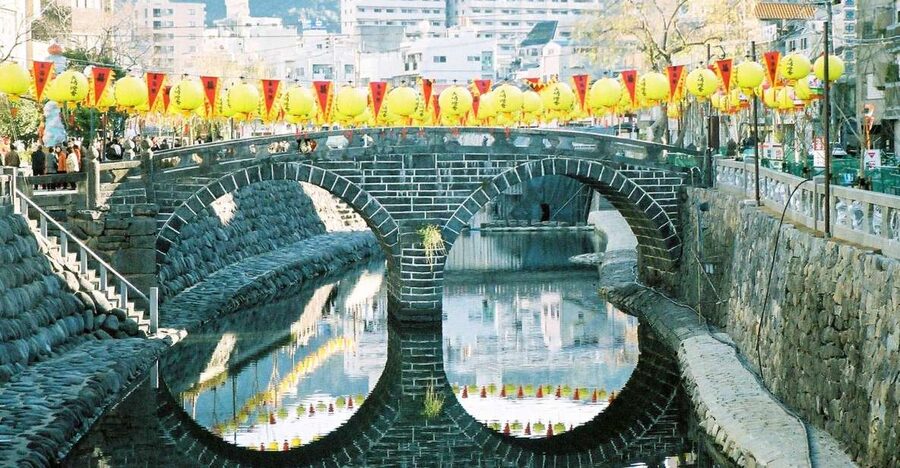
Reviewed · WALKING TOURS
Nagasaki: Private Walking Tour with a Local
Nagasaki is not a city you should rush through with a checklist. Its story stretches from international trade to war, religion, food, and steep hillside views. This private walking tour lets you set the pace and ask the questions that matter to you. Your guide might focus on the Atomic Bomb Museum and Peace Park, or steer you toward local food, shopping, street art, and places most first-time visitors miss.
I like the one-to-one format, and I like the way guides such as Yuki, Senyo, Masaaki, and Jun have adapted plans on the spot. You can even balance walking with public transportation or taxis. The tradeoff is clear: if you want a polished, fixed route with a full script, this loose format may feel underplanned.
Key points at a glance
- A route built around you: Choose major sights, local food, shopping, neighborhood walks, or a mix.
- Useful first-day orientation: Your guide can explain how to get around and suggest places for later.
- Strong local connection: Guides share personal stories and favorite places, not only standard facts.
- Major sights can fit in: The Atomic Bomb Museum, Peace Park, Dejima, and the Nagasaki Ropeway have all been included in past walks.
- Good for cruise passengers: Pickup can be arranged near the center, and one guide met a cruise passenger at the terminal.
- Allow for extra costs: Admission, meals, drinks, taxis, and other transportation are not included.
A private introduction to Nagasaki
This is less a standard sightseeing tour and more a meeting with a local who can help you make sense of Nagasaki. You receive an English-speaking Lokafyer for a private group, with a walk lasting three to six hours.
That range matters. Three hours can cover a focused plan, such as the Atomic Bomb Museum, Peace Park, and a few practical city tips. Six hours gives you room for a slower day with food, shopping, public transportation, and several districts.
You do not need a finished plan. You can arrive with a short list of priorities, a question about Nagasaki, or no plan at all. A guide can then shape the time around your interests. I find that especially useful in a city with attractions spread across different areas and a mix of walking, trams, taxis, and hills.
The experience is private, so you are not waiting for a large group or trying to keep up with strangers. A family can set a gentle pace. A couple can linger over a question. A solo visitor can turn the walk into a practical orientation session.
Other guided walks in Japan:
- Kyoto Geisha Walking Tour: Gion District & Hidden Gems
★ 4.7 · 3,273 reviews - Tokyo Tsukiji Fish Market Food and Culture Walking Tour
★ 5.0 · 3,184 reviews - Kyoto: Gion Magical Night Walking Tour with Geisha Trivia
★ 4.9 · 2,393 reviews
Starting near the city center
Pickup is flexible as long as the meeting point is in or near central Nagasaki. You can request a hotel, a well-known landmark, or a quiet café. The stated pickup choices include the Statue of Dr. Sun Yat-sen, Umeya Shokichi and Toku, and the Nagasaki Atomic Bomb Museum.
That flexibility is helpful, but you should be precise when arranging the start. Tell the guide what you want to see, how much walking suits you, and where you need to finish. This is particularly important if you are visiting from a cruise ship or have a train to catch.
One guide came to the cruise terminal for pickup. Another helped a group return to its ship after the sightseeing. Those details show where a private guide earns their keep: not just by explaining a place, but by helping you manage the day.
The walk is wheelchair accessible, though you should still discuss your preferred route in advance. Nagasaki has slopes and varied streets, so a clear conversation about mobility needs will help the guide plan sensibly.
The Atomic Bomb Museum and Peace Park
For many visitors, Nagasaki’s central purpose is to understand the atomic bombing and its aftermath. A guide can take you to the Atomic Bomb Museum and Peace Park, two of the most frequently requested stops.
The museum asks for attention and quiet. You will find the subject difficult, and the value of having a guide is not simply getting from one display to another. Senyo has helped explain the historical importance of the museum and Peace Park, while Masaaki included both sites on a three-hour route and added context that could be hard to gather alone.
A local guide can also help you frame questions respectfully. The subject is heavy, and a personal explanation may help connect the exhibits with the city you are walking through. You should not expect a light or rushed portion of the day here.
The practical drawback is time. If you spend a long period at the museum, you will have less time for Dejima, shopping, food, or the Ropeway. Tell your guide in advance if the museum is your main priority, so the rest of the route does not become overpacked.
Admission fees are not included. If you ask the guide to enter an attraction with you, you must also pay the guide’s admission. Build that cost into your budget.
Dejima, the Ropeway, and wider city views
Dejima offers a different side of Nagasaki. One guide took a visitor there by tram after visiting the Atomic Bomb Museum and Peace Park, then suggested ways to spend the rest of the day.
The tram ride itself can be useful because the guide can show you how to move between parts of the city. Local transportation is not included, but using it may let you see more than a walking-only route. You can also ask about taxis if time or mobility makes longer walks difficult.
The Nagasaki Ropeway adds a scenic break. Masaaki included it during a three-hour tour along with the museum and Peace Park. The view gives you a broader sense of Nagasaki’s hills and waterways, and it can provide a welcome change after serious museum time.
Do not assume every stop will fit into a short booking. The museum, Peace Park, Dejima, and Ropeway can easily fill a day when you add travel time and conversation. A private guide can help you choose, but cannot make every attraction close together.
Same base, a different sort of day:
- Mt Fuji and Hakone 1-Day Bus Tour Return by Bullet Train
★ 5.0 · 26,383 reviews - 1-Day Tokyo Bus Tour
★ 5.0 · 14,250 reviews - PERFECT KYOTO 1-Day Bus Tour
★ 5.0 · 13,518 reviews - Tokyo: TOKYO SKYTREE® Admission ticket
★ 4.5 · 11,192 reviews
Food, cafés, shopping, and everyday Nagasaki
The most appealing part of the tour may be the time spent away from the headline sights. Your guide can suggest places to eat, shop, or wander, and may take you to a café or restaurant that you would not have found alone.
One group especially enjoyed a lunch stop chosen by its guide. Another itinerary included an authentic Japanese seafood restaurant in Sasebo after a cruise itinerary changed unexpectedly. That adaptability is part of the service, although your own food costs are separate.
You can also ask for a particular kind of meal or shopping stop. The information provided does not promise a set restaurant, tasting, or café, so treat food recommendations as part of the personal planning rather than a guaranteed inclusion.
This is where the format works best for curious eaters. Ask what your guide personally likes, what is easy to reach, and what suits your budget. A local tip can be more useful than a long list of famous restaurants, especially if you want to eat after the tour.
What the guides add
The guide roster changes, so your experience depends partly on who is assigned. Names that appear in the experience include Yuki, Senyo, Masaaki, Jun, Suniff, Muhammad, REM, REN, and Gloria.
Yuki has tailored routes to lesser-seen places, explained Nagasaki through personal stories, and communicated with visitors before the tour. She has also adjusted plans when the group wanted a mix of famous sites and personal favorites.
Senyo is a strong choice for visitors focused on the Atomic Bomb Museum and Peace Park. Masaaki has combined those sites with the Ropeway and practical navigation advice. Jun has handled a same-day plan and helped a group return to its ship.
The best guides seem to bring three things: good English, preparation, and flexibility. One visitor appreciated REM’s research and very good English. Another found Gloria friendly and helpful for locating good places in the city.
There is a fair limitation here. This is not presented as a formal professional guiding service with one fixed curriculum. One person felt the guide was friendly and personable but wanted more background information and suggested routes from the company. If you want a ready-made educational program, send your interests ahead of time and ask the guide to suggest a basic route.
How much walking and transport to expect
Comfortable shoes are recommended, and that advice is worth taking seriously. The tour is a walking experience, but it can also include public transportation or taxis if you and your guide agree.
A purely walking route may suit you if you want to see streets and neighborhoods at ground level. A mixed route makes more sense if you want to connect the Atomic Bomb Museum, Peace Park, Dejima, and a viewpoint in one day.
Local transportation costs are not included. Neither are taxi fares, attraction tickets, meals, or drinks. Clarify the plan early so you know which expenses are yours.
The three-hour option is best for a focused introduction. Choose six hours if you want room for conversation, a meal, several neighborhoods, or changes of plan. The private format means you are not locked into a group schedule, but it does not remove Nagasaki’s distances or hills.
The value of $82 per person
At $82 per person, the price is easiest to justify when you use the guide for more than simple directions. You are paying for a private route, an English-speaking local, flexible timing, and advice that can shape the rest of your stay.
For a solo visitor, the cost is a bigger decision because there is no group to share it with. For a couple, family, or small private party, the value improves because the guide can match the pace and interests of your group.
I would not book this expecting admission tickets, a meal, or transportation to be bundled in. Those extras are separate. I would book it if you value time, personal conversation, and help deciding what deserves your limited hours.
The strongest value comes on a first visit, after a cruise arrival, or when your interests do not fit a standard route. A repeat visitor may also benefit by asking specifically for neighborhoods, food, or places beyond the usual sights.
Who should book this walk
This experience suits you if you want:
- A first-day overview of Nagasaki with practical advice for the rest of your stay
- A serious visit to the Atomic Bomb Museum and Peace Park with time for questions
- Local food and shopping suggestions rather than a fixed restaurant package
- A private pace for children, older family members, or mixed interests
- Help using trams, taxis, or walking routes
- A guide who can adjust the day when your plans change
It may not suit you if you want a fixed itinerary, guaranteed attraction tickets, or a formal lecture at every stop. The more clearly you communicate your priorities, the better this flexible format is likely to work.
Children under three join free, and children from three to twelve receive a 50 percent discount. That makes a private family outing more manageable, especially when you need to slow down or change the plan.
Cancellation and practical planning
You can cancel up to 24 hours before the tour for a full refund. Starting times are subject to availability, and you can request a specific time.
I would send your guide a short message before the day with three details: your must-see place, your preferred walking level, and your end point. Add any food interests or transport concerns. This gives the Lokafyer something concrete to build around while leaving room for local suggestions.
If you want an attraction included, remember that you pay the guide’s admission as well as your own. Bring comfortable shoes, and keep extra money available for fares, tickets, meals, and drinks.
Should you book the Nagasaki private walking tour?
Book it if you want Nagasaki explained by a person who lives there, not only by signs and guidebooks. The strongest part is the freedom to combine major places such as the Atomic Bomb Museum, Peace Park, Dejima, and the Ropeway with local food, shopping, and personal recommendations.
I would especially choose it for a first visit, a short cruise stop, or a day when your group has different priorities. To get the best value from $82 per person, contact the guide early, name your must-see places, and ask for a suggested route.
Skip it if you prefer a fixed schedule with all tickets and transport included. Otherwise, the private format offers a useful mix of orientation, local conversation, and practical help, with enough flexibility to make Nagasaki feel like your own day.
FAQ
How long does the private Nagasaki walking tour last?
The tour lasts between three and six hours. Available starting times depend on the date you choose.
Where can the guide meet me?
The Lokafyer can meet you at a preferred location in or near central Nagasaki. Possible meeting points include your hotel, an iconic landmark, or a quiet café. The listed choices include the Statue of Dr. Sun Yat-sen, Umeya Shokichi and Toku, and the Nagasaki Atomic Bomb Museum.
Is the tour private?
Yes. The tour is for a private group, with a customized walking plan and no fixed shared route.
Is the tour conducted in English?
Yes. The listed live tour language is English.
Are entrance fees and meals included?
No. Entrance fees, meals, drinks, personal expenses, optional activities, and local transportation are not included.
Can the tour include the Atomic Bomb Museum and Peace Park?
Yes. These sites have been included in private routes, but you should request them when arranging your plan. If the guide enters an attraction with you, you must also cover the guide’s admission.
Is the tour suitable for children and wheelchair users?
The tour is listed as wheelchair accessible. Children under three join free, and children aged three to twelve receive a 50 percent discount. Comfortable shoes are recommended because this is a walking tour.
Just added in Japan
- 1 Day Tour: Snow Monkeys & Snow Fun in Shiga Kogen★ 5.0 · 52 reviews
- Osaka Temple Cool Foot Bath & Matcha Experience〈45min〉★ 4.9 · 82 reviews
- Kobe 4hr Private Tour with Government-Licensed Guide★ 5.0 · 59 reviews
- Small-Group Wagyu Beef and 7 Japanese Dishes Tokyo Cooking Class★ 5.0 · 190 reviews
- Osaka: Mind & Spirit Balance Temple Reiki Healing★ 5.0 · 41 reviews
- Kobe Highlights & Hidden Gems: Private & Custom Tour with a Guide★ 4.5 · 70 reviews
- Sakurajima Century Lava Climb Journey with E-bike★ 4.9 · 27 reviews
- KOBE Sake Tasting Tour at Breweries (tasting fee included)★ 5.0 · 154 reviews
Walking Tours, compared.
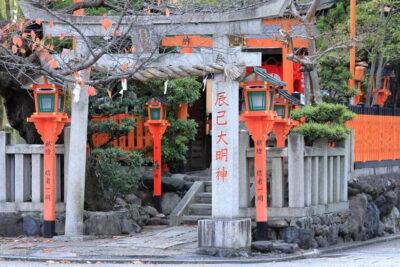
Kyoto Geisha Walking Tour: Gion District & Hidden Gems
Read our review →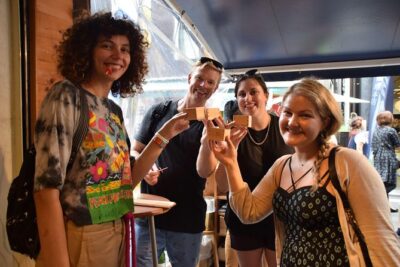
Tokyo Tsukiji Fish Market Food and Culture Walking Tour
Read our review →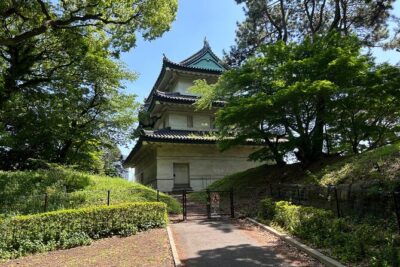
Imperial Palace and Shogun Historical Walking Tour
Read our review →
Gion Geisha District Walking Tour – Stories of Geisha
Read our review →
Shinjuku Local Bar and Izakaya Guided Walking Tour
Read our review →
Asakusa Walking Tour with Sensoji Temple Visit
Read our review →
Nishiki Market Brunch Walking Tour (7 Tastings + Brunch)
Read our review →Browse the lists this tour appears in