
Reviewed · SHIRAKAWA-GO & GOKAYAMA TOURS
From Nagoya: Gujo, Hida Takayama, and Shirakawa-go Day Tour
The best thing about this day trip is the range. In one outing, you move from waterways and Edo-period row houses in Gujo Hachiman to old merchant streets in Takayama, then finish among the steep roofs of Shirakawa-go. It gives you a quick look at rural Japan that is hard to arrange by rail alone.
I like the sensible route and the freedom at each stop. You can follow the guide for an orientation, then wander on your own for food, photos, or small shops. I also like the price: at $61, the bus connection alone makes this a strong deal. The trade-off is time. Gujo gets only about an hour, and the full day includes many hours on the road.
Key points at a glance
- Three very different historic settings: Gujo Hachiman’s canals, Takayama’s wooden streets, and Shirakawa-go’s thatched farmhouses.
- An 11-hour coach day from Nagoya: Convenient, but expect a long return ride after a full sightseeing schedule.
- Free time is central: You may join a short guided walk or explore independently at each stop.
- The best food stop is Takayama: Use its two hours for local snacks, lunch, sweets, and Hida crafts.
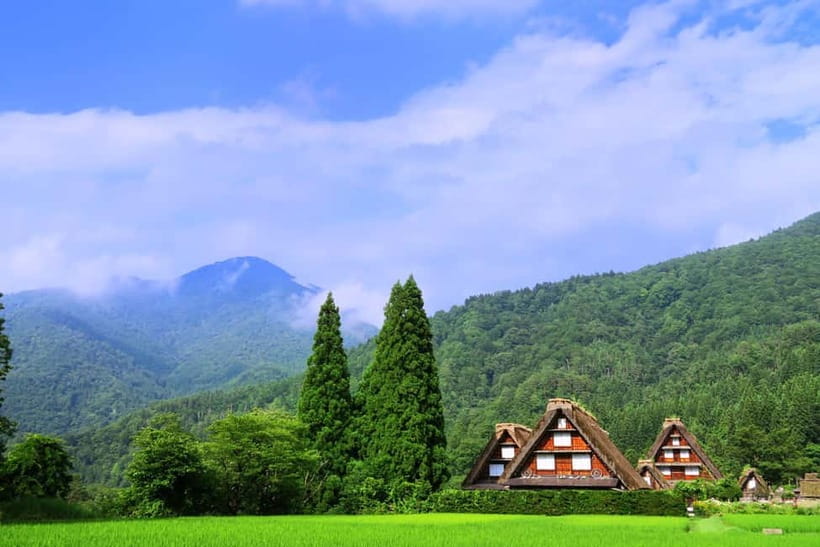
- Shirakawa-go is the headline stop: The gassho-zukuri roofs and mountain setting make it the most memorable visit for many people.
- Guiding quality can vary: Wang, Kiki, Cici, Moe, and other guides have been praised for clear help, while some people found multilingual explanations hard to hear.
Why this Nagoya day trip works
This is a sightseeing sampler, not a slow village holiday. You leave Nagoya in the morning, cover a large part of Gifu Prefecture by bus, and return to the same meeting point in the evening.
That format solves a real Japan planning problem. Gujo Hachiman, Takayama, and Shirakawa-go are not clustered around one simple train line. You can arrange them yourself, but transport takes planning, and a private car costs much more than $61 per person. Here, the driver handles the long connections while you watch the countryside pass by.
The price is especially good if you want to see all three places and do not need a private guide. Transportation and an English and Japanese-speaking guide are included. Food, shopping, and some optional visits inside historic buildings cost extra, so budget a little beyond the ticket price.
The day is tightly managed. That is good news if you value efficiency, since late departures at one stop would cut into the next. It also means you need to watch the return time carefully. This is not the tour for lingering over a second bowl of noodles or browsing every craft shop.
Other village days out of Japan:
- World Heritage Shirakawa-go and Experience Tours from Kanazawa
★ 5.0 · 4,049 reviews - Kanazawa: World Heritage Shirakawa-go Morning Guided Tour
★ 4.9 · 988 reviews - Kanazawa: World Heritage Shirakawa-go & Two Local Experience
★ 4.9 · 274 reviews
Meeting the bus at Nagoya Station
The meeting point is in front of the Nishi Koban police box at the Taiko Exit of Nagoya Station. Meet at 8:20 in the morning and look for a blue flag marked Wonder Tours.
The directions are simple once you are at the Taiko Exit. A taxi terminal is outside the exit. Walk about 20 meters toward it, and the police box is on the right.
Allow extra time at Nagoya Station. Construction around the station has made the meeting area confusing, and the meeting images may not perfectly match current conditions. Arriving early is a smart move, especially if you have luggage or are unfamiliar with the station.
The coach ride to the first stop takes about 1.5 hours. The bus has been described as comfortable, and one useful detail is the presence of a USB-A charger. On a long day, that small feature matters. There are also breaks during the longer drives, though you should still start with water and a charged phone.
Gujo Hachiman: canals, wooden homes, and a short clock
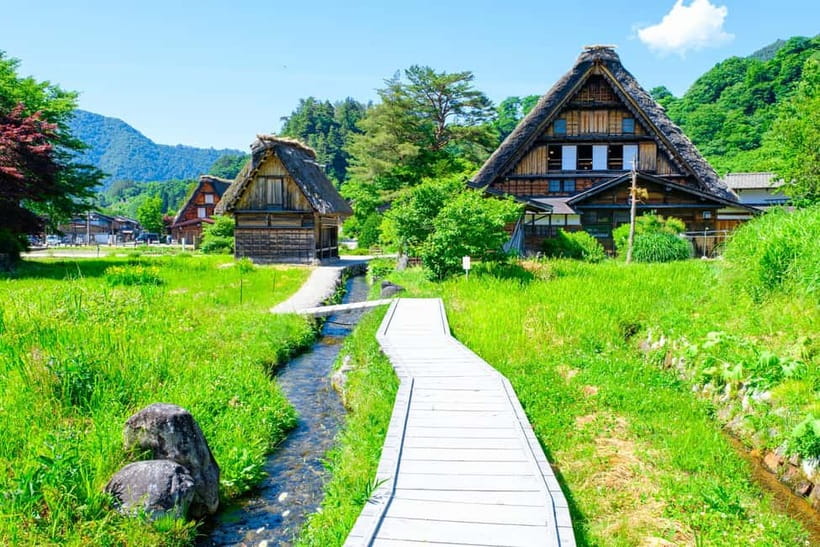
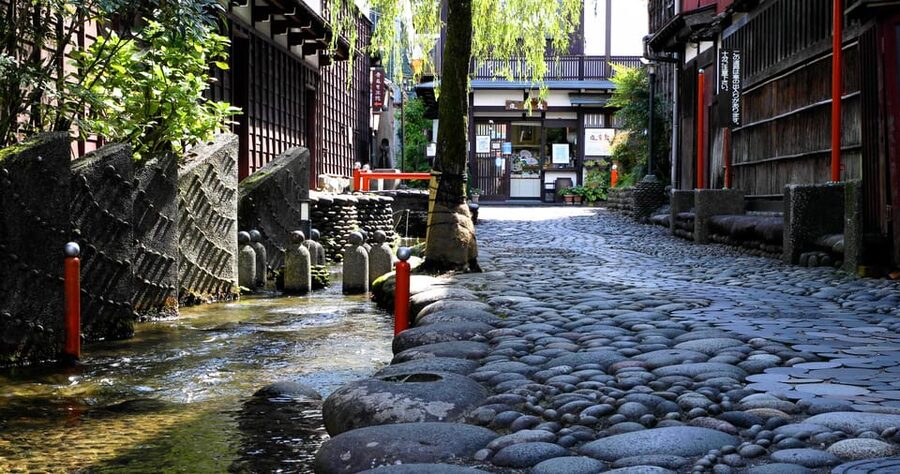
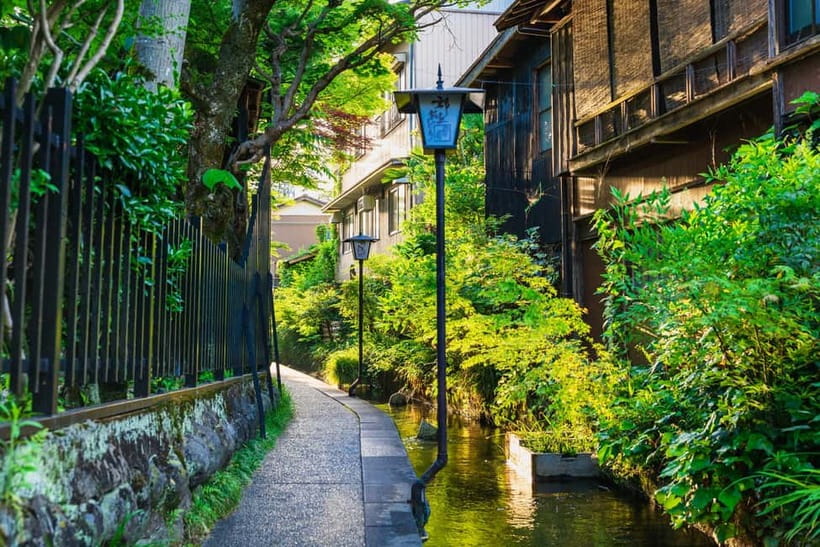
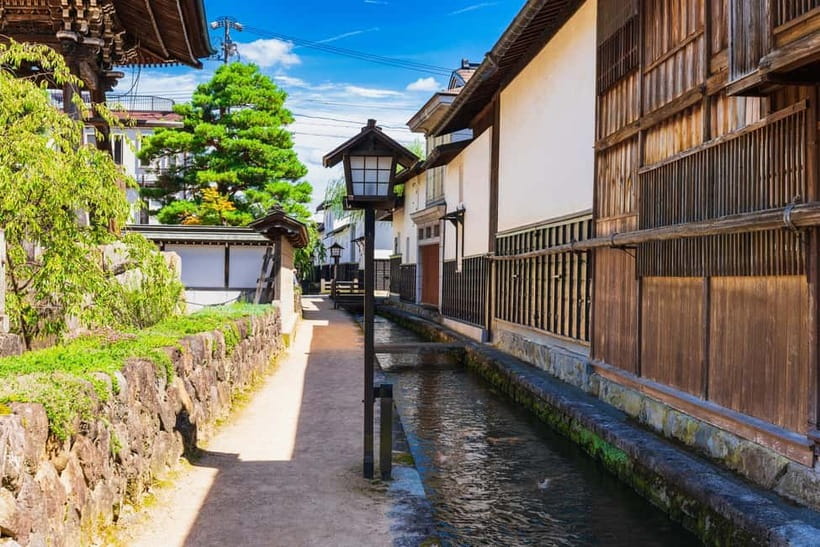
Gujo Hachiman is the quietest and most atmospheric stop. This riverside town in central Gifu Prefecture has retained much of its old form, with narrow streets, wooden homes, and waterways running beside house fronts.
The town’s old buildings have been selected by the national government as an important traditional buildings group. That designation makes sense once you see the way the houses, lanes, and watercourses fit together. This is a place for small details rather than grand monuments: eaves, bridges, clear channels, and old-fashioned facades.
You get about one hour here. That is enough to walk through part of the historic center and get a feel for the town, but not enough for a leisurely visit.
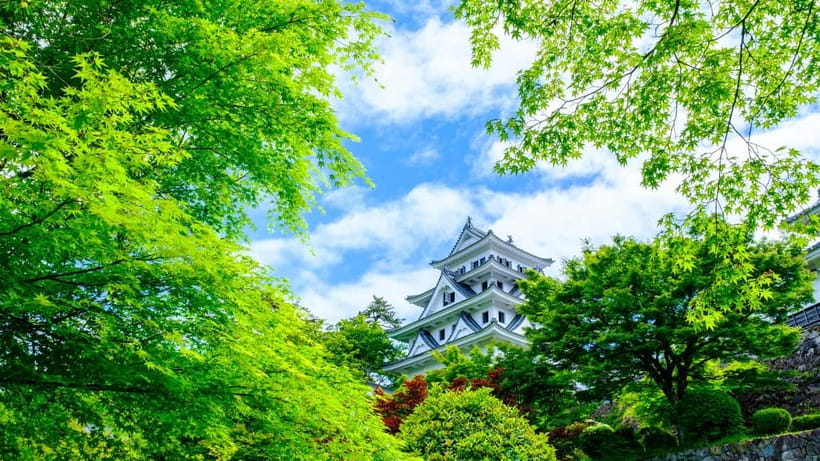
The most important planning choice is whether you want the town or the castle. Gujo Hachiman Castle requires a walk uphill, with roughly 15 minutes up and 15 minutes down according to one detailed account. If you choose it, you will have little time left for the old streets. If the town’s canals and architecture interest you more, stay low and explore the central lanes.
I would treat Gujo as an introduction, not the main event. Take a quick walk, notice the water running past the houses, and save your energy for Takayama and Shirakawa-go. If Gujo is your main reason for booking, this schedule may feel too rushed.
Hida Takayama: your best chance for food and shopping
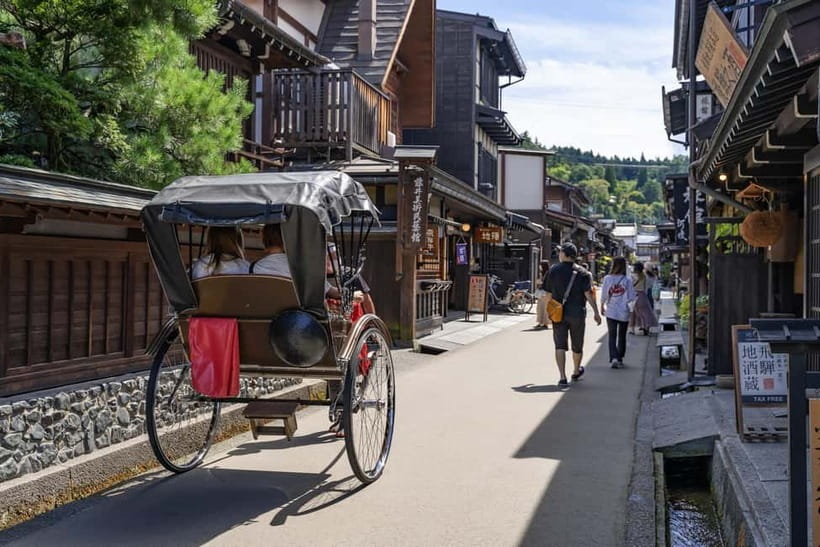
The second stop gives you about two hours in Hida Takayama, a former castle town with a more substantial old center. This is where the schedule feels most generous.
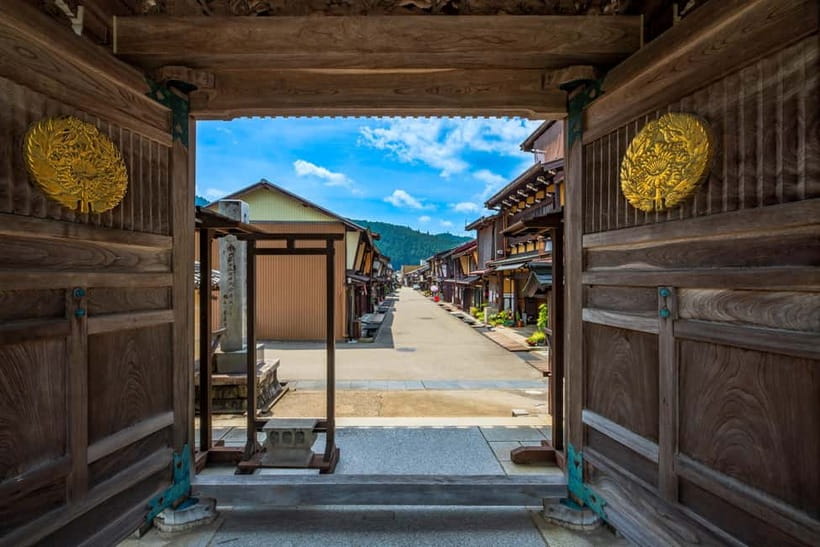
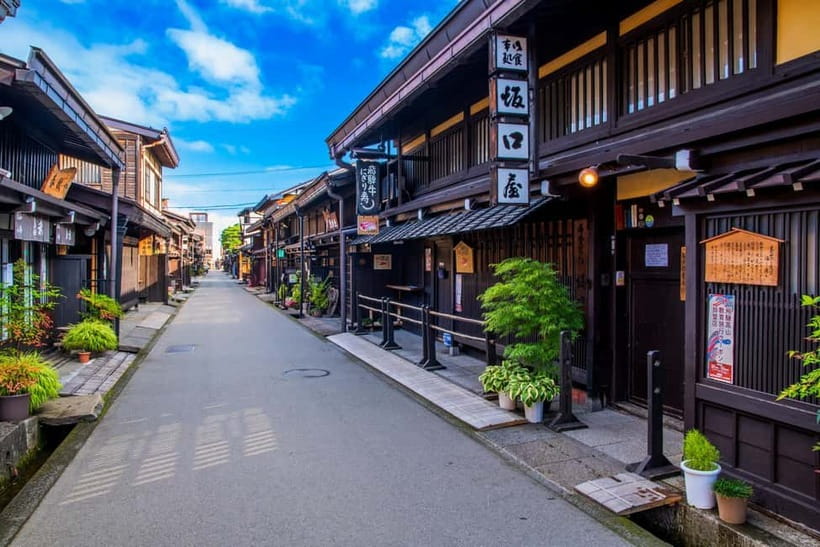
You can walk along alleys lined with wooden homes, traditional Hida craft shops, small boutiques, and candy stores. Takayama is also the right place to think about lunch. Local food is a major part of the appeal, and the stop gives you time to choose something rather than simply grab a snack between photo stops.
Use the guide’s suggestions if you want help deciding where to eat or which streets to prioritize. Guides such as Wang, Cici, Kiki, and Hao have been praised for giving practical directions and food recommendations. The normal format is not a continuous guided walk. You receive an introduction and options, then decide how to spend your free time.
That flexibility suits me. You can follow the group if you want context, or go at your own pace if you already know what you want to see. Keep an eye on your watch, though. Two hours sounds generous, but lunch, shopping, and walking between areas can use it quickly.
Takayama may become your favorite stop if you enjoy everyday culture more than formal monuments. The old streets feel lived-in, and the local sweets, crafts, and food give the visit a practical sense of place. Several people also wished they had more time here, especially compared with the brief Gujo visit.
Same base, a different sort of day:
- Mt Fuji and Hakone 1-Day Bus Tour Return by Bullet Train
★ 5.0 · 26,383 reviews - 1-Day Tokyo Bus Tour
★ 5.0 · 14,250 reviews - PERFECT KYOTO 1-Day Bus Tour
★ 5.0 · 13,518 reviews - Tokyo: TOKYO SKYTREE® Admission ticket
★ 4.5 · 11,192 reviews
Shirakawa-go: the main reason to choose this route
After about an hour on the road, you reach Shirakawa-go for roughly 1.5 hours. This is the final sightseeing stop and the visual climax of the day.
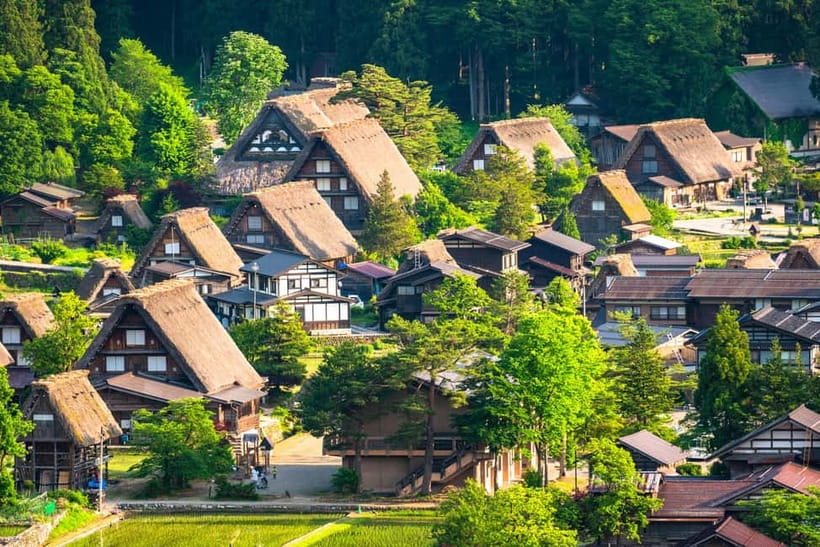
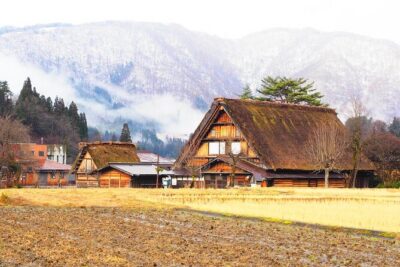
Shirakawa-go is known for its gassho-zukuri farmhouses, buildings with sharply pitched thatched roofs designed for heavy winter conditions. The houses vary in size, and their unusual rooflines look especially striking against the surrounding mountains.
The setting changes with the season. Winter can bring snow and cold temperatures, with one January visit reporting conditions around 3 degrees Celsius. The short winter daylight also makes the packed schedule more noticeable. In summer, the scenery is greener and the temperatures are easier, while autumn brings a different color palette. The tour runs in all seasons, so dress for the forecast rather than for Nagoya alone.
You have free time to walk, take photographs, and visit parts of the village. Entry to certain houses is not included and can cost about 300 to 400 yen per house. That fee supports the care of these old buildings, but it is worth carrying some cash if you want to go inside.
Food can be tricky here late in the day. Some restaurants close around 3:30 or 4:00 p.m., so do not count on a full hot meal at this final stop. Eat properly in Takayama and treat Shirakawa-go as a place for scenery, village streets, and optional building visits.
Traffic can also affect this part of the day. Shirakawa-go is the most popular stop on the route, and a jam can reduce your time on site. Even so, the visit is valuable because reaching the village independently takes more planning and may cost more once you add several separate transport tickets.
How the guiding works in practice
The guide gives information on the bus and before each stop, then tells you when to return. At some locations, you can join a short walk. At others, you are free to explore by yourself.
This arrangement works well for independent people. You get enough background to understand what you are seeing, but you are not tied to a guide for every shop and street. It also helps the group move on time.
Many guides speak English, Japanese, and Chinese. Wang is a particularly strong example of the multilingual format, handling a large group and giving clear suggestions in all three languages. Kiki, Cici, Moe, Hao, and Sirius have also been singled out for kindness, directions, and practical help.
There is a downside to three-language guiding. The guide may need to repeat the same information several times, leaving less time for detail. Some people found the bus microphone echoed, and walking explanations can be difficult to hear when the group spreads out. If you want detailed interpretation at every building, this will feel light.
I suggest doing a little reading before departure. Then the guide’s comments add useful context instead of carrying the entire educational part of the day. Bring your questions, but expect a helpful orientation rather than a specialist-led historical tour.
The long coach day and the value of the schedule
The driving is the price of seeing three widely separated places in one day. The listed travel sections add up to several hours, including about 1.5 hours to Gujo, 1.5 hours to Takayama, one hour to Shirakawa-go, and 2.5 hours back to Nagoya.
That final ride is particularly long. After walking three towns, you may be tired, but the bus removes the need to navigate another train or bus connection. For me, that convenience is the central value of the tour.
The schedule also depends on group discipline. Everyone must return to the coach at the stated time, and a late person can affect the whole day. Keep your phone charged, note the bus location, and set an alarm before you wander.
You should also know that this can be a large group. One guide was handling more than 50 people, and the experience can feel closer to organized transportation with sightseeing support than to a small personal tour. That is not a flaw at this price, but it explains why instructions are brief and timing is firm.
Who should book this experience?
I would choose this tour if you are staying in Nagoya, have one free day, and want to see rural Gifu without renting a car. It is also a good fit if Shirakawa-go is high on your list but you do not want to organize the bus connections yourself.
It suits first-time visitors who like a mix of guided help and free time. Families and couples can split up briefly to shop or eat, then regroup at the coach. Food lovers will appreciate the Takayama stop, while photographers will want to protect as much time as possible in Shirakawa-go.
I would hesitate if you prefer slow travel. Gujo is short, Shirakawa-go may be affected by traffic, and Takayama can leave you wishing for another hour. If Gujo is your priority, look for a tour that gives it more time. If you mainly want Takayama and Shirakawa-go, a shorter two-stop outing may offer a calmer day.
The cancellation policy is practical: you can cancel up to 24 hours ahead for a full refund, and you can reserve now and pay later. That helps if your Nagoya plans are still shifting.
Should you book it?
Book this tour if you want maximum variety for $61 and accept a fast pace. You will see three distinct places, avoid complicated transport planning, and receive enough guidance to make good choices with your free time.
Skip it if you want long meals, deep time in one village, or a quiet small-group walk. For most people with only one day available, though, the combination of Gujo Hachiman, Takayama, and Shirakawa-go is a smart use of time. Pack a phone charger, dress for the coldest stop, eat lunch in Takayama, and treat the timetable as part of the deal.
FAQ
Where does the tour meet in Nagoya?
Meet at 8:20 in front of the Nishi Koban police box at the Taiko Exit of Nagoya Station. The guide holds a blue Wonder Tours flag. From the exit, walk about 20 meters toward the taxi terminal, and the police box is on the right.
How long does the tour last?
The full experience lasts 11 hours, including travel between Nagoya and the three sightseeing stops.
Which places does the tour visit?
The route visits Gujo Hachiman, Hida Takayama, and Shirakawa-go. Shirakawa-go is part of the UNESCO World Heritage Site area associated with the gassho-zukuri villages of Shirakawa-go and Gokayama.
How much free time do you get at each stop?
The schedule provides about one hour in Gujo Hachiman, two hours in Hida Takayama, and 1.5 hours in Shirakawa-go.
Is transportation included?
Yes. Transportation by bus and an English and Japanese-speaking guide are included. The guide may also speak Chinese, depending on the assigned guide.
Can you cancel the booking?
Yes. You can cancel up to 24 hours in advance for a full refund. You can also reserve now and pay later.
Just added in Japan
- 1 Day Tour: Snow Monkeys & Snow Fun in Shiga Kogen★ 5.0 · 52 reviews
- Sapporo: Hokkaido, Noboribetsu and Lake Toya Day Tour★ 4.1 · 88 reviews
- Discover the Wonders of Sakurajima Half Day Tour in Kagoshima★ 5.0 · 34 reviews
- Private sightseeing tour from Shimizu Port / Van Taxi★ 5.0 · 114 reviews
- Hokkaido Seasonal: Lake Toya & Noboribetsu Jigokudani Valley★ 4.7 · 173 reviews
- Kagoshima Private & Custom Tour with Licensed Guide and Vehicle★ 5.0 · 29 reviews
- 《MEMBERS-ONLY-BAR-HOPPING》Discover Your Special Whiskey in Tokyo!★ 5.0 · 29 reviews
- Kobe: Guided Sake Breweries Tour with Tastings★ 5.0 · 55 reviews
Shirakawa-go & Gokayama Tours, compared.
World Heritage Shirakawa-go and Experience Tours from Kanazawa
Read our review →
World Heritage Shirakawa-go Morning Guided Tour
Read our review →
World Heritage Shirakawa-go & Two Local Experience
Read our review →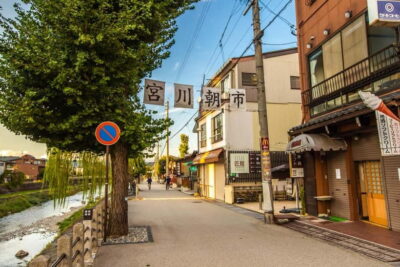
![[One-day bus tour departing from Kanazawa Station] Shirakawa-go and Gokayama – Two World Heritage Villages Enjoyable Bus Tour](https://assets.japanesetravels.com/wp-content/uploads/one-day-bus-tour-departing-from-kanazawa-station-shirakawa-go-and-gokayama-two-world-heritage-villages-enjoyable-bus-tour-400x267.jpg)
[One-day bus tour departing from Kanazawa Station] Shirakawa-go and Gokayama – Two World Heritage Villages Enjoyable Bus Tour
Read our review →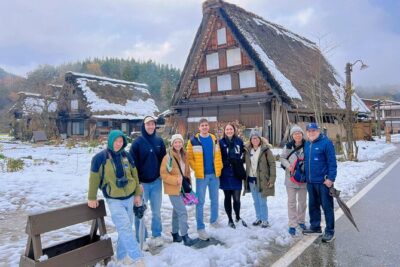
World Heritage Shirakawa-go Perfect Guided Tour from Kanazawa
Read our review →Browse the lists this tour appears in