
Reviewed · SIGHTSEEING BUS TOURS
Magome-juku, Tsumago-juku & Ena-kyo 1d Bus Tour from Nagoya
Magome-juku and Tsumago-juku give you a rare look at Japan before modern roads and railways reshaped long-distance travel. Their wooden buildings, narrow streets, and old post-town setting make the Edo period feel close at hand, while Ena Gorge adds a fine sweep of mountains and river views.
I like the sensible route: a quiet temple first, a quick gorge viewpoint, then the two historic towns. I also like the relaxed pacing, with two hours in Magome and 70 minutes in Tsumago. The main drawback is fixed bus timing, so you cannot linger whenever a shop, shrine, or side street catches your eye.
Key points to know before booking
- Magome gets the longest visit: You have two hours for lunch, shops, old streets, and independent exploring.
- Tsumago has a quieter feel: The 70-minute stop is shorter but enough for a focused walk through the preserved town.
- Eihoji Temple sets a calm tone: Allow one hour for gardens, historic buildings, and peaceful grounds.
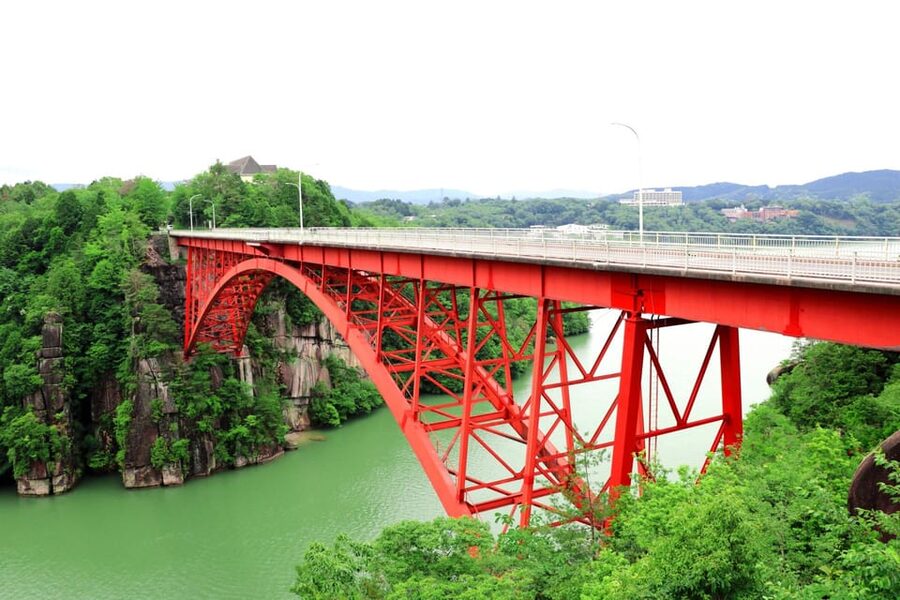
- Ena Gorge is a photo stop: The observatory visit lasts about 30 minutes, so expect views rather than a long walk.
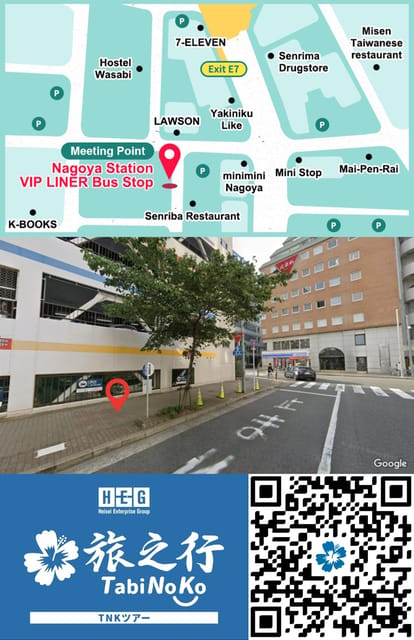
- The bus leaves from Nagoya Station: Meet at the VIPLINER Nagoya Bus Stop by 8:20 a.m. for an 8:30 departure.
- English and Chinese support is provided: Both language groups may share one bus, with the conductor switching between languages.
Why this tour works for a day outside Nagoya
Central Japan is full of worthwhile places that are awkward to connect by public transport in a single day. Magome and Tsumago sit along the old Nakasendo route, the historic road linking Kyoto and Edo, now Tokyo. A bus tour removes much of the planning, transfers, and timetable juggling.
For $61 per person, the value comes mainly from transportation and access. The price includes an air-conditioned vehicle and an English or Chinese-speaking conductor, but not lunch. You also get four distinct stops in nine hours, which is a solid day for anyone based in Nagoya.
I would not book this as a slow countryside retreat. It is a structured sightseeing day, and the bus must keep to its schedule. Still, the timing is more generous than many rushed day trips. You have a full two hours at Magome, 70 minutes at Tsumago, one hour at Eihoji Temple, and half an hour at the gorge viewpoint.
The overall rating is 4.6 from 75 bookings, and the strongest praise centers on organization, clear communication, comfortable transport, and the conductor’s ability to serve English and Chinese speakers. That matters here because the day includes several departures and meeting times. A clear return-to-bus routine keeps the experience manageable.
Other tours by coach from Nagoya:
- Ghibli Park 1-Day Bus Tour from Nagoya
★ 4.5 · 277 reviews - Mt Fuji and Hakone 1-Day Bus Tour Return by Bullet Train
★ 5.0 · 26,383 reviews - 1-Day Tokyo Bus Tour
★ 5.0 · 14,250 reviews
Meeting the bus beside Nagoya Station
The starting point is the VIPLINER Nagoya Bus Stop, about a three-minute walk from the Taiko-dori side of Nagoya Station. The meeting time is 8:20 a.m., with departure at 8:30.
This is one detail to take seriously. The operator requires you to arrive 10 minutes early, and the bus leaves on time without exceptions. Nagoya Station is large, so do not assume you can find the stop instantly after arriving by train. Check the map pin and photo reference before the morning of the tour, then search for VIPLINER Nagoya Bus Stop if needed.
At the stop, the conductor checks your name against a list. The exact meeting point matters, since arriving at the wrong bus stop can mean missing the tour even if you are nearby.
The return is to the same VIPLINER Nagoya Bus Stop. The full activity lasts about nine hours, though driving time can change with traffic, holidays, and weather. This is especially important during busy travel periods, when a long road delay may affect how long you have at later stops.
Kokeizan Eihoji Temple begins the day quietly
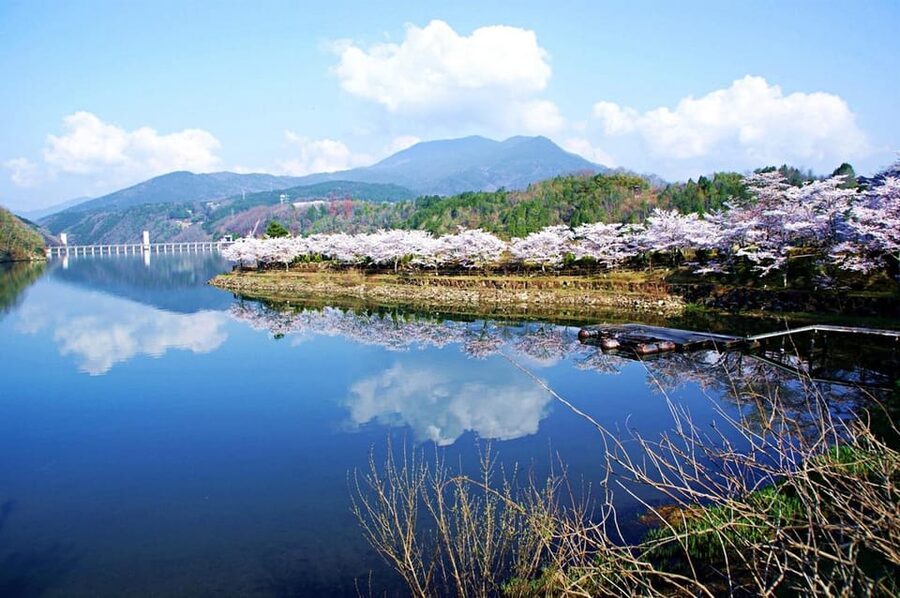
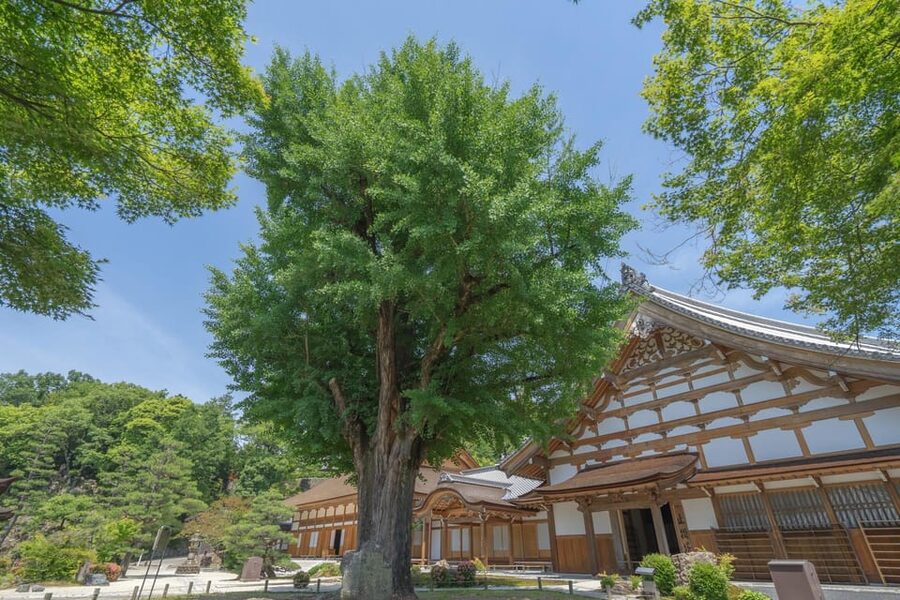
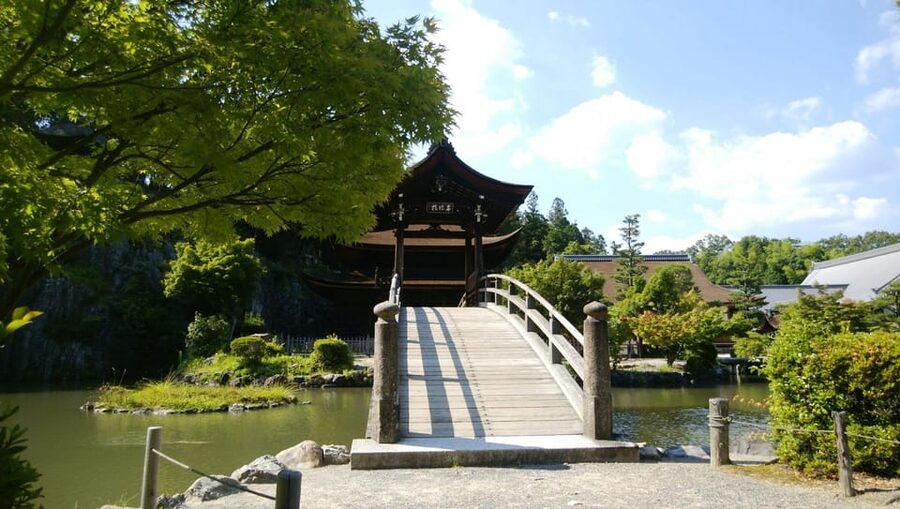
The first visit is Kokeizan Eihoji Temple, with about one hour for a self-guided visit. Its appeal is quiet rather than dramatic. You walk through peaceful grounds with gardens and old structures, a gentle contrast to the noise and movement of Nagoya.
I like this placement in the schedule. Starting with a temple gives you time to adjust to the day before the more popular post towns. The gardens also offer a chance to slow down and notice details instead of rushing from one major sight to another.
You should expect moderate walking here. Comfortable shoes are not just a general suggestion. The day includes several old streets and temple grounds, and the route is designed for walking rather than sitting on the bus from stop to stop.
Because the visit is self-guided, the conductor may provide general direction and information, but you are free to explore at your own pace within the allotted hour. Keep track of time. The bus cannot wait for a long final look at the gardens.
Ena Gorge offers a short but worthwhile viewpoint
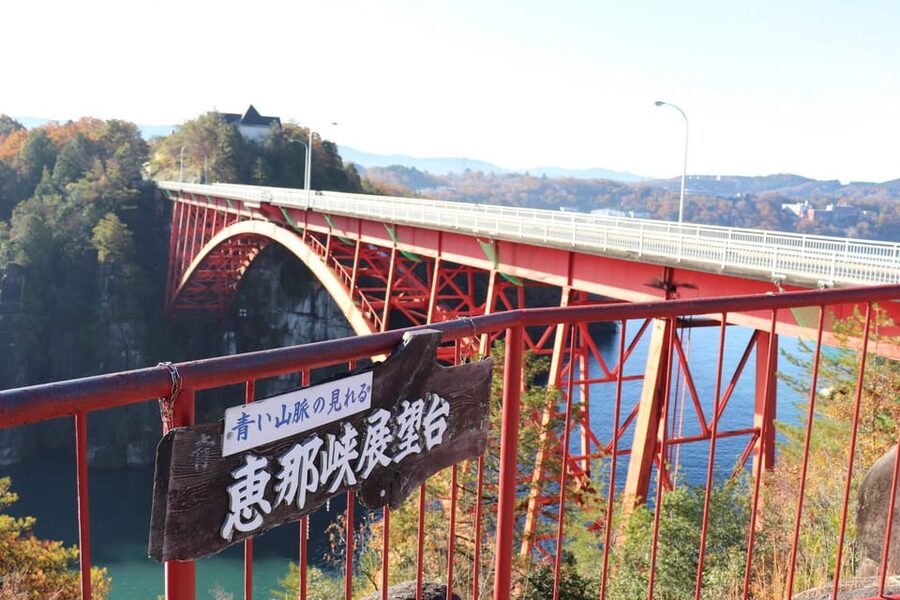
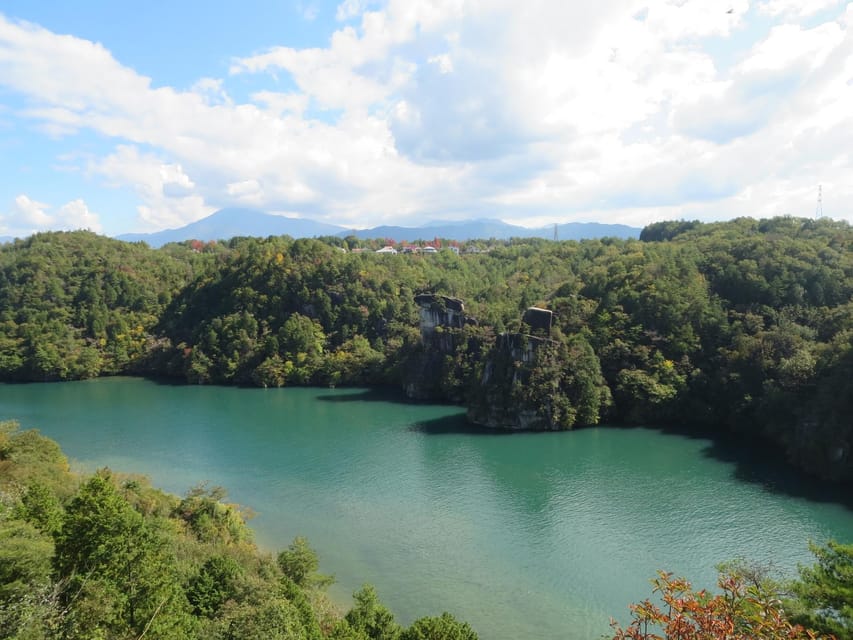
Next comes the Ena Gorge Observatory, a 30-minute photo stop. From the viewpoint, you can look over the winding river and surrounding mountains.
This stop is brief, so set your expectations correctly. You are not hiking through the gorge or spending half a day beside the water. You are stepping out, taking in the broad view, and making the most of a compact stop between the temple and the post towns.
I see this as a useful change of pace. After the close details of Eihoji’s gardens, the observatory gives you a larger view of central Japan. It is also a good place for photos, especially if you prefer scenic views to architectural details.
Keep your phone or camera ready, but do not let photography consume the whole visit. Thirty minutes passes quickly once you walk from the bus to the viewing point and find your angle.
Same base, a different sort of day:
- From Nagoya: Gujo, Hida Takayama, and Shirakawa-go Day Tour
★ 4.4 · 398 reviews - From Nagoya: Hida Takayama & Shirakawa-go Tour w/Opt. Lunch
★ 4.5 · 256 reviews - Hiking the Historic Nakasendo Trail [1 Day Tour from Nagoya]
★ 5.0 · 104 reviews - Nagoya: Japanese Traditional Sweets making and Tea Ceremony
★ 4.9 · 76 reviews
Magome-juku is the main stop for lunch and wandering
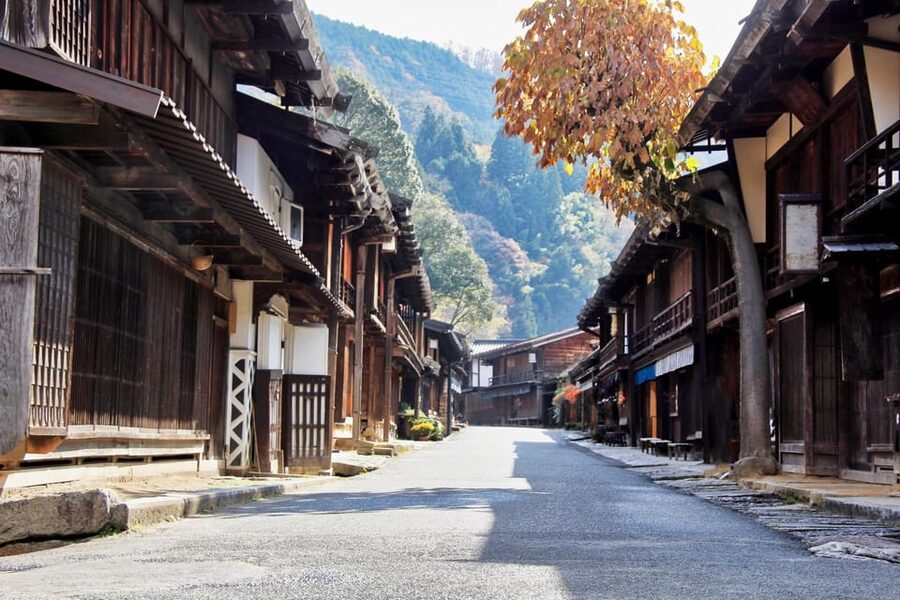
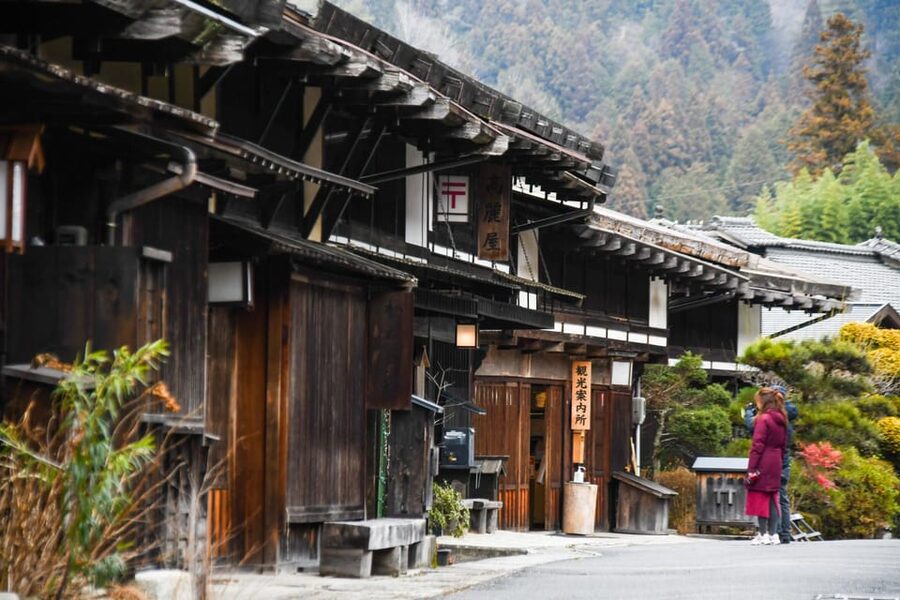
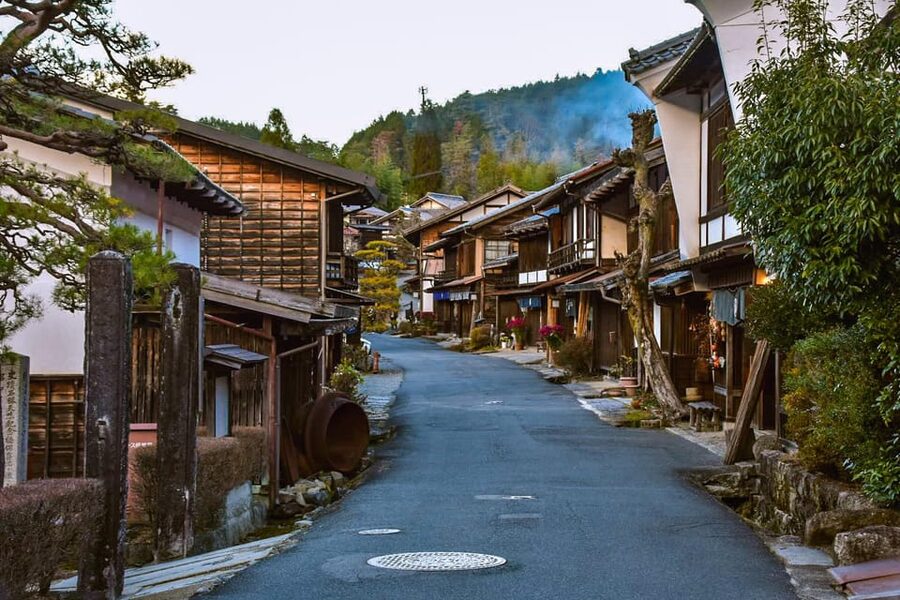
Magome-juku receives two hours, the longest free-time period of the day. This is where you can eat lunch, browse shops, and walk along cobblestone streets lined with traditional wooden buildings.
Magome was a post town on the Nakasendo Trail. In practical terms, that means it once served people making the long journey between major cities. Today, its preserved streets let you see how a historic route might have felt before cars and modern commercial districts took over.
The town is the best place to use your independence. The tour does not include lunch, so you choose what and when to eat. You can also decide whether to focus on food, handmade crafts, old buildings, or photography.
Two hours is generous enough for a proper look, but not so long that the day loses momentum. One booking described the stay as a little long, so if you move quickly through historic streets, you may have spare time. That is not a serious flaw. It simply means you should have a plan for the extra minutes.
I would use Magome for lunch because it gives you the most flexible block in the schedule. Keep an eye on the bus departure time, and do not assume that every shop or place to eat will remain open if you visit during a holiday period. A January 2 visit resulted in several closures, although the outdoor streets and town atmosphere were still available.
Tsumago-juku has a more intimate final act
Tsumago-juku follows Magome, with about 70 minutes to explore. Like Magome, it preserves the look and feel of a Nakasendo post town, with traditional buildings and streets kept free from the visual clutter common in modern urban areas.
Many people find Tsumago more charming because it feels especially compact and calm. I would treat the stop as a focused final walk rather than a second lunch break. Use the time to look closely at the facades, step into open shops where possible, and enjoy the atmosphere without trying to cover too much ground.
The shorter visit works because Tsumago is compact, but it does limit flexibility. If you want long meals, extensive shopping, and detailed exploration at both towns, this tour may feel tight. If your goal is to compare two preserved Nakasendo settlements in one day, the schedule is sensible.
The order also works well emotionally. Magome gives you the longest block for food and wandering, while Tsumago provides a quieter closing stop before the return drive to Nagoya.
What the conductor adds to a bilingual group
The tour includes an English or Chinese-speaking conductor. Depending on the number of bookings, English and Chinese speakers may share the same bus.
That arrangement can work well, but it may mean information is delivered in two languages. One recent experience had only one main English-speaking participant, yet the conductor switched between both languages and shared history, food suggestions, and photo ideas at each stop. That is exactly the kind of practical help that improves a structured day trip.
No individual conductor names are provided, so you should not book expecting a particular guide. What you can expect is language support in English or Chinese and help with timing, directions, and the day’s sequence.
The conductor is especially useful at the start and end of each stop. The historic towns are easy to explore independently, but the most important instruction is always when and where to return to the bus.
Walking, weather, and comfort
The tour includes a moderate amount of walking. You need comfortable shoes and practical clothing for temple grounds, viewpoints, and old streets. Wheelchair users cannot join this activity.
The bus is air-conditioned, which is helpful because the day includes outdoor stops and several transfers. Still, air conditioning does not remove the need to dress for the forecast. The tour operates in ordinary weather and traffic unless the local operator tells you otherwise.
Severe traffic or bad weather can lead to changes in the route without a refund. That is a normal risk on a countryside bus trip, but it is worth considering before you book. The exact driving time is approximate, and holidays can make the roads slower.
The best mindset is flexible. You are paying for a planned route and transport, not a guarantee that every stop will have perfect conditions or that every shop will be open.
Is $61 a fair price?
At $61, I consider this good value if you are staying in Nagoya and want to see Magome and Tsumago without arranging several train and bus connections. The air-conditioned vehicle, language support, and direct route do much of the practical work.
Lunch is extra, so budget separately for your meal in Magome. The tour also does not include hotel pickup or drop-off. You must reach the Nagoya meeting point yourself and return there at the end.
The value is strongest for first-time visitors who want a clear introduction to the Nakasendo post towns. You get historic streets, a temple, a gorge view, and countryside scenery in one day. The value is weaker if you dislike fixed schedules, prefer long hikes, or want to spend an entire day in one town.
Free cancellation is available up to 24 hours before departure, and you can reserve now and pay later. Those terms help if your Nagoya plans are still changing, but the strict late-arrival rule remains. Miss the bus and a refund may not be available, even if you contact the operator before departure.
Who should book this Nagoya day trip?
I would recommend it to you if you want:
- A simple way to reach two historic Nakasendo towns
- A full day outside Nagoya without planning several connections
- A mix of temples, gardens, mountain views, and old streets
- Free time for lunch and independent exploring
- English or Chinese support on a shared bus
- A moderate amount of walking rather than a long trail hike
I would think twice if you want a completely independent day, a long hike between Magome and Tsumago, or lots of time for shopping. The tour visits both towns, but it does not offer unlimited time at either one.
Should you book it?
Book this tour if you want the easiest practical route from Nagoya to Magome-juku and Tsumago-juku. The two post towns are the main reason to go, while Eihoji Temple and Ena Gorge add welcome variety. The generous Magome stop, well-organized bus timing, and helpful bilingual support make the $61 price reasonable.
Skip it if missing a bus departure would cause stress or if your ideal day includes lingering in one town until sunset. Arrive early, wear good shoes, allow extra time for Nagoya Station, and keep your plans flexible for traffic and holiday closures. For a first look at central Japan’s old roads and countryside, this is a well-balanced day.
FAQ
Where does the tour start?
The tour starts at the VIPLINER Nagoya Bus Stop, about a three-minute walk from Nagoya Station’s Taiko-dori side.
What time should I arrive?
Meet the conductor at 8:20 a.m. for an 8:30 a.m. departure. You should be at the correct location at least 10 minutes before departure.
What happens if I arrive late?
The bus leaves on time, and no refund may be available for late arrival or going to the wrong meeting point, even if you contact the operator before departure.
Which languages are available?
The tour offers an English-speaking or Chinese-speaking conductor. English and Chinese speakers may share the same bus.
Is lunch included?
No. Lunch is not included, and you have free time to arrange your own meal during the Magome stop.
How long do you spend at each main stop?
You have about one hour at Kokeizan Eihoji Temple, 30 minutes at Ena Gorge Observatory, two hours at Magome-juku, and 70 minutes at Tsumago-juku.
How much walking is involved?
The tour includes a moderate amount of walking. Comfortable shoes and comfortable clothing are recommended.
Does the tour operate in bad weather?
The tour generally departs regardless of weather or traffic unless the local operator tells you otherwise. Severe traffic or adverse weather can lead to itinerary changes without a refund.
Can wheelchair users join?
No. The activity is not suitable for wheelchair users.
Just added in Nagoya
- Kimono Rental and Tea Ceremony Experience in Inuyama★ 5.0 · 15 reviews
- Nagoya Full-day Private Custom Tour with National Licensed Guide★ 5.0 · 61 reviews
- Nagoya Half-day Private Custom Tour with National Licensed Guide★ 5.0 · 40 reviews
- Nagoya: Traditional Japanese Sweets-Making Workshop★ 4.6 · 14 reviews
- Nagoya Private Custom Tour with Local Guide★ 5.0 · 15 reviews
- Nagoya: Toyota Commemorative Museum Guided Tour★ 4.7 · 22 reviews
- Nagoya: Japanese Traditional Sweets making and Tea Ceremony★ 4.9 · 76 reviews
- Nagoya: Grand Sumo Tournament Tour★ 4.8 · 44 reviews
Sightseeing Bus Tours, compared.
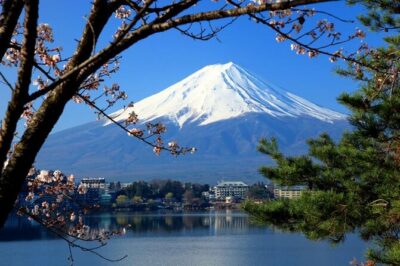
Mt Fuji and Hakone 1-Day Bus Tour Return by Bullet Train
Read our review →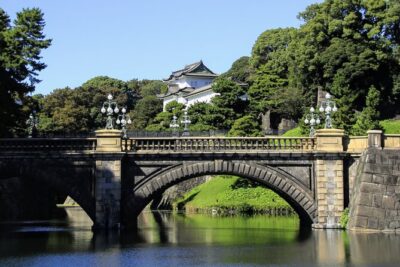
Peaceful Hiroshima & Miyajima UNESCO 1 Day Bus Tour
Read our review →
Tokyo Mt Fuji 5th St & Hakone Cruise Bus Tour w/Bullet Train
Read our review →

Meiji Shrine, Asakusa, Skytree Bus Tour and Cruise
Read our review →
Kyoto/Osaka: Nara, Fushimi Inari Taisha, Arashiyama Bus Tour
Read our review →Browse the lists this tour appears in