
Reviewed · TOURS IN KANAZAWA
Kanazawa Historic Brewery: Fermentation Tour, Tasting, Lunch
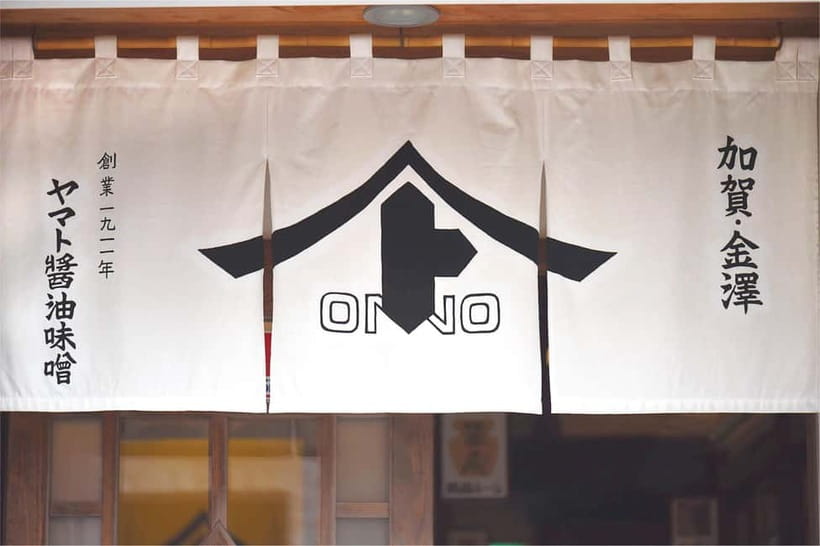
Kanazawa’s most unusual food experience begins with a humble mold. At Yamato Soy Sauce & Miso, founded in 1911, you learn how koji turns rice and soybeans into miso, soy sauce, amazake, and other staples of Japanese cooking. I like the hands-on miso soup session and the generous fermented-food lunch, where the lesson moves from your head to your plate. I also like the warm, personal guiding from fourth-generation owner Yamamoto and his wife, Yukiko.
The main drawback is the location. Oonomachi is about 30 minutes by bus from Kanazawa Station, and the route takes some planning. The tour also shows you the historic factory grounds and exterior, not the rooms where miso and soy sauce are actively produced. For a food-minded visitor, that trade-off is still worthwhile, but you should know what you are booking.
What makes this Kanazawa food tour special
- A 1911 brewery with a real family connection: Yamato Soy Sauce & Miso has been making fermented foods for more than a century.
- Koji explained in plain language: You learn why this mold is central to miso, soy sauce, sake, and other Japanese foods.
- Two miso pastes, aged six to twelve months: Making your own soup lets you compare young and more mature flavors.
- A full fermented-food lunch: Koji appears in the salad, soup, main course, and other parts of the meal.
- Two flavored doburoku tastings: Try cloudy fermented rice drinks flavored with yuzu and black currant.
- A small group with English guiding: The group is limited to eight, and Yukiko and Yamamoto can explain the process in English.
Why Oonomachi matters to Kanazawa’s food culture
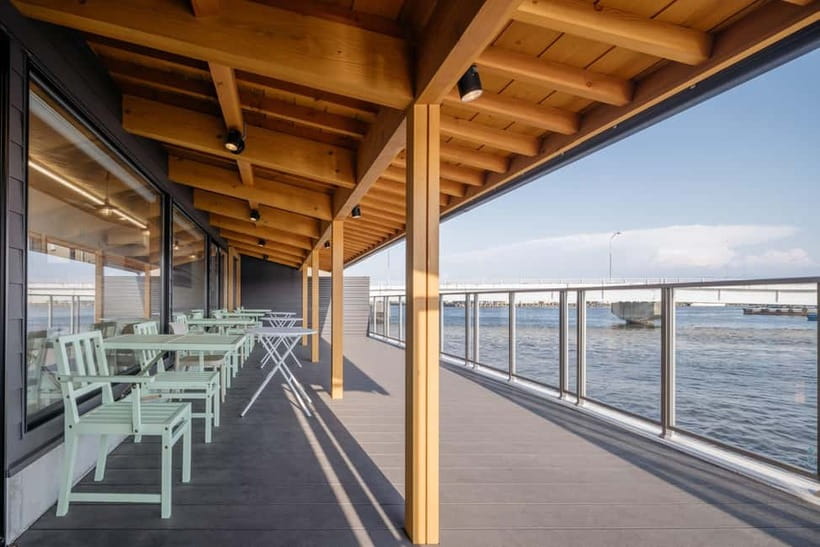
Yamato sits in Oonomachi, a historic port area known since the Edo period as one of Japan’s leading soy sauce-producing regions. That setting gives the experience more weight than a simple tasting counter in central Kanazawa. You are visiting a place where waterways, port trade, storage buildings, and food production have shaped local life for generations.
The Koji Park complex combines working food businesses, historic buildings, shops, and places to eat. Look for the red brick boiler, the tall chimney, and the old wooden storehouses that now serve as production spaces and retail areas. The buildings are attractive without feeling staged, and the distant Hakusan and Tateyama mountain ranges add a pleasant backdrop on a clear day.
I like this first part because it gives you a sense of place before the technical talk begins. You are not only learning how koji works in a jar. You are seeing the setting where soy sauce and miso became part of Kanazawa’s identity.
The guided portion does not take you inside the factory rooms where the actual miso and soy sauce production happens. Instead, the guide explains the history and points out the exterior and adapted buildings. If you want to see the active production process, the company provides video material, but this is not a factory-floor tour.
Other experiences people book in Kanazawa:
- World Heritage Shirakawa-go and Experience Tours from Kanazawa
★ 5.0 · 4,049 reviews - Kanazawa: Kenrokuen Tea Ceremony Experience
★ 4.8 · 1,139 reviews - Kanazawa Half Day Tour (Private Guide)
★ 5.0 · 361 reviews
Meeting Yamamoto and Yukiko at Koji Park
The personal tone is one of the strongest parts of this experience. Fourth-generation owner Yamamoto sometimes leads the tour himself, while Yukiko has guided visitors in English and is described as warm, clear, and good-humored. That family connection helps the history feel less like a museum script and more like a conversation about a business that has been passed down.
The English guiding matters here because fermentation can become technical very quickly. You will hear about koji, yeast, lactic acid bacteria, aging, and gut health. The explanations are designed for people who may know little about Japanese fermentation, so you do not need a background in food science.
The group size is limited to eight. That is small enough for questions and personal attention, especially during the soup-making and tasting portions. It also means the experience can feel quite intimate when the group is smaller. Several elements, including the lunch, take place in a private area rather than a large communal dining room.
The Koji Park talk from 12:00 to 12:30
The formal program begins with a 30-minute tour and talk. The central question is simple: what is koji, and why does it matter so much in Japanese food?
Koji is a mold cultivated on grains such as rice. It helps break down starches and proteins, creating the sugars and flavors needed for foods such as miso, soy sauce, amazake, and sake. The talk connects this process to items you may already have tasted in Japan without knowing how they were made.
You learn three broad ideas:
- What koji is
- How fermentation changes ingredients
- How fermented foods are connected with intestinal health
The gut-health discussion is part of the experience, but it should be treated as food culture rather than a medical consultation. You get an introduction to the role fermented foods play in Japanese cooking and daily meals, not a personal health assessment.
The outdoor portion can be canceled if the weather is poor. On a good day, the exterior walk helps you understand the old buildings and the relationship between the brewery and its surroundings. On a wet or windy day, the indoor explanations and tastings still carry most of the value.
Making miso soup with two different pastes
From 12:30 to 13:00, you make miso soup using two miso pastes aged for different lengths of time, from six to twelve months. Ingredients and utensils are included, so you do not need to bring anything.
This is a small activity, but it is one of the smartest parts of the program. Miso can seem like a single category until you taste versions with different ages side by side. You begin to notice changes in salt, sweetness, depth, and aroma. The exact result depends on how much paste you use and how you balance the soup, which gives you a useful lesson for cooking at home.
I especially like this section for first-time visitors to Japan. You do not simply sample a finished product and move on. You compare two miso styles and make a choice based on your own taste. The lesson is simple enough to remember after you return home.
This also gives you a practical souvenir idea. The on-site showroom sells miso, soy sauce, and other products, so you can look for ingredients that match the flavors you preferred. The facility also sells beauty products, including items connected with fermented ingredients.
Same base, a different sort of day:
- Kanazawa Full Day Tour (Private Guide)
★ 5.0 · 323 reviews - [One-day bus tour departing from Kanazawa Station] Shirakawa-go and Gokayama – Two World Heritage Villages Enjoyable Bus Tour
★ 5.0 · 253 reviews - 1 Day Private Charter Tour to Shirakawa-go & Takayama
★ 4.5 · 253 reviews - World Heritage Shirakawa-go Perfect Guided Tour from Kanazawa
★ 5.0 · 220 reviews
A koji-focused lunch from 13:00 to 14:00
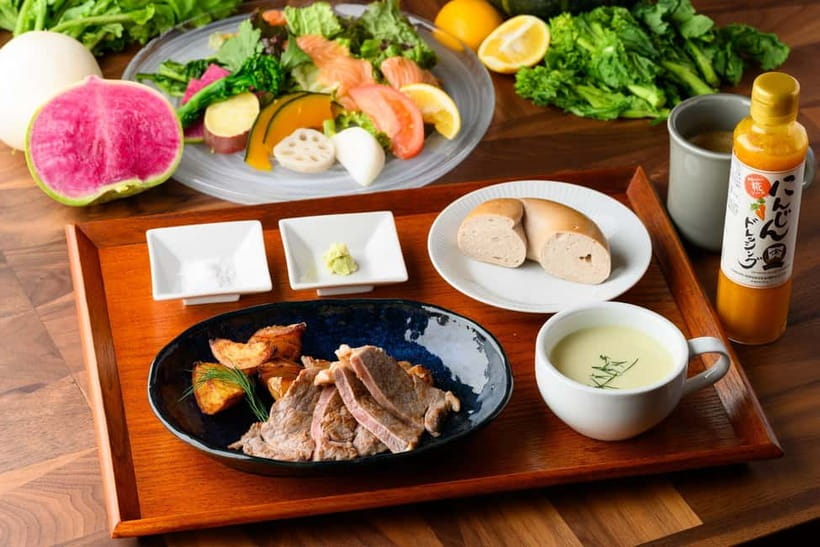
The one-hour lunch is the largest part of the experience, and it makes the earlier explanations easier to understand. The standard meal is a koji beef steak lunch course, though the full meal includes more than the steak.
The food may include fermented ingredients across several courses and side dishes. Previous meals have featured salad, soup, steak, bagel, koji salt, amazake, and other products from the facility. The point is not to overwhelm you with one dramatic dish. It is to show how fermentation can appear in small amounts across an entire meal.
You may notice a gentle sweetness, a fuller savory taste, or a softer balance in sauces and seasonings. Koji often works behind the scenes, so this meal gives you a chance to compare the overall effect rather than tasting an isolated spoonful.
The portions are described as generous, which is useful to know if you have scheduled another substantial meal soon afterward. Lunch is included in the $77 price, along with the talk, soup activity, and doburoku tasting. For Kanazawa, where individual food experiences can add up quickly, the package offers solid value if you enjoy both instruction and a full meal.
Dietary restrictions should be sent by email after booking. Do not wait until the lunch begins, since the default course is the beef steak lunch.
Doburoku with yuzu and black currant
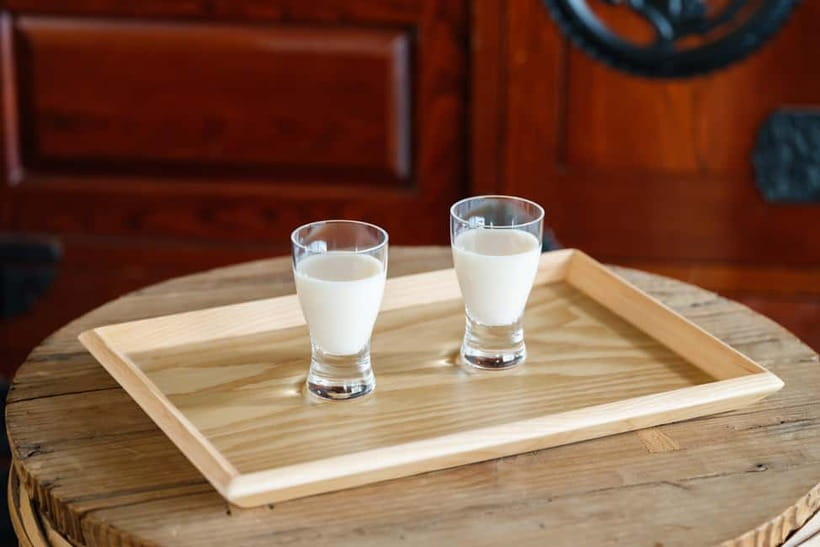
The final scheduled part runs from 14:00 to 14:30. You taste two types of doburoku, a cloudy fermented rice beverage that contains koji, yeast, and lactic acid bacteria.
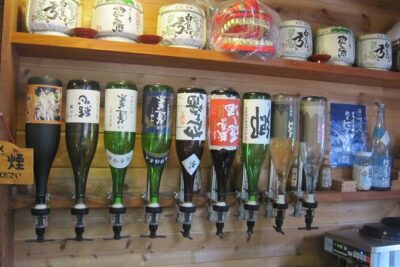
Doburoku is different from the clear sake commonly served in restaurants. It is unfiltered, so it keeps a cloudy, fuller appearance and a more textured impression. The versions served here are flavored craft drinks: one with yuzu and one with black currant.
The flavors make the tasting approachable. Yuzu gives a bright citrus note, while black currant brings a darker fruit character. Both are described as easy to drink, but they are still alcoholic beverages. The program is limited to people aged 20 and over, in line with the drinking age in Japan.
This tasting works best as a final lesson in fermentation. You have already seen koji in miso, tasted it in the lunch, and now encounter it in a rice-based drink. The gentle buzz is part of the experience, so plan your return trip sensibly and do not schedule a demanding activity immediately afterward.
Shopping, cheesecake, and soy sauce ice cream
You can continue browsing at Koji Park after the formal 150-minute program ends. The product showroom is useful if you want to take home miso, soy sauce, amazake, sake, or other fermented ingredients.
The food shopping is not limited to savory items. The complex also offers cheesecake, pudding, and soy sauce ice cream. The ice cream is the kind of unusual Kanazawa taste that makes a good final stop, especially if you are curious about how a salty, fermented seasoning works in a sweet dish.
I would leave some extra time for the shop rather than treating it as an afterthought. Some visitors have needed additional time to hear about the products after lunch, and the staff are happy to explain what you are buying. The showroom also gives you a chance to purchase beauty products and other items beyond cooking ingredients.
Getting there from Kanazawa Station
Koji Park is at 4-I-170 Oonomachi, Kanazawa, Ishikawa 920-0331. The meeting point is Hishiho-Gura, the product showroom.
By bus, walk about three minutes from Kanazawa Station’s West Exit to the Nakabashi bus stop under the Nakabashi overpass. Take Hokutetsu Bus Line 61 toward Ono. The ride takes about 30 minutes, and Ono is the final stop. From there, walk three to eight minutes toward Minato Bridge.
For the return, take Line 34 from Ono toward Takao or Kanazawa Institute of Technology. Get off at Nakabashi to return to Kanazawa Station. Bus times can change, so check the current Hokutetsu timetable before setting out.
A taxi is the simpler option if you are short on time or traveling with luggage. The bus is practical, but the stop and return route require attention. This is the one part of the experience I would plan carefully instead of leaving to chance.
The location is about 15 minutes by car from Kanazawa Station, while the bus takes closer to 30 minutes. Allow extra time to find the meeting point and avoid arriving just as the tour begins.
Who will get the most from this experience
I would choose this tour if you like understanding what you eat. It suits visitors who enjoy food history, local businesses, cooking lessons, and small tastings more than fast sightseeing from one famous landmark to another.
It is also a good choice for people who have already seen Kanazawa’s main temples, gardens, and samurai districts and want another side of the city. Oonomachi gives you a look at port-side food production and a family business that has continued for four generations.
The experience suits adults who are comfortable with a full lunch and alcohol tasting. It is not suitable for anyone under 20. It may be less appealing if you want to enter an active factory, watch large-scale production, or spend the entire time sampling sake.
The small group is helpful for solo visitors and couples who want to ask questions. English and Japanese guiding are available, and the English explanations are clear enough for the science and food terms to make sense.
Is $77 a fair price?
At $77 per person, the value depends on what you want from a food outing. You are paying for more than a sample tray. The price includes the guided Koji Park tour, the fermentation talk, ingredients and utensils for making miso soup, a full lunch, and two doburoku tastings.
The strongest value comes from the combination. A short factory talk alone would not justify the price for me, but the hands-on soup session and substantial lunch make the experience feel like a complete half-day outing. You also get access to a historic site and a guide who can connect the products to Japanese food culture.
The cost is less attractive if you do not drink alcohol, have major dietary restrictions, or are mainly interested in seeing the production rooms. The tour can adjust for dietary restrictions if you contact the provider after booking, but you should confirm your needs in advance.
Free cancellation is available up to 24 hours before the activity, and you can reserve now and pay later. Those options help if your Kanazawa schedule is still changing.
Should you book the Yamato fermentation tour?
I would book this experience if you want a friendly, food-centered look at Kanazawa beyond the usual sights. The best parts are the clear explanation of koji, the two-miso comparison, the generous lunch, and the chance to meet people tied directly to the brewery’s history.
Book it with realistic expectations. You will tour the exterior and historic grounds, not the active factory rooms. You will also need to plan the bus journey or budget for a taxi.
For an adult interested in Japanese cooking, fermentation, and local family businesses, the combination of learning, tasting, and personal guiding is hard to match in central Kanazawa. Leave room after the tour for the showroom, cheesecake, pudding, or soy sauce ice cream, and this becomes a satisfying food outing rather than only a lecture.
FAQ
How long does the Kanazawa fermentation tour last?
The experience lasts 150 minutes, or two and a half hours. The scheduled parts run from 12:00 to 14:30.
What is included in the price?
The price includes the Koji Park tour and talk, miso soup making and tasting with ingredients and utensil rental, the fermented-food lunch, and tasting of two types of doburoku.
Is the tour available in English?
Yes. Live guiding is available in English and Japanese. The group is limited to eight participants.
What food is served for lunch?
The standard meal is a koji beef steak lunch course. Koji and other fermented ingredients are used throughout the meal. Send dietary restrictions by email after booking.
Does the tour enter the working miso and soy sauce factory?
No. The experience covers the exterior of the factory and the historic site. It does not enter the rooms where miso and soy sauce are actively produced.
How do I reach Koji Park from Kanazawa Station?
Walk to the Nakabashi bus stop near the West Exit and take Hokutetsu Bus Line 61 toward Ono. Get off at the final stop, Ono, then walk three to eight minutes toward Minato Bridge.
Is doburoku included, and can children join?
Two doburoku tastings are included, featuring yuzu and black currant flavors. The activity is not suitable for people under 20.
Just added in Kanazawa
- Kanazawa: Sushi & Japanese Cooking Class at a Historic School★ 5.0 · 66 reviews
- Taste of Kanazawa (Food tasting in Omicho Market & Higashi Chaya)★ 5.0 · 58 reviews
- Takayama and Shirakawago/Photoshoot by professional photographer★ 5.0 · 67 reviews
- Kanazawa private 1 day/Photoshoot by professional photographer★ 5.0 · 33 reviews
- Photoshoot session by professional photographer in Kanazawa★ 5.0 · 42 reviews
- Private Tour of Shirakawago and Gokayama from Kanazawa★ 5.0 · 50 reviews
- Shirakawago & Kanazawa from Kanazawa★ 5.0 · 51 reviews
- Private Tour of Shirakawago from Kanazawa (Half Day)★ 5.0 · 24 reviews
Tours in Kanazawa, compared.
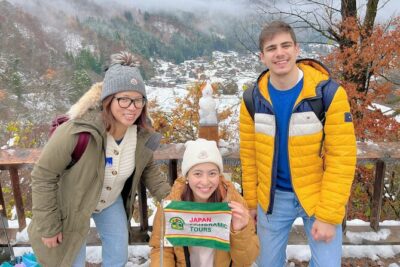
World Heritage Shirakawa-go and Experience Tours from Kanazawa
Read our review →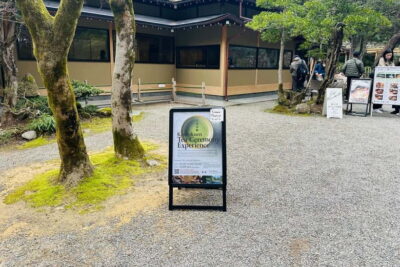

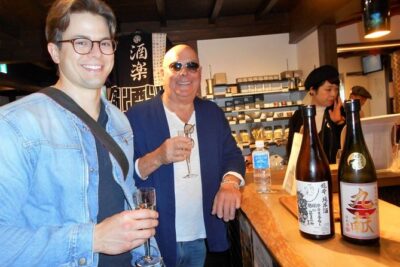
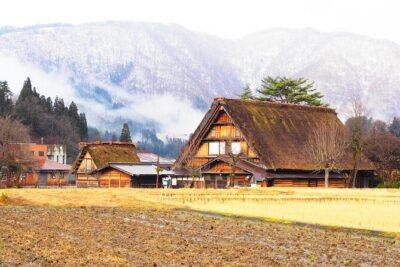
[One-day bus tour departing from Kanazawa Station] Shirakawa-go and Gokayama – Two World Heritage Villages Enjoyable Bus Tour
Read our review →
World Heritage Shirakawa-go Perfect Guided Tour from Kanazawa
Read our review →
Browse the lists this tour appears in