
Reviewed · TEA CEREMONY EXPERIENCES
Kanazawa: Kenrokuen Tea Ceremony Experience
The best part of this one-hour tea ceremony is that you do not only watch. A tea master demonstrates the formal process, an English-speaking guide explains the gestures and customs, and you then whisk your own matcha. It is a compact introduction to a tradition that can otherwise take several hours.
I like the setting in historic Kenrokutei, where the Maeda lords once received important visitors. I also like the balance between quiet observation and hands-on practice, with traditional wagashi sweets served alongside the tea. The main drawback is practical: the tea room does not look out over Kenrokuen, and you must pay the garden’s 320-yen admission separately.
Key points to know before booking
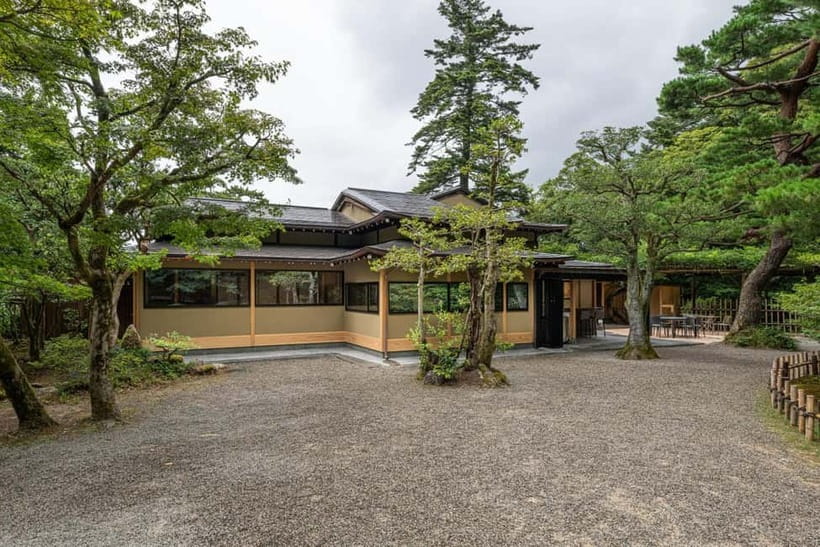
- Historic setting: Meet at Kenrokutei, once used by the Maeda family to entertain important guests.
- Watch, then participate: A tea master prepares matcha before you try making your own.
- English guidance: The process, etiquette, history, and meaning behind the movements are explained in English.
- Wagashi pairing: Traditional sweets from established Japanese confectioners help balance the strong matcha.
- Allow extra time: The one-hour activity takes place inside Kenrokuen, so plan time to see the garden before or after.
- Check the age rule: The information gives both a minimum age of 7 and a restriction against children under 8, so confirm the rule before booking.
A calm introduction to Japanese tea culture
A tea ceremony can feel mysterious if you only see it from across a room. Every movement looks deliberate, but without explanation it is hard to know what you are watching. This experience solves that problem with clear English instruction and a chance to take part yourself.
The session is a shortened, visitor-friendly version of a formal tea ceremony. That matters because a full ceremony can last three to four hours. Here, you get the central ideas in about one hour: respect for the room, careful preparation, the role of the host, proper behavior, the matcha itself, and the seasonal sweet served with it.
I would not book this expecting a private spiritual retreat or a full-length school of tea ceremony. Other groups may attend at the same time, and the format is designed to keep everyone involved without making the session too long. Still, the structure gives you enough time to watch closely, ask questions, and try the method yourself.
The activity takes place in a formal tea room away from outside views. That creates a quiet room for the ritual, but it also means you will not sip tea while looking at Kenrokuen’s ponds or trees. Treat the garden and the ceremony as two connected parts of your visit rather than expecting the room itself to provide a garden view.
Other tea rooms and ceremonies in Japan:
- Kyoto: Tea Ceremony in a Traditional Tea House in Kiyomizu
★ 4.9 · 3,519 reviews - Kyoto: Tea Ceremony Ju-An at Jotokuji Temple
★ 4.9 · 3,207 reviews - Kyoto: 45-Minute Tea Ceremony Lesson Experience
★ 4.3 · 2,378 reviews
Finding Kenrokutei inside Kenrokuen
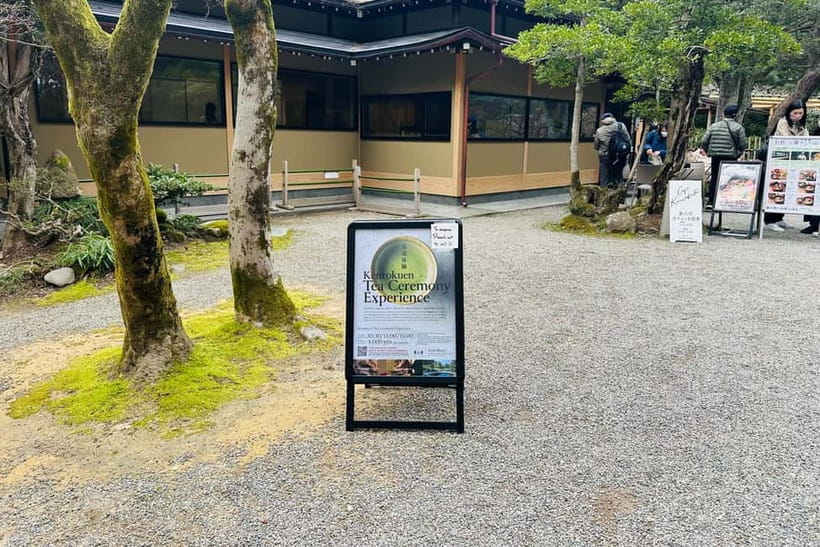
Your meeting point is in front of the fountain inside Kenrokuen Garden. Kenrokutei is the shop and historic building used for the activity. Read the tea ceremony signboard near the site for the clearest directions once you enter.
You need to buy admission to Kenrokuen separately. The listed price is 320 yen, and the tea ceremony ticket does not cover it. This is easy to overlook when comparing the $35 activity price, so include the garden ticket in your budget.
The extra fee is not just a doorway charge. Kenrokuen is one of Kanazawa’s main sights, and the ticket lets you spend time in the garden before or after the ceremony. I would arrive early enough to get oriented, find the fountain, and enjoy some of the garden instead of rushing straight to the meeting point.
The location also makes this a useful choice for a busy Kanazawa day. You can combine a major garden visit with a cultural activity in the same place. That saves a separate trip and gives the ceremony a stronger sense of place than a generic matcha demonstration in a hotel or shopping arcade.
What happens during the one-hour session
The session begins with an explanation of Kenrokutei and its place in local history. The Maeda lords used the site to entertain important visitors, so the room gives you a direct link to Kanazawa’s former ruling family and the formal culture of the city.
Next, the guide introduces the way of tea. You learn how to behave in the room, how to follow the ceremony, and why the host performs each part with care. The English explanations are an important part of the activity. Guides have been praised for explaining the ritual before, during, and after the demonstration, rather than leaving you to guess what each gesture means.
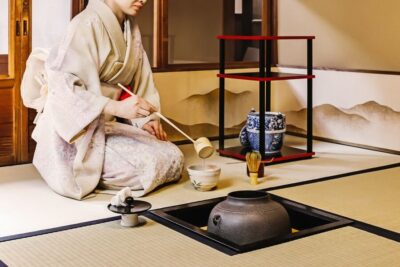
A tea master then performs the ceremony. Watch the order of the movements and the quiet attention given to the bowl, whisk, tea, and sweets. The appeal is not speed or spectacle. It is the precision of ordinary actions performed in a set order.
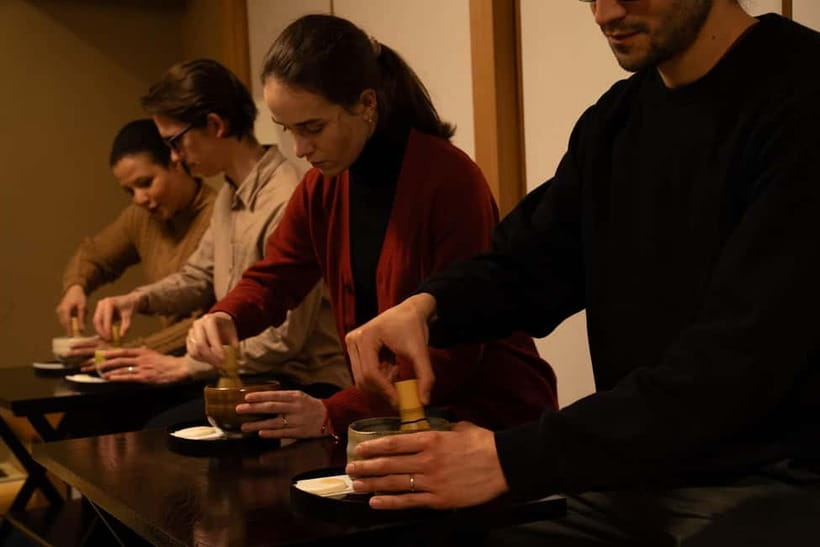
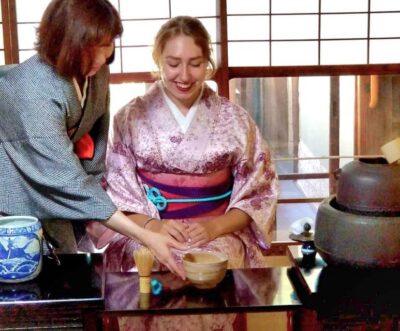
You will then receive help making your own matcha. This is where the experience becomes more than a short demonstration. Whisking the tea looks simple, but producing a smooth, well-mixed bowl takes some practice. You can ask questions and receive guidance as you work.
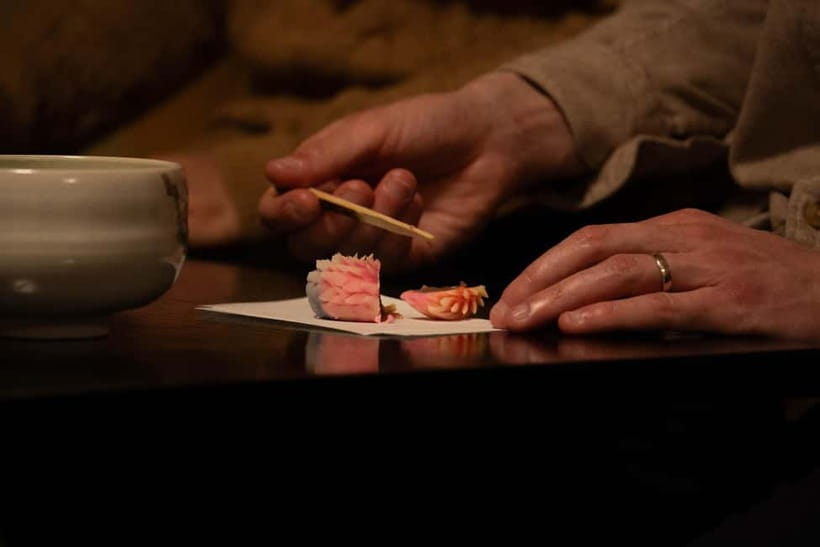
Finally, you drink the matcha and eat the wagashi. The sweet is served for a reason: traditional Japanese sweets soften the bitterness of matcha and prepare your palate for the tea. The pairing also gives you a small taste of Japanese confectionery, not just a cup of green tea.
Why the wagashi and matcha pairing matters
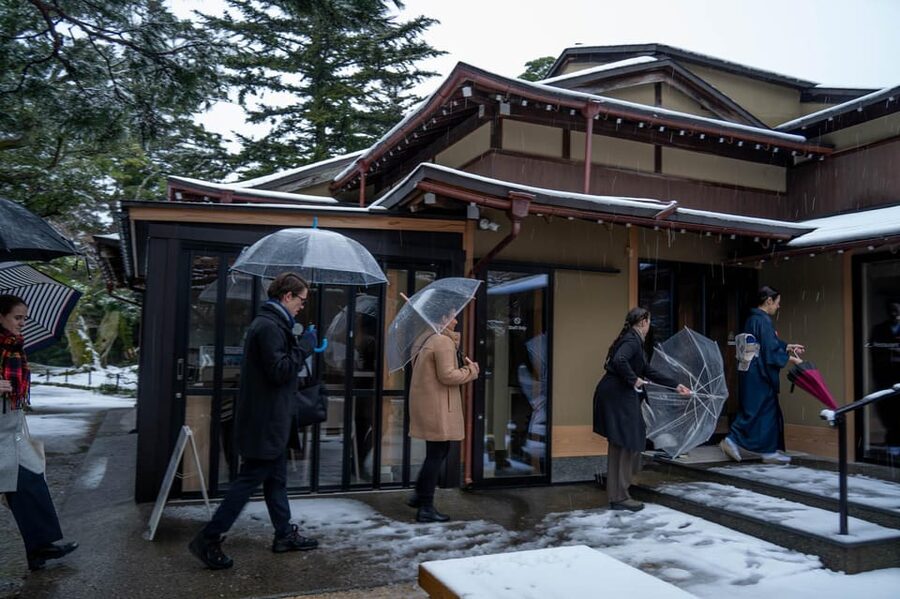
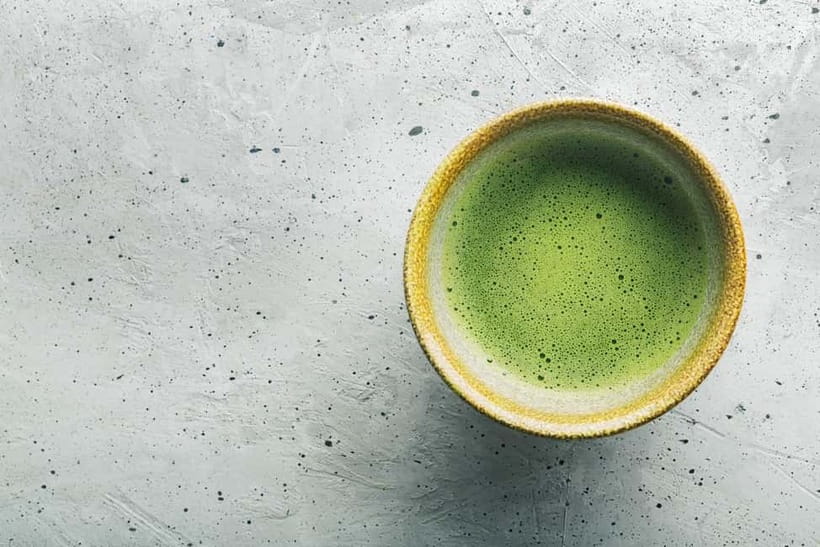
Matcha can surprise first-time drinkers. It has a concentrated, grassy flavor and can taste bitter if you expect ordinary brewed green tea. The wagashi provides a sweet contrast, making the tea easier to appreciate.
The sweets come from traditional confectionery shops, including established local makers. The exact selection may vary, but the point is consistent: you are tasting a small piece of Japanese food culture alongside the tea rather than receiving a standard snack.
Several people who enjoyed the activity also singled out the matcha itself as especially good. That is a subjective judgment, of course, but it reflects the care taken with the preparation and serving. I would still keep your expectations sensible. If you dislike green tea or sweet bean-based confections, the food pairing may be less appealing than the cultural lesson.
You receive sweets before drinking the tea, and the ceremony may include more than one taste of traditional confectionery. This gives you time to notice how the sweet changes the flavor of the matcha. It is a small detail, but it makes the session feel more considered.
Same base, a different sort of day:
- Mt Fuji and Hakone 1-Day Bus Tour Return by Bullet Train
★ 5.0 · 26,383 reviews - 1-Day Tokyo Bus Tour
★ 5.0 · 14,250 reviews - PERFECT KYOTO 1-Day Bus Tour
★ 5.0 · 13,518 reviews - Tokyo: TOKYO SKYTREE® Admission ticket
★ 4.5 · 11,192 reviews
The English explanations are the real value
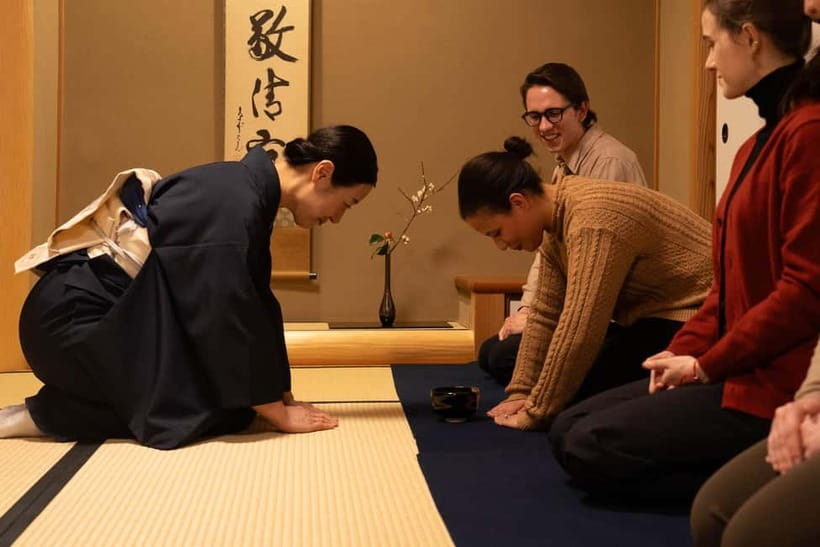
The $35 price is fair if you want context rather than a quick cup of matcha. You are paying for a guided cultural lesson in a historic setting, with a demonstration, sweets, your own tea-making attempt, and a photograph included.
The English-speaking guide explains both the practical rules and the ideas behind them. You learn where to sit, how to respond, and how to follow the host’s actions without worrying about making a mistake. That removes much of the nervousness that can come with attending a formal Japanese event.
Past sessions have included guides named Nana and Océane, along with other English-speaking hosts. The guide may vary by booking time. The important point is that the format pairs the tea master’s demonstration with a host who can explain the ceremony clearly.
The strongest sessions allow time for questions without turning the ceremony into a lecture. The available information suggests that this is a regular strength of the experience. Guides have been described as patient, friendly, and clear, with explanations of the historical background and the meaning of individual gestures.
One practical note: if you need translation from English into another language, arrange a private booking by contacting the provider. The standard session is conducted in English, and the activity asks participants to help keep the room quiet for everyone.
Sitting on the floor and other practical details
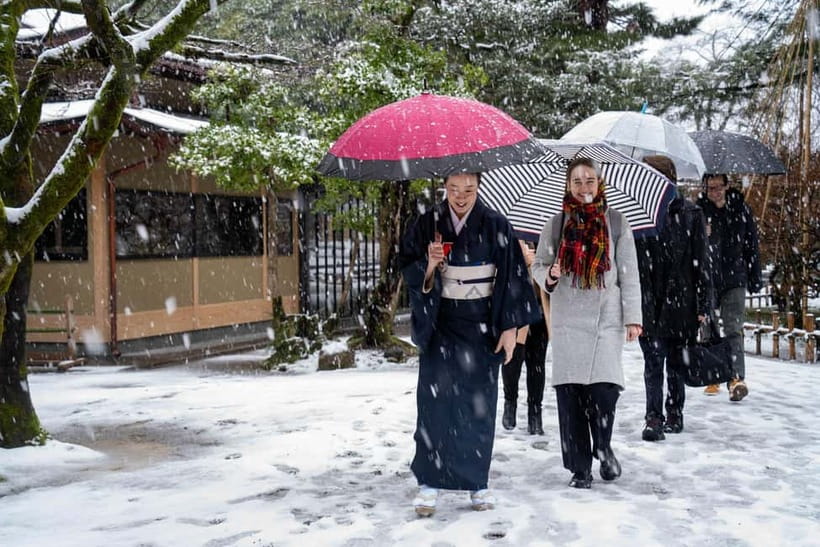
The formal tea room uses floor mats, so you may be expected to sit in the traditional position. You can request a chair if kneeling or sitting on the floor is difficult. Mention this when arranging the activity or tell the staff as soon as you arrive.
The activity is intended for children old enough to remain quiet and follow the ceremony. The information gives two slightly different age statements: one says participants must be at least 7, while another says children under 8 are not suitable. If you are traveling with a 7-year-old, confirm the exact rule before paying.
Arrive on time. If you are more than 10 minutes late after the scheduled start, the reservation may be canceled. This is especially important because Kenrokuen is large enough to make a last-minute search for Kenrokutei stressful.
Photography is allowed, which is useful for remembering the setting and your own tea-making attempt. Use common sense during the formal demonstration and follow any directions from the staff about when to take pictures. The quiet of the room is part of the experience.
The activity runs with other groups at the same time. That makes the $35 price possible and means you should not expect a completely private ceremony. It also explains the request for quiet and the warning that private translation arrangements are better for anyone who needs extended language help.
How to plan the garden with the ceremony
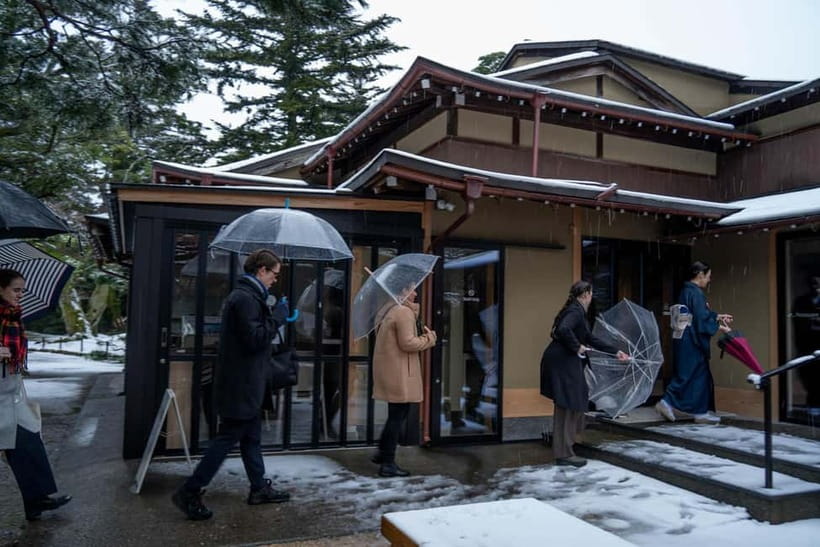
I would schedule the tea ceremony during a broader visit to Kenrokuen rather than making it your only reason to enter the garden. The tea room itself does not show the garden, so give yourself time to walk outside.
You can visit Kenrokuen first, arrive at Kenrokutei with a little spare time, and then return to the paths afterward. Or you can attend the ceremony early and spend the rest of your garden admission time walking at your own pace. Either plan works because the garden ticket is separate and the ceremony lasts only an hour.
The setting is especially appealing in changing weather. One session took place during snowfall, which gave the occasion a particularly quiet feel. Do not count on snow, of course, but the garden location adds seasonal character even when the tea room itself is closed off from outside views.
The garden’s beauty also helps frame the ceremony. You first see the broad public setting of Kenrokuen, then step into a controlled room where attention narrows to the bowl, whisk, sweet, and host. That change of pace is one of the best reasons to schedule the activity during a garden visit.
Who will get the most from this experience
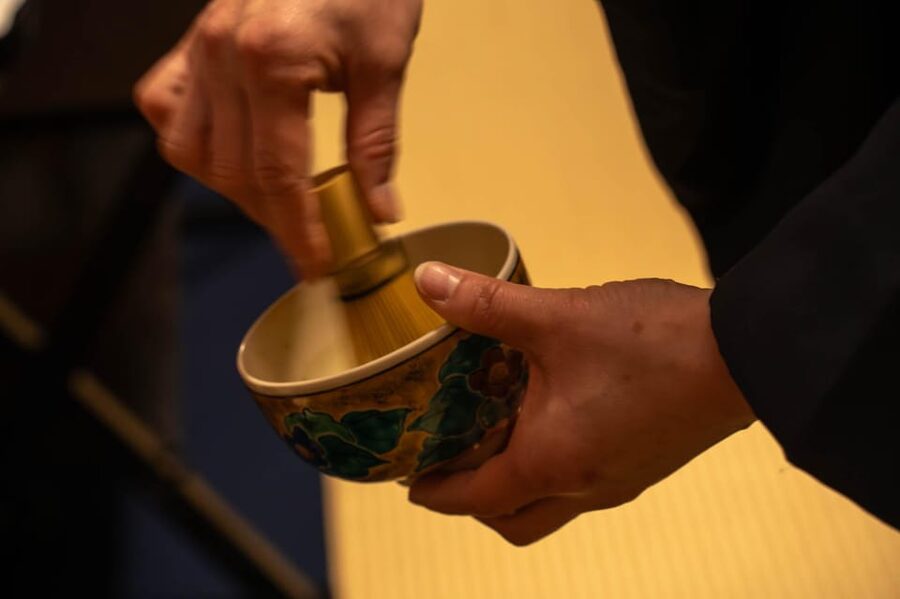
This is a strong choice for first-time matcha drinkers, visitors curious about Japanese customs, and anyone who prefers a guided activity over simply watching a performance. You do not need previous knowledge, and the demonstrations make the rules easy to follow.
It also suits couples, small family groups with children who meet the age requirement, and solo visitors who want a structured cultural experience in Kanazawa. The one-hour length fits neatly between sightseeing stops.
You may want something else if you already study tea ceremony or want a full formal practice lasting several hours. This is a visitor version, not an advanced lesson. It gives you an authentic look at the form and meaning of tea ceremony while keeping the pace practical for a sightseeing day.
It may also be a poor fit if you dislike sitting quietly, sharing a room with other groups, or following formal instructions. The ceremony is designed around calm attention. It is not a loud, casual tasting session.
Should you book the Kenrokuen tea ceremony?
I would book this if you want a short, well-explained introduction to Japanese tea culture and you are already planning to visit Kenrokuen. The combination of historic Kenrokutei, an actual tea master’s demonstration, English instruction, wagashi, and hands-on matcha preparation gives you more than a simple tea tasting.
The separate 320-yen garden admission is a small extra cost, but it is easy to justify because Kenrokuen is worth seeing on its own. Just remember that the tea room does not face the garden, and plan time outside before or after the session.
Check the age rule carefully, arrive early, and request a chair if needed. If those details suit your plans, this is a thoughtful way to slow down in Kanazawa and leave with a better understanding of why Japanese tea ceremony depends so much on care, timing, and attention.
FAQ
How long does the Kenrokuen tea ceremony experience last?
The activity lasts one hour.
How much does the tea ceremony cost?
The listed price is $35 per person.
Is admission to Kenrokuen Garden included?
No. You must pay the Kenrokuen Garden entrance fee separately. The listed garden admission is 320 yen.
Where do I meet the guide?
Meet in front of the fountain inside Kenrokuen Garden, near Kenrokutei. Read the tea ceremony signboard for additional entrance information.
Is the experience conducted in English?
Yes. The standard activity includes an English-speaking instructor. If you need translation from English into another language, arrange a private reservation in advance.
Can I sit on a chair instead of the floor?
Yes. You can request a chair if sitting or kneeling on the floor is difficult.
Can children join the ceremony?
The activity is not suitable for children under 8 according to the provided information. Another instruction says participants must be at least 7, so confirm the precise age rule with the provider if you are booking for a 7-year-old.
Just added in Japan
- 1 Day Tour: Snow Monkeys & Snow Fun in Shiga Kogen★ 5.0 · 52 reviews
- Tokyo: Best Price Daikoku Parking Area JDM Car Meet★ 4.9 · 192 reviews
- Matsumoto Discovery – Half Day Walking Tour★ 5.0 · 43 reviews
- Fukuoka Your Way: 100% Customisable Private Tour with Local Guide★ 5.0 · 83 reviews
- Nagasaki Full-Day Private Tour with Government-Licensed Guide★ 5.0 · 66 reviews
- From Matsumoto/Nagano: Nakasendo Trail Walking Tour★ 4.9 · 33 reviews
- Private Fukuoka Tour with a Local, Highlights & Hidden Gems 100% Personalised★ 5.0 · 143 reviews
- Visit Gunkanjima Island (Battleship Island) in Nagasaki★ 4.0 · 32 reviews
Tea Ceremony Experiences, compared.
Tea Ceremony in a Traditional Tea House in Kiyomizu
Read our review →
World Heritage Kyoto & Nara Uji Authentic Matcha Experience
Read our review →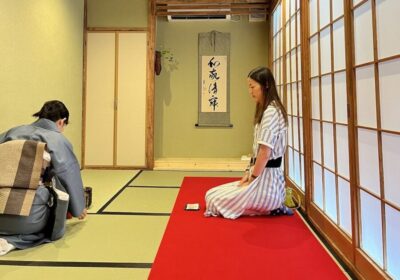
Arashiyama Bamboo Forest, Monkeys, Matcha & Temple Tour
Read our review →Browse the lists this tour appears in