
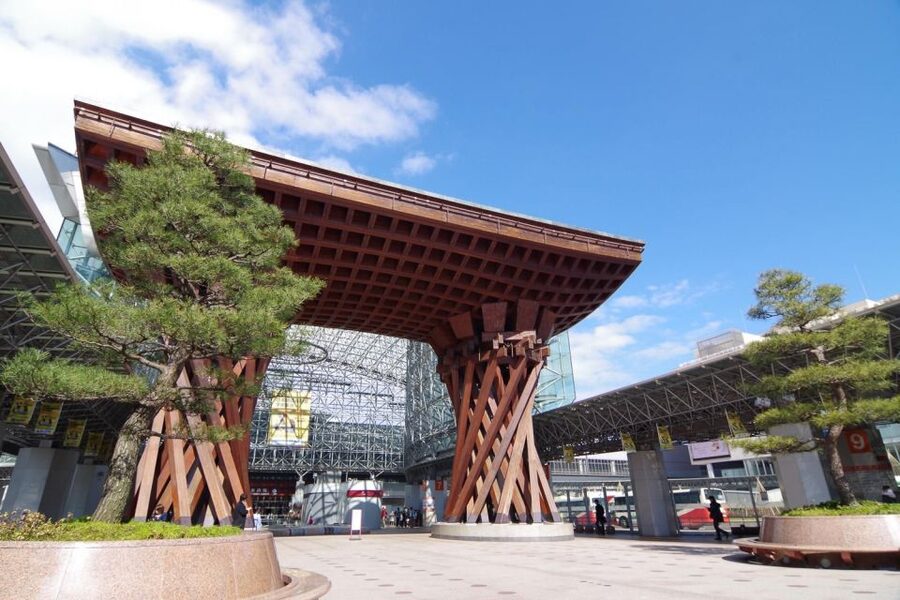
Reviewed · TOURS IN KANAZAWA
Kanazawa: Private Tour with Local Guide
Kanazawa is at its best when someone helps you connect the dots. This private walking tour links the city’s grand garden, rebuilt castle, food market, Samurai districts, and teahouses while letting you set the pace. I especially like the custom route and the chance to meet at your hotel, rather than lose time finding a tour office.
I also like the guides’ practical help. Sho has helped visitors choose a bus pass, Yuki assisted when a train was canceled, and several guides adjusted routes for back pain or limited time. The main drawback is cost: at $119 per person, with food, admission fees, and transportation extra, this makes the most sense for visitors who value personal attention.
Key points at a glance
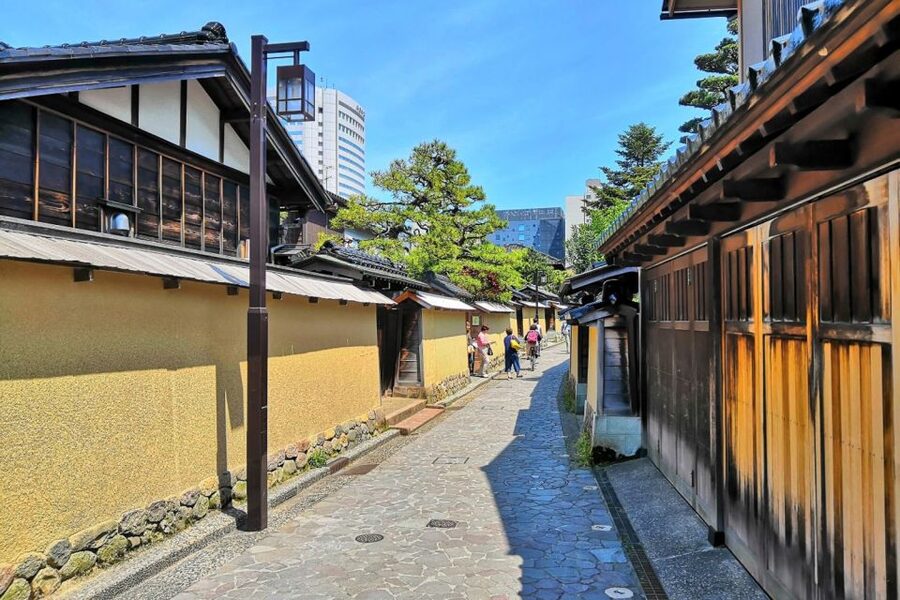
- Kenroku-en and Kanazawa Castle in one outing: See two of the city’s most important sights with context that helps you understand their design and purpose.
- A genuinely private experience: You can request the places and themes that matter most to you, or let the guide plan the day.
- Strong guide feedback: Yoshi, Sachi, Sho, Tomoko, Junko, Kako, Yuki, and others are praised for clear English, punctuality, patience, and local knowledge.
- Smart use of city buses: The tour is mainly on foot, but buses can be arranged during the day at your own cost, helping you cover more ground.
- A useful food stop: Omicho Market gives you a chance to see Kanazawa’s fresh seafood and local produce, with lunch paid separately.
- Good for changing plans: The tour runs in rain or snow, and guides can adapt for weather, mobility concerns, time limits, and personal interests.
Why a private tour works well in Kanazawa
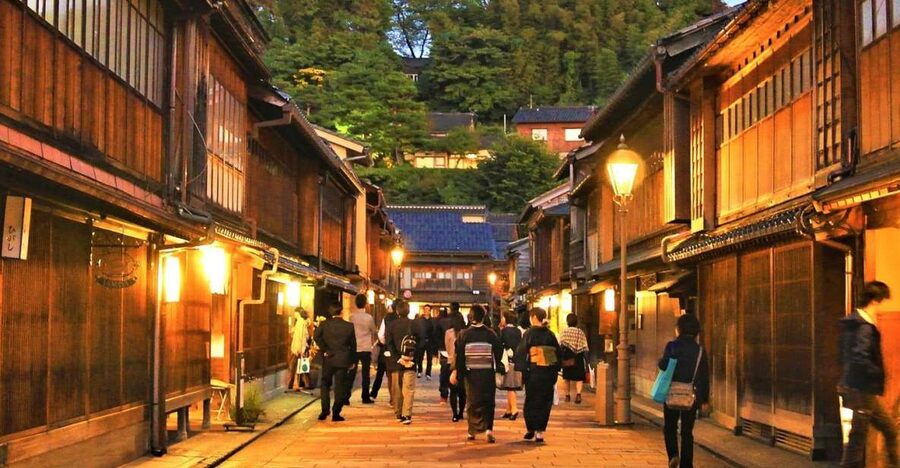
Kanazawa rewards a slower look. Its main sights are not gathered into one compact monument complex, and the city’s appeal comes from the connections between them. A garden reflects feudal taste. A castle shows careful reconstruction. A market explains local food. A teahouse district reveals how entertainment and craft shaped the city.
That is where a private guide earns the fee. You can ask why a garden is arranged in a certain way, how the castle buildings were rebuilt, or what makes Kaga crafts different from other Japanese traditions. You are not tied to a fixed group pace, so a question can lead to a longer stop or an unplanned local shop.
The private format is especially useful if you have only one day in Kanazawa. A four-hour tour can cover a focused set of sights. The six-hour version gives you a better chance of fitting in the garden, castle, market, and Chaya district without rushing every stop.
You are matched with an English or Japanese-speaking licensed local guide. Names that appear in the experience include Yoshi, Sachi, Sho, Tomoko, Junko, Kako, Yuki, Yumiko, and Masayo. The guide you receive is not guaranteed, but the feedback points to a consistently personal style: punctual hotel pickup, clear explanations, patience, and willingness to reshape the day.
Other experiences people book in Kanazawa:
- World Heritage Shirakawa-go and Experience Tours from Kanazawa
★ 5.0 · 4,049 reviews - Kanazawa: Kenrokuen Tea Ceremony Experience
★ 4.8 · 1,139 reviews - Kanazawa Half Day Tour (Private Guide)
★ 5.0 · 361 reviews
Starting at your hotel and shaping the day
Your guide waits in the hotel lobby 10 minutes before the agreed pickup time. Pickup is on foot if your accommodation is within a reasonable distance, so you should not expect a private vehicle to collect you.
Before the tour, the provider contacts you to confirm the details. The booking is not fully confirmed until your guide gets in touch, and this may happen within seven days. That extra contact is useful because you can explain your interests before the meeting rather than spend the first hour deciding what to see.
You might request gardens, Samurai culture, geisha districts, food, architecture, folk crafts, or a broad introduction to Kanazawa. If you have no firm plan, the guide can arrange the route. This is a real advantage over a rigid sightseeing circuit, though it also means you should communicate clearly about what matters most.
A four-hour tour requires choices. If you want both Kenroku-en and the Chaya district, you may have less time for the market or craft shops. The six-hour option costs more in total, but it gives the guide room to adjust when you stop for lunch, browse a store, or use a bus between areas.
Kenroku-en, a garden built for lingering
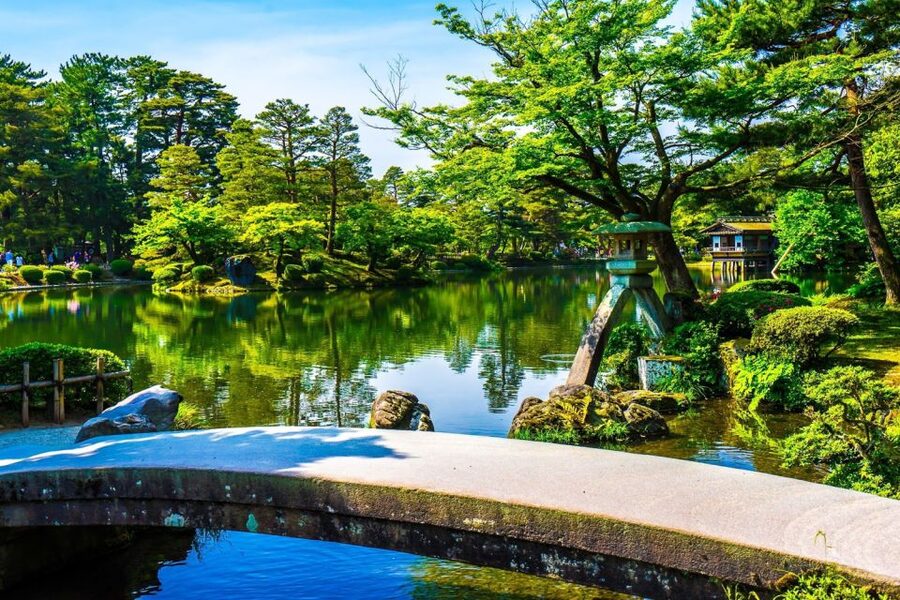
Kenroku-en is one of Japan’s Three Great Gardens, and it is the natural anchor for a first visit to Kanazawa. The garden was developed over many years by the ruling Maeda family, so it is not simply a pretty green space. Its paths, ponds, bridges, trees, and changing views reflect the tastes and resources of a powerful feudal household.
You can walk through the garden with a guide who explains what you are looking at instead of treating it as a photo stop. The setting changes with the season. Autumn color can be spectacular, while winter snow gives the garden a quieter, more sculpted appearance. One family completed this portion of the tour during a snowstorm and still found the garden a lovely experience.
That seasonal variety is a reason to keep expectations flexible. Rain and snow are part of the experience, not grounds for cancellation. Wear shoes suited to wet paths, carry cash, and bring weather protection. The tour goes ahead in rain or shine.
Kenroku-en can also be tiring if you try to cover every path. Tell your guide about mobility concerns at the start. A guide has already adjusted the pace for a visitor with back problems, and the private format makes that kind of change far easier than joining a large group.
Kanazawa Castle and the art of reconstruction
After the garden, the suggested route moves to Kanazawa Castle Park. The castle’s surviving and reconstructed buildings give you a look at the military and political center of the former Kaga domain.
Much of what you see has been rebuilt accurately in recent years. That matters because the experience is partly about reconstruction itself. Your guide can help explain which structures were restored, how traditional building methods are represented, and how the castle related to the surrounding garden and city.
The castle grounds are broad, so this is another place where timing matters. If you are taking the four-hour tour, you may need a shorter visit here if the Chaya district is a priority. On a six-hour tour, you have more room for the castle park without turning the whole day into a march.
I like having the garden and castle paired together. On your own, it is easy to see them as separate attractions. With a guide, you can better understand their relationship: refined garden design beside the working center of feudal power.
Same base, a different sort of day:
- Kanazawa Full Day Tour (Private Guide)
★ 5.0 · 323 reviews - [One-day bus tour departing from Kanazawa Station] Shirakawa-go and Gokayama – Two World Heritage Villages Enjoyable Bus Tour
★ 5.0 · 253 reviews - 1 Day Private Charter Tour to Shirakawa-go & Takayama
★ 4.5 · 253 reviews - World Heritage Shirakawa-go Perfect Guided Tour from Kanazawa
★ 5.0 · 220 reviews
Omicho Market and a self-paid lunch
Omicho Market is often called Kanazawa’s Kitchen, and it provides the tour’s most direct look at local food. Stalls display fresh fish and local vegetables, and the market gives you a chance to ask your guide what is seasonal or distinctive to the area.
Lunch is not included, so you pay for your own meal. That is worth knowing before you arrive. The guide can suggest a place, but the final choice and cost are yours. One guide, Kako, was praised for recommending a good lunch spot and keeping the day well timed.
The market stop works best when you treat it as more than a quick meal break. Look at the seafood displays, ask about local ingredients, and use the guide to make sense of what you see. If you have dietary needs or a strong food preference, mention it when the route is planned.
There is a tradeoff here. A market visit can easily expand beyond the allotted time, especially if you stop to browse. That may mean less time in the Chaya district. Your guide can keep the schedule moving, but you should be honest about whether food or architecture matters more to you.
Samurai districts and the human side of Kanazawa
The route can include Samurai areas, and several guides have taken visitors there alongside the castle and garden. These neighborhoods add a different layer to the city. Instead of focusing on elite gardens or public monuments, you begin to consider how Samurai families lived and how their social role shaped Kanazawa.
This is a good place to ask specific questions. What did a Samurai household require? How did status appear in homes and streets? Which parts of the district are preserved, and which have changed? The value comes less from checking off a street and more from having someone explain the setting in plain language.
The private format also helps if you are interested in small details. You can slow down for architecture, ask about customs, or move on if the subject is not your priority. A fixed group tour cannot adjust as easily.
Higashi Chaya and Kanazawa’s teahouse culture
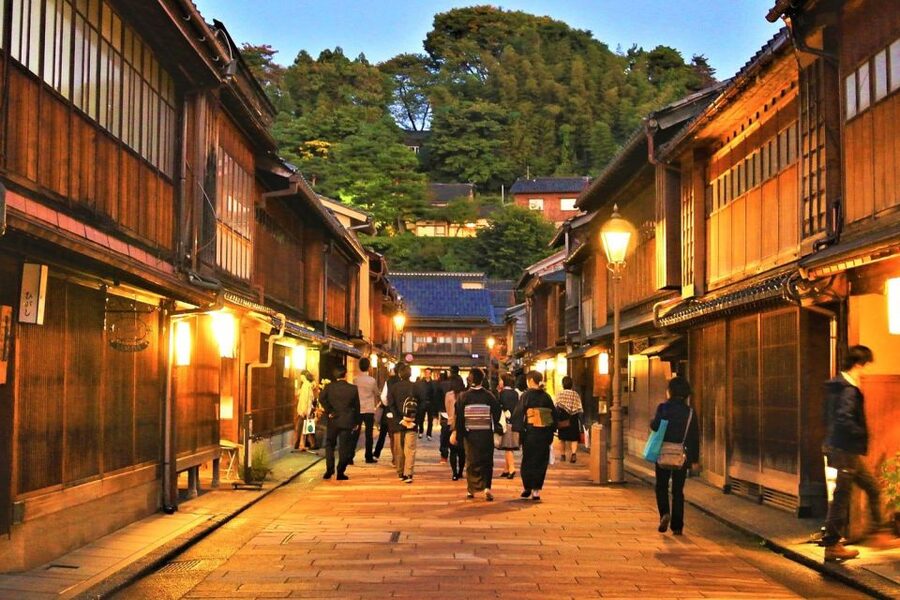
Higashi Chaya is known for streets and buildings that retain the grace of the Edo period. Traditional teahouses, shops selling miso and rice, wagashi confectionery, folk crafts, and Kaga Yuzen dyed fabrics give the district a strong sense of place.
The area is more than a row of attractive facades. Chaya districts were tied to entertainment and refined social culture, and a guide can explain the customs that shaped them. Yumiko, for example, took visitors through the Samurai and geisha quarters while explaining the history and customs connected with both.
You can also look for Kanazawa crafts. Kaga Yuzen is a traditional method of decorating dyed fabrics, and local folkcraft stores provide a chance to see how the city’s artistic identity continues in everyday commerce. You should not assume that every shop or teahouse is included in the tour, so tell your guide if crafts or shopping deserve extra time.
The Chaya district is a strong final stop because it slows the day down after the larger garden and castle grounds. You can walk at an easier pace, browse, and ask about local traditions. Keep in mind that shops and interiors may have their own opening times or admission charges, which are not included in the tour price.
What the guides do best
The strongest part of this experience is the guide relationship. The feedback consistently points to guides who are friendly, punctual, flexible, and able to explain Kanazawa in understandable English.
Yoshi is praised for fluent English, broad knowledge, and helpful suggestions for visitors with limited time. Sachi met visitors in their hotel lobby and combined the Samurai area, temple, castle, and gardens. Sho contacted visitors well ahead of time, planned around their interests, and helped one group use a bus day pass.
Other useful examples show how personal the tour can be. Yuki helped when a train cancellation disrupted a day. A guide adjusted the route patiently for a visitor whose wife had back problems. Masayo adapted the route to requested places and even helped take photos with a visitor’s phone.
These details matter because a private guide is not only a source of facts. The guide can help you use Kanazawa’s buses, change the pace, solve a small travel problem, and make practical choices when time is tight. The quality of your day will depend partly on the guide assigned to you, but the service is designed for that kind of personal help.
Walking, buses, costs, and comfort
This is primarily a walking tour. Other transportation can be arranged, but public or private transport during the tour costs extra. Food, drinks, admission fees, and transportation to or from the meeting point are also excluded.
At $119 per person, the price is easier to justify for a couple, family, or small private group that wants a tailored introduction. You are paying for a licensed guide’s time and planning, not for a bundle of admissions or meals. If you prefer to move independently and only need directions, the price may feel high.
The bus option can improve the value. One guide helped visitors buy a city bus day pass, saving walking time and making it easier to cover the main areas. You should carry cash because the activity specifically recommends it, and you may need it for food, admissions, or local transport.
Wheelchair accessibility is listed, but you should still discuss the exact route with the provider before the tour. Kenroku-en, castle grounds, markets, and historic districts may involve varied surfaces or longer distances, so route planning is important.
Who should book this Kanazawa experience?
I would choose this tour if Kanazawa is a short stop, if you want context rather than a simple map, or if your group has different interests. It is also a strong choice for families, older visitors, and anyone who wants the pace adjusted without holding up strangers.
The four-hour version suits a focused plan: Kenroku-en and the castle, or the market and Chaya district. Choose six hours if you want the main sights together, a proper lunch stop, and enough breathing room for questions.
I would skip it if you already know Kanazawa well, dislike guided sightseeing, or want all costs settled in advance. The price does not include admissions, food, or transport, and the final guide is not confirmed until the provider contacts you.
For most first-time visitors, the private format is the main reason to book. You can see the city’s essential sights, use your time sensibly, and ask the questions that turn attractive places into understandable ones. The high 4.9 rating from 70 reviews fits the practical strengths here: punctual pickup, flexible plans, strong English from several guides, and genuine help when the day does not go exactly as planned.
FAQ
How long is the Kanazawa private tour?
You can book either a 4-hour or 6-hour private tour. Starting times depend on availability.
Which languages are available?
The live guide service is available in English and Japanese.
Can I choose the places I visit?
Yes. The experience can be personalized to your requests and preferences. You can choose the sights and interests that matter to you, or let the guide plan the route.
Is hotel pickup included?
Pickup from your accommodation is included on foot if it is within a reasonable distance. Your guide waits in the hotel lobby 10 minutes before the scheduled pickup time.
Are food, admission fees, and transportation included?
No. Food, drinks, entrance fees, and transportation to or from the meeting point are not included. Public or private transportation used during the tour also costs extra.
Can I cancel the tour for a full refund?
Yes. You can cancel up to 24 hours before the tour begins for a full refund. The experience runs in rain or shine.
Just added in Kanazawa
- Kanazawa: Sushi & Japanese Cooking Class at a Historic School★ 5.0 · 66 reviews
- Taste of Kanazawa (Food tasting in Omicho Market & Higashi Chaya)★ 5.0 · 58 reviews
- Takayama and Shirakawago/Photoshoot by professional photographer★ 5.0 · 67 reviews
- Kanazawa private 1 day/Photoshoot by professional photographer★ 5.0 · 33 reviews
- Photoshoot session by professional photographer in Kanazawa★ 5.0 · 42 reviews
- Private Tour of Shirakawago and Gokayama from Kanazawa★ 5.0 · 50 reviews
- Shirakawago & Kanazawa from Kanazawa★ 5.0 · 51 reviews
- Private Ring Craft Experience in Kanazawa★ 5.0 · 22 reviews
Tours in Kanazawa, compared.
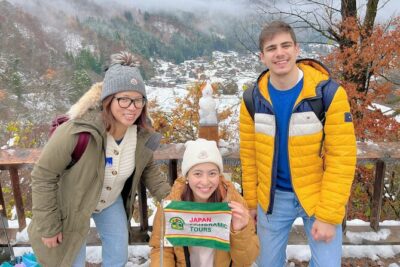
World Heritage Shirakawa-go and Experience Tours from Kanazawa
Read our review →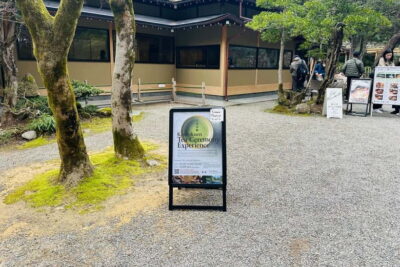


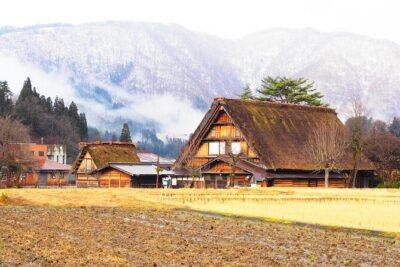
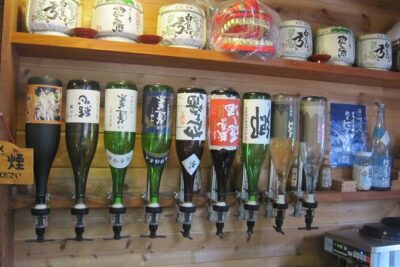
[One-day bus tour departing from Kanazawa Station] Shirakawa-go and Gokayama – Two World Heritage Villages Enjoyable Bus Tour
Read our review →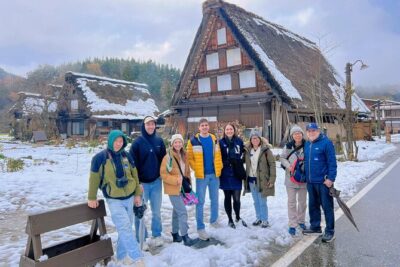
World Heritage Shirakawa-go Perfect Guided Tour from Kanazawa
Read our review →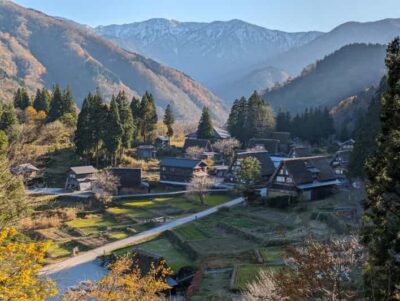
Browse the lists this tour appears in