
Reviewed · ONSEN & HOT SPRING VISITS
Osaka: Wakayama Cat Train, Seafood market, Hot Springs Tour
Wakayama’s cat train and Tama Stationmaster story give this day trip an unusual start. At Kishi Station, a calico cat named Tama helped save a rural rail line from closure, and her successor Nitama still greets visitors. I like the fresh seafood lunch at ToreTore Market and the chance to see a tuna cut apart in front of you. I also like that the day reaches the Pacific coast, not just another inland sightseeing stop.
The tradeoff is time. You spend about four hours on the road, and the cat-themed train ride lasts roughly 15 minutes within the longer rail segment. The schedule also depends on traffic, weather, train service, and the tuna show, so this suits you best if you value variety over a slow, relaxed pace.
Key points to know before booking
- Tama’s story gives Kishi Station real character: See the cat-shaped station, Nitama, cat stamps, souvenirs, and themed displays.
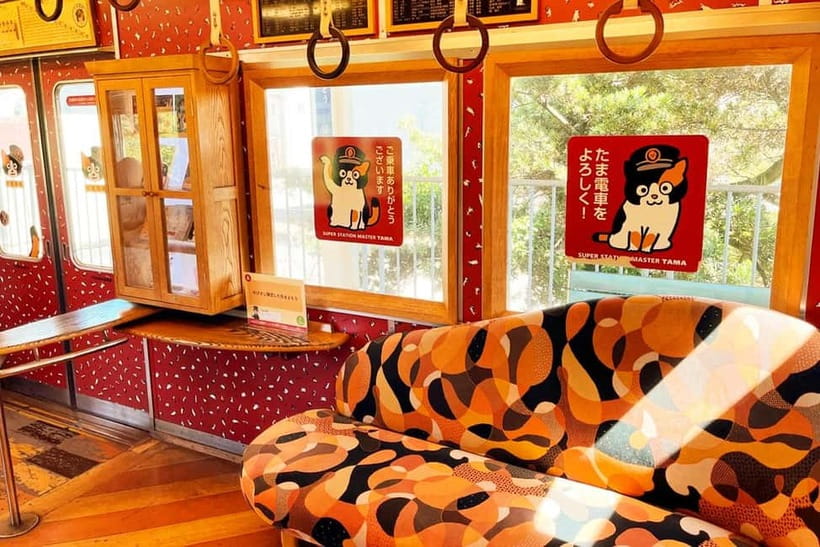
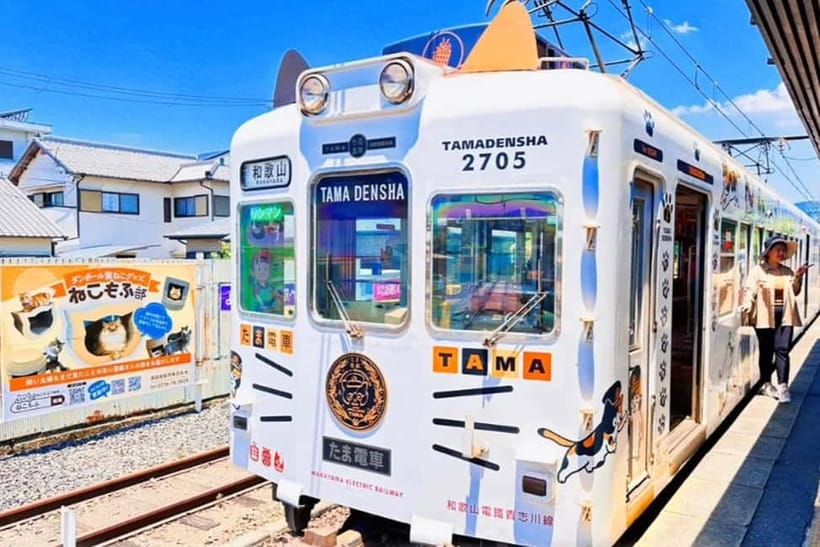
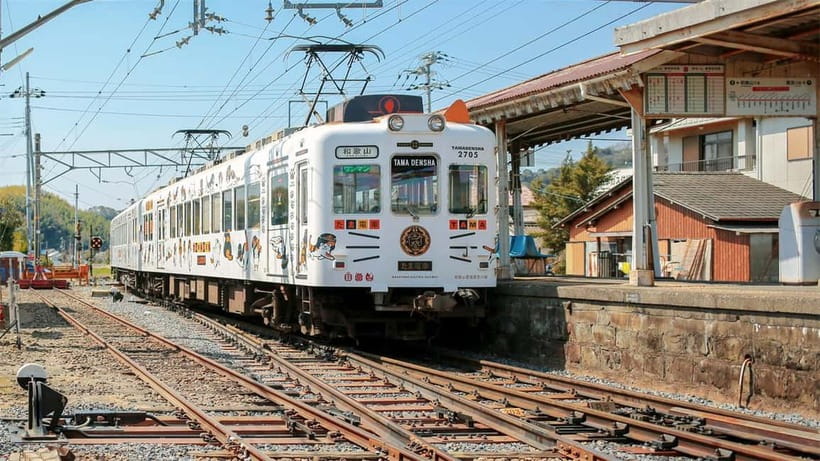
- The train design changes daily: You may ride the Tama Train, Strawberry Train, or Toy Train.
- ToreTore Market is the day’s best food stop: Choose seafood for lunch and watch a tuna-cutting demonstration if the timing works.
- Shirahama adds natural hot springs and ocean views: The optional onsen visit is a useful break after the long ride.
- Senjojiki and Sandanbeki feel very different: One is an open rock shelf above the sea, while the other leads down to sea-level caves.
- Guide communication is a strong part of the day: Tiger has been especially praised for clear updates, organization, and help at the market.
From Nipponbashi to Kishi Station
Meet at 8:30 a.m. near Nipponbashi Station Exit 2, at 1-chōme-3-6 Nipponbashi. This is in the Namba and Shinsaibashi area, but give yourself extra time. Several tour groups use this meeting area, and late arrivals do not receive a refund.
The bus ride to Wakayama takes about 1.5 hours. Your vehicle will depend on group size, but transportation is by air-conditioned bus with a professional driver. The guide speaks English, Japanese, or Chinese, and the operator sends the guide, driver, vehicle, and meeting details by email the evening before.
This early ride matters because the day covers a wide stretch of Wakayama. You are not simply visiting one coastal town from Osaka. You are linking a small rural rail station, a major seafood market, a hot spring resort, and two Pacific viewpoints in one outing.
Other baths worth the trip from Japan:
- From Osaka: Himeji Castle, Arima Onsen & Mt. Rokko Day Tour
★ 4.6 · 339 reviews - Osaka: Nara and Uji Day Trip with Deer Park and Hot Spring
★ 4.4 · 302 reviews - From Tokyo: Private Tour to Fuji/Hakone – Onsen, Art, Nature
★ 5.0 · 116 reviews
Kishi Station and the Tama cat railway
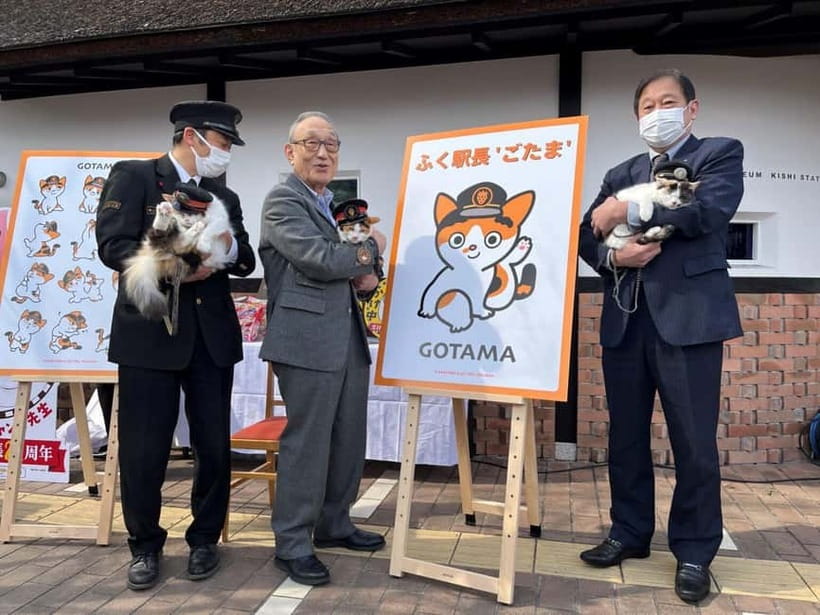
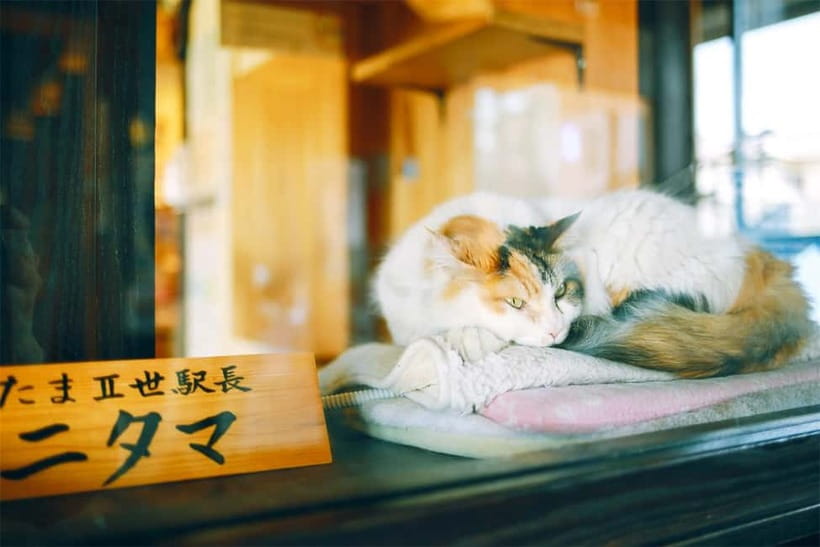
Kishi Station looks like a cat’s face, which tells you right away that this is no ordinary rural stop. Its fame comes from Tama, a calico cat who became the stationmaster and helped draw attention to a railway that had been close to shutting down.
The story is charming, but the station is also a good example of how a small local place can build a new identity around a simple idea. Tama greeted passengers, drew attention to the line, and became a symbol of the community. Nitama, known as Second Tama, continues the tradition.
You have time to look around the cat café and Tama Shop, browse souvenirs, and collect cat-themed stamps. These are small details, but they make the stop more than a quick photograph beside a station sign. If you enjoy local railway oddities, this is likely to be your favorite part of the morning.
The cat train is one of three designs: the Tama Train, Strawberry Train, or Toy Train. The design in service changes by day, so you cannot choose a specific one in advance. Set your expectations carefully. The train ride itself lasts about 15 minutes, even though the scheduled rail portion is listed at around 70 minutes. The train is cute and memorable, but it is not a long scenic rail journey.
That short ride is the main limitation here. One traveler expected more from the cat train, and that is a fair point if you picture a full railway excursion. Think of it instead as a brief, playful link to the station’s story. The bigger reward is seeing how the Tama tradition has shaped the entire stop.
ToreTore Market and the tuna-cutting show
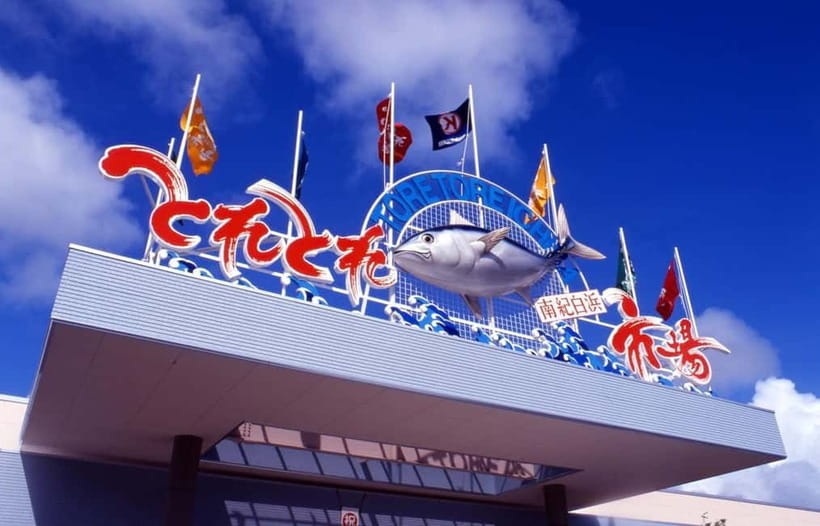
From Kishi Station, the trip continues toward ToreTore Ichiba in the Nanki Shirahama area. It is described as the largest seafood market in western Japan, and it gives you a much more substantial stop than the cat railway.
The market sells a wide range of seafood and prepared dishes. For lunch, you pay on your own and can choose items such as tuna sashimi bowls, grilled fish, octopus rice, and other daily catches. Some areas also offer seafood that can be bought for cooking at barbecue tables, making this a practical stop for people who want to choose their own meal rather than accept a fixed tour menu.
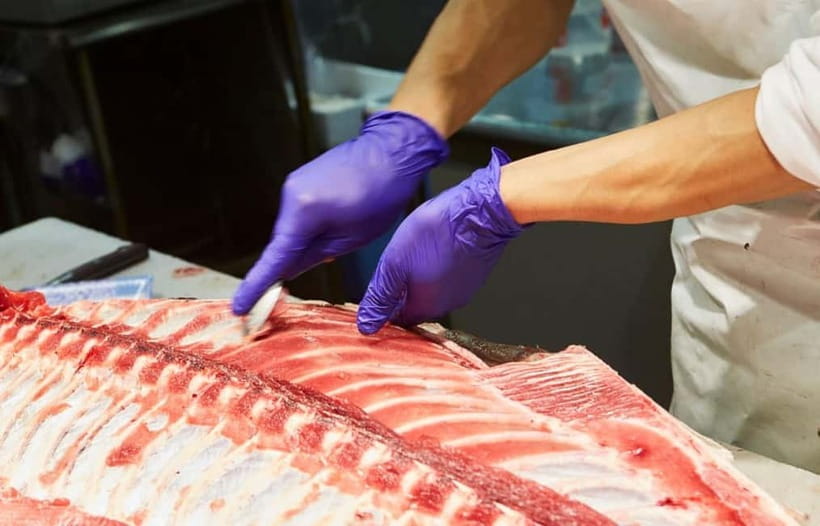
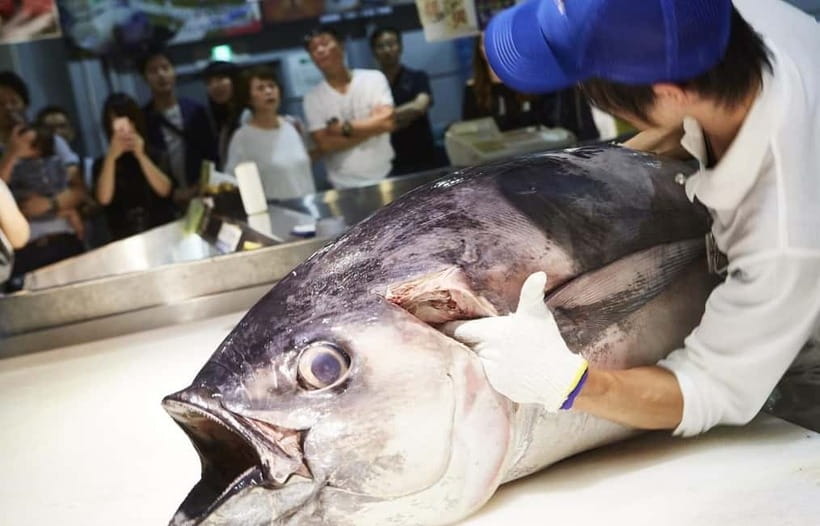
The most distinctive feature is the live tuna-cutting show. A large tuna is broken down with quick, precise cuts while the presenter explains the fish’s anatomy. The show gives you a close look at a skill that is usually hidden behind a restaurant kitchen door.
Timing is not fixed. The cutting takes place two or three times a day, but the exact time changes. Weather or other unexpected conditions can cancel it. The guide may help you understand the market and point out good choices, but you should not book this trip solely for the tuna show.
Plan around two hours here. That gives you time to watch the demonstration if available, eat, browse the seafood counters, and visit the souvenir area. You can buy seasoned seafood, packaged foods, and local gifts. Bring cash, since it is specifically listed among the recommended items, and remember that food is not allowed in the tour vehicle.
Several people found the market especially rewarding because the guide helped explain what to buy and how to prepare it. Tiger, the guide most often named in the feedback, has been praised for walking guests through the market, explaining products, and keeping the group organized. That kind of help is useful when labels are unfamiliar or when the choice of seafood feels overwhelming.
Shirahama’s hot spring pause
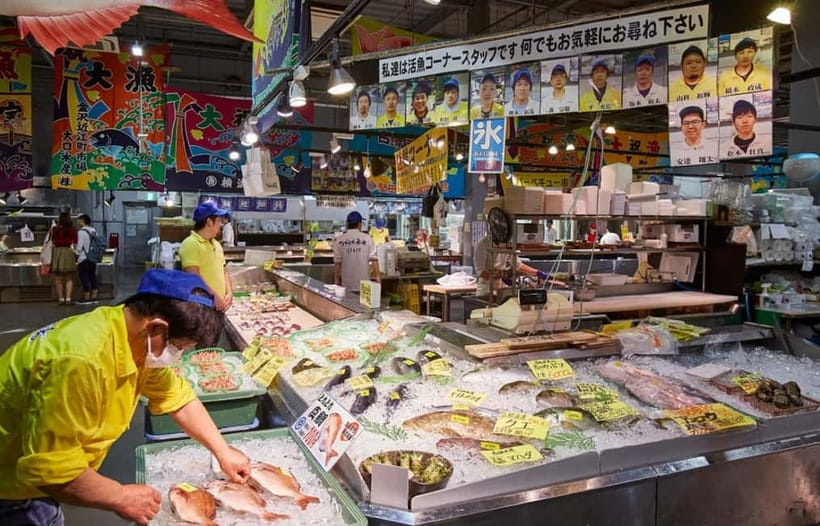
After lunch, you may have the chance to visit Toretore Onsen. The entry fee is not included, so decide whether the extra cost and bathing time suit you. The onsen is associated with more than 1,350 years of hot spring tradition and is described as one of the oldest and best-known hot spring areas in Japan.
The water is a sodium bicarbonate spring, and the facility includes a salt-stone bedrock bath. The setting gives the day a slower moment after the market and bus rides. If you enjoy Japanese bathing culture, this optional stop can make the trip feel more complete.
There are two practical limits. First, the visit is optional, so the exact amount of time available can depend on the day’s traffic and schedule. Second, tattoos may restrict entry. If you have tattoos, check the rules before booking rather than assuming you will be allowed to bathe.
The hot spring is not the same kind of stop as a private spa retreat. This is a busy day with several attractions, so treat it as a short reset rather than a long soaking session.
Same base, a different sort of day:
- Mt Fuji and Hakone 1-Day Bus Tour Return by Bullet Train
★ 5.0 · 26,383 reviews - 1-Day Tokyo Bus Tour
★ 5.0 · 14,250 reviews - PERFECT KYOTO 1-Day Bus Tour
★ 5.0 · 13,518 reviews - Tokyo: TOKYO SKYTREE® Admission ticket
★ 4.5 · 11,192 reviews
Senjojiki’s rock shelves above the Pacific
Senjojiki means a place made of many tatami-sized rock surfaces, and the name fits the broad layers of rock spread along the coast. You stand above the Pacific on huge slabs shaped by the sea and weather.
The scheduled stop is about 30 minutes. That is enough for photographs and a short walk, but not enough for a long coastal ramble. Wear comfortable shoes, especially if you want to move across uneven rock surfaces.
The view can be especially striking near sunset, although the exact timing depends on traffic and the rest of the schedule. On weekends, public holidays, and peak travel dates, the guide may change the order of stops or shorten visits. You should see this as a scenic photo stop with a chance to stretch your legs, not as a full hiking outing.
I like the contrast with Kishi Station. The morning is built around a small animal and a local railway story. Here, the scale shifts to open sea, exposed rock, and wind. It gives the day a strong visual change.
Sandanbeki Cave and the pirate stories
The final major stop is Sandanbeki, where an elevator takes you 36 meters down to caves at sea level. The caves were once associated with Heian-era pirates, and displays recreate parts of those stories.
Natural erosion has shaped the rock inside the cave, and the enclosed setting feels very different from the open rock shelf at Senjojiki. The stop is also relatively short, around 30 minutes, and admission is optional. If you want to ride the elevator and enter the cave, budget for that additional ticket.
Sandanbeki is a good reason to bring a camera, but watch your footing and follow the site’s instructions. The cave adds a little historical drama to the coast, while Senjojiki is mainly about the broad ocean view. Seeing both makes the final part of the day feel varied rather than repetitive.
What the $83 price really covers
At $83 per person, the trip offers solid value if you want to cover Wakayama without arranging several separate train and bus connections. The price includes round-trip transportation, the cat-themed train ride, a multilingual guide, the driver, fuel, expressway tolls, and parking.
It does not include lunch, personal purchases, the hot spring entry, or Sandanbeki Cave admission. Your actual spending will therefore be higher if you eat a full seafood meal, enter both paid attractions, and buy market goods.
The strongest value comes from the transport. Wakayama’s stops are spread out, and the return bus ride alone takes about 2.5 hours. A self-guided day could cost less in some cases, but it would require more planning and careful timing. This tour earns its price by joining distant stops into one managed day.
The value is weaker if you want long visits at each attraction. The cat train is brief, both cliff stops are short, and traffic can force changes. You are paying for range and convenience, not deep time at one place.
The bus ride, guide style, and daily pace
Expect a full 10-hour day, with an estimated return to Osaka around 6:40 p.m. Traffic can alter that arrival time. The bus is air-conditioned, and the driver has been praised for handling a long day on the road.
Guide Tiger has received especially strong praise for his communication, polite manner, and attention to the group. He has used WhatsApp updates in English and Chinese, explained each stop clearly, helped people at the market, and even offered restaurant suggestions for the evening. Those details matter because a day with several moving parts can quickly become confusing.
The pace is still active. You will board and leave the bus several times, walk around markets and rocky viewpoints, and manage your own lunch. Comfortable shoes are essential. This tour is not suitable for wheelchair users, and the uneven rock areas may be tiring for anyone who has trouble walking.
The schedule can also shift. The guide may change the order, reduce the time at a stop, or remove a stop when traffic becomes heavy. That is a practical reality of a long road trip from Osaka, not necessarily poor planning.
Who should book this Wakayama day trip?
I would choose this tour if you want a broad taste of Wakayama in one day and do not want to handle the connections yourself. It is particularly good for first-time visitors to the region, families who like animals and unusual transport, seafood lovers, and anyone who wants both cultural stories and ocean scenery.
You should also enjoy variety. In one day, you get a cat station, a short themed train ride, a seafood market, a possible hot spring, rock cliffs, and an underground cave. That mix is the point.
I would hesitate if your main goal is a long onsen session, a serious coastal hike, or an extended railway trip. The cat train is too short for rail enthusiasts seeking a full scenic ride, and the hot spring and cave are optional add-ons rather than the central focus.
Arrive at least 15 minutes early, bring cash, wear shoes with good grip, and keep the evening open in case traffic delays the return. Free cancellation is available up to 24 hours before departure, and you can reserve now and pay later, which helps if your Osaka plans are still shifting.
Should you book it?
Book this tour if you want an easy, well-filled day beyond Osaka, with excellent variety for the price and a guide who can make the seafood market easier to understand. The cat train is a delightful short feature, not the whole event. The market, ocean cliffs, and optional hot spring give the day its real weight.
Skip it if you dislike long bus rides or prefer to explore one place slowly. For everyone else, this is a practical way to see a less familiar side of Honshu, especially when Tiger is leading the group and the schedule stays on track.
FAQ
Where does the tour meet?
Meet at 8:30 a.m. near Nipponbashi Station Exit 2, at 1-chōme-3-6 Nipponbashi in Osaka’s Namba and Shinsaibashi area.
How long does the tour last?
The tour lasts about 10 hours. The expected return to Osaka is around 6:40 p.m., although traffic and schedule changes can affect the arrival time.
Which cat train will I ride?
The train design changes by day. You may ride the Tama Train, Strawberry Train, or Toy Train, and you cannot guarantee a specific design.
How long is the cat train ride?
The cat-themed train portion lasts about 15 minutes. The listed rail segment is around 70 minutes, including the broader train experience.
Is lunch included?
No. Lunch is at your own expense at ToreTore Market, where you can buy seafood dishes such as tuna sashimi bowls, grilled seafood, and octopus rice.
Is the tuna-cutting show guaranteed?
No. The show usually takes place two or three times daily, but the time varies. Weather or other special circumstances can cause cancellation.
Is the hot spring included?
No. The hot spring visit is optional, and entry is not included in the tour price. Tattoo restrictions may apply.
Is Sandanbeki Cave admission included?
No. Sandanbeki Cave admission is optional and must be paid separately.
What languages are available?
The live guide service is available in English, Japanese, and Chinese. The vehicle and guide details are sent by email the evening before departure.
Just added in Japan
- Nagasaki Private Customizable Half Day Tour★ 5.0 · 16 reviews
- Nagasaki Full Day Tour with Licensed Guide and Vehicle★ 5.0 · 27 reviews
- Nagasaki Private Tour with a Local – Highlights & Hidden Gems★ 5.0 · 24 reviews
- Nagasaki WW2 History and Culture Tour★ 5.0 · 19 reviews
- Nagasaki Like a Local: Private & Custom Experience (2-3 hrs)★ 5.0 · 14 reviews
- Snow Monkeys, Hokusai & Sake: A Perfect Day in Nagano★ 5.0 · 19 reviews
- Wasabi Farm Walking Tour & Lunch★ 4.5 · 20 reviews
- Nagasaki Street Food Adventure: Private Walking Tour with a Local★ 5.0 · 26 reviews
Onsen & Hot Spring Visits, compared.
Himeji Castle, Arima Onsen & Mt. Rokko Day Tour
Read our review →
Nara and Uji Day Trip with Deer Park and Hot Spring
Read our review →
Private Tour to Fuji/Hakone – Onsen, Art, Nature
Read our review →
Mt. Fuji, Hakone Private Tour from Tokyo – Onsen, Arts and Nature
Read our review →
Private Nagano 1-Day Tour:Snow Monkeys,Zenko-ji,Obuse,Sake,Onsen
Read our review →
Mt Takao Tour with Ramen and Tattoo-Okay Hot Spring
Read our review →Browse the lists this tour appears in