
Reviewed · MOUNT FUJI DAY TRIPS
Mt. Fuji, Hakone Private Tour from Tokyo – Onsen, Arts and Nature
The best thing about this private day out is its mix of Fuji views, old roads, temples, and hot-spring time. You are not simply driven to one lookout, handed a camera opportunity, and sent back to Tokyo. The day links Hakone’s mountain roads with Lake Ashi, a historic tea house, a bath, and art.
I like the freedom to shape the day with your guide, and I like that the guides, including Elie, Lucas, Lenny, Evan, and Dominik, are involved as hosts rather than just drivers. The main drawback is the amount of time spent in the car, especially in bad weather or heavy Tokyo traffic. Mt. Fuji can also hide behind cloud, and you should not book this only for a guaranteed mountain view.
At a glance: what makes this day different
- A private vehicle for up to five people: Your group gets hotel pickup, drop-off, highway tolls, parking, and a clean modern vehicle.
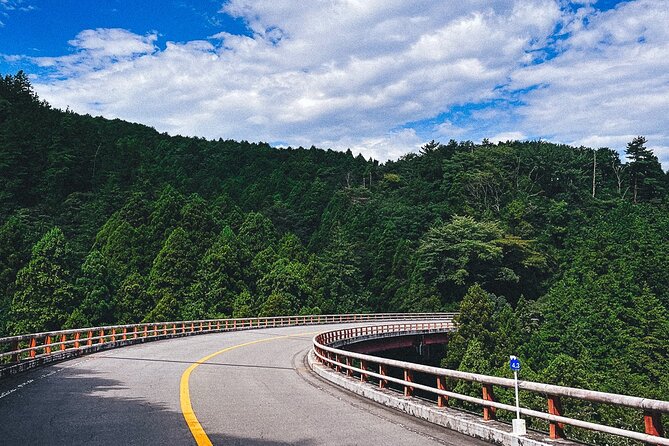
- Scenic roads instead of a rushed checklist: The Hakone Turnpike and Ashinoko Skyline offer views toward Fuji, Lake Ashi, the valley, and the sea.
- A real cultural pause at Amazake Chaya: This traditional tea house has welcomed people along the old Tokaido road for more than 400 years.
- An onsen built into the day: The hot spring stop lasts about two hours, with admission charged separately.
- Art after the mountains: The Open-Air Museum is the usual choice in good weather, while the Pola Museum gives you an indoor option.
- A flexible schedule: You can favor museums, a shorter walk, the tea house, the bath, or scenic viewpoints, depending on your interests.
A long Fuji and Hakone day from Tokyo
This is a substantial outing, not a quick side trip. Pickup starts at about 8:30 a.m., and the full day runs roughly nine to ten hours. That sounds generous, but Tokyo traffic and the mountain roads can eat into your time.
The private format matters most here. You avoid figuring out several trains, buses, and local connections, and your guide can change the order of stops. One family added a short hike, another group skipped the onsen to spend longer in museums, and some visitors arranged a private onsen instead of a public bath.
The advertised price is $852.28 per group of up to five. That is a serious bill for a day trip, but it looks different when shared by four or five people. It includes transport, parking, tolls, hotel pickup and drop-off, and a private guide. Lunch, the onsen, and museum entry are extra, so budget for those before booking.
Other days out to the mountain from Tokyo:
- Mt Fuji and Hakone 1-Day Bus Tour Return by Bullet Train
★ 5.0 · 26,383 reviews - Mt Fuji & Hakone Cruise, Drum Show Bullet Train 1 Day from Tokyo
★ 4.0 · 7,413 reviews - Tokyo Mt Fuji 5th St & Hakone Cruise Bus Tour w/Bullet Train
★ 4.4 · 5,024 reviews
Mount Fuji views depend on the sky
The day begins with Fuji viewpoints. You may see the mountain from more than one place, including higher roads around Hakone and the Ashinoko Skyline. On a clear day, these viewpoints can give you broad views of Fuji, Lake Ashi, the valley, and even the sea.
The catch is simple: Mt. Fuji is not guaranteed. Several days were affected by fog, rain, or cloud. Guides handled this well by warning people in advance, offering alternatives, or shifting attention to Hakone’s temples, tea house, museums, and hot springs. That is sensible planning, but you should still set your expectations correctly.
The road itself is part of the experience. This is not just dead time between attractions. The Hakone Turnpike has wide mountain views, and the observatory near the top gives you a sense of the region’s scale. Still, one disappointing account described a day with too much driving and too little time outside the vehicle. If you want a walking-heavy day, say so before departure.
Hakone Turnpike Daikanyama gives the day its first shape
The Daikanyama parking area on the Hakone Turnpike is scheduled for about an hour. It is a scenic-road stop rather than a major attraction, so its value depends heavily on weather and visibility.
On a clear morning, you can look over Hakone and the surrounding valley. The road is also a useful way to reach the area without wasting the day on ordinary urban routes. In cloud, though, the view may be limited. Your guide can still explain the region and adjust the plan, but there is no reason to linger at a blocked lookout simply because it appears on a schedule.
Hakone Shrine and Lake Ashi bring in the cultural side
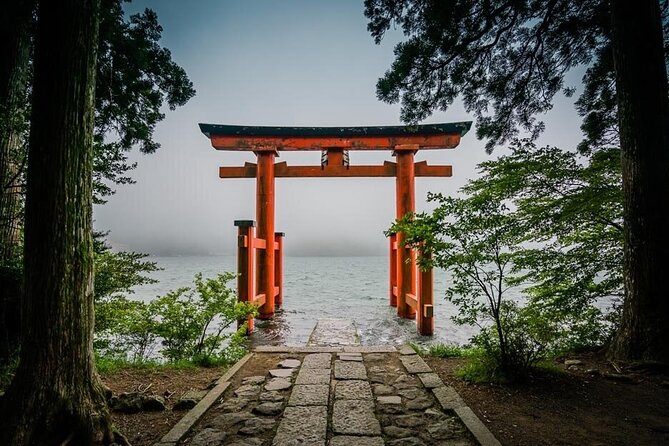
Hakone Shrine sits by Lake Ashi and dates to 757. Its red torii gate near the water is one of the area’s best-known photo spots, while the shrine grounds include several buildings, smaller shrines, souvenir shops, and a museum.
You have about an hour here, followed by another hour around Lake Ashi. That gives you time to see more than the famous gate, although the shrine includes stairs and uneven sections. One account raised concerns about access, while the operator explained that accessible routes and vehicle access are available. If anyone in your group has limited mobility, discuss the route before the day begins rather than assuming every path will suit everyone.
Lake Ashi is more than a photo stop. The water, cedar-covered slopes, shrine architecture, and torii gates show why Hakone has long been valued as a place of retreat. On clear days, Fuji may appear beyond the lake. On cloudy days, the setting can still be atmospheric, but your guide may need to focus more on the shrine and local stories than on grand views.
Other hot-spring days out of Tokyo:
- Tokyo: Mt. Fuji Tour, Hakone Ropeway, Owakudani, Lake Ashi
★ 4.7 · 4,002 reviews - Private Tour to Mt. Fuji and Hakone (Fully Licenced Operator)
★ 5.0 · 1,910 reviews - Mt Fuji & Hakone Cruise, Drum Show Bus 1 Day from Tokyo
★ 4.0 · 1,287 reviews - From Tokyo: Mt. Fuji & Hakone Tour w/ Return by Bullet Train
★ 4.2 · 1,278 reviews
Amazake Chaya is the most distinctive short stop
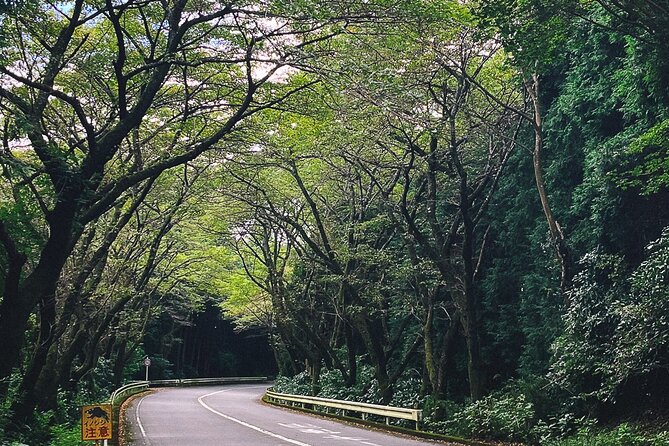
A half-hour at Amazake Chaya may become one of the day’s most memorable moments. The tea house sits along the old Tokaido road, under Hakone’s cedar trees, and has served people for more than 400 years. It is now run by the fourteenth generation of the same family.
That detail gives the stop real weight. You are not entering a modern attraction designed only for tour groups. You get a brief look at the old road culture that once connected Tokyo and Kyoto, along with a chance to sit indoors and slow the pace.
Thirty minutes is not long, so do not expect a full historical visit. It is best treated as a focused break between the shrine and the onsen. If you care about traditional Japan more than checking off viewpoints, ask your guide to protect this stop.
The onsen is the day’s main pause
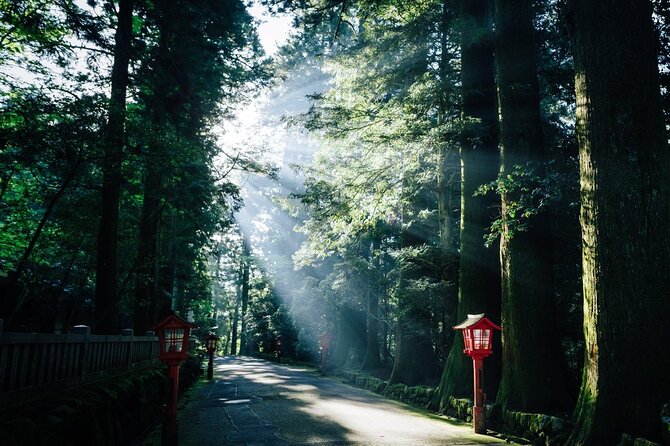
After the morning drives and sightseeing, the tour heads to an onsen for about two hours. Admission is not included and is listed at ¥1,500 per person. Several bathing choices may be available, depending on the day and your preferences.
For many people, this is the part that changes the whole rhythm of the outing. A hot spring gives you time to stop looking at your watch, soak, and recover from a long day in a vehicle. Some groups also arranged massages, although that service is not included and should not be assumed to be available in English.
The onsen is not for everyone. You need to be comfortable with Japanese bathing customs, and some people may prefer to skip it. If you do, that time can be used for museums or another cultural stop. Some visitors chose a private onsen, which may suit families or anyone who wants more privacy, but the supplied details do not give a standard price for that option.
Lunch is flexible, but it costs extra
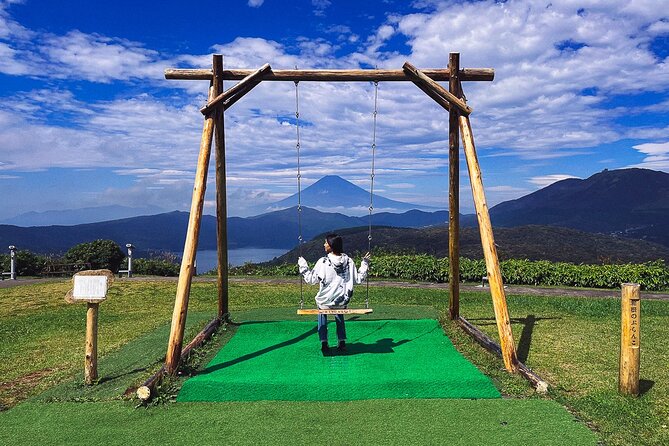
Lunch is not included. The guide can take you to an authentic Japanese meal rather than a boxed meal at a plastic table, and one account describes a satisfying soba stop. The downside is that popular restaurants may involve a wait, and a noodle restaurant will not suit every palate.
Tell the company about dietary needs in advance. Elie received praise for arranging suitable food options, and the private format makes meal planning easier than it would be with a fixed group schedule. Still, ask what type of restaurant is planned, how much time lunch will take, and if there is an alternative for anyone who does not want soba or another specific dish.
The extra cost is not just the bill. A long lunch can reduce time at the museum or on the scenic roads. That tradeoff is worth discussing before the day starts.
Choosing between the Open-Air Museum and Pola Museum
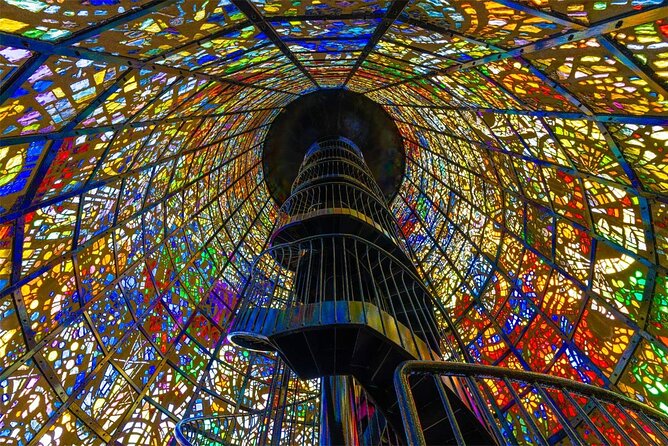
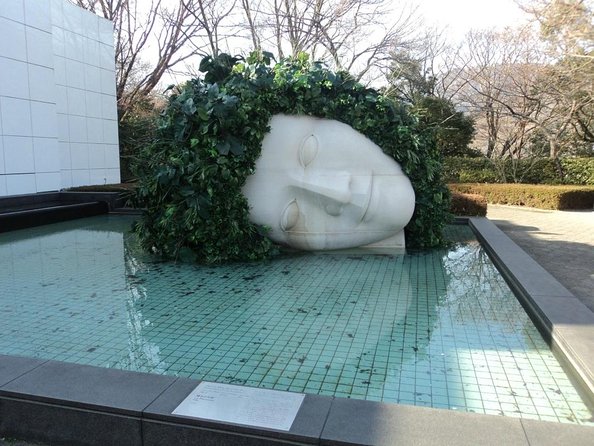
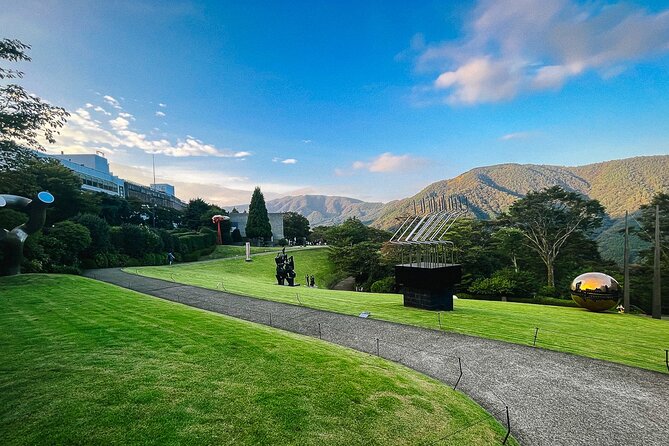
The Hakone Open-Air Museum is planned for about two hours and costs ¥1,900 per person. It combines sculpture, gardens, and outdoor paths, with works by artists including Picasso, Henry Moore, Taro Okamoto, Yasuo Mizui, and Churyo Sato.
This is a strong choice in good weather, especially if you enjoy art but do not want to spend the entire day indoors. The garden setting makes the visit feel connected to Hakone rather than separate from it. Rain, however, can make an outdoor museum less pleasant, and the paths may not suit everyone.
The Pola Museum is the rainy-day alternative, or an additional stop if time allows. It is indoors and located in a beech forest in Hakone’s mountains. The visit is scheduled for about an hour, with admission charged separately. One group specifically preferred the Pola Museum and found it worthwhile.
You may not have time for both museums, the onsen, lunch, and every viewpoint. That is where a private guide helps, but it also means you must choose. If art is your priority, say so early and consider shortening the bath or skipping a less important lookout.
Ashinoko Skyline adds views, but also more driving
If time permits, the Ashinoko Skyline provides another scenic road. It offers four viewpoints with closer views toward Mt. Fuji, Lake Ashi, and the sea.
This is a bonus rather than a guarantee. The day already includes several hours of road travel, and traffic on the return to Tokyo can be slow. If you have enjoyed clear views and want more photography, the extra road is worthwhile. If cloud has covered Fuji all day, you may prefer more time at the museum, tea house, or onsen.
The best use of this private tour is not trying to force every listed stop into the day. It is letting the guide respond to the weather and your interests.
Guides, vehicles, and the private format
The guide is also the driver, and that combination received strong praise. Elie, Lucas, Lenny, Evan, and Dominik are all named in the supplied material, and the company offers English, Japanese, and French-speaking guides.
The strongest pattern is personal attention. Guides explained Japanese history and religion, shared local details, helped with food needs, and changed the pace when families needed it. Elie sometimes contacted people before the tour when Fuji conditions looked poor, offering a different date or alternate activities.
The vehicle is described as modern, clean, and comfortable. That matters because this is a road-based day, not a walking tour. You will spend a large part of it seated, so the quality of the vehicle and the driver’s manner affect the experience.
There is one practical warning: Tokyo traffic can create a late pickup or a long return. The tour starts at 8:30 a.m., and a prompt departure is important. Keep the schedule loose in the evening rather than booking a nonrefundable dinner or show immediately after the stated end time.
Who should book this day
I would choose this tour for a family, couple, or small group that wants Fuji, Hakone, a shrine, an onsen, and art without managing public transport. It is especially useful for people who value conversation and flexible pacing.
It suits first-time visitors who want an introduction to Japan beyond central Tokyo. The mix of shrine, old road, tea house, bathing culture, food, and art gives you several ways to connect with the region.
I would be cautious if you want a cheap excursion, a guaranteed Fuji photo, or a full day of walking. The price is high, and the day can feel car-heavy. It also may not be the best fit if your group dislikes hot springs or wants to spend most of the time at one museum.
The cancellation terms are helpful: you can receive a full refund if you cancel at least 24 hours before departure. If poor weather causes the operator to cancel, you are offered another date or a full refund.
Should you book the Fuji and Hakone private tour?
Book it if comfort, flexibility, and a personal guide matter more to you than keeping costs low. The best version of this day includes clear or partly clear Fuji views, an unhurried tea-house stop, a good onsen, and a guide who adjusts the plan instead of rigidly following the clock.
Before booking, tell the company your priorities: Fuji photography, the Open-Air Museum, Pola Museum, a private bath, a short walk, dietary needs, or accessibility concerns. Go in expecting a long drive and weather-dependent views. With those expectations, this can be a very full and restful introduction to Hakone.
FAQ
How long does the private Mt. Fuji and Hakone tour last?
The experience lasts approximately nine to ten hours, beginning at about 8:30 a.m.
How many people can join the private tour?
The advertised group price covers up to five people, and only your group participates.
Is hotel pickup and drop-off included?
Yes. Pickup and drop-off at your hotel in Tokyo are included.
Are parking and highway tolls included?
Yes. Parking fees and highway toll taxes are included in the tour price.
Is lunch included?
No. Lunch is an additional cost. The guide can help arrange an authentic Japanese meal.
Is the onsen admission included?
No. The hot-spring admission is listed separately at ¥1,500 per person.
Is museum admission included?
No. The museum ticket is listed separately at ¥1,900 per person.
Can I visit both the Open-Air Museum and Pola Museum?
The schedule may allow both if you are quick or choose to reduce time elsewhere. The Open-Air Museum is generally favored in good weather, while the Pola Museum provides an indoor option in poor weather.
Will I definitely see Mt. Fuji?
No. Fuji views depend on weather and visibility. Cloud, fog, and rain can block the mountain.
What languages do the guides speak?
The tour offers English, Japanese, and French-speaking guides. Named guides connected with this experience include Elie, Lucas, Lenny, Evan, and Dominik.
Can I cancel for a full refund?
Yes, if you cancel at least 24 hours before the start time. Changes or cancellations made less than 24 hours in advance are not accepted for a refund.
More onsen visits near Tokyo
- From Tokyo: Private Tour to Fuji/Hakone – Onsen, Art, Nature
★ 5.0 · 116 reviews - From Osaka: Himeji Castle, Arima Onsen & Mt. Rokko Day Tour
★ 4.6 · 339 reviews - Osaka: Nara and Uji Day Trip with Deer Park and Hot Spring
★ 4.4 · 302 reviews - Private Nagano 1-Day Tour:Snow Monkeys,Zenko-ji,Obuse,Sake,Onsen
★ 5.0 · 71 reviews
Just added in Tokyo
- Nikko: Edo Wonderland Edomura Cultural Theme Park Ticket★ 4.3 · 205 reviews
- 《MEMBERS-ONLY-BAR-HOPPING》Discover Your Special Whiskey in Tokyo!★ 5.0 · 29 reviews
- Japanese Whisky Hunting《HIGH-QUALITY-ONLY》Rare Tasting Class★ 5.0 · 20 reviews
- Luxury Tokyo Sake, Cocktail, Whisky and Pairing Tour★ 5.0 · 18 reviews
- Wagyu & Sake Pairing in Shinjuku – Steak, Shabu-Shabu & More★ 5.0 · 112 reviews
- Small-Group Wagyu Beef and 7 Japanese Dishes Tokyo Cooking Class★ 5.0 · 190 reviews
- Tokyo Cyberpunk Street Photo Tour★ 5.0 · 165 reviews
- From Tokyo: Private Tour to Fuji/Hakone – Onsen, Art, Nature★ 5.0 · 116 reviews
Mount Fuji Day Trips, compared.
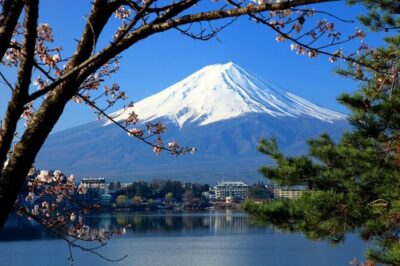
Mt Fuji and Hakone 1-Day Bus Tour Return by Bullet Train
Read our review →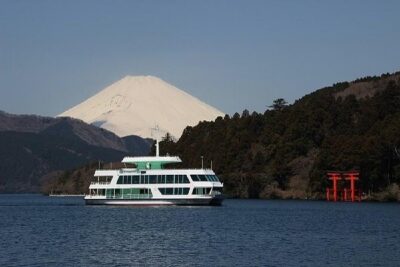
Mt Fuji & Hakone Cruise, Drum Show Bullet Train 1 Day from Tokyo
Read our review →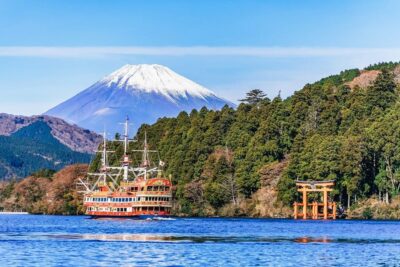
Tokyo Mt Fuji 5th St & Hakone Cruise Bus Tour w/Bullet Train
Read our review →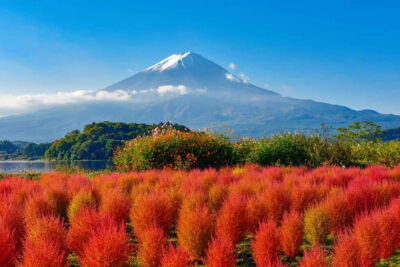
Mt.Fuji,Kawaguchiko Oishi Park,Arakurayama Sengen Park
Read our review →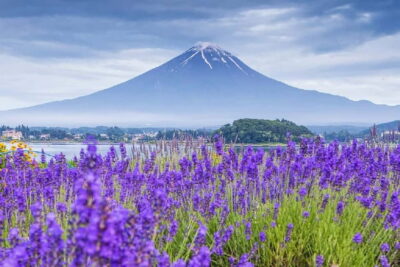
Mt Fuji Top 5 Spots Day Tour: Arakurayama Park,Oshino Hakkai
Read our review →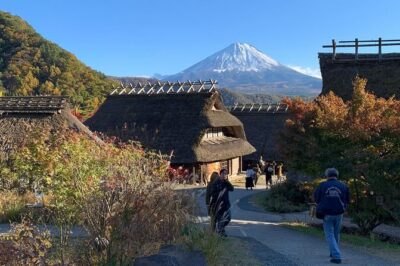
Private Tour to Mt. Fuji and Hakone (Fully Licenced Operator)
Read our review →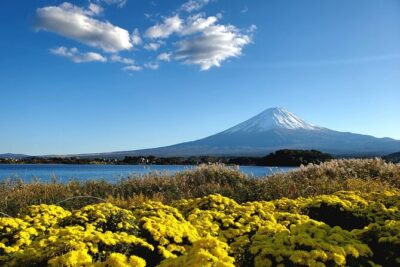
Mount Fuji Full-Day Private Tour from Tokyo (Customizable)
Read our review →Browse the lists this tour appears in