
Reviewed · TOURS IN NAGOYA
Nagoya: Customized Private Tour
Nagoya’s best feature is its flexibility. You can spend two hours getting your bearings around the city center, or use eight hours to connect major sights with quieter local stops. Your host, from City Unscripted, helps shape the day around what interests you instead of following a fixed route. Nagoya Castle and Atsuta Shrine are possible highlights, but the tour can also head toward Osu or the Port of Nagoya.
I like the private format, since you can ask questions and change pace without holding up a larger group. I also like the local point of view. Guides such as Yoshi, Takako, and Anna have been praised for personal stories, flexible planning, and thoughtful alternatives when conditions changed. The main drawback is that the $78 price does not include transport, food, drinks, or entry tickets, so your final cost depends on the route and tour length.
Key points to know
- Choose from two, four, six, or eight hours: This works for a short stopover or a full day.
- Shape the day around your interests: Ask for major sights, local neighborhoods, manga, shrines, or port attractions.
- Nagoya Castle adds samurai context: You may also catch ninja demonstrations if they are being held.
- Osu mixes pop culture and old temples: Manga shops, cosplay culture, Osu Kannon, and historic shrines share the same district.
- Atsuta Shrine offers a quieter change of pace: Its 1,900-year history makes it one of Japan’s important religious sites.
- Transport and admissions cost extra: Plan for these before comparing the price with a standard group tour.
A Private Way to Get Your Bearings in Nagoya
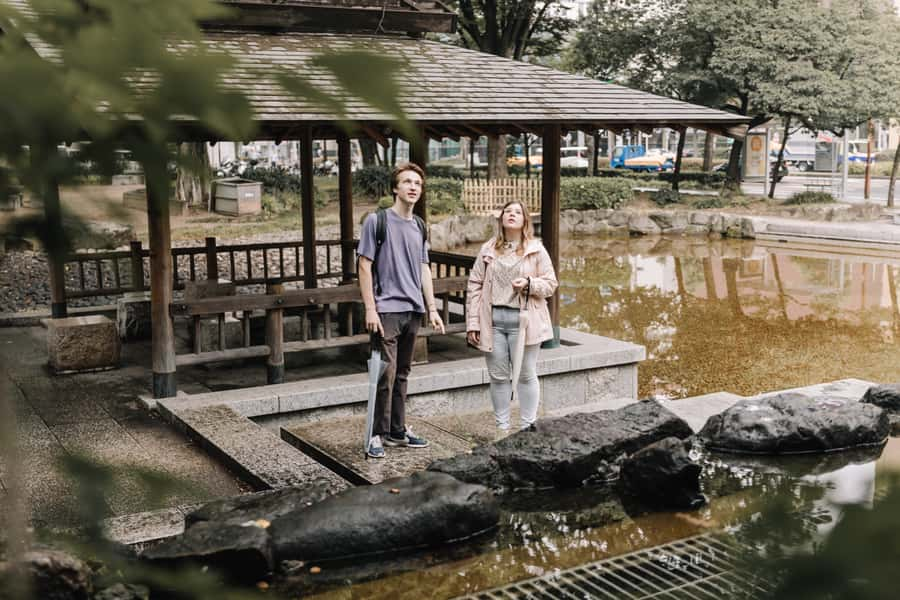
Nagoya is one of Japan’s major cities, yet many first-time visitors have trouble deciding what deserves their limited time. This experience solves that problem by giving you a local host and a flexible walking plan rather than a rigid sightseeing circuit.
You can ask to see the city’s headline sights, or request a more everyday view of Nagoya. The host may suggest places based on your interests, and the final route can differ from the examples described here. That matters because a family interested in history needs a different day from a solo visitor who wants manga shops and local food streets.
The private group format also makes the walk more useful. You can stop to ask why a shrine matters, adjust the pace, or spend longer in a district that catches your attention. I would not treat this as a guaranteed checklist of Nagoya’s famous attractions. Treat it as a conversation-led introduction to the city.
The available languages are English and Japanese. Hotel meet-up can be arranged on request for central locations. Otherwise, you begin in front of the tourist information center and return to that meeting point when the tour ends.
Other experiences people book in Nagoya:
- From Nagoya: Gujo, Hida Takayama, and Shirakawa-go Day Tour
★ 4.4 · 398 reviews - Ghibli Park 1-Day Bus Tour from Nagoya
★ 4.5 · 277 reviews - From Nagoya: Hida Takayama & Shirakawa-go Tour w/Opt. Lunch
★ 4.5 · 256 reviews
Nagoya Castle and the Samurai Story

Nagoya Castle is the clearest choice if you want the city’s major historical symbol. The tour can use the castle as a starting point for understanding samurai life and the importance of the ruling elite in Japanese history.
Your host can put the buildings and grounds into context as you walk. That local explanation is useful because a castle visit can otherwise become a series of grand roofs, gates, and stone walls without much meaning. Ask questions about daily life, military power, and the people connected with the castle.
Ninja demonstrations may also take place at Nagoya Castle. The wording matters here: you may find them, but they are not guaranteed as part of every visit. If this is a priority, confirm the situation with your host rather than building your entire day around it.
Admission is not included. The same applies to any other ticketed attraction you choose. A two-hour walk focused on exterior areas and nearby streets will keep costs lower than a longer route with several paid stops.
I would choose four hours for a first visit focused on the castle and central Nagoya. Two hours can work if you only want a brief introduction, but it leaves less room for detours or a second neighborhood.
Atsuta Shrine and a Slower Side of the City
Atsuta Shrine gives the tour a very different mood. With around 1,900 years of history, it is one of Japan’s most significant shrines and a strong choice if you want a major sacred site rather than another urban shopping street.
The appeal here is not simply age. A local host can explain why the shrine matters and help you notice details that are easy to miss when you walk through on your own. The grounds also provide a change from Nagoya’s busy commercial areas.
I would request Atsuta Shrine if you have already seen castles and want a more reflective stop. It is also a good fit for visitors who care about religion, tradition, and the continuing role of historic places in modern Japan.
The practical issue is time. Atsuta Shrine is not simply another quick point on a central walking loop if your route also includes the castle and Osu. Depending on the plan, public transport or a private taxi may be sensible. Those costs are separate from the tour price, and your host can suggest transport options when walking is not the best choice.
Osu for Manga, Temples, and Local Color
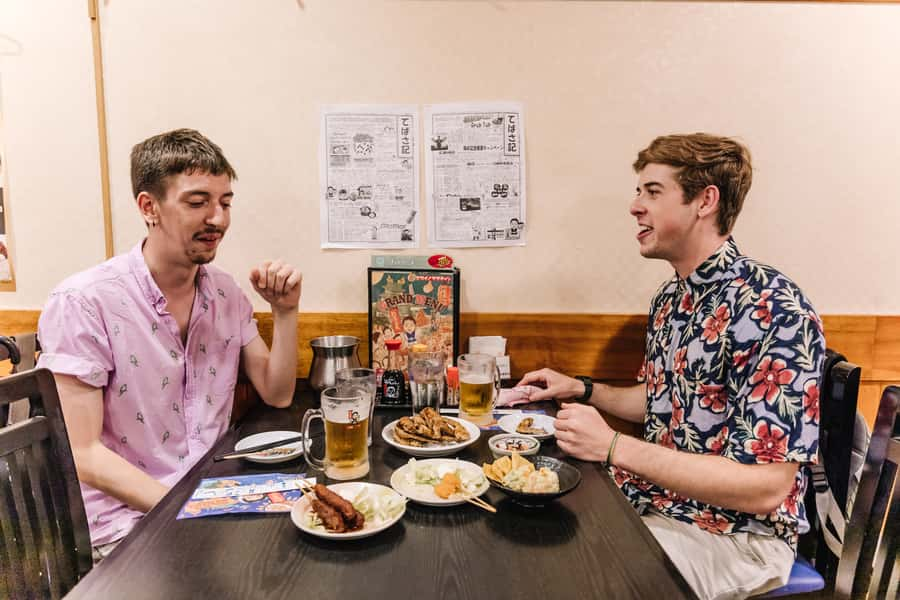
Osu is probably the most varied neighborhood named for this tour. It is a centuries-old shopping district, a major manga and otaku center, and the home of Osu Kannon, the Kitano Shrine, and the Miwa Shrine.
That mix gives you several ways to use your time. You can browse manga, talk about Japanese pop culture, and then step into a temple or shrine a short distance away. The annual World Cosplay Summit also connects Osu with international cosplay culture, so this is the natural choice for visitors who want something less formal than a castle or shrine.
I like Osu because it lets your interests guide the walk. You might ask to focus on manga and shopping, or you might prefer the contrast between the commercial streets and the religious sites. Your host can help keep the route from becoming a simple shopping trip.
Do not expect every shop or event to be included. The experience is a walking tour, not a shopping package, and food and drinks are extra. If you want to buy manga, souvenirs, or snacks, budget separately.
Osu is especially suitable for teenagers, pop culture fans, and anyone who has already seen Japan’s classic temples. It also works well for a four-hour tour because the district offers enough variety without requiring a long cross-city journey.
Same base, a different sort of day:
- Hiking the Historic Nakasendo Trail [1 Day Tour from Nagoya]
★ 5.0 · 104 reviews - Nagoya: Japanese Traditional Sweets making and Tea Ceremony
★ 4.9 · 76 reviews - Magome-juku, Tsumago-juku & Ena-kyo 1d Bus Tour from Nagoya
★ 4.6 · 75 reviews - Nagoya Full-day Private Custom Tour with National Licensed Guide
★ 5.0 · 61 reviews
The Port of Nagoya and a Different City View

The tour can also head about eight miles south to the Port of Nagoya. This is the country’s largest and busiest port, so it offers a very different picture of the city from castles, shrines, and shopping arcades.
At the port, you might ride the giant Ferris wheel at the amusement park. You could also board a former Antarctic research ship that now serves as a floating maritime museum. These choices give the port a family-friendly angle, while the working harbor adds an industrial side to Nagoya’s identity.
I would consider this option if you have a full day, especially if you are traveling with children or have already covered central Nagoya. It is less practical for a short two-hour introduction because the journey takes time and transportation is not included.
The port also shows why clarifying your interests with the host matters. If you want samurai history, the castle is likely a better use of limited time. If you want ships, amusement attractions, and a different view of the city, the port may be the more memorable choice.
Entry tickets and transport remain separate. Ask your host how much of the available time would be spent getting there and returning to the meeting point.
How the Two to Eight Hour Choices Work

The biggest decision is not only what you want to see, but how much time you have.
Two hours suits a short introduction. Choose one compact area and keep the route focused. This option is useful for a stopover or for getting advice before exploring on your own, but it is too short for several distant sights.
Four hours is the most balanced choice for many people. You can focus on Nagoya Castle, Osu, or Atsuta Shrine without rushing every stop. You may also have time for a few local suggestions along the way.
Six hours gives the host room to connect two different parts of the city. You could combine a major sight with a neighborhood that matches your interests, although transport and admission costs become more important.
Eight hours is the best fit if you want a full day with several areas, or if the Port of Nagoya is part of your plan. It gives you the most flexibility, but it also requires more energy and a clearer idea of what you want before the day begins.
I recommend sending your interests in advance. Tell the host if you care most about samurai history, religious sites, manga, shopping, port attractions, or local life. The more specific you are, the easier it is to use the private format well.
A Human Guide Makes the Difference
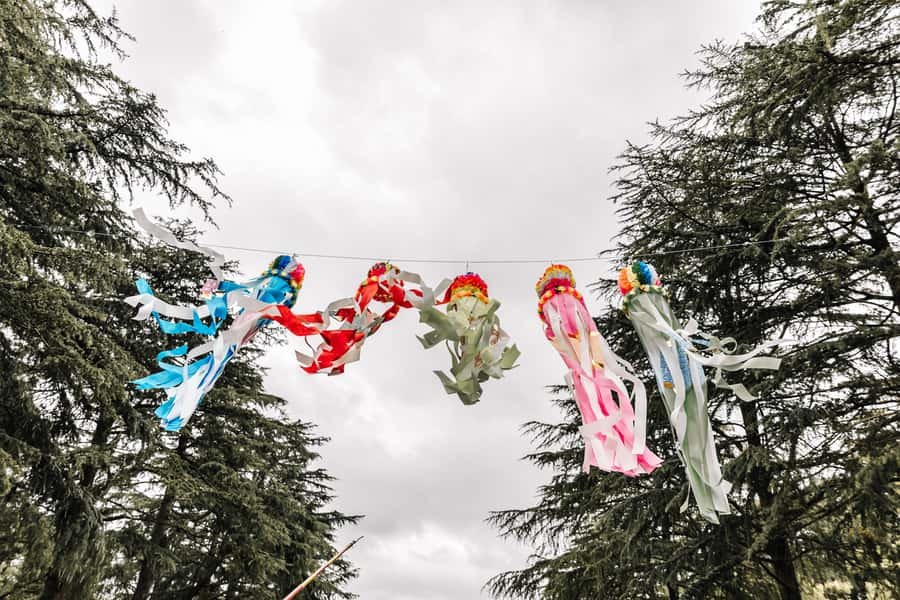
This experience depends heavily on the match between you and your host. The names connected with especially strong experiences include Yoshi, Takako, and Anna, though you should not assume one of them will lead your tour.
Yoshi has been praised for sharing small details from a local point of view. That is exactly the kind of information that can turn a basic walk into a more personal introduction to Nagoya.
Takako showed the value of flexibility when conditions created problems around Kaida Kogen. Instead of forcing the original plan, she found attractive alternative walking routes and kept the focus on enjoying nature. That example is useful because it tells you what to look for in a private guide: someone who listens and adjusts rather than simply following a script.
Anna has been singled out for a strong Nagoya Castle visit. If the castle is your main reason for booking, make that clear when you arrange the experience.
The guide’s local perspective is the main product here. You are paying for conversation, judgment, and customization as much as for the walking itself. That makes the experience more valuable for curious visitors than for anyone who simply wants transportation between fixed attractions.
What the $78 Price Really Covers

The listed price is $78 per person. It covers a private, personalized experience lasting two, four, six, or eight hours, along with a local host and walking guidance.
That can be good value if you are traveling as a small private group and want help making decisions in an unfamiliar city. A host can save you time by matching the route to your interests, and the chance to ask questions throughout the walk is more useful than a standard audio guide for many people.
The value is less clear if you compare the price only with a short group walk. You still need to pay for transportation, food, drinks, and entry tickets. A longer tour can therefore cost more than the headline price suggests, especially if you visit the castle, take public transport, and add port attractions.
I would compare the total cost with what you would spend arranging the same day alone. If you are comfortable researching Nagoya, using public transport, and choosing sights without help, you may prefer an independent day. If you want a local to shape the route and explain the city as you go, the private format earns its price more easily.
Free cancellation is available up to 24 hours before the experience for a full refund. You can also reserve now and pay later, which helps if your schedule is still changing.
Who Should Book This Nagoya Walk?

I would recommend this tour to first-time visitors who want an efficient introduction without being locked into a standard route. It also suits repeat visitors who have already seen the obvious sights and want help finding a neighborhood, shrine, or local interest that fits their plans.
Families may appreciate the ability to adjust the pace and choose between castles, manga, shrines, and the port. Pop culture fans should ask about Osu. History-minded visitors should request Nagoya Castle and Atsuta Shrine.
This is less suitable if you want a fixed itinerary with every admission and transfer handled in advance. It is also not the best choice if you dislike making decisions during a tour. The experience works best when you arrive with a few clear interests and let the host help shape the details.
Should You Book It?
Book this experience if you want a private local introduction to Nagoya rather than a fixed sightseeing circuit. The strongest reasons are the flexible length, the ability to choose between very different areas, and the chance to learn through direct conversation with an English or Japanese-speaking host.
Choose the two-hour option for a quick orientation, four hours for a balanced first look, and six or eight hours if you want to connect distant sights or include the port. Just budget for transport, meals, and admission tickets, and confirm your priorities before the day begins. For visitors who value personal guidance and an adaptable plan, this is a practical way to make Nagoya feel easier to understand.
FAQ
How long is the Nagoya private tour?
You can choose a two, four, six, or eight-hour experience. Starting times depend on availability.
Is the tour private?
Yes. The experience is for a private group rather than a shared public group.
Which languages are available?
The live tour guide option is available in English and Japanese.
Where does the tour start?
The host waits in front of the tourist information center. A hotel meet-up may be available on request for central locations.
Where does the tour end?
The experience ends back at the meeting point.
Are transportation costs included?
No. Transportation costs are not included. The experience is designed as a walking tour, but the host can suggest public transport or private taxi options if needed.
Are food, drinks, and entry tickets included?
No. Food, drinks, and entry tickets are paid separately.
Can I cancel for a full refund?
Yes. You can cancel up to 24 hours in advance for a full refund.
Just added in Nagoya
- Kimono Rental and Tea Ceremony Experience in Inuyama★ 5.0 · 15 reviews
- Nagoya Full-day Private Custom Tour with National Licensed Guide★ 5.0 · 61 reviews
- Nagoya Half-day Private Custom Tour with National Licensed Guide★ 5.0 · 40 reviews
- Nagoya: Traditional Japanese Sweets-Making Workshop★ 4.6 · 14 reviews
- Nagoya: Toyota Commemorative Museum Guided Tour★ 4.7 · 22 reviews
- Nagoya Private Custom Tour with Local Guide★ 5.0 · 15 reviews
- Nagoya: Japanese Traditional Sweets making and Tea Ceremony★ 4.9 · 76 reviews
- Nagoya: Grand Sumo Tournament Tour★ 4.8 · 44 reviews
Tours in Nagoya, compared.


Hiking the Historic Nakasendo Trail [1 Day Tour from Nagoya]
Read our review →
Japanese Traditional Sweets making and Tea Ceremony
Read our review →
Magome-juku, Tsumago-juku & Ena-kyo 1d Bus Tour from Nagoya
Read our review →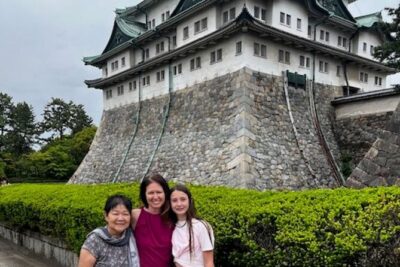
Nagoya Full-day Private Custom Tour with National Licensed Guide
Read our review →
Browse the lists this tour appears in