
Reviewed · MUSEUMS
Kamigata Ukiyoe Museum:Ukiyo-e Woodblock Printing Experience
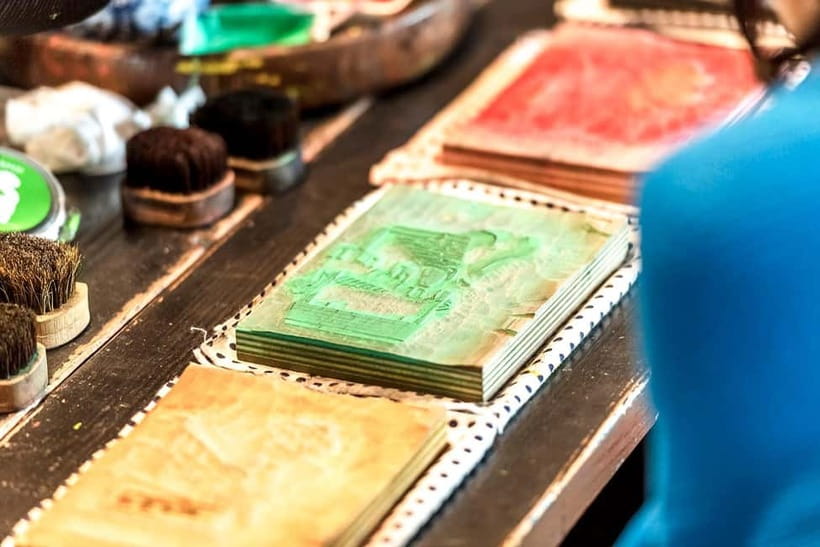
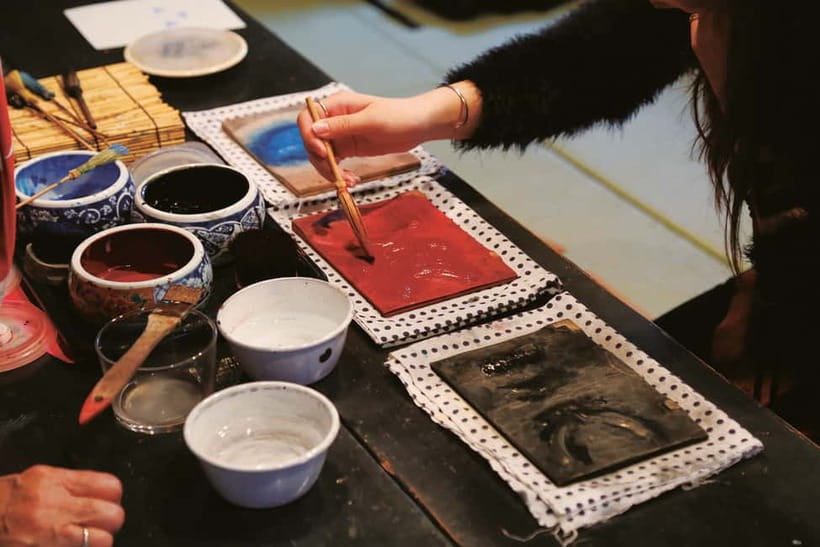
The best part of this activity is that you do not just look at ukiyo-e, you help make one. You apply color to original museum woodblocks, rub the paper with a baren, and see how several simple impressions build a finished image. I especially like the quality Japanese paper and the fact that your completed print goes home in a protective clear file.
I also like the private class format, since one group is scheduled per class and the instructor can guide you closely. The main drawback is that the session can feel brief, especially on the beginner course, and it focuses more on doing than on a long lesson about ukiyo-e history.
Key points at a glance
- Print with original woodblocks: Use the museum’s own blocks rather than a modern souvenir kit.
- Choose your challenge: Beginner, intermediate, and advanced courses offer different levels of color and handwork.
- Learn by handling the tools: Painting, baren rubbing, and pressure all affect the final print.
- Take home Japanese paper art: Your finished work comes in an original clear file for protection.
- Small private class: One group is scheduled per class, allowing close help from an English or Japanese instructor.
- Plan time for the museum: The workshop and gallery complement each other, but museum admission costs extra.
Why printing changes the way you see ukiyo-e
Ukiyo-e is often treated as a finished picture hanging behind glass. This workshop shows you the less obvious part: the picture is built through repeated printing.
You work with three or four colors, rather than producing the full image in one stroke. Each block and each pass of the paper matters. The amount of paint, the pressure of the baren, and the way you handle the sheet all affect the result.
That practical work gives you a better sense of what you are seeing in the museum afterward. A print that appears simple at first can involve careful registration, several blocks, and many controlled applications of color. Even a short session can change the way you look at the detailed works in the gallery.
I like this kind of activity because the lesson is physical. You are not simply told how woodblock printing works. You feel the process in your hands, including the moments when too much pressure or uneven paint changes the image.
A few more things to do in Osaka worth a look
- Osaka Castle: Museum and Tower Entry Ticket
★ 4.5 · 2,380 reviews - Osaka: Cup Noodles Museum Guided Tour (90 Minutes)
★ 4.8 · 38 reviews - Osaka: Kamigata Ukiyo-e Museum Admission Ticket
★ 4.7 · 30 reviews
Inside the fourth-floor tatami room
The activity takes place in a Japanese-style exhibition room on the fourth floor. You sit on a zabuton cushion in a tatami room, giving the workshop a more traditional setting than a standard craft table.
Small stools are available, but only in limited numbers. If sitting on the floor is uncomfortable for you, ask about a stool when you arrive. This is an important practical point because the workshop is hands-on, and you will want to concentrate on the paper and blocks rather than your seating position.
The setting also helps connect the activity to Japanese craft traditions. It is not a large production line with many groups working at once. One group is scheduled for each class, which keeps the pace personal and allows the instructor to watch your technique.
The experience is offered in English and Japanese. Several participants have found the instruction clear even when there was a slight language gap. Mrs. Saya, specifically, has been praised for being patient, warm, encouraging, and attentive to small details.
The beginner course: short, simple, and satisfying
The beginner course is the easiest choice if you have never printed before or want a quick creative break in Osaka. You learn the basic sequence, work with the blocks, and create a finished image without needing previous experience.
The process includes applying paint, placing the Japanese paper, and using a baren to rub the back of the sheet. You also learn that pressure is not just a matter of pushing harder. It affects how evenly the color transfers.
The course can be completed in roughly 30 minutes to one hour, depending on the selected class and pace. That makes it easy to fit between sightseeing stops, though the short length may disappoint you if you want a long technical demonstration.
The beginner option is also a good choice for families, couples, and friends who want something relaxed. You receive a real object at the end, not just a memory of watching someone else work. The print may have small imperfections, but those marks are part of the hands-on experience.
Intermediate printing: more steps, more control
The intermediate course adds a greater challenge while keeping the same basic process. You still paint the blocks and rub the paper by hand, but the work requires more care as you build the image through additional steps.
One useful point is that the course does not require you to arrive as a trained printmaker. An intermediate participant with no previous woodblock-painting experience received clear guidance throughout the class. Still, you should expect to pay closer attention to color placement and pressure than you would on the beginner course.
This level suits you if the beginner process sounds appealing but too limited. It gives you more chances to notice how each color changes the picture. I would choose it for a second visit, or for a first visit if you enjoy craft activities and do not mind a little extra concentration.
The result is still a souvenir, but the value comes from understanding the stages that produced it. Afterward, you can look at the museum displays and think about how many more blocks and impressions were needed for the most detailed works.
Same base, a different sort of day:
- Osaka Go Karting Tour with Funny Costume
★ 5.0 · 2,658 reviews - Osaka: Shinsekai Food Tour with 13-15 Dishes at 5 Eateries
★ 4.8 · 2,204 reviews - Osaka Food Tour: 13 Dishes at 5 Local Eateries
★ 5.0 · 2,149 reviews - Hungry Osaka Street Food Tour:15 Tastings & 3 Drinks with a Local
★ 5.0 · 1,727 reviews
Advanced printing: rewarding, but do not expect an easy craft
The advanced course uses more colors and more steps. That makes it the strongest option for learning how complex ukiyo-e images are assembled, but it is not simply a longer version of the beginner class.
The extra work gives you a better feel for registration and control. You need to follow the instructor carefully and handle the paper with care. One participant described the advanced course as difficult but enjoyable, which is a fair expectation.
You can choose the advanced class even without completing the other two courses. The process remains based on the same core actions, but the added colors and stages make it more demanding. If you want a calm, low-pressure souvenir, choose beginner. If you want to test your patience and gain a closer sense of the craft, advanced is the more interesting pick.
What you actually do with the blocks and baren
The workshop centers on three simple actions, each with a different effect:
- You apply paint to the woodblock using the techniques shown by the instructor.
- You place the Japanese paper carefully over the block.
- You rub the back of the paper with a baren, adjusting pressure to transfer the color.
The method sounds straightforward, but the final print depends on small choices. Too little pressure may leave the color faint. Too much may affect the paper or produce an uneven result. The sequence also matters when you print several colors.
This is where the instructor becomes important. You are not left to guess how hard to rub or where to place the paper. The private format gives you room to ask questions and correct your technique as you work.
The session is practical rather than lecture-heavy. If your main goal is a detailed introduction to ukiyo-e history, spend time in the museum gallery as well. If your goal is to understand the physical act of printing, the hands-on portion does the job quickly.
Why you should see the museum before or after
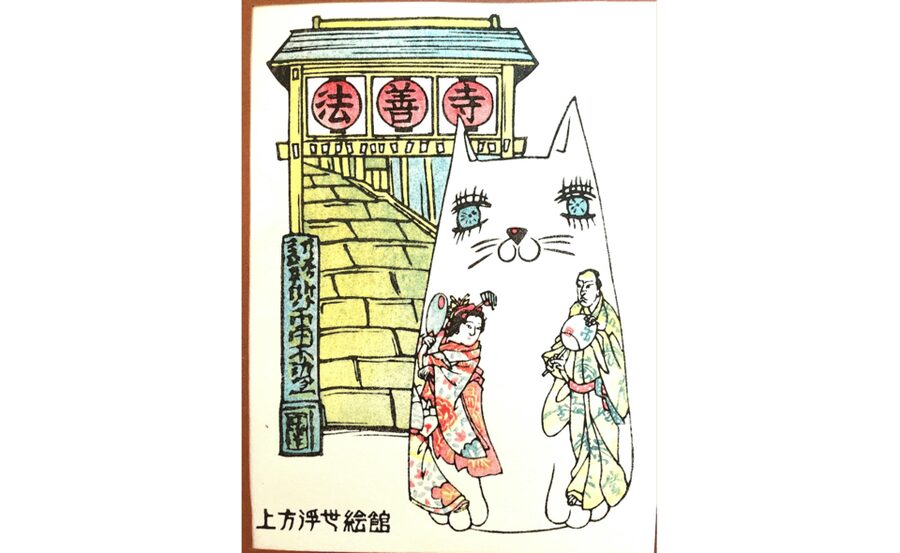
Admission to the Kamigata Ukiyo-e Museum is not included in the printing fee, so you will need a separate ticket if you want to visit the displays. I consider the gallery worth adding because it gives context to the print you make.
You can visit before the workshop to understand the finished form before trying the process yourself. This approach may help you notice the number of colors, the precision of the lines, and the layering used in the museum’s works.
You can also print first and visit afterward. In that order, the gallery becomes a practical lesson. Details that might have looked effortless begin to seem much harder once you have tried applying and transferring even a few colors.
Several people have found that doing both parts gives a stronger appreciation of ukiyo-e. The workshop alone is enjoyable, but the gallery turns the activity into a clearer lesson in how the art was produced.
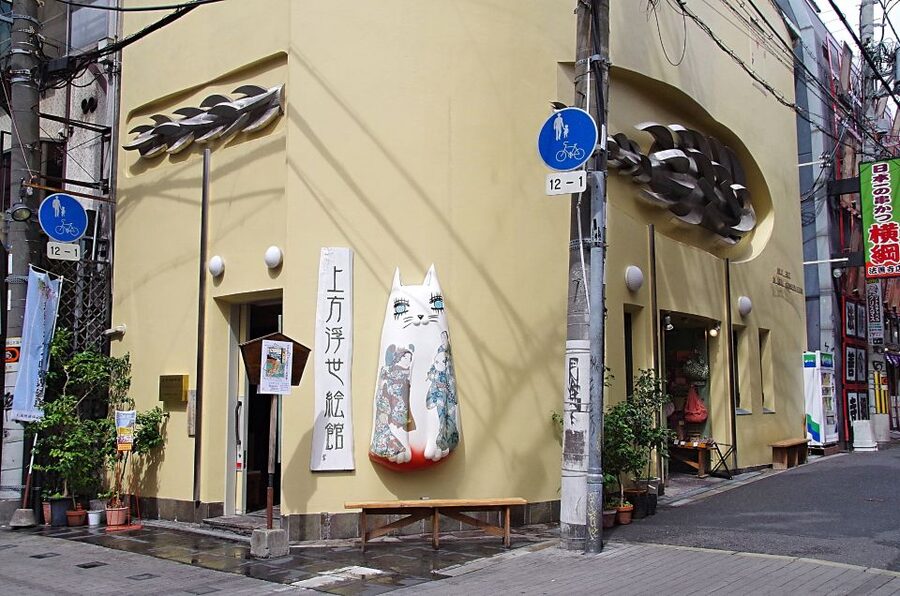
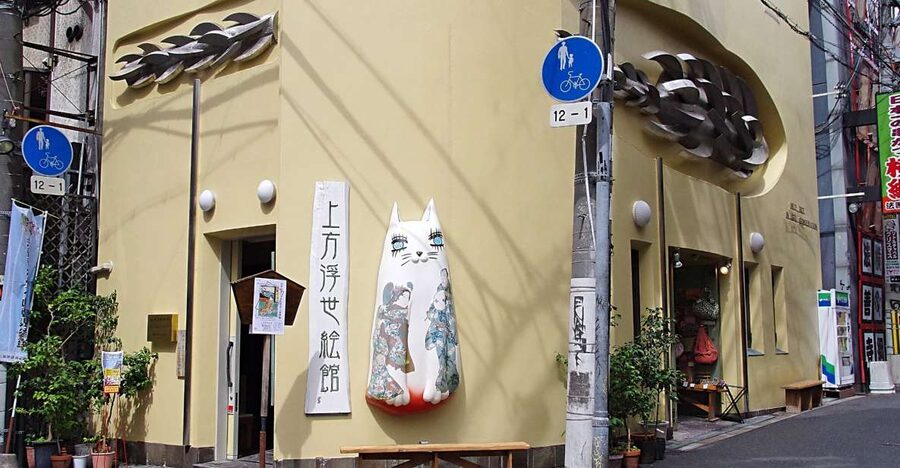
The museum is in Osaka’s old area just behind Dotonbori, according to the experience details. That location makes the workshop easy to pair with time around one of Osaka’s best-known sightseeing districts, though the activity itself provides a quieter change of pace.
The souvenir is useful, not just decorative
At the end, you receive your completed artwork in an original clear file. That small detail matters. A fresh print can crease easily in a day bag, especially if you are continuing around Osaka afterward.
You also work on good-quality Japanese paper. The result is not a disposable paper craft, though you should remember that it is your own first or early attempt, not a museum-grade print. Small variations are part of the charm and show that you made it by hand.
The souvenir has more meaning because you understand the process behind it. When you see the image later, you can remember the separate colors, the pressure of the baren, and the care needed to keep the paper aligned.
For a five-dollar activity, the take-home value is unusually strong. You receive instruction, materials, access to original blocks, and a finished piece. The low price does not mean the session is elaborate, but it does make this one of the easier cultural activities to justify in a busy Osaka itinerary.
Timing, group size, and booking details
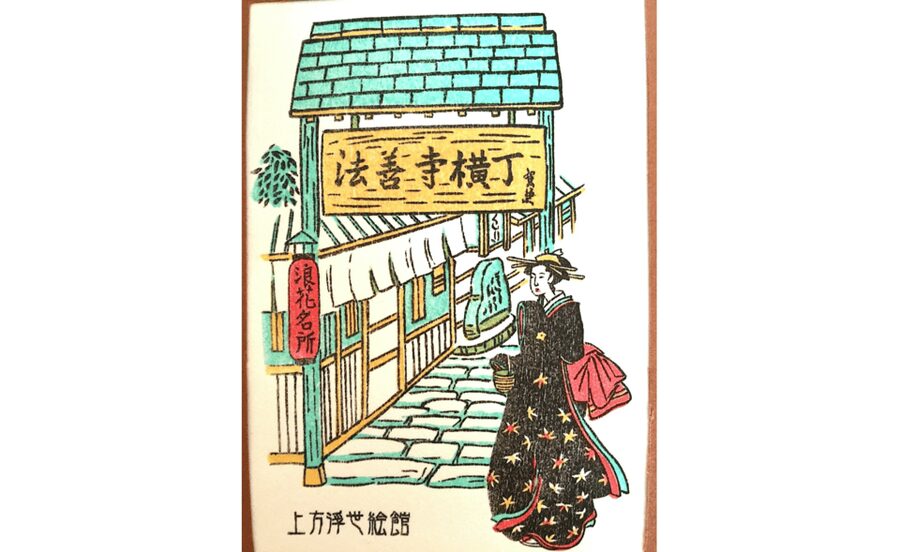
Plan on 30 minutes to one hour. Check the available starting times when booking because the length can vary by course and schedule.
Arrive on time. If you do not arrive within 30 minutes of your reserved time, the reservation is treated as canceled and no refund is provided. This is especially important in Osaka, where a short delay from a meal, train connection, or crowded sightseeing area can quickly become longer than expected.
The activity is for a private group, with only one group scheduled for each class. That arrangement is useful if you want personal help or are visiting with a partner or small group. It also means you should reserve ahead rather than assume you can walk in at any time.
Cancellation is free up to 24 hours before the activity for a full refund. You can also reserve now and pay later, which helps if your Osaka plans are still shifting.
The workshop is unavailable from December 29 through January 3 for the New Year holiday period. Keep those dates in mind if you are visiting Japan at the end of the year.
Who will enjoy this activity most
I would recommend it most strongly to you if you like making things with your hands, want a small cultural activity near Dotonbori, or prefer a souvenir with a personal story behind it.
It is also a good choice for:
- Couples looking for a calm activity they can do together
- Families and first-time printmakers who want simple instruction
- Art lovers who want to understand how ukiyo-e is produced
- Repeat visitors to Osaka who have already seen the main sights
- Anyone who wants a short activity that fits around meals and sightseeing
You may want to choose something else if you expect a long historical talk, a full studio course, or a highly polished final artwork. The lesson is brief and practical. The instructor answers questions and guides your handwork, but the main focus is making the print.
If you are uncertain about the course level, beginner is the safest first choice. Intermediate and advanced are available for a greater challenge, and you do not need to assume that you must complete all three in order. The advanced class still uses the same basic method, with more colors and steps.
Is the Kamigata Ukiyo-e printing experience worth booking?
Yes, especially at about $5 per person. The price is low enough that the activity offers strong value even if you are only mildly interested in Japanese art. You get a private class, an English or Japanese instructor, quality paper, original woodblocks, and a souvenir to carry home.
I would book it if you want a short, authentic craft experience and have time to visit the museum gallery either before or after. The combination gives you more than a quick make-and-take activity because it helps you understand why ukiyo-e prints require such careful work.
I would skip it only if you dislike floor seating, need a long educational presentation, or have no room in your schedule for a fixed appointment. For most visitors to Osaka, this is an easy, inexpensive way to do more than look at Japanese art. You get to take part in one small piece of its making.
FAQ
How much does the ukiyo-e printing experience cost?
The experience costs $5 per person. Museum admission is separate and is not included in the printing fee.
How long does the workshop last?
The activity lasts from 30 minutes to one hour. Starting times depend on availability.
Which courses can I choose from?
You can choose a beginner, intermediate, or advanced course. The advanced option uses more colors and steps, while the beginner course is suited to first-time participants.
Is the instructor available in English?
Yes. Instruction is available in English and Japanese. The instructor guides you through the printing process and answers questions.
Where does the printing take place?
The workshop takes place in a Japanese-style exhibition room on the fourth floor. You sit on a zabuton cushion in a tatami room, and a limited number of small stools are available.
Can I take my print home?
Yes. You receive your finished print on Japanese paper in an original clear file.
What happens if I arrive late?
If you do not arrive within 30 minutes of your reserved time, the reservation is considered canceled and no refund is provided. The experience is also unavailable from December 29 through January 3.
Just added in Osaka
- Private arrival transfer from Kansai International airport to Kyoto City★ 5.0 · 32 reviews
- (Ticket Included) Explore Osaka Castle & Museum of History★ 4.8 · 21 reviews
- Hidden Osaka – Yukaku Red Light Tour & Culinary Adventure★ 4.8 · 96 reviews
- Osaka: Walking Tour and Top Highlights★ 4.8 · 104 reviews
- Pickleball in Osaka, Kobe & Kyoto with Locals!★ 4.7 · 80 reviews
- Osaka: Private Ceramic Painting Workshop★ 5.0 · 13 reviews
- Osaka:SUMO BEATS SHOWCASE: Taiko Drum and Wagyu burger!★ 4.2 · 37 reviews
- Eat Like a Local in Osaka – Private Custom Street Food Tour★ 4.3 · 33 reviews
Museums, compared.
teamLab Planets TOKYO Digital Art Museum Entry Ticket
Read our review →
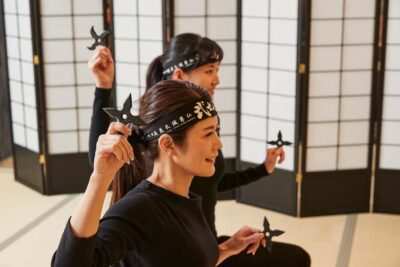
Samurai Ninja Museum Guided tour and Experience
Read our review →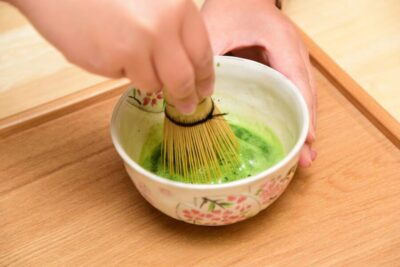
Tea Museum Tickets and Matcha Grinding Experience
Read our review →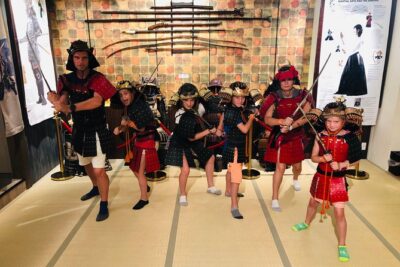
Skip the lines Basic Ticket at SAMURAI NINJA MUSEUM KYOTO
Read our review →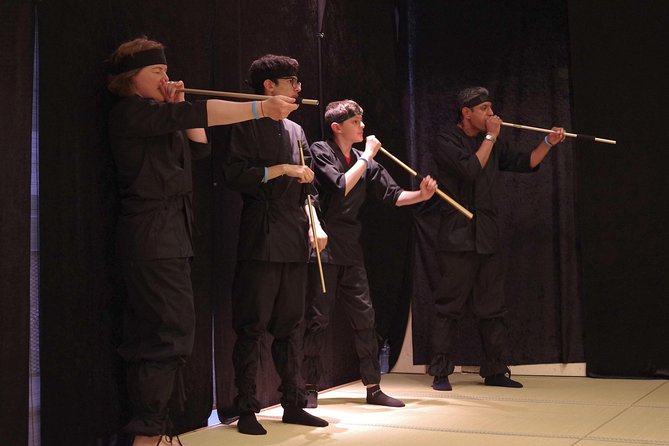
Ninja Experience (Family Friendly) at Samurai Ninja Museum TOKYO
Read our review →
Tokyo Studio Ghibli Museum and Ghibli Film Appreciation Tour
Read our review →
Geiko Maiko Dance of Kyoto & Visits of Gion Museum
Read our review →Browse the lists this tour appears in