
Reviewed · GEISHA & GION DISTRICT TOURS
Kyoto : Geiko Maiko Dance of Kyoto & Visits of Gion Museum
Kyoto’s traditional geiko and maiko arts can be difficult to see without arranging an expensive private banquet. This compact experience solves that problem with a 15-minute Kyomai dance performance inside the Gion Kagai Art Museum. One geiko or maiko performs two songs, with two performers appearing at some later sessions.
I like the way the museum puts the dance in context through kimono, hair ornaments, makeup tools, photographs, and video. I also like the small Japanese garden, which gives you a calm pause after the performance. The main drawback is the short show: at $25 per person, you are paying for a brief performance plus museum admission, not a full evening of entertainment.
Key points
- Two Inoue-style Kyomai songs: The live dance lasts about 15 minutes and usually features one geiko or maiko.
- A compact Gion culture museum: See Yuzen kimono, Nishijin obi, seasonal kanzashi, formal black kimono, photographs, and personal items.
- English support by QR code: Scan the museum information for translated explanations as you explore.
- A quiet Chisen garden: The Japanese garden adds a peaceful visual break to the indoor exhibits.
- Five daily performance times: Sessions are listed at 13:30, 14:20, 15:00, 16:00, and 16:30.
- Photo sessions cost extra: Ask at the museum about a geiko or maiko photo session, reported at about 2,000 yen.
Why This Short Kyoto Dance Is Worth Considering
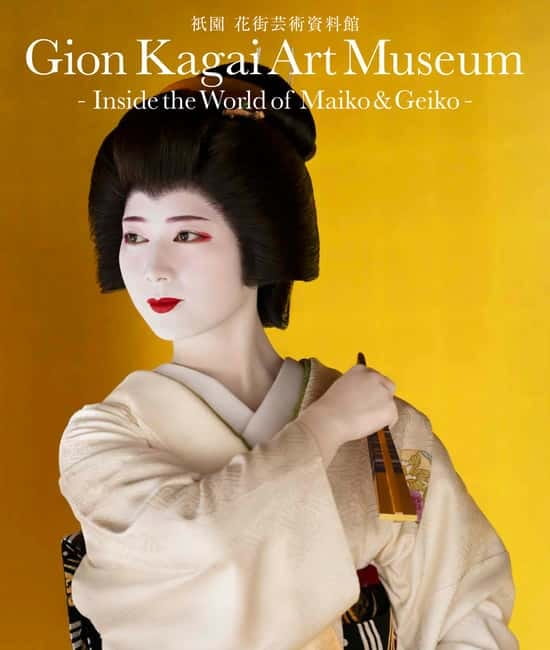
The appeal here is simple: you get a live glimpse of Kyoto’s traditional performing arts without committing half a day to a formal cultural program. The dance is graceful, controlled, and deliberately restrained. It is not a stage spectacle with a long introduction or a large cast. It is a close look at a style of performance built around posture, hand movement, costume, music, and expression.
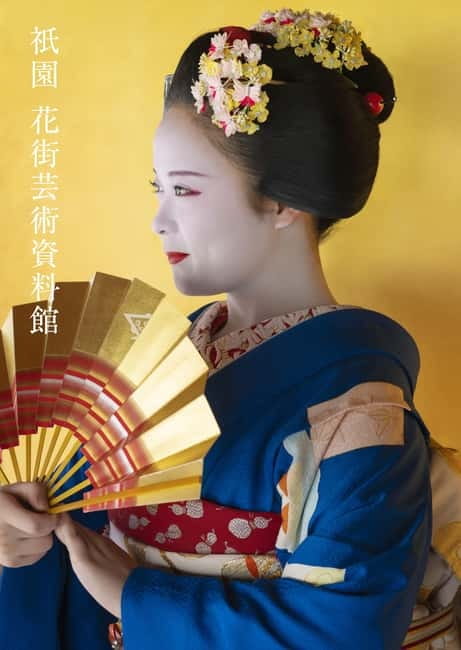
The performers are called geiko and maiko in Kyoto. Geiko are professional women who perform dance and music in banquet rooms and on stage. Maiko are women in training to become geiko. The distinction matters, since Kyoto uses geiko rather than the more widely known word geisha.
The performance follows the Inoue style of Kyomai, also called Kyoto Mai. You see two songs, lasting about 15 minutes in total. Most sessions have one performer, but the third and fourth sessions may feature two maiko or geiko. That can make those times especially appealing if you want to compare the movement and presence of two performers.
I like this format for a busy Kyoto day. You can visit the museum, watch the dance, and continue sightseeing without giving up an entire afternoon. At the same time, you should arrive with the right expectations. Fifteen minutes is enough to create an impression, but not enough to explain every gesture, lyric, costume detail, or part of the training.
Other evenings in the old entertainment quarters of Kyoto:
- Kyoto Geisha Walking Tour: Gion District & Hidden Gems
★ 4.7 · 3,273 reviews - Kyoto: Gion Magical Night Walking Tour with Geisha Trivia
★ 4.9 · 2,393 reviews - Kyoto: Gion Geisha District Walking Tour – Stories of Geisha
★ 4.7 · 2,187 reviews
Entering the Gion Kagai Art Museum
Your meeting point is the museum entrance. The practical advice is to arrive 10 minutes before your scheduled performance, since late arrival could make the seating or entry process awkward. Some people have found the entrance confusing at first, so look for museum staff and ask for help if needed. Staff members have been described as friendly and able to assist in English.
The museum is designed as more than a waiting room for the show. You can spend time looking at the permanent exhibition before or after the dance, and the museum remains part of the value of the ticket even though the live performance is short.
The term kagai refers to Kyoto’s traditional entertainment districts, including Gion. The displays explain the culture through objects rather than presenting only a general overview. That gives you a useful visual introduction before you see the performer on stage.
If you have little background in Japanese arts, start with the museum displays before the dance. The objects help you notice details during the performance, especially the way clothing, hair ornaments, and controlled movement work together.
What You See in the Permanent Exhibition
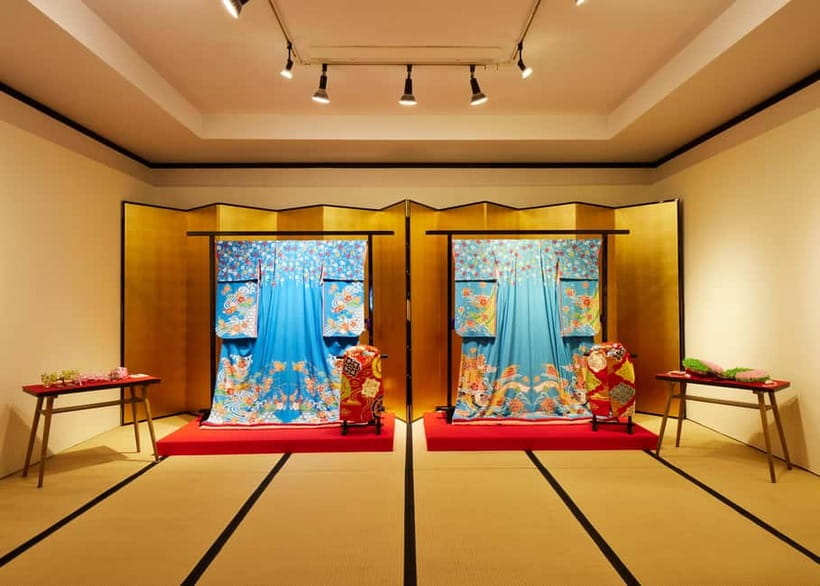
The permanent exhibit covers the world of geiko and maiko through clothing, accessories, working tools, photographs, and video. It is a small museum, but it offers enough material to reward a careful visit.
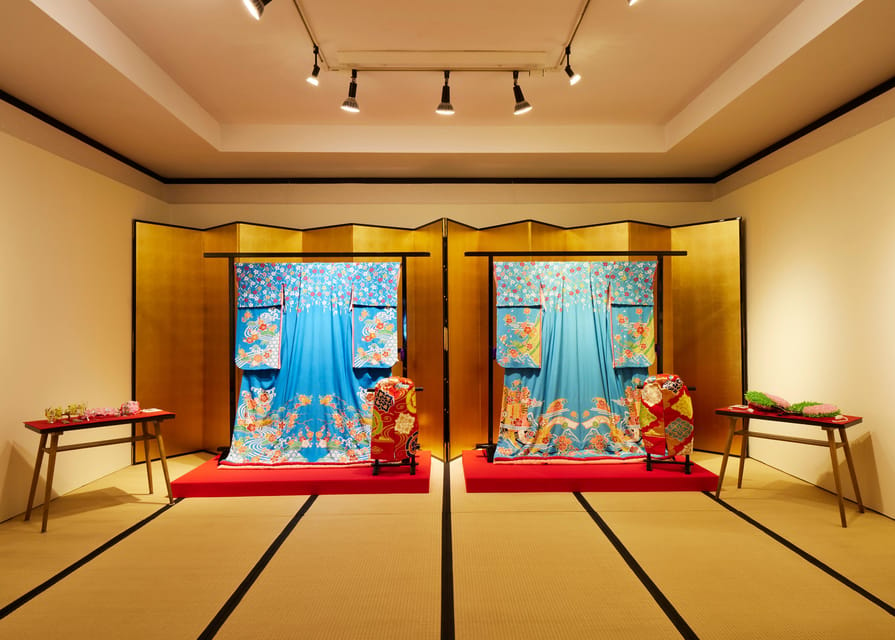
The hand-painted Yuzen kimono are among the most visually important pieces. Yuzen is known for detailed decoration, and the garments help explain why costume is such a central part of the performance. You also see Nishijin brocade obi sashes, which add another layer of pattern and texture to the clothing.
Seasonal kanzashi hair ornaments show how the performer’s appearance changes throughout the year. These are not just decorative objects for a display case. They help you understand the care given to hairstyle and seasonal presentation.
The museum also displays black crested formal kimono, personal belongings, and makeup used by maiko. These everyday or ceremonial items make the subject more concrete. Instead of seeing only a polished stage performance, you get clues about the preparation behind it.
Photographs convey the atmosphere of Kyoto’s kagai districts, while videos provide useful background on the dance. An English translation is available by scanning QR codes, which is particularly helpful because much of the cultural explanation may otherwise be difficult to follow if you do not read Japanese.
Set aside enough time to read. The show itself lasts only 15 minutes, but the museum can occupy more of your visit. Some information is presented in a concise format, while other sections reward a slower look at the translated material.
Watching the 15-Minute Kyomai Performance
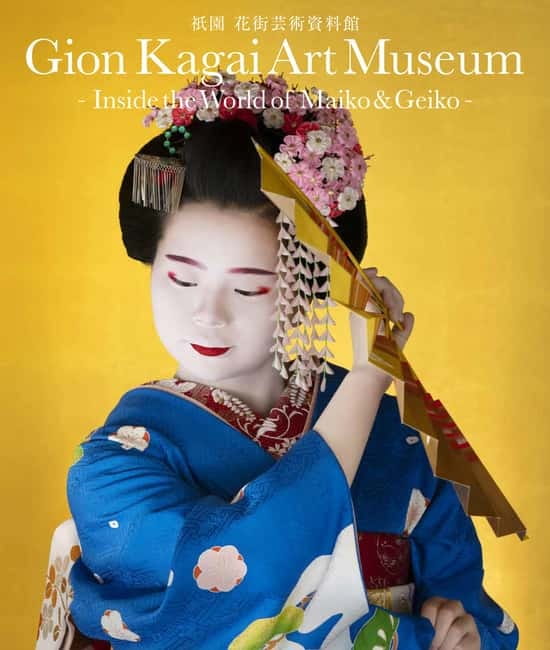
The live performance is the central reason to book. A geiko or maiko performs two Kyomai songs in the Inoue style. The movements are precise and economical, with attention to the position of the hands, the angle of the head, the pace of each step, and the expression on the face.
The performance may feel quiet compared with a Western theatrical show. That is part of its character. The interest comes from small changes in movement and from the way the performer handles the kimono and other elements of the presentation.
You will not receive an extended spoken lecture during the dance. One useful improvement would be a clearer introduction to the names and meaning of the dances before the performance begins. The museum provides written background, but some visitors may want more help understanding the song or story as it unfolds.
The third and fourth sessions, listed at 15:00 and 16:00, may sometimes feature two performers. If you have flexibility, these times could offer a more varied visual experience. The schedule is not a guarantee of two performers, so book based on the listed time rather than assuming a pair will appear.
Photography is not allowed during the dance. This rule protects the quiet focus of the performance and means you should put your phone away once the show starts. If taking a picture with a geiko or maiko matters to you, arrange the separate photo session at the museum. It is not included automatically, and information provided for the experience places the extra cost at about 2,000 yen.
A few more things to do in Kyoto worth a look
- Kyoto: Tea Museum Tickets and Matcha Grinding Experience
★ 4.9 · 739 reviews - Skip the lines Basic Ticket at SAMURAI NINJA MUSEUM KYOTO
★ 4.5 · 632 reviews - Tokyo: teamLab Planets TOKYO Digital Art Museum Entry Ticket
★ 4.6 · 9,779 reviews - Osaka Castle: Museum and Tower Entry Ticket
★ 4.5 · 2,380 reviews
The Chisen Garden and Art Cafe
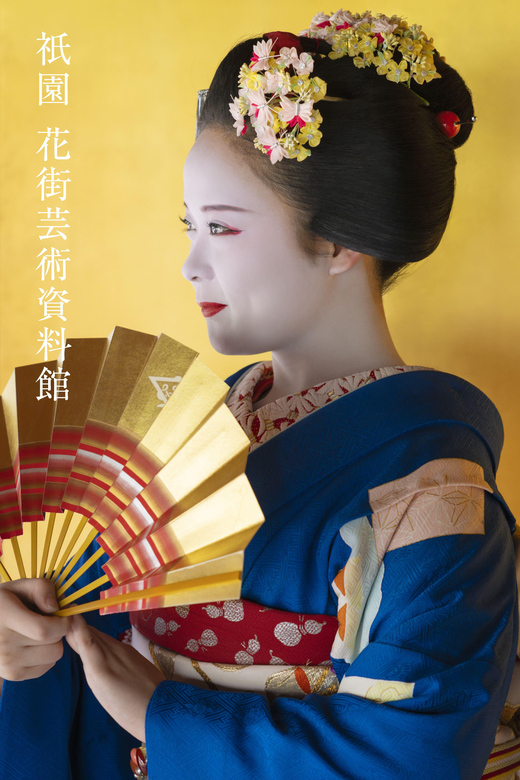
The museum also includes a Chisen water Japanese garden. It is not the main attraction, but it adds real value to a short indoor visit. After concentrating on the performance and displays, you can look at the garden and enjoy a slower moment.
The garden is especially useful if you are fitting this experience between larger Kyoto sights. It gives the visit a sense of place rather than making it feel like a quick theater stop. You might find it modest in size, but the setting provides a welcome change from display cases and screens.
The art cafe and museum shop round out the visit. The cafe gives you a place to pause, while the shop offers souvenirs connected to the museum’s subject. The shop is described as small, so do not expect a large shopping stop, but it can be useful for a modest keepsake.
These extras matter because the live portion is so brief. I would not book this solely for the garden or shop, but I would count them when judging the $25 price.
Is $25 Good Value?
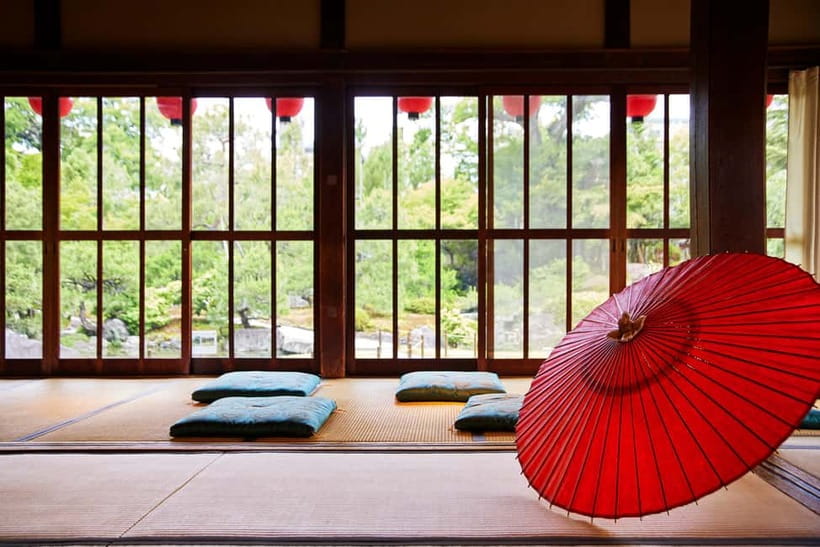
At $25 per person, the experience sits above the cost of a simple museum visit but below what you might pay for a longer traditional performance or private cultural arrangement. The value depends on how you use the visit.
If you arrive just in time for the dance and leave immediately afterward, the price may feel high for 15 minutes. If you allow time for the permanent exhibition, translated information, garden, cafe, and shop, the ticket makes more sense. The museum turns a short performance into a compact cultural visit.
I see this as good value for three types of visitors. First, it suits people with a crowded Kyoto schedule who still want to see live geiko or maiko dance. Second, it works for anyone who wants visual context before or after seeing Gion. Third, it is useful for visitors who prefer a straightforward public performance instead of trying to arrange a private banquet experience.
The main limitation is depth. You do not get a long conversation with the performer, a detailed question-and-answer session, or a full evening of music and dance. The museum offers background, but you may still want to read about Kyoto’s arts elsewhere if you want a fuller understanding.
Picking a Time and Planning Your Visit
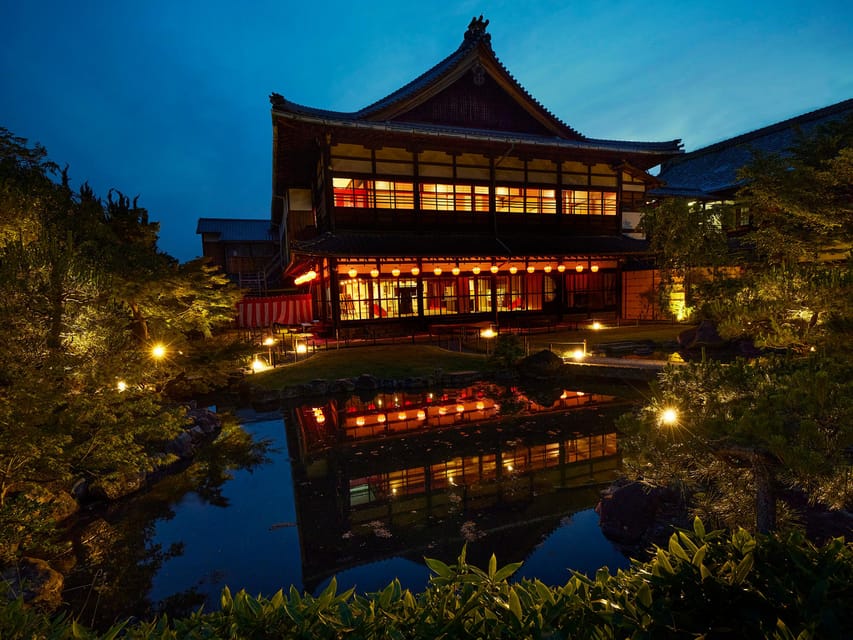
The listed performance times are:
- 13:30
- 14:20
- 15:00
- 16:00
- 16:30
You should arrive at least 10 minutes before your chosen time. Since the show is short, a delay can affect most of your experience. Plan to visit the exhibits either before the performance or afterward, depending on your wider Kyoto schedule.
The first two sessions can work well if you want to continue sightseeing later in the day. The middle and later sessions may appeal if you hope for the possibility of two performers, though this is not assured. The final 16:30 performance gives you a late option, but you should check availability because the activity is offered at scheduled times rather than as an open performance throughout the day.
There is no need to bring large luggage. Oversize luggage, pets, drones, alcohol, and drugs are not allowed. Audio recording is also prohibited. Most importantly, remember the no-photo rule during the dance.
Who Will Enjoy This Experience Most?
I would recommend this to you if you want a polished cultural introduction in a small time slot. It is a strong choice for first-time Kyoto visitors who want to see geiko or maiko performance without needing specialized arrangements.
It also suits families and mixed-interest groups, since the museum, garden, and short show offer several ways to engage. Someone who is not already interested in traditional dance may appreciate the limited length, while an arts enthusiast can spend longer with the costume and accessory displays.
You may want to skip it if your main goal is an extended show with narration, interaction, or several musical numbers. The dance is brief, and the lack of photography during the performance may disappoint anyone hoping to document every moment.
The experience is also less useful if you plan to rush through the museum. The translated QR information takes time to scan and read, and the displays make more sense when you give them attention.
Practical Tips for a Better Visit
- Arrive 10 minutes early: Find the museum entrance first and allow time for staff to direct you.
- Scan the English QR codes: They provide access to translated museum information.
- Visit the exhibits before the show: This can help you recognize costume and accessory details during the dance.
- Keep your phone away during the performance: Photography and audio recording are not allowed.
- Ask about the photo session at the museum: It is a separate option and is not included in the basic ticket.
- Carry about 2,000 yen if you want a photo: This is the approximate extra cost provided for the photo session.
- Stay after the dance: The museum, garden, cafe, and shop are important parts of the overall value.
- Do not treat the show as a full evening program: It is a short cultural presentation with museum access.
Should You Book the Gion Geiko and Maiko Dance?
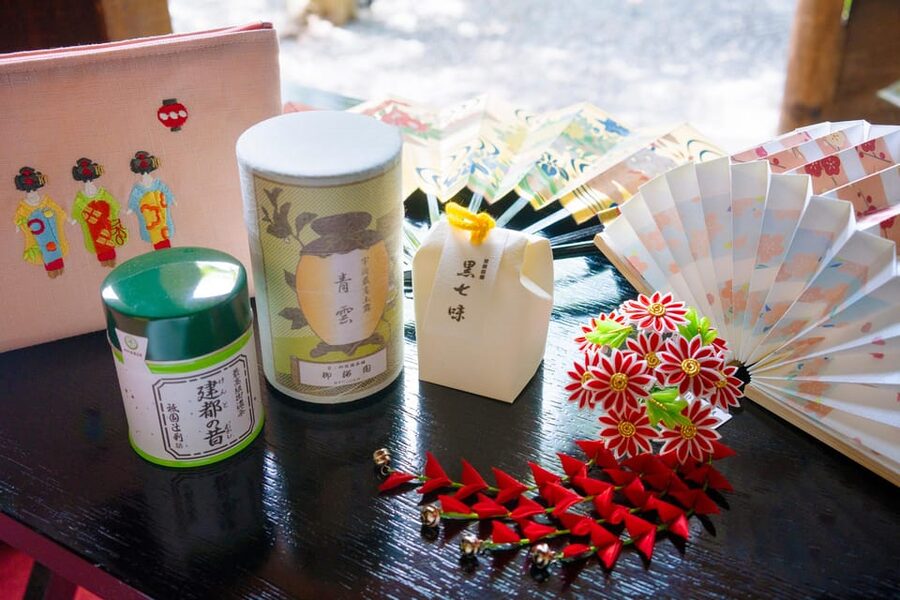
Book it if you want an accessible introduction to Kyoto’s geiko and maiko arts, especially if your schedule is tight. The live Kyomai performance is the emotional center, while the kimono, kanzashi, makeup, photographs, video, garden, cafe, and shop make the visit feel more complete.
At $25, I would consider it worthwhile when you allow time for the museum rather than measuring the ticket against 15 minutes alone. Just remember that the show is short, photography is forbidden during the dance, and the cultural explanation may feel a little thin without reading the English QR material.
If you want a calm, visually focused look at Kyoto tradition, this is an easy addition to a Gion day. If you want a long, interactive performance, choose something more substantial.
FAQ
How long does the Kyomai performance last?
The performance lasts about 15 minutes and includes two Kyomai songs.
How many performers appear?
The performance usually features one geiko or maiko. On some days, the third and fourth sessions may feature two performers.
What is the difference between a geiko and a maiko?
In Kyoto, geiko are women who perform traditional dance and music professionally. Maiko are women training to become geiko.
What performance style will I see?
The dance is Kyomai, also called Kyoto Mai, performed in the Inoue style.
What are the daily performance times?
The listed sessions begin at 13:30, 14:20, 15:00, 16:00, and 16:30.
Is museum admission included?
Yes. Admission to the Gion Kagai Art Museum and the Kyomai performance fee are included.
Can I take photographs during the dance?
No. Photography is not allowed during the performance.
Can I take a photo with a geiko or maiko?
Photo sessions are available separately at the museum. They are not included automatically, and the stated price is about 2,000 yen.
Is English information available?
Yes. English museum information can be accessed by scanning QR codes.
Just added in Kyoto
- Kyoto: Private Photoshoot Service★ 5.0 · 158 reviews
- Kyoto Rickshaw Tour★ 5.0 · 210 reviews
- Izakaya Style Cooking Class★ 5.0 · 219 reviews
- Kyoto: Traditional Concert at Townhouse or Bathhouse★ 4.9 · 224 reviews
- Ninja 2-hour Hands-on Lesson by Japanese master in Kyoto -Medium★ 5.0 · 218 reviews
- Kyoto: Arashiyama Bamboo, Temple, Matcha, Monkeys & secret spots★ 5.0 · 219 reviews
- Kyoto Geisha District Walking Tour in Gion★ 5.0 · 232 reviews
- The right way to know Kyoto★ 5.0 · 257 reviews
Geisha & Gion District Tours, compared.
Kyoto Geisha Walking Tour: Gion District & Hidden Gems
Read our review →
Gion Geisha District Walking Tour – Stories of Geisha
Read our review →
Best of Kyoto: Gion, Geisha, Pagodas & Cobblestones
Read our review →

Kyoto Night Foodie Tour in Gion (9+ dishes + 6 Sake tastings)
Read our review →
Kyoto Gion: 2-Hour Geisha Culture & History Walking Tour
Read our review →
Chopsticks Making Workshop in Gion with Engraving Option
Read our review →
Browse the lists this tour appears in