
Reviewed · FOOD TOURS
Osaka: Shinsekai Food Tour with 13-15 Dishes at 5 Eateries
Shinsekai is the star here. Over three hours, you move through arcades and side streets, stopping at five modest local places for takoyaki, oden, udon, yakitori, kushikatsu, gyoza, and other Osaka favorites. The small-group format, capped at nine people, keeps the evening personal and makes unfamiliar Japanese menus much easier to handle.
I like the wide range of dishes and the way the tour gets you into places you might skip on your own. I also like the local guidance: guides such as Kevin, Taka, Tommy, Mio, Paul, and Suga add neighborhood stories and useful food advice. The main drawback is firm: this is not suitable for vegans or people with gluten intolerance, and the generous menu may simply be too much for light eaters.
Key points at a glance
- Five stops in three hours: Visit a stall, gastrobar, classic eatery, izakaya, and specialty restaurant.
- A proper Osaka sampler: Expect takoyaki, kitsune udon, kushikatsu, nikudoufu, gyoza, tonpeiyaki, karaage, and more.
- Small group of up to nine: You have a better chance to ask questions and keep up in compact eateries.
- Two drinks included: Choose alcoholic or non-alcoholic drinks during the meal.
- Shinsekai beyond the main sights: Walk arcades and side alleys where menus may be Japanese-only.
- Dietary limits matter: Vegans and people with gluten intolerance cannot join this tour.
Why Shinsekai makes such a good food tour setting
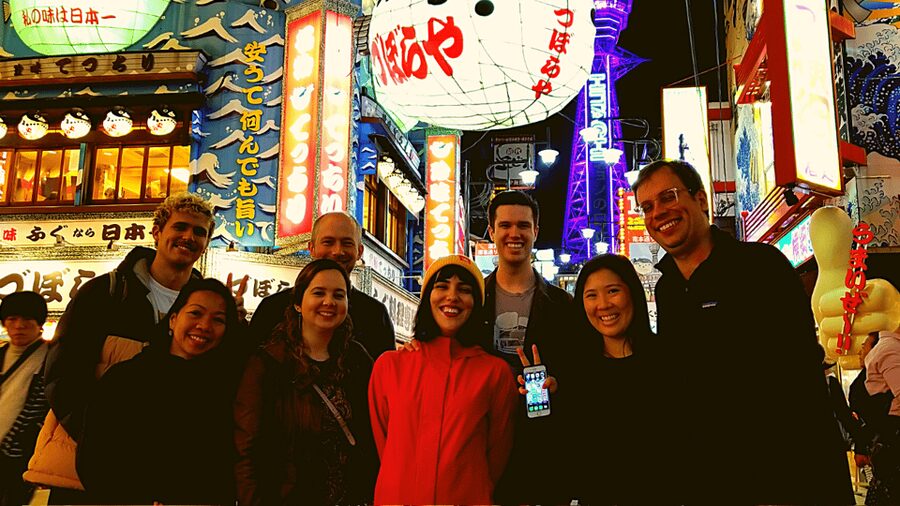
Osaka is famous for casual eating, and Shinsekai gives you a very different night from the bright restaurant lanes around Dotonbori. This district mixes old-fashioned arcades, small eateries, local drinking spots, and streets with a strong sense of place. The food is not presented as a formal tasting menu. It arrives in the practical, social style of Osaka dining.
That matters because you are not only sampling famous dishes. You are seeing how they fit into everyday eating. A stall may specialize in one item. A neighborhood restaurant may serve food that feels closer to a home kitchen. An izakaya gives you the social side of Japanese dining, with several dishes shared around the table.
I especially like the fact that the tour takes you into places with Japanese-only menus. That is often where the best discoveries hide, but ordering can be hard if you cannot read Japanese. Your guide handles the language gap, explains what is arriving, and helps you understand what makes each dish local.
The route also gives you a useful first look at Shinsekai. Several people who took the tour early in their Osaka stay found it helped them get their bearings and gave them ideas for later meals. You can use the evening as both a food introduction and a neighborhood orientation.
Other food tours in Osaka people book:
- Osaka Food Tour: 13 Dishes at 5 Local Eateries
★ 5.0 · 2,149 reviews - Hungry Osaka Street Food Tour:15 Tastings & 3 Drinks with a Local
★ 5.0 · 1,727 reviews - Osaka Local Foodie Walking Tour in Dotonbori and Shinsekai
★ 5.0 · 985 reviews
The first stop: takoyaki and oden
The meal starts at a takoyaki and oden stall. Takoyaki is one of Osaka’s signature snacks: battered balls filled with octopus, usually served hot and dressed with sauce and other toppings. The outside can be soft rather than crisp, and the center stays very hot, so take a careful first bite.
Oden is a different kind of comfort food. Ingredients simmer together in a light broth, creating a warm, savory dish that suits a cool evening. Having both items at the first stop gives you an immediate taste of Osaka street food and a sense of how varied the local menu can be.
This is also a good place to pay attention to portion size. The tour includes many dishes, and the first stop is only the beginning. You do not need to rush or treat each item as a full meal. Small bites and shared plates are part of the point.
The izakaya stop: udon, chicken, and kushikatsu
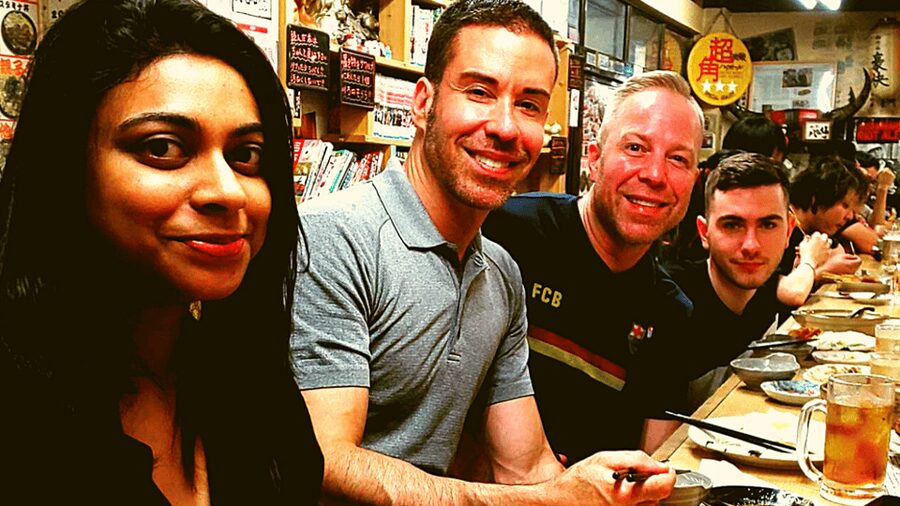
The next stop is an izakaya, the type of casual Japanese restaurant built around shared dishes and drinks. Here, the menu includes kitsune udon, yakitori, chicken wings, nagaimo, and kushikatsu.
Kitsune udon pairs thick wheat noodles with a warm broth and sweet fried tofu. It is familiar enough for cautious eaters but still gives you a classic Osaka flavor. Yakitori brings skewered chicken, while chicken wings add something crisp and savory.
Nagaimo may be less familiar. The texture is part of its appeal, and your guide can explain how it is used in Japanese cooking. This kind of item is one reason the tour is useful. You can try something you might not recognize on a menu, then decide what you think before moving on.
Kushikatsu is one of Shinsekai’s best-known specialties. Meat and vegetables are placed on skewers, lightly fried, and served as casual bar food. The combination of different ingredients makes this a fun stop, though fried food begins to add up quickly across a three-hour meal.
The included drinks fit naturally here and at later stops. You receive two drinks in total, with alcoholic and non-alcoholic choices. If you want an alcoholic drink, you can use the opportunity to try something Japanese, but you are not required to drink alcohol.
A traditional restaurant with nikudoufu and yakitori
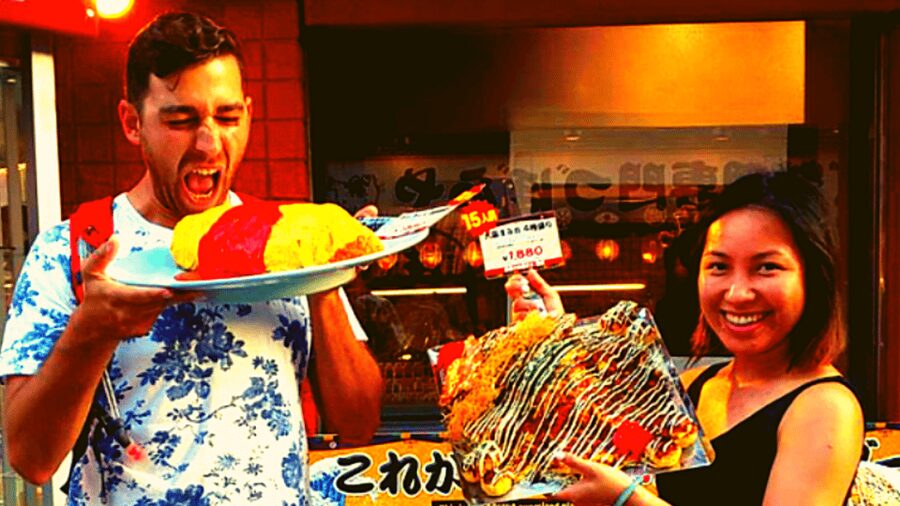
The third stop moves away from snack-stall food and into a cozy traditional restaurant. This is one of the most useful changes of pace in the itinerary. You get to see a more homestyle side of Osaka rather than eating only fried or handheld foods.
The menu can include nikudoufu, a beef and tofu stew, along with an original yakitori or skewered beef assortment. Nikudoufu is hearty and comforting, with the tofu taking on the flavor of the broth and meat. It helps balance the sharper, crunchier dishes served earlier.
Mochi may also appear, along with a drink. Since the precise dishes depend on supply and restaurant availability, you should treat the listed menu as a guide rather than a promise. The overall number is generally around 13 dishes, with the advertised range reaching 13 to 15.
This stop is valuable for anyone who wants context, not just food. Guides explain ingredients and local habits as you walk between restaurants. Names that appear among the guiding team include Kevin, Tommy, Taka, Mio, Paul, Mario, Kiko, and Suga. The individual guide changes, but the strongest part of the format is the chance to ask about both food and daily life in Osaka.
More eating your way round Osaka:
- Hungry Osaka Street Food Tour: 15 Dishes & 3 Drinks
★ 4.9 · 694 reviews - Osaka: Guided Food Tour with 12 Dishes at 4 Local Eateries
★ 5.0 · 533 reviews - Absolute Osaka Food Tour
★ 5.0 · 309 reviews - Osaka After Dark: Small-Group Night Food Tour (Max 6)
★ 4.5 · 245 reviews
Gyoza served at a specialty restaurant
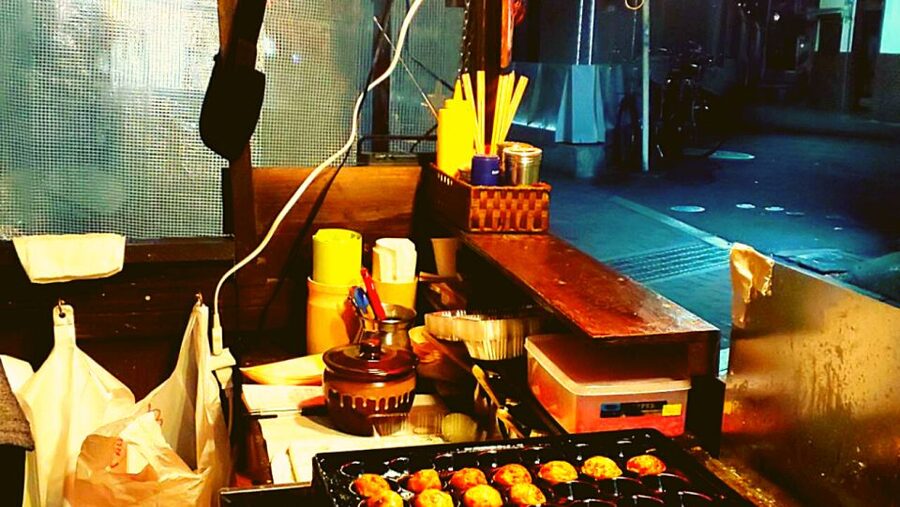
The fourth stop focuses on gyoza. These dumplings may look familiar, but specialty shops often show how much variation exists in a simple dish. The preparation, filling, cooking method, and texture can all differ from what you have tried elsewhere.
The gyoza stop gives the itinerary a needed pause from noodles, skewers, and stews. It is also a practical introduction to a dish you may want to order again during your stay. Because the group is small, it is easier to see what arrives and ask your guide about the ingredients.
Do not expect a long sit-down meal at every location. The appeal is the movement between different types of establishments. You eat, walk, learn a little about the district, and then sit down again somewhere new.
The final eatery: tonpeiyaki, karaage, and something sweet
The final stop brings the biggest mix of dishes. Tonpeiyaki, a pork omelette, is one of the savory highlights. You may also receive edamame, karaage, Japanese fried chicken seasoned with spices, and a Japanese pancake or fruit dish.
By this point, you will likely be full. That is not a minor detail. Several people who enjoyed the tour most also emphasized that the food is plentiful, so arrive hungry and avoid scheduling another large dinner afterward.
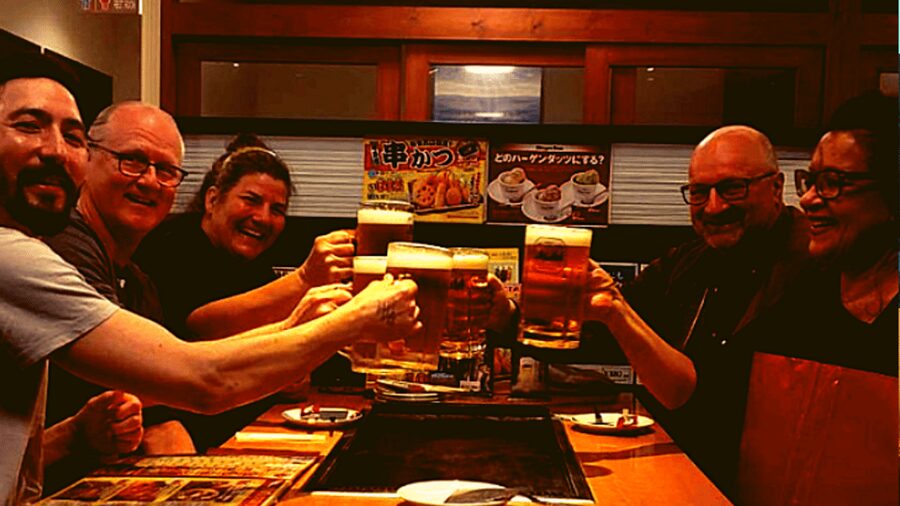
A second drink is included here or during the evening, depending on the route. The final stop has a social feel, with shared plates and time to talk with the group. Some groups have continued together afterward for karaoke, though that is not part of the booked experience and should not be treated as an included activity.
The final restaurant can also vary. One evening may end at a particular local eatery, while another may use an alternative if the planned place is closed or fully booked. That flexibility protects the food experience, but it means you should not book expecting every named dish or exact restaurant.
What the guides add to the evening
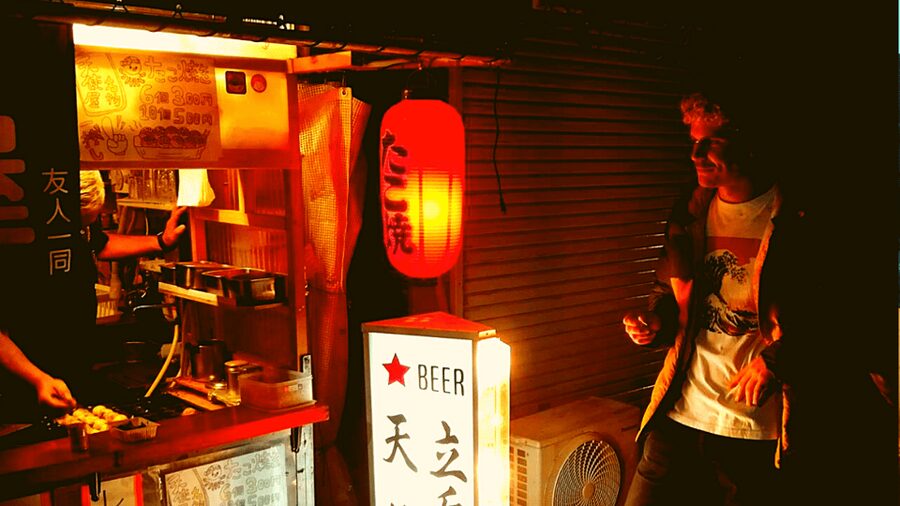
The guide can make or break a food tour, especially when the stops are small and the menu is unfamiliar. Here, the guiding team includes many English-speaking hosts, and the strongest qualities reported across the experience are warmth, good explanations, and an ability to bring a mixed group together.
Kevin is noted for keeping the group moving without making the tour feel hurried. Tommy has been especially appreciated for connecting food with Osaka culture and offering ideas for the rest of a visit. Taka, who is Osaka-born and raised, can add a particularly local viewpoint. Guides such as Mio, Paul, Kiko, Mario, Suga, and Darren have also led enjoyable evenings.
That does not mean you can choose a specific guide when booking. Guide assignment depends on the date. Still, the small group helps. With no more than nine participants, you can ask questions without holding up a large crowd, and solo visitors have an easier time meeting people.
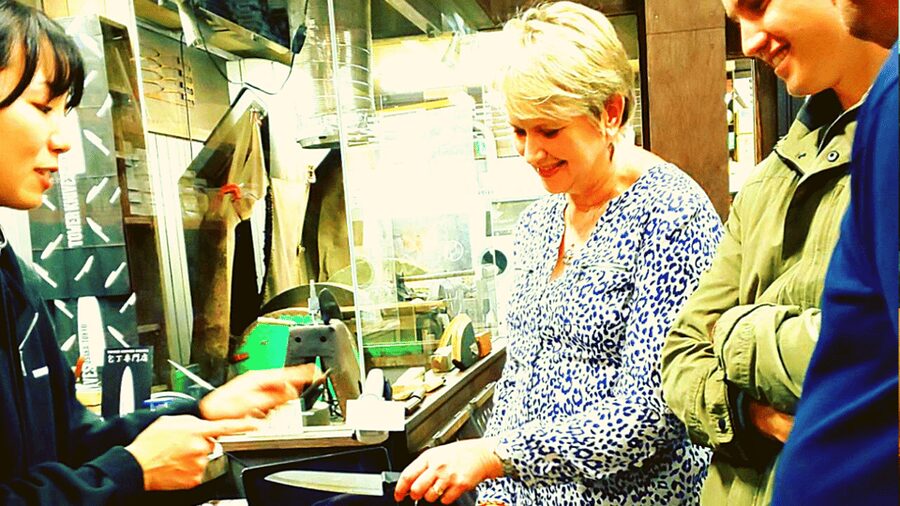
The guides also handle the practical work of entering unfamiliar places, ordering several dishes, and keeping the route on schedule. That is worth more than it may first appear. Shinsekai food shops can be compact, menus may be Japanese-only, and some dishes are not obvious from their names.
Value at $53 per person
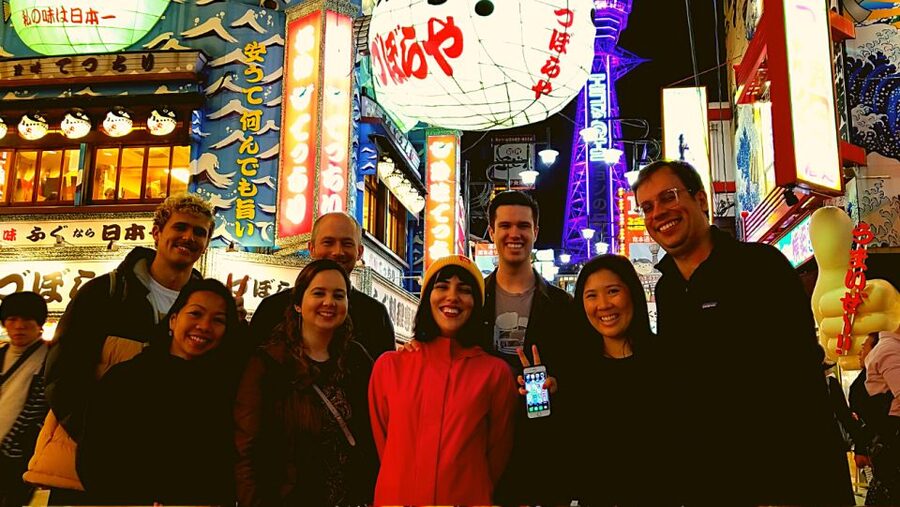
At $53 per person, this is not the cheapest way to eat in Osaka. You could buy individual snacks for less, especially if you avoid drinks and sit-down venues. The value comes from the combination of food, access, translation, route planning, and local explanation.
You receive food at five types of places, around 13 dishes, and two drinks. You also avoid spending time guessing which restaurants are worth entering. For a first night in Osaka, that can make the price easier to justify.
The tour is particularly good value if you are curious but cautious. You can try a broad range of local dishes without committing to a full plate of something you may not like. It also gives you a list of foods and neighborhoods to revisit later.
The value is weaker if you already know Shinsekai well, speak Japanese comfortably, and prefer choosing every dish yourself. It is also a poor fit for strict dietary needs, since vegan and gluten-free participation is not available.
Timing, meeting point, and practical comfort
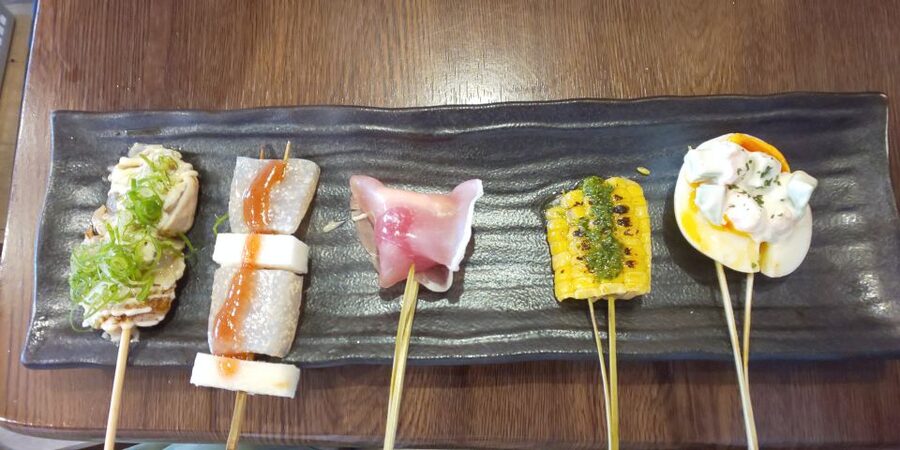
The activity lasts three hours and begins at Dobutsuen-mae Station on the Midosuji Line. Meet at exit 1, in front of the 15 wall lanterns of the Daiichi Building. That detail matters, so arrive with enough time to find the correct exit.
You will walk between the five stops, including arcades and side alleys. Wear comfortable shoes and expect some stairs along the way. The walking helps break up the eating, but this is still a food-heavy evening rather than a light stroll.
The route is available in English, and the group is limited to nine people. Hotel pickup and drop-off are not included, so you handle your own way to and from Dobutsuen-mae Station.
The menu can change with the season, available ingredients, and restaurant schedules. Occasionally, a planned establishment may be closed or fully booked. In that case, the group goes to an alternative location. That is sensible, but it reinforces the need to view the menu as a sample rather than a fixed contract.
Free cancellation is available up to 24 hours before the start time, and you can reserve while paying later. Those policies are useful if your Osaka plans are still shifting.
Who should book this Shinsekai food tour?
I would choose this tour for a first or second evening in Osaka, especially if you want local food but do not know where to begin. It suits curious eaters, solo visitors, couples, and small groups who enjoy sharing dishes and talking with a guide.
It is also a good match for people who want more than Dotonbori. Shinsekai offers a more local-feeling route, with small establishments and side streets rather than a parade of large, polished dining venues.
I would hesitate if you dislike fried food, are a very light eater, or need strict food controls. The tour includes wheat-based noodles, fried dishes, meat, and restaurant-specific menus. Vegans and people with gluten intolerance cannot join.
Should you book it?
Book this tour if you want a guided introduction to Osaka food with plenty of variety and little guesswork. The strongest reasons are the five-stop route, the small group, the two drinks, and the chance to enter local places with Japanese-only menus.
Skip it if you prefer independent restaurant hunting or need a carefully controlled menu. For everyone else, $53 is a reasonable price for a full evening of food, neighborhood walking, and useful Osaka orientation. Come hungry, wear good shoes, and let the meal build slowly. By the final tonpeiyaki and karaage, you should be comfortably full.
FAQ
How long does the Osaka Shinsekai food tour last?
The tour lasts three hours.
How many dishes are included?
The experience includes 13 dishes, with the advertised menu ranging from 13 to 15 dishes depending on availability, season, and restaurant operations.
How many eateries do you visit?
You visit five eateries: a food stall, gastrobar, classic eatery, izakaya, and specialty restaurant.
What foods are included?
Possible dishes include takoyaki, oden, kitsune udon, yakitori, chicken wings, nagaimo, kushikatsu, nikudoufu, mochi, gyoza, tonpeiyaki, edamame, karaage, and a Japanese pancake or fruit dish.
Are drinks included?
Yes. Two drinks are included, and you can choose alcoholic or non-alcoholic options.
Where is the meeting point?
Meet at Dobutsuen-mae Station on the Midosuji Line, exit 1, in front of the 15 wall lanterns of Daiichi Building.
Is the tour suitable for vegans or people with gluten intolerance?
No. The tour is not suitable for vegans or people with gluten intolerance because there are very few suitable dishes available.
What happens if one of the planned restaurants is closed?
The route may use an alternative location if a planned establishment is closed or fully booked.
Just added in Osaka
- Osaka Temple Cool Foot Bath & Matcha Experience〈45min〉★ 4.9 · 82 reviews
- Osaka: Mind & Spirit Balance Temple Reiki Healing★ 5.0 · 41 reviews
- Osaka: A Modern Samurai, Kabuki, Taiko, & Dance Show★ 4.5 · 66 reviews
- Osaka: Samurai Training Experience KENDO in Osaka★ 5.0 · 111 reviews
- Full Day Kyoto Tour : Bamboo Forest, Golden Temple, Fushimi Inari★ 5.0 · 84 reviews
- Osaka: Minoh, Katsuoji Temple, & Minoh Falls Full-day Tour★ 4.9 · 172 reviews
- OSAKA NIGHT FUSION Japanese Taiko Kabuki Samurai Dance Show★ 4.8 · 155 reviews
- Ramen and Gyoza Cooking Class in Osaka★ 5.0 · 202 reviews
Food Tours, compared.
Shinjuku Food Tour (13 Dishes at 4 Local Eateries)
Read our review →
Osaka Food Tour: 13 Dishes at 5 Local Eateries
Read our review →
Best of Shinjuku: Izakaya Food Tour (4 Stops, 14+ Tastings)
Read our review →
Kyoto Night Foodie Tour in Gion (9+ dishes + 6 Sake tastings)
Read our review →
Hungry Osaka Street Food Tour:15 Tastings & 3 Drinks with a Local
Read our review →
Tokyo Night Foodie Tour in Shinjuku – Seasonal Sushi, Wagyu Beef
Read our review →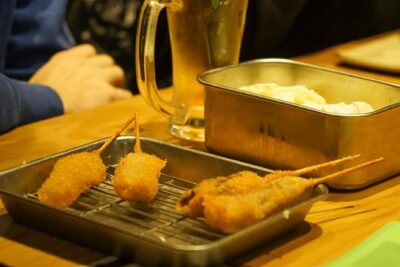
Osaka Local Foodie Walking Tour in Dotonbori and Shinsekai
Read our review →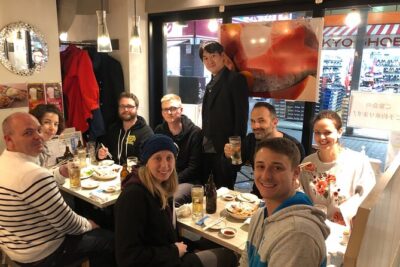
Eat and Drink Like a Local: Tokyo Ueno Food Tour-Taverns&Ramen
Read our review →Browse the lists this tour appears in