
Reviewed · CYCLING TOURS
Sakurajima Century Lava Climb Journey with E-bike
Sakurajima is not a volcano you simply look at from Kagoshima. On this tour, you ride into its story, following traces of the Taisho eruption and climbing toward Yunohira Observatory, the island’s highest point. Along the way, guide Rento explains how eruptions changed the island, its roads, its farms, and its people.
I especially like the small group limit of six, which gives the outing a personal feel, and the electric bikes, which make the long uphill section possible without turning the ride into a serious athletic test. The main consideration is that this remains an active cycling tour: the climb can be hard, and loose or wet black volcanic sand may make sections slippery.
Key points to know before you book
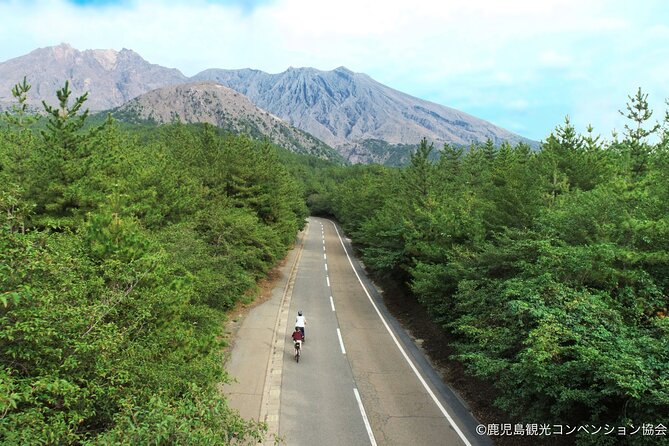
- The Taisho lava route connects geology with local life, including eruption traces and agricultural areas.
- Rento gives the tour a personal touch, with regular explanations, photo stops, and careful attention to comfort.
- The e-bike helps uphill, but does not remove the workout, especially in warm weather.
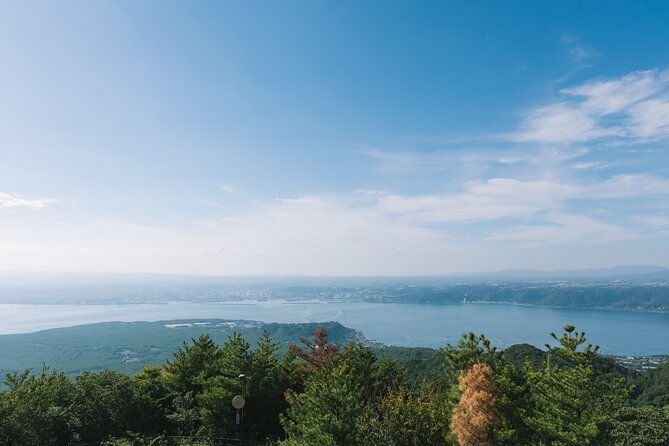
- Yunohira Observatory delivers the major view, with Kagoshima and the surrounding area spread out below.
- The group is capped at six people, useful if you prefer questions and conversation over a large organized ride.
- Weather matters, so bring rain and wind protection, sunglasses, gloves, and water.
Why Sakurajima works better by bicycle
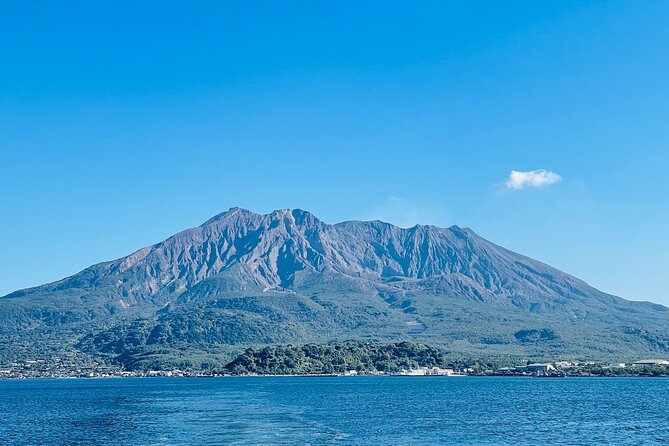
From Kagoshima, Sakurajima can be treated as a dramatic backdrop. The ferry crosses the bay, the volcano fills the view, and buses can take you to major sights. But a bicycle changes the pace. You notice the road, the ash, the quiet stretches, the orchards, and the way the island’s communities live beside an active volcano.
This is not a ride to the volcanic summit. The route goes up to Yunohira Observatory, a major viewing point on Sakurajima, while the guide explains the island’s eruptions and the traces left by the Taisho event in the twentieth century. That distinction matters. You get a strong sense of the volcano without entering a restricted or technical climbing zone.
I also like the scale of the experience. With no more than six participants, Rento can stop when someone needs a breather or has a question. Several people have found that especially helpful when using an e-bike for the first time.
The tour lasts three hours, which gives you enough time for the main climb, the observatory, and several short stops without taking your entire day. It is a focused introduction to Sakurajima rather than a full island circuit.
Other rides on two wheels around Japan:
- Bike Tour Exploring North Kyoto plus Lunch
★ 5.0 · 1,087 reviews - Tokyo Great Cycling Tour
★ 5.0 · 811 reviews - Tokyo Top Highlights 3h Guided E-bike Tour
★ 5.0 · 714 reviews
Starting at the Sakurajima Visitor Center
The meeting point is the Sakurajima Visitor Center, about an eight-minute walk from the Sakurajima Ferry Terminal. That makes the tour fairly easy to fit into a day trip from Kagoshima. Take the ferry first, allow time to walk over, and arrive ready for the safety briefing.
The opening briefing lasts about 20 minutes. You receive your e-bike and helmet, learn how the bicycle works, and go over the route and safety points. If you have never used an e-bike, say so at the start. One first-time rider needed a little practice but then enjoyed the ride, and the electric assist was praised for making the ascent manageable.
The fitting and briefing are not filler. The road includes an uphill section, and you need to feel comfortable with the bicycle before the route gets more demanding. Comfortable shoes are essential. Bring water, and use a small backpack rather than a large bag. Bags can be attached to the bicycle for carrying valuables and personal items.
The climb toward Taisho lava
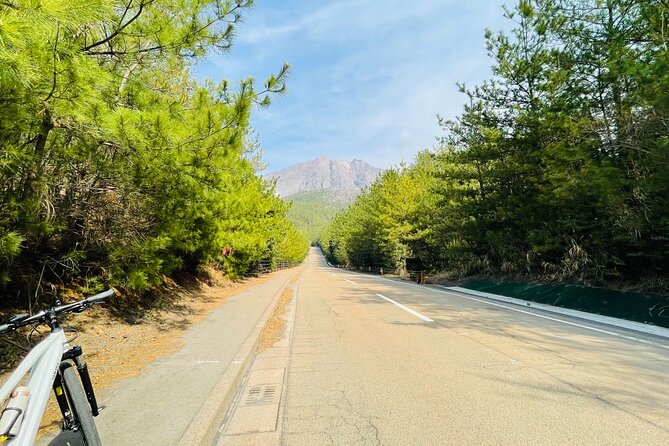
The riding begins with a short guided section before the route settles into its main rhythm. You will stop for explanations rather than pedal continuously for three hours. That helps the experience feel like a volcano tour with cycling added, not just a bike rental with a few facts thrown in.
The central subject is the Taisho eruption and the marks it left across Sakurajima. The guide uses the route to explain volcanic activity and the island’s changing shape. You also hear about the connection between the volcano and local agriculture, a useful reminder that Sakurajima is not only a geological attraction.
The electric assist helps you deal with the incline, but it is not magic. One person described the ride as a good workout even with the motor. On a hot day, the guide may add rest stops, and Rento has been careful about adjusting the pace and checking that riders are comfortable.
That makes this tour a good fit for someone with ordinary cycling ability who wants help on hills. It is not suitable for anyone who cannot ride a bicycle, and the minimum height is 145 centimeters, or about 4 feet 8 inches.
The road conditions deserve attention. One participant fell when a bicycle skidded on wet black sand that had spread onto the path. The injury was limited to bruising and swelling, but the incident points to a real safety issue. Ride slowly on dark sand, especially after rain, and ask the guide about the surface before moving through a questionable section.
Short stops that add meaning to the ride
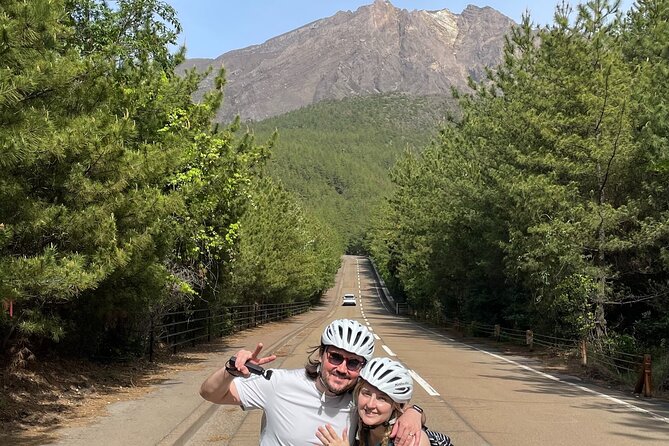
The schedule includes several brief breaks of about 10 minutes. These stops are important because Sakurajima’s story is easier to understand when you can pause beside the evidence instead of hearing a long talk from a moving bicycle.
At a viewpoint, you can take photos and look across the island and bay. Other stops are described as quieter or less obvious places, including agricultural sites and orchards. These give the outing more local character than a straight ride from the visitor center to the observatory.
The guide also uses these pauses to explain volcanoes in plain terms. You can ask about eruptions, the Taisho lava, the island’s history, or what you are seeing around you. Rento has been singled out for giving clear explanations while also taking photos for participants.
The short breaks also make the climb less intimidating. Instead of watching the road rise ahead and wondering how long it will last, you ride in sections. That is useful in warm weather and for anyone who has not yet found the right e-bike setting.
Same base, a different sort of day:
- Mt Fuji and Hakone 1-Day Bus Tour Return by Bullet Train
★ 5.0 · 26,383 reviews - 1-Day Tokyo Bus Tour
★ 5.0 · 14,250 reviews - PERFECT KYOTO 1-Day Bus Tour
★ 5.0 · 13,518 reviews - Tokyo: TOKYO SKYTREE® Admission ticket
★ 4.5 · 11,192 reviews
Yunohira Observatory and the big payoff
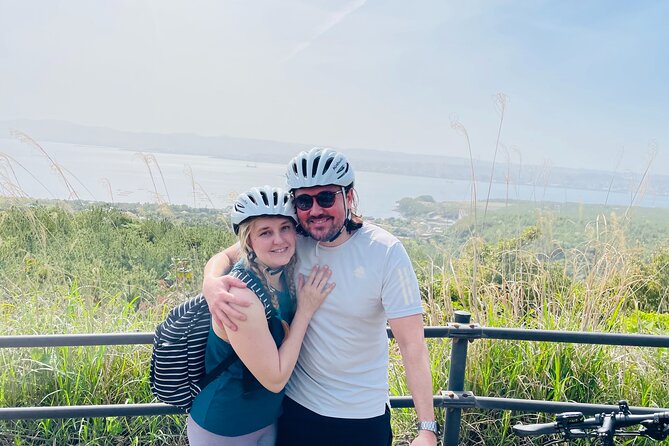
Yunohira Observatory is the high point of the tour, both literally and in terms of scenery. You have about 30 minutes here for a photo stop, a guided explanation, free time, and a chance to browse or shop.
This is where the effort earns its reward. From the observatory, you can take in wide views of Kagoshima and the surrounding area. The tour description does not promise a clear view every day, so weather will shape the experience, but the stop remains the route’s main scenic goal.
The guide continues the volcano story here, helping you connect the broad view with what you have seen on the climb. A local snack and drink are included, which is a small but welcome touch after the uphill ride. Several people have appreciated receiving refreshments at the viewing point, especially on warm days.
The observatory is also the point where the e-bike’s value becomes clearest. A bus can take you there without effort, but cycling lets you experience the gradual change along the road and stop at places a bus trip may pass. Walking would take more time and require more energy. The e-bike sits between those two options.
One practical note: a companion once followed the route by island tourist bus and met the guide at the top. Rento waited and explained the view there. That suggests the guide can be considerate when a group has different abilities, though you should not assume a separate bus arrangement is part of the standard booking.
The return route and quieter Sakurajima
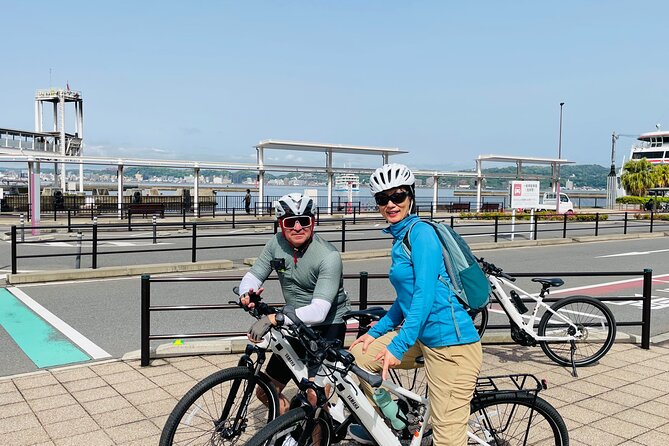
After Yunohira Observatory, the ride returns to the visitor center, with two further short stops listed along the way. The downhill section is easier physically, but you still need to control your speed and watch the road surface.
The return offers a different view of the island. The guide may point out orchards and agricultural areas, linking volcanic soil and island life. This is one of the tour’s better features because it moves beyond the standard volcano photo. You see how people use and adapt to the island rather than treating it as an empty natural monument.
The quieter roads also give you time to enjoy the setting without a constant stream of traffic. Still, conditions can change. Wind, rain, ash, glare, and loose material can all affect a bicycle ride, so keep your eyes on the road rather than focusing only on the view.
The tour finishes back at the Sakurajima Visitor Center. From there, you can walk to the ferry terminal or continue exploring the island on your own.
What the $102 price includes
At $102 per person, this is not the cheapest way to see Sakurajima. You are paying for three hours of guiding, an e-bike, a helmet, a small-group format, interpretation about the volcano, and a snack and drink.
I think the price makes sense if you value explanation and active sightseeing. A bus can cover the major viewpoint with less effort, but it will not give you the same gradual ride, personal pacing, or regular stops. Renting a bicycle independently could cost less, but you would lose the route planning and the local context that make the volcanic evidence easier to understand.
The strongest value comes when the group stays small. A six-person maximum allows the guide to answer questions, adjust the pace, and stop for photos without managing a large crowd. If the tour happens to have only one or two participants, the experience can feel nearly private.
The price is harder to justify if your main goal is simply a quick scenic view. You will spend part of the three hours riding uphill, and you may find a bus more suitable if cycling is uncomfortable or if the weather is poor.
Weather, clothing, and safety
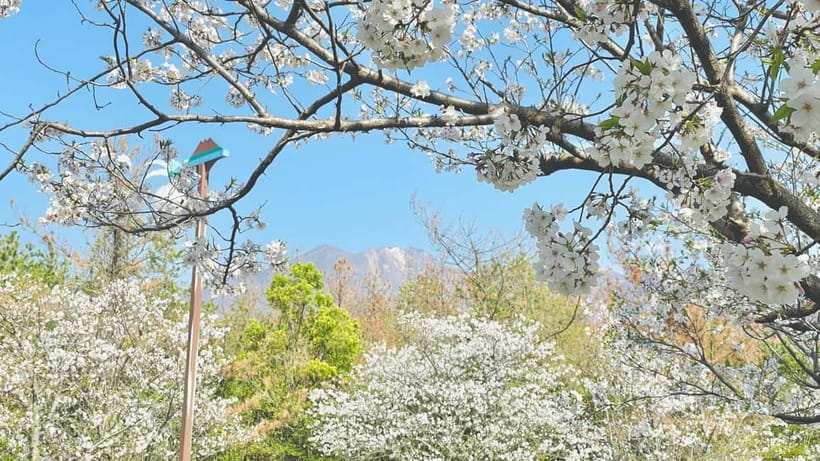
Sakurajima’s weather can change quickly enough that preparation matters. Bring weather-appropriate clothing, water, comfortable shoes, and travel insurance. The operator also recommends a window breaker for sudden rain and wind, slip-resistant gloves for grip and cold, sunglasses for glare and falling ash, and a small backpack.
The sunglasses are not just for bright sunshine. Volcanic ash can make the ride unpleasant, and eye protection is a sensible part of the kit. Gloves help with control and comfort, especially if the air is cool or the ride takes longer than expected.
The tour may be canceled because of bad weather, with the decision made by the day before and a refund provided in that case. You can also cancel up to 24 hours ahead for a full refund, and the reserve-now, pay-later option keeps your plans flexible.
Alcohol and drugs are not allowed. That is obvious, but it matters on a guided bicycle route with hills, traffic, weather, and changing road surfaces.
Who should book this ride
I would choose this tour if you can ride a bicycle, enjoy a moderate physical challenge, and want more than a lookout photo. It suits couples, solo visitors, small families with older children who meet the height requirement, and anyone interested in volcanoes, local agriculture, and the story of Sakurajima.
First-time e-bike riders should not be put off. The motor assist can make the climb much easier, and Rento has shown patience with new riders. You still need to practice braking, steering, and handling the bike before setting off.
I would be cautious about booking if you have limited balance, dislike hills, or need a completely predictable route surface. Wet black sand and ash are not ideal for nervous cyclists. Ask about current weather and road conditions before the start, and do not treat the electric motor as a substitute for basic cycling confidence.
The tour is offered in English and Japanese. English-speaking visitors can expect the main explanations and safety guidance in English, while the small group allows you to ask for clarification when needed.
Should you book the Sakurajima e-bike tour?
Book it if you want to understand Sakurajima from the road, not just photograph it from a ferry or bus. The combination of Taisho lava, volcanic history, agricultural stops, quiet viewpoints, and Yunohira Observatory gives the three hours a clear shape.
The best reason to go is the personal guiding. Rento’s patient pace, regular breaks, local explanations, and photo help add real value. The main warning is equally clear: you need to be comfortable on a bicycle, and you should take wet sand, ash, heat, and sudden weather seriously.
For active visitors with a free morning or afternoon, I think the $102 price is fair. For anyone seeking effortless sightseeing, choose the bus instead. For everyone in between, the e-bike offers a practical middle ground and a closer look at Sakurajima’s volcanic life.
FAQ
How long does the Sakurajima e-bike tour last?
The tour lasts three hours, including the safety briefing, guided riding, stops, time at Yunohira Observatory, and the return to the Sakurajima Visitor Center.
Where does the tour meet?
The meeting point is the Sakurajima Visitor Center, about an eight-minute walk from the Sakurajima Ferry Terminal.
Is the e-bike rental included?
Yes. The tour includes an e-bike rental and helmet.
Is the tour offered in English?
Yes. The live guide service is available in English and Japanese.
How large is the group?
The tour is limited to six participants.
Do I need to be able to ride a bicycle?
Yes. The tour is not suitable for people who cannot ride a bike. You must also be at least 145 centimeters tall.
What should I bring?
Bring your passport or ID card, comfortable shoes, water, travel insurance, and clothing suited to the weather. Sunglasses, slip-resistant gloves, rain and wind protection, and a small backpack are also recommended.
What happens if the weather is bad?
The operator decides by the day before whether poor weather requires cancellation. If the tour is canceled for that reason, you receive a refund.
Just added in Japan
- 1 Day Tour: Snow Monkeys & Snow Fun in Shiga Kogen★ 5.0 · 52 reviews
- Private Fukuoka Tour with a Local, Highlights & Hidden Gems 100% Personalised★ 5.0 · 143 reviews
- Visit Gunkanjima Island (Battleship Island) in Nagasaki★ 4.0 · 32 reviews
- From Matsumoto/Nagano: Nakasendo Trail Walking Tour★ 4.9 · 33 reviews
- Hakone 8 hour Private Tour with Government-Licensed Guide★ 5.0 · 63 reviews
- Nagasaki Half-Day Private Tour with Government-Licensed Guide★ 5.0 · 53 reviews
- Best of Himeji Castle: 3hr Tour with Licensed Guide★ 5.0 · 186 reviews
- Custom Private Tour in Hakone with a Certified Local Guide★ 5.0 · 91 reviews
Cycling Tours, compared.
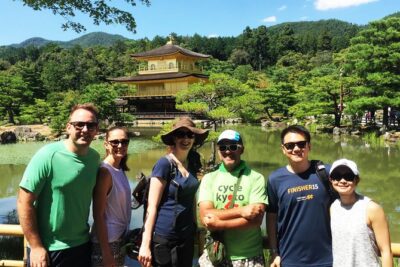
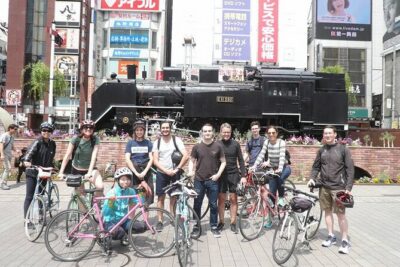
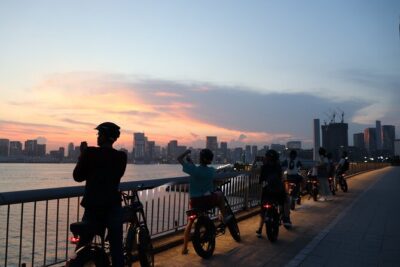

3h Tokyo E-Bike Tour: Hidden Gems, and Local Life with guide
Read our review →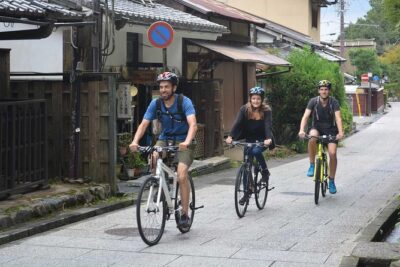
Arashiyama Bamboo Forest & Hidden Gems Bike Tour (Early Bird)
Read our review →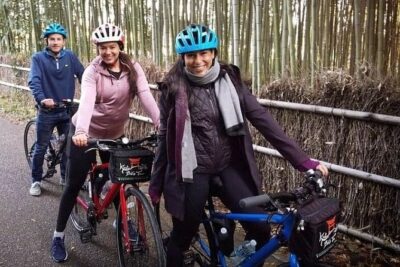
5 Top Highlights of Kyoto Full Day Bike Tour (E-bike option)
Read our review →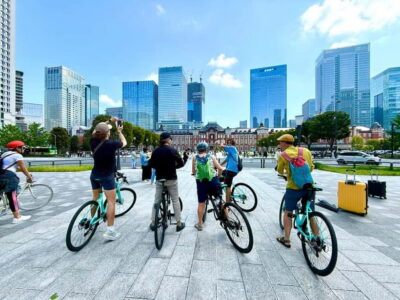
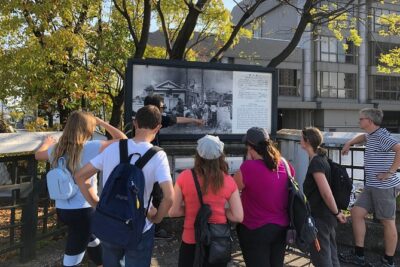
Hiroshima 2hr Peace Cycling Tour with Local Guide
Read our review →Browse the lists this tour appears in