
Reviewed · GOVERNMENT-LICENSED GUIDE TOURS
Kagoshima Private & Custom Tour with Licensed Guide and Vehicle
Kagoshima is easiest to understand when you connect its samurai past, active volcano, hot-sand bathing, and modern industry in one day. This private tour lets you do exactly that, with a guide such as Tada, Mio, Cozy, Shiho, or Shohi and a vehicle waiting at your hotel, port, or station. Sakurajima and Sengan-en are the natural headline stops.
I like the freedom to shape the day around your interests, and I like the practical help for families, seniors, wheelchair users, and larger groups. Guides have adjusted plans for children, sudden schedule changes, and special family requests. The main drawback is that six hours is not enough for the full menu, and admission fees, ferry costs, fuel, tolls, parking, and meals come extra.
Key points at a glance
- Choose two or three major sights: The extensive menu includes gardens, museums, volcano viewpoints, hot-sand baths, shrines, craft studios, and a whisky distillery.
- Sakurajima can be the day’s centerpiece: Visit the Visitor Center, soak your feet at a long volcanic-spring footbath, and reach Yunohira Observatory by private vehicle.
- The service is genuinely flexible: Guides have adapted plans for large groups, young children, wheelchair users, port delays, and unexpected changes.
- Chiran adds a serious historical side: Combine the Peace Museum with the preserved Samurai Residence Gardens for a thoughtful visit far from central Kagoshima.
- Costs need careful planning: The listed price is $625.94 per group up to one person, while entrances and several transport costs are separate.
- The sand bath has health limits: Saraku requires you to avoid bathing with certain medical conditions, high blood pressure, pregnancy, fever, or alcohol in your system.
A private way to see a spread-out part of Kagoshima
Kagoshima rewards a private vehicle because its main sights sit in different directions. Sengan-en lies north of central Kagoshima, Sakurajima requires a ferry crossing, Chiran is well south of the city, and Kirishima lies in another direction altogether. Public transport can reach many places, but it takes time and limits how much you can fit into a half-day.
This tour gives you an air-conditioned vehicle, bottled water, private transportation, and an English-speaking licensed guide. Pickup and drop-off can be arranged at a port, hotel, or train station. At the meeting point, staff wait with a sign showing your name, which is useful if you are arriving at a busy cruise terminal or unfamiliar station.
The price is listed as $625.94 per group up to one person. That wording deserves attention. Ask for the exact total for your party before booking, especially if you are traveling with several people or need more than one vehicle. For a couple or family, a private price can make sense when compared with separate taxis, entrance fees, ferry costs, and the value of not losing time between distant sights.
The day is not a fixed march from stop to stop. You select two or three places from the available menu, then the operator builds the route. That is a strength, but it also means you need to prioritize. Trying to combine Sengan-en, Sakurajima, Chiran, and Kirishima in six hours would make the day rushed.
Other tours with a licensed guide in Japan:
- Tokyo 6hr Private Tour with Government-Licensed Guide
★ 5.0 · 3,902 reviews - Tokyo 4hr Private Tour with Government-Licensed Guide
★ 5.0 · 1,394 reviews - Kyoto 6hr Private Tour with Government-Licensed Guide
★ 5.0 · 1,369 reviews
Sengan-en and the Shimadzu story
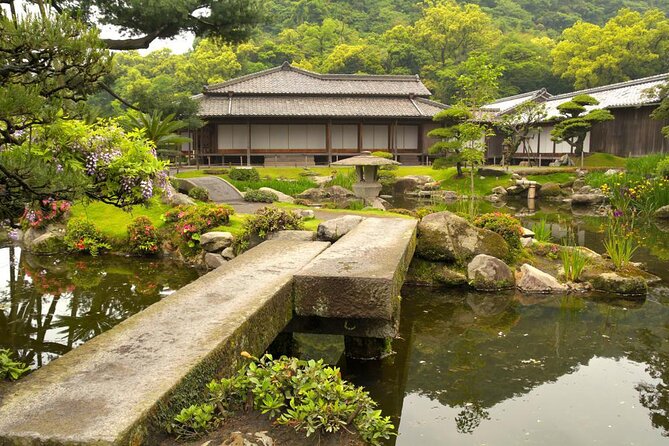
Sengan-en is one of the strongest choices for a first visit. Built in 1658 as a residence of the powerful Shimadzu clan, it combines a Japanese-style house with a coastal garden and views toward Sakurajima. The setting helps you see how Kagoshima’s ruling family used nature as part of its daily life and public image.
You have about 70 minutes here, not enough for every corner but enough for a useful visit if you keep moving. I would choose this stop if you want gardens, old residences, clan history, and a broad introduction to Kagoshima rather than a single museum.
Admission is not included. The nearby Shoko Shuseikan Museum can be added for a short look at the Satsuma domain’s modernization projects. Its surviving Western-style factory building is described as the oldest of its kind in Japan. The visit is brief at about 10 minutes, so think of it as a focused historical supplement, not a full museum visit.
Nearby Satsuma Kiriko Glassworks gives the day a hands-on craft angle. You can watch artisans make Satsuma Kiriko cut glass and shop at the adjoining Iso Kogei-kan. The glass uses layered colored material that produces its distinctive cut patterns. The Foreign Engineer’s Residence, or Ijinkan, adds another piece of the modernization story, with films and exhibits about the foreign specialists who helped operate Japan’s first Western-style spinning mill.
If you choose Sengan-en, glass, and the Ijinkan together, you get a well-shaped culture day. You will not get a long Sakurajima visit on the same schedule, so make that choice clearly at the planning stage.
Sakurajima by footbath and observation point
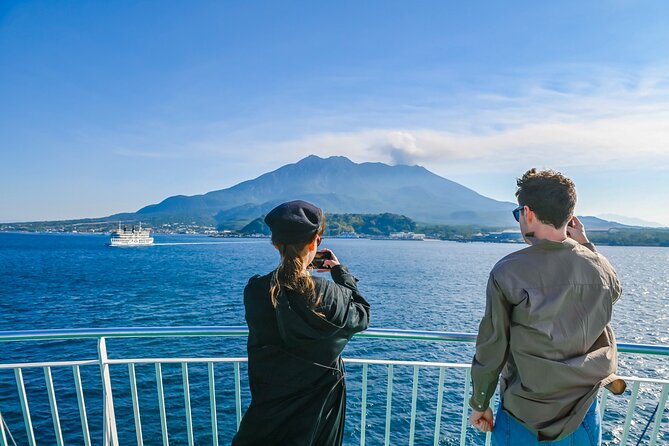
For many people, Sakurajima is the reason to book a private Kagoshima tour. This active volcano sits directly across the bay from the city, and a private vehicle makes it easier to connect several sites after the ferry crossing.
Start at the Sakurajima Visitor Center. Films and dioramas explain the volcano’s eruptions, while the center also serves as a base facility for the Geopark. It is a practical first stop because you gain context before seeing the lava fields and slopes in person. A shop sells local specialty goods and souvenirs.
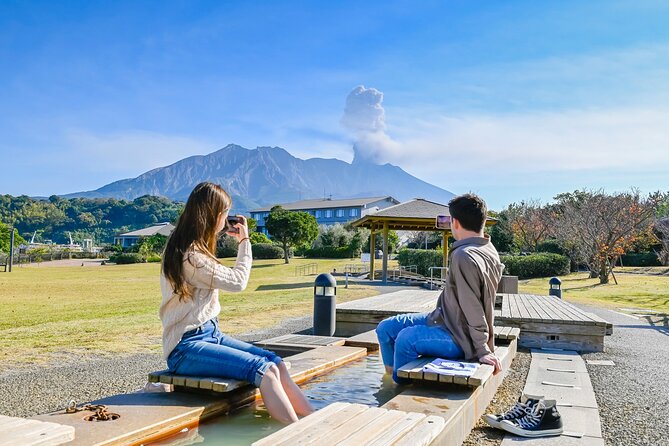
The Yougan Nagisa Park Public Footbath is a fun contrast to the museum. This natural hot-spring footbath stretches for about 100 meters, making it one of the largest in Japan. You can sit with your feet in the warm water while looking toward Sakurajima. Bring a small towel if you have room, since the supplied information does not promise towel rental.
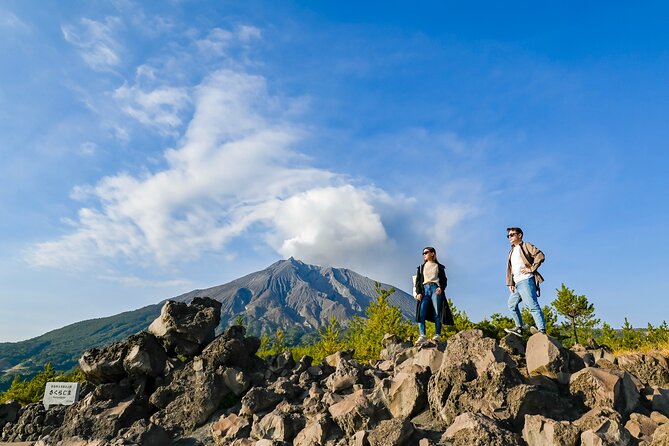
Yunohira Observatory is the highest point on Sakurajima open to the public. From here, you may see rough lava fields and volcanic smoke, along with wide views across the bay. Another observation point sits along a one-kilometer trail in the lava field formed by the major 1946 eruption. That second stop gives you a closer sense of the ground shaped by volcanic activity.
The Sakurajima ferry boarding fee and vehicle fare are not included. Ferry timing can also affect your six-hour schedule, so tell the operator early if Sakurajima is your priority. I would not pair a full Sakurajima circuit with Chiran unless the operator confirms that the timing works.
Chiran’s quiet gardens and difficult memories
Chiran offers two very different experiences within the same area. The Chiran Peace Museum for Kamikaze Pilots presents wartime records and personal stories, while the Chiran Samurai Residence Complex preserves gardens from the late Edo period. The combination is powerful, but it is not light sightseeing.
The Peace Museum receives about an hour in the suggested schedule. Its purpose is to tell a painful story for future generations and promote world peace. You should expect an emotionally difficult visit. One guide took a family to a local restaurant afterward for steamed boxed meals, which suggests that allowing a little breathing room after the museum can make the day feel less abrupt.
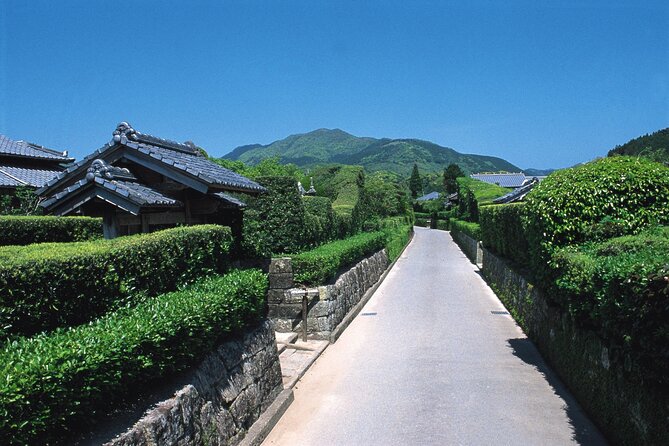
The Samurai Residence Complex offers a different mood. Chiran once had more than 500 samurai residences, and the area is sometimes called the Little Kyoto of Satsuma. About 30 minutes is planned here, enough to see several gardens and understand the layout, though not enough for a slow, detailed study of every feature.
I like Chiran for visitors who want more than scenic stops. You get a clear look at the military and social worlds that shaped southern Kyushu. The drawback is distance. Chiran works best as the main purpose of the day, perhaps with the sand bath added if the timing and health requirements suit you.
Same base, a different sort of day:
- Mt Fuji and Hakone 1-Day Bus Tour Return by Bullet Train
★ 5.0 · 26,383 reviews - 1-Day Tokyo Bus Tour
★ 5.0 · 14,250 reviews - PERFECT KYOTO 1-Day Bus Tour
★ 5.0 · 13,518 reviews - Tokyo: TOKYO SKYTREE® Admission ticket
★ 4.5 · 11,192 reviews
Saraku’s volcanic sand bath
The Saraku Sand Bath Hall offers one of Kagoshima’s most unusual experiences. You lie in naturally heated sand, with staff handling the bathing setup at the center. Local people have used this treatment for more than 350 years, and the scheduled visit lasts about one hour.
The experience is not included in the tour price, and the admission cost must be paid separately. You should also treat the health restrictions seriously. You cannot use the bath if you have blood pressure of 180/100 mmHg or higher, heart disease, arrhythmia, angina, lung disease, pregnancy, inflammation, or fever. Do not drink alcohol before bathing.
Saraku is a good choice if you want a memorable local activity instead of another museum. It is less suitable if you need a packed sightseeing route or have any doubt about the health rules. Ask the operator how much changing and bathing time will affect the rest of your route.
Downtown choices for a shorter, easier day
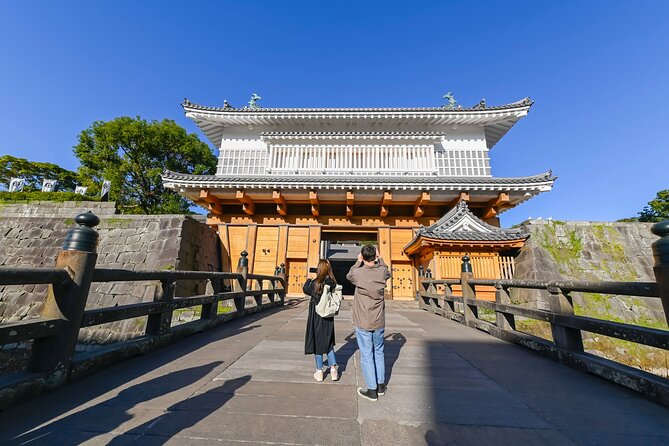
If you prefer to stay close to central Kagoshima, the tour can focus on Shiroyama, Tenmonkan, the Reimeikan, a major shrine, the aquarium, and the Museum of the Meiji Restoration.
Shiroyama, or Castle Mountain, is a 107-meter hill in the center of the city. Its observatory gives you a view over Kagoshima and Sakurajima. A two-kilometer promenade leads through the hill area, so tell your guide how much walking you want. The viewpoint itself is easier than completing the whole promenade.
Tenmonkan is Kagoshima’s main shopping district. Its name comes from an astronomical institute established by the Satsuma domain during the Edo period. Today, it is useful for shopping, snacks, and a little free time in the city. It also works well as a replacement if weather or fatigue makes a longer out-of-town route less appealing.
The Museum of the Meiji Restoration uses displays and films to explain the period when Japan changed from the feudal order toward a modern state. It is a sensible partner for Sengan-en or Shoko Shuseikan because the sites approach the same broad story from different angles.
Kagoshima Shrine has a huge torii gate and is free to enter. It is especially popular around New Year and the Rokugatsudo Lantern Festival. The Kagoshima City Aquarium, located with Sakurajima directly in front, covers the Kuroshio Current and the seas around the Nansei Islands. Its main collection includes about 30,000 marine creatures. These central options suit you if you want less driving and easier access for an older family member.
Kirishima for craft, faith, and whisky
The Kirishima choices create a different day from the Kagoshima city route. Kirishima Jingu Shrine has a main hall, Shinden Hall, and worship hall designated national treasures in 2022. It is a strong pick if you want an important Shinto site in a quieter setting.
The Kirishima Art Forest places modern art among the natural surroundings of Kirishima. The visit is built around seeing art with all five senses, so it appeals to you if you want a break from historical sites and religious buildings.
At the Marutake Armor Factory, you can see a Japanese castle and garden inside the renovated facility, along with armor and helmets used in the workshop. The Kiln of the 15th Chin Jukan introduces Satsuma ware, with the kiln continuing a family tradition from the first Chin Jukan through the fifteenth. You can see both white and distinctive traditional Satsuma ceramics.
Mars Tsunuki Distillery is the clearest choice for whisky fans. It is the southernmost whisky distillery on Japan’s main islands, with old still tower buildings and a stone barrel warehouse. The production tour is scheduled for about an hour and admission is free, though you should confirm tasting arrangements before relying on them since they are not specified here.
Service that works well for real families
The strongest feature of this tour is not simply the private vehicle. It is the ability to adjust the day when real life gets in the way.
Cozy and Tada have guided families with four young children, adding activities such as soba-making and origami when appropriate. Tada and Mio have also adjusted plans after an unexpected personal situation and made time for a meaningful accommodation visit. That sort of flexibility matters more than a rigid list of sights when you are traveling with children.
The service can also support wheelchair users. One family specifically received help while traveling with a wheelchair, and larger groups have been handled with several guides and vehicles. An 18-person group used a small bus and had a guide named Ted, while a group of 15 had a similarly spacious vehicle. For a large party, confirm the exact vehicle setup and how many guides will be present.
English ability appears to vary by guide, though several named guides, including Tada, Mio, Shiho, Shohi, and Cozy, have provided English-language guiding. One useful caution: Ted was praised for his knowledge but spoke softly outdoors, making it harder to hear without a microphone. If hearing clear commentary is important, ask for a guide with a strong outdoor speaking voice or request a microphone for larger groups.
Communication is available through Viator messages or WhatsApp before and during the tour. Domestic travel accident insurance and bottled water are included. If extra costs arise, the operator provides an estimate in advance, with credit-card payment settled at the end.
What the six-hour schedule really means
The advertised duration is approximately six hours, and the included plan covers two or three selected sites. That is the key to enjoying the tour. Choose a theme rather than trying to collect every attraction.
Good combinations include:
- Sengan-en, Shoko Shuseikan, and Satsuma Kiriko for gardens, industry, and craft.
- Sakurajima Visitor Center, the footbath, and Yunohira Observatory for volcano scenery and geology.
- Chiran Peace Museum and Samurai Residence Gardens for wartime memory and samurai culture.
- Saraku Sand Bath Hall with one nearby cultural stop, provided the health rules fit you.
- Kirishima Jingu, the art forest, and Mars Tsunuki Distillery for a broader regional route.
Admission fees are not included. You also pay for meals for yourself, the guide, and driver, plus fuel, tolls, parking, and Sakurajima ferry charges. The operator says extra costs receive a detailed estimate in advance, so ask for that estimate rather than treating the base price as the final bill.
The tour requires good weather. If poor weather forces cancellation, you receive another date or a full refund. Otherwise, the booking is non-refundable and cannot be changed, so make your selections carefully.
Who should book this Kagoshima tour?
I would recommend it most strongly to families, cruise passengers, multigenerational groups, and anyone who wants a private route beyond the city center. It is also useful if you have one must-see place, such as Sakurajima or Chiran, and want the rest of the day built around it.
You should book it if you value time, personal attention, and the ability to change pace. The guides have handled children, wheelchairs, large groups, and unexpected changes with a friendly, practical approach. The service is also a good fit if you need pickup at a port or want to finish at a different hotel or station.
I would hesitate if you are a solo visitor on a tight budget, want a fully fixed sightseeing schedule, or dislike paying separate admission and transport costs. You may get better value from public transport and independent visits if you only want Tenmonkan, a central museum, or one easy city sight.
For most people, the best booking strategy is simple: make Sakurajima, Chiran, Sengan-en, or Kirishima your main goal, then add only one or two supporting stops. That keeps the day comfortable and lets the guide do what this experience promises: shape Kagoshima around your interests rather than rushing you through a standard route.
FAQ
How long is the private Kagoshima tour?
The tour lasts approximately six hours. The included plan is built around two or three sites selected from the available choices.
Where can pickup and drop-off take place?
Pickup and drop-off can be arranged at ports, hotels, and train stations. Staff wait with a sign showing your name at the meeting point.
Is the tour private?
Yes. Only your group participates. For larger groups or special requirements, multiple licensed guides and vehicles can be coordinated.
Are admission fees included?
No. Admission fees are separate. You also pay separately for meals, fuel, tolls, parking, and the Sakurajima ferry boarding and vehicle fees.
Is the Saraku Sand Bath suitable for everyone?
No. People with blood pressure of 180/100 mmHg or higher, heart disease, arrhythmia, angina, lung disease, pregnancy, inflammation, or fever cannot use the bath. You should also avoid alcohol before bathing.
What happens if bad weather cancels the tour?
If poor weather causes cancellation, you are offered a different date or a full refund. The experience is otherwise non-refundable and cannot be changed after booking.
Just added in Japan
- 1 Day Tour: Snow Monkeys & Snow Fun in Shiga Kogen★ 5.0 · 52 reviews
- From Matsumoto/Nagano: Nakasendo Trail Walking Tour★ 4.9 · 33 reviews
- Private Fukuoka Tour with a Local, Highlights & Hidden Gems 100% Personalised★ 5.0 · 143 reviews
- Nagasaki Half-Day Private Tour with Government-Licensed Guide★ 5.0 · 53 reviews
- Best of Himeji Castle: 3hr Tour with Licensed Guide★ 5.0 · 186 reviews
- Hakone 8 hour Private Tour with Government-Licensed Guide★ 5.0 · 63 reviews
- [Otaru & Yoichi] Let’s go to Otaru Canal, Sakaimachi Street, Music Box Hall, and Yoichi Nikka Whiskey by private car (arriving and departing from Sapporo)★ 5.0 · 21 reviews
- Daikoku & Tokyo Private JDM Tour by 700HP R34 GT-R★ 4.9 · 101 reviews
Government-Licensed Guide Tours, compared.
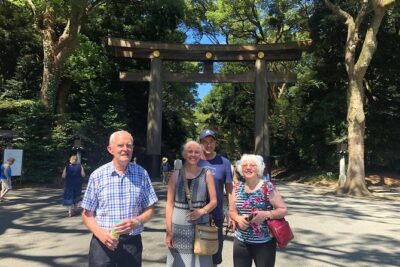
Tokyo 6hr Private Tour with Government-Licensed Guide
Read our review →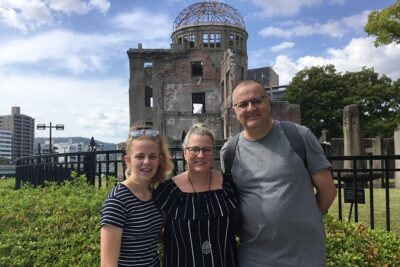
Hiroshima / Miyajima Full-day Private Tour with Government Licensed Guide
Read our review →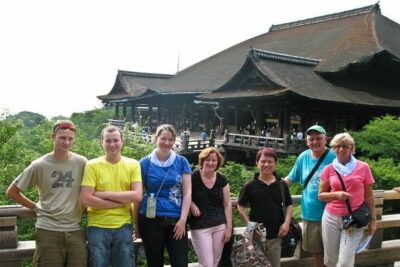
Kyoto 4hr Private Tour with Government-Licensed Guide
Read our review →
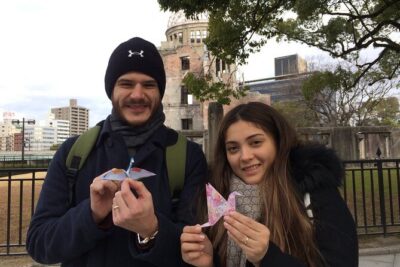
Hiroshima City 4hr Private Walking Tour with Licensed Guide
Read our review →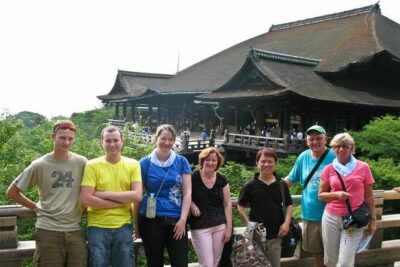
Private Kyoto Tour with Licensed Guide & Vehicle (Max 15 persons)
Read our review →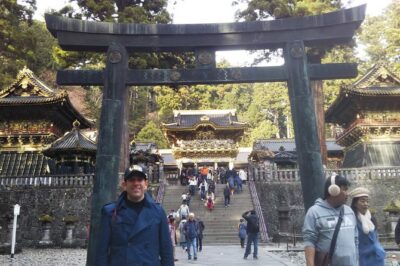
Nikko Full-Day Private Tour with Government-Licensed Guide
Read our review →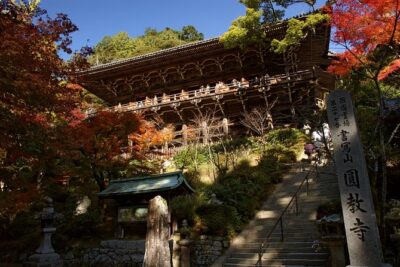
Himeji Half-Day Private Tour with Government-Licensed Guide
Read our review →Browse the lists this tour appears in