
Reviewed · HIROSHIMA & MIYAJIMA DAY TRIPS
Hiroshima City 4hr Private Walking Tour with Licensed Guide
Hiroshima is not a city you should rush through. This private walking tour gives you a local guide for the difficult work of understanding the atomic bombing, the city’s recovery, and the Hiroshima that existed before and after 1945. Guides such as Yuko, Sei, Mari, and Yuji have helped visitors connect the memorials with everyday Japanese life.
I like the private format, because you can ask direct questions and adjust the pace for children, older family members, or anyone who needs a quiet break. I also like the contrast between the Peace Memorial Museum, Hiroshima Castle, and Shukkeien Garden. The main drawback is time: four hours is enough for about two major sites, but fitting all three stops in comfortably can be difficult.
Key points to know before booking
- The Peace Memorial Museum is the emotional center: Allow quiet time afterward, since the subject matter is heavy.
- Your guide shapes the day: Yuko, Sei, Mari, Yuji, Kyoko, Kahori, and other local guides bring different family stories and interests.
- The tour is truly private: Only your group participates, so questions and walking speed can be adjusted.
- Three listed sights may mean two actual visits: The timing can be tight, especially if you want a careful museum visit.
- You walk and pay extra for admissions: The tour includes the guide, not transportation, lunch, or entrance tickets.
- Shukkeien offers a needed change of mood: Its ponds, paths, and quiet garden scenes balance the solemn memorial sites.
Hiroshima’s difficult story, handled at your pace
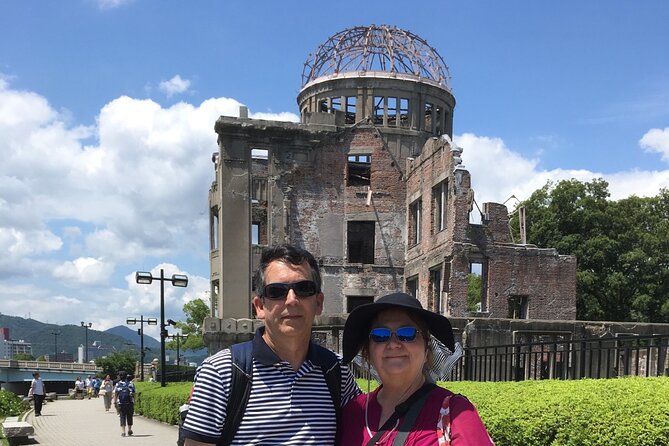
The strongest reason to book this experience is the chance to discuss Hiroshima with a local guide rather than simply move from monument to monument. The Peace Memorial Park and museum contain facts, objects, photographs, and personal accounts that can be hard to process on your own. A private guide helps explain what you are seeing, answers questions in the moment, and connects the memorials to the city today.
Guides take different approaches. Yuko has been praised for clear planning, warm conversation, and interactive explanations. Sei is particularly attentive to practical needs, including helping with public transport and finding shade during hot weather. Mari has shared personal family connections to Hiroshima’s wartime past, while Kahori has included lesser-known places connected with the bombing and recovery.
That variety matters. You are not joining a fixed speech delivered to a large crowd. You can ask about the war, the bombing, rebuilding, Japanese life, samurai history, or modern Hiroshima. If you prefer more detail on World War II, tell the guide at the beginning. If your family needs a gentler balance, the garden and castle provide breathing room.
Other walking tours in Hiroshima people book:
- Hiroshima Historical Walking Tour – Why A-Bomb was Dropped
★ 4.8 · 893 reviews - Hiroshima Peace (Heiwa) Walking Tour at World Heritage Sites
★ 5.0 · 872 reviews - Hiroshima Walking Tour Why A Bomb was dropped to Hiroshima
★ 5.0 · 347 reviews
Peace Memorial Park and Museum: the serious heart of the morning
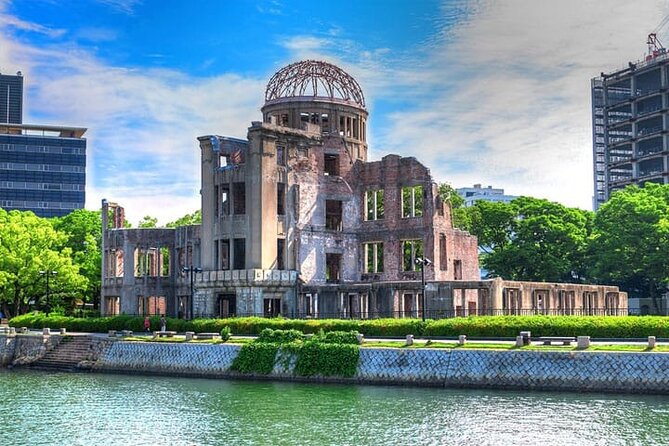
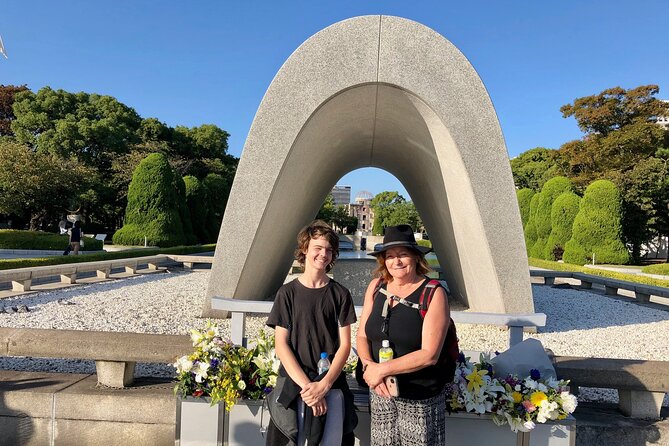
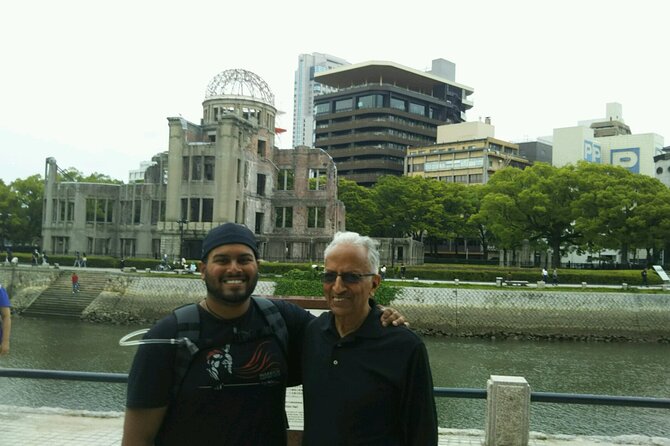
The Peace Memorial Park is a large open area in central Hiroshima, with memorials and public spaces spread across more than 120,000 square meters. The park itself is not simply a path to the museum. It gives you room to see the city’s memorial work in context, including the A-Bomb Dome and other sites connected with the bombing.
The museum admission is not included, so budget for that separately. The museum can take the full hour suggested in the schedule, and many people need longer. The subject is sorrowful and direct. You will see material that asks for attention rather than quick photographs, so avoid planning a tightly packed activity immediately afterward.
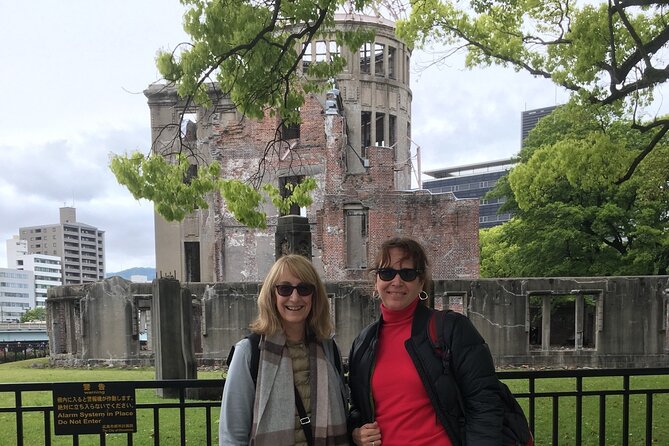
A guide adds the most value before and around the museum. You can ask what a monument represents, how Hiroshima changed after the bombing, and how the city remembers August 6, 1945. Some guides use photographs or personal family connections to help explain the past. Others point out A-bombed buildings and places that are easy to miss if you simply follow a map.
Several guides also help you understand the park as part of present-day Hiroshima. The city is not frozen in 1945. The museum and memorials are central, but the surrounding streets, restaurants, schools, and transport network show a living city that rebuilt itself.
Plan for heat in summer. This is an outdoor stop, and one family described needing regular breaks in the shade. A private guide can slow down, help with museum ticket arrangements, and make the visit less tiring. Parents with young children should say so in advance. One guide adjusted the route for a toddler who needed food, water, and shade.
Hiroshima Castle and the city before the bomb
Hiroshima Castle offers a useful change in focus. Also called Carp Castle, it is a five-story castle keep in the middle of the city, built on a plain rather than on a hill or mountain. That location tells you something about the city’s older role and layout.
The castle was destroyed by the atomic bombing and later reconstructed. Its visit helps you think about Hiroshima before 1945, rather than seeing the city only through the lens of wartime destruction. Guides can also bring in samurai history and local development, subjects that several families found useful alongside the museum visit.
Admission is not included. The schedule allows about an hour, but your actual time depends on how much detail you want and how long you spend walking between stops. If the museum is your priority, the castle may receive a shorter visit. If you care more about Japanese history before the war, tell your guide so the time can be divided sensibly.
The castle is also a practical stop for families who need a less intense hour. It does not erase the difficult subject of the museum, but it gives your mind a different kind of work: architecture, local history, and the way Japanese castles were placed within cities.
Shukkeien Garden gives the day room to breathe
Shukkeien is a Japanese garden, a National Scenic Spot, and one of Japan’s Top 100 Historical Parks. Its ponds, landscaped views, and winding paths offer a quieter side of Hiroshima. It is a particularly useful stop after the museum, when you may want time to reflect without more displays and explanations.
The garden also has a direct connection to the city’s wartime story. It survived the bombing and became part of Hiroshima’s recovery experience. A guide can help you see both sides of the garden: its careful design and its place in the city’s memory.
The mood changes with the weather. On a rainy day, the garden can feel especially quiet and elegant. In warm weather, the paths may still be tiring, so comfortable shoes and water are sensible. The tour is on foot, and no private vehicle is provided.
Here is the practical catch: the advertised schedule gives about one hour to each of the three main stops, but the tour includes walking, explanations, and museum or castle admission time. One guide has advised that fitting the garden into the same four hours as the castle and Peace Museum can be difficult. If you already plan to visit Shukkeien separately, use the tour for the Peace Memorial Park and Hiroshima Castle. If the garden matters most to you, say that before the tour begins.
Other long days west of Hiroshima:
- Peaceful Hiroshima & Miyajima UNESCO 1 Day Bus Tour
★ 5.0 · 5,309 reviews - Hiroshima: Hiroshima and Miyajima UNESCO Sites 1-Day Tour
★ 4.9 · 2,330 reviews - Hiroshima / Miyajima Full-day Private Tour with Government Licensed Guide
★ 5.0 · 1,298 reviews - Hiroshima in a Nutshell: Morning Bike Adventure
★ 5.0 · 524 reviews
What the private format really changes
A private tour is more than having a guide to yourself. It lets you shape a serious day around your own questions. A family with teenagers can ask for more World War II context. A couple interested in Japanese gardens can give Shukkeien more time. Someone arriving on a tight schedule can explain the limit and let the guide choose the best two stops.
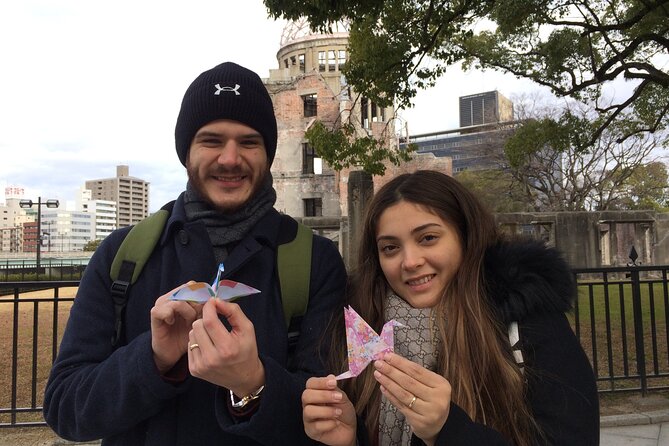
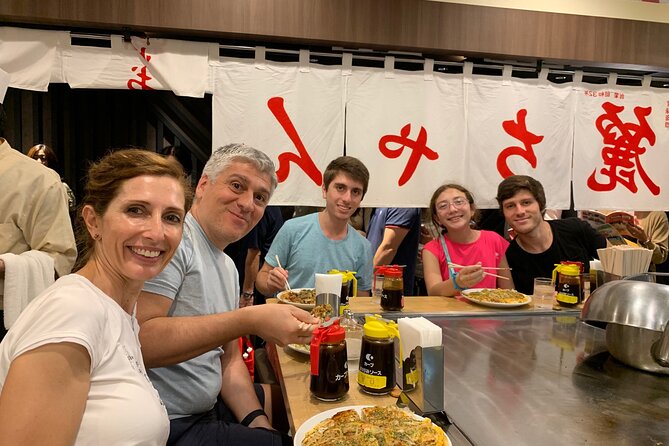
The guides also help with small matters that can make a day in Japan easier. They can explain local customs, answer questions about daily life, help with public transport, and offer ideas for the rest of your stay. Some guides have taught visitors to fold origami cranes, while others have suggested local restaurants and Hiroshima-style okonomiyaki.
Lunch is not included, but an optional meal can fit naturally if the timing allows. Past tours have included okonomiyaki at a local restaurant, sometimes as a mid-tour break. Do not assume lunch is part of the four-hour plan. Treat it as something to discuss with your guide, with the understanding that it may reduce time at one of the listed sights.
The human connection is a major part of the value. Guides have shared family stories, introduced lesser-known A-bomb sites, and talked about living in Japan today. That personal perspective can make the city easier to understand, but it also means guides may differ in how much detail they offer and which subjects they emphasize.
Walking, meeting points, and the cost of the day
The listed price is $122.70 per person. For a solo visitor or couple, that is a substantial spend compared with a self-guided visit. You are paying for a licensed English-speaking guide, private attention, route planning, and the chance to ask questions throughout the day.
For a family or small group, the value improves if the booking allows a group discount. You avoid the limits of a large group and do not have to follow someone else’s pace. The price does not include transportation, entrance fees, lunch, or personal expenses, so add those costs before comparing it with a simple museum visit.
Pickup is on foot from a hotel or train station within the designated Hiroshima area. There is no private vehicle included. The experience is near public transportation, and some guides have helped people buy tram tickets or travel from a cruise port, but you should confirm the meeting point and transport plan directly before booking if you are arriving by ship.
Wear shoes suited to several hours outside. Hiroshima is easy to explore in sections, but the park, castle, garden, and connecting streets still require walking. Most people can participate, and service animals are allowed. If anyone in your group has limited stamina, tell the guide early so the route can be adjusted.
Morning and afternoon start times are offered. Morning may suit you if you want the museum before the day becomes tiring. Afternoon can work well if you are arriving by train or using the morning for another activity, but check opening times and allow enough time for the museum.
Who will get the most from this tour
I would choose this tour if you want more than a checklist of Hiroshima sights. It fits first-time visitors who want the city explained in plain English, families who need a flexible pace, and history-minded people who want to ask detailed questions.
It is also a good choice for a short stay. A guide can help you use four hours carefully, rather than spending the first hour figuring out transport and the layout of the memorial park. The tour can also be useful for cruise passengers, but the stated arrangement is a walking pickup, not a private port transfer.
You may prefer to explore alone if you want a long, quiet museum visit or need to control every minute. You may also find the tour less useful if you have already spent several days studying Hiroshima and only want independent time at the sites. The guide adds the most value when you want context, conversation, and help connecting separate parts of the city.
A few smart ways to plan your four hours
- Decide your top two sights before meeting the guide. This avoids trying to force three full visits into a short schedule.
- Tell the guide if you want more World War II detail, more local culture, or more time in the garden.
- Bring water and plan for outdoor heat, especially in summer.
- Treat the museum as an emotional visit, not a quick attraction between other appointments.
- Ask about okonomiyaki only if you can spare time for lunch, since food is not included.
- Confirm the walking meeting point, especially if you are coming from a cruise terminal.
- Use the guide’s local advice for the rest of your Japan trip. Several guides are happy to discuss daily life, transport, and places beyond the core route.
Should you book the Hiroshima private walking tour?
Book it if you want a personal introduction to Hiroshima and value clear explanations more than the lowest possible price. The strongest part is the guide relationship: people such as Yuko, Sei, Mari, Yuji, Kyoko, and Kahori have helped make a difficult subject understandable while still showing you Hiroshima’s gardens, castle, food, and modern life.
Go in with realistic expectations. Four hours is a useful introduction, not a complete study of the city. You will probably see about two major sites in a relaxed way, and you will pay separately for admissions and any food or transport.
For most first visits, I would make the Peace Memorial Park and Museum the priority, then choose either Hiroshima Castle or Shukkeien. If your booking lets you request a guide, mention your interests and time limits. That small step can turn a general walking tour into a focused and thoughtful half-day.
FAQ
How long does the Hiroshima private walking tour last?
The tour lasts approximately four hours.
Is the tour private?
Yes. Only your group participates, and separate tour groups cannot be combined.
Which places are included in the route?
The main listed stops are the Hiroshima Peace Memorial Museum, Hiroshima Castle, and Shukkeien Garden. The tour notes that you can see about two sites on average within the available time.
Is the Peace Memorial Museum admission included?
No. Entrance fees are not included in the tour price.
Are Hiroshima Castle and Shukkeien admission fees included?
No. Entrance fees are listed as an extra expense. Guide entry fees are covered only for sights listed under the tour inclusions.
Does the tour include transportation?
No. Transportation fees are not included, and the tour does not provide a private vehicle. Pickup is on foot.
Where does pickup take place?
The guide meets you on foot at a hotel or train station within the designated Hiroshima area.
Can I choose a morning or afternoon start?
Yes. Morning and afternoon start times are available.
Is lunch included?
No. Lunch and personal expenses are not included. Some tour plans may allow time for local food, such as Hiroshima-style okonomiyaki, but this should be discussed with the guide.
Can the tour date be changed?
Tour dates can be changed up to two days before the tour, but a change may result in a different guide or no availability. Free cancellation is available until 24 hours before the start time.
More walking tours elsewhere in Japan
- Miyajima Half-day Trip Historical Walking Tour
★ 5.0 · 284 reviews - Hiroshima: History of Hiroshima Group Walking Tour
★ 4.8 · 266 reviews - Hiroshima: Food and Culture Guided Walking Tour with Dinner
★ 4.9 · 212 reviews - Kyoto Geisha Walking Tour: Gion District & Hidden Gems
★ 4.7 · 3,273 reviews
More licensed guide tours in Hiroshima
- Hiroshima & Miyajima: Full-Day Private Tour & Licensed Guide
★ 4.8 · 252 reviews - Tokyo 6hr Private Tour with Government-Licensed Guide
★ 5.0 · 3,902 reviews - Tokyo 4hr Private Tour with Government-Licensed Guide
★ 5.0 · 1,394 reviews - Kyoto 6hr Private Tour with Government-Licensed Guide
★ 5.0 · 1,369 reviews
Just added in Hiroshima
- Hiroshima 3hr Peace Cycling Tour with Local Guide★ 5.0 · 131 reviews
- Day Trip to Hiroshima & Miyajima with Itsukushima Shrine★ 4.6 · 124 reviews
- Hiroshima: Best of Hiroshima Guided Bike Tour★ 4.9 · 89 reviews
- Hiroshima & Miyajima 6.5h Guided Tour – Dome, Park & Shrine★ 4.9 · 83 reviews
- Hiroshima: Food and Culture Guided Walking Tour with Dinner★ 4.9 · 212 reviews
- Hiroshima Local guided Hiking Tour&Open-air Tea Ceremony★ 5.0 · 213 reviews
- Hiroshima & Miyajima: Full-Day Private Tour & Licensed Guide★ 4.8 · 252 reviews
- Miyajima: Cultural Experience in Zen Temple★ 5.0 · 258 reviews
Hiroshima & Miyajima Day Trips, compared.
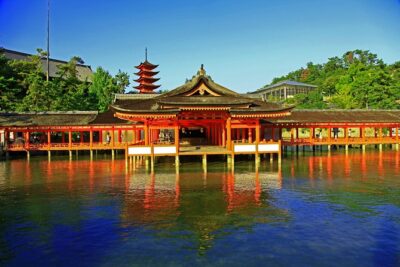
Peaceful Hiroshima & Miyajima UNESCO 1 Day Bus Tour
Read our review →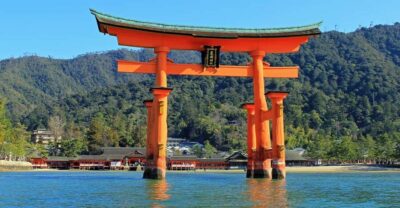
Hiroshima and Miyajima UNESCO Sites 1-Day Tour
Read our review →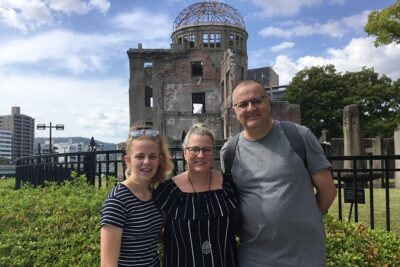
Hiroshima / Miyajima Full-day Private Tour with Government Licensed Guide
Read our review →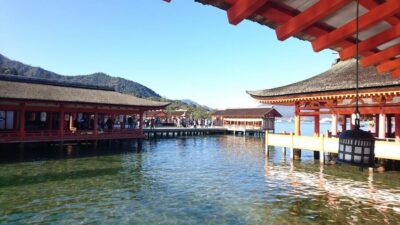
Osaka/Kyoto: Hiroshima Miyajima Bus Tour & Shinkansen Ticket
Read our review →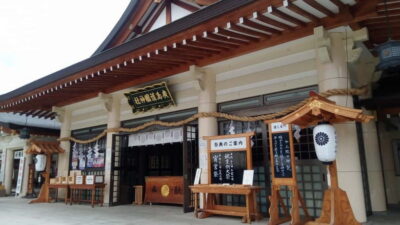
Hiroshima Historical Walking Tour – Why A-Bomb was Dropped
Read our review →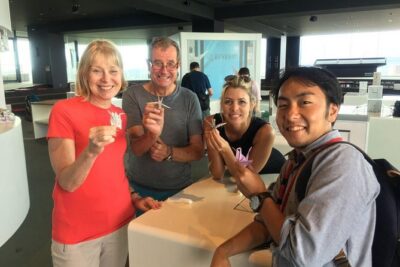
Hiroshima Peace (Heiwa) Walking Tour at World Heritage Sites
Read our review →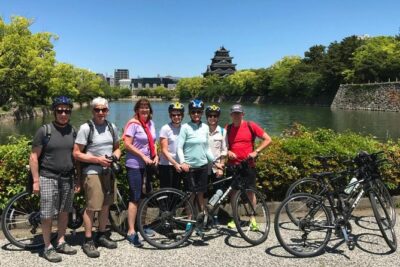
Hiroshima in a Nutshell: Morning Bike Adventure
Read our review →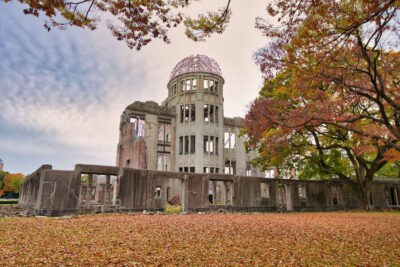
Browse the lists this tour appears in