
Reviewed · FUSHIMI INARI TOURS
Crowd-Free Kyoto: Fushimi Inari, Nijo Castle & Kinkaku-ji
Kyoto’s three headline sights fit into one well-planned morning on this private five-hour tour. You start at Fushimi Inari, where thousands of red torii gates climb the wooded mountain, then continue to Nijo Castle and the gold-covered Kinkaku-ji. The early timing is the main trick: Fushimi Inari is far more enjoyable before the day’s crowds fill its paths.
I like the personal pace and the chance to ask questions as you go. I also like the guides’ warm, individual style. Tom is praised for his cultural knowledge, Ryu for being friendly and entertaining, Kazuya for making the tour feel like time with an old friend, and Maki for bringing Nijo Castle to life. The main drawback is that entrance fees are extra, and three major sights in five hours leaves little room to linger.
Key points
- Early access to Fushimi Inari: The timing is designed to reach the shrine before it becomes heavily crowded.
- Three major Kyoto sights in one morning: You visit Fushimi Inari, Nijo Castle, and Kinkaku-ji without having to plan the route yourself.
- A genuinely private outing: Only your own group takes part, so the guide can adjust explanations and pace.
- Guides add local detail: Tom, Ryu, Kazuya, and Maki have each been singled out for warmth, historical context, and clear storytelling.
- A useful end point: The tour finishes at Kinkaku-ji, leaving you in northern Kyoto rather than returning you to Kyoto Station.
- Budget for two admissions: Fushimi Inari is free, but Nijo Castle and Kinkaku-ji are not included in the tour price.
Why the early start matters at Fushimi Inari
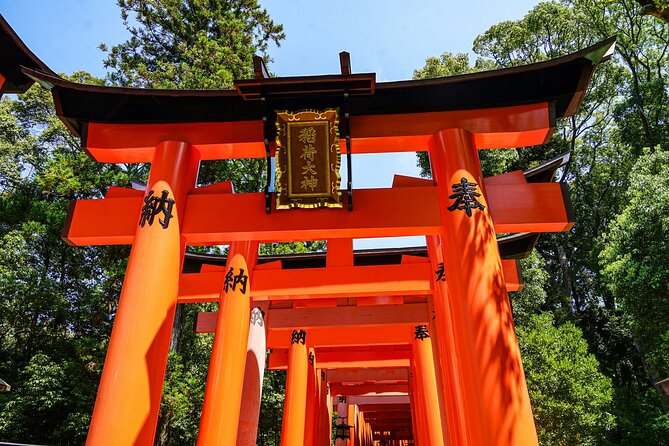
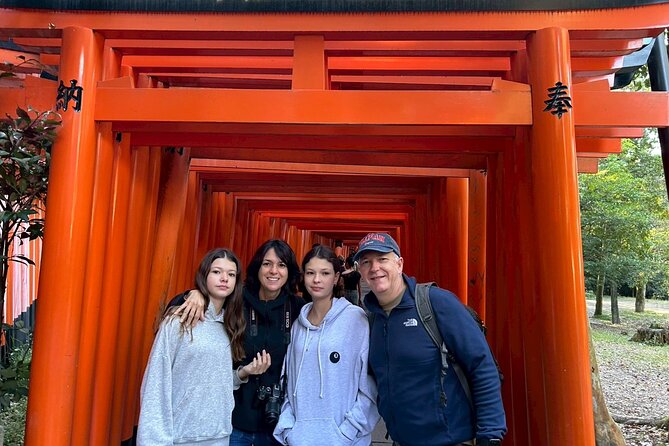
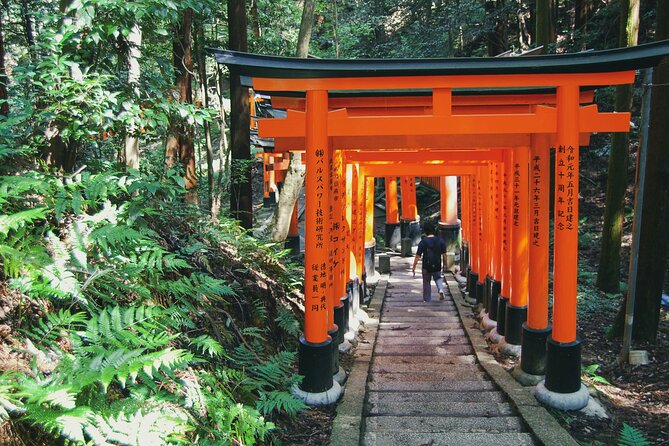
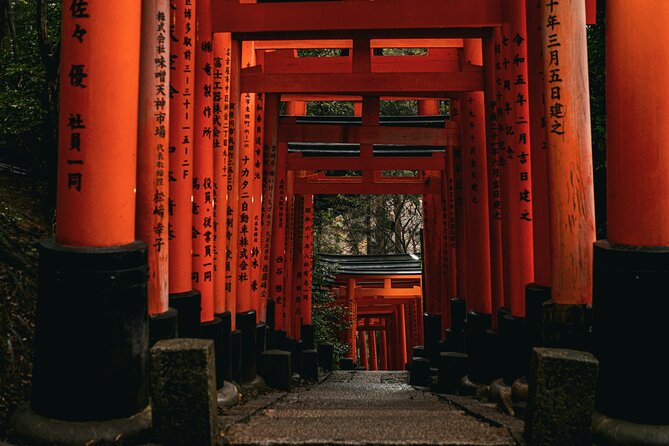
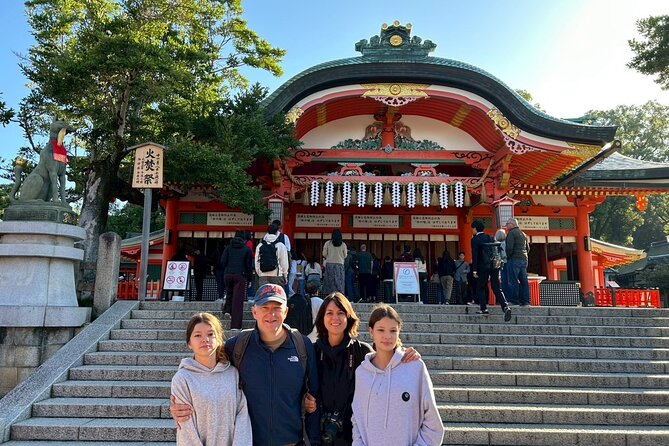
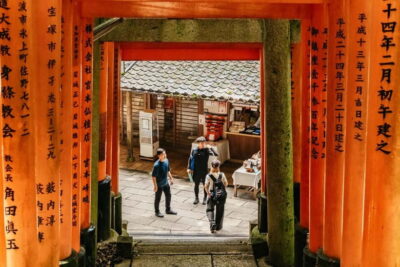
Fushimi Inari-taisha is the natural first stop, and that order makes sense. Its famous Senbon Torii, or thousands of red gates, form a long corridor up Mount Inari. The lower section is the most recognizable and usually the busiest, so reaching it early gives you a better chance to see the gates without a solid wall of people.
You have about an hour here. That is enough to walk through the striking lower torii path and hear the basic story of the shrine, but it is not enough for an unhurried climb to every upper section. One tour participant did make it all the way to the top, describing the view as unforgettable and joking about the price of a well-earned bottle of water. The lesson is simple: if you want the summit, tell your guide early and expect to use much of your available time here.
Fushimi Inari is free to enter, which helps offset the extra admission costs later. It is also a place where a guide can add real value. The shrine is easy to photograph, but its meaning can be harder to grasp when you are focused on the next gate. A guide can explain what makes the shrine important and point out details you might otherwise pass without noticing.
Wear comfortable shoes. Even if you do not climb to the top, the torii path includes steps and an uphill walk. The private format helps here because you can discuss whether to press on or keep the visit focused on the lower gates.
Other shrine walks around Kyoto:
- Kyoto: Fushimi Inari, Kinkakuji, Bamboo Grove 1 Day Bus Tour
★ 4.8 · 4,316 reviews - Fushimi Inari Hidden Hiking Tour (Private Option Available)
★ 5.0 · 1,750 reviews - Kyoto/Osaka: Nara, Fushimi Inari Taisha, Arashiyama Bus Tour
★ 4.7 · 1,275 reviews
Nijo Castle shows the power behind the shogun
The second stop changes the mood completely. Fushimi Inari is a sacred mountain shrine with an open-air path. Nijo Castle is a formal seat of power, built for the Tokugawa shoguns. Its Ninomaru Palace gives you a look at how authority was displayed through architecture, rooms, decoration, and ceremony.
You have about an hour at the castle. That is a useful amount of time for a guided visit, but you should not expect to inspect every corner at a slow pace. The palace is the main draw, and the guide’s explanation helps connect its rooms to the samurai government that once ruled Japan.
Nijo Castle was the favorite stop for one participant who joined with Maki. That makes sense for visitors who enjoy interiors, political stories, and human details more than postcard views. The castle is not simply another old building. It lets you see how a ruling family used space and decoration to signal rank and control.
Admission is not included, so keep that cost separate from the $91.96 tour price. This is one of the practical points that can affect the value calculation. The tour fee pays for the private guide and route planning, but you still need money for the two paid attractions.
I especially like having Nijo Castle between the two temple and shrine visits. It breaks up the morning and gives you a different side of Kyoto. You move from religious practice at Fushimi Inari to political power at Nijo, then finish with one of the city’s most famous temples.
Kinkaku-ji finishes the route with Kyoto’s famous gold pavilion
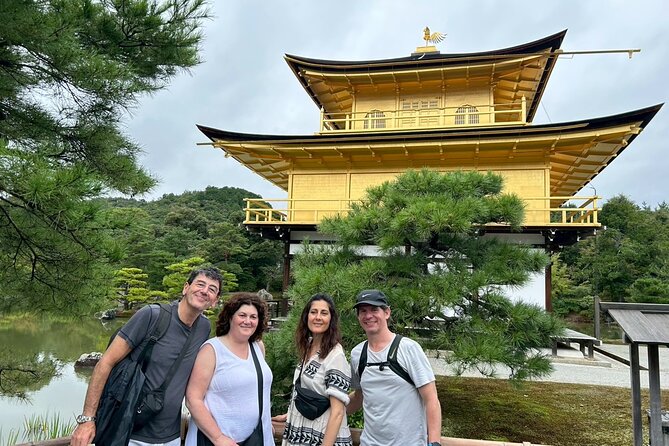
Kinkaku-ji, also called the Golden Pavilion, is the final stop. Its upper stories are covered in gold leaf, and the building is reflected in the surrounding pond when conditions are right. This is the visual climax of the tour, and it is easy to understand why several people chose it as the main reason for booking.
You have roughly an hour here, with admission extra. The visit centers on the pavilion and its garden setting. Weather matters because the view depends on light and conditions. On a clear day, the gold surface can look almost startling. On a gray or wet day, the sight remains important, but the effect may be quieter.
The end point is Kinkaku-ji at 1 Kinkakujicho in Kita Ward. That is worth noting before you book. You do not finish back at Kyoto Station, so plan your next activity from northern Kyoto. The arrangement can be convenient if you want to continue sightseeing in that part of the city, but less convenient if you have luggage at the station or a train to catch soon after.
A guide is useful here because the pavilion can become a quick photo stop if you do not know what you are looking at. You can ask about the temple’s role, its design, and the way the grounds are arranged. The tour description promises stories beyond a guidebook, and the strongest feedback points to exactly that kind of explanation.
A private guide changes the pace
The biggest difference between this outing and a shared group tour is control. Only your group participates, so the guide does not need to manage strangers with different interests, fitness levels, or schedules. You can ask more questions, slow down at a favorite spot, or keep moving when a site does not hold your attention.
That does not mean the tour is fully flexible in every direction. Three major sights, transit between them, and about five hours create a firm framework. If you spend extra time at Fushimi Inari, you may have less time at Nijo Castle or Kinkaku-ji. The private format gives you room to discuss priorities, but it does not create unlimited time.
The guides named in the feedback have different strengths. Tom is repeatedly associated with strong cultural explanations and clear answers. Ryu is described as friendly and entertaining. Kazuya’s kindness and personal connection made the outing feel unusually relaxed, while Maki received special praise for making Nijo Castle memorable.
You should not assume you will receive a particular guide unless the operator confirms it. Still, these names give you a useful sense of the guiding style: personal, conversational, and focused on Kyoto’s history and culture rather than simple transportation between sights.
Other castles reached from Kyoto:
- Kyoto: Nijo-jo Castle and Ninomaru Palace Guided Tour
★ 4.7 · 1,020 reviews - Kyoto: Nijo Castle, Kiyomizu & Fushimi Inari Guided Tour
★ 4.7 · 700 reviews - Kyoto: Nijo, Kinkaku-ji, Arashiyama, Kiyomizu & Fushimi Inari
★ 5.0 · 699 reviews - Kyoto: Imperial Palace & Nijo Castle Guided Walking Tour
★ 4.7 · 453 reviews
What the $91.96 price really covers
At $91.96 per person, this is not the cheapest way to visit three Kyoto attractions. You can reach the sites independently using public transportation, and Fushimi Inari costs nothing to enter. You will also pay admission at Nijo Castle and Kinkaku-ji.
The value comes from the guide, private arrangement, route planning, and early timing. If you are comfortable researching train routes, deciding when to visit each site, and reading explanations on your own, the price may feel high. If you have limited time in Kyoto or want a knowledgeable local person beside you, the calculation looks better.
The route also reduces planning work. You meet at South Square in the Kyoto Station Building, visit three major sights, and finish at Kinkaku-ji. You do not have to work out the most sensible order or keep checking the clock while trying to find your way across the city.
Group discounts may improve the per-person cost for larger parties. Since this is a private activity, the price may make particular sense for a small family or group of friends who prefer not to join strangers. Solo visitors should compare the private price with a shared tour or independent sightseeing option.
Food and drinks are not included. Bring water and consider eating before the start, since the listed schedule is built around sightseeing rather than a meal break.
The five-hour schedule is efficient, not leisurely
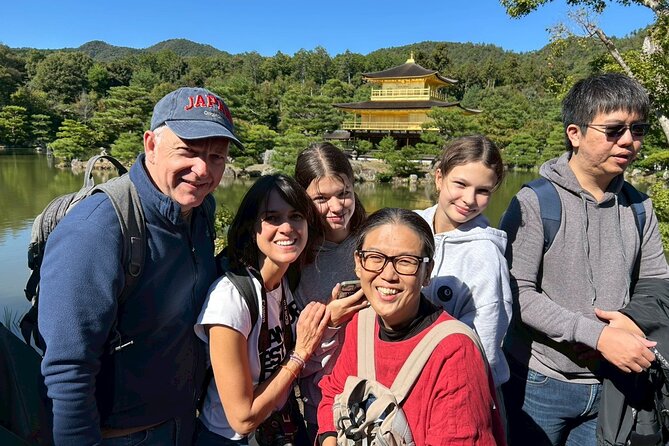
The tour gives about one hour to each main stop. The remaining time is needed for movement and transitions. That makes the itinerary efficient, but you should set your expectations correctly.
You will see the major features of each place. You will not have hours to wander side paths, sit in gardens, repeat photographs in different light, or explore nearby neighborhoods. This is a strong first-day introduction to Kyoto, not a slow architectural study.
I would choose this tour if you have only a short stay and want to check off the city’s most recognizable sights with context. I would choose something slower if you already know these places and want time for small temples, traditional streets, cafés, or less famous neighborhoods.
The early planning is most important at Fushimi Inari. The tour is described as designed to avoid the busiest periods, but no attraction can be promised as empty. Seasons, holidays, weather, and the day’s schedule all affect crowd levels. Think of the timing as a practical advantage, not a guarantee of solitude.
Who will get the most from this Kyoto tour
This tour suits first-time Kyoto visitors who want the essentials explained without spending days on transport planning. It also works well for families or friends who value a private guide and want to keep the outing together.
You are likely to enjoy it if you:
- Want Fushimi Inari, Nijo Castle, and Kinkaku-ji in one organized outing
- Prefer a private group instead of a shared tour
- Like historical and cultural explanations as you walk
- Have only one or two days in Kyoto
- Want an early start at Fushimi Inari
- Prefer finishing at Kinkaku-ji so you can continue in northern Kyoto
You may want another plan if you need a very slow pace, dislike walking and steps, or want admission costs bundled into the booking price. The listed information says most people can participate, but it does not promise a fully step-free route.
The experience requires good weather. If poor weather forces cancellation, you are offered another date or a full refund. You can cancel for a full refund up to 24 hours before the start time, but changes or cancellations inside that window are not accepted.
Practical details before you reserve
The meeting point is South Square in the Kyoto Station Building, at Higashishiokoji-cho in Shimogyo Ward. The area is near public transportation, which makes the start reasonably practical for visitors staying in different parts of Kyoto.
The tour ends at Kinkaku-ji, not at the original meeting point. Build that into your day. If you have a hotel near Kyoto Station, you will need to arrange your own return after the visit.
The mobile ticket is convenient, and confirmation arrives when you book. Admission to Fushimi Inari is free. Admission to Nijo Castle and Kinkaku-ji is not included, so check the current entrance charges when planning your total budget.
A five-hour private tour also gives you a simple way to ask for help with Kyoto’s wider history. The strongest guide feedback centers on stories, local details, and the feeling of having a friendly person explain the city rather than simply point at buildings. That personal exchange is the tour’s main advantage.
Should you book it?
Book this tour if you want Kyoto’s three most recognizable sights in a single, well-organized morning and you value a private guide more than the lowest possible price. The early visit to Fushimi Inari, the contrast between shrine, castle, and temple, and the personable guiding style make this a strong introduction to Kyoto.
Skip it if you want to explore at a very slow pace, avoid extra admission charges, or prefer to arrange public transportation yourself. Also check the finishing point before booking, especially if you need to return to Kyoto Station quickly.
For most first-time visitors with limited time, I would consider the $91.96 reasonable when split among a small private group. You are paying for interpretation and smooth planning, not just entry to the sights. Ask for an early start, wear good walking shoes, bring water, and remember that the best use of the private format is to tell your guide what matters most to you.
FAQ
How long does the tour last?
The tour lasts approximately five hours.
Which attractions are included?
The tour visits Fushimi Inari-taisha Shrine, Nijo Castle, and Kinkaku-ji Temple.
Is this a private tour?
Yes. Only your group participates in the activity.
Are admission fees included?
Admission to Fushimi Inari-taisha Shrine is free. Admission to Nijo Castle and Kinkaku-ji Temple is not included.
Where does the tour begin?
The meeting point is South Square in the Kyoto Station Building, Higashishiokoji-cho, Shimogyo Ward, Kyoto.
Where does the tour end?
The tour ends at Kinkaku-ji, 1 Kinkakujicho, Kita Ward, Kyoto.
What happens if the weather is poor?
The experience requires good weather. If it is canceled because of poor weather, you can choose another date or receive a full refund.
Just added in Kyoto
- Private Cooking Class Udon in Kyoto Japan★ 5.0 · 23 reviews
- Your Private Vacation Photography Session In Kyoto★ 5.0 · 110 reviews
- Kyoto: Zen Meditation at a Private Temple with a Monk★ 5.0 · 25 reviews
- Private Pewter Sake Cup Experience with a Kyoto Artisan★ 5.0 · 31 reviews
- Kyoto Wagashi(Japanese sweets) Cooking Class near Fushimiinari★ 5.0 · 60 reviews
- Kyoto:Family-Friendly Kimono & Yukata Experience at WARGO★ 5.0 · 147 reviews
- Private Guided Traditional Buddhist Cooking in Japan★ 5.0 · 16 reviews
- Kyoto: Gion Geisha District & Sake-in-Hand Walking Tour★ 5.0 · 37 reviews
Fushimi Inari Tours, compared.
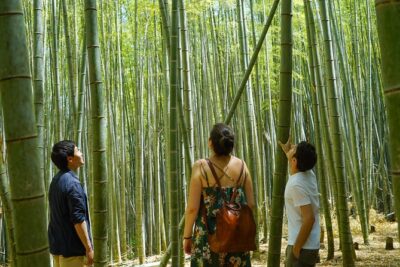
Fushimi Inari Hidden Hiking Tour (Private Option Available)
Read our review →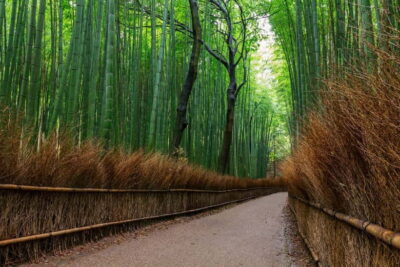
Kyoto/Osaka: Nara, Fushimi Inari Taisha, Arashiyama Bus Tour
Read our review →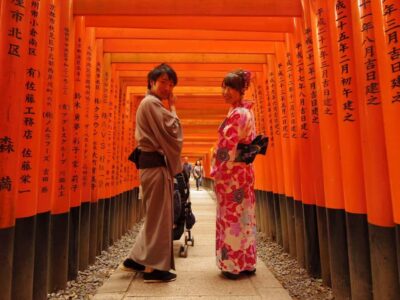
Osaka/Kyoto: Arashiyama, Nara & Fushimi Inari Shrine w/Lunch
Read our review →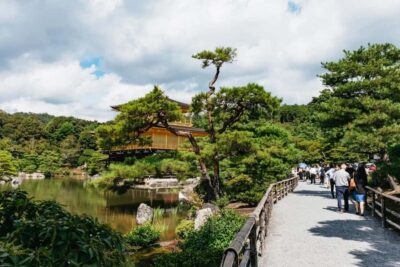
Nijo Castle, Kiyomizu & Fushimi Inari Guided Tour
Read our review →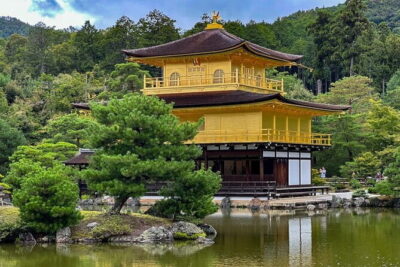
Nijo, Kinkaku-ji, Arashiyama, Kiyomizu & Fushimi Inari
Read our review →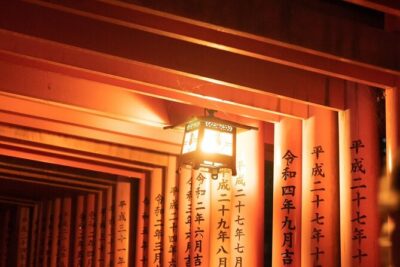
Kyoto Early Bird English Tour: Fushimi-Inari and Arashiyama
Read our review →Browse the lists this tour appears in