Reviewed · FUSHIMI INARI TOURS
Osaka/Kyoto: Arashiyama, Nara & Fushimi Inari Shrine w/Lunch
Arashiyama’s bamboo, Nara’s free-roaming deer, and Fushimi Inari’s long tunnel of red gates make this a big sightseeing day in a small amount of time. Add lunch in a 120-year-old Kyoto townhouse, and you get a useful first look at three of the Kyoto region’s most famous sights.
I like the way the tour removes the headache of linking Osaka, Kyoto, Nara, and Fushimi by public transport. I also like the choice of Kobe beef shabu-shabu, pork shabu-shabu, or vegetarian curry, which makes the included meal work for different budgets and diets.
The trade-off is time. You spend roughly 80 minutes at some stops, and Fushimi Inari can feel rushed because the bus parking area is not right by the shrine entrance. This is a greatest-hits day, not a slow temple-and-teahouse outing.
Key things to know before booking
- Three major sights in one day: See Arashiyama, Nara Park and Fushimi Inari without planning several separate train journeys.
- Lunch comes in a traditional townhouse: Kyoto Wasabi serves shabu-shabu in a building that has welcomed diners for more than 120 years.
- The tour is mostly self-guided at each stop: Your guide gives directions and background, then you explore independently.
- Fushimi Inari needs careful time management: The gates begin near the entrance, but the full mountain route takes far longer than the scheduled stop.
- The guides can make a busy day easier: Gary, Nick, Eric, Mike and others have been praised for clear instructions, humor, photos, and help in hot weather.
- The $61 price is strong for the package: Transport, lunch, guide services, and taxes are included, though Todaiji’s entrance fee is extra.
Why this Osaka and Kyoto day trip works
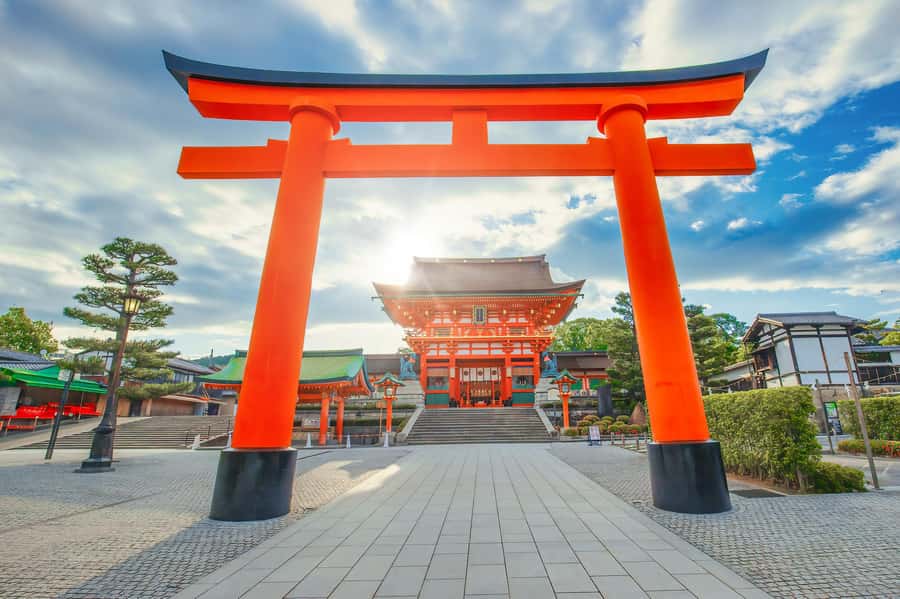
At $61 per person, this is aimed at people who want to cover ground without sorting out several train routes, bus connections, and meal plans. You leave from either the Osaka Villa Namba or the Kyoto VIP Lounge, depending on your booking, then ride between the sights in an air-conditioned vehicle.
That matters in Japan’s hotter months. Several people found the air conditioning a welcome relief, especially in July and during very warm days. Guides have handed out cooling wipes, fans, and reminders to refill water bottles, though you should still bring your own water and prepare for plenty of walking.
The tour lasts about nine hours, but traffic and site conditions can change the schedule. The bus runs to a firm timetable. It cannot wait for late arrivals, and arriving at the wrong meeting point can mean missing the day without a refund. Check your exact departure location before setting out, especially if you are staying in Osaka and joining in Kyoto, or the other way around.
This is not a private tour. The bus may be full, and the guide normally explains the day and each stop before letting you explore on your own. That arrangement suits independent visitors who want structure but do not need a guide beside them at every shrine gate.
Other temples and shrines in Kyoto people book:
- Kyoto: Tea Ceremony Ju-An at Jotokuji Temple
★ 4.9 · 3,207 reviews - Arashiyama Bamboo, Temple, Monkeys, or Secret Sake Brewery
★ 4.8 · 886 reviews - Kyoto: Arashiyama Bamboo Forest, Monkeys, Matcha & Temple Tour
★ 5.0 · 759 reviews
Arashiyama Bamboo Forest: beautiful, brief, and crowded
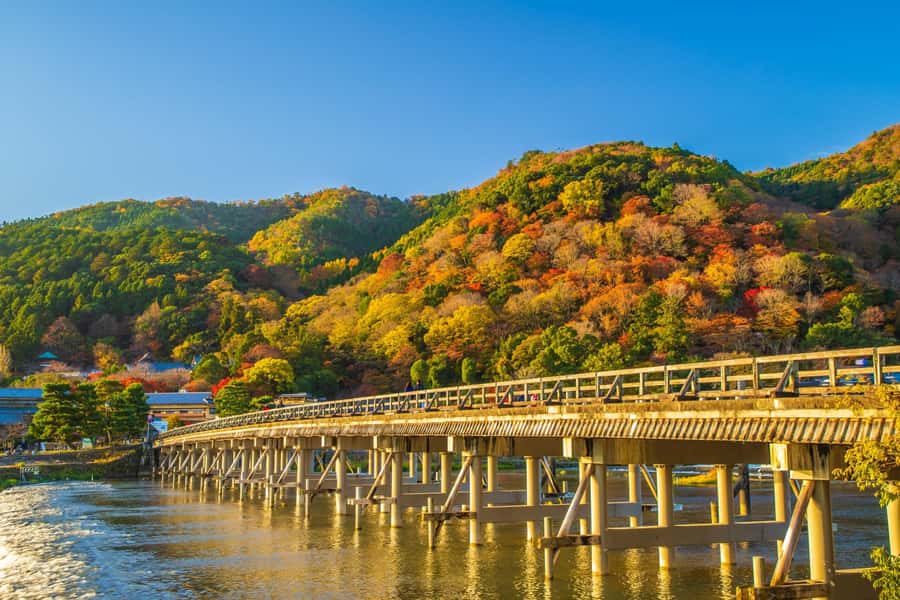
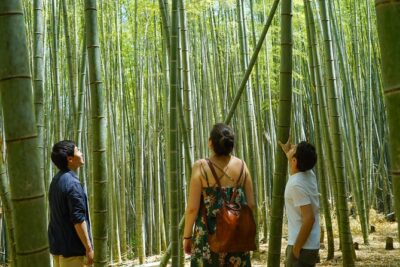
The first major stop is Arashiyama, one of Kyoto’s most photographed areas. The bamboo path gives you the familiar view of tall green stalks rising on both sides, with sunlight filtering through the leaves and the stems shifting gently overhead.
You get time to walk through the main bamboo area, take photographs, and enjoy the surrounding scenery. In cooler weather, the shade can feel pleasant. In summer, it offers some relief from direct sun, though the walk is not a complete escape from heat or crowds.
The main point to understand is that this is a short visit to Arashiyama, not a full tour of the district. You will not have unlimited time to explore every temple, garden, river path, or shopping street. If you want a quiet bamboo-forest photograph, move with purpose and use the first clear opening you find.
The guide generally gives information on the bus and explains where to return. Once you leave the group, you are free to walk at your own pace within the allotted time. Keep an eye on the clock. The bus does not wait for latecomers, and the tour has several more stops to reach.
Lunch at Kyoto Wasabi in a century-old townhouse
Lunch at Kyoto Wasabi provides a welcome change of pace between sightseeing stops. The restaurant occupies a traditional Kyo-Machiya townhouse that has served diners for more than 120 years, giving the meal a sense of place that a standard bus-stop restaurant would lack.
The main choice is Kobe beef shabu-shabu. Thin slices of wagyu are cooked at the table in hot broth, so you control how long the meat cooks. The appeal is the soft texture and full flavor of the beef, but keep in mind that the portion is designed as part of a busy day rather than a long, luxurious feast.
The pork shabu-shabu follows the same basic idea and offers a less expensive style of meat. Vegetarian curry rice is available for those who do not eat meat. The vegetarian choice was useful to several people, although one person felt the meal could have been larger.
Kobe beef aburi sushi can be ordered separately on the day for an additional charge. It is not part of the listed lunch inclusion, so budget for it only if you want to add something.
Lunch is one of the strongest parts of the value calculation. Comparable day trips may cost more without a meal, and finding a good lunch near a major Kyoto sight can take time you do not have. Here, the meal is arranged and served without making you search for a table.
Nara Park and Todaiji: deer, bowing, and a huge Buddha
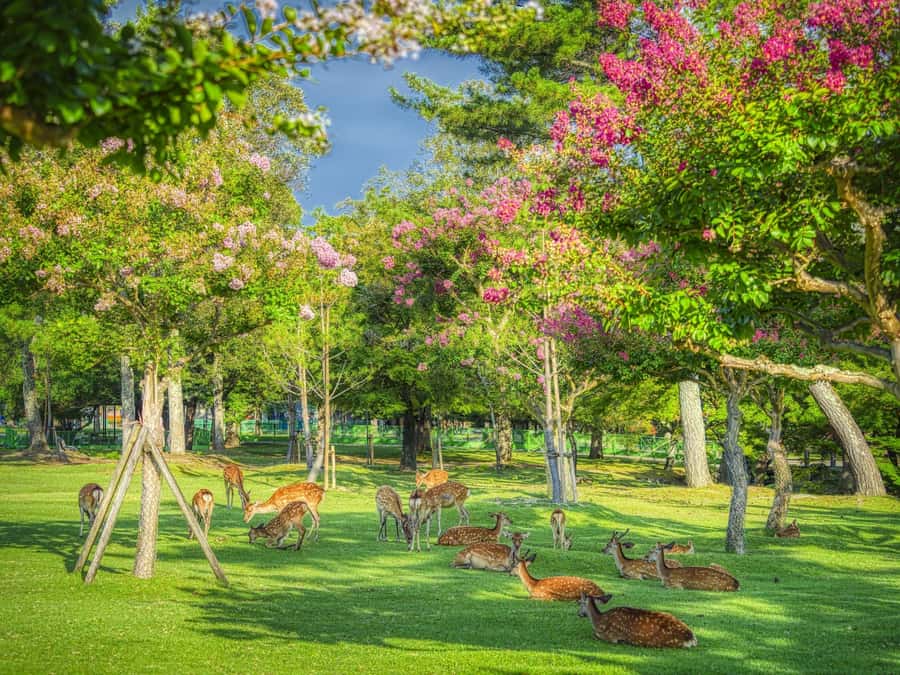
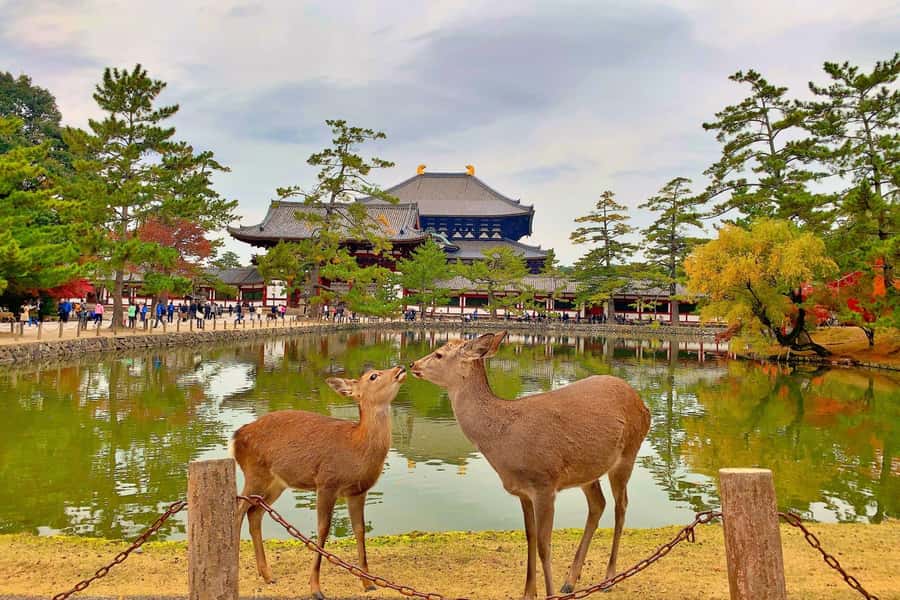
After lunch, the bus continues to Nara, Japan’s ancient capital. Nara Park is famous for its deer, which move freely around the grounds and near the paths. They are accustomed to people, but they remain wild animals. Do not chase, tease, or disturb them.
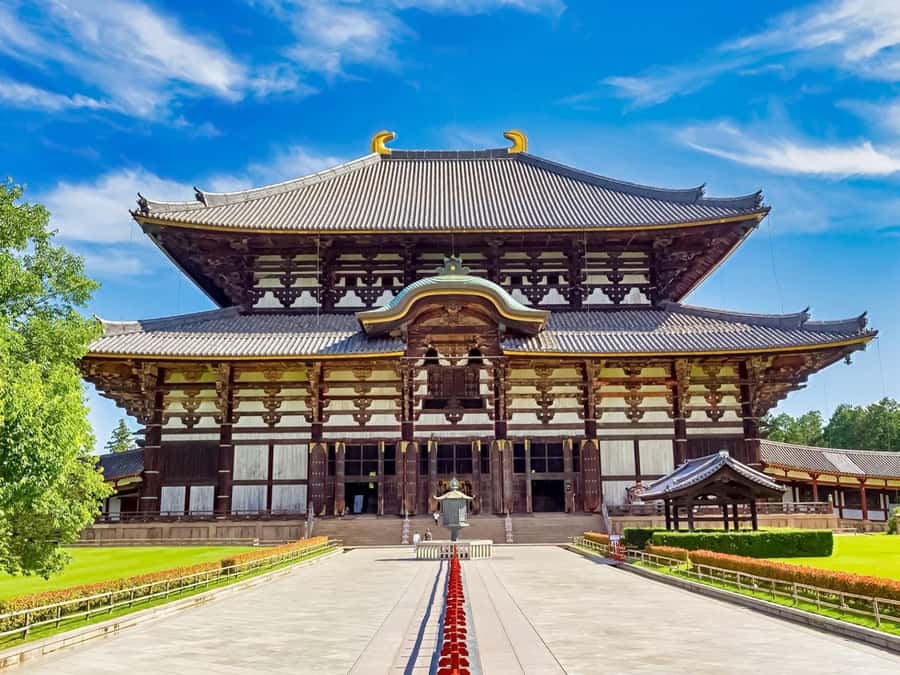
The deer are the easy part of the visit to remember, but Todaiji Temple gives Nara its great architectural and religious weight. The temple is the world’s largest wooden structure, and inside you can see a colossal Buddha statue about 15 meters tall.
Todaiji’s entrance fee is not included. It is optional, so you can decide if you want to pay for the interior or spend your time in the park and surrounding area. If seeing the Buddha is one of your main reasons for joining the tour, bring extra money and allow enough time to reach the temple entrance.
The scheduled stop gives you a useful taste of Nara rather than a full day in the old capital. You can feed your curiosity, take photographs, see the deer, and visit Todaiji if the timing works. Families may need to move at a faster pace, particularly if children want to stop often.
The guide’s role is especially helpful here. Guides such as Eric and Mike have been praised for keeping everyone accounted for and explaining the plan clearly. That matters in a large park where it is easy to wander farther than intended.
Other shrine walks around Kyoto:
- Kyoto: Fushimi Inari, Kinkakuji, Bamboo Grove 1 Day Bus Tour
★ 4.8 · 4,316 reviews - Fushimi Inari Hidden Hiking Tour (Private Option Available)
★ 5.0 · 1,750 reviews - Kyoto/Osaka: Nara, Fushimi Inari Taisha, Arashiyama Bus Tour
★ 4.7 · 1,275 reviews - Kyoto: Nijo Castle, Kiyomizu & Fushimi Inari Guided Tour
★ 4.7 · 700 reviews
Fushimi Inari Shrine and the first stretch of red gates
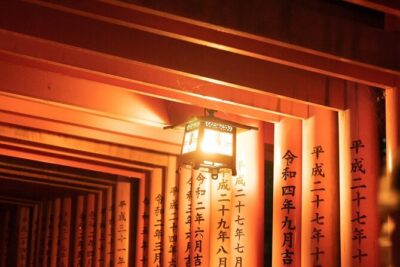
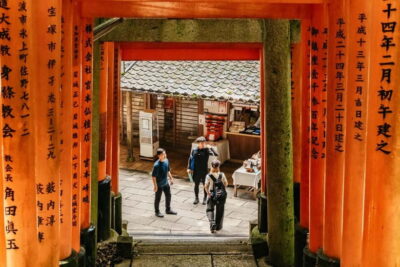
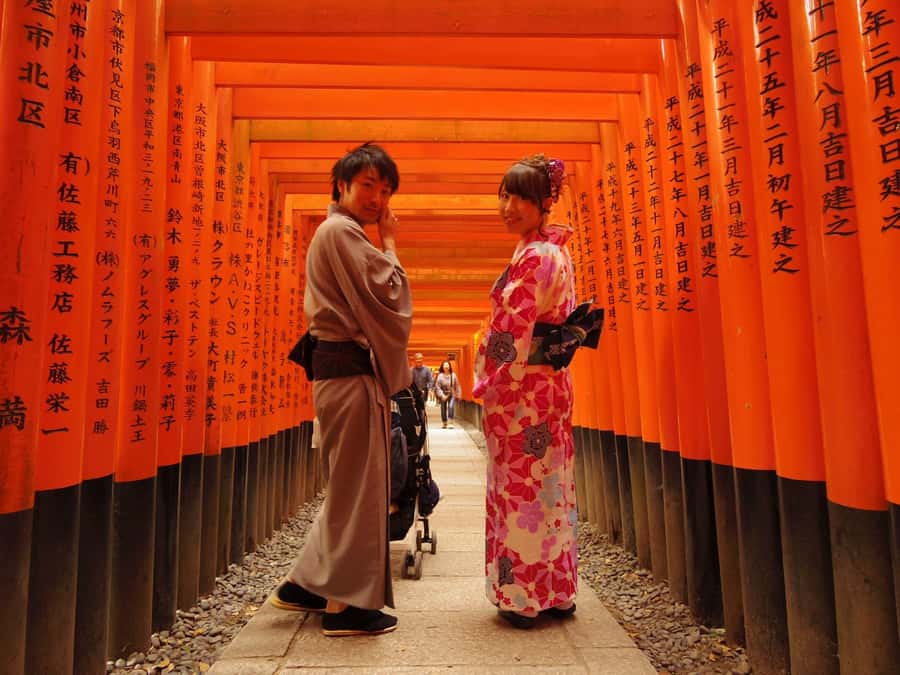
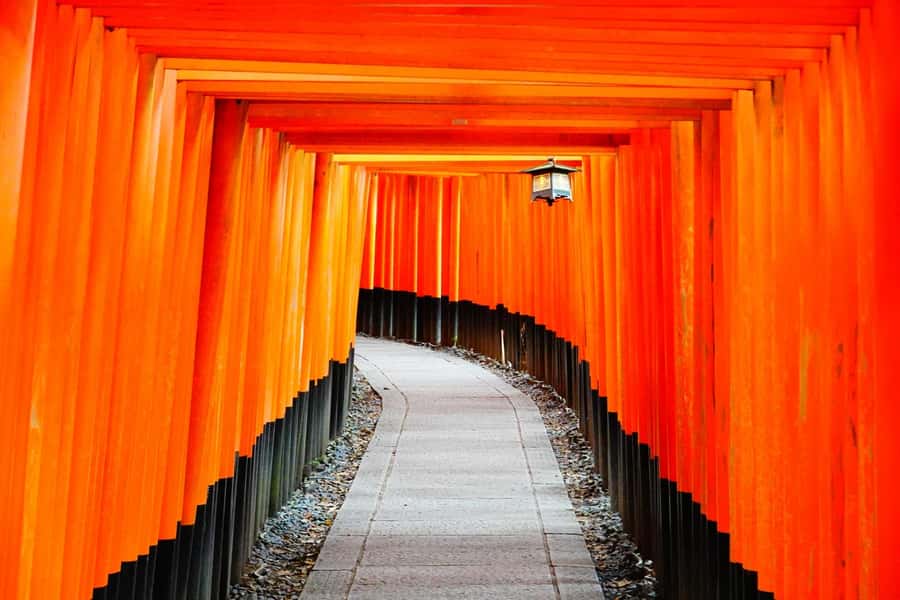
Fushimi Inari Taisha is the final major sight, and it delivers one of Kyoto’s most recognizable views. Thousands of vermilion torii gates form a series of covered pathways up Mount Inari. The gates were donated over time, and the shrine honors Inari Okami, associated with business prosperity, household safety, and success.
You can walk through the first section of gates and visit the shrine grounds without attempting the entire mountain route. That is the sensible plan on this tour. The full climb takes much longer than the scheduled stop, and you still need to walk from the bus parking area to the entrance and back.
This is the stop most likely to feel short. One hour and 20 minutes can be workable for the lower gates, photographs, and a quick look at the shrine. It becomes tight if the path is crowded, if you want to climb far up the mountain, or if you stop frequently for pictures.
Go straight to the torii gates rather than spending too long near the entrance. If you have a choice of photo spots, walk a little beyond the first dense cluster, where the gates may be easier to photograph. Keep track of the route back to the bus parking area. The tour cannot extend the departure for individual visitors.
The guide makes the difference on a tightly timed day
This experience includes English- or Chinese-speaking guidance, but the exact guide varies. Gary, Nick, Eric, Mike, Tracy, Kevin, and others have led different departures. The strongest guides have been praised for humor, clear instructions, local customs, photo help, and careful head counts.
Nick, in particular, has been described as lively and informative, while Gary is noted for keeping people in good spirits and helping the day run smoothly. Mike has been praised for explaining the full schedule at the start, and Eric for making sure the whole bus was accounted for.
Do not expect a private escort at every stop. The usual pattern is commentary and instructions on the bus, followed by free time. That is a benefit if you prefer to wander alone, but it may disappoint you if you want detailed explanations beside every statue and shrine building.
Commentary may be given in both English and Chinese when the group includes both language groups. English pronunciation can vary by guide, so if you miss a detail, ask politely or use the written meeting instructions and timings as your main reference.
Who will get the most from the $61 price
I would choose this tour if you have one open day and want to see the area’s headline sights without wrestling with transport. It works especially well for a first visit, a short stay in Osaka or Kyoto, families who value an air-conditioned bus, and anyone who wants lunch arranged in advance.
The price is good because it includes the vehicle, guide, lunch, taxes, and handling charges. You are also paying for convenience: no separate train tickets, no route changes, and no need to research where to eat between Arashiyama and Nara.
I would hesitate if you dislike fixed schedules or want long, quiet visits. The day can feel rushed, particularly at Fushimi Inari. People who want to hike Mount Inari, explore Arashiyama in depth, or spend several hours at Todaiji should visit those places separately.
Bring comfortable shoes, water, sun protection, and a small amount of extra cash for Todaiji or the optional Kobe beef sushi. In hot weather, plan for sweat even with the cool bus. At every stop, return early rather than gambling on the final few minutes.
Should you book this tour?
Book it if your priority is variety and ease. You will see bamboo, deer, a giant Buddha, and the torii gates in one organized day, with a substantial Japanese lunch included for $61.
Skip it if you want a slow, deeply detailed visit to each place. For most first-time visitors with limited time, though, this is a practical and well-priced introduction to Kyoto and Nara, provided you accept that the day moves quickly.
FAQ
Where does the tour start?
The tour starts at either Osaka Villa Namba or the Kyoto VIP Lounge, depending on the option booked. Your meeting point may vary, so check the selected option carefully.
How long does the tour last?
The tour takes approximately nine hours. Traffic and unforeseen conditions can change the timing, and the bus may make extra stops to keep the schedule on track.
Is hotel pickup included?
No. Hotel pickup and drop-off are not included. You must reach the assigned meeting point yourself.
What lunch choices are available?
You can choose Kobe beef shabu-shabu, Kyoto pork shabu-shabu, or vegetarian curry rice. Kobe beef aburi sushi is available as an extra purchase on the day.
Is the Todaiji Temple entrance fee included?
No. Entrance to Todaiji is optional and the fee is not included in the tour price.
Is the tour guided at each attraction?
The guide provides information and instructions, mainly on the bus and before each stop. You then explore the attractions independently and return to the bus at the appointed time.
Can I cancel for a full refund?
Yes. You can cancel up to 24 hours before departure for a full refund. If extreme weather or a natural disaster cancels the tour, a full refund is provided.
More Nara day trips from Kyoto
- Kyoto and Nara Day Trip from Kyoto
★ 4.5 · 445 reviews - Full Day Guided Tour to Kyoto and Nara from Osaka by Van
★ 5.0 · 420 reviews - Nara Afternoon Tour from Kyoto or Osaka
★ 4.5 · 390 reviews - From Kyoto: Nara Guided Morning Tour
★ 4.6 · 335 reviews
More Arashiyama tours in Kyoto
- Osaka/Kyoto:Kinkakuji,Arashiyama,FushimiInariShrine,NaraPark
★ 4.1 · 1,596 reviews - Kyoto Arashiyama Walking Tour: Bamboo, Monkeys, Gardens & Secrets
★ 5.0 · 1,216 reviews - Kyoto: Nijo, Kinkaku-ji, Arashiyama, Kiyomizu & Fushimi Inari
★ 5.0 · 699 reviews - Kyoto Ghost Tour: Dark Tales, Urban Legends, Bamboo Forest Night
★ 5.0 · 625 reviews
Just added in Kyoto
- Kyoto: Private Photoshoot Service★ 5.0 · 158 reviews
- Kyoto Rickshaw Tour★ 5.0 · 210 reviews
- Izakaya Style Cooking Class★ 5.0 · 219 reviews
- Ninja 2-hour Hands-on Lesson by Japanese master in Kyoto -Medium★ 5.0 · 218 reviews
- Kyoto: Traditional Concert at Townhouse or Bathhouse★ 4.9 · 224 reviews
- Kyoto: Arashiyama Bamboo, Temple, Matcha, Monkeys & secret spots★ 5.0 · 219 reviews
- Kyoto Geisha District Walking Tour in Gion★ 5.0 · 232 reviews
- The right way to know Kyoto★ 5.0 · 257 reviews
Fushimi Inari Tours, compared.
Fushimi Inari Hidden Hiking Tour (Private Option Available)
Read our review →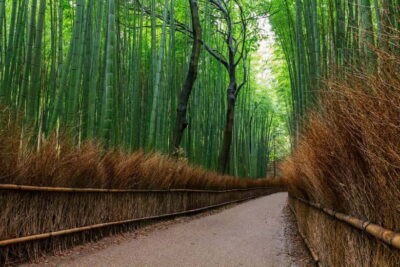
Kyoto/Osaka: Nara, Fushimi Inari Taisha, Arashiyama Bus Tour
Read our review →
Nijo Castle, Kiyomizu & Fushimi Inari Guided Tour
Read our review →
Nijo, Kinkaku-ji, Arashiyama, Kiyomizu & Fushimi Inari
Read our review →