
Reviewed · TEMPLE & SHRINE TOURS
Ise Jingu(Ise Grand Shrine) Full-Day Private Tour with Government-Licensed Guide
Ise Jingu is not just another Japanese shrine stop. It is the country’s most sacred Shinto site, dedicated at Naiku to Amaterasu Omikami, the sun goddess. This private tour gives you a guide who can explain the rituals, layout, and meaning behind what you are seeing, then adjust the day around your interests. I like the private format and the chance to choose three or four sites instead of being pushed through every stop.
I also like the mix of sacred grounds, traditional food streets, coastal scenery, and Meiji-era architecture. Guides such as Yuka and Yoshinari Nishio have received especially warm praise for thoughtful planning and personal conversation. The main catch is simple: this is a walking and public-transport tour, and Ise Jingu requires long walks. Your $153.50 per-person price does not cover transport, entrance fees, lunch, or personal spending.
Key points to know before booking
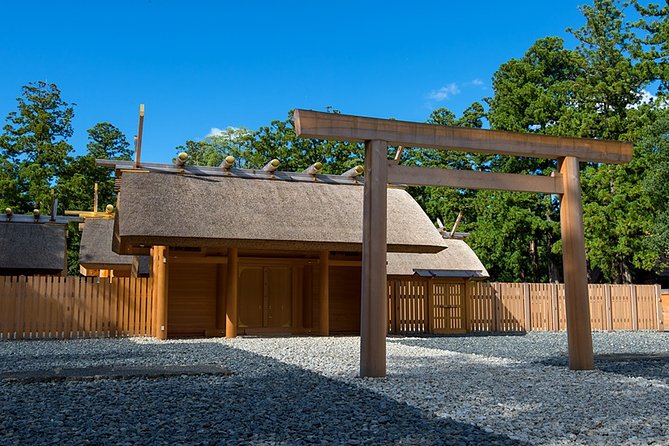
- Ise Jingu gives the day its purpose: Visit Geku and Naiku, the two main shrine areas, with an English-speaking licensed guide.
- You choose three or four sites: The listed stops cannot all be covered in detail during a six-hour tour.
- Okage Yokocho adds food and old-town atmosphere: This is the best place to pair shrine visits with local snacks and shopping.
- Meoto Iwa brings a coastal change of scene: The sacred Wedded Rocks sit offshore near Futami Okitama Shrine.
- The tour is truly on foot: Pickup means meeting your guide on foot within the designated Ise area, not riding in a private vehicle.
- Guide quality matters here: Yuka and Yoshinari Nishio are named guides praised for careful planning, clear explanations, and warm personal attention.
Why Ise Jingu deserves a full day
Ise Jingu is the reason to come to Ise. The shrine complex is about 2,000 years old and occupies a central place in Japanese Shinto practice. At Naiku, Amaterasu Omikami is honored as the supreme deity, making this more than a pretty collection of buildings.
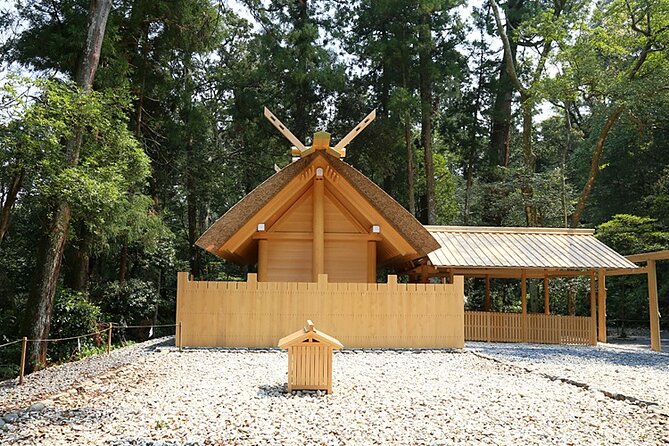
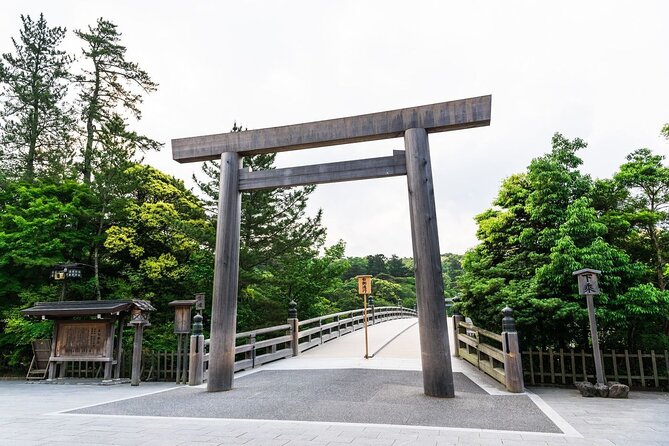
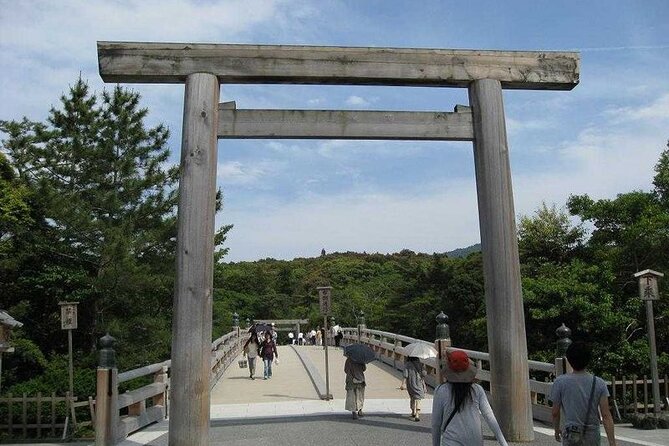
A guide helps you read the place properly. Shrine visits involve purification, respectful behavior, and quiet observation. Without context, you may see a gravel path, a river, a gate, and a simple wooden structure. With context, each part has a role.
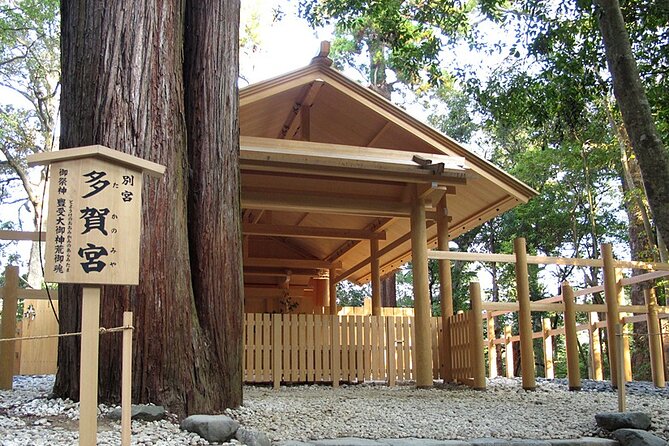
The tour includes both Geku and Naiku. Geku is associated with Toyouke Omikami, the deity connected with food and daily necessities, while Naiku is dedicated to Amaterasu. The supplied tour details focus most strongly on Naiku, but visiting both gives you a better sense of Ise Jingu as a wider religious center.
Do not expect grand interiors filled with paintings and statues. Shinto architecture here is restrained, and the most sacred buildings are not open for ordinary viewing. Much of the experience comes from the setting, the rituals, the approach through the grounds, and the guide’s explanation of what you can and cannot see.
Other places of worship worth the walk in Japan:
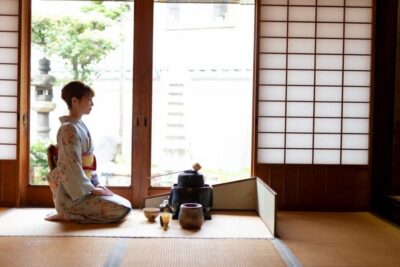
- Kyoto: Tea Ceremony Ju-An at Jotokuji Temple
★ 4.9 · 3,207 reviews - Tokyo: Meiji Shrine, Asakusa, Skytree Bus Tour and Cruise
★ 4.7 · 1,986 reviews - Tokyo: Asakusa Walking Tour with Sensoji Temple Visit
★ 4.8 · 1,583 reviews
Geku and Naiku, two different shrine visits
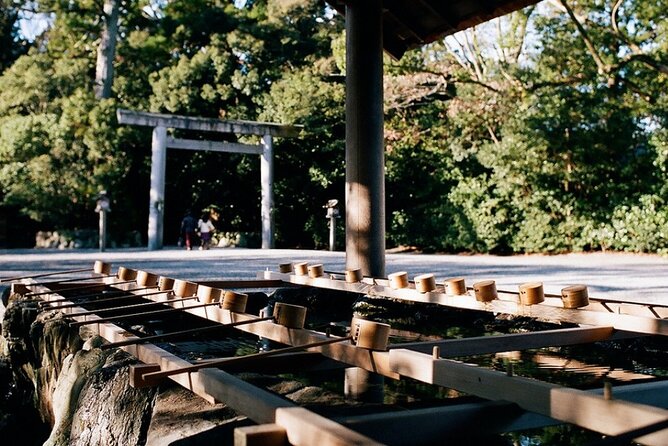
The tour allows about an hour at Geku and about an hour at Naiku, though your guide can shape the time around your chosen sites. That sounds generous, but I would not expect a leisurely, highly detailed visit to every corner if you also want coastal stops and Okage Yokocho.
At Geku, pay attention to how the shrine grounds feel different from a standard sightseeing attraction. This is a working sacred site, not a museum arranged for easy viewing. Your guide can explain the order of the visit and the role of the shrine within the wider Ise tradition.
Naiku is the emotional center of the day for many people. The approach includes the Isuzugawa River, which runs alongside the grounds and is used by pilgrims and visitors for purification. The combination of river, trees, gravel paths, and wooden shrine structures gives the visit a calm rhythm, but it also means you are walking rather than simply arriving at a photo stop.
Your guide can also help you avoid a common mistake: rushing straight to the most important building and missing the approach. At Ise, the route matters. The act of walking, cleansing yourself, and approaching respectfully is part of the visit.
The grounds are not difficult because of complicated trails, but distance can add up. Wear supportive shoes, especially if you plan to combine both shrine areas with Futami and Meoto Iwa. Comfortable clothing will serve you better than anything chosen only for photographs.
Okage Yokocho for food and old Ise
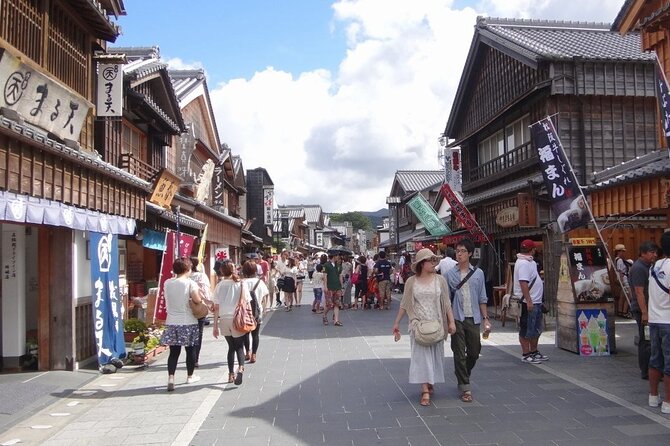
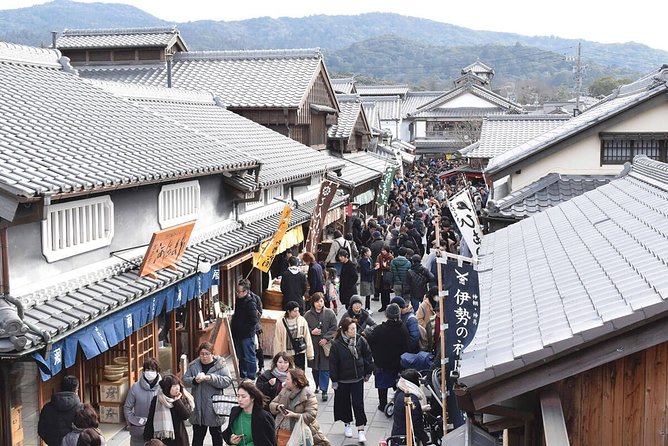
Okage Yokocho sits in front of the Naiku gate. Built in 1993, it recreates the townscape of Ise from the Edo and Meiji periods. It is not an untouched historic quarter, so you should approach it as a carefully designed old-town-style street rather than an original surviving neighborhood.
That does not make it disposable. It is a useful and enjoyable counterpoint to the solemn shrine grounds. Here you can browse shops, look for traditional products, and stop for local food. The street gives you a more everyday side of Ise after the formal atmosphere of Naiku.
I like having a guide nearby at this point because a food street can easily become a vague hour of wandering. Tell your guide what you want from the stop. You might prefer a proper meal, small sweets, souvenirs, or simply time to sit and absorb the setting.
Lunch is not included, and neither are personal purchases. Build that into the price from the start. The tour cost covers your guide, not a full day of meals and admission charges.
Meoto Iwa and Futami Okitama Shrine
Meoto Iwa, the Wedded Rocks, changes the mood of the tour completely. The two sacred rocks sit in the sea near Futami, with the larger rock connected symbolically to the smaller one. A shimenawa rope links them, and they serve as a torii-like marker for the sacred Okino-shiraishi rock offshore.
At Futami Okitama Shrine, the rocks are not just a scenic coastal feature. They are part of a Shinto setting connected with blessings for marriage and good relationships. The shrine offers a different kind of visit from Ise Jingu, with the sea and rocks forming the main visual focus.
The view depends on conditions, and the supplied information does not promise a particular tide, weather pattern, or sunset. Still, Meoto Iwa gives the itinerary needed variety. After long hours among shrine paths and buildings, the open water and coastal outlook offer a welcome pause.
Futami Okitama Shrine is listed as free to enter. Other entrance fees during the day may apply, and you pay transportation separately. Ask your guide early how much time the transfer will take so you can decide if this stop is worth keeping alongside Geku, Naiku, and Okage Yokocho.
Other tours with a licensed guide in Japan:
- Tokyo 6hr Private Tour with Government-Licensed Guide
★ 5.0 · 3,902 reviews - Tokyo 4hr Private Tour with Government-Licensed Guide
★ 5.0 · 1,394 reviews - Kyoto 6hr Private Tour with Government-Licensed Guide
★ 5.0 · 1,369 reviews - Hiroshima / Miyajima Full-day Private Tour with Government Licensed Guide
★ 5.0 · 1,298 reviews
Hinjitsukan and a look at Meiji-era hospitality
Hinjitsukan was a historic guesthouse for imperial family members and other distinguished guests. Its preserved tatami rooms offer a look at the formal side of Meiji-era Japanese hospitality.
This stop suits you if you enjoy architecture, interiors, and social history more than shopping. Tatami rooms can seem spare at first glance, but the proportions, materials, and careful arrangement reward a slower visit. The building also helps explain how important the Ise pilgrimage area became for high-status visitors.
The tradeoff is time. In a six-hour private tour, every added stop reduces the time available elsewhere. If your main goal is spiritual context, keep both Geku and Naiku at the center. If you have already seen major shrines in Japan and want something more architectural, Hinjitsukan may be the better extra stop.
How the private guide changes the day
The strongest feature here is not simply that the guide speaks English. It is that you have one guide for your group, with no strangers to accommodate and no need to follow a fixed group pace.
The tour allows requests in advance, so tell the provider what matters to you before the day begins. You might want more time at the shrine, a food-focused stop at Okage Yokocho, the coastal view at Meoto Iwa, or the rooms at Hinjitsukan. The practical limit is the six-hour duration and the time needed to move by public transport.
Yuka is one named guide associated with the experience. Her approach, based on the available details, includes meeting early at the hotel lobby, reviewing the plan, and explaining the classic way to visit Ise. Yoshinari Nishio is another named guide, praised for planning a family day that included Yokoyama Bay, Geku, and Naiku, with explanations of shrine history and rituals.
Those details matter if you are booking for parents or older relatives. A private guide can adjust the pace and keep the day organized. But do not mistake private touring for a vehicle-based, door-to-door outing. Pickup is on foot within a designated area, and the tour uses public transportation rather than private transport.
What the $153.50 price really buys
At $153.50 per person, this is not the cheapest way to see Ise. It can be good value if you want interpretation, planning help, and a day shaped around your own group.
The price includes a licensed local English-speaking guide and a customizable private tour. It does not include transportation, entrance fees, lunch, or other personal costs. You should also note that the guide’s entry fees are covered only for sights included under the tour’s stated expectations.
The value rises with a small private group, especially if several people share the planning benefit. Group discounts may be available, but the supplied details do not give a discount amount. You cannot combine separate tour groups, so this is designed for one private party rather than a shared excursion.
For a first visit to Ise, the guide’s local knowledge can save you from wasting time on the wrong combination of stops. For a repeat visitor who already understands Ise Jingu and can manage public transport, the added cost may be harder to justify.
Timing, walking, and practical planning
The advertised duration is about six hours. The itinerary lists roughly one hour for each major stop, but there are six possible stops and only three or four are intended to be selected. That is an important distinction.
A sensible day might focus on Geku, Naiku, and Okage Yokocho, with enough time for shrine visits and food. Another plan could combine Naiku, Okage Yokocho, Meoto Iwa, and Futami Okitama Shrine. Adding Hinjitsukan may mean giving up one of the other sites or shortening your time at each.
You meet the guide on foot in the designated Ise area. Confirm the meeting point and allow time to reach it. The tour is near public transportation, but fares are extra.
Most people can participate, and service animals are allowed. Still, the long walking requirement deserves attention. The shrine grounds are spread out, and public transport adds more movement. If someone in your group has limited stamina, ask for a gentler plan before booking rather than trying to fit all the stops into one day.
Free cancellation is available up to 24 hours before the start time. Cancellations or changes made less than 24 hours ahead are not accepted for a refund.
Who should book this Ise tour
I would choose this tour if you want the meaning behind Ise Jingu, prefer a private guide, and like having some control over the day. It is also a smart fit for families or mixed-age groups who need a flexible pace and a clear plan.
It works particularly well for first-time visitors to Ise who are unsure how to combine Geku, Naiku, Okage Yokocho, and the Futami area. The guide can help turn several separate sights into a coherent day.
I would hesitate if you want private transportation, a slow pace at every site, or a low-cost sightseeing option. You also need to be comfortable walking long distances and paying extra for transport, food, and some admissions.
Should you book it?
Book this experience if Ise Jingu is a priority and you want a licensed English-speaking guide to explain the rituals, history, and layout. Choose your three or four sites carefully, wear good shoes, and decide in advance whether sacred Ise, food in Okage Yokocho, Meoto Iwa, or Hinjitsukan matters most.
Skip it if you would rather explore independently or need a vehicle. For the right group, the private format and guides such as Yuka and Yoshinari Nishio make the $153.50 price easier to defend. Just remember that the real cost includes walking, transit, meals, and admission fees.
FAQ
How long is the Ise Jingu private tour?
The tour lasts approximately six hours.
How many sites can I visit?
The tour is customizable and includes three to four sites from the available list. The possible stops include Geku, Naiku, Okage Yokocho, Meoto Iwa, Hinjitsukan, and Futami Okitama Shrine.
Is transportation included?
No. The tour uses public transportation and walking, but transportation fees are not included. Private transportation is also not provided.
Is lunch included?
No. Lunch and other personal expenses are separate.
Is the tour private?
Yes. Only your group participates, and separate tour groups cannot be combined.
Can I cancel for a full refund?
Yes, if you cancel at least 24 hours before the experience start time. Cancellations or changes made less than 24 hours in advance are not accepted for a refund.
Just added in Japan
- Nagasaki Private Customizable Half Day Tour★ 5.0 · 16 reviews
- Nagasaki Full Day Tour with Licensed Guide and Vehicle★ 5.0 · 27 reviews
- Nagasaki Private Tour with a Local – Highlights & Hidden Gems★ 5.0 · 24 reviews
- Nagasaki WW2 History and Culture Tour★ 5.0 · 19 reviews
- Nagasaki Like a Local: Private & Custom Experience (2-3 hrs)★ 5.0 · 14 reviews
- Snow Monkeys, Hokusai & Sake: A Perfect Day in Nagano★ 5.0 · 19 reviews
- Wasabi Farm Walking Tour & Lunch★ 4.5 · 20 reviews
- Nagasaki Street Food Adventure: Private Walking Tour with a Local★ 5.0 · 26 reviews
Temple & Shrine Tours, compared.
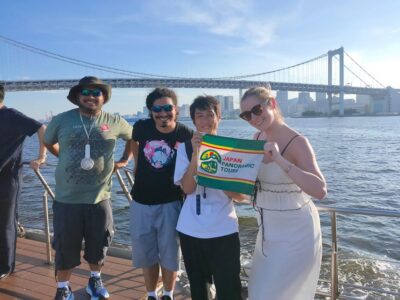
Meiji Shrine, Asakusa, Skytree Bus Tour and Cruise
Read our review →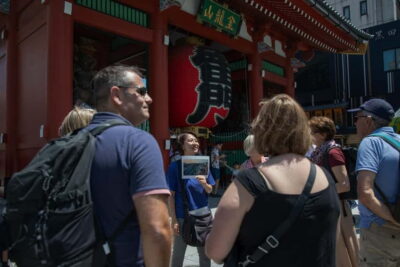
Asakusa Walking Tour with Sensoji Temple Visit
Read our review →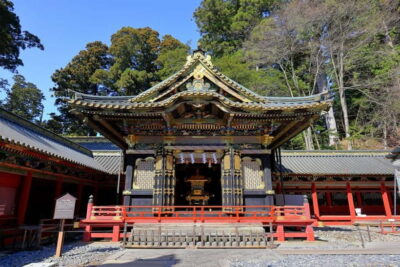
Kamakura & Enoshima Day Trip including Temple Tickets
Read our review →
Nikko Toshogu Shrine and Kegon Waterfall Tour
Read our review →
Tokyo Panoramic 1 Day: Meiji Shrine, Asakusa, Odaiba and SKYTREE®
Read our review →
1-Day Snow Monkeys, Zenko-ji Temple & Sake in Nagano
Read our review →Browse the lists this tour appears in