
Reviewed · GOVERNMENT-LICENSED GUIDE TOURS
Nikko Full-Day Private Tour with Government-Licensed Guide
Nikko packs grand shrines, forested mountain roads, waterfalls, and a quiet lake into one very manageable day. The smartest feature here is the private, flexible itinerary: you choose three or four sights, then your licensed guide adjusts the plan for weather, traffic, and your interests.
I like the help with local transport, especially when buses are crowded or schedules matter. I also like the range of guides, including Yumi, Yoko, Yoshii, Ichiro, and others who tailor explanations to families, history fans, and visitors collecting temple stamps.
The catch is simple: this is not a private-car tour. You pay for buses, taxis, admissions, and lunch yourself, and deciding what to see can feel like work if you arrive without a rough plan.
Key points to know before you book
- Three or four sights in six hours: The day is focused, not an attempt to see every corner of Nikko.
- Meet at Nikko Station: You make your own way from Tokyo or elsewhere, then meet the guide on foot.
- Public transport shapes the day: Bring cash for buses and taxis, especially if you want to reach Lake Chuzenji and Kegon Falls.
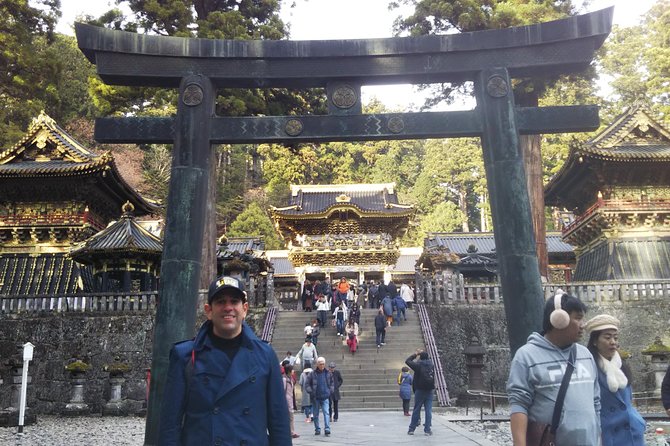
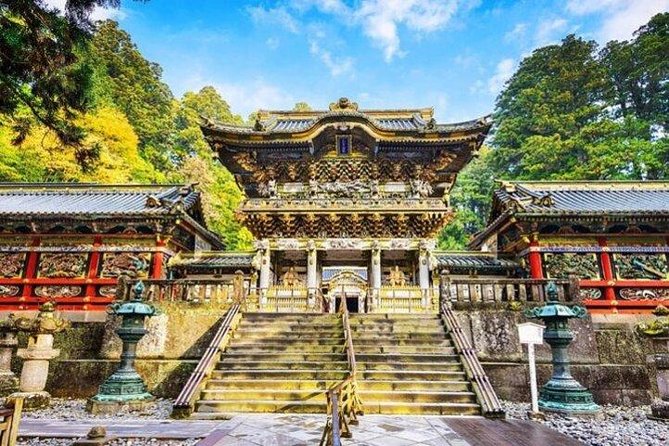
- Toshogu gives the day its cultural core: The mausoleum of Tokugawa Ieyasu is the major historical stop.
- Nature is easy to add: Kegon Falls, Lake Chuzenji, Senjogahara, Akechidaira, and Kirifuri Waterfall offer very different scenery.
- A weekday is the safer choice: Traffic and queues can eat into a six-hour schedule on busy days.
Why a private guide helps in Nikko
Nikko is easy to underestimate. The shrine area sits near the town center, but Lake Chuzenji and Kegon Falls are up in the mountains, connected by roads and buses that can become slow in bad weather or heavy traffic. A short visit needs more than a list of famous names.
That is where this tour earns its price. Your guide can help decide if your day should focus on shrine architecture, natural scenery, imperial history, short walks, or some mix of all four. Guides have also helped with train delays, bus timing, taxi arrangements, restaurant reservations, and route changes.
I especially like this format for a first visit. You do not need to spend the night studying bus stops and entrance fees. At the same time, you are not locked into a large group’s timetable or forced to stop at places that do not interest you.
The guide is licensed and speaks English, but the exact personality and style depend on the person assigned. Names that have received especially warm praise include Yumi, Yoko, Yoshii Kenichi, Ichiro, Ikuko, Hit Suzuki, and Mato. You cannot assume you will receive a particular guide unless that is arranged separately, but the service has several guides who can handle history, transport, and itinerary changes well.
Other tours with a licensed guide in Japan:
- Tokyo 6hr Private Tour with Government-Licensed Guide
★ 5.0 · 3,902 reviews - Tokyo 4hr Private Tour with Government-Licensed Guide
★ 5.0 · 1,394 reviews - Kyoto 6hr Private Tour with Government-Licensed Guide
★ 5.0 · 1,369 reviews
Toshogu Shrine, the essential first stop
Toshogu Shrine is the cultural heart of most Nikko visits. It is the mausoleum of Tokugawa Ieyasu, founder of the shogunate that ruled Japan for more than two centuries. Its carved gates, bright colors, elaborate details, and layered religious setting explain why Nikko became such a major destination.
The suggested time here is 30 minutes, but that is a brisk visit. Admission is not included, and the entrance fee is one of the costs you need to budget separately. If you care about architecture or Japanese history, you may want to give Toshogu more time and reduce the number of other stops.
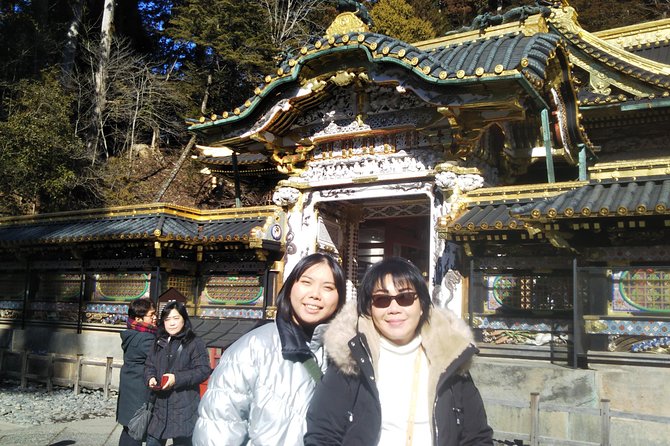
A guide adds real value here because the site can feel like a parade of gates and carvings without context. The famous three monkeys are only one small part of the complex. Your guide can explain the connection between Shinto and Buddhism, the role of the Tokugawa family, and why the shrine feels more theatrical than older, simpler sites nearby.
Toshogu also sits close to Futarasan Shrine and Rinnoji Temple, making this area efficient to visit on foot. The tradeoff is that adding all three can leave less time for the mountain scenery.
Futarasan, Rinnoji, and Taiyuin for a quieter religious story
Futarasan Shrine was founded in 782 by Shodo Shonin, the Buddhist monk associated with the arrival of Buddhism in Nikko. It is older and less showy than Toshogu, which makes it useful for understanding the area’s earlier spiritual character. Admission is not included.
Rinnoji is Nikko’s main temple. Its Sanbutsudo, or Three Buddha Hall, gives the shrine district a different mood from the painted Tokugawa buildings. The suggested visit lasts 30 minutes, with admission extra.
Taiyuin is the mausoleum of Tokugawa Iemitsu, Ieyasu’s grandson and the third Tokugawa shogun. Its layout and decoration resemble Toshogu, but the complex often feels more subdued. If you want to compare two Tokugawa mausoleums, Taiyuin is an excellent choice.
These three sites make sense for someone who wants a mainly cultural day. They also work well when mountain roads are crowded or weather makes the high country unpleasant. The limitation is that the shrine district can absorb your whole six hours, so you may see little of Nikko’s waterfalls and lake.
Kegon Falls and Lake Chuzenji, the mountain pair
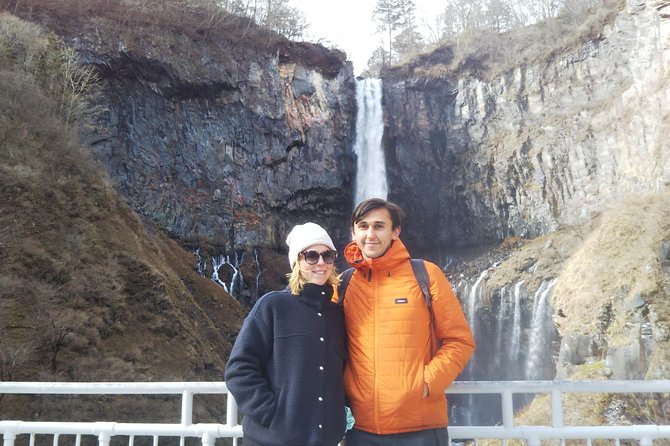
Kegon Falls drops 97 meters from Lake Chuzenji, making it one of Nikko’s most dramatic natural sights. The waterfall has an observation area reached by a special lift, and admission is extra. The suggested stop is only 15 minutes, so you should ask your guide how much time the lift and viewing area will take on your chosen day.
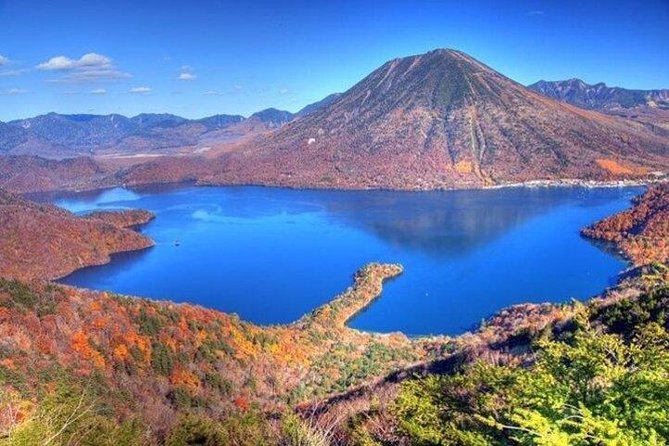
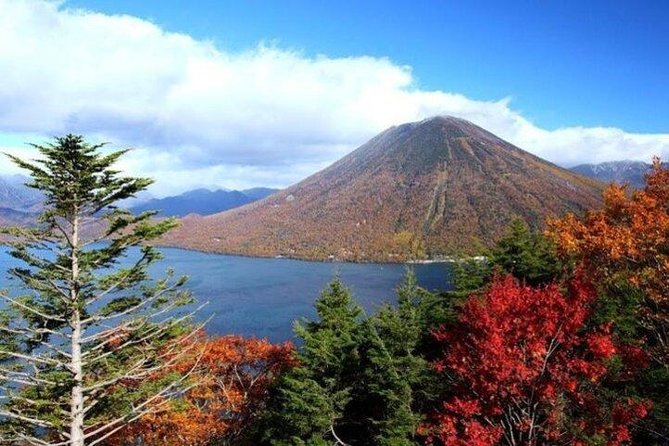
Lake Chuzenji is the source of the falls and the largest lake in Tochigi. The shore is framed by about 25 kilometers of natural scenery, with mountains rising around the water. The area also has a resort past, since French and other foreign residents built villas here in the late nineteenth and early twentieth centuries.
Together, Kegon Falls and Lake Chuzenji give you the sharpest contrast with Tokyo. You move from painted shrine buildings to open mountain views, cool air, and water. I would make this pair a priority if you have only one day and want to experience both Nikko’s culture and nature.
The practical warning is transport. These stops are not a casual walk from Nikko Station, and the tour does not include a private vehicle. Bus fares, taxis, and any admission charges are yours to cover. One useful tip from the tour experience is to carry at least 10,000 yen when using public transport and paying for entrances, though your actual spending depends on the route and group size.
Same base, a different sort of day:
- Mt Fuji and Hakone 1-Day Bus Tour Return by Bullet Train
★ 5.0 · 26,383 reviews - 1-Day Tokyo Bus Tour
★ 5.0 · 14,250 reviews - PERFECT KYOTO 1-Day Bus Tour
★ 5.0 · 13,518 reviews - Tokyo: TOKYO SKYTREE® Admission ticket
★ 4.5 · 11,192 reviews
Senjogahara and Akechidaira for mountain scenery
Senjogahara means battlefield and refers to a legend about a contest between the gods of Mount Nantai and Mount Akagi. Today, it is a highland area known for open views and natural scenery. The suggested stop is 15 minutes, so this is more of a look and short walk than a full hiking outing.
Akechidaira sits near the top of the Irohazaka road. From its observation area, you can look over the winding route and the mountains beyond. A ropeway reaches the upper viewpoint, but the listed tour stop itself is free. Confirm any ropeway cost with your guide before committing to it.
Both places are best for you if scenery matters more than another temple. They also depend more heavily on road conditions and timing than the central sights. A guide can adjust the route if traffic, weather, or seasonal conditions make a long mountain excursion a poor use of your six hours.
Smaller stops that can improve a custom day
Kanmangafuchi Abyss is a short gorge near central Nikko, formed by an eruption of Mount Nantai. A pleasant riverside trail follows the gorge, and the site is free. It is a good pick if you want a quieter walk without giving up too much time to transport.
Tamozawa Imperial Villa Memorial Park offers a different kind of history. The villa combines Edo and early Meiji architecture across 106 rooms and was built in Nikko in 1899 using parts of an earlier residence. Admission is extra, and 30 minutes gives you only a quick look.
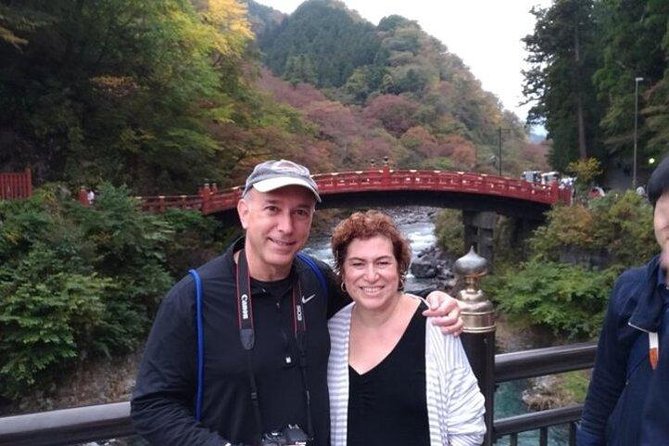
Shinkyo Bridge marks the entrance to the shrine and temple area and belongs to Futarasan Shrine. It is free to view and is a simple, photogenic stop that fits neatly into a walking route. Do not confuse a quick bridge visit with a full attraction, but it is worthwhile if you are already nearby.
Nikko Botanical Garden is maintained by the University of Tokyo and serves as a branch of its Koishikawa Botanical Garden. It can suit you if plants and quiet paths sound better than another grand building. Admission is extra.
Kirifuri Waterfall is a 75-meter, two-tiered waterfall northeast of the main shrine area. It offers a second waterfall option if the route to Kegon Falls does not fit your day, though admission is not included.
The Kanaya Hotel History House, predecessor to the celebrated Kanaya Hotel, gives you a smaller historical stop. It is listed as a 15-minute visit with admission extra, so consider it only if hotel history or local architecture interests you.
What six hours really allows
The tour includes a long menu of possible sights, but you should not try to visit all of them. The service is built around three or four attractions, and that is sensible. Nikko’s distances, admission lines, bus schedules, and walking time make an overloaded route frustrating.
Here are three practical ways I would shape the day:
- Classic Nikko: Toshogu, Futarasan, Rinnoji, and Shinkyo Bridge. Choose this for architecture and religious history.
- Culture and nature: Toshogu, Kegon Falls, and Lake Chuzenji. This is the best all-round choice for a first visit.
- Quiet scenery and local history: Kanmangafuchi Abyss, Tamozawa Imperial Villa, Lake Chuzenji, or one waterfall. Choose this if you want less emphasis on the busiest shrine complex.
Your guide may suggest another mix. That is part of the value. One family received help matching the day to teenagers, while another visitor interested in goshuin, or temple stamps, was shown opportunities that might have been easy to miss. If you have a specific interest, tell the guide before the day rather than waiting until you arrive.
Getting there and paying for the extras
You make your own way to Nikko and meet the guide at the station or another agreed point within the designated area. The tour description uses the word pickup, but this means an on-foot meeting service, not included private driving.
Transportation fees, entrance fees, lunch, and personal expenses are not included. You also cannot combine separate tour groups, since this is a private activity for your own party.
For a day that includes the mountain area, carry cash. A taxi may rescue the schedule when buses are delayed or packed, but you pay for it. Several guides have helped arrange taxis in rain, and one group hired a driver for the day to make the route more predictable. That option can improve comfort, but it adds a large cost beyond the tour price.
The listed price is $155.86 per person. I see the value mainly in the guide’s time, route planning, translation, local transport advice, and ability to explain what you are seeing. It is less of a bargain for a couple who already knows Nikko well and is happy to follow the bus map alone.
Group discounts may lower the per-person price, and the private format becomes more appealing when shared among several people. Still, calculate your full day cost rather than comparing only the headline price.
Weather, crowds, and walking effort
Nikko changes sharply with the season. Snow can make the shrine grounds especially striking, while autumn color can add another reason to visit. Summer may be muggy, and rain can disrupt mountain transport. A good guide can change the route, but no guide can remove traffic or bad weather.
The tour is described as a walking activity, even though buses and taxis may be used between areas. Most people can participate, and service animals are allowed, but you should be comfortable walking around shrine grounds, roads, and short trails.
I would avoid a weekend if possible. Traffic and lines can consume a surprising share of a six-hour day. A weekday gives your guide more room to adjust the route and may make the bus journey less stressful.
Free cancellation is available up to 24 hours before the start time. Changes or cancellations inside that window are not accepted for a refund, so pay attention to local time.
Who should book this Nikko tour?
I would choose this tour if you are making a day trip from Tokyo, want both culture and nature, or feel uneasy about Nikko’s transport system. It is also a good fit for families, first-time visitors, older children, and anyone with a clear interest such as Japanese history, photography, waterfalls, architecture, or goshuin.
I would hesitate if you want a relaxed, self-directed day with no planning cost beyond train fare. I would also think twice if your priority is a private car, since vehicle hire is not included.
The best way to book is to arrive with a short wish list. Pick two must-see sights and two backups. Tell the guide your walking pace, lunch preference, interest in temple stamps, and tolerance for buses or taxis. That turns the tour’s flexibility into an advantage instead of making you decide every few minutes.
FAQ
Where does the tour begin?
You make your own way to Nikko and meet your licensed English-speaking guide at Nikko Station or another agreed point within the designated Nikko area.
How long does the tour last?
The tour lasts approximately six hours.
Is the tour private?
Yes. Only your group participates, and separate tour groups cannot be combined.
How many attractions can I visit?
The tour is designed around three or four attractions chosen from the available sights.
Is the itinerary fixed?
No. You can customize the route based on your interests, and the guide can adjust the plan for weather, traffic, and transport conditions.
Is private transportation included?
No. The basic tour is on foot, and public transport or taxis may be used at your expense. Private transportation is not included.
Are admission fees included?
No. Entrance fees are generally extra. The guide’s entry fees are covered only for sights listed among the expected stops.
Is lunch included?
No. Lunch and other personal expenses are not included.
Can I visit Kegon Falls and Lake Chuzenji?
Yes. Both are possible stops, though bus or taxi costs and any entrance fees are extra. They are in Nikko’s mountain area, so allow time for transport.
Can I cancel for a full refund?
Yes, if you cancel at least 24 hours before the experience starts. Cancellations or changes made less than 24 hours before the start time are not refunded.
Just added in Japan
- 1 Day Tour: Snow Monkeys & Snow Fun in Shiga Kogen★ 5.0 · 52 reviews
- Osaka Temple Cool Foot Bath & Matcha Experience〈45min〉★ 4.9 · 82 reviews
- Kobe 4hr Private Tour with Government-Licensed Guide★ 5.0 · 59 reviews
- Small-Group Wagyu Beef and 7 Japanese Dishes Tokyo Cooking Class★ 5.0 · 190 reviews
- Osaka: Mind & Spirit Balance Temple Reiki Healing★ 5.0 · 41 reviews
- Kobe Highlights & Hidden Gems: Private & Custom Tour with a Guide★ 4.5 · 70 reviews
- Sakurajima Century Lava Climb Journey with E-bike★ 4.9 · 27 reviews
- KOBE Sake Tasting Tour at Breweries (tasting fee included)★ 5.0 · 154 reviews
Government-Licensed Guide Tours, compared.
Tokyo 6hr Private Tour with Government-Licensed Guide
Read our review →
Hiroshima / Miyajima Full-day Private Tour with Government Licensed Guide
Read our review →
Kyoto 4hr Private Tour with Government-Licensed Guide
Read our review →
Hiroshima City 4hr Private Walking Tour with Licensed Guide
Read our review →
Private Kyoto Tour with Licensed Guide & Vehicle (Max 15 persons)
Read our review →
Himeji Half-Day Private Tour with Government-Licensed Guide
Read our review →Browse the lists this tour appears in