
Reviewed · SHIRAKAWA-GO & GOKAYAMA TOURS
Kanazawa: World Heritage Shirakawa-go & Two Local Experience
Shirakawa-go is the star here, but this tour wisely pairs the famous mountain village with Kanazawa’s gardens, geisha quarter, and hands-on crafts. I especially like the early arrival at Shirakawa-go, when the village can be quieter, and the way the afternoon turns sightseeing into something you make and eat.
I also like the guides’ personal touch. Yasushi is often praised for his clear English, humor, and local knowledge, while Aiko is known for her warm, energetic style. The main drawback is pace: a lot is packed into nine hours, and some people will wish for another hour in Shirakawa-go or more time in Higashi Chaya.
Key points at a glance
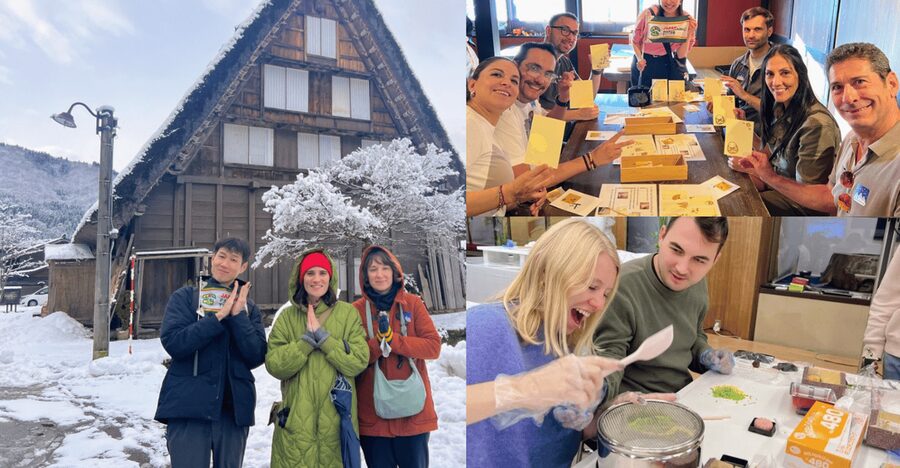
- Shirakawa-go before the crowds: Spend about two and a half hours among the famous gassho-zukuri farmhouses and mountain scenery.
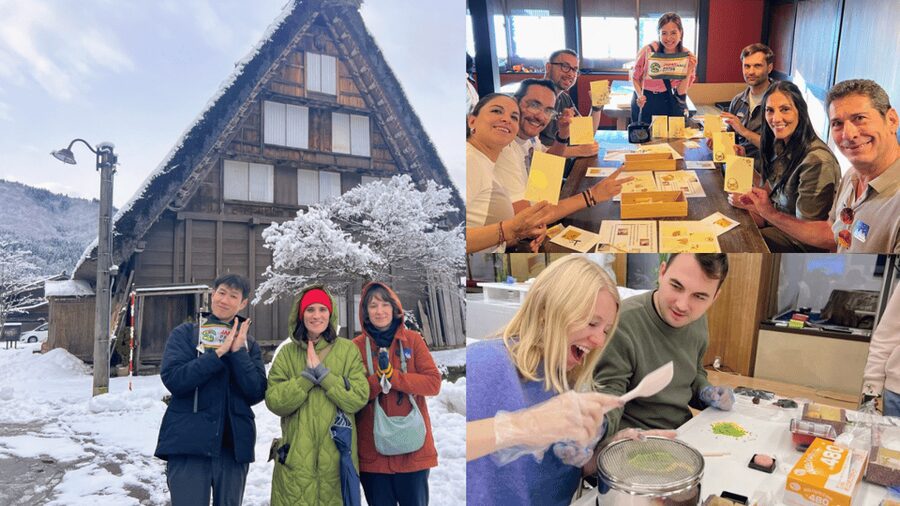
- Two hands-on Kanazawa crafts: Make wagashi sweets or paint a Daruma doll, then create a postcard with real gold leaf.
- Kenrokuen with context: A guide explains how water, trees, bridges, stones, flowers, and viewing points work together in one of Japan’s celebrated gardens.
- Comfortable long-distance transport: The air-conditioned coach takes you from Kanazawa to Shirakawa-go, with free Wi-Fi and a journey of about 80 minutes each way.
- Local food and gold leaf: You have free time for lunch in Shirakawa-go and can try regional treats, then sample Kanazawa’s famous gold leaf ice cream.
- Strong guide support: English and Japanese commentary is provided, with audio guidance in Spanish, French, Italian, German, Portuguese, and Ukrainian.
Why this day trip works so well
Kanazawa and Shirakawa-go are close enough to combine, but not so close that getting between them is effortless. Public transport takes planning, buses can sell out, and a self-guided day requires you to watch the clock closely. This tour removes that work without turning the whole day into a window-to-window ride.
For $116 per person, you get transport, a guide, Kenrokuen admission, two craft activities, and a full day of sightseeing. Lunch and personal snacks cost extra, but the main expenses are covered. I see this as good value if you have only one day for the area and want both major sights and cultural activities.
It is less suitable if you prefer a slow morning in one village, long meals, or plenty of time for shopping. This is a broad introduction to the region, not a relaxed stay in either Kanazawa or Shirakawa-go.
Other village days out of Japan:
- World Heritage Shirakawa-go and Experience Tours from Kanazawa
★ 5.0 · 4,049 reviews - Kanazawa: World Heritage Shirakawa-go Morning Guided Tour
★ 4.9 · 988 reviews - From Nagoya: Gujo, Hida Takayama, and Shirakawa-go Day Tour
★ 4.4 · 398 reviews
Meeting the coach at Kanazawa Station
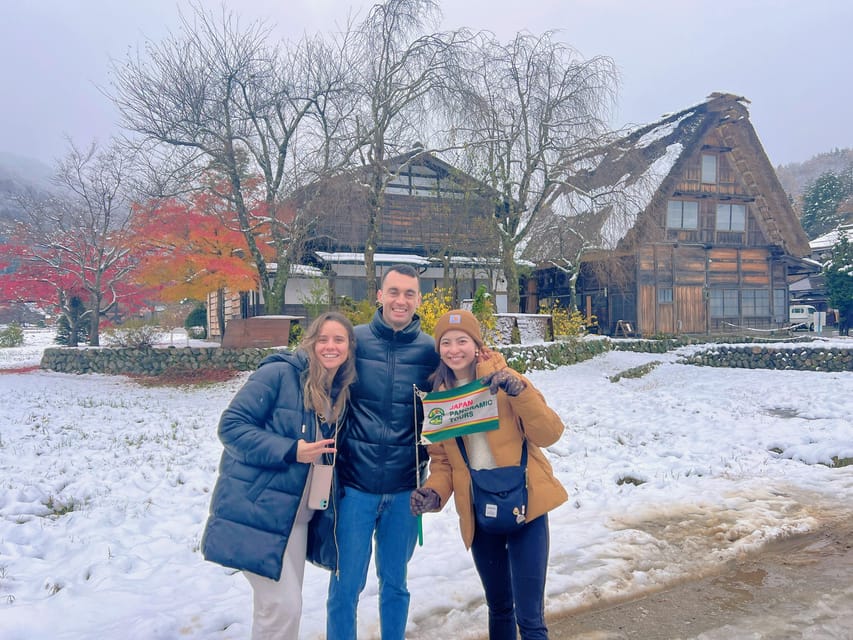
The day begins at the Kanazawa Station West Plaza Short-term Car Park. Check-in is at 7:50 AM, and the coach leaves at 8:00 AM. Look for the green and white Japan Panoramic Tours flag.
That early start matters. Shirakawa-go is one of Japan’s most photographed rural destinations, and arriving early gives you a better chance to enjoy the paths and viewpoints before the day grows busier. Do not cut this close. Latecomers and no-shows are not eligible for refunds or changes.
The coach has air conditioning, free Wi-Fi, and regular ventilation. It also has an antibacterial coating. The ride to Shirakawa-go takes about 80 minutes, though the tour information also describes the highway journey as roughly an hour, depending on traffic.
The bus ride is more than dead time. Guides such as Yasushi and Aiko use the journey to explain Kanazawa, Japanese customs, local food, and the places ahead. Yasushi is especially praised for making the ride lively with stories, photos, questions, and humor. If you like a guide who keeps talking, this will suit you. If you prefer silence on a morning bus, bring headphones and use the Wi-Fi.
Shirakawa-go and its steep-roofed farmhouses
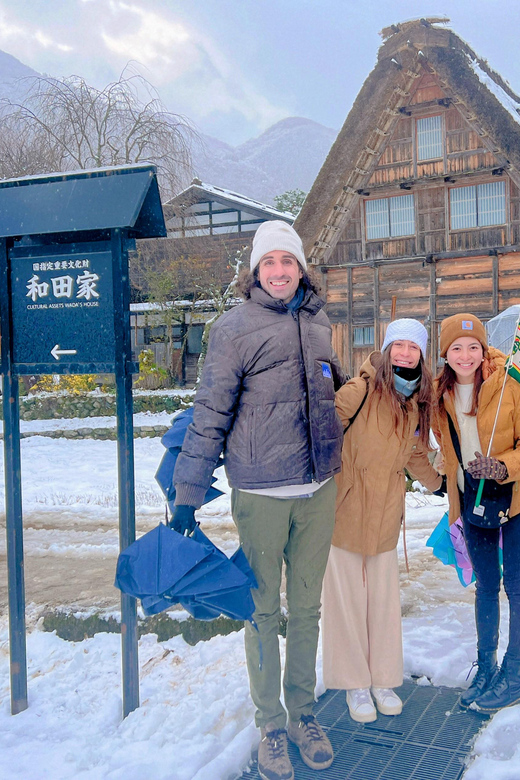
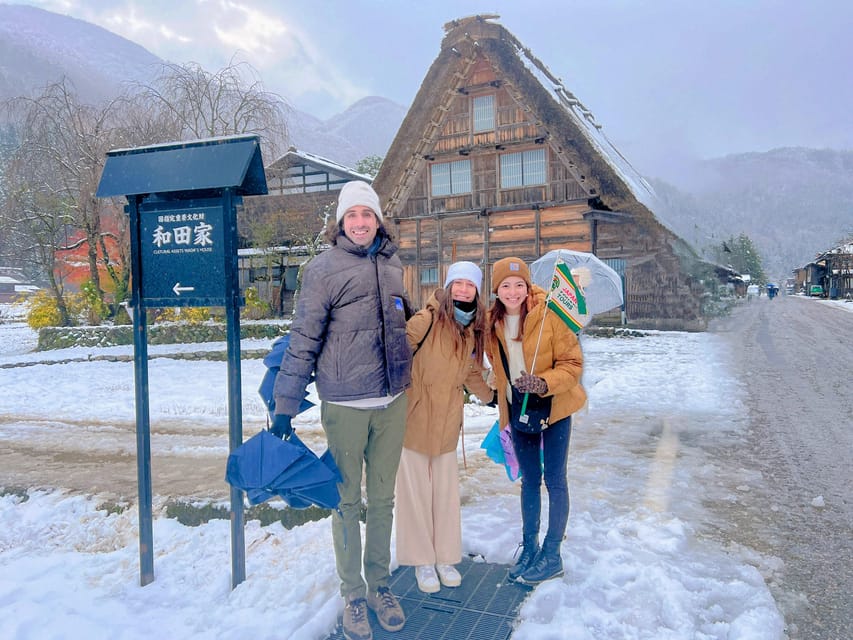
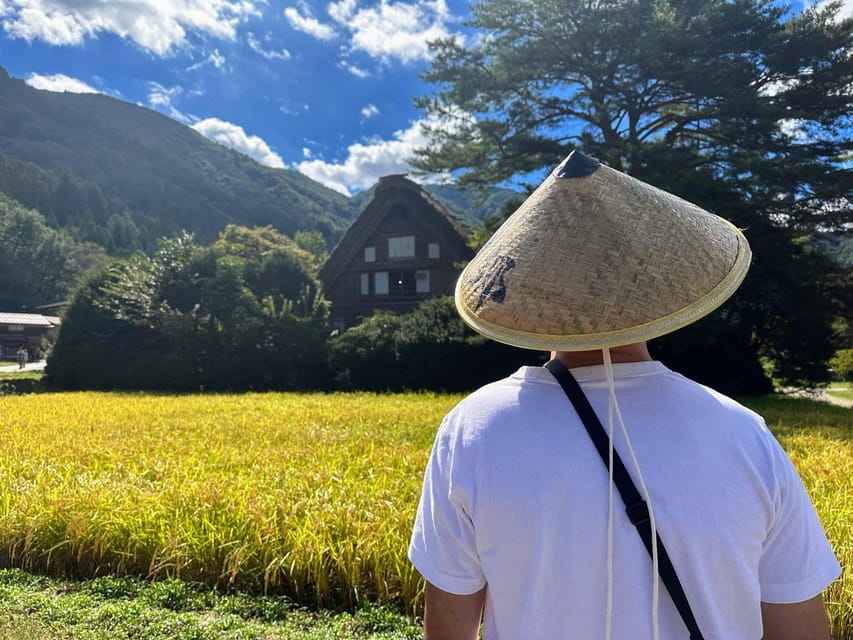
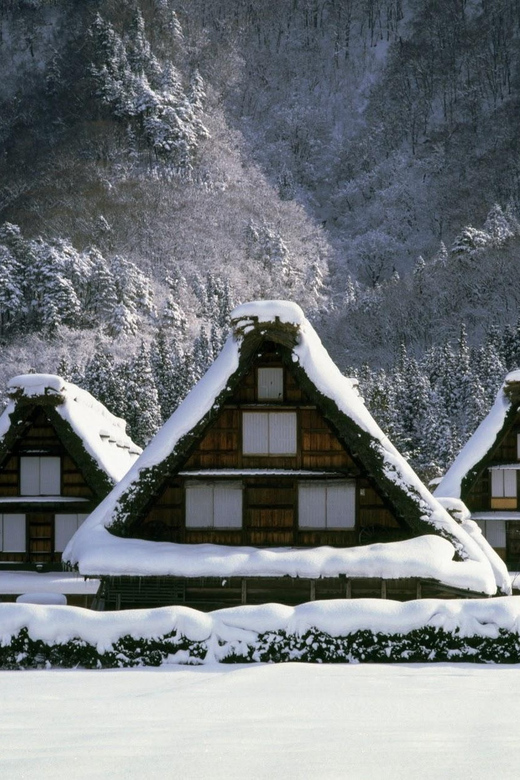
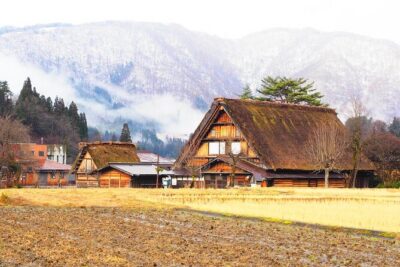
Shirakawa-go is a UNESCO World Heritage village, listed in 1995 for its traditional gassho-zukuri houses. Their sharply pitched thatched roofs were designed for heavy snow, and the village has a shape and setting unlike the urban Japan most people see on a first visit.
You will walk with the guide, then have free time to explore, photograph the houses, and buy food or small souvenirs. The allotted visit is about 2 hours and 20 minutes, with many people describing it as roughly two and a half hours on the ground.
That is enough for a good first look, but not enough for every path, museum, café, and viewpoint. One useful piece of advice is to choose your priorities before wandering off. You may want to focus on the main village streets, find a high viewpoint, and leave time for a local snack.
Food is not included, so lunch is your responsibility. The village offers regional choices such as Hida beef, and you may find unusual treats including doburoku ice cream. Some people also single out the local pudding. These are small purchases, but they help make the stop feel less like a photo call and more like a visit to a living community.
Weather changes the mood dramatically. In winter, snow can make the houses look like a picture book, but paths may be slippery and cold. In autumn, the surrounding hills can be especially attractive. In summer, you may get clearer access to paths but less of the snowy image many people associate with Shirakawa-go.
Wear comfortable shoes. This is not a difficult hiking tour, but you will walk outdoors on village streets and paths. Carrying a small umbrella or rain layer is sensible, though the supplied information does not promise any particular weather conditions.
Returning to Kanazawa for Kenrokuen Garden
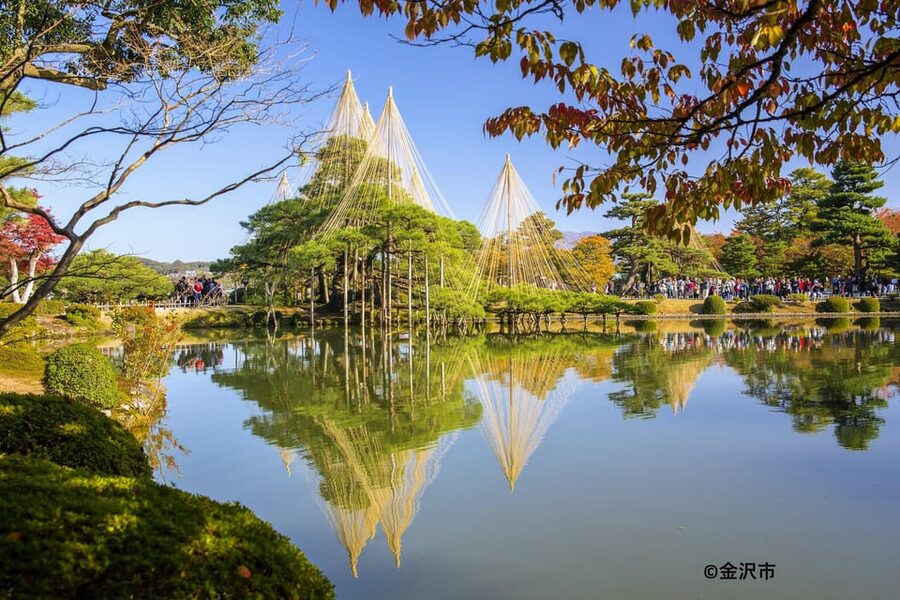
After Shirakawa-go, the coach returns to Kanazawa for the afternoon program. The change of mood is one of the tour’s strengths. You move from a rural mountain settlement to a carefully designed city garden, then into old entertainment streets and craft workshops.
Kenrokuen is one of Japan’s three most beautiful gardens, and the name points to its six desired qualities: spaciousness, seclusion, artifice, antiquity, waterways, and panoramas. You do not need to memorize the theory to enjoy it, but it gives you a better way to read the garden.
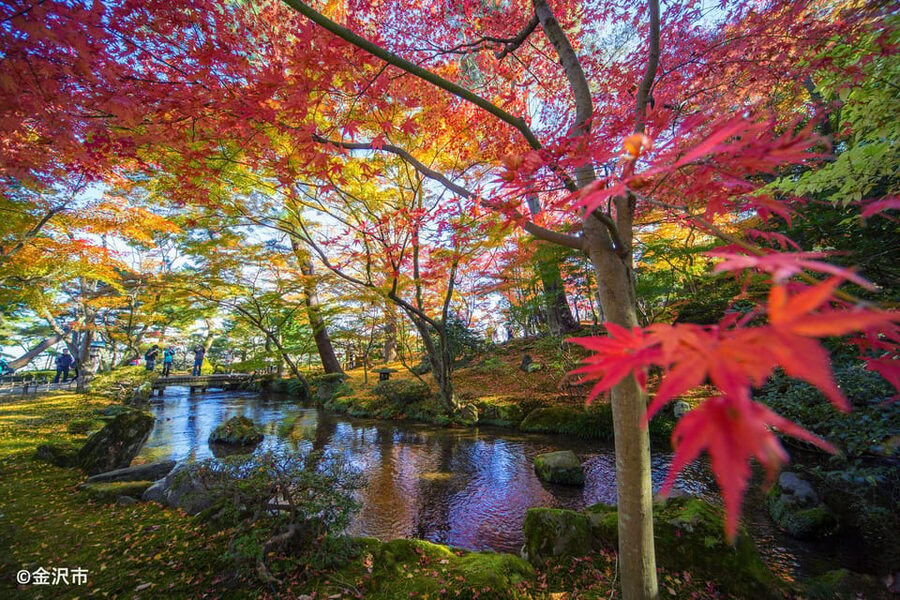
Rather than simply admiring flowers, you begin to notice how the views are arranged. Water, bridges, trees, stones, teahouses, and tucked-away corners appear at different turns. The garden changes with the season, so spring blossoms, summer greenery, autumn color, and winter snow each give the same paths a different feel.
The guided portion lasts about one hour. That is useful because Kenrokuen can seem beautiful but puzzling on your own. A guide can point out design choices and explain why certain elements matter. Aiko is often praised for explaining symbolism and small details that are easy to miss.
There is a tradeoff. One hour is enough for an introduction, not a full garden visit. If you have already spent time at Kenrokuen or want to photograph every corner, the schedule may feel tight. The tour can also alter the order of stops because of traffic, weather, or operating conditions.
Other listed sites reached from Japan:
- World Heritage Kyoto & Nara Uji Authentic Matcha Experience
★ 5.0 · 1,573 reviews - Hiroshima Peace (Heiwa) Walking Tour at World Heritage Sites
★ 5.0 · 872 reviews - [One-day bus tour departing from Kanazawa Station] Shirakawa-go and Gokayama – Two World Heritage Villages Enjoyable Bus Tour
★ 5.0 · 253 reviews - From Tokyo: Nikko World Heritage Site Private Full-Day Trip
★ 4.9 · 243 reviews
Kanazawa Castle and the afternoon change of pace
The itinerary includes a walk around Kanazawa Castle between the garden and the craft activities. The castle area adds useful context to Kanazawa’s past, though this is not presented as a long, separate castle tour with extensive interior time.
Think of it as part of the walk between major stops. You can see the castle grounds and connect them with Kenrokuen, which sits nearby. The short stop keeps the day moving, but anyone hoping for a detailed castle visit should plan extra time in Kanazawa on another day.
This is a recurring theme of the tour: you get a broad view of the city rather than an exhaustive one. That is a fair exchange for reaching Shirakawa-go and returning to Kanazawa in one day.
Making wagashi or painting a Daruma doll
The first hands-on activity gives you a chance to make Japanese sweets, known as wagashi. An artisan shows you how to shape the sweets, and you can take what you make home as a souvenir.
Wagashi are attractive as well as edible, often shaped to suggest flowers, seasons, or other natural forms. Making them gives you a closer look at the care behind a small piece of Japanese confectionery. It also breaks up the walking and sightseeing with something practical and lighthearted.
The activity may instead be painting a Daruma doll, depending on the craftsperson’s schedule. Daruma dolls are traditional figures associated with goals and perseverance. Painting one is easy to enjoy even if you are not artistic. One person found the activity less interesting than watching a specialist work, so this is worth considering if you prefer demonstrations over participation.
Families and solo visitors may especially like this part because it creates an easy shared activity. Couples and friends can compare their finished pieces, and you will have something tangible to carry away. The craft is not a long art class, but it adds character to the afternoon.
Gold leaf in Higashi Chaya District
Kanazawa produces about 99 percent of Japan’s gold leaf, so the gold leaf activity is more than a generic souvenir stop. It connects directly to the city’s local craft tradition.
You make a postcard by applying gold leaf. The process gives you a simple introduction to the material and produces a personal keepsake. The tour may also include a chance to see how Kanazawa gold leaf is made, which helps explain why the craft appears on food, decorative objects, and gifts throughout the city.
Gold leaf is also part of the local food scene. In Higashi Chaya, you can buy gold leaf ice cream, an attractive and very photogenic treat. It is not included in the tour price, so bring some spending money if you want to try it.
Do not expect the gold leaf to add much flavor. The point is visual and cultural, not culinary. Still, it is a memorable way to connect the city’s famous craft with a very modern snack.
Walking through Higashi Chaya District
Higashi Chaya is Kanazawa’s historic geisha entertainment district. Its traditional wooden facades and narrow streets give the final part of the tour a different mood from Kenrokuen and Shirakawa-go.
The guided visit lasts about 30 minutes, followed by about 30 minutes for the workshop and nearby time. That is enough to get your bearings, hear about geisha culture, and enjoy the district’s atmosphere, but not enough for a long evening visit or extensive shopping.
The area remains connected with traditional performance culture. In the evening, you may hear shamisen and drums from teahouses, though this daytime tour does not promise a performance. Keep your expectations realistic: you are seeing the district and learning about its role, not attending a private geisha event.
This is also where the tour feels most urban and polished. Shops sell sweets, crafts, and souvenirs, and the gold leaf connection is easy to spot. If you want a slower look at the district, return after the tour. The group visit gives you context, while a later solo stroll gives you time.
The guides make the difference
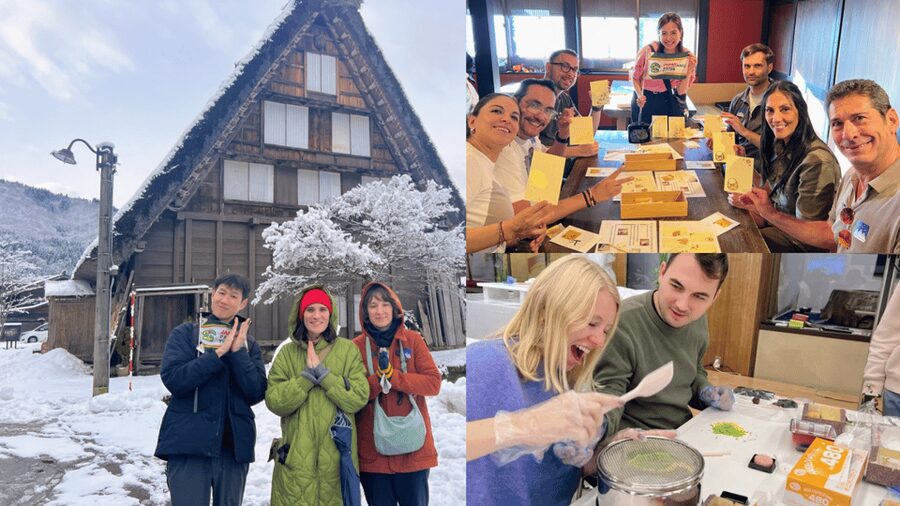
The strongest part of this experience is the human delivery. Yasushi is repeatedly praised for clear English, energy, humor, and his ability to explain Japanese history and culture without making the day feel like a lecture. Aiko is also praised for warmth, organization, and her habit of using small quizzes and pictures to keep the group involved.
Keita and other staff may also guide or assist, so your exact experience depends on the day’s team. The supplied language support includes live Japanese and English commentary, plus audio guidance in Spanish, French, Italian, German, Portuguese, and Ukrainian.
The guide does not control every minute. You receive explanations at key places, then get some freedom to explore at your own pace. That balance is important. You can listen closely at Kenrokuen, then browse a snack shop in Shirakawa-go without needing the guide beside you every second.
The tradeoff is group-tour timing. If the guide stops for photos, questions, or a short explanation, the whole group moves together. Most people will find that helpful, but independent visitors who dislike fixed departure times may prefer a private arrangement.
Who should book this tour?
I would recommend it to a first-time visitor based in Kanazawa who wants to see Shirakawa-go without arranging buses and who enjoys having local context at major sights. It also suits solo visitors, families, and anyone who wants a social day with built-in activities.
It is a particularly good fit if you have just one free day. You get a rural World Heritage site in the morning, one of Japan’s best-known gardens, a castle walk, a historic geisha district, and two craft experiences.
I would hesitate if you want a slow, deeply detailed visit to Shirakawa-go. The village time is generous for a day tour, but an extra hour would help anyone interested in photographing, shopping, or eating at an unhurried pace.
The price also makes more sense if you plan to join both craft activities and use the included garden admission. If you would skip the workshop, avoid paid snacks, and prefer exploring alone, compare the cost with arranging your own bus and entry tickets.
Free cancellation is available up to 24 hours before departure, and you can reserve now and pay later. The itinerary can change because of weather, traffic, closures, or operations. On December 24, the schedule follows a different morning-tour arrangement, so check the date carefully before booking.
Should you book it?
Book this tour if you want maximum variety in one day, reliable transport, and guides who add real local detail. The early Shirakawa-go arrival, comfortable coach, Kenrokuen commentary, and gold leaf activity give the day a strong mix of scenery, history, food, and making.
Skip it if you want to linger in one place or dislike organized schedules. For most visitors with limited time in Kanazawa, though, this is a smart way to cover the region’s biggest sights without reducing the day to a string of unconnected photo stops.
FAQ
How long is the tour?
The experience lasts about nine hours, beginning in the morning at Kanazawa Station and returning to the same general meeting area later in the day.
Where does the tour start?
Meet at the Kanazawa Station West Plaza Short-term Car Park at 1-chōme-6-802 Hirooka, Kanazawa. Check-in is at 7:50 AM, with departure at 8:00 AM. Look for the green and white Japan Panoramic Tours flag.
Is transport included?
Yes. Transport is provided by an air-conditioned coach with free Wi-Fi. The coach journey to Shirakawa-go takes about 80 minutes, with the return journey also subject to traffic.
Is lunch included?
No. Lunch is not included. You have free time to arrange your own meal in Shirakawa-go, and additional food and drinks are also at your own expense.
Which languages are available?
The live guide speaks Japanese and English. Audio guidance is available in Spanish, French, Italian, German, Portuguese, and Ukrainian.
What crafts will I make?
You will make Japanese wagashi sweets or, depending on the craftsperson’s schedule, paint a Daruma doll. You will also make a postcard using gold leaf in Kanazawa.
Are entrance fees included?
Yes. Admission to Kenrokuen Garden is included, along with the fees for the Japanese sweets or Daruma activity and the gold leaf craft.
Can I cancel the booking?
You can cancel up to 24 hours before the tour for a full refund. The tour also offers a reserve-now, pay-later option. Late arrivals and no-shows are not eligible for refunds or changes.
Just added in Japan
- 1 Day Tour: Snow Monkeys & Snow Fun in Shiga Kogen★ 5.0 · 52 reviews
- Best of Himeji Castle: 3hr Tour with Licensed Guide★ 5.0 · 186 reviews
- Hakone 8 hour Private Tour with Government-Licensed Guide★ 5.0 · 63 reviews
- Nagasaki Half-Day Private Tour with Government-Licensed Guide★ 5.0 · 53 reviews
- Daikoku & Tokyo Private JDM Tour by 700HP R34 GT-R★ 4.9 · 101 reviews
- Custom Private Tour in Hakone with a Certified Local Guide★ 5.0 · 91 reviews
- [Otaru & Yoichi] Let’s go to Otaru Canal, Sakaimachi Street, Music Box Hall, and Yoichi Nikka Whiskey by private car (arriving and departing from Sapporo)★ 5.0 · 21 reviews
- Nikko: Edo Wonderland Edomura Cultural Theme Park Ticket★ 4.3 · 205 reviews
Shirakawa-go & Gokayama Tours, compared.
World Heritage Shirakawa-go and Experience Tours from Kanazawa
Read our review →
World Heritage Shirakawa-go Morning Guided Tour
Read our review →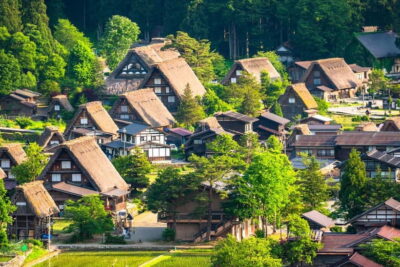
![[One-day bus tour departing from Kanazawa Station] Shirakawa-go and Gokayama – Two World Heritage Villages Enjoyable Bus Tour](https://assets.japanesetravels.com/wp-content/uploads/one-day-bus-tour-departing-from-kanazawa-station-shirakawa-go-and-gokayama-two-world-heritage-villages-enjoyable-bus-tour-400x267.jpg)
[One-day bus tour departing from Kanazawa Station] Shirakawa-go and Gokayama – Two World Heritage Villages Enjoyable Bus Tour
Read our review →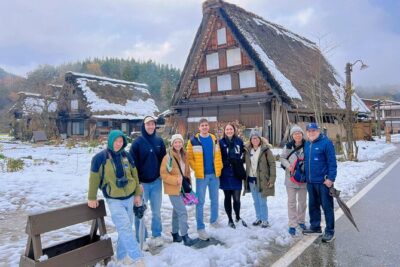
World Heritage Shirakawa-go Perfect Guided Tour from Kanazawa
Read our review →Browse the lists this tour appears in