
Reviewed · GOVERNMENT-LICENSED GUIDE TOURS
Aizu 4hr Private Tour with Government-Licensed Guide
Aizuwakamatsu is one of Japan’s best places to connect a real town with the final days of the samurai age. This private four-hour tour lets you choose the focus, then pairs you with a government-licensed local guide who can make sense of sites that are easy to visit but harder to understand alone.
I especially like the freedom to select only two or three stops, and I like the personal pace. Guides such as Masa, Yumi, Mitsuko, and Nobuko have tailored visits for families, helped with train and IC card questions, and adjusted breaks when needed. The catch is that this is a walking tour without private transport, so you pay entrance and transit costs separately and cannot sensibly cover every listed sight in four hours.
Key points at a glance
- Choose two or three sights: Build your half-day around castles, samurai history, gardens, sake, museums, or religious sites.
- Aizu’s turning point comes alive: Tsuruga Castle and Iimoriyama explain the Boshin War and the end of the shogunate.
- Private guiding makes a difference: Your guide can slow down for children, add cultural context, or change the order of stops.
- Expect to walk and pay extras: Transportation, entry tickets, lunch, and personal purchases are not included.
- A good fit for curious families: Guides have helped children, explained myths and religion, and assisted with local travel.
- Book with a clear wish list: Four hours is enough for two or three meaningful visits, not all seven places named here.
Why Aizuwakamatsu deserves a half-day
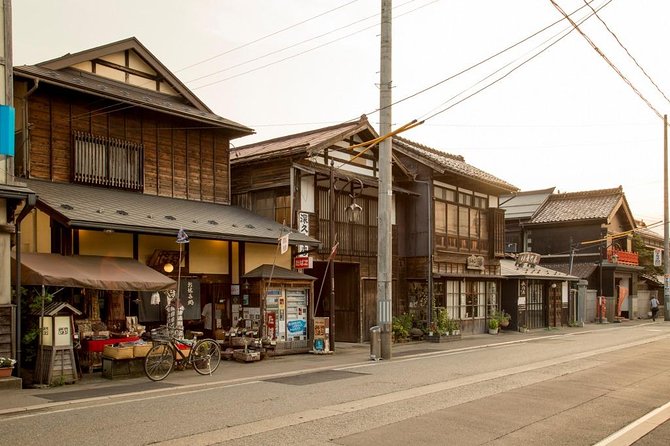
Aizuwakamatsu, in Fukushima Prefecture, was a former feudal capital and a stronghold of the Aizu domain. Its old streets, castle grounds, gardens, hot spring district, and craft traditions give you several ways to spend a short visit.
The main story is the clash between the old shogunate and the new Meiji government in the late 1860s. That conflict was not an abstract political change here. It shaped the town, destroyed its castle, and left lasting memories at places such as Iimoriyama.
I like this tour because it does not force every visitor into the same route. You can focus on samurai culture, choose a gentler mix of gardens and food, or combine a major historical site with a local sake visit. Tell the operator your must-see places when booking, then confirm the final two or three stops with your guide.
The private format also matters. You do not have to keep pace with a large group, and your guide can explain a custom or historical detail when you show interest. Families may appreciate the flexibility most. One guide helped a family with two children understand Japanese history, Shinto, Buddhism, and daily life while also assisting with IC cards.
Other tours with a licensed guide in Japan:
- Tokyo 6hr Private Tour with Government-Licensed Guide
★ 5.0 · 3,902 reviews - Tokyo 4hr Private Tour with Government-Licensed Guide
★ 5.0 · 1,394 reviews - Kyoto 6hr Private Tour with Government-Licensed Guide
★ 5.0 · 1,369 reviews
Tsuruga Castle and the end of the samurai era
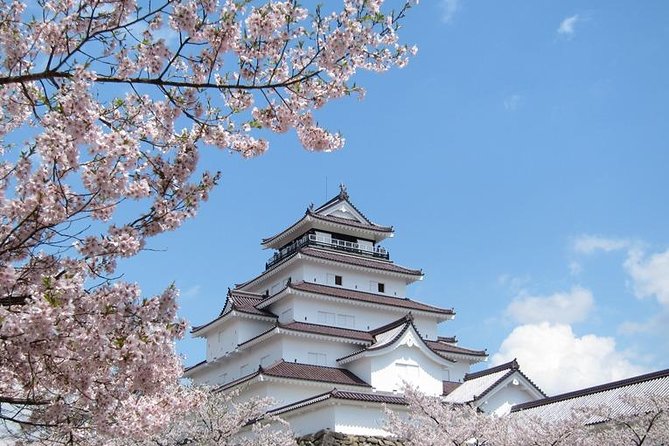
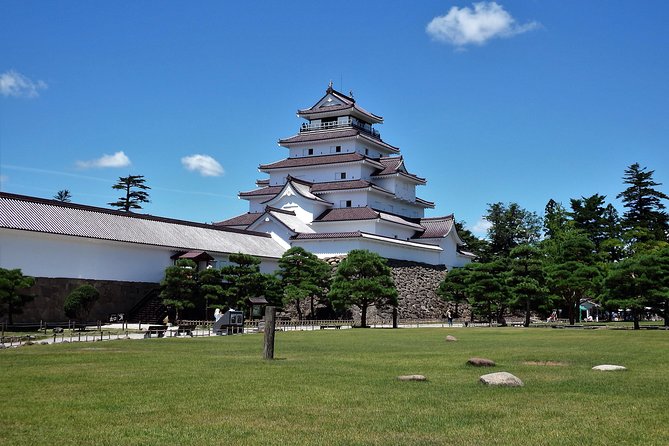
Tsuruga Castle is the natural choice if Aizu’s political and military past interests you. The castle was built in 1384 and changed hands many times before becoming associated with the Aizu domain.
The existing castle is a reconstruction. The original was destroyed after the Boshin War of 1868, when forces loyal to the shogun fought the newly formed government. That distinction matters. You are not looking at an untouched medieval fortress, but the site still gives you a strong sense of the town’s role and the defeat that changed Japan.
The planned visit here is about 30 minutes, and admission is not included. That is enough time for a focused explanation and a look around, but not a slow museum visit combined with every corner of the grounds. If you want to read displays carefully, tell your guide before the tour so the rest of the route can be trimmed.
The itinerary names Tsuruga Castle Gymnasium, but the main attraction described is Tsuruga Castle itself. Confirm the exact meeting point and castle access details before you set out, especially if your plan depends on entering the castle.
A guide is particularly useful here because the dates and factions can blur together. A well-prepared guide can connect the castle to Iimoriyama, the samurai residences, and the wider transition from Edo rule to the Meiji period. That gives the visit a clear thread instead of a series of disconnected facts.
Aizu Old Samurai Residences: daily life behind the titles
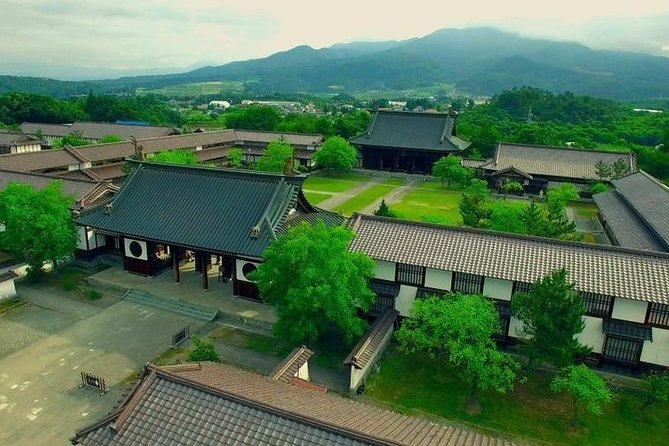
The Aizu Old Samurai Residences show a different side of the samurai world. This was the home of one of the region’s highest-ranking samurai, along with his family, employees, and servants.
That makes the site valuable for understanding more than warfare. A castle tells you about power and defense. A residence shows how rank shaped rooms, work, household duties, and daily routines. I would choose this stop if you want social history rather than another battlefield account.
Admission is listed as free, and the planned visit is 30 minutes. That short slot works for an overview, but you may want more time if you enjoy architecture or want to examine the original construction closely. Ask your guide to focus on the rooms and customs that interest you most.
This is also a useful pairing with Tsuruga Castle. The castle explains the public face of Aizu’s ruling order, while the residence brings that order into domestic life. With only four hours, combining the two can give you a balanced picture of the area without adding too much travel.
Iimoriyama and Aizu’s difficult memory
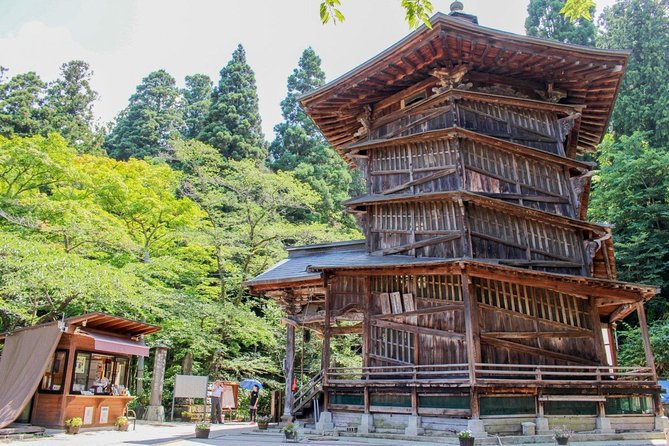
Iimoriyama is one of the most emotionally important stops on the route. After the shogunate fell in 1867, forces loyal to the former government gathered in northern Tohoku. They fought the new government and suffered a decisive defeat at Tsuruga Castle.
The hill is linked to the Byakkotai, a group of young Aizu samurai who became part of the town’s memory of that conflict. The site asks you to look at the Boshin War through Aizu’s experience, not only through the story of the government that won.
A 30-minute visit is enough for a guide to explain the main events and significance. It may feel too brief if you want a long, quiet visit or wish to explore every part of the site. Still, it is an excellent choice for anyone who wants the historical thread that connects Aizu’s castle, samurai culture, and sense of loss.
One of the strongest features of a private guide is the chance to ask about difficult subjects. The fall of the shogunate, loyalty, modernization, and regional identity are not simple topics. A guide can help you understand why the events remain important without reducing them to a basic old versus new story.
Same base, a different sort of day:
- Mt Fuji and Hakone 1-Day Bus Tour Return by Bullet Train
★ 5.0 · 26,383 reviews - 1-Day Tokyo Bus Tour
★ 5.0 · 14,250 reviews - PERFECT KYOTO 1-Day Bus Tour
★ 5.0 · 13,518 reviews - Tokyo: TOKYO SKYTREE® Admission ticket
★ 4.5 · 11,192 reviews
Suehiro Sake Brewery and a taste of local tradition
Suehiro Sake Brewery offers a change of pace after the military and political sites. Founded in 1850, it has remained family owned for eight generations and is one of the larger, well-known sake producers in the Tohoku region.
The planned visit lasts about 30 minutes, and admission is not included. This is a good pick if you want local industry and food culture in your tour. It also adds variety to a route made up mostly of historic buildings and museums.
Do not expect the brewery visit to replace a full tasting or long shopping stop unless your guide confirms what is available on your date. The information provided supports a visit to the brewery, but not a guaranteed tasting schedule or specific included sample. Ask about that in advance if sake is your main reason for choosing this stop.
I would pair Suehiro with Tsuruga Castle or Oyakuen Garden. The combination gives you a useful contrast: political history, local production, and a quieter traditional setting. It is also a sensible choice if someone in your group is less interested in military history.
Fukushima Museum for a wider time frame
The Fukushima Prefectural Museum offers the broadest historical setting on the list. Its permanent exhibition covers Japan’s history from archaeological finds through later periods.
This can help you place Aizu in a larger story. Instead of seeing the town only through the samurai era, you can look at how the region fits into the long development of Japan. The museum is a good choice for anyone who prefers objects, displays, and a chronological account.
The visit is planned for 30 minutes, with admission extra. That is a quick introduction rather than a full museum session. A museum covering the history of Japan needs more than half an hour if you want to read every panel, so choose this stop only if you are happy with a selective visit.
I would not combine the museum with too many other indoor attractions. Pair it with one major historic site, then let the guide identify the exhibits that best match your interests. That approach makes the short visit more useful.
Oyakuen Garden for a quiet pause
Oyakuen is a Japanese garden with a pond, designed as a calm place for a walk. Its name means Medicinal Herb Garden, a name connected to its use in the 18th century.
This is the most restful option on the route. After the heavy subject matter at the castle and Iimoriyama, a garden can give you time to slow down and notice design, water, plants, and the relationship between medicine and traditional life.
The planned visit takes 30 minutes, with admission not included. That is enough for a pleasant stroll, though you should not expect an extended garden visit at that pace. Weather and seasonal conditions may affect how much you want to linger, so keep your plan flexible.
Oyakuen works well for mixed groups. Someone interested in architecture can study the garden’s layout, while another person can simply enjoy a quiet break. It is also a smart pick if you have already spent several days visiting crowded urban sights and want a gentler hour.
Higashiyama Onsen adds a different side of Aizu
Higashiyama Onsen is a hot spring resort in a valley east of central Aizuwakamatsu. It has hotels and shops for visitors, and the planned visit is one hour, longer than any of the other listed stops.
The extra time suggests a slower look at the resort area, but the tour does not include a private vehicle or a hot spring admission. The description notes the hot baths and visitor facilities, yet it does not promise that you will bathe. Ask your guide exactly what the visit will include if using an onsen is important to you.
This is a good choice for travelers who want to see a traditional resort district rather than focus only on formal history. It can also be paired with Oyakuen for a relaxed half-day. On the other hand, it may feel less satisfying if your main goal is to see Aizu’s best-known historical sites.
The walking element matters here. Aizuwakamatsu’s quiet streets are part of the appeal, but you need comfortable shoes and a willingness to move between sites on foot or by public transport. Private transport is not provided.
What four hours can really cover
The tour includes a licensed English-speaking local guide and a customizable route of two or three sites. That is the practical limit to keep in mind.
The seven places described above are choices, not a promise that you will visit all seven. Even two sites can fill four hours once you add walking, transport, photographs, explanations, and entry procedures. A route such as Tsuruga Castle, Iimoriyama, and the samurai residences creates a strong history day. Tsuruga Castle, Suehiro Brewery, and Oyakuen give you more variety.
The tour is a meet-up on foot within a designated area of Aizuwakamatsu. Pickup is offered in the sense that the guide meets you on foot, not that a car collects you. Transportation fees are extra, as are entrance tickets, lunch, and personal purchases.
The group is private, and separate tour groups cannot be combined. That is good news if you want your guide’s attention, but it also means the price is not being spread across a large public group.
Price, guide quality, and practical value
At $107.78 per person, the price is fair when you are splitting it among a private group and want a guide who can adapt the route. The value comes from context, pacing, and local help rather than included admissions or transport.
It becomes less attractive if you want a simple self-guided walk through only one site. Aizuwakamatsu’s main attractions can be visited independently, and this tour does not cover your tickets or transit. You are paying for the person who connects the places and responds to your questions.
The guides associated with Aizu visits include Masa, Yumi, Mitsuko, and Nobuko. Their strengths described in the supplied information include careful preparation, clear English, local history, family-friendly pacing, and help with transport after the tour. One guide took photographs, another supplied pages of notes and diagrams, and another helped arrange onward transportation.
Those details are useful because they show what to ask for. If you have children, request stories and a slower pace. If you care about the Boshin War, ask for Tsuruga Castle and Iimoriyama. If you want food culture, request Suehiro Brewery. Share those priorities before the day begins.
The tour has a 4.8 rating from 12 reviews, with 92 percent recommending it. That is a strong result, though the sample is small. I would treat it as a positive signal about guide care and flexibility, not as proof that every route or guide will suit every person.
Who should book this Aizu tour?
I recommend it most for first-time visitors to Aizuwakamatsu who want the town explained in English, families who need a flexible pace, and history fans who want help sorting out the final years of the shogunate.
It also suits couples or small groups with different interests. One person can choose gardens or sake while another gets the historical sites they came for. The guide can shape the four hours around a shared route instead of making everyone follow a fixed schedule.
I would think twice if you dislike walking, want all costs included, or expect a packed sightseeing circuit with a vehicle. The route is limited to two or three sites, and extra planning is needed for transit and admissions.
Free cancellation is available up to 24 hours before the start time. Most people can participate, service animals are allowed, and the meeting is near public transportation, but the experience itself is a walking tour.
FAQ
How long is the Aizu private tour?
The tour lasts approximately four hours.
How many sites can I visit?
The tour is designed around two or three sites chosen from the listed options.
Is the tour private?
Yes. Only your group participates, and separate tour groups cannot be combined.
Is transportation included?
No. The guide meets you on foot within the designated area of Aizuwakamatsu. Transportation fees and private transportation are not included.
Are entrance fees included?
No. Entrance fees are generally extra. Guide entry fees are covered only for sights listed under the tour’s What to Expect section.
Is lunch included?
No. Lunch and other personal expenses are not included.
Is the guide licensed?
The experience includes a local English-speaking guide with National Government Licensed Guide Interpreter certification.
Can I cancel for a full refund?
Yes. You can cancel at least 24 hours before the local start time for a full refund. Cancellations or changes made less than 24 hours in advance are not accepted for a refund.
Should you book it?
Book this tour if you want Aizuwakamatsu’s sites tied together by a person who can explain the town’s samurai past, adjust the walking pace, and help you choose between history, gardens, hot springs, museums, and sake.
For the best value, arrive with two or three priorities rather than asking to see everything. Choose Tsuruga Castle and Iimoriyama for the central Aizu story, or mix one major historic site with Oyakuen Garden or Suehiro Brewery. That is where this private four-hour format makes sense: not as a race through every attraction, but as a focused introduction to a town whose past rewards a little explanation.
Just added in Japan
- Nagasaki Private Customizable Half Day Tour★ 5.0 · 16 reviews
- Nagasaki Full Day Tour with Licensed Guide and Vehicle★ 5.0 · 27 reviews
- Nagasaki Like a Local: Private & Custom Experience (2-3 hrs)★ 5.0 · 14 reviews
- Nagasaki Private Tour with a Local – Highlights & Hidden Gems★ 5.0 · 24 reviews
- Nagasaki WW2 History and Culture Tour★ 5.0 · 19 reviews
- Snow Monkeys, Hokusai & Sake: A Perfect Day in Nagano★ 5.0 · 19 reviews
- Wasabi Farm Walking Tour & Lunch★ 4.5 · 20 reviews
- Nagasaki Street Food Adventure: Private Walking Tour with a Local★ 5.0 · 26 reviews
Government-Licensed Guide Tours, compared.
Tokyo 6hr Private Tour with Government-Licensed Guide
Read our review →
Hiroshima / Miyajima Full-day Private Tour with Government Licensed Guide
Read our review →
Kyoto 4hr Private Tour with Government-Licensed Guide
Read our review →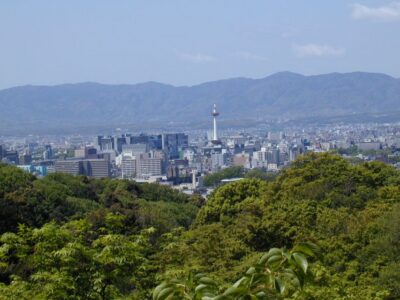
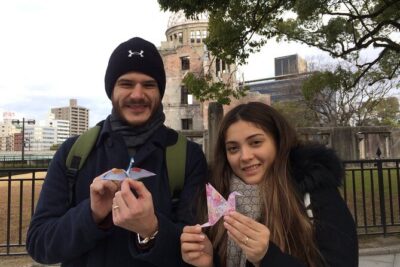
Hiroshima City 4hr Private Walking Tour with Licensed Guide
Read our review →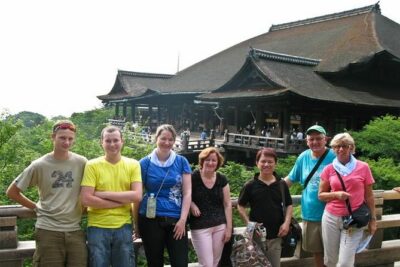
Private Kyoto Tour with Licensed Guide & Vehicle (Max 15 persons)
Read our review →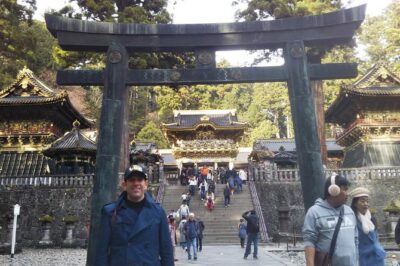
Nikko Full-Day Private Tour with Government-Licensed Guide
Read our review →
Himeji Half-Day Private Tour with Government-Licensed Guide
Read our review →Browse the lists this tour appears in