
Reviewed · SHIRAKAWA-GO & GOKAYAMA TOURS
From Kanazawa: Shirakawa-go, Gokayama and Wood Carving Village
The best part of this day trip is its variety. In nine hours, you move from Inami’s carved wooden art to quiet mountain villages, then make your own washi paper before reaching famous Shirakawa-go. It gives you far more than a quick photo stop.
I like the intimate feel of Gokayama’s Ainokura Village and the chance to enter a traditional house in Shirakawa-go. I also like that guides such as Daniel, Garrett, Mike, and Ellie have been praised for clear explanations and good pacing. The main drawback is the long day and, in some departures, a snug minibus.
Key points
- Three very different rural stops: You see wood carving, handmade paper, temples, and traditional thatched houses in one day.
- Inami feels quieter than Shirakawa-go: The woodcarving street and Zuisenji Temple offer a calmer start.
- Ainokura is the smaller village stop: You have about an hour for photos and a short walk.
- The washi workshop is hands-on: You choose paper inserts and make three postcard-sized pieces.
- Shirakawa-go is the headline sight: The observation point and historic houses are striking, but the village can be busy.
- Small-group transport saves time: The tour is capped at 17 people, though the vehicle may feel tight.
Why this Kanazawa day trip works
Kanazawa is famous for gardens, samurai streets, and fine crafts. This tour lets you leave the city and see the rural communities that help explain northern Japan’s traditional arts.
The route is especially useful if you have only one free day. Reaching Inami, Gokayama, and Shirakawa-go independently would take more planning, with transport connections and village schedules to coordinate. Here, transportation from Kanazawa Station, guiding, temple entry, the washi activity, and the guided portions of the villages are bundled together.
You pay about $202.17 per person. That is not a budget outing, and lunch is extra. Still, the price covers roughly nine hours of transport through the Toyama countryside, an English-speaking guide, Zuisenji Temple, a paper-making session, and guided visits to two UNESCO-related village areas. For many people, the value is the time saved and the access to several places that are awkward to combine on your own.
This is not a slow, deeply local homestay experience. It is a carefully packed sightseeing day. You get an introduction to several places, rather than a full day in any one village.
Other village days out of Kanazawa:
Inami begins with wood carving and Zuisenji Temple
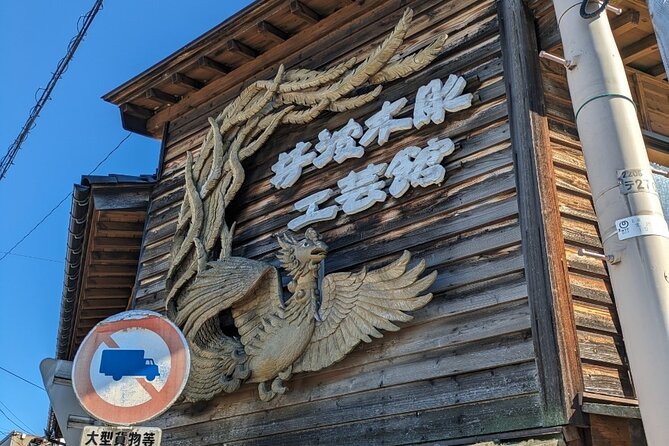
The first stop is Inami, where the main street is lined with woodcarvers and carved objects. The town’s appeal is not only the finished work in the shops. You also get a sense of how wood carving shapes the local streetscape and identity.
Allow about two hours here. That is enough time for a guided walk, a look at the craft shops, and a visit to Zuisenji Temple. The temple entry is included, which makes this more than a simple shopping stop.
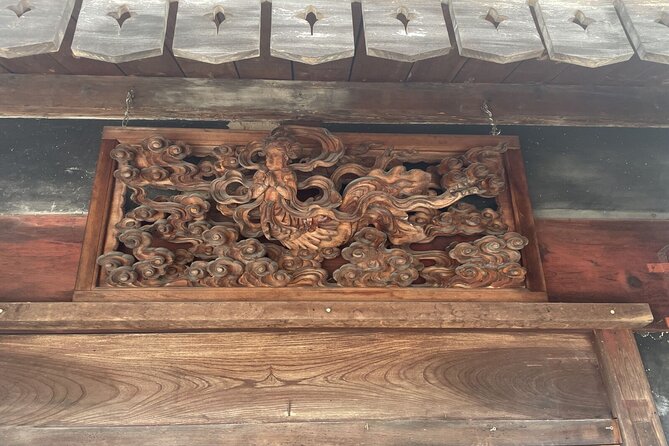
Zuisenji is one of the most praised parts of the route. Its carved details give you a strong example of the skill you have just been learning about in Inami. One visitor described the temple as a favorite stop in Japan, helped by the fact that it generally feels much quieter than the better-known village later in the day.
You may find interesting souvenirs here, especially if you want something artistic rather than a standard tourist trinket. Take care with your shopping time, though. Two hours passes quickly once you combine the street, temple, explanations, and browsing.
The contrast with Shirakawa-go is useful. Inami feels like a working craft town. Shirakawa-go is a major sightseeing destination. Seeing both helps you understand the difference between an active regional tradition and a highly popular heritage site.
Ainokura gives you a quieter view of Gokayama
From Inami, the tour continues to Gokayama and Ainokura Village. You have about one hour to walk around and take photographs.
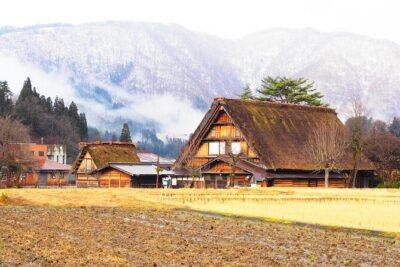
Ainokura is the more peaceful village experience on this route. You see the distinctive gassho-zukuri houses, with their steep thatched roofs designed for heavy mountain snow. The village is compact, so the short visit can still give you a good sense of its form and setting.
Your guide can point out a good photo location. Some people choose to walk up toward the viewpoint, and the climb is described as worth it for the view over the village. If the weather is wet or snowy, wear shoes with a solid grip and allow extra care on any incline.
One hour is enough for an overview, but not enough for a leisurely exploration of every lane or building. You will need to keep an eye on the meeting time. This is one of the trade-offs of fitting several destinations into a single day.
Gokayama is a good place to plan your lunch. Food is not included, and the stop offers the chance to eat at a traditional floor-seated restaurant. Udon has been a popular choice for people on this route. Since the exact lunch arrangement can depend on the day, bring a little flexibility and do not expect a fixed meal as part of the tour.
Making washi turns a cultural lesson into a souvenir
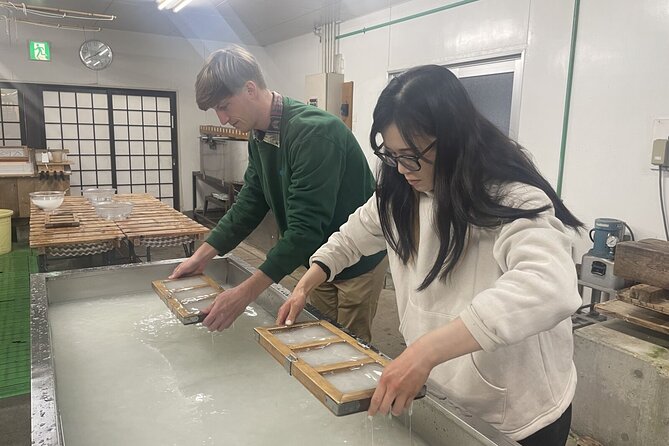
The washi paper-making session lasts about 30 minutes. First, you choose paper inserts to place in your design. Then you try the paper-making process yourself.
After about 10 to 15 minutes of drying, you receive three small postcard-sized pieces. That is a useful size for packing, and it gives you something made during the day rather than another item bought from a shop.
I like this stop because it adds participation to a day that could otherwise consist mainly of walking and looking. The activity is short enough not to drag, but substantial enough to make the craft memorable. It also works well for families and teenagers. One family described the entire route as engaging for both adults and teens, with paper making among the highlights.
Do not expect a full craft course. You will not spend hours learning every stage of traditional washi production. Instead, you get a brief, practical introduction and a small souvenir.
The paper-making stop is not available during the New Year period from December 28 through January 5, when many businesses in Inami and Gokayama close. Shirakawa-go is mostly open then, but the day will not include the complete advertised sequence.
Same base, a different sort of day:
- Kanazawa: Kenrokuen Tea Ceremony Experience
★ 4.8 · 1,139 reviews - Kanazawa Half Day Tour (Private Guide)
★ 5.0 · 361 reviews - Kanazawa Full Day Tour (Private Guide)
★ 5.0 · 323 reviews - World Heritage Shirakawa-go Perfect Guided Tour from Kanazawa
★ 5.0 · 220 reviews
Shirakawa-go delivers the big visual payoff
The final major stop is Shirakawa-go. The tour first goes to an observation point, then heads into the village. You learn about the history and construction of the houses, and you enter one traditional home to see more than the exterior.
Plan for about two hours here. The observation point gives you the broad view, while the walk through the village lets you inspect the houses at street level. The steep thatched roofs are the defining feature, but the guided explanation helps you understand why the buildings look as they do and how people lived in them.
This is the most famous stop, and it can also be the busiest. Large tour buses may be present, even in cold or rainy weather. The village is not necessarily unmanageable, but it may feel more commercial and crowded than you expect from photographs.
That difference matters. If you want complete quiet, Shirakawa-go may disappoint at peak times. If you want a well-preserved historic village that is easy to visit in a single afternoon, it works very well.
Weather changes the feel of the stop. Rain can make the paths unpleasant, while snow creates the postcard setting many people hope to see. The tour runs in different conditions, so pack waterproof layers and practical footwear rather than relying on appearance alone.
The visit is guided, but you still get time to look around. Guides such as Daniel, Garrett, and Mike have received particularly strong praise for explaining the sites, answering questions, and giving clear instructions. Ellie has also been described as an excellent guide. Guide quality can vary by departure, but the company uses English-speaking guides and the strongest feedback points to warm, engaged leadership.
The nine-hour schedule is full but sensible
The planned stops add up to about five and a half hours:
- Inami: about two hours
- Ainokura in Gokayama: about one hour
- Washi paper making: about 30 minutes
- Shirakawa-go: about two hours
The remaining time is used for driving between Kanazawa and the rural sites. This is a full day, but the stop lengths are generally well judged. You change activities often enough to avoid spending the entire day on foot.
The route also has a natural rhythm. Inami starts with art and architecture. Gokayama shifts to village scenery and lunch. The paper workshop gives you a hands-on break. Shirakawa-go finishes with the most famous traditional houses.
The meeting point is Kanazawa Station, and the tour returns there at the end. From June 1, the listed start time is 8:30 a.m. Check the exact time on your confirmation because a morning departure is important for fitting everything in.
The vehicle is usually a small bus or minibus. A smaller group can make the trip personal and lets you ask questions easily. The maximum is 17 people, and some departures have been much smaller. On the other hand, a minibus can feel cramped, particularly on a long driving day. One departure with eight people was described as adequate but tight.
There is no mention of complimentary water, so bring your own bottle. You should also carry money for lunch and any purchases in Inami or the villages.
Guides can make the difference
The strongest part of this experience is often the guide rather than the transport. Daniel has been praised for his clear instructions, good timing, and attention to comfort breaks. Garrett is frequently described as friendly, engaging, and well informed across the different stops. Mike has been appreciated for his enthusiasm, local knowledge, and willingness to help with train tickets after the tour.
Those details matter because the schedule is tight. You need someone who can explain a site without turning every stop into a lecture, then get the group moving on time. A good guide also helps you find the right photo point and understand what you are seeing inside the traditional houses.
There has been at least one serious complaint about a guide making negative comments about Japanese culture. That appears to be an exception among the supplied feedback, but it is still worth noting. Guide assignment is not guaranteed, so the quality of the day can depend on who leads your group.
One other criticism described the tour as mainly transportation, with limited explanation and activities. That is a fair warning for anyone expecting an all-day seminar on Japanese history. The day is best viewed as guided sightseeing with short cultural activities, not as an intensive specialist tour.
Who will get the most from this experience
I would recommend this trip if you want to see several rural sights from Kanazawa without arranging buses and regional connections yourself. It suits first-time visitors who want a broad introduction to traditional villages and crafts.
Families should find the mix effective. There is walking, visual scenery, a temple, shopping, a short paper activity, and traditional houses. The schedule is long, but the changing format helps keep the day moving.
It also suits photographers, especially if you are happy to work around other people at Shirakawa-go. Ainokura may offer the quieter pictures, while Shirakawa-go supplies the iconic views.
You may want to skip it if you prefer slow travel. One hour in Ainokura and two hours in Shirakawa-go will not satisfy anyone who wants to study every building or linger over a long meal. Independent visitors may also prefer choosing one village and staying there longer.
The day requires ordinary walking, including village paths and possibly an uphill walk to a viewpoint. Most people can participate, but cold, rain, and snow can make the outing more demanding.
What to pack and how to prepare
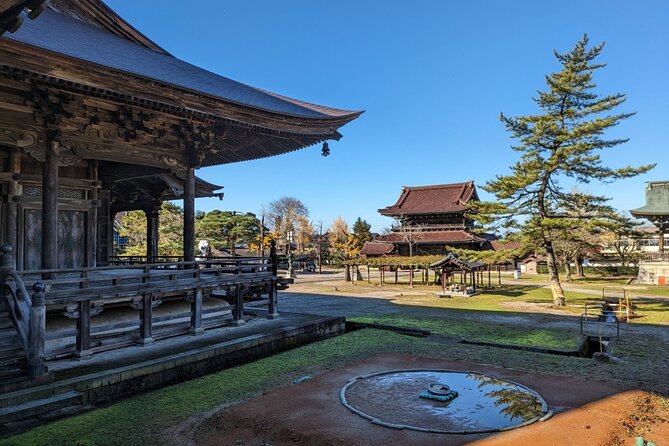
Bring comfortable shoes with good traction. The route includes village walking, temple grounds, and a possible climb to a viewpoint.
Pack a waterproof outer layer and warm clothing in colder months. A rainy day can still be rewarding, but you will enjoy it more if your clothing is practical.
Bring lunch money, a water bottle, and room for three small paper postcards. If you plan to buy woodwork, leave space in your bag or confirm how you will carry larger purchases.
The tour uses a mobile ticket and begins and ends at Kanazawa Station. Arrive with enough time to find the meeting point. The station is convenient, but a large transport hub is not the place to arrive at the last second.
Free cancellation is available if you cancel at least 24 hours before the start time. Cancellations within 24 hours are not refunded, and late changes are not accepted.
Is the $202 price fair?
At $202.17, this is a premium day trip, but the cost covers a lot of ground. You receive transport for about nine hours, an English-speaking guide, entry to Zuisenji Temple, the guided village visits, and the washi paper activity.
The strongest value comes from convenience. You avoid building a complicated route between Kanazawa, Inami, Gokayama, and Shirakawa-go. You also get context at places where a quick independent visit might leave you looking only at roofs and shop fronts.
The weaker value is personal freedom. Lunch costs extra, shopping costs extra, and the schedule limits how long you can stay at each site. If you already know the region or enjoy arranging local transport, the price may feel high.
For a first visit, I think the combination is reasonable, especially if you value a guide and want a full day outside Kanazawa. The paper-making activity and quieter Inami stop also make it more distinctive than a simple Shirakawa-go transfer.
Should you book it?
Book this tour if you want a well-packed day that combines traditional villages and local crafts. The mix of Inami, Zuisenji Temple, Ainokura, washi paper, and Shirakawa-go gives you a fuller picture of rural Toyama than a single village visit.
Go in with realistic expectations. This is a long guided outing, not a private trip at your own pace. Shirakawa-go can be busy, the vehicle may feel close, and lunch is not included.
If those limits suit you, the tour offers strong practical value. Choose it especially if you are staying in Kanazawa, want an English-speaking guide, and would rather spend one day seeing several difficult-to-link sites than planning each connection yourself.
FAQ
Where does the tour start and finish?
The tour starts at Kanazawa Station and returns to the same meeting point at the end of the day.
How long does the experience last?
The tour lasts approximately nine hours.
What time does the tour start?
From June 1, the listed start time is 8:30 a.m. Check your booking confirmation for the exact departure details.
Is lunch included?
No. Lunch is not included, so you should budget separately for food during the day.
Is the washi paper-making activity included?
Yes. The paper-making experience fee is included. You choose paper inserts and make three small postcard-sized pieces, which dry in about 10 to 15 minutes.
How large is the tour group?
The tour has a maximum of 17 travelers. Some departures may be smaller.
Can I cancel for a full refund?
Yes, if you cancel at least 24 hours before the experience start time. Cancellations or changes made within 24 hours are not refunded or accepted.
Just added in Kanazawa
- Kanazawa: Sushi & Japanese Cooking Class at a Historic School★ 5.0 · 66 reviews
- Taste of Kanazawa (Food tasting in Omicho Market & Higashi Chaya)★ 5.0 · 58 reviews
- Takayama and Shirakawago/Photoshoot by professional photographer★ 5.0 · 67 reviews
- Kanazawa private 1 day/Photoshoot by professional photographer★ 5.0 · 33 reviews
- Private Tour of Shirakawago and Gokayama from Kanazawa★ 5.0 · 50 reviews
- Shirakawago & Kanazawa from Kanazawa★ 5.0 · 51 reviews
- Photoshoot session by professional photographer in Kanazawa★ 5.0 · 42 reviews
- Private Ring Craft Experience in Kanazawa★ 5.0 · 22 reviews
Shirakawa-go & Gokayama Tours, compared.
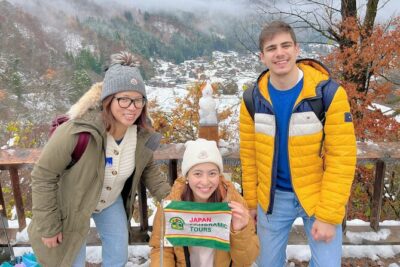
World Heritage Shirakawa-go and Experience Tours from Kanazawa
Read our review →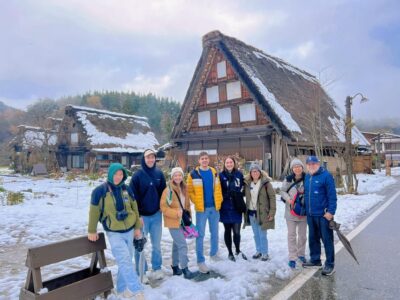
World Heritage Shirakawa-go Morning Guided Tour
Read our review →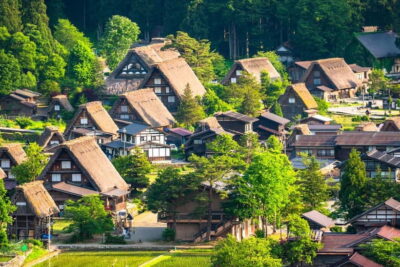
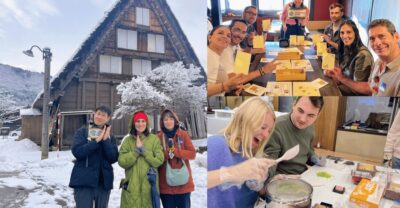
World Heritage Shirakawa-go & Two Local Experience
Read our review →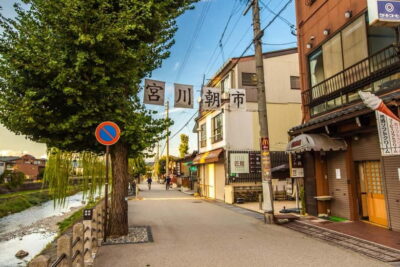
[One-day bus tour departing from Kanazawa Station] Shirakawa-go and Gokayama – Two World Heritage Villages Enjoyable Bus Tour
Read our review →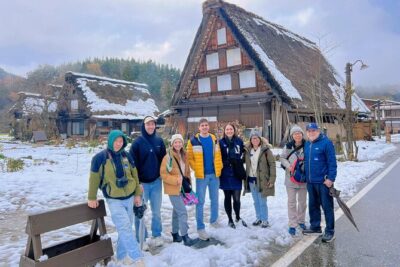
World Heritage Shirakawa-go Perfect Guided Tour from Kanazawa
Read our review →Browse the lists this tour appears in