
Reviewed · HIROSHIMA & MIYAJIMA DAY TRIPS
Hiroshima and Miyajima Full Day Private Tour
Hiroshima’s difficult past and Miyajima’s beauty make an unlikely but rewarding pair. This private day brings them together, beginning at the Peace Memorial Museum and Atomic Bomb Dome before moving through the city’s castle and garden, then crossing to Miyajima for the famous torii gate and Itsukushima Shrine. I especially like the private format, which lets a guide adjust the pace, and the chance to get practical help with lunch, transport, and local sights. The main catch is that transportation is extra, and eight hours is a tight schedule for so many stops.
I also like the strong local touch. Guides including Masa, Aya, Yoshiko, Yoshi, Yushu, and Masako have helped visitors shape the day around vegan food, earlier starts, family needs, and train connections. Still, guide quality matters greatly here, so clear English explanations and a realistic plan are essential.
Key points to know before booking
- A private eight-hour day lets you adjust the pace and ask questions without sharing the guide with another group.
- The Peace Memorial Museum receives about two hours, enough for a serious visit but possibly not enough for every display.
- Miyajima follows Hiroshima’s city sights, creating a powerful change from memorial sites to shrine architecture, deer, shops, and sea views.
- Transportation, lunch, and hotel transfers are not included, so budget extra and expect to meet at the museum.
- The schedule is flexible but not guaranteed, and traffic, personal interests, and time can mean that some listed stops are shortened or skipped.
- Summer heat is a real concern, especially in August, when temperatures can exceed 35 degrees Celsius.
Why this private Hiroshima and Miyajima day works
The appeal is simple: you get two of western Japan’s most important places in one organized day, with a guide who can put the sights into context. Hiroshima requires emotional attention, while Miyajima rewards a slower look at architecture, food, and scenery. Having one person guide you through both gives the day a clear thread.
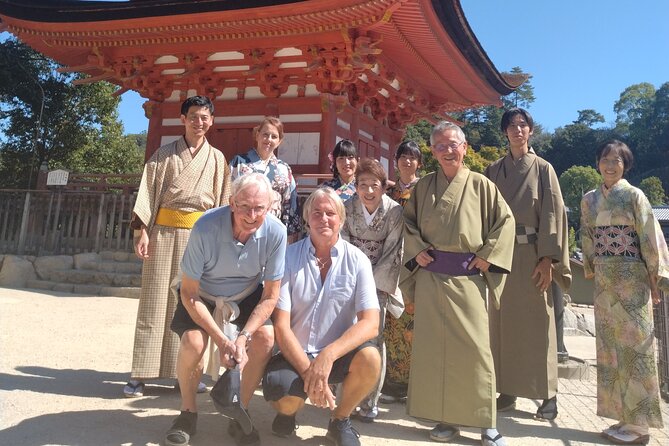
The private setup is especially useful for couples, families, and small groups with different walking speeds. You can ask to spend longer at the museum, move more quickly through the castle, or pause for lunch before continuing. Several guides have adjusted plans for vegetarian and vegan diets, and one guide helped a couple manage a delayed return caused by a traffic accident.
At $167.50 per person, the price is not a bargain if you are simply looking for transportation. You still pay for local transport, lunch, and any ride from the meeting point to another starting place. The value comes from the private guide, included admissions, personal explanations, and the ability to make the day work around your interests.
If you are comfortable arranging buses, trains, and the ferry on your own, you can visit many of these places independently for less. The tour makes more sense if you want historical background, help with navigation, and a flexible companion for a demanding full day.
Other long days west of Hiroshima:
- Peaceful Hiroshima & Miyajima UNESCO 1 Day Bus Tour
★ 5.0 · 5,309 reviews - Hiroshima: Hiroshima and Miyajima UNESCO Sites 1-Day Tour
★ 4.9 · 2,330 reviews - Hiroshima / Miyajima Full-day Private Tour with Government Licensed Guide
★ 5.0 · 1,298 reviews
Starting at the Peace Memorial Museum
The stated meeting point is the Hiroshima Peace Memorial Museum, at 1-2 Nakajimachō in Naka Ward. This is a sensible place to begin because the museum gives the rest of the day its historical meaning. Plan to meet your guide there rather than expecting hotel pickup.
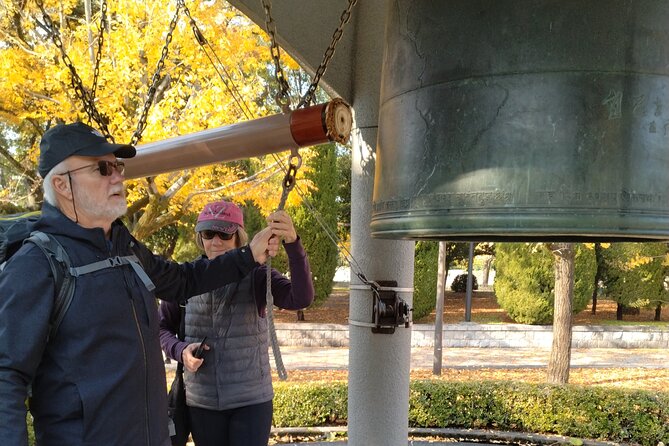
The museum visit is scheduled for about two hours, with admission included. I would treat this as the emotional center of the tour. Exhibits focus on the atomic bombing, the people affected, and the aftermath. The material can be upsetting, and the museum may be crowded, especially later in the day.
An early start can help. One couple began around 8:30 in the morning and found the quieter opening hours useful. The tour does not promise a particular start time, so confirm the schedule with the operator. If you want a careful museum visit, tell your guide before the day begins. Two hours sounds generous, but the museum can easily absorb that time.
You may find the indoor visit more tiring than the walking itself. Bring water, and give yourself permission to pause. One practical note from the experience is that crowded galleries may concern visitors who are sensitive to close indoor spaces, so carrying a mask could be useful.
Seeing the Atomic Bomb Dome up close
The Atomic Bomb Dome is a short but important stop, scheduled for about 30 minutes with no separate admission charge. The preserved remains are striking because the building survived near the explosion’s center while much of the surrounding city was destroyed.
This is not a stop that needs a long visit, but it benefits from explanation. A good guide can point out what you are seeing and connect it to the museum without turning the moment into a rushed photo stop. The building is also a reminder that Hiroshima is not only a museum experience. The past is present in the middle of the modern city.
Because the Dome is outdoors, this is one of the places where summer heat can quickly become unpleasant. Wear comfortable shoes and use the shade when available. The tour includes a good deal of walking, so do not treat the eight-hour duration as eight hours of easy sightseeing.
Hiroshima Castle and the city’s earlier past
Hiroshima Castle is planned as a one-hour stop, with admission included. Its wooden-style architecture and surrounding grounds offer a different view of the city, shifting the focus from the twentieth century to Japan’s feudal period.
The castle was destroyed during the atomic bombing and rebuilt, so it should not be confused with an untouched medieval structure. That distinction is worth asking your guide about. The visit can add depth to the day by showing that Hiroshima’s story did not begin in 1945.
The schedule is not perfectly fixed. One difficult experience involved seeing the castle from outside without entering, while another planned garden stop was skipped. The operator later acknowledged that the day had not followed the intended plan. This is an important warning: make sure your guide understands that you want the included admission used, and ask early if the timing is slipping.
The supplied information also notes that Hiroshima Castle will be closed for renovation from March 23, 2026. If your visit falls after that date, confirm what replaces the castle stop and whether the included admission still applies.
Same base, a different sort of day:
- Hiroshima Historical Walking Tour – Why A-Bomb was Dropped
★ 4.8 · 893 reviews - Hiroshima Peace (Heiwa) Walking Tour at World Heritage Sites
★ 5.0 · 872 reviews - Hiroshima in a Nutshell: Morning Bike Adventure
★ 5.0 · 524 reviews - Hiroshima City 4hr Private Walking Tour with Licensed Guide
★ 5.0 · 437 reviews
A quiet hour at Shukkeien Garden
Shukkeien Garden is scheduled for about one hour, and admission is included. After the weight of the museum and the formal design of the castle, this garden provides a calmer interval. Its paths, ponds, bridges, and seasonal plantings are intended for slow looking rather than rapid sightseeing.
I would not skip this stop automatically. It is one of the best chances to reset during a serious historical day, and the peaceful setting gives your guide room to explain Japanese garden design. The exact seasonal appearance will depend on when you visit.
Time pressure is the main concern. If the morning runs late, this is one of the stops that could be shortened. Tell the guide which places matter most to you at the start. If the museum is your priority, you may accept less time elsewhere. If gardens are important to you, say so clearly.
Crossing to Miyajima for Itsukushima Shrine
The second half of the day moves to Miyajima, ending at Miyajima Pier. Transportation from the meeting point to the places you want to visit is not included, so you should expect to pay local fares separately. The guide can help with public transportation, which is useful because the day involves moving between Hiroshima and the island.
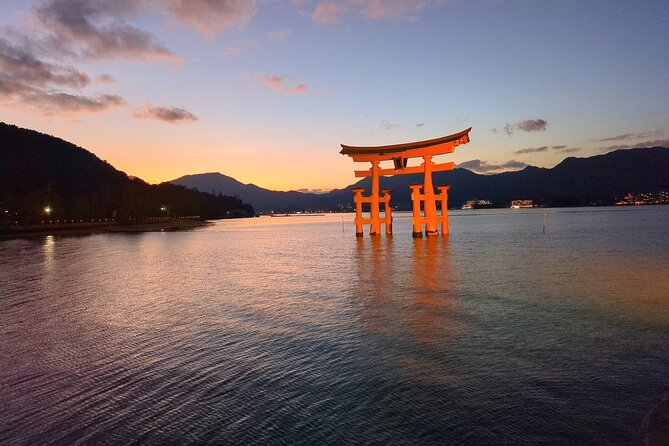
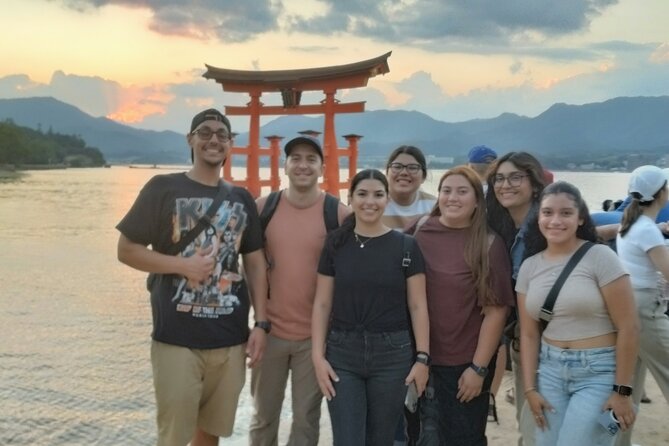
Miyajima changes the mood completely. The torii gate associated with Itsukushima Shrine appears offshore, and the relationship between shrine buildings, water, and changing tides is part of the appeal. The gate may look very different depending on the tide, so do not expect one fixed view.
The torii stop is listed as about 30 minutes and has no separate admission charge. That gives you time for photographs and a quick explanation, but it is not a long exploration of the shoreline. If the water level or weather affects the view, your guide can help you understand what you are seeing.
The island is also known for deer. One couple particularly enjoyed seeing them, especially because they had not had time to visit Nara. Keep food and belongings under control around animals, and remember that the island offers much more than the gate itself.
Two hours inside Itsukushima Shrine
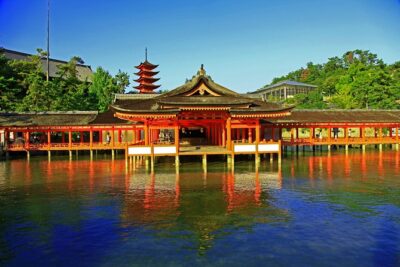
Itsukushima Shrine receives a longer visit of about two hours, with admission included. Its red-painted structures, position beside the water, and connection to the torii gate make it one of Japan’s most recognizable religious sites.
The shrine was constructed in 593 AD, according to the supplied tour information, and is designated a UNESCO World Heritage site. Those facts matter, but the real pleasure is observing how the buildings relate to the sea. Walk slowly and look beyond the main photo angle. Rooflines, wooden corridors, and openings toward the water are all part of the experience.
Two hours is useful here, but the full island deserves more time than a single afternoon can provide. You will get the central sights, not every possible walk, shop, or viewpoint. If you want a relaxed Miyajima day with no clock pressure, book a separate island visit instead.
Omotesandō Street and a practical lunch break
Omotesandō Shopping Street is planned for about one hour. It is the island’s main commercial lane, with local snacks, souvenirs, crafts, and places to eat. This is where the private format can become genuinely practical rather than merely convenient.
Guides Masa and Aya helped arrange vegan or vegetarian food for visitors who were concerned about eating in Japan. Yushu also introduced traditional snacks and food. Lunch is not included, but a guide who listens to your dietary needs can save time and reduce stress.
Do not assume you will have a long, leisurely meal. With the museum, four Hiroshima stops, transport, and Miyajima still ahead, the schedule is full. Tell your guide at the beginning if lunch is important, or if you need a proper sit-down meal rather than a quick snack.
What the guides add, and where the risk lies
The strongest part of this experience is the guide. Masa is repeatedly associated with careful communication, comfort, useful explanations, and help with logistics. Aya has adjusted visits to suit pace and diet, while Yoshiko is described as energetic and good at keeping a full day moving. Masako helped an older visitor and a granddaughter find less obvious points of interest, then assisted them through Hiroshima Station after a traffic delay threatened their train.
Those details show what a private guide can do at its best. You are not just receiving facts. You may get help choosing lunch, changing the order of stops, understanding local customs, or getting through a station when plans go wrong.
The less positive side is important too. One guide was criticized for weak English, limited explanations, and treating the day like a checklist. The operator stated that the guide was new and had been dismissed. That response does not erase the poor experience, but it does show why guide assignment matters.
Before the tour, send a short message with your priorities. Ask for clear English, state your preferred pace, and identify the stops you most want to enter. If your group includes older people or anyone uncomfortable with heat, say so in advance.
Walking, heat, and the transport question
This is a walking-heavy day. One difficult outing involved long walks in humid weather, including movement between the Peace Memorial area, Hiroshima Castle, and Hiroshima Station. The schedule can feel comfortable on a cool day and exhausting in August.
Japan’s summer can be very hot, with August temperatures often above 35 degrees Celsius. Carry water, use a parasol or hat, and plan light clothing. Comfortable shoes are more important than stylish ones.
The tour does not include a private vehicle, hotel pickup, hotel drop-off, lunch, or transportation costs from the meeting point to your chosen destination. It begins at the Peace Memorial Museum and ends at Miyajima Pier. If you have luggage, a tight train connection, or mobility concerns, discuss the plan before booking.
Most people can participate, and service animals are allowed. Still, the long duration, outdoor walking, stairs, heat, and public transport make this less suitable for anyone who needs frequent seated breaks unless the itinerary is adjusted.
Booking timing, cancellation, and overall value
The experience is often booked about 56 days ahead, which suggests you should not leave it until the last minute if your dates are fixed. Confirmation is sent within 48 hours, subject to availability.
Free cancellation is available up to 24 hours before the local start time. Changes made inside that window are not accepted, and the amount paid is not refunded for a late cancellation. If poor weather causes the operator to cancel, you are offered another date or a full refund.
At $167.50 per person, I see this as a personal guiding service rather than a low-cost sightseeing pass. The included admissions help, but they do not cover the main extra expense, which is transportation. The price is strongest for a small private group that wants help making difficult history understandable and the day manageable.
Should you book this Hiroshima tour?
Book it if you want Hiroshima’s major historical sites and Miyajima in one day, prefer a private guide, and value help with food, public transportation, and pacing. It is especially well suited to couples, families, first-time visitors, and anyone who wants more than a quick photo at the Atomic Bomb Dome.
Think twice if you want a slow day, dislike walking, or are comfortable arranging every stop yourself. You should also confirm the guide’s English ability and your must-see stops before the morning begins.
My best advice is to treat the itinerary as a framework, not a promise that every stop will receive its full stated time. Choose your priorities, start early if possible, budget for transport and lunch, and protect yourself from the summer heat. Done with a strong guide such as Masa, Aya, Yoshiko, or Masako, this can be a moving and practical way to connect Hiroshima’s past with Miyajima’s enduring beauty.
FAQ
How long does the Hiroshima and Miyajima private tour last?
The tour lasts approximately eight hours.
Where does the tour begin?
It begins at the Hiroshima Peace Memorial Museum, located at 1-2 Nakajimachō, Naka Ward, Hiroshima.
Where does the tour end?
The tour ends at Miyajima Pier in Miyajimacho, Hatsukaichi, Hiroshima.
Is transportation included?
No. The tour does not include a private vehicle or transportation costs from the meeting point to the places you want to visit.
Are admission fees included?
Admission to the Hiroshima Peace Memorial Museum, Hiroshima Castle, Shukkeien Garden, and Itsukushima Shrine is included. The Atomic Bomb Dome and Itsukushima Shrine torii gate do not require a separate admission fee.
Can I cancel for a full refund?
Yes. You can cancel at least 24 hours before the local start time for a full refund. Cancellations or changes made less than 24 hours before the start time are not refunded or accepted.
Just added in Hiroshima
- Iya Valley BROMPTON Slow Cycling Tour★ 5.0 · 28 reviews
- Iya Valley All Must-Sees Private Chauffeur Full-day Tour with a Driver★ 5.0 · 20 reviews
- Shore Excursion from Hiroshima Port : Private Tour in Hiroshima★ 5.0 · 17 reviews
- Hiroshima & Miyajima All-Inclusive Tour w/Licensed guide Pancho★ 5.0 · 54 reviews
- Okunoshima Rabbit Island Cycling Tour with Local Guide★ 4.5 · 17 reviews
- The Peace Memorial to Miyajima : Icons of Peace and Beauty★ 4.5 · 31 reviews
- Hiroshima Private Tour with a Local – Highlights & Hidden Gems★ 4.5 · 24 reviews
- Private Full Day Hiroshima Tour★ 4.5 · 29 reviews
Hiroshima & Miyajima Day Trips, compared.
Peaceful Hiroshima & Miyajima UNESCO 1 Day Bus Tour
Read our review →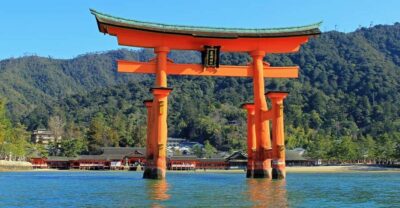
Hiroshima and Miyajima UNESCO Sites 1-Day Tour
Read our review →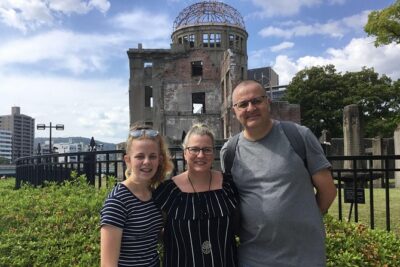
Hiroshima / Miyajima Full-day Private Tour with Government Licensed Guide
Read our review →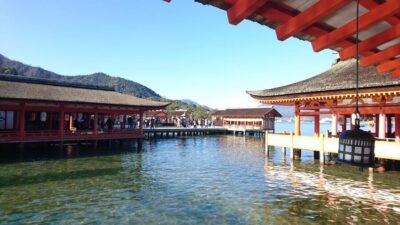
Osaka/Kyoto: Hiroshima Miyajima Bus Tour & Shinkansen Ticket
Read our review →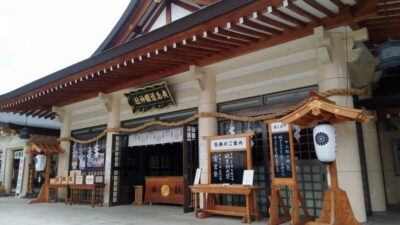
Hiroshima Historical Walking Tour – Why A-Bomb was Dropped
Read our review →
Hiroshima Peace (Heiwa) Walking Tour at World Heritage Sites
Read our review →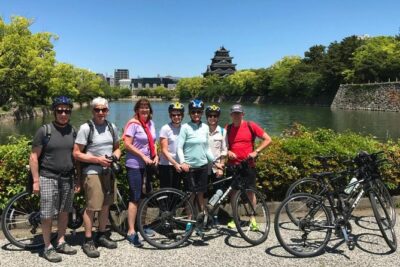
Hiroshima in a Nutshell: Morning Bike Adventure
Read our review →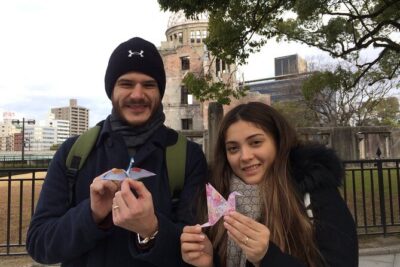
Hiroshima City 4hr Private Walking Tour with Licensed Guide
Read our review →Browse the lists this tour appears in