
Reviewed · HIROSHIMA & MIYAJIMA DAY TRIPS
Hiroshima: Peace Cycling Tour with Local Guide
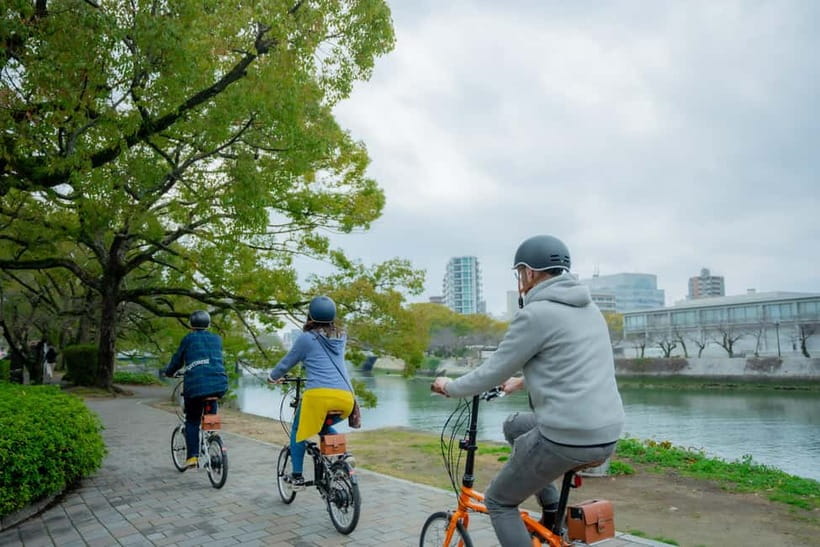
Hiroshima’s atomic-bomb story reaches far beyond the Atomic Bomb Dome. This small-group electric-bike tour connects the famous Peace Park with surviving streetcars, trees, bridges, hospitals, parks, and ordinary streets that show how widely the blast affected the city.
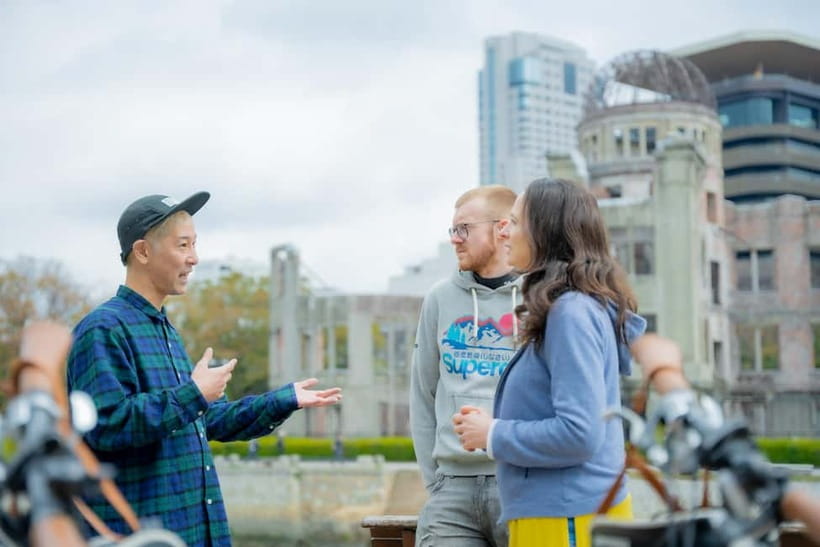
I like two things here. First, you cover more ground than on foot without needing to be a strong cyclist. Second, local guides such as Shin, Kana, Moe, and Bella add family stories and personal context to the history. The main consideration is that the subject is painful, and the tour is shared with up to nine other people, so the pace may slow if some riders are inexperienced.
Key points at a glance
- Personal Hiroshima stories: Guides may share family connections to the bombing and its aftermath.
- Easy electric bicycles: The route covers small distances, making the ride manageable for many casual cyclists.
- Beyond Peace Park: See A-bomb sites in ordinary neighborhoods, including a surviving streetcar and weeping willow.
- Two route lengths: Choose a two-hour outing or a three-hour route with more stops.
- Useful for a short visit: The tour gathers Hiroshima’s main memorial area into one well-organized ride.
- Small English-speaking group: The maximum group size is 10, including the guide.
Why cycling gives Hiroshima a clearer shape
Hiroshima is often visited as a single solemn stop: walk through the Peace Memorial Park, see the Atomic Bomb Dome, visit the museum, and move on. That approach covers the essential sights, but it can leave you with an incomplete picture of the city.
The bombing did not affect only one building or one riverside park. The area within roughly 2.5 kilometers of the hypocenter suffered severe destruction. This tour helps you see that scale by moving through several parts of central Hiroshima and nearby neighborhoods.
I like the bicycle format because it links places that can feel scattered on foot. You can leave the most visited monuments, follow the streets toward less touristic areas, and still return to the central meeting point within a few hours. The electric assistance matters, especially in warm weather or when your group includes children.
The ride is not presented as a race or a fitness challenge. Guides adjust the pace when members of the group are not used to cycling. The route also covers relatively short distances, according to the practical experience of past participants, so the electric bicycles do much of the work.
You should still be comfortable riding a bicycle in town. The tour includes streets, crossings, and group riding. High-heeled shoes are not allowed, and comfortable clothing, shoes, drinks, and a towel are sensible choices.
Other cycling tours in Hiroshima people book:
- Hiroshima 2hr Peace Cycling Tour with Local Guide
★ 5.0 · 321 reviews - Hiroshima 3hr Peace Cycling Tour with Local Guide
★ 5.0 · 131 reviews - Hiroshima: Best of Hiroshima Guided Bike Tour
★ 4.9 · 89 reviews
Meeting at the Peace Park Rest House
The meeting point is the Rest House in Hiroshima Peace Memorial Park. From Hiroshima Station, take a Hiroshima Electric Railway tram to Atomic Bomb Dome Station. The ride takes about 20 minutes, followed by a walk of about five minutes.
This is a useful meeting place because you begin close to the heart of Hiroshima’s memorial district. You will not waste the first part of the tour finding an out-of-the-way rental shop or trying to navigate an unfamiliar neighborhood.
Arrive on time. If you are late without contacting the operator, the tour can be cancelled and the same-day fee is non-refundable. That rule is worth taking seriously because the group cannot wait indefinitely once the bicycles are prepared.
The activity is offered in English, with departures generally scheduled in the morning and afternoon. The two-hour version begins at 11:00 or 15:00, while the three-hour route begins at 10:00 or 14:00. The timetable can change on the day.
The two-hour route: a focused introduction
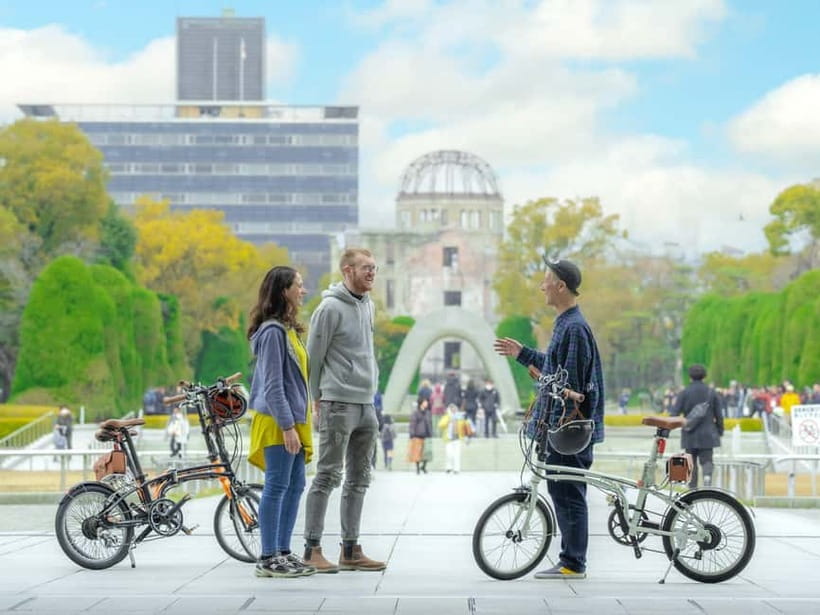
The shorter course begins with an explanation of Peace Memorial Park, its monuments, and the Atomic Bomb Dome. This opening gives you the basic framework for understanding the city’s memorial message and the events of August 6, 1945.
The Atomic Bomb Dome is the image most closely associated with Hiroshima. Seeing it from a bicycle route rather than only as a quick photo stop gives your guide room to explain its place in the park and in local memory.
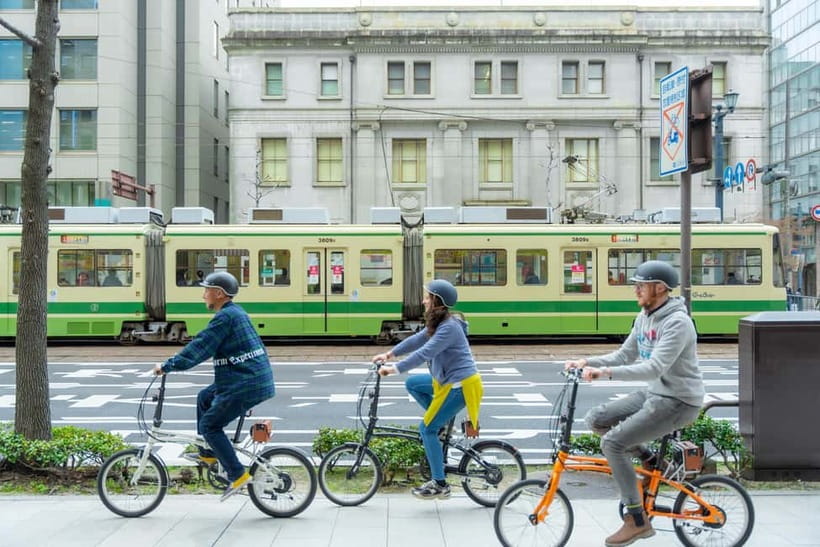
The tour then moves toward the city beyond the most visited part of the park. One especially interesting subject is the A-bombed streetcar, a tram that survived the bombing and still runs today. It is a small but powerful reminder that Hiroshima’s past is not sealed inside a museum. It remains part of daily life.
The route continues through ordinary city streets and toward additional A-bomb heritage sites. This is where the tour earns its price. You are not only looking at memorial architecture. You are seeing how the city rebuilt itself, with green spaces, working roads, public transport, and neighborhoods replacing the destroyed city.
The two-hour outing finishes back at the meeting point. It is a good choice if you have limited time, want a guided introduction before visiting the Peace Memorial Museum, or prefer to keep room in your day for Miyajima or other Hiroshima sights.
The limitation is simple: two hours can only provide an overview. You will see important locations, but the three-hour route gives the history more room to unfold.
The three-hour route: from castle grounds to Peace Boulevard
The longer course adds a broad loop through central Hiroshima. It begins at Hiroshima Castle, then continues to Hiroshima Gokoku Shrine and its shrine gate.
These opening stops help show Hiroshima before the atomic bombing, rather than presenting the city only through its destruction. Hiroshima Castle and the shrine area also provide a change of setting before the tour enters the main memorial district.
From there, the route passes through Hiroshima Central Park and crosses toward Aioi Bridge. Aioi Bridge is especially important because of its location near the intended target area of the bombing. It leads naturally to the Atomic Bomb Dome and the riverfront memorial zone.
The next section follows the Motoyasu River and Peace Bridge. Water, bridges, and open public space shape much of central Hiroshima, so cycling makes the city’s layout easier to understand than a series of disconnected taxi rides or museum rooms.
At Higashisenda Park, the ride begins to show the extent of the affected area beyond the Atomic Bomb Dome. The route then reaches Hiroshima Red Cross Hospital, another significant A-bomb heritage site. Your guide explains what happened there and how the hospital connects to the events of that day.
The itinerary continues to Hiroshima Railway, where you can learn more about the city’s surviving tram network. The transport system is not merely a convenience for modern Hiroshima. It also forms part of the city’s memory of the bombing and recovery.
The route then heads toward Miyuki Bridge and the Kobayashi River. These stops help place the bombing in a wider geographic setting, showing that its effects reached well beyond the small area most foreign visitors see.
A surviving weeping willow tree is one of the more unexpected stops. It offers a different kind of memorial from a monument or museum display. A living tree can make the passage of time easier to grasp, particularly when the guide explains how Hiroshima gradually returned to life.
The ride finishes along Peace Boulevard before returning to the meeting point. The boulevard gives you a final look at the city’s green, rebuilt center and its continuing focus on peace.
The three-hour route is the better choice if you want a fuller account and do not mind giving a large part of the morning or afternoon to one subject. It is also the stronger option for anyone who has only one day in Hiroshima and wants to see the historic center efficiently.
Other long days west of Hiroshima:
- Peaceful Hiroshima & Miyajima UNESCO 1 Day Bus Tour
★ 5.0 · 5,309 reviews - Hiroshima: Hiroshima and Miyajima UNESCO Sites 1-Day Tour
★ 4.9 · 2,330 reviews - Hiroshima / Miyajima Full-day Private Tour with Government Licensed Guide
★ 5.0 · 1,298 reviews - Hiroshima Historical Walking Tour – Why A-Bomb was Dropped
★ 4.8 · 893 reviews
The guides are the heart of the experience
The route matters, but the guide shapes the emotional weight of this activity. Several guides have been praised for combining clear historical explanation with personal stories passed down through their families.
Shin is repeatedly described as energetic, warm, and easy to listen to. He has shared family connections to the bombing and explained how memories passed from grandparents to parents and then to his own generation. That kind of account does not replace the museum’s historical evidence, but it can help you understand how the bombing remains part of family memory in Hiroshima.
Kana has also been praised for her mix of detail, humor, care, and hope. Moe has shared family stories while explaining the city before and after the bombing. Bella, also identified as Kana in some bookings, has been particularly attentive to comfort in hot weather, carrying wet towels, salt candies, wipes, and cooling items for the group.
You should not assume that you will receive a particular guide. Staff assignments can change. Still, the consistent strength of the experience is the local perspective. Guides grew up in Hiroshima or have close family connections to the city, and they can point out places that are easy to pass without noticing.
The best guides also keep the tone balanced. Hiroshima’s story cannot be made light, but the tour is not designed to leave you only with shock. Guides connect destruction with survival, reconstruction, and the city’s continuing message of peace.
What the electric bicycles are really like
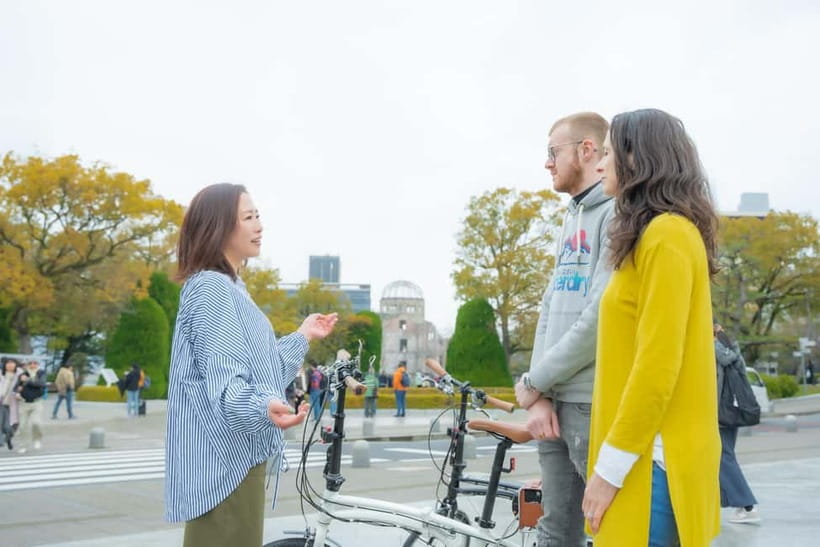
The bicycles are electric, and the activity includes rental bikes plus bicycle accident insurance. The motor assistance makes the ride accessible to people who are not regular cyclists, though you still need to know how to ride and handle a bicycle in town.
Adult electric bicycles are intended for people at least 145 centimeters tall. Children between 110 and 145 centimeters may use one of the limited children’s cross bikes, and children under 15 can receive the child rate on either a children’s or adult bicycle.
Infant seats are available for children under 22 kilograms and under 115 centimeters, but they are limited. Contact the operator before booking if you need one. Children aged one and older can be reserved for the tour, with infants riding free when using the appropriate seat.
One practical point came up for taller riders: the bicycles have a small frame, and a rider around 6 feet 1 inch found the fit worth noting. If you are tall, ask about bicycle sizing before you commit.
The guides keep the ride comfortable, but the group format affects the pace. If one participant, especially a child, is not confident on a bicycle, the whole group may travel more slowly. I see that as a reasonable tradeoff for a small shared activity, but couples seeking a fast private ride should look elsewhere.
How the price compares with a standard walking tour
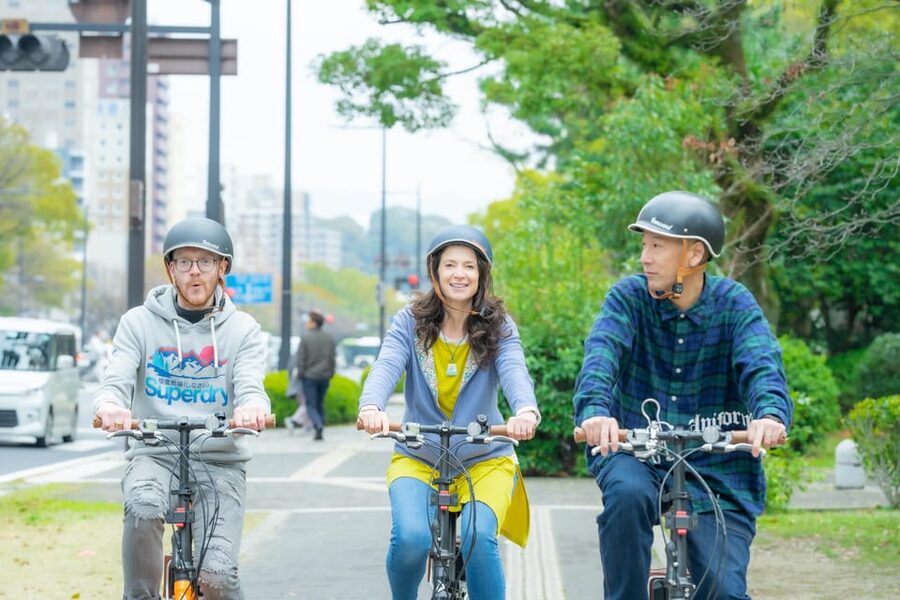
At $52 per person, this is not the cheapest way to see Peace Memorial Park. You can walk through the central memorial area on your own for little cost, then pay separately for museums and transport.
The price becomes easier to justify when you consider what it combines: a rental electric bicycle, an English-speaking guide, bicycle accident insurance, and two or three hours of structured sightseeing. You also reach sites outside the main park that you might skip on foot.
The strongest value comes from the three-hour course. It includes more stops, more local streets, and a clearer sense of how the bombing affected the wider city. The two-hour version is better value for a tight schedule because it gives you a compact introduction without taking over your day.
Photos taken during the activity are provided as data afterward. That is a nice practical touch, especially because the subject matter makes it natural to spend less time taking your own pictures.
Food and drinks are not included. Bring water, particularly in summer, and consider carrying a small snack if you book the longer route. The guides have helped participants manage heat, but you should not rely on staff supplies instead of preparing yourself.
Who should book this Hiroshima bike tour
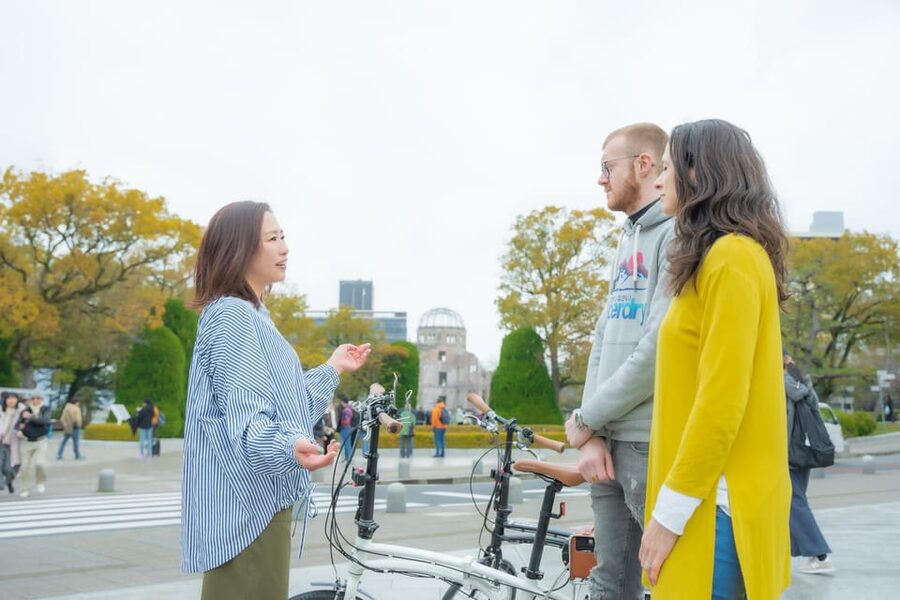
I would recommend this activity to you if you want more than the standard Peace Park circuit. It suits solo visitors, couples, families with older children, and anyone with only one full day in Hiroshima.
Families may find it especially useful because the bicycle ride gives children something active to do while the guide explains difficult history in manageable sections. An 11-year-old participant found the cycling a highlight, and the electric assistance means the activity is not aimed only at sporty adults.
It is also a good match for visitors who prefer stories and conversation to reading every museum panel. The guide can answer questions as you go and explain why a bridge, tree, hospital, or tram matters.
You should reconsider if you cannot ride a bicycle, are under 145 centimeters without an available child option, or dislike shared group activities. The topic is emotionally heavy, too. Although the guides emphasize hope and recovery, this is still a tour about mass destruction and human suffering.
For serious history enthusiasts, I would use the cycling tour as a complement to the Peace Memorial Museum, not a substitute. The ride gives you place, scale, and local memory. The museum supplies a different level of documentation and detail.
Practical booking advice before you go
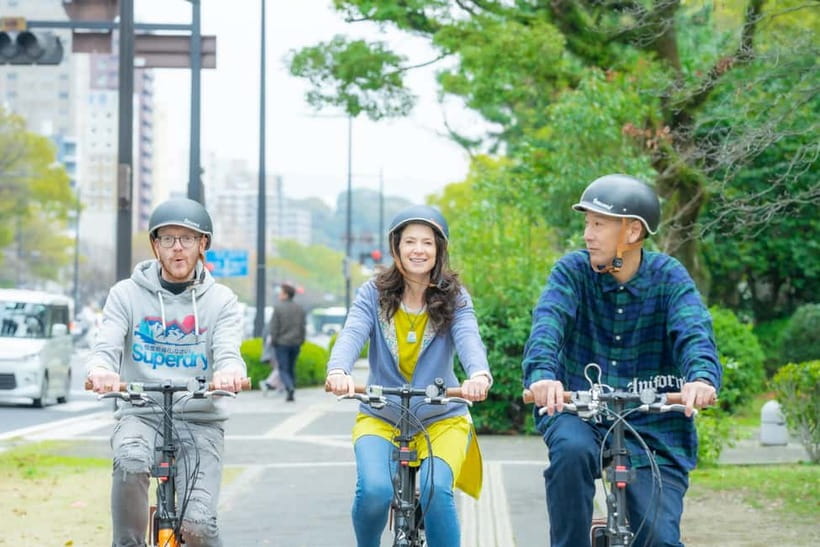
Book the three-hour route if this is your main Hiroshima activity. Choose the two-hour route if you plan to spend substantial time inside the museum or need to fit the tour between trains and other visits.
Wear shoes you can pedal in and clothes that allow easy movement. Bring water, a towel, and sun protection. Hiroshima can be hot, and cycling between stops can feel more demanding than the short distances suggest.
Keep your schedule flexible after the activity. The exact timetable may shift, and a moving subject often deserves more quiet time afterward than you expect.
Cancellation is free up to 24 hours before departure, and you can reserve now and pay later. Those policies help if your Japan route is still changing, but they do not cover arriving late without notice.
Should you book it?
Book this tour if you want to understand Hiroshima as a living city, not only as a memorial site. The bicycles connect the famous monuments with ordinary streets, surviving transport, trees, bridges, and hospitals, while local guides add family memories that books cannot provide.
I would choose the three-hour option for the best overall value and the two-hour option for a compact introduction. Skip it only if you cannot cycle, need a private pace, or prefer to explore the memorial district entirely on foot and at your own speed.
FAQ
Where does the Hiroshima Peace Cycling Tour meet?
The tour meets at the Rest House in Hiroshima Peace Memorial Park. From Hiroshima Station, take the Hiroshima Electric Railway tram to Atomic Bomb Dome Station, then walk about five minutes.
How long does the activity last?
You can choose a two-hour or three-hour course. The two-hour departures are generally at 11:00 and 15:00, while the three-hour departures are generally at 10:00 and 14:00. The timetable can change on the day.
Is the tour conducted in English?
Yes. The tour includes a live English-speaking guide.
What is included in the price?
The price includes bicycle rental, an English-speaking guide, and insurance for bicycle accidents. Food and drinks are not included.
Do I need to be an experienced cyclist?
You do not need to be highly fit, since the bicycles are electric and the route covers relatively short distances. You must be able to ride a bicycle, and the group may travel more slowly when participants are not accustomed to cycling.
Can children join the tour?
Yes. Reservations are available for children aged one and older. Adult electric bicycles are for riders at least 145 centimeters tall. Limited children’s bicycles and child seats are available, so contact the operator before booking if you need one.
What should I bring?
Bring comfortable shoes, comfortable clothing, drinks, and a towel. High-heeled shoes are not allowed. You should also arrive on time, since arriving late without notice can result in cancellation without a refund.
More cycling tours elsewhere in Japan
- Bike Tour Exploring North Kyoto plus Lunch
★ 5.0 · 1,087 reviews - Tokyo Great Cycling Tour
★ 5.0 · 811 reviews - Tokyo Top Highlights 3h Guided E-bike Tour
★ 5.0 · 714 reviews - 3h Tokyo E-Bike Tour: Hidden Gems, and Local Life with guide
★ 5.0 · 670 reviews
Just added in Hiroshima
- Day Trip to Hiroshima & Miyajima with Itsukushima Shrine★ 4.6 · 124 reviews
- Hiroshima: Best of Hiroshima Guided Bike Tour★ 4.9 · 89 reviews
- Hiroshima & Miyajima 6.5h Guided Tour – Dome, Park & Shrine★ 4.9 · 83 reviews
- Hiroshima 3hr Peace Cycling Tour with Local Guide★ 5.0 · 131 reviews
- Hiroshima: Food and Culture Guided Walking Tour with Dinner★ 4.9 · 212 reviews
- Hiroshima Local guided Hiking Tour&Open-air Tea Ceremony★ 5.0 · 213 reviews
- Hiroshima & Miyajima: Full-Day Private Tour & Licensed Guide★ 4.8 · 252 reviews
- Hiroshima: History of Hiroshima Group Walking Tour★ 4.8 · 266 reviews
Hiroshima & Miyajima Day Trips, compared.
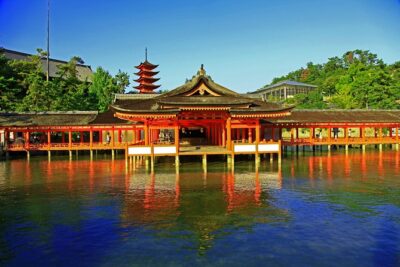
Peaceful Hiroshima & Miyajima UNESCO 1 Day Bus Tour
Read our review →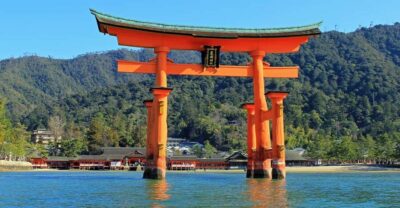
Hiroshima and Miyajima UNESCO Sites 1-Day Tour
Read our review →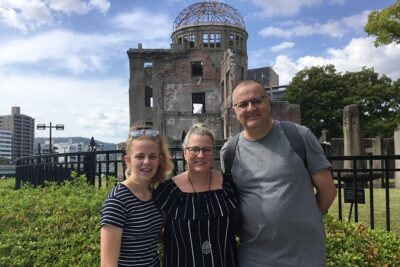
Hiroshima / Miyajima Full-day Private Tour with Government Licensed Guide
Read our review →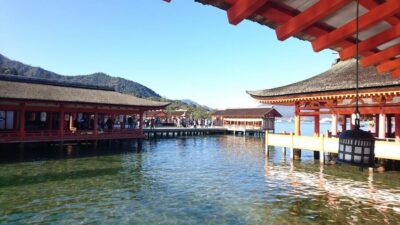
Osaka/Kyoto: Hiroshima Miyajima Bus Tour & Shinkansen Ticket
Read our review →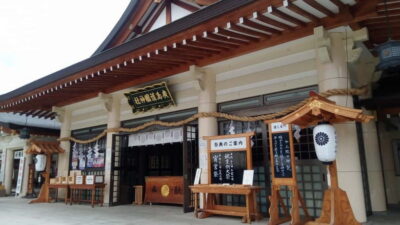
Hiroshima Historical Walking Tour – Why A-Bomb was Dropped
Read our review →
Hiroshima Peace (Heiwa) Walking Tour at World Heritage Sites
Read our review →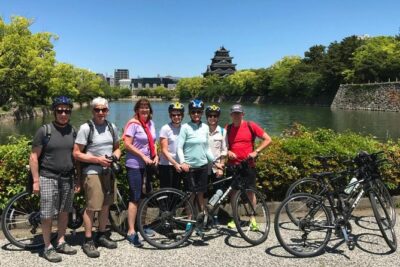
Hiroshima in a Nutshell: Morning Bike Adventure
Read our review →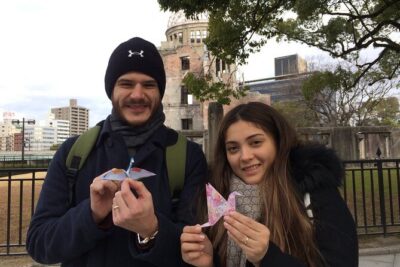
Hiroshima City 4hr Private Walking Tour with Licensed Guide
Read our review →Browse the lists this tour appears in