
Reviewed · HIROSHIMA & MIYAJIMA DAY TRIPS
Hiroshima Saijo Sake Tasting Tour with visit to 7 Breweries
Saijo’s sake district packs a lot into a short walk. In about two hours, you visit seven breweries and taste eight different sakes, including Daiginjo, Junmai, unfiltered sake, and cloudy Nigori. This is a tasting tour, not a brewery production tour, so expect samples and explanation rather than a look at active brewing.
I like the small group size, capped at 10 people, and the clear range of styles. I also like the relaxed walking route, which covers roughly 1.5 kilometers and gives you a useful introduction to Saijo’s brewing identity. The main drawback is the tight schedule: you have only about 10 to 15 minutes at most breweries, and the order of visits can change.
Ione is one guide named in the tour feedback, and the strongest praise goes to the guides’ friendly teaching and clear explanations. Arrive early, wear comfortable shoes, and keep in mind that arriving more than 15 minutes late counts as a cancellation without a refund.
Key points to know before you book
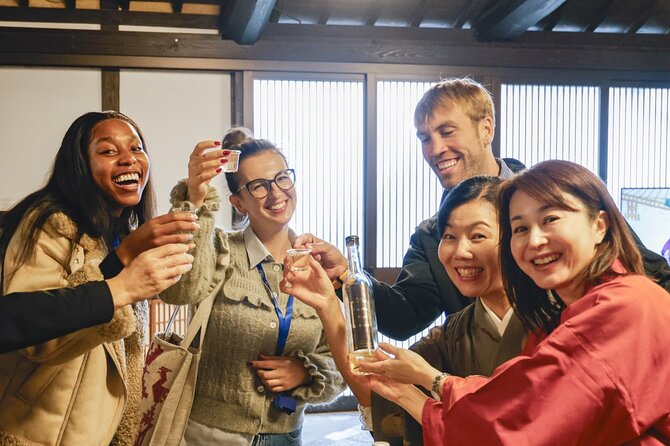
- Eight sake samples: Taste eight different types from seven Saijo breweries, including Daiginjo, Junmai, Junmai Daiginjo, Nigori, and unfiltered sake.
- A compact walking route: The tour covers about 1.5 kilometers around Saijo Station, with brewery visits generally lasting 10 to 20 minutes.
- Seven distinct producers: Stops include Kamotsuru, Fukubijin, Kamoizumi, Kirei, Saijotsuru, Hakubotan, and Sanyotsuru.
- English guidance: An English-speaking guide explains sake styles, brewing traditions, and proper ways to drink sake.
- Small group format: The maximum group size is 10 people, giving the guide room to answer questions.
- Good value for curious drinkers: At $50.87 per person, the price covers eight alcoholic samples and a two-hour guided introduction to Saijo’s sake district.
Why Saijo is a good place to learn sake
Saijo is one of Japan’s three major sake brewing areas, and the route gives you a practical sense of how many breweries can share one compact town center. Instead of visiting one large facility and moving on, you compare several local producers within walking distance of one another.
That comparison is the real point. Sake can taste dry, fragrant, full-bodied, sweet, cloudy, clean, or surprisingly smooth. A single tasting can blur those differences. Eight samples from seven breweries give you enough range to notice how rice, brewing methods, filtration, and alcohol strength affect the glass.
You meet at the Higashi Hiroshima City Information Centre, in front of the Tourist Information Center at Saijo Station. It is outside the ticket gate, so you do not need to search through the station after arriving. The tour begins at 1:00 pm and returns to the same meeting point.
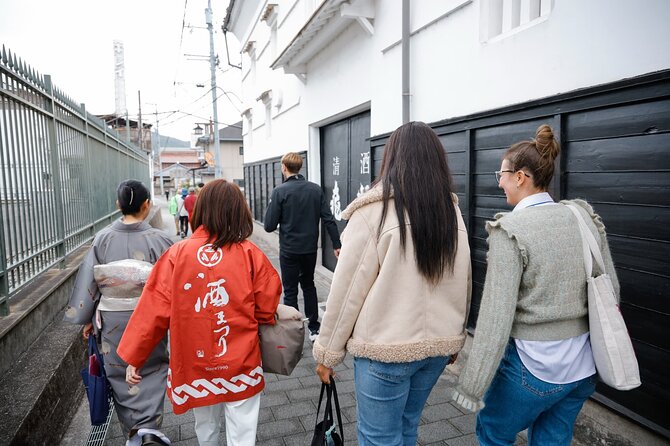
The route is about 1.5 kilometers, but you will be standing and walking while tasting alcohol. I would choose comfortable shoes and avoid treating this as a quick stop between trains. The pace is easy, yet the number of tastings means you should plan your afternoon around the tour.
Other long days west of Hiroshima:
- Peaceful Hiroshima & Miyajima UNESCO 1 Day Bus Tour
★ 5.0 · 5,309 reviews - Hiroshima: Hiroshima and Miyajima UNESCO Sites 1-Day Tour
★ 4.9 · 2,330 reviews - Hiroshima / Miyajima Full-day Private Tour with Government Licensed Guide
★ 5.0 · 1,298 reviews
Kamotsuru begins with a classic Daiginjo
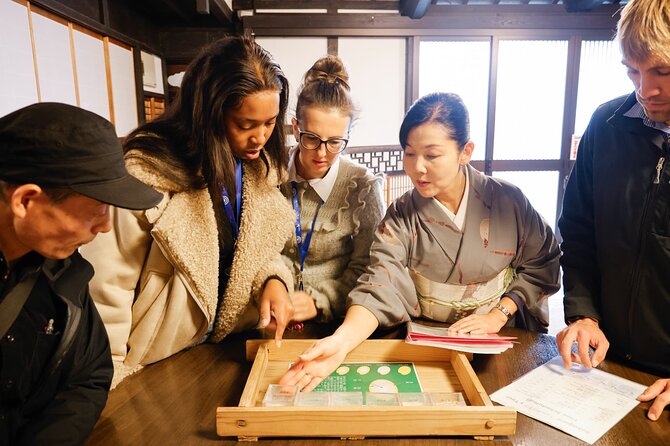
The first brewery is Kamotsuru, known here as a pioneer in Ginjo sake brewing. You watch a roughly 10-minute video about sake production in the visitor room, then taste Daiginjo Gold Kamotsuru.
Daiginjo is a useful style to start with because it introduces sake’s more fragrant, polished side. The video also gives you a basic framework before the later tastings. You will not watch brewing in person, but the film helps explain the work behind the drink.
The stop lasts about 20 minutes, making it one of the longer brewery visits. That extra time matters at the beginning, when you are still learning the vocabulary and figuring out what to notice in each sample.
Fukubijin shows the everyday side of sake
At Fukubijin, you taste Junmai-shu. This brewery was once called the Saijo Brewing School and is linked with the training of many master brewers, which gives the stop a strong connection to local brewing education.
Junmai is made using rice and koji mold without added distilled alcohol. You do not need to memorize the technical definition, but tasting it after Daiginjo helps you notice a different balance and texture.
During winter, this stop may include warm sake. That seasonal detail is a nice touch because temperature can change how sake smells and tastes. The visit lasts about 10 minutes, so listen closely and ask your questions before the group moves on.
Kamoizumi focuses on pure rice brewing
Kamoizumi was one of the early Japanese breweries to make Junmai-shu using only rice and koji mold as ingredients. Here, the featured sample is Junmai Ginjoshu Shusen Honjikomi.
This is one of the more useful stops for understanding the difference between broad sake categories. You have already tried a Daiginjo and a Junmai, and now you can compare another expression of rice-focused brewing. The guide can help connect the labels to what you are tasting instead of leaving you with a list of unfamiliar terms.
The stop lasts about 15 minutes. That is enough time for a focused explanation, but not enough for a long brewery lecture. This tour works best if you come ready to taste first and ask targeted questions as you go.
Other tasting rooms and breweries in Hiroshima:
- Hiroshima: Saijo Sake Tasting at 7 Breweries Guided Tour
★ 4.8 · 29 reviews - Kyoto Night Foodie Tour in Gion (9+ dishes + 6 Sake tastings)
★ 5.0 · 1,762 reviews - 1-Day Snow Monkeys, Zenko-ji Temple & Sake in Nagano
★ 5.0 · 1,020 reviews - 3-Hour Kyoto Insider Sake Brewery Tour with Tastings & Pairings
★ 5.0 · 917 reviews
A short break at Sakagura-dori
The Saijo Sakaguradori Tourist Information Center provides a sensible pause in the middle of the route. You can use the restroom, pick up information about Sakagura-dori Street, and browse souvenirs.
This stop is practical rather than centered on tasting. After several samples, a break helps you reset your palate and your attention. The center may also be useful if you want ideas for exploring Saijo after the tour.
One advantage of ending at the same station area is flexibility. You can continue around Saijo after the two-hour walk, return to Hiroshima, or stay nearby for a meal. The tour itself does not include food, though one tour experience included time to get a local lunch at the information center.
Kirei brings a drier style
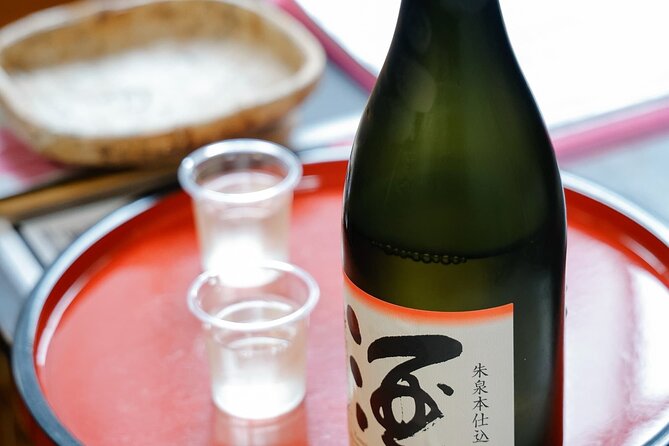
Kirei Shuzo is described as drier than other Saijo sake. The featured drink is Yoshidaya’s Sake, a limited blend made with sake ready to drink that month.
This is the kind of stop that makes a multi-brewery tour worthwhile. If every sample had a similar profile, seven breweries would be excessive. A drier sake gives your palate a clear contrast with the more fragrant or rounded styles tasted earlier.
Because the featured blend changes with the month, this is also one of the more time-specific tastings. The tour offers a snapshot of what the brewery considers ready to drink during your visit, rather than one fixed bottle year-round.
Saijotsuru offers an award-winning junmai daiginjo
Saijotsuru uses traditional techniques passed down through generations of Hiroshima brewers. The sample here is Junmai Daiginjo Genshu Shinzui, a sake that has received repeated awards.
Genshu generally refers to sake that has not been diluted with water after brewing, though the guide is the right person to explain the exact character of this particular sample. The key point for you is that this stop adds another refined style to the tasting sequence, while also showing how local methods remain part of the brewery’s identity.
The visit is about 10 minutes. This is a good moment to ask how the sake differs from the Daiginjo tasted at Kamotsuru. Even if you are new to sake, comparing two related styles while their flavors are fresh is more useful than trying to remember them later.
Hakubotan adds an unusual frozen, unfiltered sample
Hakubotan is one of Hiroshima Prefecture’s oldest sake breweries, founded in 1675. You taste Hyoka, described as unfiltered sake that has been fresh-frozen in a special way.
This is likely to be one of the tour’s most unusual samples. Unfiltered sake can have a different appearance and texture from clear sake, and the freezing method adds another point of interest. The guide can explain how this product differs from standard filtered bottles.
The stop lasts about 15 minutes. It is not just another tasting in a row, because the brewery’s age and the special serving method give you a different story to remember. Hakubotan also helps connect Saijo’s present-day tasting culture with a brewery tradition reaching back centuries.
Sanyotsuru finishes with cloudy sake
Sanyotsuru is the only brewery on this route located west of Saijo Station. Here, you can taste cloudy sake and browse sake ware for sale.
Cloudy sake is commonly associated with Nigori, a style that retains some rice solids after filtration. It can look quite different from the clear Daiginjo served earlier, making it a fitting final sample. If you have found the polished styles too delicate, the cloudy pour may give you a more direct and textured finish.
The visit takes about 15 minutes. Since this brewery is west of the station, it also helps complete the walking circuit rather than sending you back and forth along the same short stretch.
What $50.87 gets you
The price is $50.87 per person. That includes eight alcoholic sake samples and an English-speaking guide, but not services beyond those listed.
I consider the price fair if you want structured comparison. You are not paying simply for a drink at one brewery. You are paying for access to seven producers, a guide who explains the differences, and a route that would be harder to organize efficiently on your own in a short afternoon.
The value is strongest for first-time sake drinkers and for people who want a broad sample rather than a long technical lecture. If you already know Saijo well and only want to buy one favorite bottle, the tour may feel less efficient. If you want to understand why one sake is dry, another cloudy, and another fragrant, the eight-sample format makes more sense.
The admission price does not change if you choose not to drink alcohol. That is important for anyone considering the tour with a non-drinking companion. The experience is built around tasting, so a non-drinker may receive less value even though the walking and cultural information still remain.
How the group size and timing affect the experience
The maximum group size is 10 people. That is small enough for a more personal walk, while still large enough that you should not expect a private tasting. A smaller group also helps when the guide is explaining a label or answering questions at a crowded counter.
The tour lasts about two hours and the brewery stops are short. Kamotsuru receives about 20 minutes, Kamoizumi and Hakubotan about 15 minutes, and several others about 10 minutes. The order can change depending on the number of groups visiting that day, so use the published sequence as a guide rather than a promise.
Arrive well before 1:00 pm. More than 15 minutes late is treated as a cancellation, with no refund. Free cancellation is available if you cancel at least 24 hours before the start time, but changes or cancellations inside that window are not accepted.
Bad weather can also affect the event. If the tour is suddenly canceled, the provider says it will contact you by email by 5:00 pm the day before. Policies and cut-off times use local Japan time.
Who should book this Saijo tasting walk
I would choose this tour if you want an easy introduction to sake without spending a full day in a classroom. It suits couples, solo visitors, small groups of friends, and anyone already planning a stop in Hiroshima who wants a local food and drink experience beyond the city center.
It is especially useful for people who do not know the difference between Junmai, Daiginjo, Nigori, and other labels. Eight samples give you something concrete to compare, and the guide can explain how sake is served and how to drink it with more confidence.
The tour is also a good match for visitors who prefer a gentle walking route. You need a moderate level of physical fitness, but the distance is only about 1.5 kilometers. Wear walking shoes, since you will be moving between breweries and standing during tastings.
I would hesitate if you want to see rice being polished, fermentation in progress, or active brewing equipment. This is a tasting tour only. You watch a short sake-making video at Kamotsuru, but you do not observe the brewing process itself.
Spanish-speaking guides may be arranged if requested in advance. The tour provider does not accept responsibility for injuries or theft during the activity, so use normal care with bags, phones, and alcohol consumption.
Should you book the seven-brewery tour?
Book it if you want a clear, compact introduction to Saijo’s sake culture and value variety over a long visit at one brewery. The strongest reasons are the seven stops, eight contrasting samples, small group size, and the guide’s practical explanations. The relaxed pace and short walking distance also make it easy to fit into a Hiroshima itinerary.
Skip it if you do not drink alcohol, need a private experience, or specifically want to watch sake being made. For everyone else, $50.87 is a reasonable price for a focused afternoon that turns Saijo’s brewery district into an easy-to-understand tasting lesson. Just arrive early, wear comfortable shoes, and leave room afterward for a meal or more exploring around Saijo Station.
FAQ
Where does the sake tour begin?
The tour begins at the Higashi Hiroshima City Information Centre, in front of the Tourist Information Center outside the ticket gate at Saijo Station.
What time does the tour start?
The tour starts at 1:00 pm.
How long does the tour last?
The tour lasts approximately two hours.
How many breweries will I visit?
You will visit seven breweries: Kamotsuru, Fukubijin, Kamoizumi, Kirei, Saijotsuru, Hakubotan, and Sanyotsuru.
How many types of sake are included?
Eight different types of sake are included in the tasting.
Is the tour conducted in English?
Yes. An English-speaking guide is included. Spanish-speaking guides may also be arranged if requested in advance.
Can I cancel for a full refund?
Yes, if you cancel at least 24 hours before the experience start time. Cancellations or changes made less than 24 hours before the start time are not accepted and are not refunded.
Just added in Hiroshima
- Iya Valley BROMPTON Slow Cycling Tour★ 5.0 · 28 reviews
- Iya Valley All Must-Sees Private Chauffeur Full-day Tour with a Driver★ 5.0 · 20 reviews
- Shore Excursion from Hiroshima Port : Private Tour in Hiroshima★ 5.0 · 17 reviews
- Hiroshima & Miyajima All-Inclusive Tour w/Licensed guide Pancho★ 5.0 · 54 reviews
- Okunoshima Rabbit Island Cycling Tour with Local Guide★ 4.5 · 17 reviews
- The Peace Memorial to Miyajima : Icons of Peace and Beauty★ 4.5 · 31 reviews
- Private Full Day Hiroshima Tour★ 4.5 · 29 reviews
- Hiroshima Private Tour with a Local – Highlights & Hidden Gems★ 4.5 · 24 reviews
Hiroshima & Miyajima Day Trips, compared.
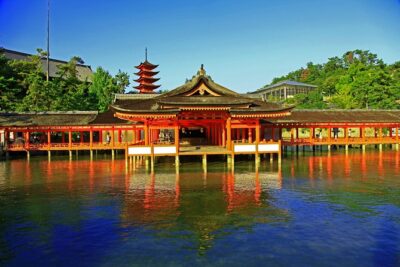
Peaceful Hiroshima & Miyajima UNESCO 1 Day Bus Tour
Read our review →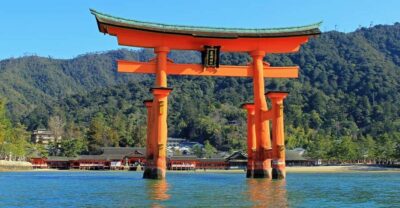
Hiroshima and Miyajima UNESCO Sites 1-Day Tour
Read our review →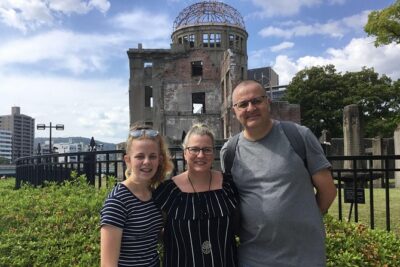
Hiroshima / Miyajima Full-day Private Tour with Government Licensed Guide
Read our review →
Osaka/Kyoto: Hiroshima Miyajima Bus Tour & Shinkansen Ticket
Read our review →
Hiroshima Historical Walking Tour – Why A-Bomb was Dropped
Read our review →
Hiroshima Peace (Heiwa) Walking Tour at World Heritage Sites
Read our review →
Hiroshima in a Nutshell: Morning Bike Adventure
Read our review →
Hiroshima City 4hr Private Walking Tour with Licensed Guide
Read our review →Browse the lists this tour appears in