
Reviewed · SAKE TASTING
Kobe: Guided Sake Breweries Tour with Tastings
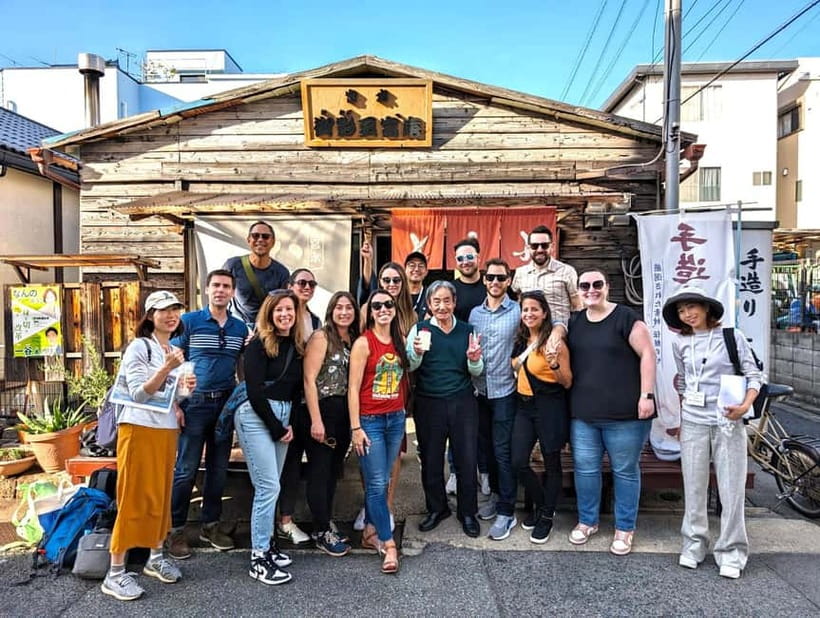
Kobe’s Nada district turns sake tasting into a proper neighborhood walk. You move between historic breweries, a small tofu shop, and museum-like brewing halls while learning why this part of Kobe has been Japan’s leading sake-producing area. I like the mix of serious brewing knowledge and easygoing humor, especially from guides such as Hiro, Romi, Aya, and Hiroman. I also like that the tour includes fresh tofu, not just alcohol.
The main thing to consider is the walking. You cover about 4 kilometers over three and a half hours, mostly on foot, and by the final tasting you may feel the sake. Eat before you arrive, wear comfortable shoes, and remember that this is not a quick tasting-room stop.
Key points to know before booking
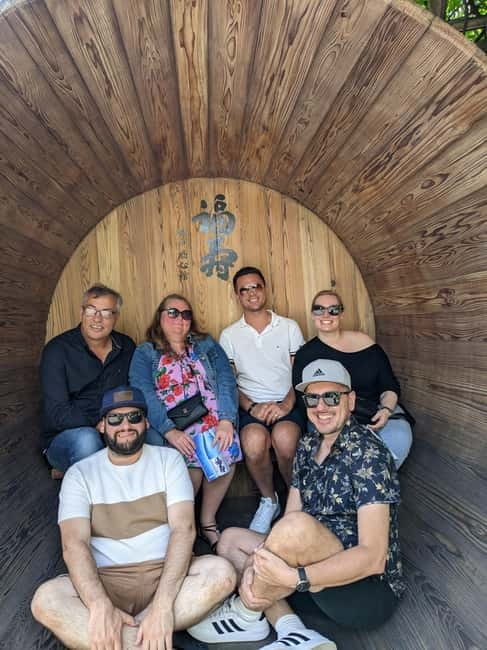
- Nada gives you several sides of sake: Compare small-scale, traditional production with the work of Japan’s largest sake brewery.
- The tour usually visits three or four locations: The exact breweries can change because of closing days or weather.
- Fresh tofu adds a local food stop: Okage Tofu-an makes tofu each morning, with ganmodoki sometimes available straight from the kitchen.
- The guides are a major part of the experience: Hiro, Romi, Aya, Aki, Fuma, and Hiroman have all led tours, with strong English and plenty of personality.
- You walk about 4 kilometers: Ishiyagawa Station is the starting point, and the tour finishes at Uozaki Station around 16:30.
- This is an adults-only tasting: You must be at least 20, and the activity is not suitable during pregnancy.
Why Kobe’s Nada district is the right place for a sake tour
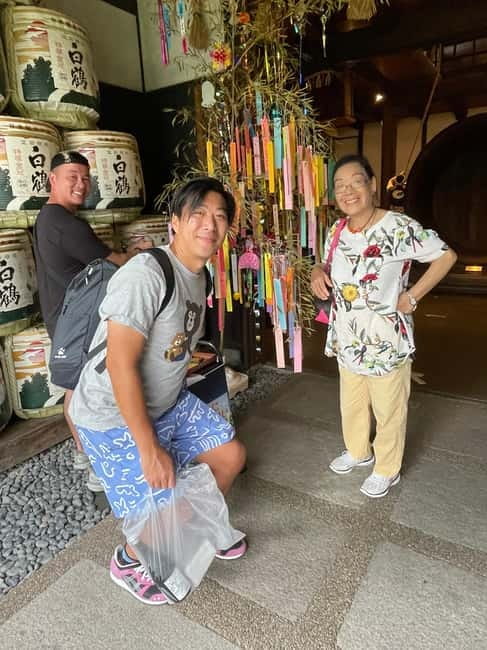
Nada is not simply a collection of tasting rooms. It is one of Japan’s most important sake-making areas, with more than 26 breweries in the district. The local water, long brewing tradition, and concentration of producers make it a useful place to compare different approaches in one afternoon.
I like this setting because you are not parked at a single bar sampling anonymous pours. You walk through the district and see how sake fits into the local economy and daily life. The breweries range from long-established family operations to major commercial producers, so you get a clearer sense of the scale and variety of the industry.
The tour costs $106 per person, which is not a bargain-basement tasting. Still, the fee covers a guide, several brewery visits, sake samples, snacks, and the tofu stop. You are paying for interpretation as much as for the drinks. If you want only a few samples, you can spend less on your own. If you want the brewing process explained in English and prefer not to plan the route, the price is easier to justify.
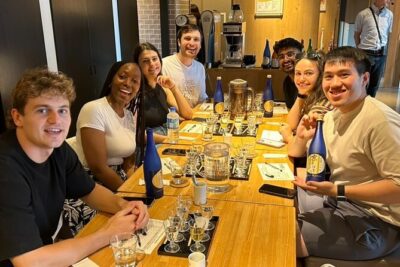
The group is limited to 10 people. That matters here. Brewery museums can be easy to visit independently, but the guide helps you notice the differences between production methods, labels, styles, and local customs. A small group also makes questions practical instead of turning the afternoon into a lecture from the back of a crowd.
Other tasting rooms and breweries in Japan:
- Kyoto Night Foodie Tour in Gion (9+ dishes + 6 Sake tastings)
★ 5.0 · 1,762 reviews - 1-Day Snow Monkeys, Zenko-ji Temple & Sake in Nagano
★ 5.0 · 1,020 reviews - 3-Hour Kyoto Insider Sake Brewery Tour with Tastings & Pairings
★ 5.0 · 917 reviews
Starting at Ishiyagawa Station at 13:00
Meet at Ishiyagawa Station on the Hanshin Line at 13:00. Look for staff wearing a name tag with the KampaiSakeTours logo. From the station, the first walk takes about 20 minutes.
This opening walk helps set the rhythm of the afternoon, but it is also a useful warning. You are not stepping straight off a train into a tasting room. Bring comfortable shoes and plan to stay on your feet. The tour finishes at Uozaki Station, so you do not return to the starting point.
Eat something before joining. The tour includes snacks and tofu, but it is not presented as a full lunch. Starting with food in your stomach is especially sensible when the afternoon includes several sake tastings.
The English-speaking guides have different personalities. Hiro is often described as warm, funny, and highly prepared. Romi brings an energetic, welcoming style, while Aya, Aki, Fuma, and Hiroman have also led groups. The common thread is clear English and a willingness to answer questions about both sake and Kobe.
Kobe Shushinkan and the Fukuju tradition
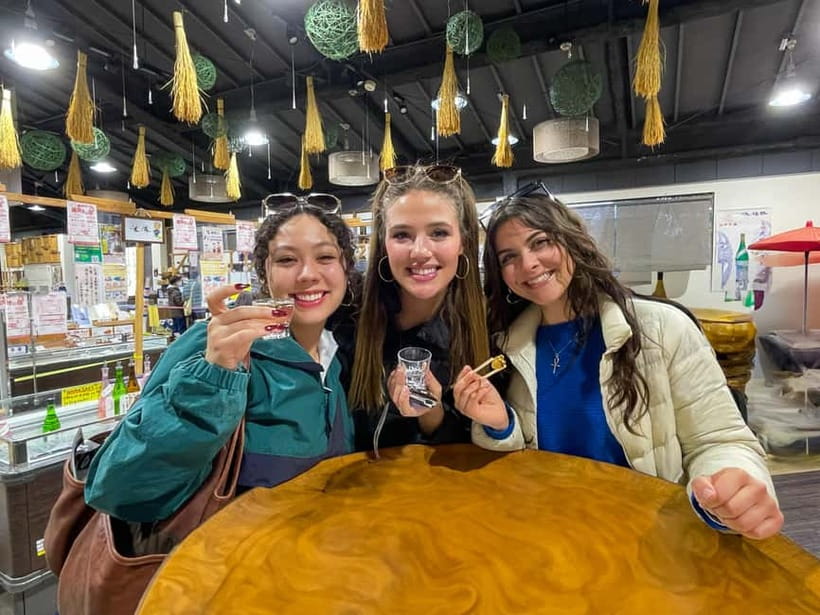
The first brewery stop is Kobe Shushinkan, associated with Fukuju sake. The brewery dates its founding to 1751 and continues to present its sake as handcrafted production built around good ingredients, careful brewing, and time.
For you, this stop gives the tour an early sense of tradition. The guide can explain how sake is made and why the details of rice, water, yeast, temperature, and timing affect the final drink. You also get your first samples here, so the explanation has something practical to attach to.
Fukuju’s stated purpose reaches beyond selling bottles. The brewery talks about creating moments that bring happiness to drinkers, brewers, the local community, and the wider world. That message may sound polished, but it connects neatly with the way this tour is designed. Sake is treated as food culture and local craft, not simply as a strong drink.
The exact tasting lineup is not fixed in the information provided, so you should expect variety rather than one guaranteed list of labels. That is a plus if you enjoy comparison, though anyone hoping for a particular bottle should not assume it will be served.
Okage Tofu-an, a worthwhile break from the sake
After roughly 10 minutes on foot, you stop at Okage Tofu-an, a tofu shop operating for more than 60 years. The shop makes fresh tofu every morning and links its quality to the same pure water that supports sake production.
This is one of the tour’s most appealing details. Tofu gives your palate a break and shows how the area’s water matters beyond brewing. The tasting is simple, local, and tied to the district rather than added as a generic snack.
If the timing works, you may also get to try freshly made ganmodoki, a tofu and vegetable fritter. That small possibility makes the stop feel connected to the working shop, rather than a staged food sample.
There is an important schedule catch. Okage Tofu-an is closed on Sundays and public holidays, so the tour does not stop there on those days and tofu tasting is not available. The rest of the route continues, but if this food stop interests you, check your date before booking.
Same base, a different sort of day:
- Mt Fuji and Hakone 1-Day Bus Tour Return by Bullet Train
★ 5.0 · 26,383 reviews - 1-Day Tokyo Bus Tour
★ 5.0 · 14,250 reviews - PERFECT KYOTO 1-Day Bus Tour
★ 5.0 · 13,518 reviews - Tokyo: TOKYO SKYTREE® Admission ticket
★ 4.5 · 11,192 reviews
Hakutsuru Sake Brewery Museum and the largest producer
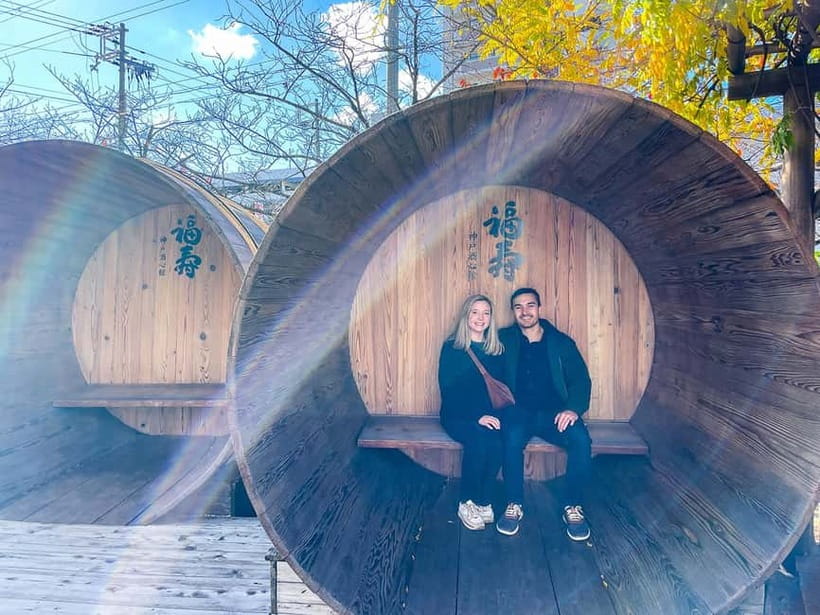
The next walk takes about 10 minutes, leading to the Hakutsuru Sake Brewery Museum. Hakutsuru is described as Japan’s largest brewery, and the museum occupies an old sake brewhouse preserved in its original form.
This is the most structured educational stop of the afternoon. You can see traditional tools and learn how sake was made before modern equipment changed the scale of production. The museum’s aim is to pass on the traditions and spirit of Japanese sake-making, and the setting makes that easier to understand than a modern tasting counter would.
Allow about an hour here. That is a substantial portion of a 210-minute tour, and it gives you time to look at the brewing displays, ask questions, and taste at the on-site corner. There is also a shop selling alcohol and souvenirs in the same building.
This stop is particularly useful if you are new to sake. The guide can help explain terms and differences before you begin buying bottles. A shop can be confusing when labels are unfamiliar, so having just tasted several styles gives you a better chance of choosing something you actually want to drink later.
Passport holders are exempt from tax on purchases over JPY 5,500 at breweries, according to the tour information. Bring your passport if you plan to buy enough to qualify, and carry purchases with care. A backpack is recommended because local sake makes tempting souvenirs.
Kiku-Masamune and the traditional Kimoto method
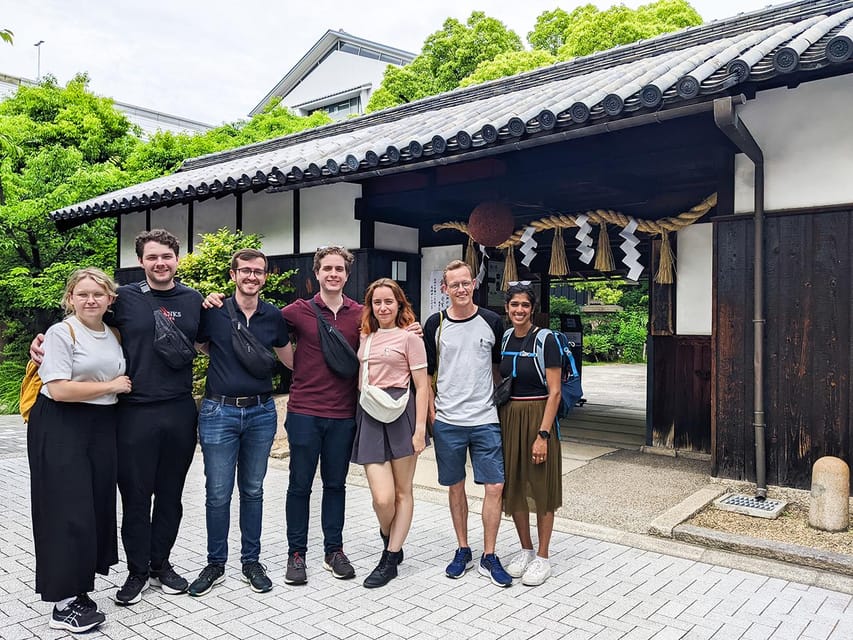
The final named brewery is the Kiku-Masamune Shuzo Kinenkan, associated with a brewery founded in 1625. Kiku-Masamune is known for preserving the traditional Kimoto method of yeast preparation, and its museum displays wooden sake-making tools.
This stop adds another layer to the story. Hakutsuru shows a major producer and a preserved brewhouse, while Kiku-Masamune focuses more closely on traditional technique and the tools used to make sake. Seeing both helps you understand that sake is not one uniform product made in one uniform way.
The visit lasts about 30 minutes. You can learn about the Kimoto process, examine the wooden equipment, and taste sake near a Japanese garden. The garden setting is a quiet finish after a day of walking and sampling, though the tour is still not over until you reach Uozaki Station.
The route includes about 10 minutes of walking between the major stops. Weather can affect the plan, and brewery closing days can require changes. The operator may visit three or four locations rather than guaranteeing every named stop, so treat the list as the intended route, not a promise that every door will be open.
What the sake tasting is really like
This is a comparison tour, not one large pour of a single house style. You sample different kinds of sake from the breweries you visit, with the guide explaining how they differ and how the brewing process shapes the result.
The tastings can become generous over the afternoon. One person described finishing the tour feeling tipsy after four brewery visits, so do not treat the samples as negligible. Pace yourself, eat beforehand, drink water when available, and avoid planning a demanding activity immediately afterward.
The guides also help make the tasting less formal. Hiro has used costumes and accessories to bring the subject to life, while other guides have been praised for humor, warmth, and clear explanations. That matters because sake can seem technical at first. A lively guide makes it easier to ask basic questions without feeling out of place.
You can ask about professional spitting during tastings, but you must contact the operator in advance if that is your plan. The standard experience is designed around sampling, not formal wine-style evaluation.
Walking, timing, and practical comfort
The full tour lasts 210 minutes, from 13:00 until about 16:30. The route is designed to move at a steady pace between Ishiyagawa and Uozaki on the Hanshin Line.
You will walk about 4 kilometers. There are no details suggesting long hikes or difficult terrain, but the distance is enough to make poor footwear annoying. Comfortable shoes are the one item the operator specifically asks you to bring.
The route is not ideal for everyone. Wheelchair users should contact the operator when booking, and the same applies if you plan to bring a stroller. This gives the team a chance to discuss the route and any needed arrangements before the day.
Weather can change the brewery schedule. One rainy-day group was transported between breweries by car, but you should not assume that will happen every time. Prepare for an outdoor walking tour with a light rain layer and shoes that can handle wet streets.
The meeting and finishing points are both on the Hanshin Line, but they are different stations. Keep that in mind when planning your next stop. Since you finish at Uozaki rather than Ishiyagawa, the tour works best when you do not leave belongings or a parked car at the starting station.
Who will get the most from the $106 price
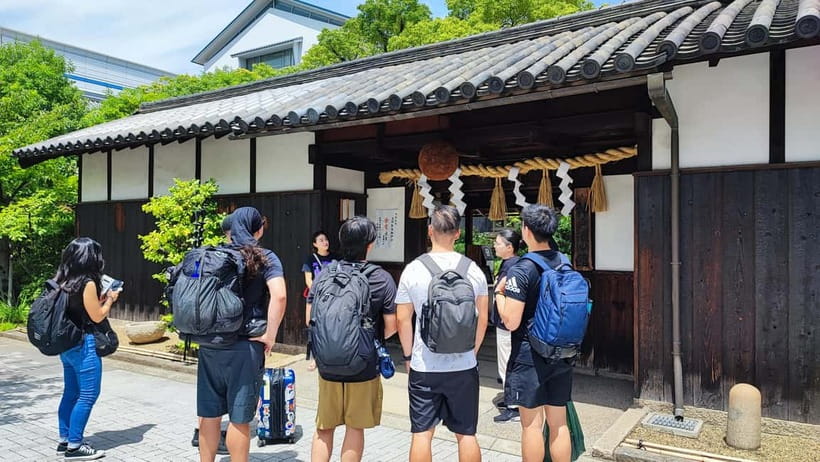
I would recommend this tour most strongly if you want to learn while you taste. It suits first-time sake drinkers, people who enjoy food and drink culture, and anyone who wants an organized introduction to Kobe beyond the city center.
It is also a good fit for wine enthusiasts. Sake differs greatly from wine, but the same pleasure of comparing aroma, texture, balance, and production methods can make the tasting rewarding. The guide helps put those differences into plain language.
The price is harder to justify if you already know the Nada breweries well, speak Japanese comfortably, and are happy to visit museums and tasting counters on your own. Independent visitors may spend less, choose their own pace, and avoid a fixed route.
You should also skip this activity if you are pregnant or under 20. It is not designed as a general sightseeing walk for children, and the alcohol tasting is central to the afternoon.
Booking advice and final verdict
Book with the understanding that you are buying a guided district walk, not just alcohol. The strongest parts are the range of brewery settings, the chance to compare sake made at different scales, the fresh tofu stop on open days, and the guides’ ability to make technical information approachable.
I would choose this tour early in a Kobe visit if you want a better sense of the city’s sake culture before shopping for bottles. Bring your passport if you may make qualifying purchases, carry a backpack, eat first, and leave room in your afternoon for a relaxed finish.
If you dislike walking, do not drink alcohol, or want a guaranteed visit to every named brewery, this is not the right choice. For an adult who enjoys local food, Japanese craft, and a friendly small-group pace, the $106 cost is fair, especially when the tour reaches four locations and the guide adds context you would likely miss alone.
FAQ
Where does the Kobe sake tour begin?
The tour begins at Ishiyagawa Station on the Hanshin Line at 13:00. Staff wear a name tag displaying the KampaiSakeTours logo.
Where does the tour finish?
The tour finishes at Uozaki Station on the Hanshin Line at about 16:30. It does not return to Ishiyagawa Station.
How much walking is involved?
You walk about 4 kilometers between the stops. Comfortable shoes are recommended.
How many breweries will I visit?
The tour visits three or four locations. The breweries can change because of regular closing days or weather conditions.
Is the tofu tasting always available?
No. Okage Tofu-an is closed on Sundays and public holidays, so the tofu stop and tasting are not available on those days.
Who can join the sake tasting?
The activity is not suitable for people under 20 or pregnant women. The tour is conducted in English and is limited to 10 participants.
Just added in Japan
- 1 Day Tour: Snow Monkeys & Snow Fun in Shiga Kogen★ 5.0 · 52 reviews
- Sakurajima Century Lava Climb Journey with E-bike★ 4.9 · 27 reviews
- KOBE Sake Tasting Tour at Breweries (tasting fee included)★ 5.0 · 154 reviews
- Tokyo: Best Price Daikoku Parking Area JDM Car Meet★ 4.9 · 192 reviews
- Matsumoto Discovery – Half Day Walking Tour★ 5.0 · 43 reviews
- Fukuoka Your Way: 100% Customisable Private Tour with Local Guide★ 5.0 · 83 reviews
- Nagasaki Full-Day Private Tour with Government-Licensed Guide★ 5.0 · 66 reviews
- Private Fukuoka Tour with a Local, Highlights & Hidden Gems 100% Personalised★ 5.0 · 143 reviews
Sake Tasting, compared.
Kyoto Night Foodie Tour in Gion (9+ dishes + 6 Sake tastings)
Read our review →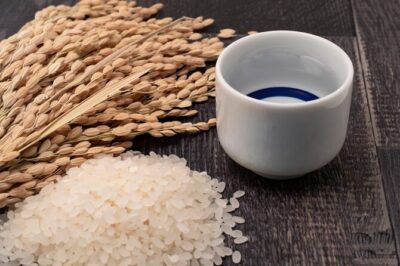
1-Day Snow Monkeys, Zenko-ji Temple & Sake in Nagano
Read our review →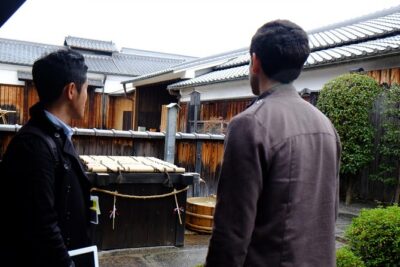
3-Hour Kyoto Insider Sake Brewery Tour with Tastings & Pairings
Read our review →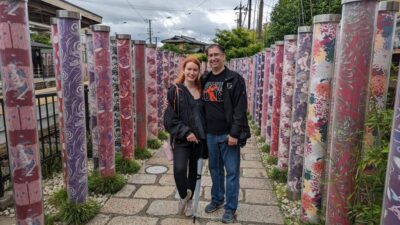
Arashiyama Bamboo, Temple, Monkeys, or Secret Sake Brewery
Read our review →
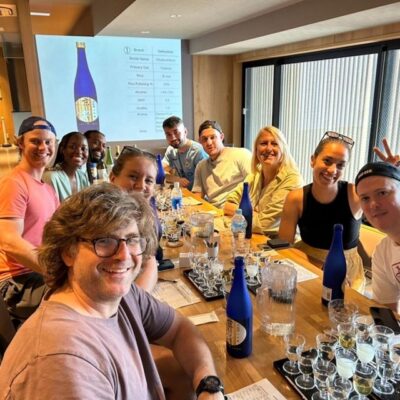
Insider Sake Brewery Tour with Sake and Food Pairing
Read our review →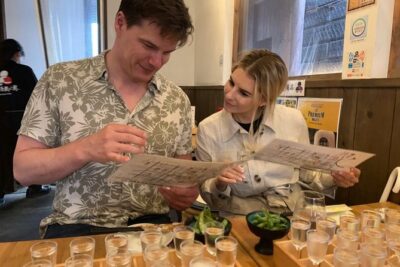
1.5-Hour Kyoto Insider Sake Experience with 7 Tastings & Pairings
Read our review →Browse the lists this tour appears in