
Reviewed · SAKE TASTING
KOBE Sake Tasting Tour at Breweries (tasting fee included)
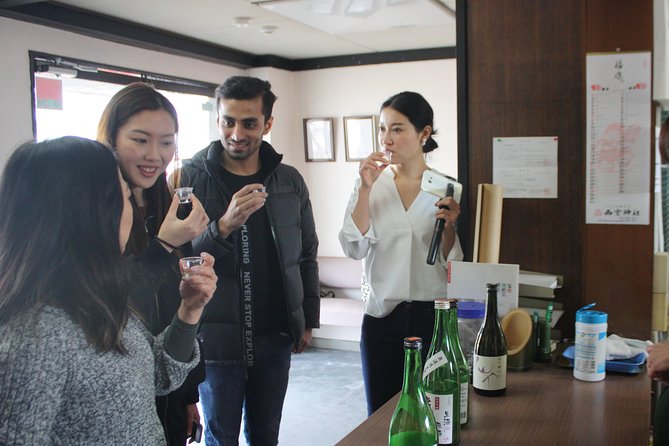
Kobe’s Nada district turns sake tasting into a useful walk through working brewery country. You’ll sample unfiltered, seasonal, and traditional styles while moving between historic sites, rather than sitting in one tasting room and calling it a day. The brewery variety and the chance to see old brewing tools make this much more than a drinking stop.
I especially like the small group limit of 10 and the friendly English guidance provided by hosts such as Hiro, Romi, Aki, Aya, and Hiroman. I also like the cooling breaks, local tofu stop, and relaxed pace. The main consideration is that this is a walking tour in the afternoon, so hot weather, uneven streets, and several tastings call for comfortable shoes, water, and sensible pacing.
Key points to know before booking
- Four important sake stops: Visit Kobe Shushinkan, Hakutsuru Sake Brewery Museum, and Kiku-Masamune Shuzo Kinenkan, with the route sometimes adjusted according to opening days.
- A proper introduction to sake: Learn how rice, water, yeast, polishing, temperature, and brewing methods affect flavor.
- Tasting value included: The package includes about ¥2,000 worth of sake tasting, along with taxes and the professional guide.
- A local food pause: The short visit to Okage Tofuan adds fresh tofu and a look at a neighborhood business beside the breweries.
- Small-group atmosphere: The maximum is 10 people, which helps the guide answer questions and keep the walk social.
- Plan around age and weather: The experience is not recommended for anyone 19 or younger and may be canceled in poor weather.
Why Nada is the right place to learn about sake
Nada Gogo, the group of sake-producing districts in southeastern Kobe, is one of Japan’s best-known brewing areas. The appeal is not just the number of breweries. The area lets you compare large producers, traditional methods, museum displays, tasting counters, and local streets in one compact outing.
The local setting matters. Sake is shaped by its ingredients and surroundings, especially the quality of the water and the treatment of the rice. The guides explain why Kobe’s water and the area’s brewing tradition have helped make Nada a leading sake region.
I like this approach because you are not asked to memorize a list of Japanese terms before tasting. You can first sample several styles, then connect the differences to the brewing methods. A sweeter sake, a dry sake, an unfiltered style, or a seasonal bottle becomes easier to understand when the guide explains what changed in production.
This is also a good way to see a quieter side of Kobe. The route links breweries by local streets and back roads rather than keeping you in the city center. It does not replace a full day of sightseeing in Kobe, but it gives you a clear reason to visit Higashinada Ward.
Other tasting rooms and breweries in Japan:
- Kyoto Night Foodie Tour in Gion (9+ dishes + 6 Sake tastings)
★ 5.0 · 1,762 reviews - 1-Day Snow Monkeys, Zenko-ji Temple & Sake in Nagano
★ 5.0 · 1,020 reviews - 3-Hour Kyoto Insider Sake Brewery Tour with Tastings & Pairings
★ 5.0 · 917 reviews
Starting at Ishiyagawa Station at 1 p.m.
The tour begins at Ishiyagawa Station at 1 p.m. and ends at Hanshin Uozaki Station. Transportation to and from the attraction is not included, so you should plan your train journey separately. Both the start and finish are near public transportation, which makes the route manageable as part of a Kobe afternoon.
The timing has two practical effects. First, you can enjoy a morning elsewhere in Kobe before heading to the breweries. Second, the tour finishes later in the afternoon, leaving room for dinner or a return to Osaka, though you should allow extra time if you plan another fixed booking.
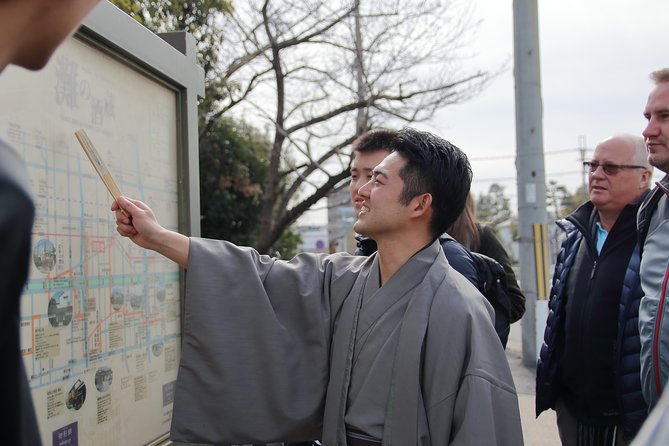
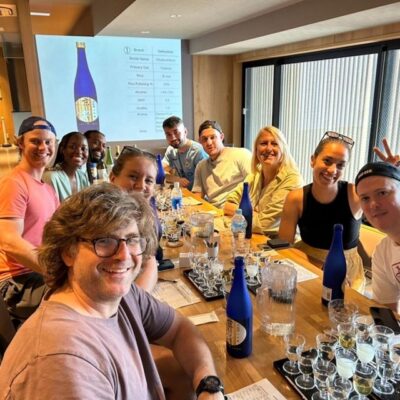
The group limit is 10 people. That is small enough for questions without making the tour feel like a private lesson. Several guides have been praised for speaking with each person, handling questions, and keeping the group relaxed. Hiro and Hiroko are especially associated with clear explanations and good humor, while Romi, Aki, Aya, and Hiroman have also led tours.
The exact guide is not guaranteed, and the brewery sequence can change. One day may include three breweries, while another includes four or, occasionally, an additional stop. That flexibility is useful because brewery opening days do not always line up. It also means you should book this for the overall experience, not for one guaranteed bottle or one fixed tasting room.
Kobe Shushinkan and the Fukuju tradition
The first listed stop is Kobe Shushinkan Brewery, where the Fukuju name has been used since the brewery was founded in 1751. The focus here is handcrafted production, quality ingredients, and the judgment of the brewers.
This is a strong opening stop because it introduces sake as a product made by people, not simply a clear alcoholic drink poured from a bottle. Your guide can help you pay attention to aroma, sweetness, dryness, texture, and finish. The tastings are more useful when you compare them side by side instead of treating each glass as an isolated sample.
You may also have time to browse for bottles or souvenirs. Several accounts of the tour mention good shopping opportunities at the breweries, and some participants received sake cups at early stops. Such gifts are not promised, but the time to look around is part of the appeal.
The drawback is simple: the tasting starts early in a three-and-a-half-hour walk. You should eat beforehand and avoid treating the first stop as a race. The goal is to notice differences, not to collect the most samples.
Okage Tofuan, a short break from the sake
Okage Tofuan is scheduled as a 10-minute stop. The shop has made fresh tofu each morning for more than 60 years and sits among historic sake breweries.
This brief visit gives the afternoon a useful change of rhythm. Tofu may seem unrelated to sake, but the connection through pure water and careful production fits the theme of the tour. It also gives you a small taste of local food culture rather than keeping the entire experience focused on alcohol.
The stop is short, so do not expect a full meal or a long cooking demonstration. Think of it as a pause and a local detail that helps the neighborhood feel lived in. Guides have also added small snack pairings during some tours, including nuts and dried fish with warm sake. Those extras depend on the day and should not be treated as guaranteed.
Same base, a different sort of day:
- Mt Fuji and Hakone 1-Day Bus Tour Return by Bullet Train
★ 5.0 · 26,383 reviews - 1-Day Tokyo Bus Tour
★ 5.0 · 14,250 reviews - PERFECT KYOTO 1-Day Bus Tour
★ 5.0 · 13,518 reviews - Tokyo: TOKYO SKYTREE® Admission ticket
★ 4.5 · 11,192 reviews
Hakutsuru Sake Brewery Museum
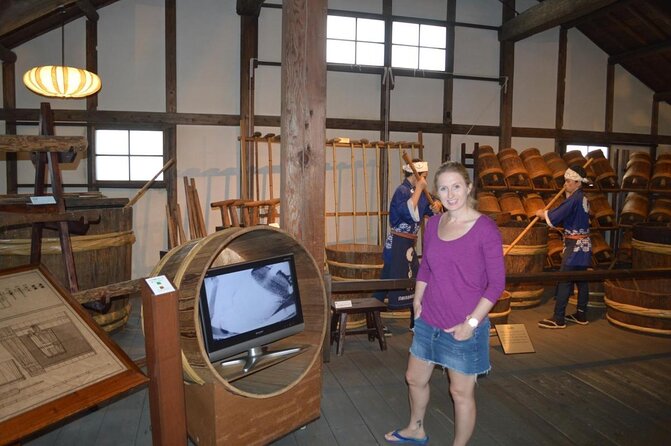
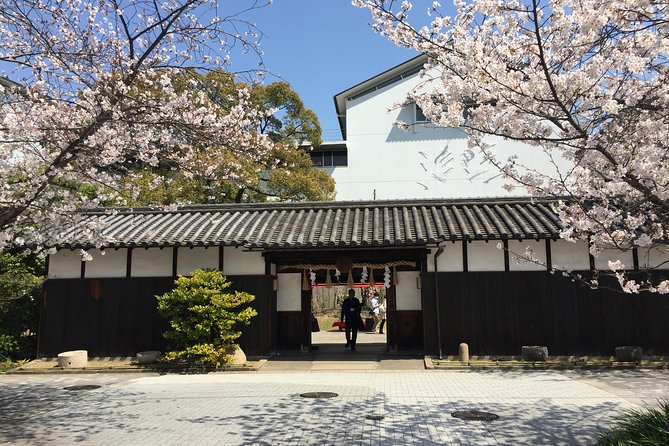
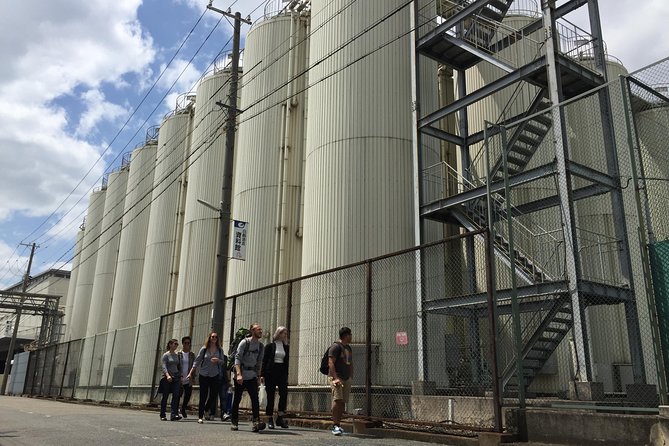
The Hakutsuru Sake Brewery Museum occupies an old brewhouse preserved in its original form. Hakutsuru is described as Japan’s largest brewery, so this stop gives you a look at sake production on a much larger scale than the small-batch image many people bring from home.
The museum displays equipment and explains the process through the tools once used to make sake. This is where the brewing story becomes easier to picture. Wooden implements, working methods, and the arrangement of the old brewhouse show how much labor sits behind a drink that can look deceptively simple.
I find this stop particularly valuable for first-time sake drinkers. You do not need prior knowledge to follow the basic sequence of rice preparation, fermentation, pressing, and storage. The guide can then link what you see to the sake in your glass.
Because this is a museum as well as a tasting location, the experience is not only about sampling. If you are mainly looking for a lively bar crawl, the displays may feel slower. If you want context and a better sense of how sake was made, this is one of the most useful stops.
Kiku-Masamune and the traditional Kimoto method
Kiku-Masamune Shuzo Kinenkan is known for preserving the traditional Kimoto method of sake production. The museum displays many wooden sake-making tools and explains the brewing process.
The Kimoto method gives the guide a chance to discuss how older brewing practices differ from modern shortcuts and controlled production. You may not leave able to reproduce the method, but you should have a better idea of why traditional technique can affect flavor, texture, and the character of the finished sake.
This stop also helps balance the Hakutsuru visit. Hakutsuru presents a major producer and an old brewhouse, while Kiku-Masamune puts more attention on a particular traditional method and the tools connected with it. Together, the two stops show that sake making is not one single style.
Opening conditions can affect the route. Brewery facilities are subject to operating schedules, so the exact number of stops may vary. The tour remains worthwhile if one location is unavailable, but you should not book it expecting an identical route every day.
What the tasting is really like
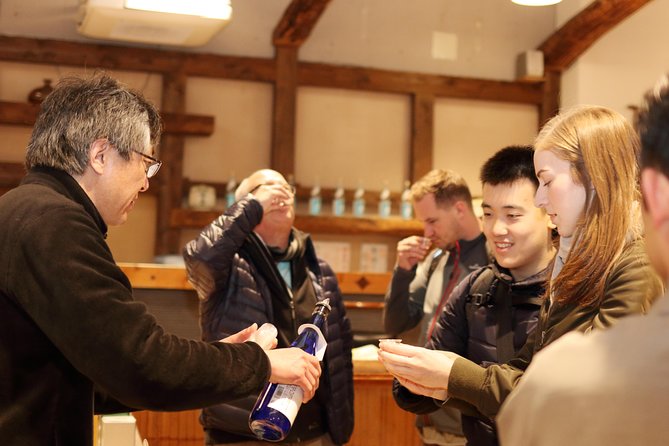
The included tasting is valued at about ¥2,000. You will try several types of sake, which may include unfiltered and seasonal selections, as well as products from different breweries. The point is comparison, not simply quantity.
A good guide will help you notice the basic markers: dry or sweet, light or full, clean or cloudy, warm or chilled. Hiro has been praised for using brochures and pictures, while other guides have helped participants identify the style they personally prefer. That personal part is important. Sake labels can feel difficult at first, but tasting gives you a practical way to find your bearings.
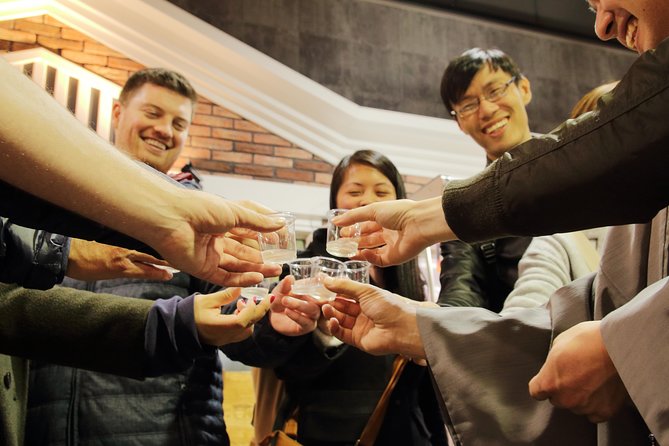
The tour can be social. Small groups often chat while walking, and guides such as Hiro and Fumi have been described as adding warmth, personal stories, and humor. If you prefer a silent, formal tasting, this may feel more informal than expected. If you enjoy asking questions and comparing reactions with other people, the format should suit you.
The organizers ask you to contact them in advance if you want to spit during tastings for professional evaluation. Otherwise, the experience is designed around sampling. Eat before you arrive, pace yourself, and drink water between stops.
Walking, weather, and what to bring
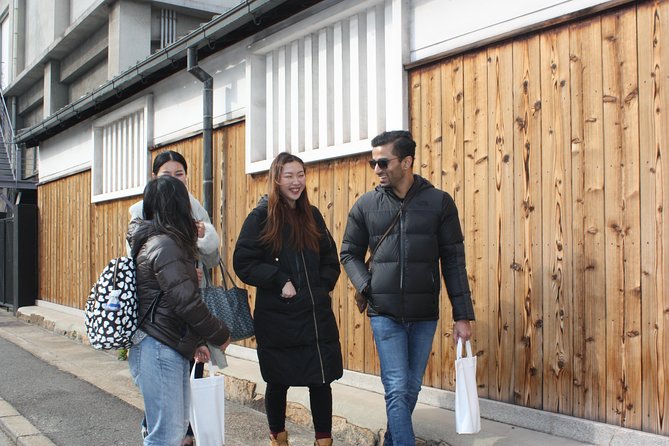
This is a walking tour, not a vehicle-based brewery visit. One useful tip is to wear good walking shoes and bring water. The route includes outdoor streets between stops, and summer heat can make the afternoon harder than the tasting menu suggests.
Guides have sometimes brought frozen water bottles, fans, umbrellas, and extra water on very hot days. That shows practical care, but I would still arrive prepared. A small bag is useful if you plan to buy sake, cups, or other souvenirs. An empty backpack was specifically suggested as a smart choice for shoppers.
The walking distance is not stated, so you should not assume the tour is ideal for anyone who has trouble walking for several hours. Most people can participate, service animals are allowed, and strollers are possible if you notify the operator when booking. The route may not suit young children, and the experience is not recommended for anyone aged 19 or under.
Is the $109 price fair?
At $109.01 per person, this is not a bargain-basement tasting. The price includes the professional guide, taxes, handling charges, and about ¥2,000 worth of sake tasting. You are also paying for access to several brewery sites and for the structure that connects them.
I think the value is strongest if you would otherwise struggle to find the breweries, understand the museum displays, or compare sake styles on your own. The English explanations are a major part of the cost. So is the time saved by having the route arranged between Ishiyagawa and Uozaki.
The value is weaker if you only want one quick drink or already know the Nada district well. Independent visitors can choose one museum and buy sake directly, usually with more control over timing. This tour earns its price through the guide, the comparison between producers, and the local context.
Group discounts may be available, which could improve the cost for larger bookings. The maximum group size remains 10, so even a discounted group should not be enormous.
Who should book this Kobe sake tour?
I would choose this experience if you are new to sake, curious about Japanese food traditions, or interested in seeing Kobe beyond the main sightseeing areas. It also works well for friends who want a social afternoon with a clear theme and enough walking to break up the tastings.
It is a good fit for sake drinkers who want to compare breweries and methods rather than visit a single shop. You may especially enjoy it if you are interested in unfiltered sake, seasonal bottles, or the traditional Kimoto method.
I would hesitate if you dislike walking, cannot drink alcohol, want a private itinerary, or need every stop to follow a fixed schedule. The route can change, and the afternoon depends on brewery access and weather. Bad weather or an insufficient minimum group can lead to a different date, another experience, or a full refund.
Should you book it?
Book this tour if you want a guided introduction to Nada’s breweries, several tasting styles, and a look at the brewing process in its original setting. The strongest reasons are the small group, the range of stops, and guides such as Hiro, Romi, Aki, Aya, and Hiroman who bring clear explanations and an easy social tone.
Skip it if you only want a quick tasting or prefer to arrange every stop yourself. For most visitors with three and a half hours to spare, comfortable shoes, and an interest in sake, this is a well-shaped way to spend an afternoon in Kobe.
FAQ
Where does the sake tour begin?
The tour begins at Ishiyagawa Station, at 2 Chome-28 Mikagetsukamachi, Higashinada Ward, Kobe, Hyogo 658-0044.
What time does the tour start?
The tour starts at 1 p.m.
Where does the tour end?
The tour ends at Hanshin Uozaki Station on the Hanshin Line, at 4-chōme-7 Uozaki Nakamachi, Higashinada Ward, Kobe.
How long does the experience last?
The tour lasts approximately three hours and 30 minutes.
How much sake tasting is included?
The package includes sake tasting valued at about ¥2,000, along with taxes, fees, and handling charges.
Which breweries are included?
The planned stops are Kobe Shushinkan Brewery, Hakutsuru Sake Brewery Museum, and Kiku-Masamune Shuzo Kinenkan, with a short visit to Okage Tofuan. The exact route may change according to brewery opening conditions.
How many people can join the tour?
The tour has a maximum of 10 participants.
Can I cancel for a full refund?
You can cancel at least 24 hours before the local start time for a full refund. Changes or cancellations made less than 24 hours before the start are not accepted for a refund. If poor weather or an insufficient minimum group causes cancellation, you will be offered another date, another experience, or a full refund.
Just added in Japan
- 1 Day Tour: Snow Monkeys & Snow Fun in Shiga Kogen★ 5.0 · 52 reviews
- Tokyo: Best Price Daikoku Parking Area JDM Car Meet★ 4.9 · 192 reviews
- Nagasaki Full-Day Private Tour with Government-Licensed Guide★ 5.0 · 66 reviews
- Fukuoka Your Way: 100% Customisable Private Tour with Local Guide★ 5.0 · 83 reviews
- Visit Gunkanjima Island (Battleship Island) in Nagasaki★ 4.0 · 32 reviews
- From Matsumoto/Nagano: Nakasendo Trail Walking Tour★ 4.9 · 33 reviews
- Private Fukuoka Tour with a Local, Highlights & Hidden Gems 100% Personalised★ 5.0 · 143 reviews
- Nagasaki Half-Day Private Tour with Government-Licensed Guide★ 5.0 · 53 reviews
Sake Tasting, compared.
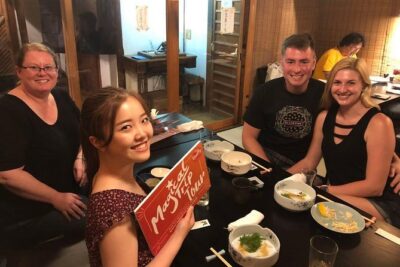
Kyoto Night Foodie Tour in Gion (9+ dishes + 6 Sake tastings)
Read our review →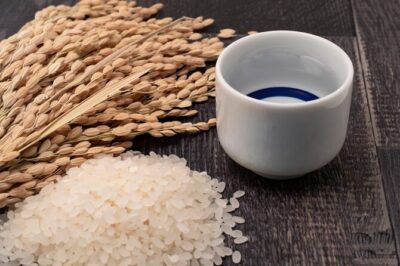
1-Day Snow Monkeys, Zenko-ji Temple & Sake in Nagano
Read our review →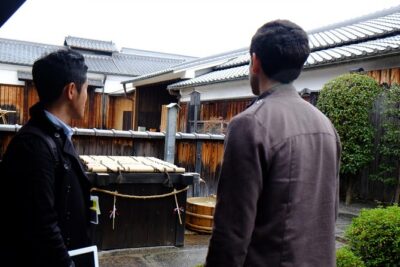
3-Hour Kyoto Insider Sake Brewery Tour with Tastings & Pairings
Read our review →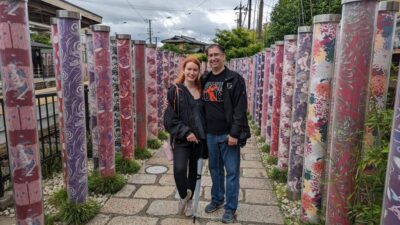
Arashiyama Bamboo, Temple, Monkeys, or Secret Sake Brewery
Read our review →
Insider Sake Brewery Tour with Sake and Food Pairing
Read our review →
1.5-Hour Kyoto Insider Sake Experience with 7 Tastings & Pairings
Read our review →Browse the lists this tour appears in