
Reviewed · KIMONO DRESSING & PHOTOSHOOTS
Kyoto: Traditional Kimono Fabric Handicrafts Workshop
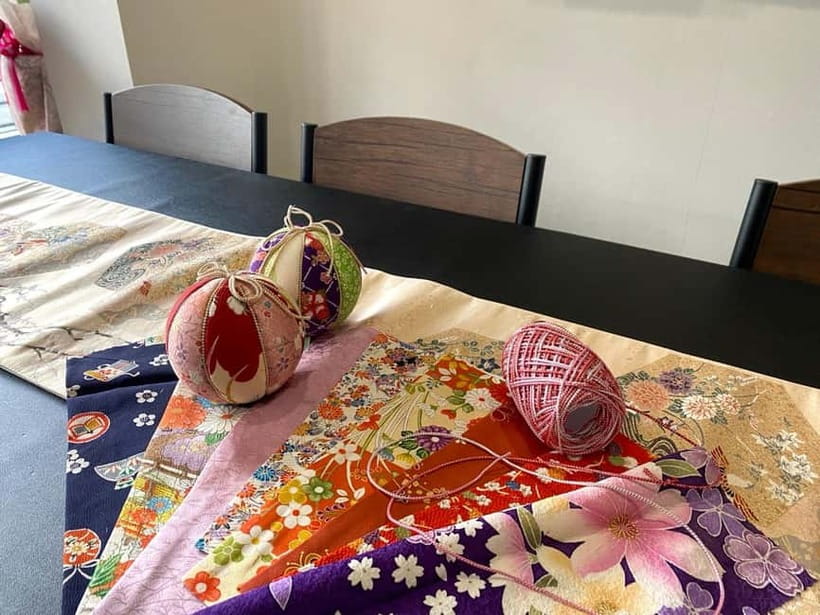
The best part of this Kyoto workshop is choosing from a tray of beautiful recycled kimono fabrics, then turning a handful of them into a traditional Temari decoration. You do not need sewing skills, and the work is simple enough for children while still giving adults a pleasant creative break.
I like the friendly, patient teaching from May and the small class size, which allows plenty of help. I also like that the $25 price includes a drink, a Japanese sweet, all materials, and a souvenir you make yourself. The main consideration is that this is a calm craft session, not a major cultural performance, so it may feel too quiet if you want nonstop sightseeing.
Key points to know before booking
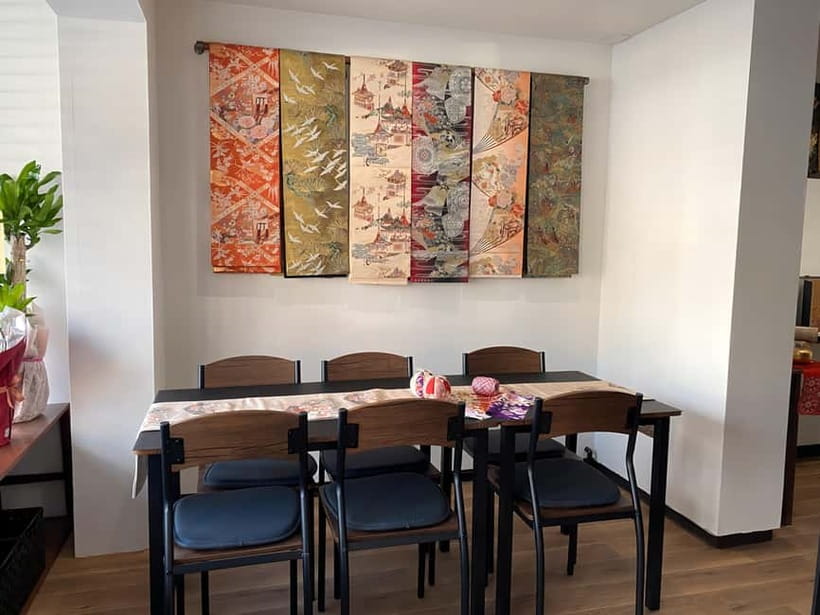
- Choose your own kimono fabrics: Pick several colors and patterns to create a Temari that feels personal rather than factory-made.
- Beginner-friendly craft: The process involves little sewing, making it workable for children, families, and people who do not see themselves as crafty.
- May teaches in English and Japanese: Her instructions are clear, patient, and easy to follow.
- A useful two-hour pause: The workshop gives your feet a rest between Kyoto temples, with tea or another drink and a traditional sweet included.
- Small groups of four: You get a more personal lesson than at a large craft class.
- Good location for more sightseeing: The shop is near historically important temples, cafes, and the Philosopher’s Path.
Making a Temari from Kyoto kimono fabric
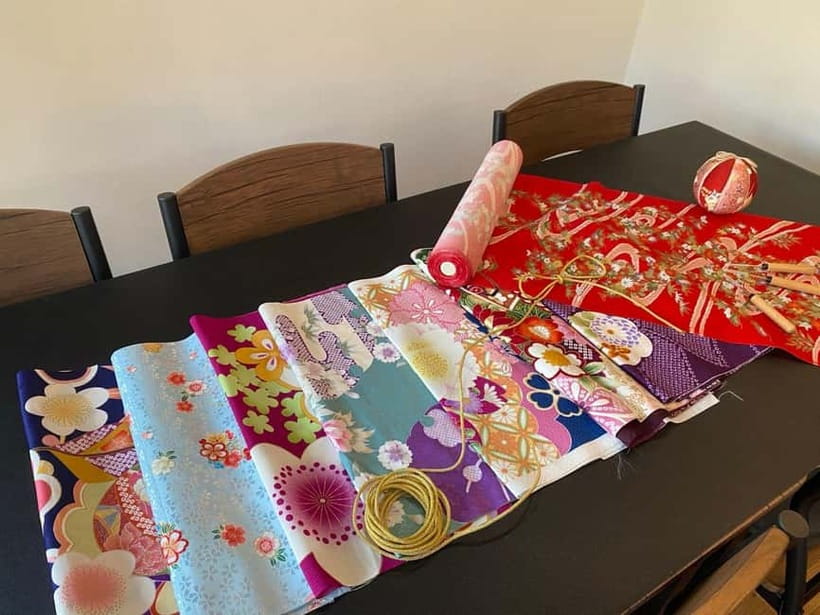
Temari are traditional Japanese handcrafted balls used as interior decorations and for celebrations. Their rounded shape, bright fabric, and careful arrangement make them pleasing to display, but this class keeps the process approachable rather than turning it into a demanding technical lesson.
You begin by looking through the available kimono fabric pieces. This is one of the most enjoyable parts of the experience. The fabrics come in different colors and patterns, and the hardest decision may be choosing which five pieces belong together. You can build a Temari around favorite colors, a seasonal combination, or a mix of patterns that reminds you of Japan.
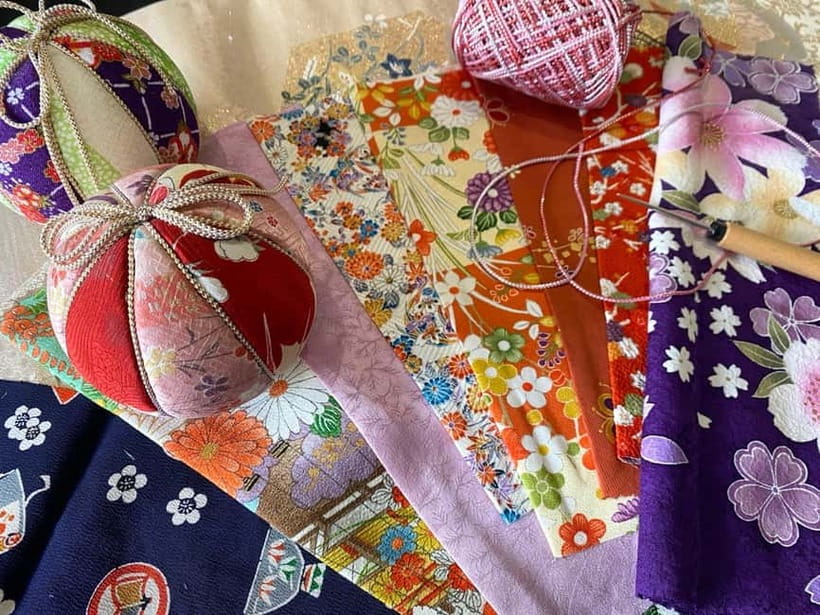
The use of old kimono fabric gives the souvenir more character than a standard shop-bought trinket. Each piece has its own color, texture, and pattern, so the finished decoration feels individual. The activity also makes good use of fabric that might otherwise be discarded.
May then explains the process one step at a time. The class is designed for beginners, and the work is not heavily focused on sewing. Children can take part, though younger children will still need an adult nearby to help with careful handwork and choosing materials.
The pace is gentle. You are not racing to finish before the next group arrives. With no more than four people in the class, May can stop and help when a piece needs adjusting or when you are unsure what to do next. That personal attention matters, especially if you are making crafts with children or if you normally avoid hands-on activities because you think they require special skill.
The finished Temari is small enough to pack and distinctive enough to display at home. It is not simply a souvenir purchased in Kyoto. You selected the materials, followed the steps, and made the final object yourself. That gives it a stronger connection to your trip.
Other kimono experiences in Kyoto people book:
- Kimono Tea Ceremony at Kyoto Maikoya, NISHIKI
★ 5.0 · 911 reviews - Kyoto: Kimono Rental with Hairstyling and Accessories
★ 4.8 · 653 reviews - Kyoto: Kimono Tea Ceremony at Orizuruya Gion
★ 4.9 · 618 reviews
A relaxed workshop inside an antique boutique
The class takes place in a newly renovated traditional Japanese antique boutique in the heart of Kyoto’s sightseeing area. It is both a workshop and a shop, with handmade bags and other crafts made from kimono fabrics available to buy.
That setting adds something to the class. You can see how the same materials work in other objects, and the shop gives you a closer look at the host’s craft beyond the Temari lesson. You are not required to purchase anything, but people who like textiles may want extra time to browse.
The atmosphere is quiet and friendly rather than formal. May teaches the craft, but the session also leaves room for conversation about daily life and different cultures. Several people have found the social side as valuable as the making itself, particularly when they book as a couple or come alone.
If you are looking for a polished stage show or a detailed lecture on Japanese textile production, this is not that kind of activity. The history of Temari is explained in a practical, accessible way, then you move fairly quickly into making your own. For most visitors, that balance works well. You learn enough context to understand what you are doing, then spend most of the two hours with the fabric in your hands.
Tea, sweets, and a welcome rest from temple visits
Each participant receives a complimentary drink and a traditional Japanese confectionery of their choice. The refreshment is a small detail, but it helps shape the pace of the visit. You can settle in, choose your fabrics, and work without feeling that the class is all instruction and no breathing room.
The drink may be tea or another available option, and one person especially enjoyed a matcha latte during the class. The confectionery gives you a simple taste of Japanese snack culture without turning the workshop into a food tour.
This break is especially useful in Kyoto, where a day of temple visits can become tiring. The activity lasts two hours, so it is long enough to reset your attention and rest your legs, but short enough to fit into a full sightseeing day.
The surrounding area offers more ways to continue afterward. The shop is near cafes and the Philosopher’s Path, and the nearby temples and shrines make it possible to pair the workshop with a quieter sightseeing route. Exact walking distances and temple names are not provided, so check your map when planning the day. The useful point is that this is not an isolated activity requiring a separate trip across town.
Why the small group matters
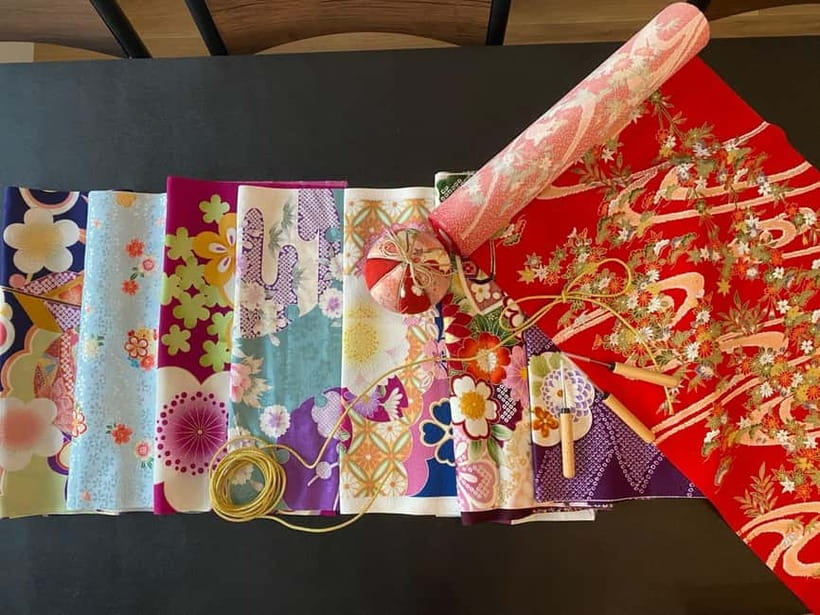
The class is limited to four participants. That is a strong advantage for a hands-on activity, since you can ask questions without waiting behind a large group.
May has been praised for explaining each step clearly and patiently. English and Japanese are available, and English-speaking participants have found the instructions easy to follow. That makes the class a practical choice for international visitors who want a local craft activity without needing Japanese language skills.
A small class also makes the experience flexible in tone. If you are the only participant, May may have time to show you an additional fabric craft, such as making flowers from fabric. That extra instruction is not guaranteed, but it has happened when the class size allowed it.
Families benefit from the format too. A family with children aged 10 and 12 found the activity manageable, and another family noted that even a child who was not initially interested in crafts enjoyed making the Temari. Adults should still expect to guide younger children with selecting pieces and handling the finer parts of the work.
For couples, the workshop offers a shared activity without the pressure of competing against each other. You can choose fabrics together, compare results, and leave with separate keepsakes. It also suits solo visitors who want conversation with a local person rather than another self-guided stop.
Other dressing and photo sessions in Kyoto:
- KYOTO Tea Ceremony with kimono near by Imamiya Jinjya Shrine
★ 5.0 · 343 reviews - Kyoto: Kimono and Tea Ceremony Experience at Cultural Asset
★ 4.3 · 306 reviews - Kyoto: Traditional Kimono Rental
★ 4.7 · 265 reviews - Kyoto: Kimono Tea Ceremony with Matcha and Sweet
★ 4.9 · 249 reviews
What the two hours feel like
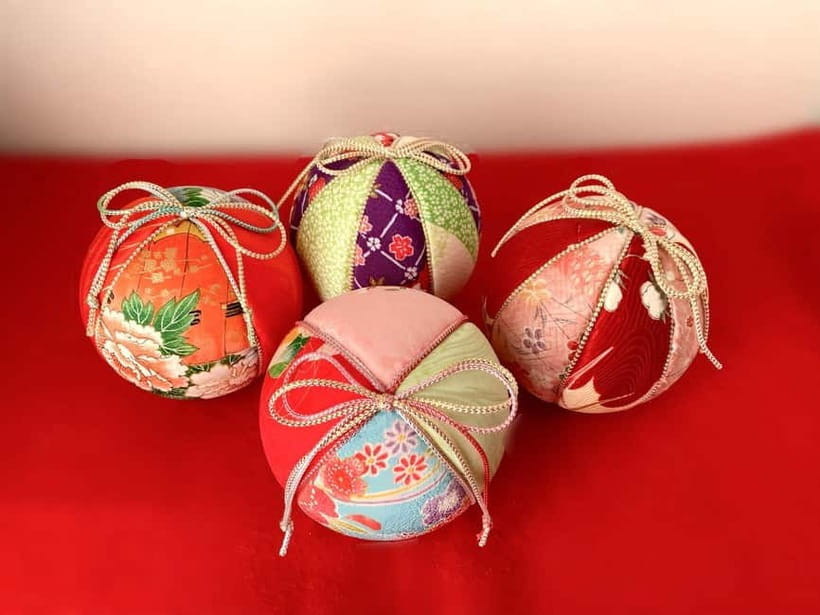
The session follows a straightforward pattern:
- You arrive at the boutique and enter the workshop, where your host is waiting to greet you.
- You learn what Temari are and hear about their place as Japanese decorations and celebration items.
- You select kimono fabric pieces from the available colors and patterns.
- May demonstrates the process and guides you through making your own Temari.
- You take a break with your included drink and traditional confectionery.
- You complete the decoration and take it home as your souvenir.
The exact timing of each stage can vary. Fabric selection may take longer than expected because there are many attractive combinations. That is not a problem unless you have a tightly packed schedule afterward.
The project itself is intended to be easy. You should not expect advanced textile training or a certificate of skill. The value is in learning a traditional craft in a relaxed setting and leaving with something that carries your own choices.
Because all materials are supplied, you do not need to bring craft tools or prepare anything in advance. Wear clothes in which you can sit comfortably and work with your hands, but no special equipment is required.
Value at $25 per person
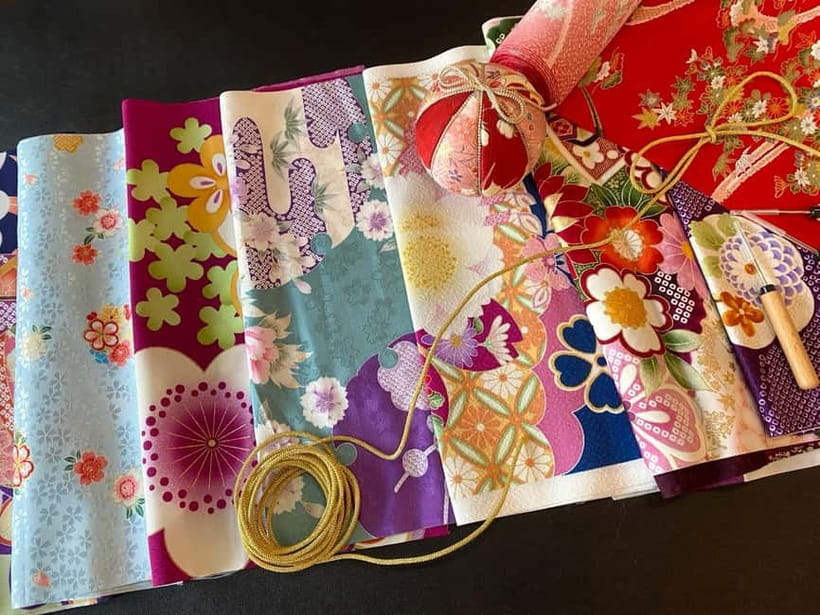
At $25, this is a good-value activity if you want more than a purchased souvenir. The price includes the two-hour Temari workshop, instruction from a local craft master, all necessary materials, a drink, and a traditional sweet.
The main value is not the raw cost of the fabric. You are paying for access to the craft, patient guidance, and time in a local boutique. You also avoid having to find and buy materials separately, which would not give you the same instruction or finished result.
It compares well with other short Kyoto activities because it combines several things in one stop: cultural background, hands-on work, refreshments, and a take-home object. The price is less compelling if you only want a quick demonstration or if you prefer to spend every available hour inside temples and gardens.
Additional food and drinks are not included. That is unlikely to matter for a two-hour class, especially with one drink and one confectionery already provided, but you should budget separately if you plan to linger at nearby cafes afterward.
The booking terms add flexibility. You can reserve now and pay later, and cancellation is free up to 24 hours in advance for a full refund. Starting times vary, so check availability when choosing a date.
Who should book this Kyoto craft activity?
I would recommend it most strongly to:
- Couples who want a shared souvenir from Japan
- Families with school-age children
- Solo visitors who enjoy conversation and handwork
- People interested in kimono textiles and Japanese design
- Visitors wanting a quiet break from temples and long walks
- Anyone who prefers making a souvenir rather than buying one
You do not need to be artistic. In fact, the class may be most rewarding if you are a complete beginner because the finished Temari gives you a clear result without requiring years of practice.
It is also a good choice for people who like shopping but want to understand the material behind the finished products. After making your own Temari, the handmade bags and other kimono-fabric items in the boutique will be easier to appreciate.
You may want to skip it if your Kyoto schedule is extremely tight, if you dislike sitting for two hours, or if you are looking for a large-scale cultural show. The workshop is intentionally small and calm. Its appeal comes from attention, conversation, and making something with your hands.
Planning the workshop around Kyoto sightseeing
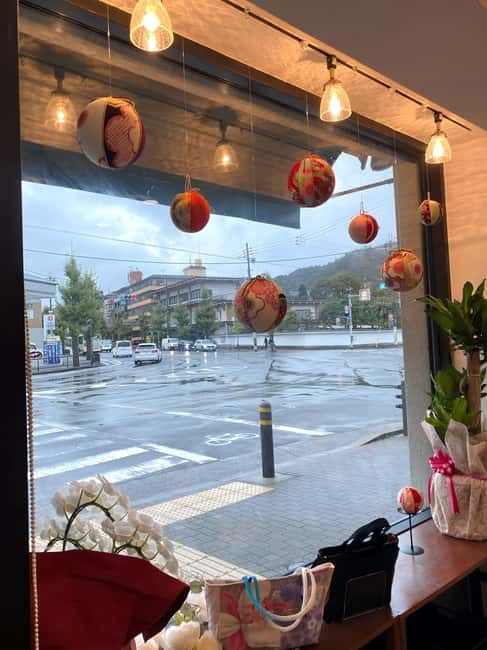
The activity is in a sightseeing area of Kyoto, close to temples, shrines, cafes, and the Philosopher’s Path. You can place it between temple visits rather than treating it as a separate full-day outing.
A morning class could work before exploring nearby religious sites. An afternoon class gives you a sensible pause after walking and leaves time for more sightseeing later. Since the workshop has set starting times, confirm the available slot before planning the rest of your route.
The shop is wheelchair accessible, which makes it a practical option for visitors who need an accessible indoor activity. The supplied information does not give details about restroom access, transport time, or the exact walking route, so check those points directly if they are important to your plans.
Plan a little breathing room before and after the class. You will want time to choose fabric without hurrying, and the nearby cafes and walking route make it easy to continue at a slower pace.
Should you book the Temari workshop?
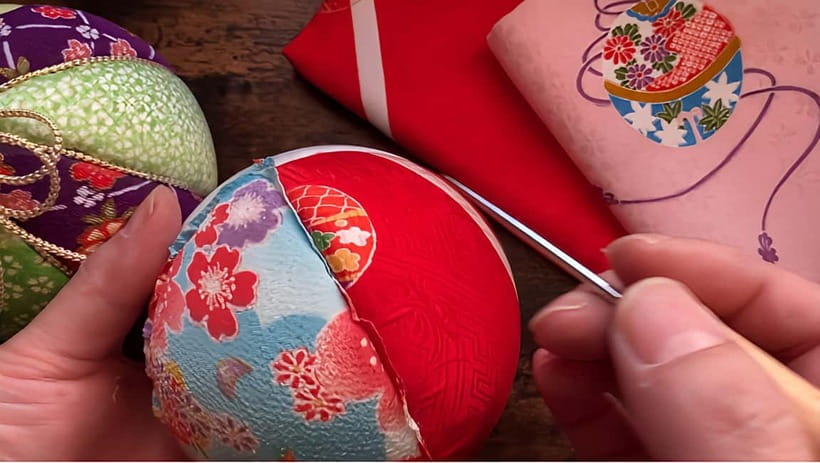
Book it if you want a personal Kyoto souvenir, a gentle introduction to Japanese craft, and two hours with a friendly local teacher. The strongest features are the excellent fabric selection, May’s patient instruction, the four-person limit, and the fact that the activity works for both adults and children.
I especially like the balance of structure and freedom. May shows you what to do, but you still make meaningful choices about color and pattern. The included drink and sweet are welcome extras, and the finished Temari is far more personal than a standard souvenir from a station shop.
Skip it only if your priority is fast sightseeing or advanced textile instruction. For most people, though, the modest price and convenient location make this a smart addition to a Kyoto day, particularly when you need a calm change of pace.
FAQ
How long does the Temari workshop last?
The workshop lasts two hours.
How much does the activity cost?
The price is $25 per person.
Do I need previous craft experience?
No. The activity is designed for beginners, and no prior experience or special skills are required.
Is the workshop suitable for children?
Yes. It is suitable for adults and children of all ages. Children may need help from an accompanying adult with some parts of the activity.
What is included in the price?
The price includes the Temari workshop, all necessary materials, a complimentary drink, a traditional Japanese confectionery, and instruction from a local craft master.
What languages are available, and how many people can join?
Instruction is available in English and Japanese. The group is limited to four participants, and the workshop is wheelchair accessible.
Just added in Kyoto
- Private Cooking Class Udon in Kyoto Japan★ 5.0 · 23 reviews
- Your Private Vacation Photography Session In Kyoto★ 5.0 · 110 reviews
- Kyoto: Zen Meditation at a Private Temple with a Monk★ 5.0 · 25 reviews
- Private Pewter Sake Cup Experience with a Kyoto Artisan★ 5.0 · 31 reviews
- Kyoto Wagashi(Japanese sweets) Cooking Class near Fushimiinari★ 5.0 · 60 reviews
- Kyoto:Family-Friendly Kimono & Yukata Experience at WARGO★ 5.0 · 147 reviews
- Private Guided Traditional Buddhist Cooking in Japan★ 5.0 · 16 reviews
- Kyoto: Gion Geisha District & Sake-in-Hand Walking Tour★ 5.0 · 37 reviews
Kimono Dressing & Photoshoots, compared.
Sumo Show & Experience w/ Optional Kimono & Hot Pot
Read our review →
KYOTO Tea Ceremony with kimono near by Imamiya Jinjya Shrine
Read our review →
Kimono and Tea Ceremony Experience at Cultural Asset
Read our review →

Browse the lists this tour appears in