
Reviewed · TEA CEREMONY EXPERIENCES
Kimono Tea Ceremony at Kyoto Maikoya, NISHIKI
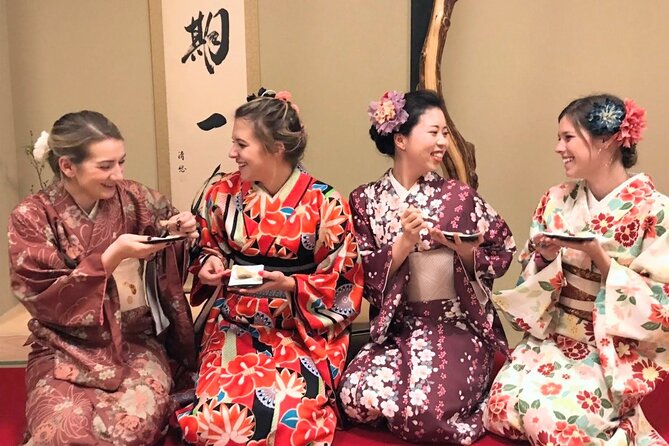
The best part of this Kyoto experience comes before the tea: you choose a traditional kimono, have it fitted properly, and, for women, receive a simple hairstyle with decorative accessories. Then you sit on tatami and learn how the ceremony works, rather than simply watching a formal display. Making your own matcha gives the ritual a hands-on touch.
I like the friendly, clear teaching, especially when hosts such as Sono explain the meaning of each movement and utensil. I also like the practical setup: a central Nishiki location, a choice of morning or afternoon appointments, and photos in the kimono before the ceremony. The main consideration is group size. Although the booking system limits a reservation to two people, the ceremony itself may include other participants, so this is a shared cultural activity rather than a private lesson.
Key points at a glance
- Kimono and hairstyling come first: Staff help you select and wear the costume properly, with simple hair arrangements for women.
- You make your own matcha: The tea master explains the tools and guides you through mixing the powder.
- Wagashi sweets are included: Traditional Japanese sweets accompany the green tea.
- A 90-minute cultural stop: The ceremony, dressing, explanations, and photo time fit neatly into a Kyoto sightseeing day.
- Central Nishiki meeting point: You make your own way to Maikoya Nishiki at 329 Ebiyacho, near public transportation.
- Strong value for the price: At $65.66 per person, the fee covers the kimono, tea, utensils, hairstyling, snacks, and instruction.
Choosing a kimono at Maikoya Nishiki
Your visit begins at Kimono Tea Ceremony MAIKOYA Nishiki, at 329 Ebiyacho on Gokomachi-dori, Sanjo sagaru. You do not get hotel pickup, so plan to reach the address yourself. The location is near public transportation and sits in central Kyoto, making it easy to pair with time around Nishiki Market and the nearby shopping streets.
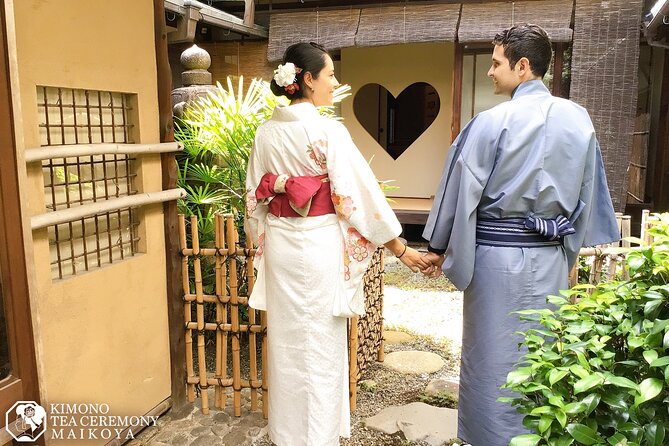
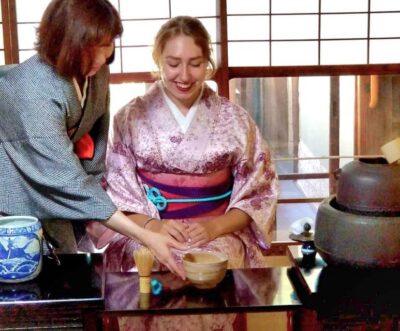
The staff present a selection of kimonos for you to choose from. This is not just a costume handed over at the door. You receive help putting it on correctly, including the layers and accessories that give the outfit its proper shape. Several people specifically praised the variety and quality of the clothing, along with the care taken during dressing.
For women, simple hairstyling is included. Staff pin up the hair and may add flower accessories to suit the kimono. You also receive a small purse for valuables, a useful detail when your regular bag does not fit comfortably with the outfit.
Give yourself a little patience during this stage. A kimono is not designed for quick dressing, and the fitting process is part of the activity. You will want to stand, walk, and sit carefully once dressed. Comfortable footwear for getting to the venue is sensible, though the main ceremony takes place Japanese-style on tatami.
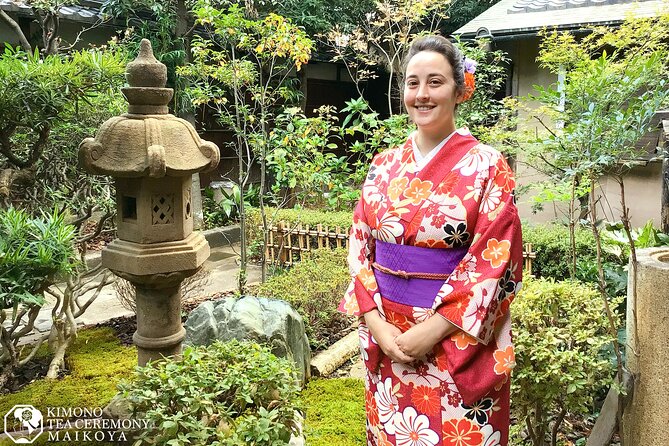
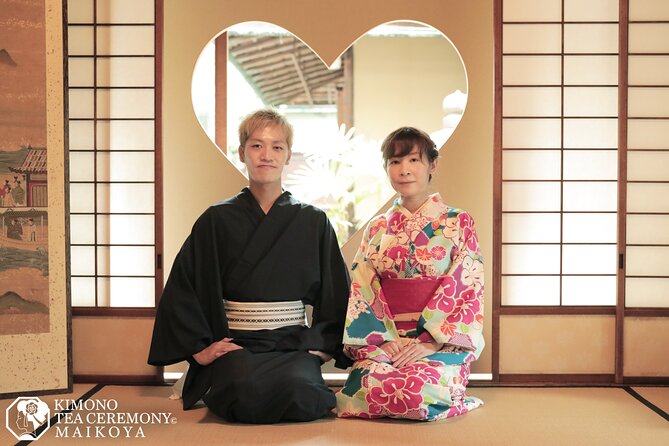
Photo time is another important part of the opening. You can take pictures in the kimono, and staff may help with photos. The setting includes a garden area, giving you a chance to record the experience before sitting down for tea. If photographs matter to you, arrive ready to make the most of this short window.
Other kimono experiences in Kyoto people book:
- Kyoto: Kimono Rental with Hairstyling and Accessories
★ 4.8 · 653 reviews - Kyoto: Kimono Tea Ceremony at Orizuruya Gion
★ 4.9 · 618 reviews - KYOTO Tea Ceremony with kimono near by Imamiya Jinjya Shrine
★ 5.0 · 343 reviews
From costume to tatami
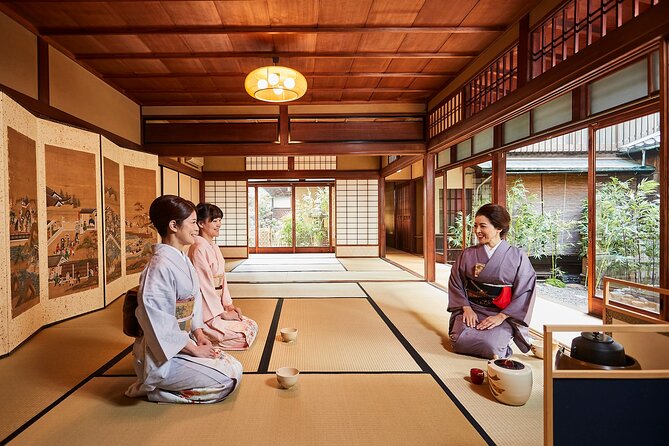
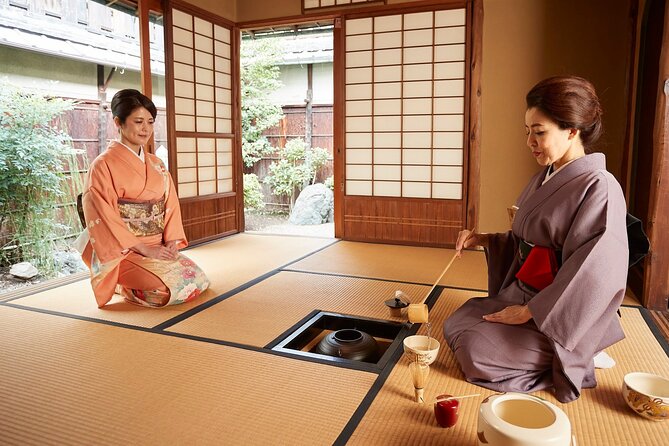
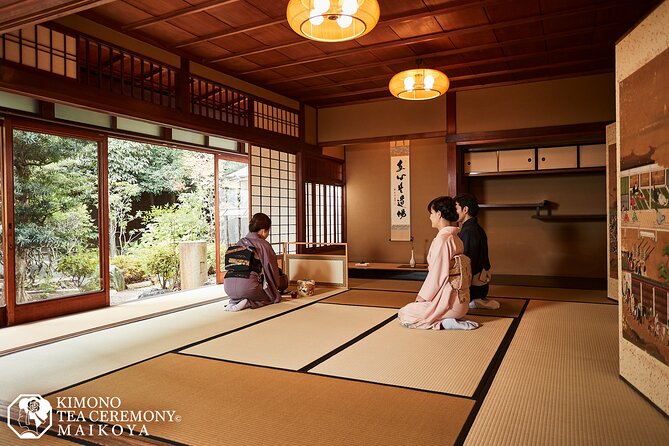
Once everyone is ready, you take a seat on the tatami floor. The ceremony is presented as a guided lesson, not as a silent performance that leaves you guessing about what is happening.
The host explains the background of the Japanese tea ceremony, its customs, and the meaning attached to the steps. You are introduced to the utensils and shown how they are used. The teaching is aimed at international visitors, and the hosts are described as easy to understand, warm, and willing to answer questions.
This explanation is what gives the activity its value. A bowl of matcha can be pleasant on its own, but without context, the gestures may look mysterious. Here, you learn why the host handles the tools in a particular way and how the ceremony creates a calm, focused setting.
The presentation can include a short meditation period. That adds a quiet pause before the tea making begins. If you want a fast photo opportunity with a cup of green tea, this may feel more formal than expected. If you enjoy learning through ritual, the slower pace is one of the better parts of the visit.
You should also expect the ceremony to be shared with other participants. The booking information allows a maximum of two people per reservation, but that refers to the number you can reserve through the stated booking channel, not necessarily the total number in the room. The supplied details also note that bookings from other sites can add more people. One reported session included around eight people, while another described roughly 10 to 12. Group size can therefore vary.
That matters because a smaller group gives you more room for questions and a quieter feeling. A larger group creates a more social setting, with people from several countries learning together. Neither format is automatically better, but you should book this expecting a small shared class, not a private tea ceremony.
Making matcha and tasting wagashi
The hands-on portion lets you prepare your own matcha using high-quality matcha powder. The tea master guides you through the process, so you do not need prior experience with Japanese tea.
Matcha has a distinct taste that can be grassy, bitter, and intense. The wagashi sweets help balance it. These small Japanese treats are included with the tea, and their sweetness makes the drink easier for first-time tasters.
I like this part because it turns the ceremony from a demonstration into something you take part in. You learn the sequence, handle the utensils, and taste the result. The activity is still structured, but you are not simply watching someone else perform every step.
The tea and sweets are modest refreshments, not a meal. Plan lunch or a snack separately, especially if this is part of a longer day around Nishiki Market. The food here is meant to accompany the ritual and teach you about the pairing, not fill you up.
Pay attention to the host’s explanations rather than rushing to make the tea. The ceremony’s point is not speed or technical perfection. You are learning a traditional process, and small mistakes are part of being new to it.
Why the cultural explanation matters
Kyoto has plenty of opportunities to rent a kimono for photographs. It also has tea houses where you can watch a ceremony. This Maikoya experience combines the two, which saves you from arranging separate bookings and gives the clothing a clear purpose.
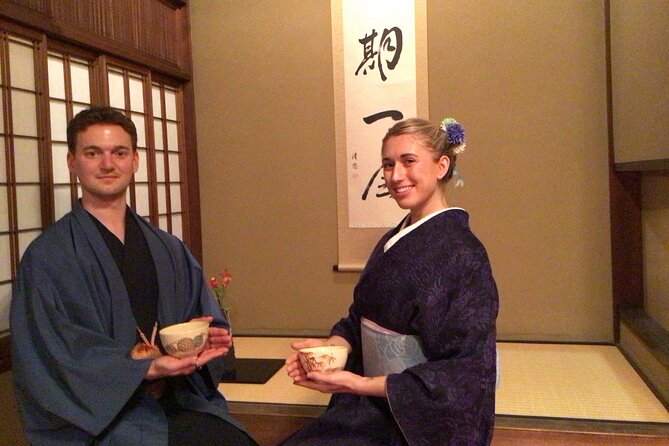
The kimono changes how the activity feels. Sitting on tatami in traditional dress makes the ceremony more memorable, and the preparation helps you understand that the clothing is not an afterthought. Staff take time to dress you properly, arrange the hair, and make sure you are ready before the tea begins.
At the same time, this is a visitor-focused introduction, not a long apprenticeship in tea practice. The 90-minute format has to cover dressing, photographs, history, utensils, tea making, and sweets. You will leave with a useful introduction, but not mastery of the ceremony.
The teaching also connects the ritual to Kyoto. One host discussed Kyoto history during the ceremony, while another, Sono, was praised for making the explanations lively and clear. The tone appears friendly rather than stiff. That helps if you are curious about Japanese customs but worry that a formal ceremony might feel difficult to follow.
Other tea ceremonies in Kyoto people book:
- Kyoto: Tea Ceremony in a Traditional Tea House in Kiyomizu
★ 4.9 · 3,519 reviews - Kyoto: Tea Ceremony Ju-An at Jotokuji Temple
★ 4.9 · 3,207 reviews - Kyoto: 45-Minute Tea Ceremony Lesson Experience
★ 4.3 · 2,378 reviews - Kyoto: Table-Style Tea Ceremony at a Kyo-Machiya
★ 4.9 · 1,211 reviews
Timing, price, and practical value
The listed price is $65.66 per person. That is a fair price if you want both kimono dressing and a guided tea activity in one stop. The cost includes the kimono costume, simple hairstyling, green tea, utensils, snacks, and instruction.
You are paying for more than a drink. A separate kimono rental can add planning and extra cost, while a separate tea ceremony may offer no time for dressing or photographs. Combining the two makes the fee easier to justify, especially during a short Kyoto visit.
The experience lasts about one hour and 30 minutes. Morning and afternoon times are available, so you can fit it around sightseeing. A morning appointment leaves the rest of the day for central Kyoto. An afternoon appointment can work well after a market visit, though you should allow enough time to reach the meeting point.
The activity ends where it starts. There is no transportation to another district and no hotel drop-off, which is both a limitation and a benefit. You must organize your own route, but you also finish in a central area rather than being left at an unfamiliar suburban venue.
Mobile tickets make arrival simple. Confirmation is provided at booking. Children under seven cannot enter the tea ceremony venue, and a party containing a child under seven cannot reserve this activity. A 10-year-old attended successfully with a parent, so the format can suit older children who are interested in Japanese culture and can sit through the explanations.
The experience requires good weather. If poor weather causes cancellation, you are offered another date or a full refund. For your own cancellation, you must cancel at least 24 hours before the start time for a full refund. Changes or cancellations inside that window are not accepted.
Who will enjoy this Kyoto activity
I would recommend this to first-time visitors who want a clear introduction to two well-known parts of Japanese culture. You do not need to know anything about matcha, kimono etiquette, or tea ceremony customs before arriving.
It suits couples, parent and older-child combinations, sisters, friends, and solo visitors who are comfortable joining a shared group. The photo opportunities make it especially appealing if you want a visual memory of Kyoto, but the explanations give it more substance than a simple dress-up session.
It is also a good fit for people with limited time. You get clothing, hair styling, instruction, tea, sweets, and photographs in one 90-minute appointment. The Nishiki location makes it easy to build into a central Kyoto itinerary.
I would think twice if you dislike sitting on the floor, formal rituals, or group activities. The ceremony takes place on tatami in a Japanese-style seated position, and the pace includes listening and observation. The listing does not specify alternative seating, so anyone who may struggle on the floor should check before booking.
You should also choose another activity if you want a private, highly traditional ceremony with no other participants. Group size can vary, and the setup is designed for visitors from different countries. That makes the atmosphere friendly and accessible, but not completely secluded.
What makes this experience memorable
The strongest feature is the combination of preparation and participation. Staff do not simply hand you a kimono and place you in a room. They help dress you, arrange your hair, provide accessories, and give you time for photographs. Then the host explains the ceremony and lets you prepare matcha yourself.
I also value the human side of the activity. The hosts are described as kind, welcoming, and easy to understand. Sono receives particular praise for explaining the process well, while the dressing staff are noted for being helpful and professional.
The setting contributes to the mood. Traditional tea rooms, tatami, kimono, utensils, sweets, and a garden photo area create a coherent experience. None of these elements alone would tell you much about Japan, but together they provide a useful first look at a cultural practice that can otherwise seem closed to outsiders.
The 96 percent recommendation rate and 4.8 rating from 911 ratings point to a dependable experience, though they should not hide the practical limits. You are not booking a private room, a full meal, or an all-day cultural course. You are booking a well-organized introduction with a strong visual and hands-on element.
Should you book the Maikoya Nishiki tea ceremony?
Book it if you want to wear a kimono and make matcha in the same appointment, especially if this is your first tea ceremony in Kyoto. The central location, 90-minute length, included hairstyling, wagashi sweets, and patient explanations make the $65.66 price reasonable.
I would choose it for a first Kyoto visit, an older child who wants a cultural activity, or anyone looking for a calm break from sightseeing. Go in expecting a shared class rather than a private ritual, and remember that sitting on tatami is part of the format.
If that sounds right, this is a practical and enjoyable way to meet two major Japanese traditions without complicated planning.
FAQ
Where does the tea ceremony take place?
It takes place at Kimono Tea Ceremony MAIKOYA Nishiki, 329 Ebiyacho, Gokomachi-dori Sanjo sagaru, in Kyoto.
How long does the activity last?
The experience lasts approximately one hour and 30 minutes.
What is included in the price?
The price includes a kimono costume, green tea, tea utensils, simple hairstyling, snacks, and the guided ceremony.
Is transportation included?
No. You make your own way to the Nishiki meeting point, and hotel pickup and drop-off are not included.
Can I choose a morning or afternoon time?
Yes. Morning and afternoon timing options are available.
Do I get to choose my kimono?
Yes. You choose from a selection of kimonos at the venue, and staff help you put it on properly.
Is hairstyling included?
Yes. Simple hairstyling is included for women.
Do I make my own matcha?
Yes. The host explains the utensils and guides you as you prepare your own matcha green tea.
Are children allowed?
Children under seven cannot enter the tea ceremony venue. If your party includes a child under seven, you cannot reserve this experience.
What is the cancellation policy?
You can cancel at least 24 hours before the start time for a full refund. Cancellations or changes made less than 24 hours before the experience are not accepted. If poor weather causes the activity to be canceled, you are offered another date or a full refund.
More tea ceremonies elsewhere in Japan
- Kyoto: Arashiyama Bamboo Forest, Monkeys, Matcha & Temple Tour
★ 5.0 · 759 reviews - Kyoto: Tea Museum Tickets and Matcha Grinding Experience
★ 4.9 · 739 reviews - Kyoto: Tea Ceremony in 100-year-old Kyo-Machiya Townhouse
★ 4.8 · 546 reviews - Kyoto: Tea Ceremony Experience
★ 4.8 · 511 reviews
More kimono experiences elsewhere in Japan
- Kyoto: Kimono and Tea Ceremony Experience at Cultural Asset
★ 4.3 · 306 reviews - Kyoto: Traditional Kimono Rental
★ 4.7 · 265 reviews - Kyoto: Kimono Tea Ceremony with Matcha and Sweet
★ 4.9 · 249 reviews - Osaka: Sumo Show & Experience w/ Optional Kimono & Hot Pot
★ 4.5 · 609 reviews
Just added in Kyoto
- Kyoto: Private Photoshoot Service★ 5.0 · 158 reviews
- Kyoto Rickshaw Tour★ 5.0 · 210 reviews
- Izakaya Style Cooking Class★ 5.0 · 219 reviews
- Kyoto: Traditional Concert at Townhouse or Bathhouse★ 4.9 · 224 reviews
- Ninja 2-hour Hands-on Lesson by Japanese master in Kyoto -Medium★ 5.0 · 218 reviews
- Kyoto: Arashiyama Bamboo, Temple, Matcha, Monkeys & secret spots★ 5.0 · 219 reviews
- Kyoto Geisha District Walking Tour in Gion★ 5.0 · 232 reviews
- The right way to know Kyoto★ 5.0 · 257 reviews
Tea Ceremony Experiences, compared.
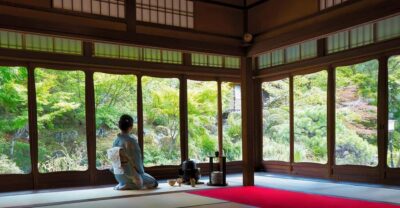
Tea Ceremony in a Traditional Tea House in Kiyomizu
Read our review →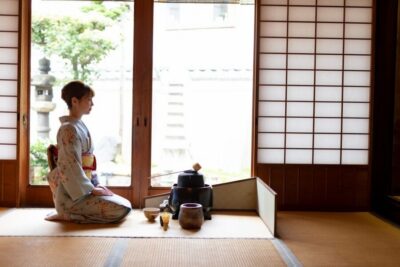
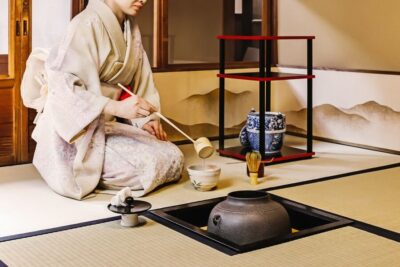
World Heritage Kyoto & Nara Uji Authentic Matcha Experience
Read our review →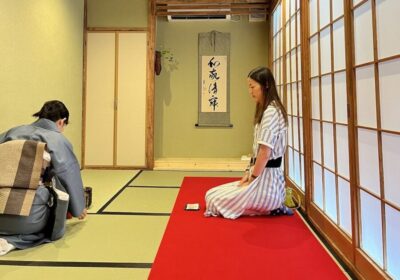

Arashiyama Bamboo Forest, Monkeys, Matcha & Temple Tour
Read our review →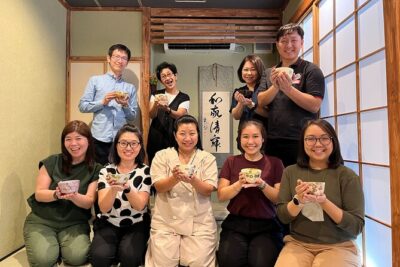
Browse the lists this tour appears in