
Reviewed · HIKING & TREKKING
Nagano Snowshoe Hiking Tour
The best part of this Nagano outing is the shift from familiar shrine grounds to a quiet winter forest. You strap on MSR snowshoes, follow the snow-covered cedar approach toward Togakushi Shrine, then head into beech woods where animal tracks and giant trees give the walk a real sense of discovery.
I like the small group limit of eight, which suits a forest walk far better than a bus tour. I also like the practical extras: snowshoes and poles are included, and guide Kouhei has been praised for his warm manner, strong English, useful explanations, hot drinks, and snacks.
The main consideration is the weather. Heavy snow or avalanche danger can change the route, and the Okusha shrine may not be reachable. This is also a five-hour outing that calls for moderate fitness, not a gentle stroll beside a road.
Key points to know before booking
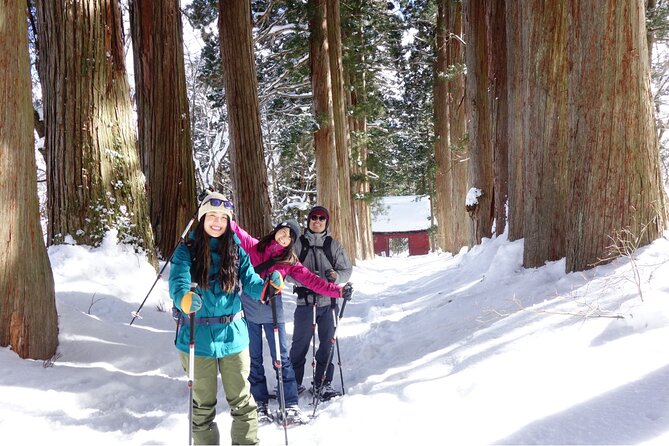
- 400-year-old cedar avenue: Walk beneath huge, snow-covered trees on the approach toward Togakushi Shrine’s inner shrine.
- Frozen Lake Kagami: The lake is one of the tour’s most striking stops, but access depends on safe winter conditions.
- Guide Kouhei: Kouhei Nishida leads the walk and can provide explanations in English.
- Snow-made coffee stop: Your guide may build a table from snow and serve coffee in the forest.
- Modern gear included: MSR snowshoes and poles are provided, while winter boots cost an extra 1,000 Japanese yen if needed.
- Small-group format: The maximum is eight people, with pickup offered and a return to the meeting point.
Walking beneath Togakushi’s old cedars
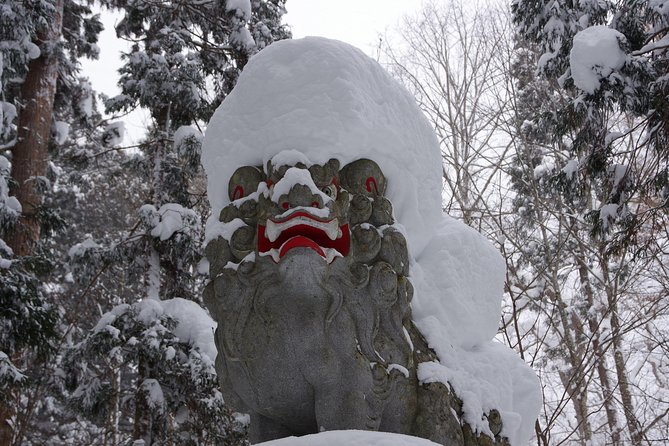
Togakushi is not simply a place to put on snowshoes and wander through open snow. The route connects winter scenery with one of Nagano’s best-known sacred areas, where mountain worship has been practiced for centuries.
The approach toward Togakushi Shrine’s Okusha, or inner shrine, is lined with cedar trees said to be more than 400 years old. In summer, this avenue is already impressive. Under a heavy coat of snow, the trees take on a quieter, more dramatic character. Their trunks rise beside the path, and the snow softens the usual sounds of the forest.
You will not walk the entire route as if this were a standard shrine visit. The point is the winter setting and the snowshoe experience. The guide uses the forest, shrine approach, and nearby paths to show you a side of Togakushi that is difficult to reach on foot during the snowy season.
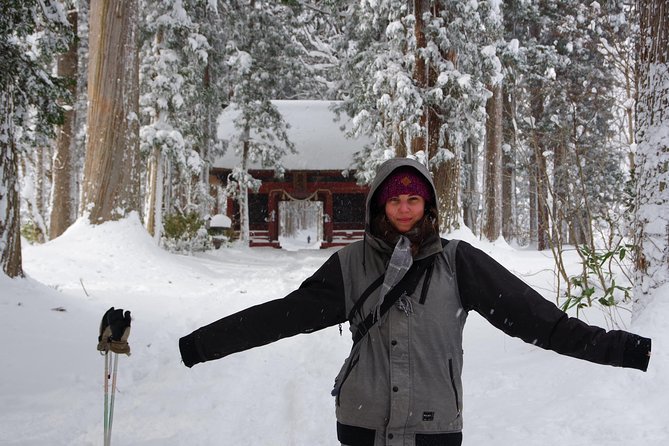
There is one important caution. Avalanche risk can make the Okusha section unsafe. On one outing, the shrine could not be visited for that reason, even though the snowshoe walk continued successfully. I would book this tour for the wider winter experience, not with the assumption that every part of the shrine route is guaranteed.
That flexibility is sensible in a mountain region. A changed route is far better than forcing access to a dangerous slope. Still, if seeing the inner shrine is your main goal, you should treat it as weather-dependent.
More walking routes from Nagano:
- Fushimi Inari Hidden Hiking Tour (Private Option Available)
★ 5.0 · 1,750 reviews - Kyoto: 3-Hour Fushimi Inari Shrine Hidden Hiking Tour
★ 4.9 · 270 reviews - Hiroshima Local guided Hiking Tour&Open-air Tea Ceremony
★ 5.0 · 213 reviews
From cedar forest to quiet beech woods
The tour continues through beech forest in Myoko-Togakushi Renzan National Park, an area known for deep snowfall. Snowshoes make it possible to move across soft, deep snow that would be awkward or exhausting in ordinary shoes.
This is where the outing becomes more than a walk between famous sights. The guide can point out animal footprints and signs in the snow. You might see tracks without seeing the animal itself, but that is part of the appeal. In a quiet winter forest, small clues become the focus.
The forest also gives the guide room to adjust the pace. Feedback about Kouhei repeatedly highlights his relaxed, friendly approach, and that matters here. Snowshoeing is new to many people, especially those from countries without regular snow. A calm guide can make the equipment feel less intimidating and help you settle into the rhythm of walking.
The activity still requires moderate physical fitness. Five hours on snow is not equivalent to five hours on a paved path. Snowshoes add weight, uneven ground takes more effort, and cold conditions can drain energy faster than expected.
You do not need to be an expert snowshoer based on the information provided, but you should be comfortable with sustained walking. If you are unsure about your stamina, ask about the planned route before setting out.
Finding a giant tree in winter-only country
One of the most appealing details is the visit to a giant tree that can only be reached during the snowy season. The exact tree and route are not specified, so I would not book expecting a named landmark with a fixed photo stop.
The value is the access. Snow can open routes that are difficult to use at other times of year, allowing the group to reach parts of the forest that are not part of an ordinary sightseeing circuit. That gives the walk a stronger sense of purpose than simply following a marked path.
This section also shows why a guide is useful. In deep snow country, a route that looks simple on a map can be difficult to judge from the ground. The guide chooses a suitable path, watches conditions, and explains what you are seeing along the way.
The experience is still nature-focused rather than attraction-focused. You should expect a forest outing with changing conditions, not a sequence of polished viewpoints. Some people will love that. If you prefer a fixed route with guaranteed access to every named stop, the weather-dependent format may feel less predictable.
Lake Kagami is the visual high point
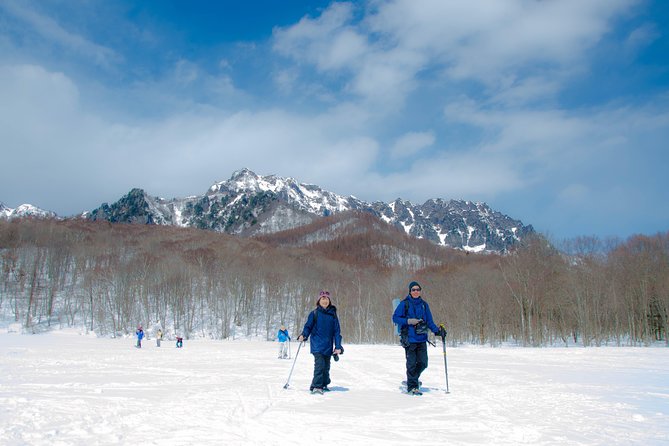
Lake Kagami is one of the clearest reasons to choose this tour. Walking on a frozen lake is a memorable winter experience, especially when it is paired with the forest and mountain setting around Togakushi.
The surface must be safe before the group enters, so this part is dependent on conditions. The description specifically includes walking on the frozen lake, but mountain weather can affect what is possible on a given day. You should see it as a planned highlight rather than an absolute promise in every kind of weather.
The lake also gives the five-hour route a welcome change of scenery. The cedar avenue offers tall trees and a narrow sense of passage. The beech forest brings animal tracks and quiet woodland. The frozen lake opens the view and changes the way you move through the area.
Several accounts describe Lake Kagami as a highlight, and I can understand why. It is the kind of moment that is hard to duplicate on a regular city tour. You are not only looking at winter scenery. You are walking across a frozen body of water under the guidance of someone checking the conditions.
Wear clothing that lets you stay comfortable while moving and standing outdoors. The supplied information does not list a full clothing checklist, so you should confirm what is suitable for the forecast. If you need winter boots, rental boots are available for an extra 1,000 Japanese yen, but sizes and quantities are limited.
Same base, a different sort of day:
- 1-Day Snow Monkeys, Zenko-ji Temple & Sake in Nagano
★ 5.0 · 1,020 reviews - Nagano: Snow Monkeys, Zenkoji Temple & Sake Day Trip
★ 4.9 · 833 reviews - From Tokyo: Snow Monkey 1 Day Tour with Beef Sukiyaki Lunch
★ 4.6 · 295 reviews - Tokyo: Snow Monkey & Nagano Customiseable Private Day Tour
★ 4.8 · 138 reviews
Coffee served from a table made of snow
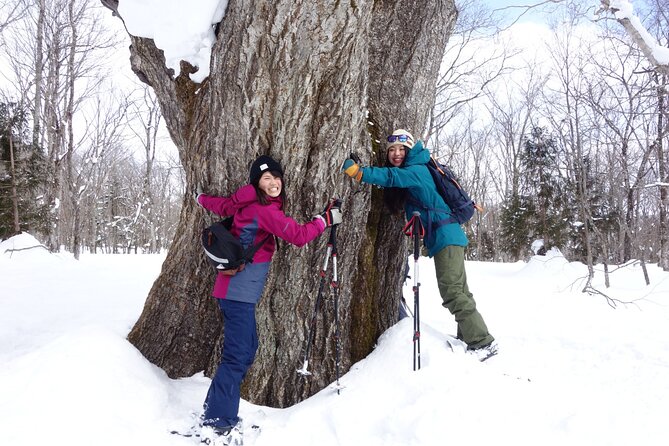
The guide builds a table from snow and serves coffee during the walk. It is a small detail, but it helps define the tone of the outing.
This is not a formal café stop with indoor seating and a wide menu. It is a practical outdoor break shaped by the setting itself. A snow table is both useful and memorable, and hot coffee gives you a reason to pause rather than rush from one point to the next.
Some outings also include hot drinks and snacks. The included items are not described as a full meal, and lunch is not included, so do not treat the coffee stop as lunch. Bring or arrange food if you need a substantial meal during the day.
One useful detail from past outings is the possibility of visiting a soba restaurant afterward. That meal is not listed as part of the tour, so it should be regarded as a separate option, not a promised inclusion. Nagano is closely associated with soba, and a bowl after several hours in the snow would make practical sense.
What the guide adds to the day
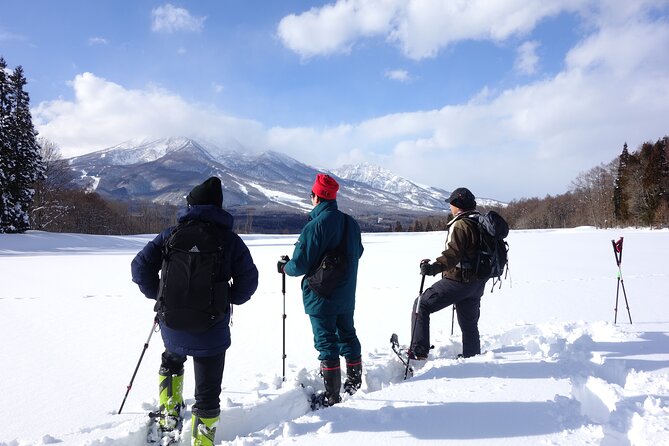
Kouhei Nishida is the named guide connected with this experience. The available feedback consistently describes him as warm, thoughtful, friendly, and good at explaining the surroundings. One group also noted that he spoke English well.
That matters because snowshoeing has a learning curve. You need to understand how to use the bindings, how to walk without tripping over the shoes, and how to handle poles on uneven snow. Clear instructions at the start can make the rest of the outing more enjoyable.
Kouhei also appears to shape the day around the group rather than rushing through a fixed checklist. The tone is relaxed, with time for scenery, explanations, drinks, and photographs. That does not mean the walk is effortless. It means the pace is intended to be pleasant rather than competitive.
A small group helps here. With no more than eight people, it is easier to hear the guide, ask questions, and keep the group together in the woods. It also means the experience may feel more personal than a large winter excursion.
The tour is operated by Shinano Discovery. Confirmation is issued within 48 hours of booking, subject to availability, so you should avoid making tightly connected plans until the booking is confirmed.
Price, equipment, and practical value
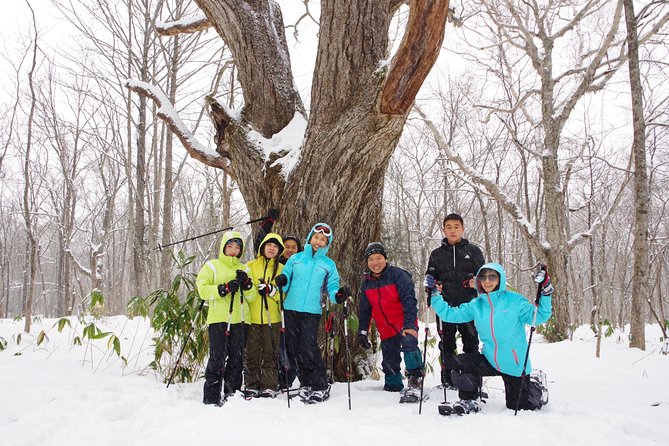
At $97.98 per person, this tour is not the cheapest way to see snowy Nagano, but the price includes several useful pieces. You receive snowshoes, poles, and insurance, and you get a guide for about five hours. Pickup is offered, and group discounts may be available.
The included MSR snowshoes are especially important. Renting suitable equipment separately can be a nuisance, and poor footwear can turn a beautiful walk into a miserable one. The included poles also help with balance on soft or uneven snow.
Winter boots are separate at 1,000 Japanese yen, with limited sizes and quantities. If you already have suitable boots, you can avoid that extra cost. If not, arrange the rental early and confirm availability.
Lunch is not included. The duration is long enough that you should plan around that fact, especially if you have a larger appetite after walking in deep snow.
The value is strongest for you if you want a guided nature experience rather than a quick photo stop. You are paying for equipment, route-finding, safety decisions, interpretation, and access to several different winter settings in one outing. If you only want to walk near a shrine for an hour, this tour may be more than you need.
Meeting point, timing, and fitness
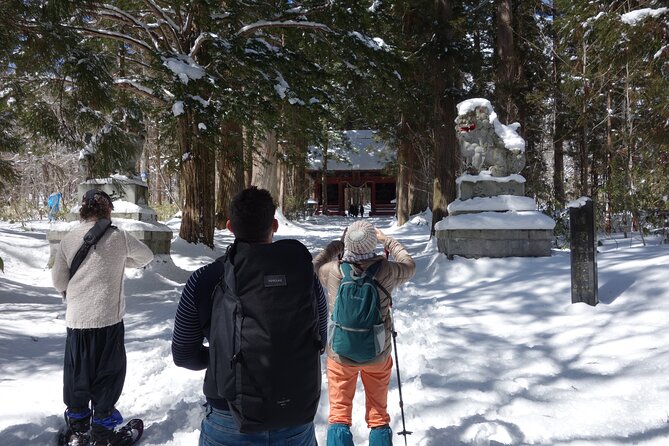
The tour begins and ends at Kurohime Station in Kashiwabara, Shinano, Nagano. The area is near public transportation, and pickup is offered, but the supplied details do not specify the exact pickup range or schedule.
The advertised duration is about five hours. Allow extra time around the activity for reaching the station, changing into gear, and handling any boot rental. The experience returns to the meeting point rather than ending at a separate sightseeing area.
Moderate fitness is required. You should be ready for sustained walking in snow, changing surfaces, and cold outdoor conditions. Snowshoeing is accessible to beginners, but the effort is different from an ordinary park walk.
The maximum group size is eight. That is small enough for a more attentive outing, but it does not guarantee a private tour. If you are booking as a family or with friends, ask about group discounts and the exact pickup arrangement.
Free cancellation is available up to 24 hours before the start time for a full refund. Cancellations or changes inside that window are not accepted for a refund. Poor weather or failure to reach the minimum group size can also lead to a date change or full refund.
Who will enjoy this Togakushi snowshoe walk
I would recommend this experience to you if you want to see Nagano in its proper winter setting, not just from a warm train window. It suits people who enjoy forests, quiet routes, changing scenery, and a guide who adds context along the way.
Families can enjoy it, provided everyone can manage a five-hour snow walk. The available feedback includes a family outing that was described as enjoyable and relaxed, but your own group should still consider fitness levels and cold tolerance.
It is also a good choice if you come from a place without snow and want a safe introduction to winter walking. The equipment is supplied, the group is small, and the guide can help you get comfortable.
I would be more cautious if you have limited mobility, dislike cold weather, or need a guaranteed visit to the Okusha shrine. The tour is weather-dependent, and the route can change for safety. You should also think twice if you want a lunch-inclusive day or a short, low-effort activity.
Should you book the Nagano Snowshoe Hiking Tour?
Book it if you want a full half-day in Togakushi’s snowy woods, with old cedars, beech forest, animal tracks, a giant tree, coffee from a snow table, and the chance to walk across Lake Kagami. The included gear and eight-person limit add real value at $97.98.
Go in with the right expectations. The Okusha shrine and frozen lake depend on safe conditions, and the walk calls for moderate fitness. If you accept that the route may change, this is a strong way to experience Nagano’s winter nature with guide Kouhei and without arranging snowshoes yourself.
FAQ
How long does the Nagano Snowshoe Hiking Tour last?
The activity lasts approximately five hours, including the guided snowshoe walk through the Togakushi area.
Where does the tour begin and end?
It begins at Kurohime Station in Kashiwabara, Shinano, Nagano, and returns to the same meeting point at the end.
Are snowshoes and poles included?
Yes. The tour includes MSR snowshoes and poles, along with the insurance fee.
Can I rent winter boots?
Yes. Winter boots are available for an additional 1,000 Japanese yen, but sizes and quantities are limited.
Is lunch included?
No. Lunch is not included. The tour may include coffee, and some outings have included hot drinks and snacks, but this does not replace a full meal.
What happens if the weather is poor?
If poor weather causes the experience to be canceled, you will be offered a different date or a full refund. The route can also change because of conditions such as avalanche risk.
Just added in Nagano
- Snow Monkeys, Hokusai & Sake: A Perfect Day in Nagano★ 5.0 · 19 reviews
- Wasabi Farm Walking Tour & Lunch★ 4.5 · 20 reviews
- 1-Day Tateyama-Kurobe Tour: Walking on the ‘Roof of Japan’★ 5.0 · 20 reviews
- Ski or Snowboard Lesson in Shiga Kogen (4Hours)★ 5.0 · 34 reviews
- Snow Monkey Park & Miso Production Day Tour from Nagano★ 5.0 · 18 reviews
- Snow Monkey & Shibu Onsen Afternoon Tour (Depart: Iiyama & Nozwa)★ 5.0 · 54 reviews
- Snow Monkey Park, Soba Lunch and Shibu Onsen Tour★ 5.0 · 12 reviews
- Nagano Private Two Day Tour★ 5.0 · 29 reviews
Hiking & Trekking, compared.
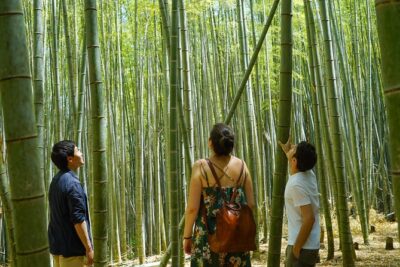
Fushimi Inari Hidden Hiking Tour (Private Option Available)
Read our review →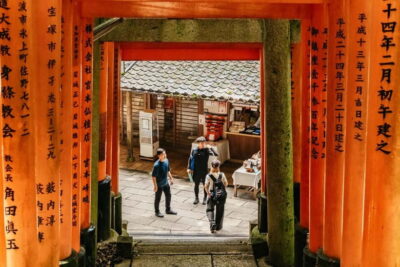
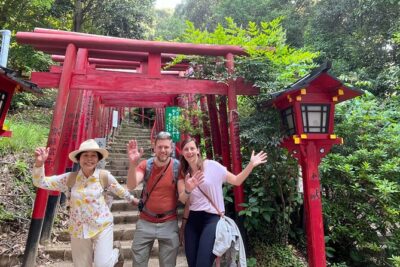
Hiroshima Local guided Hiking Tour&Open-air Tea Ceremony
Read our review →
Hiking the Historic Nakasendo Trail [1 Day Tour from Nagoya]
Read our review →
Kyoto Hiking Tour: The Nature and Legends of Kurama and Kibune
Read our review →
Browse the lists this tour appears in