
Reviewed · HAKONE DAY TRIPS
Hike Hakone Hachiri
Hakone Hachiri follows an old mountain road linking Tokyo with Kyoto and Osaka, but this is not just a walk through the woods. You’ll visit a centuries-old teahouse, pass beneath huge cedar trees, and trace the route once used by people moving between Japan’s great cities. The 12-kilometer hike gives the day a real sense of purpose.
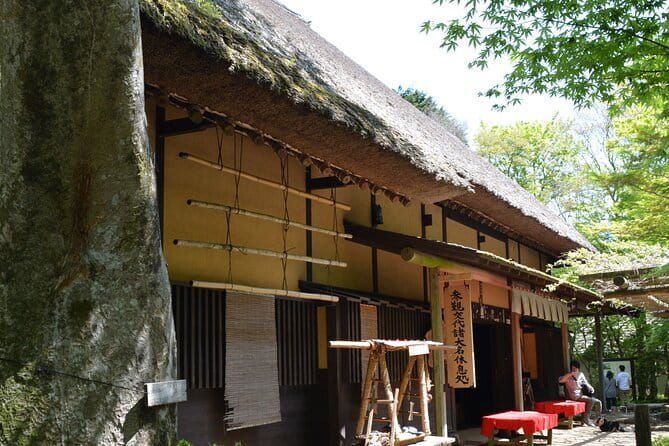
I like the personal scale of this private tour, and I like that Tony adds local context while translating Japanese conversations when needed. The stop at Amazake Chaya is especially memorable: the teahouse is managed by Mr. Yamamoto, the thirteenth generation of his family to run it.
The main caution is the physical effort. Parts of the route use uneven stones, and the walk can feel rigorous rather than leisurely. Rain can make the trail harder, so bring sturdy, comfortable shoes and be ready for weather-related changes.
Key Points to Know Before You Go
- A 12-kilometer walk on the old Tokaido: This is a proper day hike, not a short sightseeing stroll.
- A thirteenth-generation teahouse: Amazake Chaya offers a direct link to the people who kept this old road alive.
- Tony guides the private outing: He provides historical detail and Japanese translation during key encounters.
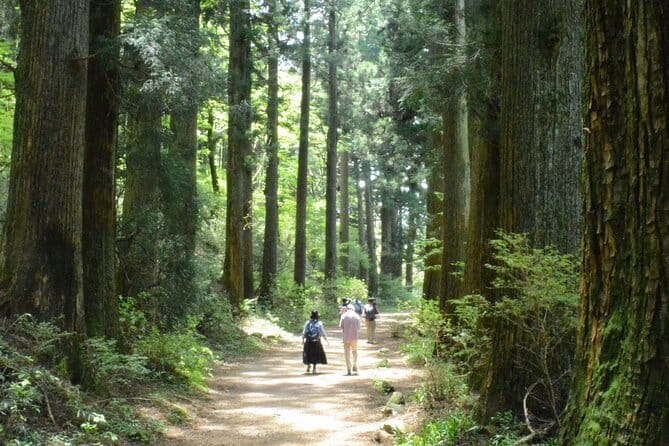
- Four-hundred-year-old cedar trees: Cedar Avenue gives you one of the most atmospheric sections of the old highway.
- Mt Fuji depends on the weather: Yamanaka Castle Ruins offer the possibility of a fine view, but clouds may have the final say.
- Plan for a moderate to challenging day: Lunch, tea, coffee, and transport in an air-conditioned vehicle are not included.
Why Hakone Hachiri Is More Than a Forest Walk
The old Tokaido Highway was one of Japan’s great routes. It connected Edo, now Tokyo, with Kyoto and Osaka, and people used it for travel, trade, official business, and pilgrimage. The Hakone section crossed difficult mountain country, which made it both demanding and strategically important.
Today, the Hakone Hachiri route is recognized as a Japan Heritage Area. That label matters because the experience joins several parts of Japanese history in one day: road building, castle defense, government checkpoints, tea culture, mountain travel, and the natural setting around Lake Ashi.
I like the way this tour avoids reducing Hakone to a quick view from a cable car or a crowded lakeside stop. You still see well-known places, but you reach them through the older route that explains why they mattered.
The tour lasts about nine hours and begins and ends at Mishima Station. It is a private activity, so only your group takes part. That gives Tony room to adjust the pace and alter the order of some stops when conditions require it. During poor weather, the operator may offer another date or a full refund.
Other hot-spring days out of Hakone:
- Hakone 6 hour Private Tour with Government-Licensed Guide
★ 5.0 · 218 reviews - Custom Private Tour in Hakone with a Certified Local Guide
★ 5.0 · 91 reviews - Hakone 8 hour Private Tour with Government-Licensed Guide
★ 5.0 · 63 reviews
Starting at Mishima Station at 8:30
The meeting point is Mishima Station, at 16-1 Ichibanchō, Mishima, Shizuoka. The start time is 8:30 in the morning, and the same station serves as the end point.
That arrangement is useful if Mishima fits your route through Shizuoka or the Hakone area. It also keeps the day simple: you do not need to work out separate start and finish points on your own. Still, check your morning connection carefully. A full-day mountain walk is not a good time to arrive flustered or late.
The tour is offered with a mobile ticket, and confirmation comes at booking. Public transportation is nearby, but an air-conditioned vehicle is not included. The supplied details do not specify a private vehicle transfer, so you should clarify how each section between walking stops is handled before departure.
Amazake Chaya and a Family Tradition
Amazake Chaya is one of the day’s most distinctive stops. Hundreds of teahouses once lined the old Tokaido, offering tired walkers a place to rest, warm up, and take refreshment. Only a small number remain, making this stop more than a convenient break.
Mr. Yamamoto is the thirteenth-generation manager. His family continues the work, including his son and daughter, who may become the fourteenth generation. That detail gives the visit a human scale. You are not simply entering an old building with a plaque outside. You are seeing a family connection that reaches back through the life of the road.
The stop lasts about an hour, and admission is included. Coffee and tea are not included in the tour price, so budget for anything you order. The description highlights amazake, a traditional Japanese drink, but the supplied details do not specify exactly what refreshments are served or included.
Tony’s role is valuable here. He can provide Japanese translation and help explain the exchange with the family. Without that help, you might admire the setting but miss some of the meaning behind it.
Lunch Beside Lake Ashi
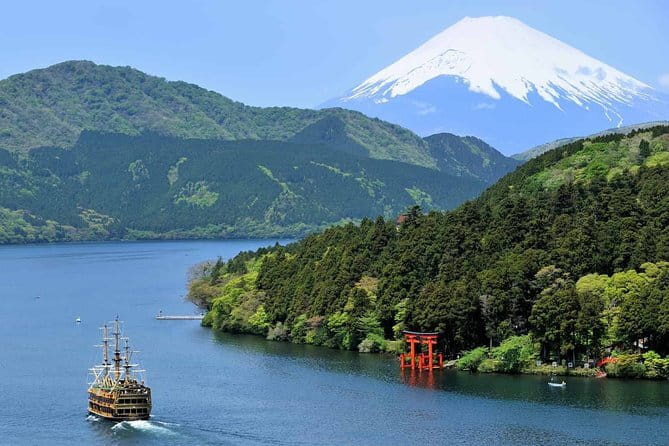
The route includes an hour by Lake Ashi, the large crater lake at the center of Hakone. The water reaches a stated depth of about 700 meters, and the familiar red torii gates stand in the lake.
This is the natural pause in a long day. You can have lunch beside the water, but lunch is not included. Bring money for your meal, and remember that the tour does not include coffee or tea either.
The lake stop also brings a change of mood. The old road and cedar avenue feel enclosed and shaded. Lake Ashi opens the view and gives you a chance to rest before continuing. On a clear day, the setting can be striking. On a wet or cloudy day, it may feel quieter and less dramatic, but it still offers a useful break in the walking schedule.
Do not assume the lake stop means the hiking is finished. The main five-hour portion of the day covers the old Tokaido foot highway, so save some energy.
More walking routes from Hakone:
- Hike Japan Heritage Hakone Hachiri with certified mountain guide
★ 5.0 · 46 reviews - Traverse Outer Rim of Hakone Caldera and Enjoy Onsen Hiking Tour
★ 5.0 · 30 reviews - Hakone Hachiri: Old Tokaido Highway Hiking Tour
★ 4.9 · 22 reviews - Hike Japan Heritage Hakone Hachiri (Half Day)
★ 5.0 · 18 reviews
Walking Beneath the Cedar Avenue
Cedar Avenue is one of the clearest reminders that this was once a planned route, not merely a mountain track. About four centuries ago, Tokugawa Hidetada, the second shogun of the Edo period, ordered Japanese cedar trees, known as sugi, planted along both sides of the Tokaido.
The trees were meant to shade people using the road. Today, their height and age give this section a strong sense of scale. The 400-year-old cedars form a living corridor, with the route passing between them.
This stop is listed as about 30 minutes, but the cedar section also forms part of the larger hike. The short stop length should not be mistaken for a small attraction. The trees are one of the visual anchors of the day, and they help you picture how the road functioned before modern transport.
The surface is not always easy. Stone sections can be uneven, and wet weather can make footing less secure. Shoes with good support matter more here than fashionable walking shoes.
Hakone Sekisho and the Old Checkpoint System

Hakone Sekisho was one of the checkpoints placed along the Tokaido. Officials used these posts to check that people were legitimate travelers and to protect the shogun in Edo.
Hakone was especially important because it was the nearest major checkpoint to the capital. That made its controls severe. The stop includes Hakone Sekisho and the Hakone Sekisho Museum, with about 30 minutes set aside.
This portion adds political meaning to the road. The Tokaido was not simply a path through attractive scenery. It was regulated, watched, and tied to the power of the shogunate. A checkpoint could affect who moved, what they carried, and how safely the government controlled access to Edo.
Thirty minutes is enough for an introduction, but not for a long museum visit. If you like military, government, or transport history, you may wish the schedule allowed more time. The benefit of joining Tony is that he can connect the checkpoint to the route you are walking instead of leaving it as an isolated exhibit.
Yamanaka Castle Ruins and the Mt Fuji Gamble
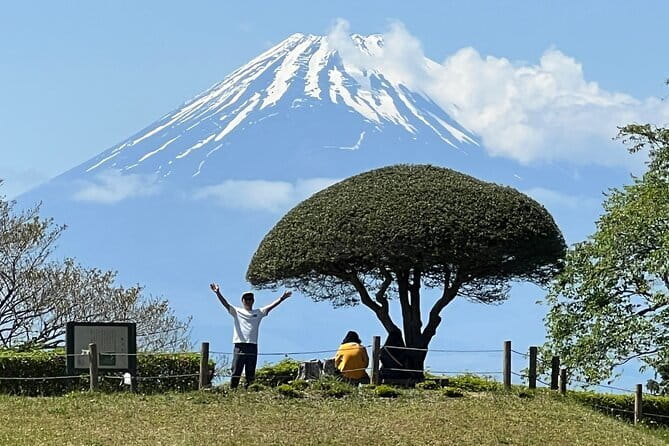
Yamanaka Castle dates to 1590 and protected the western boundary of the Hojo domain. Its name means castle in the middle of the mountain, and the setting matches it.
The remains are known for their earthworks, defensive structures made by shaping and cutting the ground rather than relying only on stone walls. The stop lasts about 30 minutes. It gives you another way to understand the terrain: the same mountains that made the Tokaido hard to cross also made them useful for defense.
This is the main place to look for Mt Fuji. The view is weather permitting, so there is no guarantee. That honesty is important. Hakone weather changes quickly, and a cloudy day may hide the mountain completely.
I would treat Fuji as a bonus, not the reason to book the hike. The castle site, the old road, and the cedar route still make the day worthwhile when the view disappears. If the sky clears, you get an extra reward.
The Five-Hour Old Tokaido Foot Highway
The heart of the experience is a 12-kilometer section between Odawara and Mishima, preserved as part of the Japan Heritage Area. This is the portion that makes the tour a hike rather than a collection of short sightseeing stops.
Five hours is a substantial block of walking. Your pace, the weather, and the condition of the stone path will affect how demanding it feels. The physical requirement is listed as moderate fitness, but some people may find the route challenging. One account of the day described it as a rigorous hike over stones, while another noted that sturdy, comfortable shoes were essential.
The reward is a slower look at Hakone. You have time to notice the route itself, not just reach the next viewpoint. Tony can explain how the road connected the old capitals and help you read the remains around you.
This format works best for people who enjoy walking with a purpose. If you want a relaxed day with frequent vehicle transfers, this is the wrong choice. If you want exercise mixed with history and scenery, the long central section is the reason to book.
Finishing Along the Genbegawa River in Mishima
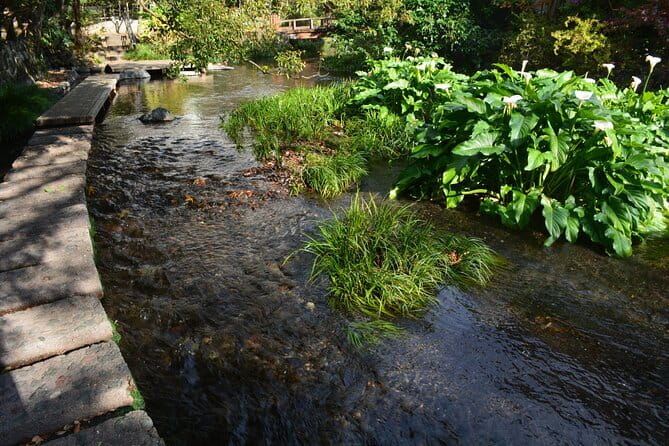
The day ends in Mishima with a 30-minute walk along the Genbegawa World Water Heritage Area. This gives the tour a gentler closing note after the mountain route.
The finish also ties the hike back to Mishima rather than leaving you at a remote trailhead. You return to the same station where the day began, which is practical for onward plans.
The supplied details do not explain the exact route beside the river or the number of stops along it. Think of this as a final waterside walk, not another major hike. It gives you a chance to slow down, take in the town setting, and finish the day in a more settled way.
Tony’s Personal Guiding Style
Tony is the guide named for this experience, and his strengths are clear. He brings strong historical detail, speaks Japanese fluently, and can translate during the visit with Mr. Yamamoto at Amazake Chaya.
That translation is not a minor extra. The teahouse is one of the most personal parts of the day, and a language bridge can turn a brief stop into a meaningful exchange. Tony also pays attention to the group and can adjust parts of the day in poor conditions.
The private format makes this especially useful. You are not trying to keep up with a large group or wait for strangers at every turn. The activity is limited to your own party, and group discounts are available.
The tradeoff is price. At $231.18 per person, this is not a cheap walk. The value rests in the full day, private guiding, language help, route planning, and historical interpretation. If you only want to follow a trail, you can spend less. If you want someone to explain the route and manage a complex day across Hakone and Mishima, the fee is easier to justify.
What to Bring and How to Judge the Difficulty
Bring sturdy, comfortable walking shoes. That is the clearest practical lesson from the route. Stone surfaces, a five-hour hiking block, and possible rain make ordinary casual shoes a poor bet.
You should also plan for the items not covered in the fee:
- Lunch
- Coffee or tea
- Any personal purchases at the teahouse
- Transport not specifically arranged as part of the tour
The tour requires a moderate level of physical fitness. The word moderate should not hide the distance. Twelve kilometers, or roughly seven and a half miles, is a meaningful walk, especially when parts of the route are uneven.
Rain does not automatically ruin the day, but it can change the experience. One wet-weather outing was adjusted because conditions were particularly poor, and the walk still involved stones. The operator requires good weather and may offer a new date or a full refund if the tour is canceled for weather.
The activity is non-refundable if you cancel or request an amendment for another reason. That policy makes travel insurance or careful planning worth considering, especially at this price.
Who Should Book Hakone Hachiri?
I would recommend this tour to you if you want a full day of walking, enjoy Japanese history, and prefer a private guide to a large group. It suits active adults and families with older children who can manage a long, uneven route.
It is also a strong choice if you have already seen the more familiar Hakone sights and want a route with more historical depth. The old Tokaido, Cedar Avenue, Amazake Chaya, the checkpoint, and Yamanaka Castle create a connected story.
I would not choose it if your priority is a relaxed lake visit, guaranteed Mt Fuji views, or short walks between cafés. The Fuji view is weather dependent, lunch costs extra, and the hiking section takes about five hours.
Should You Book This Private Hike?
Book it if you want Hakone with substance: an ancient road under old cedars, a family-run teahouse with thirteen generations behind it, castle earthworks, a checkpoint, and a long walk through the mountains. Tony’s Japanese translation and historical guidance add real value, especially at Amazake Chaya.
Skip it if the distance or uneven footing sounds tiring, or if you need a flexible cancellation policy. At $231.18 per person, the tour earns its price through personal guiding and a carefully connected day, not through luxury transport or included meals.
For an active visitor who wants to understand why Hakone mattered, this is one of the more rewarding ways to spend a day.
FAQ
Where does the Hakone Hachiri hike start and finish?
The tour starts and ends at Mishima Station, 16-1 Ichibanchō, Mishima, Shizuoka.
What time does the tour begin?
The start time is 8:30 am.
How long does the experience last?
The experience lasts approximately nine hours.
How far is the main hiking route?
The tour covers a 12-kilometer section of the old Tokaido Foot Highway between Odawara and Mishima.
Is this a private tour?
Yes. Only your group participates in the activity.
What level of fitness is required?
A moderate level of physical fitness is required. The route includes a substantial walk and uneven stone sections.
Is lunch included?
No. Lunch is not included. Coffee and tea are also not included.
What happens if the weather is poor?
The experience requires good weather. If the operator cancels because of poor weather, you can receive a different date or a full refund.
Just added in Hakone
- Traverse Outer Rim of Hakone Caldera and Enjoy Onsen Hiking Tour★ 5.0 · 30 reviews
- Private Hakone Half-day Car Tour with Hotel Pickup – Local Guide★ 5.0 · 48 reviews
- Hike Japan Heritage Hakone Hachiri (Half Day)★ 5.0 · 18 reviews
- Hike Japan Heritage Hakone Hachiri with certified mountain guide★ 5.0 · 46 reviews
- Easygoing Nature Walk in Hakone Tour★ 5.0 · 15 reviews
- Odawara: Guided Ninja & Samurai Tour of Odawara Castle★ 5.0 · 25 reviews
- Odawara: Odawara Castle Tenshukaku Entrance Ticket★ 4.2 · 30 reviews
- Kowakien Yunessun Hot Springs Entry Ticket★ 4.2 · 23 reviews
Hakone Day Trips, compared.
Mt Fuji and Hakone 1-Day Bus Tour Return by Bullet Train
Read our review →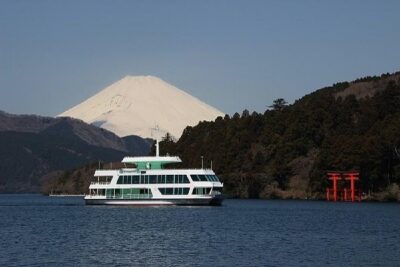
Mt Fuji & Hakone Cruise, Drum Show Bullet Train 1 Day from Tokyo
Read our review →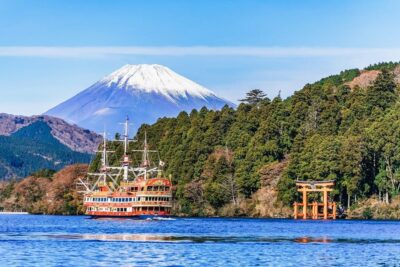
Tokyo Mt Fuji 5th St & Hakone Cruise Bus Tour w/Bullet Train
Read our review →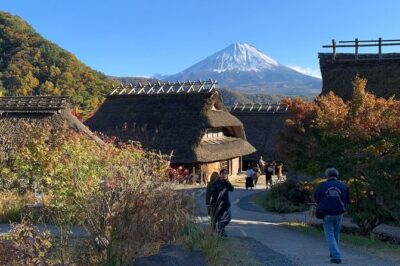
Private Tour to Mt. Fuji and Hakone (Fully Licenced Operator)
Read our review →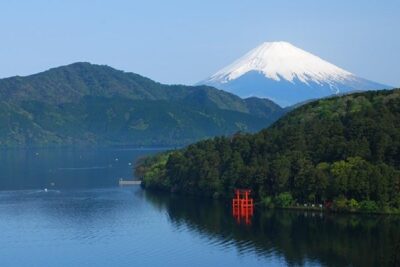
Mt Fuji & Hakone Cruise, Drum Show Bus 1 Day from Tokyo
Read our review →
Mt. Fuji, Kamakura, Big Buddha, & Lake Ashi Day Trip
Read our review →
Mt. Fuji & Hakone Private Day Tour with English-Speaking Driver
Read our review →
Hakone Fuji Day Tour w/ Cruise, Cable Car, Volcano
Read our review →Browse the lists this tour appears in