
Reviewed · FOOD TOURS
Osaka Local Foodie Walking Tour in Dotonbori and Shinsekai
Osaka’s famous food districts make the backdrop here, but the real draw is the mix of local dishes and street-level history. Over about three hours, you move from Shinsekai’s Jan-Jan Yokocho and Tsutenkaku to Hozen-ji Temple, Doguyasuji, and the neon Glico sign in Dotonbori.
I like the small maximum of seven people, which gives guides such as Aika, Yuma, Michiko, and Justin room to answer questions and help with photos. I also like the clear menu: six kushikatsu skewers, okonomiyaki, takoyaki, and three drinks. The catch is value. At $111.42, this is not a cheap meal, and a few people found the food stops too limited or the walking pace uneven.
What matters most before you book
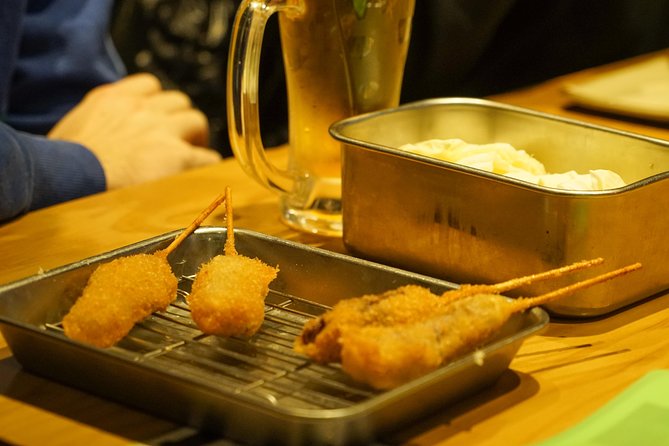
- Six kushikatsu skewers begin the food tasting in Shinsekai, with drinks included.
- Okonomiyaki and takoyaki form the main Dotonbori food stops, though the exact order may vary.
- A group of no more than seven keeps the walk fairly personal and can sometimes become a private tour.
- Shinsekai and Dotonbori are the main event, with Hozen-ji Temple, Doguyasuji, and Tsutenkaku along the way.
- The tour ends at the Glico sign, a handy point for continuing your evening in Namba.
- Dietary limits need advance notice, and gluten-free and vegan meals cannot be accommodated.
Why This Osaka Food Walk Works
Osaka is often called Japan’s kitchen for good reason. Food is not tucked away in formal dining rooms here. It spills into shopping arcades, narrow lanes, market streets, and casual counters. This walk gives you a guided introduction to two of the city’s best-known food quarters without asking you to decode every menu alone.
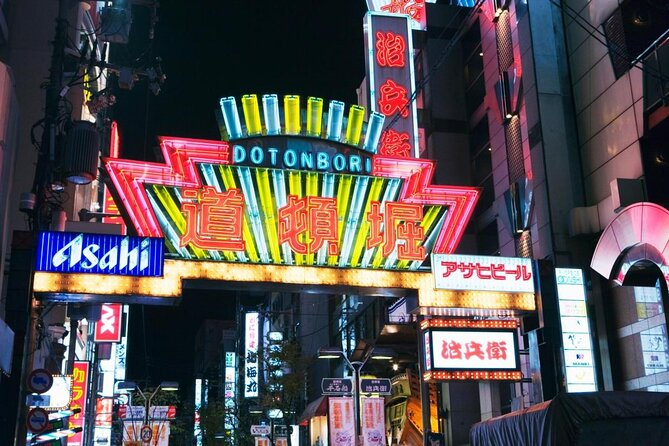
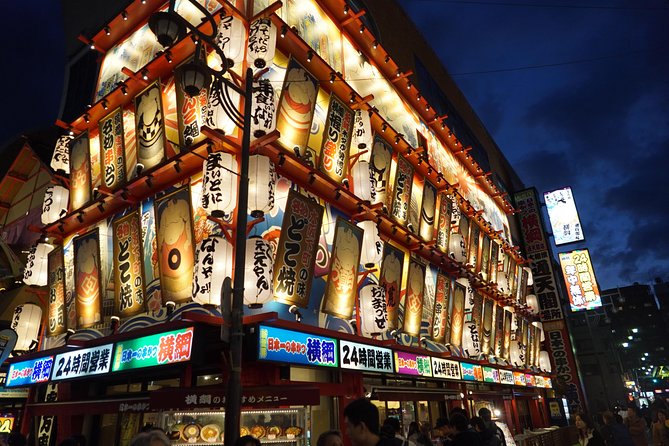
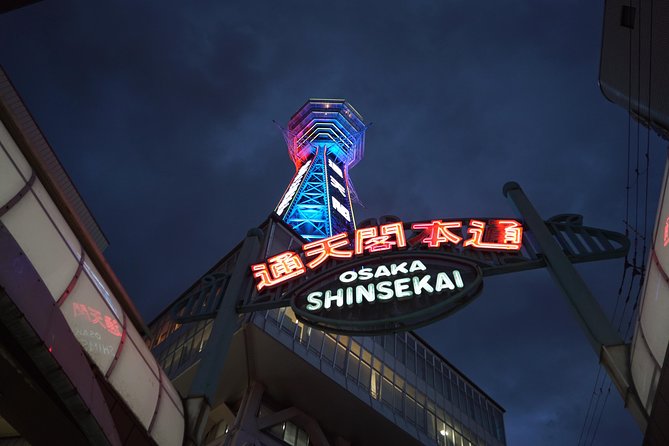
The route links Shinsekai and Dotonbori, two districts with very different moods. Shinsekai has a more old-fashioned feel, centered on Tsutenkaku Tower and the Jan-Jan Yokocho alley. Dotonbori is louder and more polished, with giant signs, shopping streets, restaurants, and the famous Glico running man.
You are not simply eating at one restaurant for three hours. You also get short walks through places tied to Osaka’s daily life, including Hozen-ji Temple and Sennichimae Doguyasuji, a shopping street known for cooking tools and restaurant supplies. That mix is useful on a first visit, and it gives repeat visitors a simple way to revisit familiar districts with local context.
Still, you should set your expectations correctly. This is a sightseeing walk with a substantial food component, not an all-day food crawl through a long list of independent stalls. The supplied menu is generous enough for a meal, but the number of actual food venues can feel small if you measure value by variety.
Other food tours in Osaka people book:
- Osaka: Shinsekai Food Tour with 13-15 Dishes at 5 Eateries
★ 4.8 · 2,204 reviews - Osaka Food Tour: 13 Dishes at 5 Local Eateries
★ 5.0 · 2,149 reviews - Hungry Osaka Street Food Tour:15 Tastings & 3 Drinks with a Local
★ 5.0 · 1,727 reviews
Starting Beneath Tsutenkaku in Shinsekai
The meeting point is at a FamilyMart in Nishinari Ward, at 1-chome 17-6 Sanno. Check the map carefully and arrive early. One person found the starting point hard to reach and described it as being in an inconvenient spot, so this is not the place to cut your arrival time close.
The tour begins around Shinsekai, one of Osaka’s most recognizable old entertainment districts. Tsutenkaku Tower watches over the area, and the first walk passes through Jan-Jan Yokocho. The route includes a look at the Shinsekai Market, Tsutenkaku, and a Billiken statue, a familiar local figure associated with the district.
The short history stop is valuable because it gives the food a setting. You see a part of Osaka shaped by older shopping and entertainment culture rather than only modern restaurant signs. At the same time, the sightseeing portion is brief, roughly 20 to 30 minutes at the listed stops, so do not expect a museum-style history lesson.
Some guides provide lively background as you walk. Aika, for example, was praised for connecting food and local customs with Osaka life, while Yuma was noted for explaining how dishes are made and for pointing out shrines and temples along the way. The quality depends partly on your guide, so ask questions if you want more detail.
Six Kushikatsu Skewers in Jan-Jan Yokocho
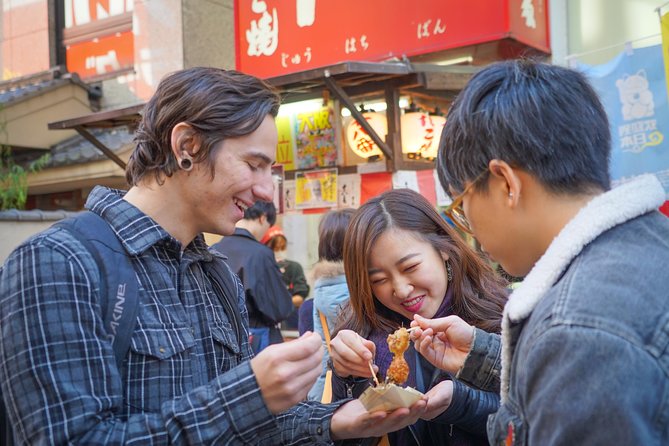
The first major tasting is kushikatsu, deep-fried meat and vegetable skewers. The included portion is six pieces, a useful introduction to one of Shinsekai’s signature foods. Three drinks are also included across the tour, with alcoholic and non-alcoholic choices available.
Kushikatsu is casual, crispy, and filling. It suits Osaka’s informal dining style, where a quick meal can be social and satisfying without ceremony. You will want to pay attention to the dipping sauce and the way the skewers are served, since small local habits are part of the point of having a guide.
This is also where dietary details matter most. A vegetarian option must be selected at booking or requested by the day before. The kushikatsu venue still uses pork broth in its dashi, even for vegetarian kushikatsu, so tell the operator in advance if you cannot have dashi.
The food leans heavily toward fried dishes. That is authentic to the menu, but it may not suit you if you want delicate seafood, raw fish, regional vegetables, or several small tastes from many different places. One person found the food too focused on fried fast food, while another felt the first stop seemed especially local. Both points can be true: the food may be enjoyable and still not satisfy a serious food-focused itinerary.
Doguyasuji and the Tools Behind Osaka’s Restaurants
The route then shifts toward Sennichimae Doguyasuji Shopping Street, also called Dōgu-ya-suji. This is one of the more useful stops for anyone interested in how Japanese restaurants work.
You may browse cooking tools and restaurant goods, including a knife shop known as Hōchō-ya. During the day, the tour can include souvenir shopping here. At night, the guide may explain the area near Namba Grand Kagetsu before leading you toward nearby shops.
This section adds texture to the food stops. Instead of treating Osaka dishes as isolated recipes, it shows you the tools and commercial streets connected to restaurant culture. It is also a good place to consider a practical souvenir, though shopping time is limited and purchases are your responsibility.
The tour schedule can vary between day and night. That matters because daylight makes the shopping street and temple details easier to see, while an evening walk gives you the stronger atmosphere of illuminated Dotonbori. If your priority is photographs of signs and streets, the night version may appeal more. If you want to inspect shops and temples, daytime has an advantage.
Other walking tours in Osaka people book:
- Osaka: Hotspots & Hidden Gems Walking Tour Private or Group
★ 4.9 · 1,300 reviews - Osaka Bar Hopping Night Walking Tour in Namba (3 bars, 6 tastes)
★ 5.0 · 958 reviews - Osaka: Deep Backstreets Walking Tour with Dinner Option
★ 4.9 · 902 reviews - Ultimate Osaka Walking Tour: Castle, Dotonbori & Hidden Gems
★ 5.0 · 862 reviews
Hozen-ji Temple and Ukiyo Alley
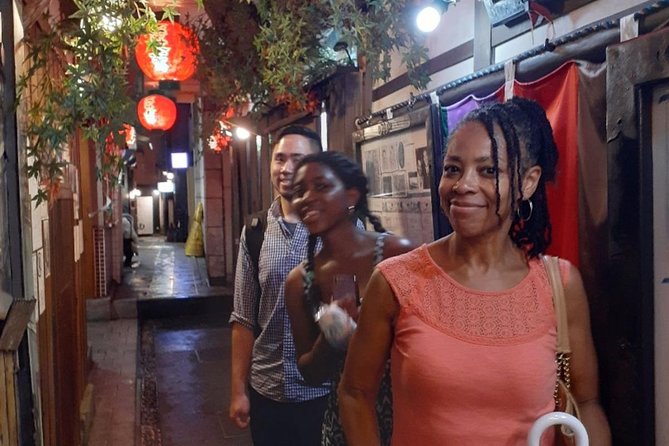
Hozen-ji Temple offers a quiet pause among the busy streets. The tour includes a walk through Ukiyo-koji, a narrow lane near the temple, followed by time to look around and take photos.
The temple stop is short, about 25 minutes. You should think of it as a small cultural break, not a full temple visit. One person found the temple less satisfying at night because it was too dark, so your experience will depend on the timing and lighting.
This is also where the route may include extra snacks, such as takoyaki or sweets, for roughly ¥500. The included food package lists one box of takoyaki, but the exact serving point and order can change. A few people reported missing the takoyaki, so if it matters to you, confirm the plan with your guide early in the walk.
The stop works best when your guide explains what makes Hozen-ji and the nearby lanes special. Michiko was praised for connecting food, places, and Japanese daily customs, while other guides were appreciated for taking photos. The walking itself is easy to follow, but the cultural value depends on how much your guide adds.
Dotonbori’s Signs, Snacks, and Okonomiyaki
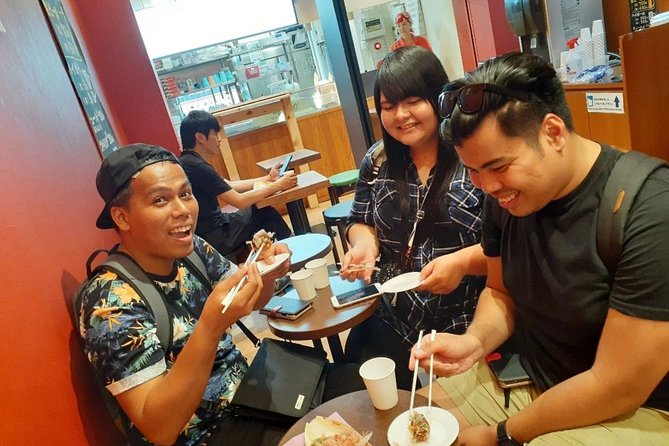
The final stretch brings you into Dotonbori, where oversized signs and restaurant fronts replace Shinsekai’s older feel. The Glico sign is the required photo stop, and the tour ends nearby. It is a convenient place to continue exploring, shop, or find another meal after the group separates.
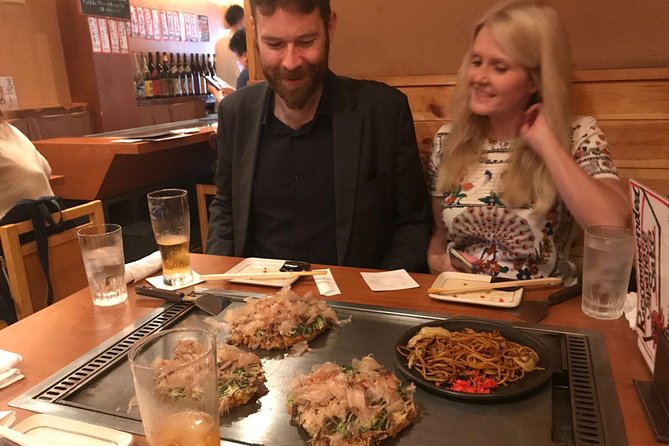
Okonomiyaki is the main sit-down dish on the listed menu. The word combines the ideas of as you like and grilled, which fits this savory pancake topped with other ingredients. One of the most enjoyable details in the food stops is the chance, depending on the venue, to grill your own okonomiyaki. That turns lunch or dinner into an activity rather than a plate simply placed in front of you.
The included serving is one piece of okonomiyaki. It can be filling, especially after six fried skewers and drinks, so do not arrive expecting a large multi-course dinner. One person who had already eaten okonomiyaki elsewhere found the version on this tour better, while another felt the second restaurant was too much like a tourist venue. The lesson is simple: your guide and assigned restaurants will shape the meal as much as the menu itself.
Takoyaki, the round batter bites filled with tender octopus and other ingredients, is the other classic Osaka taste. The package includes one box. It is fun to try, but the portion can arrive late in the walk, when you may already be full. If you have a small appetite, pace yourself at the earlier stops.
What the $111.42 Price Really Buys
At $111.42 per person, this is expensive if you compare it with the cost of eating the same dishes independently. Osaka makes self-guided food sampling fairly easy, and you could order kushikatsu, okonomiyaki, and takoyaki on your own for less.
The price makes more sense if you value the guide, the route, the language help, the group structure, and the reduced guesswork. You receive six skewers, one okonomiyaki, one box of takoyaki, three drinks, and a guided walk through two major districts. You do not pay for the guide’s own food or drinks, and a group discount may apply.
The small group is important here. With a maximum of seven people, a strong guide can make the experience feel personal. A family of six may effectively have a private outing, and guides such as Justin have helped people handle crowded streets, find photo points, and navigate the subway afterward.
The value drops if you want ten or more food samples, tiny portions at many venues, or unusual restaurants away from the main sightseeing zones. Several people felt the tour was overpriced for the amount of food or wanted more stops. I would book it for guided orientation and a full introduction to Osaka classics, not as a bargain meal plan.
Guide Style Makes a Big Difference
The strongest part of this experience is often the person leading it. Aika has been praised for Osaka history, local customs, food suggestions, and a warm style. Yuma has helped families feel comfortable, explained dishes, and added useful tips. Michiko has been valued for food choices and historical details, while Justin has helped people manage the crowded streets and subway system.
That does not mean every guide delivers the same level of commentary. One person found the guide walked quickly and gave little information unless asked. Another felt the guide was friendly but still developing as a tour leader. If you want more explanation, ask direct questions about ingredients, restaurant customs, and the history of each neighborhood.
The pace also deserves attention. One account described the walk as too fast, while another found it too slow. This may reflect different guides, group needs, or changes in the route. Either way, wear comfortable shoes and mention early if you need a slower pace.
Food Restrictions, Weather, and Timing
All ages can join, and most people can take part. The tour is near public transportation, but you will need to pay transportation fees of about ¥190. The route is on foot, through crowded shopping streets and narrow lanes, so plan for standing, walking, and keeping track of a small group.
Osaka summers can reach 40°C, while winter temperatures can fall to about -5°C. In hot weather, bring water and dress lightly. In winter, add a warm layer. The tour starts on time, and arriving late can mean missing the group without a refund or rescheduling.
Gluten-free and vegan diets cannot be accommodated. Vegetarian food is possible only with advance planning, and the operator cannot promise allergy-free meals or substitutions because the food is prepared in kitchens it does not control. Smoking may be allowed at some venues, and the operator may not be able to change the location.
Cancellation is free up to 24 hours before the start time. After that, the payment is not refunded, and changes are not accepted.
Should You Book This Osaka Food Tour?
Book this walk if you want a guided first look at Shinsekai and Dotonbori, enjoy Osaka’s best-known comfort foods, and prefer a small group over figuring out the districts alone. It is especially useful on your first evening, when a guide can help you understand the neighborhoods and suggest where to continue afterward.
Think twice if you are a serious food hunter seeking rare dishes, many independent food stalls, or a long list of small tastings. The menu is clear and filling, but the food is concentrated in a few familiar Osaka standards. For most people, the best reason to book is the combination of food, orientation, and local conversation. The dishes are the hook, but the guide determines how much you take away.
FAQ
How long does the Osaka food tour last?
The tour lasts approximately three hours.
What food is included?
The package includes six kushikatsu skewers, one piece of okonomiyaki, one box of takoyaki, and three drinks. Alcoholic and non-alcoholic drinks are available.
Where does the tour begin?
The meeting point is FamilyMartJapan at 1-chome 17-6 Sanno, Nishinari Ward, Osaka, 557-0001.
Where does the tour end?
The tour ends at the Glico Sign in Dotonbori, at 1-chome 10-3 Dotonbori, Chuo Ward, Osaka, 542-0071.
How large is the group?
The tour has a maximum of seven travelers.
Can vegetarians join?
A vegetarian course is available if you select it when booking or request it by the day before. The kushikatsu venue uses pork broth in its dashi, so tell the operator in advance if you cannot consume dashi.
Can the tour accommodate vegan or gluten-free diets?
No. Gluten-free and vegan meals cannot be accommodated.
What happens if I arrive late?
The tour starts on time. If you arrive after the group has left, you cannot join, reschedule, or receive a refund.
Can I cancel for a refund?
Yes. You can cancel for a full refund up to 24 hours before the experience begins. Cancellations made less than 24 hours in advance are not refunded.
More walking tours elsewhere in Japan
- Osaka: Main Sights and Hidden Spots Guided Walking Tour
★ 4.9 · 702 reviews - Private Osaka Walking Tour: Highlights & Hidden Gems
★ 5.0 · 569 reviews - Osaka Castle Walking Tour and Castle Tower Admission
★ 5.0 · 561 reviews - Kuromon Market Food Walking Tour in Osaka (6 stops, 6 tastes)
★ 5.0 · 550 reviews
More food tours elsewhere in Japan
- Hungry Osaka Street Food Tour: 15 Dishes & 3 Drinks
★ 4.9 · 694 reviews - Osaka: Guided Food Tour with 12 Dishes at 4 Local Eateries
★ 5.0 · 533 reviews - Absolute Osaka Food Tour
★ 5.0 · 309 reviews - Osaka After Dark: Small-Group Night Food Tour (Max 6)
★ 4.5 · 245 reviews
Just added in Osaka
- Osaka Temple Cool Foot Bath & Matcha Experience〈45min〉★ 4.9 · 82 reviews
- Osaka: Mind & Spirit Balance Temple Reiki Healing★ 5.0 · 41 reviews
- Osaka: Samurai Training Experience KENDO in Osaka★ 5.0 · 111 reviews
- Full Day Kyoto Tour : Bamboo Forest, Golden Temple, Fushimi Inari★ 5.0 · 84 reviews
- Osaka: Minoh, Katsuoji Temple, & Minoh Falls Full-day Tour★ 4.9 · 172 reviews
- Ramen and Gyoza Cooking Class in Osaka★ 5.0 · 202 reviews
- OSAKA NIGHT FUSION Japanese Taiko Kabuki Samurai Dance Show★ 4.8 · 155 reviews
- Osaka: A Modern Samurai, Kabuki, Taiko, & Dance Show★ 4.5 · 66 reviews
Food Tours, compared.
Shinjuku Food Tour (13 Dishes at 4 Local Eateries)
Read our review →
Osaka Food Tour: 13 Dishes at 5 Local Eateries
Read our review →
Best of Shinjuku: Izakaya Food Tour (4 Stops, 14+ Tastings)
Read our review →
Kyoto Night Foodie Tour in Gion (9+ dishes + 6 Sake tastings)
Read our review →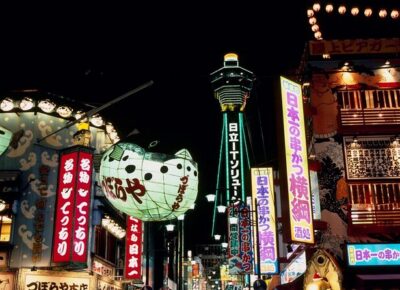
Hungry Osaka Street Food Tour:15 Tastings & 3 Drinks with a Local
Read our review →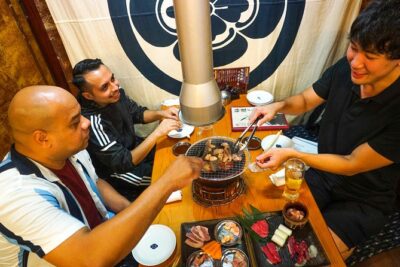
Tokyo Night Foodie Tour in Shinjuku – Seasonal Sushi, Wagyu Beef
Read our review →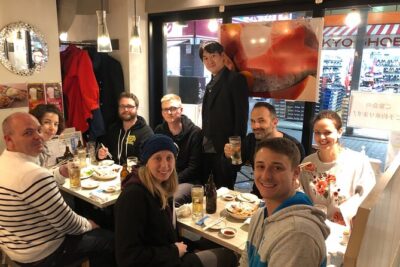
Eat and Drink Like a Local: Tokyo Ueno Food Tour-Taverns&Ramen
Read our review →
Browse the lists this tour appears in