
Reviewed · CYCLING TOURS
4.5-hr Kyoto Historical Highlights Bike Tour with UNESCO
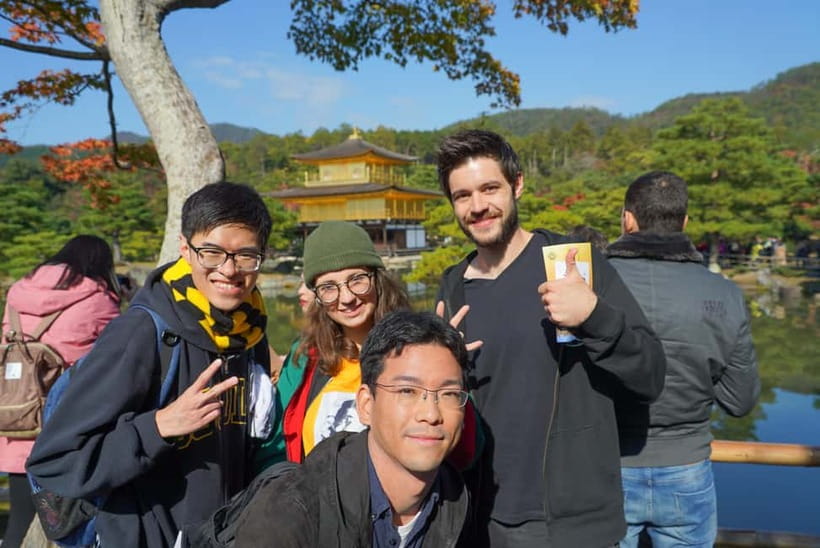
Kyoto’s best moments often come between the famous sights, and this tour puts you on a bicycle for that reason. You ride the Kamo River, pass through Gion, enter a Zen temple, and use quieter city streets to connect the main stops. It gives you a good feel for how calm Kyoto can be, even in a city of more than 1.4 million people.
I like the small group of no more than five, which makes it easier to hear your guide and ask questions. I also like the practical mix of temples, cycling, and a proper local lunch, with the bicycle, helmet, lock, photos, and Kennin-ji admission included.
The main consideration is that you need to be comfortable cycling in city traffic and be at least 150 centimeters tall. One rider also found a guide’s voice hard to hear while riding, so do not expect a microphone. Hot weather can make the 4.5-hour outing feel more demanding.
Key points to know before booking
- A full Kyoto route in 270 minutes: Kamo River, Gion, Kennin-ji, Nanzen-ji, Heian Shrine, lunch, and the bicycle shop all fit into one morning or afternoon.
- Kennin-ji is the cultural heart of the ride: You learn about Gion, geisha culture, and Zen before seeing a traditional karesansui rock garden.
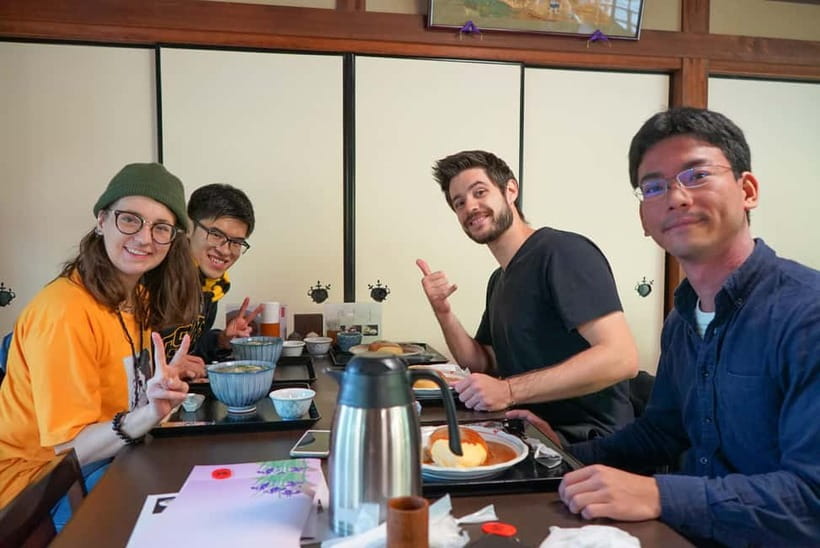
- Lunch is part of the experience: Expect local soba dishes, matcha and mochi desserts, and a meal in a traditional Japanese house.
- You do not need to arrange a bike: A rental bicycle, helmet, lock, and bodily injury liability insurance are included.
- English guidance is personal: The group limit is five, and guides including Woohee, Tobu, and Karin have received warm praise for clear cultural explanations.
- Plan for cycling rules and weather: Headphones are not allowed, smartphone use while riding is prohibited, and the tour can be cancelled for unsafe weather.
Why cycling works so well in Kyoto
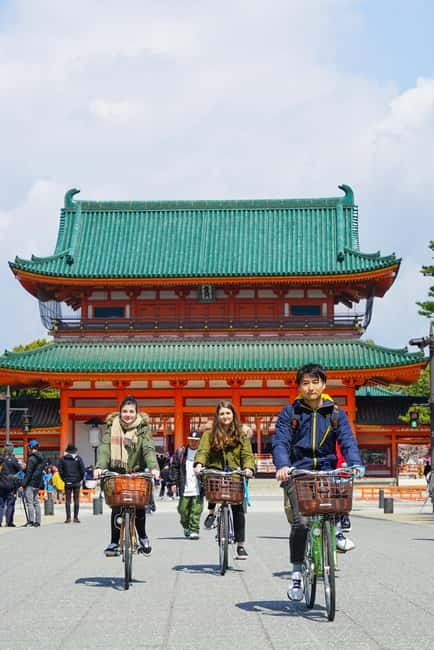
Kyoto is easy to picture as a city of temples and packed sightseeing lanes. A bicycle gives you a different view. You are not sealed inside a train or moving from one major entrance to the next. You pass ordinary streets, catch the river breeze, and see how quickly the city changes from urban blocks to quiet temple grounds.
This is not a hard-core cycling trip. The description says it suits people who are not highly skilled bikers, provided they are at least 150 centimeters tall. Still, you need to follow your guide, obey traffic rules, and stay alert. You cannot use your phone while moving, and headphones are not allowed.
The route lasts 270 minutes, so you should wear comfortable shoes and dress for the season. A family that rode in July found the cycling easy and enjoyable even with temperatures around 30 degrees Celsius, but heat is worth taking seriously. Kyoto’s summer weather can turn a pleasant ride into a tiring one.
The included bicycle removes a common travel nuisance. You do not need to find a rental shop, compare bikes, or return equipment before moving on. The rental, helmet, lock, and bodily injury liability insurance are covered, as is the entrance fee to Kennin-ji.
Other cycling tours in Kyoto people book:
- Bike Tour Exploring North Kyoto plus Lunch
★ 5.0 · 1,087 reviews - Arashiyama Bamboo Forest & Hidden Gems Bike Tour (Early Bird)
★ 5.0 · 613 reviews - 5 Top Highlights of Kyoto Full Day Bike Tour (E-bike option)
★ 5.0 · 511 reviews
Starting beside Kyoto Station and the Kamo River
The meeting point is in front of the Seven Eleven outside Kyoto Station’s Hachijo guchi exit, next to Hotel Via Inn Prime. Look for the guide holding a Magical Trip sign board. The location is useful, but the station has several exits, so give yourself time to find the correct one. Karin’s tour had a slightly confusing meeting point for one rider, though arriving before the scheduled start solved the problem.
The ride begins along the Kamo River, a natural reset after the noise and scale of Kyoto Station. You spend about 15 minutes here, taking in the water and the broad riverbanks before the temple visits begin. Locals use this part of Kyoto for fresh air and sunshine, and that everyday setting is one reason the ride feels more personal than a straight sightseeing transfer.
The river also helps you get used to the bicycle before the more important cultural stops. Your guide can set the pace and explain the route while you move through the city. Keep your phone put away unless the bicycle is stopped. Japanese law prohibits using a smartphone while cycling, and penalties can affect riders as well as bicycle providers and fellow participants.
Gion and the first look at Zen culture
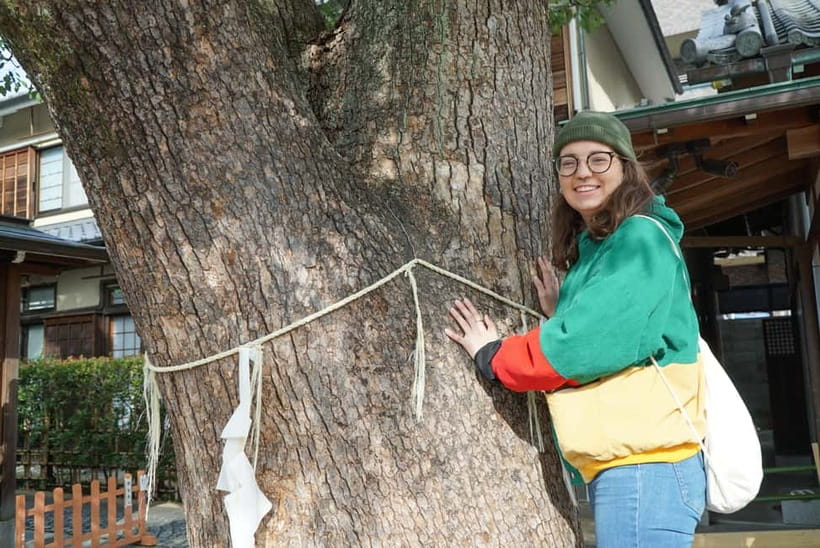
Gion gives the tour its most recognizable Kyoto setting. The district is tied to geisha culture, traditional architecture, and the old capital’s refined arts. Your guide uses this area to explain how Gion developed and how to understand geisha culture without reducing it to a photo opportunity.
The route then reaches Kennin-ji, where you spend about 75 minutes. This is a useful contrast to the streets outside. Instead of simply checking off a temple, you have time to consider Zen practice and the design of a Japanese temple garden.
The karesansui, or dry rock garden, is especially important here. Rocks, gravel, and empty space do much of the work. You do not need specialist knowledge to appreciate it, but an English-speaking guide can explain why the garden feels so different from a European formal garden or a typical park.
Kennin-ji admission is included, which is a modest but useful saving. More important, the guide gives context that you would miss by wandering in, taking a photograph, and leaving after ten minutes. Woohee, one of the guides, was especially good at explaining cultural ideas and temple details, then offering suggestions for places to visit on your own.
The ride to Nanzen-ji and Heian Shrine
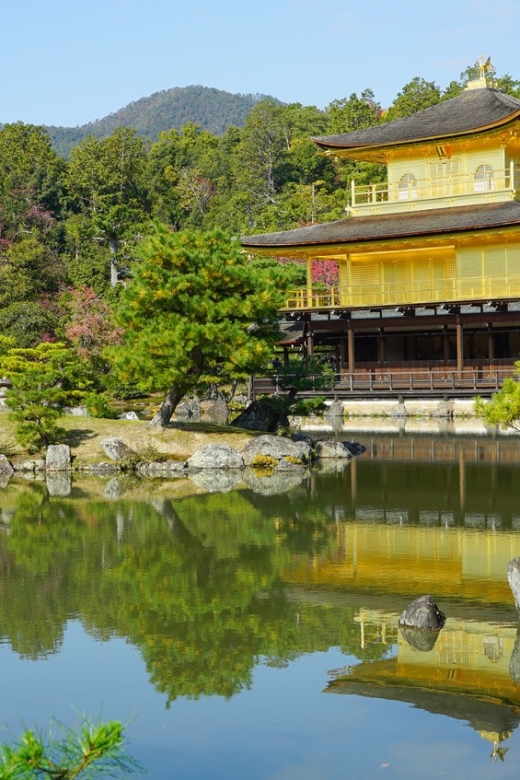
After Kennin-ji, you get back on the bicycle and head toward Nanzen-ji. This part of the tour is about moving through Kyoto as much as reaching the next gate. You travel along local streets and get a sense of the old capital’s scale, with busy areas giving way to calmer temple surroundings.
Nanzen-ji receives about 80 minutes, making it the longest stop. Your guide explains Zen and Kyoto’s earlier days while pointing out photogenic parts of the temple grounds. That extra time matters. Nanzen-ji is not a quick roadside stop, and its spaces reward a slower look.
The itinerary also includes Heian Shrine for about 20 minutes. The shrine adds a Shinto viewpoint after the Zen temples. That contrast is useful because Kyoto’s religious culture is not one single tradition. You see how a shrine visit differs from the temple experience, while your guide connects the sites to the wider story of the city.
You should not expect long, formal lectures at every stop. This is a moving bike tour, not a full-day temple seminar. The appeal is the steady balance between explanation, riding, and time to look around.
Other rides on two wheels around Kyoto:
- E-Bike Tours of the highlights of Kyoto!!!
★ 5.0 · 291 reviews - Afternoon Kyoto Bike Tour: Bamboo Forest, Monkeys & Hidden Spots
★ 5.0 · 283 reviews - South Kyoto in a Nutshell: Gentle Backstreet Bike Tour!
★ 5.0 · 225 reviews - Pedal Adventure Kyoto’s iconic landmarks on an e-bike tour
★ 5.0 · 189 reviews
A real lunch in a traditional Japanese house
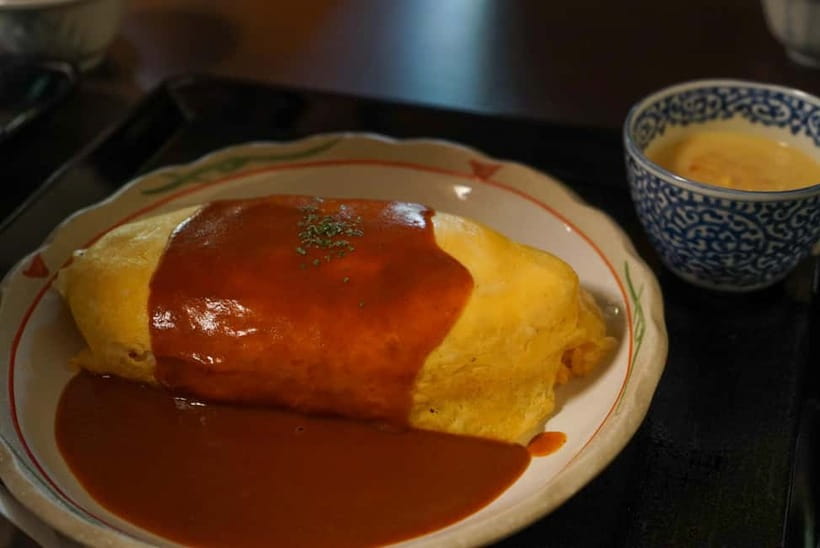
Lunch is one of the most appealing parts of the outing. You sit down at a traditional Japanese house and eat local cuisine, with soba dishes available along with matcha and mochi desserts. A garden and a souvenir shop next door add a little breathing room after the cycling and temple visits.
This meal gives the tour a stronger local feel than a quick restaurant stop near a major station. You have time to eat and talk with the guide and the small group. One guide, Tobu, received particular thanks for making the lunch and morning feel enjoyable for a family with teenagers.
Vegetarian and vegan meals are available, but fish stock is still used. If you have dietary requests or allergies, tell the operator at least one day before the tour. Same-day requests cannot be accommodated, and an allergy-free meal or substitution is not guaranteed because the food is prepared in kitchens outside the tour company’s control.
Additional drinks and food are not included. That is worth remembering if you tend to need a lot of water on a warm day. The lunch itself is covered, but bring money for anything beyond the planned meal.
Finishing beside the Kamogawa
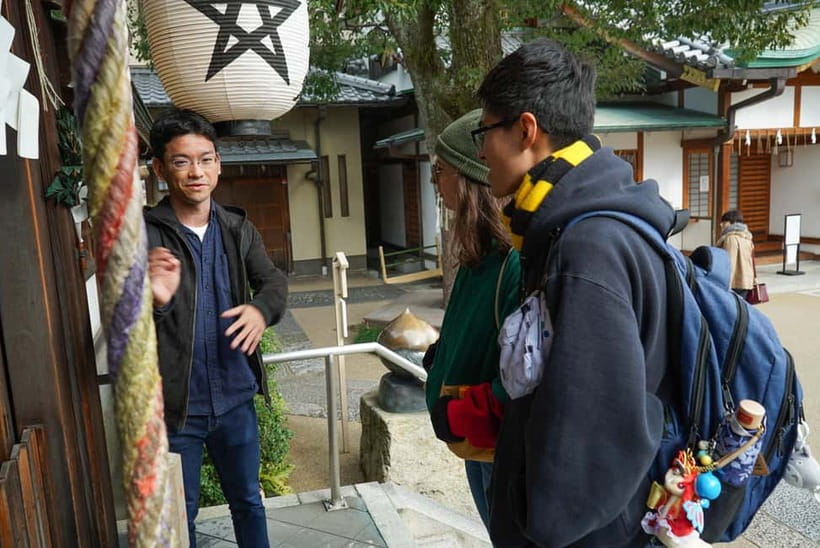
After lunch, the ride returns toward the Kamogawa, another name used for the Kamo River. The final stretch is meant to be relaxed. You cycle beside the riverbanks, where locals enjoy the open space and sunshine, and finish with a distinctly Kyoto view rather than a last rush through traffic.
I like this ending because it gives the tour a natural rhythm. The temples provide the cultural focus, lunch provides a pause, and the river lets you finish at an easy pace. It also gives you one last chance to ask your guide for ideas about the rest of your Kyoto stay.
The final stop is listed at the Rental Bicycle KYOTO ECO TRIP flagship shop, with about 30 minutes for the guided portion. Since the bicycle arrangement is built into the experience, you are not left to solve rental logistics alone.
What the guides add to the day
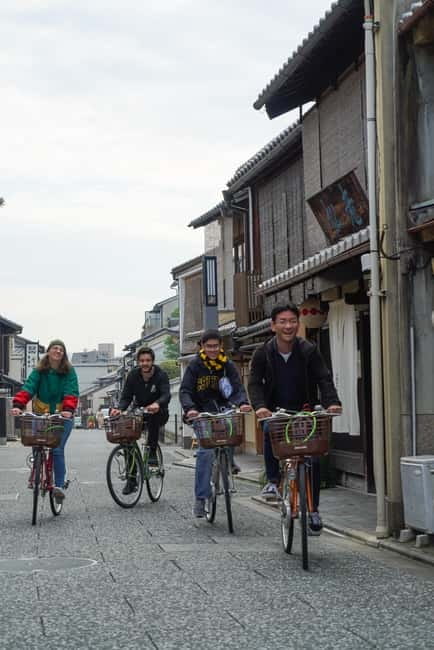
The guide can make or break a tour that combines cycling and history. Woohee has been praised for clear explanations of cultural concepts, temple details, and useful suggestions for independent sightseeing. Tobu helped a family enjoy the ride in very hot weather, including the teenagers in the group. Karin was described as kind, accommodating, and able to make the route feel personal when the group became a private outing.
The group limit of five is a real advantage. You can ask about a temple feature, stop briefly for a photograph when appropriate, or tell the guide if the pace needs adjusting. A larger group would make street riding and temple explanations less comfortable.
There is one practical audio issue to keep in mind. One rider found the guide soft-spoken and suggested a clip-on microphone, especially while cycling on the road. If you have difficulty hearing, position yourself near the guide during explanations and ask questions when the bicycles are stopped.
Price, inclusions, and who gets good value
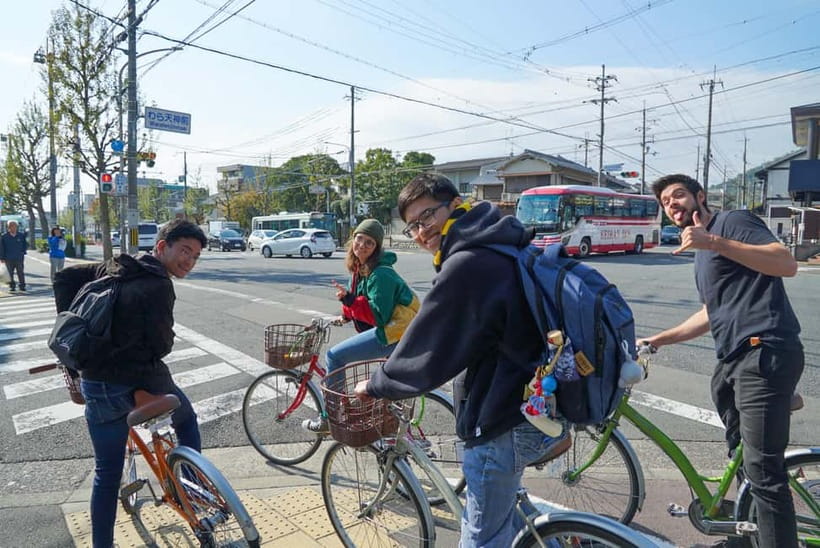
At $96 per person, this is not the cheapest way to see Kyoto. It is also more than a basic bicycle rental followed by independent temple visits. The value comes from combining equipment, a guide, temple admission, photos, and lunch in a 4.5-hour package.
For me, the price makes the most sense if you want structure on your first Kyoto visit. You do not have to plot a safe route, work out which temples fit together, find a rental shop, or choose a lunch stop. You also get cultural explanation at Kennin-ji and Nanzen-ji rather than seeing only the exterior.
Independent cyclists may prefer to rent a bicycle and spend the day at their own pace. You also need to decide if a fixed route suits you, since the experience moves through several planned stops. The small group and included meal make it better value for people who want an organized half-day rather than a do-it-yourself ride.
The tour is best for adults, families with older children, and anyone who enjoys light activity mixed with culture. Teenagers may appreciate the change from walking and public transport. It is not suitable for wheelchair users or anyone under 150 centimeters tall.
Weather, safety, and useful planning tips
Cycling under the influence of alcohol is prohibited, and you must follow the traffic rules your guide explains. Smartphone use is allowed only when the bicycle is stopped. These rules are not minor suggestions, so take them seriously.
Wear comfortable shoes and prepare for the season. A summer ride can be hot, while rain or other unsafe conditions may lead to cancellation. The operator offers free cancellation up to 24 hours before departure, and you can reserve now and pay later, which helps if your Kyoto plans are still shifting.
Remember that the tour is conducted in English. If you need detailed dietary support, provide the information at least one day ahead. The operator cannot guarantee an allergy-free meal, so people with serious allergies should consider that limitation before booking.
Should you book the Kyoto bike tour?
Book it if you want a compact introduction to Kyoto that mixes movement, temples, local food, and useful cultural background. The strongest reasons are the small group, included bicycle, well-spaced itinerary, and lunch in a traditional Japanese house. You get more than a simple ride and more variety than a temple-only walk.
Skip it if you want a slow, unstructured day at one or two temples, or if cycling in traffic makes you uneasy. Also think twice if you are below the height requirement, need wheelchair access, or have dietary needs the lunch provider cannot safely guarantee.
For most reasonably confident cyclists, this is a smart first or second Kyoto activity. It shows you the famous cultural districts, but it also gives you the riverbanks, local streets, and quiet transitions that make Kyoto feel like a living city.
FAQ
How long does the Kyoto bike tour last?
The tour lasts 270 minutes, or 4.5 hours.
Where is the meeting point?
Meet in front of the Seven Eleven convenience store outside Exit Hachijo guchi of Kyoto Station, next to Hotel Via Inn Prime. The guide will hold a Magical Trip sign board.
What is included in the tour price?
The price includes a rental bicycle, helmet, bike lock, bodily injury liability insurance, tour photos, lunch, and admission to Kennin-ji Temple.
Is the tour conducted in English?
Yes. The tour has a live English-speaking guide.
How many people can join the group?
The group is limited to five participants.
Can people with dietary restrictions join?
Vegetarian and vegan options are available, but fish stock is still used. You must provide dietary requests or allergy information at least one day before the tour. Allergy-free meals and substitutions are not guaranteed.
Is the tour suitable for children and less experienced cyclists?
Anyone at least 150 centimeters tall can join, and the tour is not limited to highly skilled cyclists. Participants must follow traffic rules and ride safely. It is not suitable for people under 150 centimeters or wheelchair users.
Just added in Kyoto
- Private Cooking Class Udon in Kyoto Japan★ 5.0 · 23 reviews
- Your Private Vacation Photography Session In Kyoto★ 5.0 · 110 reviews
- Kyoto: Zen Meditation at a Private Temple with a Monk★ 5.0 · 25 reviews
- Private Pewter Sake Cup Experience with a Kyoto Artisan★ 5.0 · 31 reviews
- Kyoto Wagashi(Japanese sweets) Cooking Class near Fushimiinari★ 5.0 · 60 reviews
- Private Guided Traditional Buddhist Cooking in Japan★ 5.0 · 16 reviews
- Kyoto: Gion Geisha District & Sake-in-Hand Walking Tour★ 5.0 · 37 reviews
- Kyoto:Family-Friendly Kimono & Yukata Experience at WARGO★ 5.0 · 147 reviews
Cycling Tours, compared.
3h Tokyo E-Bike Tour: Hidden Gems, and Local Life with guide
Read our review →
Arashiyama Bamboo Forest & Hidden Gems Bike Tour (Early Bird)
Read our review →
5 Top Highlights of Kyoto Full Day Bike Tour (E-bike option)
Read our review →
Hiroshima 2hr Peace Cycling Tour with Local Guide
Read our review →Browse the lists this tour appears in