
Reviewed · TOURS IN OSAKA
Osaka Sushi Miso soup Adventure: A Journey of Exotic Flavors
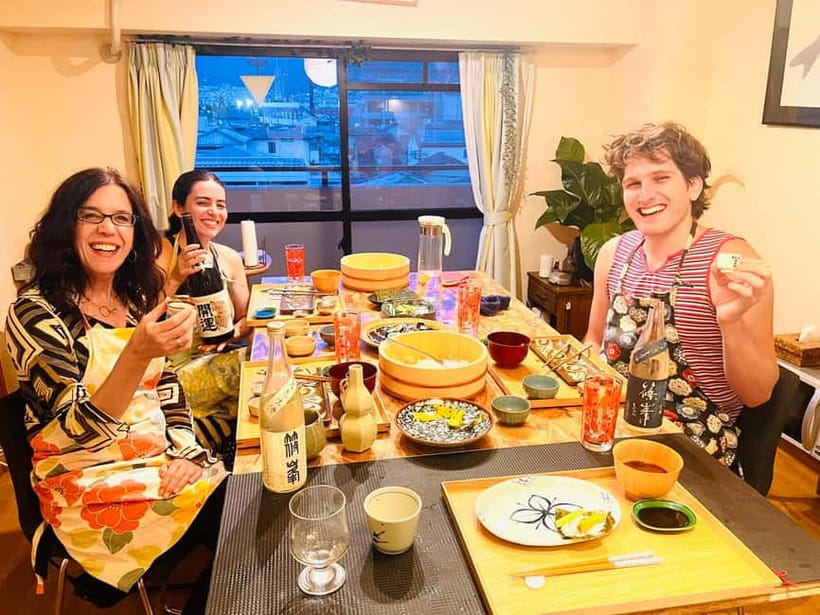
The best part of this Osaka cooking class is that you do not simply shape sushi and call it a day. Chef Yuki takes you through the less flashy work that makes sushi taste right: preparing the rice, seasoning fish, making dashi, and handling a square pan for tamagoyaki. You finish with a meal built by your own hands.
I like the small group size, limited to six people, because it gives Chef Yuki time to correct your technique. I also like the useful home-cooking angle, especially the tuna zuke and kombu-jime salmon, which can keep well for three to four days and make sushi more practical outside Japan.
The main consideration is location. You are not in central Namba or near Osaka Castle. The class is in Nukata, around 30 minutes from Namba by train, followed by a five-minute walk. That is a modest journey, but it matters if your Osaka schedule is packed.
Key points to know before booking
- Chef Yuki teaches in English, with more than a decade of culinary experience and training under a sushi master with over 40 years in the craft.
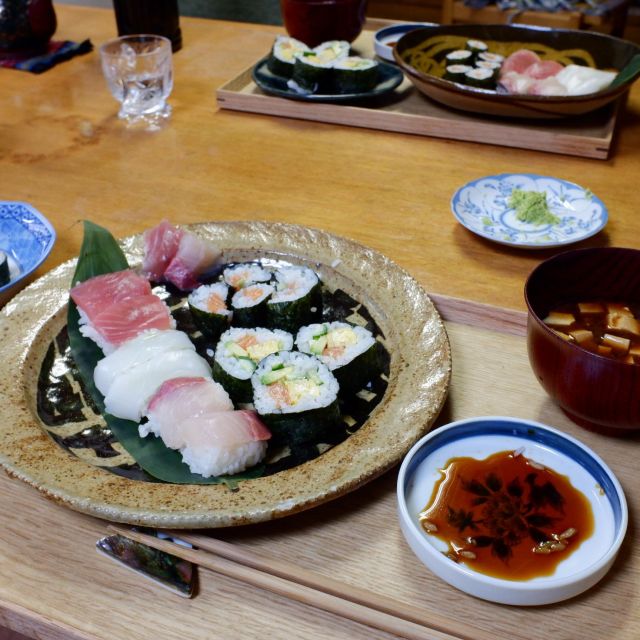
- You prepare several dishes, including nigiri, hosomaki, marinated tuna, kelp-cured salmon, tamagoyaki, dashi, and miso soup.
- The class costs $96 per person and lasts three hours, with fresh ingredients and traditional seasonings included.
- The group is capped at six people, creating a personal setting where beginners can ask questions freely.
- The class is near Nukata Station, about 30 minutes and ¥430 from Osaka Namba Station on the Kintetsu Nara Line.
- Recipes can be used at home, and the fish preparation methods are especially helpful if good sushi-grade fish is not easy to find where you live.
What the three-hour class actually teaches
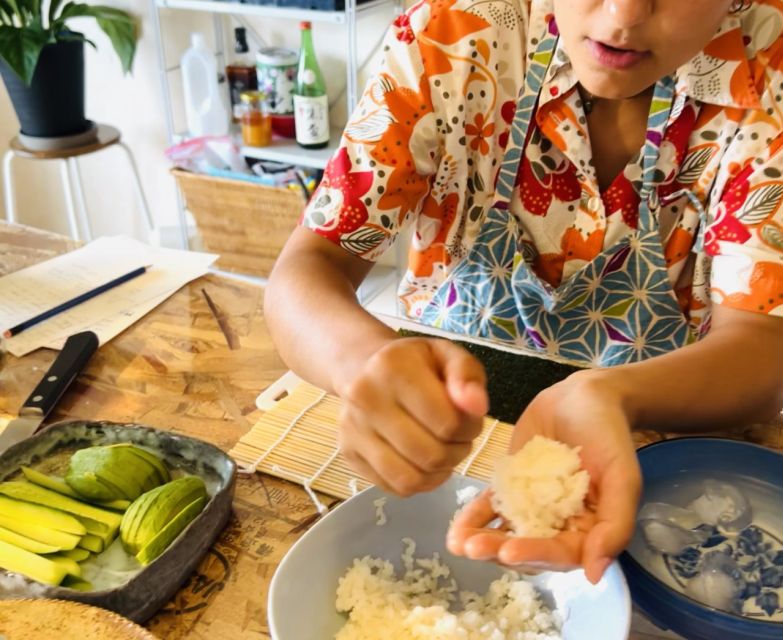
This is a practical cooking lesson rather than a quick demonstration. You should expect to take part in the preparation, not sit at a table while someone else does the skilled work.
The class covers several sushi forms. Nigiri teaches you how to pair a small mound of seasoned rice with fish and shape it without crushing the rice. Hosomaki, the thin roll, requires a different touch. You need to control the amount of rice, keep the filling centered, and make a neat roll that holds together when sliced.
Tamagoyaki adds another useful challenge. This Japanese rolled omelet is made in a square pan and is often served with sushi. It looks simple, but building thin layers and rolling them neatly takes patience. You will not just learn what the dish is. You will practice the motion that gives it its familiar shape.
The class also includes homemade miso soup. That matters because Japanese cooking is built on small foundations, and dashi is one of them. Learning how the broth supports the miso gives you a better sense of why the soup tastes rounded rather than simply salty.
The exact order of the activities may vary, but the range is clear: rice, fish, rolls, omelet, broth, and soup. At the end, you sit down and eat the food you prepared. That shared meal is a pleasant reward, but it also lets you taste the difference between each method.
Other experiences people book in Osaka:
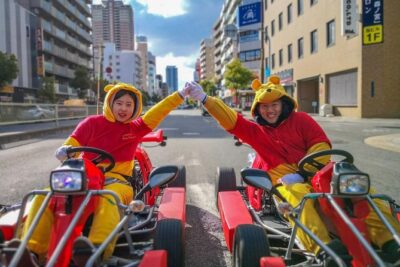
- Osaka Go Karting Tour with Funny Costume
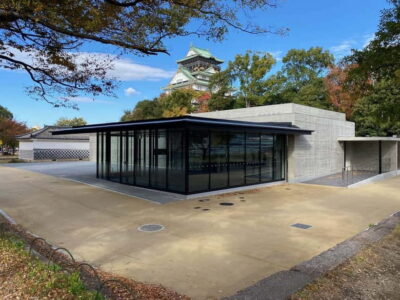
★ 5.0 · 2,658 reviews - Osaka Castle: Museum and Tower Entry Ticket
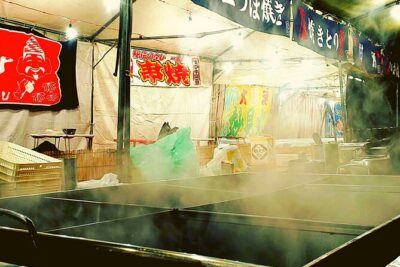
★ 4.5 · 2,380 reviews - Osaka: Shinsekai Food Tour with 13-15 Dishes at 5 Eateries
★ 4.8 · 2,204 reviews
Why tuna zuke and kombu-jime salmon matter
The most useful part of this class may be the fish preparation. Tuna zuke means tuna treated with a soy-based marinade. Instead of serving the fish plain, you give it time to take on a stronger, more savory flavor.
Kombu-jime salmon uses kelp to cure the fish. The technique brings extra flavor and helps preserve freshness for three to four days. For home cooks, that is more than a traditional detail. It is a way to plan ahead.
Fresh fish can be harder to find once you return home, particularly if you do not live near a strong fish market. These methods give you more flexibility. You can buy suitable fish, prepare it carefully, and avoid feeling that sushi must be made and eaten immediately.
You should still follow safe food-handling advice at home, and the course does not turn you into a professional sushi chef in three hours. But it gives you techniques with a clear purpose. That makes the class more useful than one focused only on making attractive rolls for a single meal.
Chef Yuki’s teaching style and the small group setting
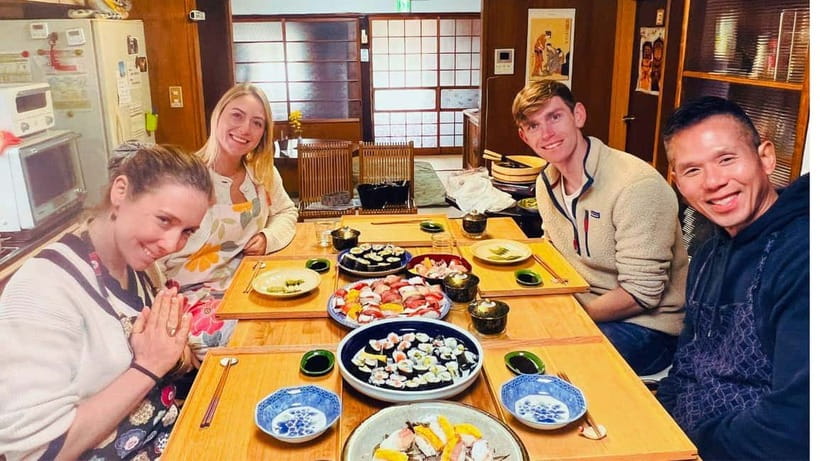
Chef Yuki teaches in English and has more than ten years of culinary experience. Her own training came from a sushi master with more than 40 years of experience, so the class connects basic home cooking with traditional methods.
The small group limit is important. With no more than six participants, you have a better chance to receive help with rice, rolling, cutting, and omelet technique. Several class accounts describe groups of four, two, or even one person, and that kind of setting can feel closer to a private lesson than a standard tour.
The personal tone reaches beyond recipes. Chef Yuki has shared parts of her life, her interest in traditional Japanese food, and practical advice about Osaka. You may get local suggestions along with cooking guidance, though the core of the class remains food.
The class has also worked well for families with a baby, provided this is discussed in advance. One parent described bringing a baby while still receiving support throughout the lesson. That does not mean every family arrangement is automatic, so contact Chef Yuki before booking if you need a similar setup.
Vegetarians should also ask ahead, but the class has accommodated a vegetarian participant even when the dietary need was not announced early. Advance notice is still the sensible choice, especially for a menu involving fish and dashi.
The food you prepare, from rice to miso soup
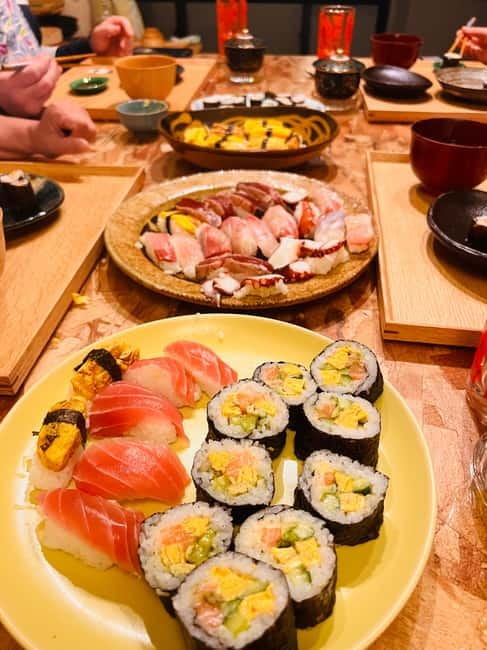
Rice is the quiet test of a sushi class. If it is too wet, too dry, or poorly seasoned, even good fish will not save the result. The class includes instruction on selecting and preparing the rice, including traditional preparation in a pot.
You then work with the fish and toppings. Tuna zuke brings a soy-based marinade, while kombu-jime salmon uses kelp. These two options show how Japanese cooking can change an ingredient without covering up its character.
Nigiri gives you a lesson in proportion. There should be enough rice to support the topping, but not so much that the fish becomes an afterthought. Hosomaki works differently, asking you to spread rice thinly and control the roll.
Tamagoyaki provides a break from raw ingredients. It also teaches a distinctly Japanese presentation skill, since the omelet is cooked in layers and shaped as it goes. Even if your first attempt is not perfectly square, you will understand the process.
The miso soup rounds out the meal. You prepare the broth from scratch, including dashi, then add miso. This is a useful contrast to the sushi because it shows a warm, everyday side of Japanese food. You leave with more than a plate of rolls.
Same base, a different sort of day:
- Osaka Food Tour: 13 Dishes at 5 Local Eateries
★ 5.0 · 2,149 reviews - Hungry Osaka Street Food Tour:15 Tastings & 3 Drinks with a Local
★ 5.0 · 1,727 reviews - Osaka: teamLab Botanical Garden Entry Ticket
★ 4.5 · 1,710 reviews - Osaka: Tea Ceremony Experience
★ 4.9 · 1,426 reviews
Getting to the class from Namba
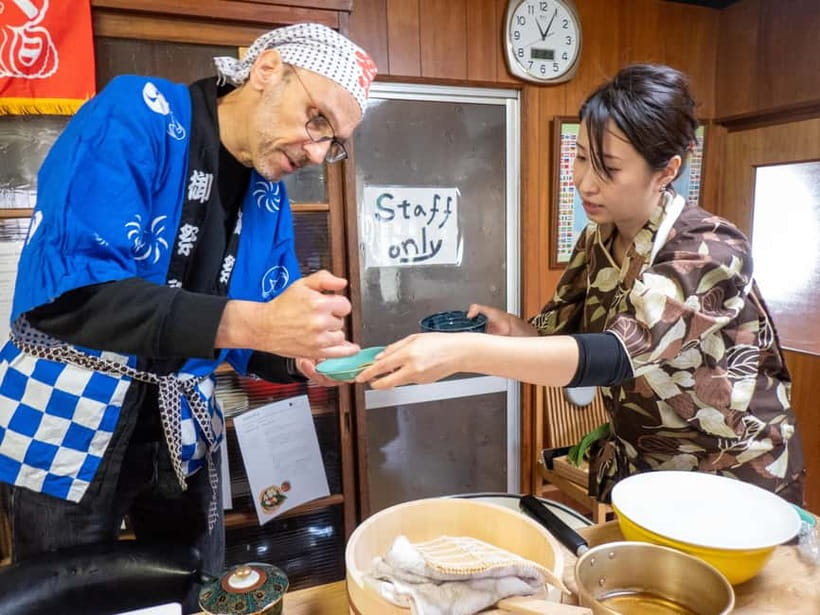
The cooking class is at 4-19 Nukata-cho, in a white building about five minutes from Nukata Station. From Osaka Namba Station, take the Kintetsu Nara Line toward Kintetsu Nara and get off at Nukata.
The ride takes about 30 minutes and costs roughly ¥430. From the station, walk northeast along Route 308 and look for the white building at the stated address.
Plan to arrive 10 minutes early. The meeting information directs you to the cooking class itself, and some arrangements have included meeting near the station, such as at a FamilyMart or 7-Eleven. Contact Chef Yuki if you need help finding the building or want to confirm the meeting details before the day.
This trip is simple, but it is not a central Osaka activity. You should allow extra time on both sides of the three-hour class. The positive side is that the setting feels more like a local home cooking visit than a large commercial class in a tourist district.
Is $96 a fair price?
At $96 per person, this is not the cheapest way to eat sushi in Osaka. You can find excellent prepared sushi for less, and a cooking class should not be judged only by the amount of food on the table.
Here, the price includes three hours of instruction, fresh ingredients, traditional seasonings, and a broad menu. You are not learning one roll and stopping. You work with several sushi styles, fish-curing methods, tamagoyaki, dashi, and miso soup.
The value improves if you intend to cook at home. The tuna zuke and kombu-jime salmon techniques are designed for practical use, and recipes can be sent afterward so you can repeat the dishes. Some participants have also bought Chef Yuki’s cookbook, though that is an additional purchase rather than part of the class.
I would see the price as reasonable for a small, hands-on lesson, especially if you want instruction rather than just a meal. It is less appealing if your main goal is a quick taste of sushi or if you have only a few hours in Osaka and do not want to leave the center.
Who will get the most from this class?
This course suits sushi lovers who want to understand how the food is made. It also works for beginners. You do not need advanced knife skills or previous sushi experience, and the small group gives you room to ask basic questions.
It is a good match for home cooks who want repeatable methods. The fish treatments, rice preparation, dashi, and omelet are all more useful than a one-off restaurant meal. You can bring the recipes back to your own kitchen and host a sushi meal for friends.
Families may find the personal setting helpful, especially after checking about babies or other needs. Vegetarians should contact Chef Yuki before the class so the menu can be planned properly.
I would be less likely to book it for a very short Osaka visit. The train ride is easy, but you still need time for the journey, the class, and the return. If your itinerary is already crowded with markets, temples, and food stops, this is a deliberate three-hour commitment.
Booking details that matter
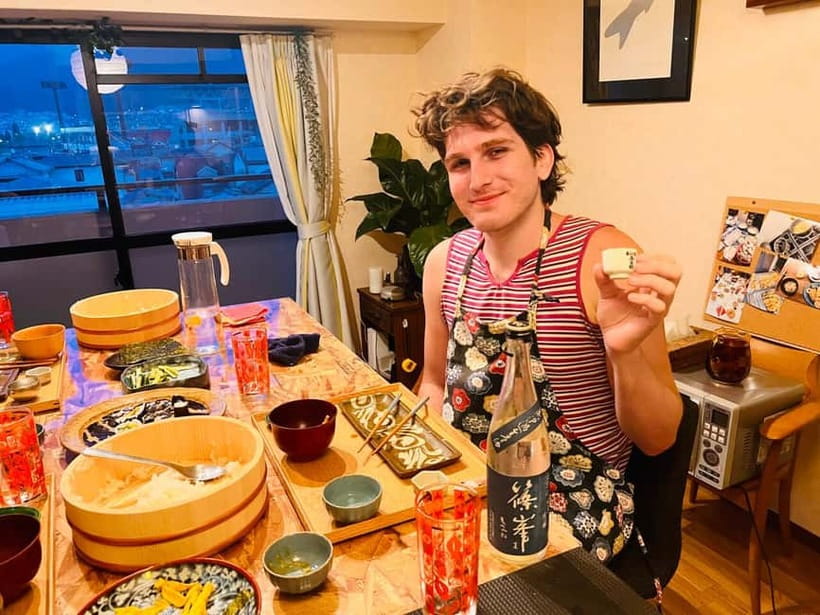
The class lasts three hours, with starting times based on availability. English instruction is provided, and the group size is limited to six.
Fresh ingredients and traditional seasonings are included. You should arrive 10 minutes early and check the route from Namba before setting out. The activity offers free cancellation up to 24 hours before the start for a full refund, and you can reserve now and pay later, which helps if your Osaka plans are still moving.
The overall rating is 5 out of 5 from 22 reviews, but the more useful point is what the class repeatedly delivers: personal instruction, fresh food, local conversation, and recipes you can use after Japan. Those are the details that give this activity its value.
Should you book Chef Yuki’s sushi class?
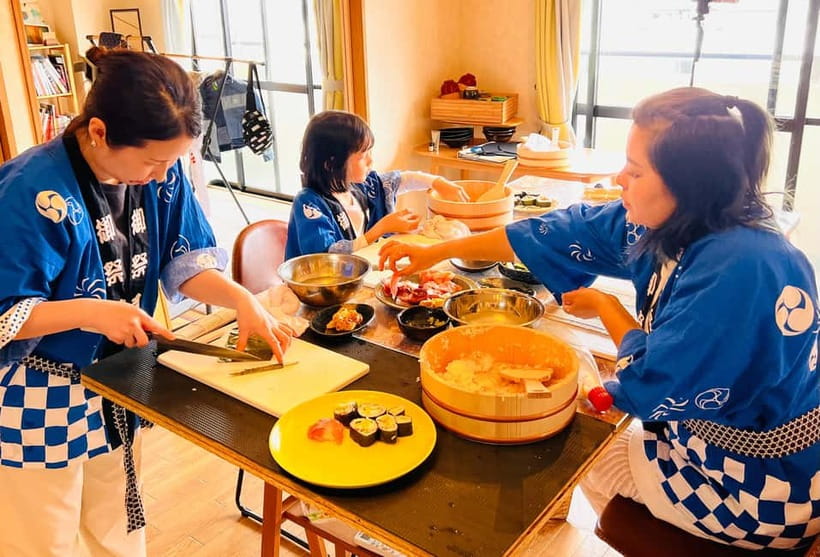
Book it if you want to do more than eat sushi. You will learn how rice, fish, broth, and omelet fit together, then enjoy the results at the end of the session. Chef Yuki’s small groups and friendly teaching style make the class suitable for both first-timers and cooks with some experience.
Skip it if your Osaka schedule is very tight or if you want a class in the city center. Nukata is an easy trip from Namba, but it still requires planning.
For most food-focused visitors, I would book this as a slower half-day activity. The best souvenir is not a plastic charm. It is the ability to make a proper bowl of miso soup and a plate of sushi at home.
FAQ
Where is the sushi class located?
The class is at 4-19 Nukata-cho, Osaka, in a white building about a five-minute walk from Nukata Station.
How do I get there from Namba?
Take the Kintetsu Nara Line from Osaka Namba Station toward Kintetsu Nara. Get off at Nukata Station. The ride takes about 30 minutes and costs around ¥430, followed by a five-minute walk.
How long does the class last?
The activity lasts three hours.
Is the class taught in English?
Yes. English instruction is provided by Chef Yuki.
How many people can join?
The class is limited to six participants.
What sushi will I make?
You will prepare nigiri sushi, hosomaki, tuna zuke, and kombu-jime salmon. The class also includes tamagoyaki and miso soup.
Is miso soup included in the cooking lesson?
Yes. You will prepare homemade miso soup from scratch, including dashi broth.
Are ingredients included?
Yes. Fresh ingredients and traditional seasonings are included.
Can I cancel or pay later?
You can cancel up to 24 hours in advance for a full refund. The activity also allows you to reserve now and pay later.
Just added in Osaka
- Private arrival transfer from Kansai International airport to Kyoto City★ 5.0 · 32 reviews
- (Ticket Included) Explore Osaka Castle & Museum of History★ 4.8 · 21 reviews
- Hidden Osaka – Yukaku Red Light Tour & Culinary Adventure★ 4.8 · 96 reviews
- Osaka: Walking Tour and Top Highlights★ 4.8 · 104 reviews
- Pickleball in Osaka, Kobe & Kyoto with Locals!★ 4.7 · 80 reviews
- Osaka: Private Ceramic Painting Workshop★ 5.0 · 13 reviews
- Osaka:SUMO BEATS SHOWCASE: Taiko Drum and Wagyu burger!★ 4.2 · 37 reviews
- Eat Like a Local in Osaka – Private Custom Street Food Tour★ 4.3 · 33 reviews
Tours in Osaka, compared.
Osaka Food Tour: 13 Dishes at 5 Local Eateries
Read our review →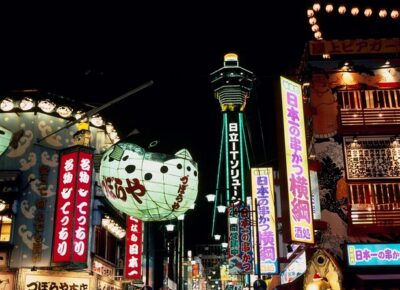
Hungry Osaka Street Food Tour:15 Tastings & 3 Drinks with a Local
Read our review →


Hotspots & Hidden Gems Walking Tour Private or Group
Read our review →Browse the lists this tour appears in