
Reviewed · WALKING TOURS
Osaka: Hotspots & Hidden Gems Walking Tour Private or Group
Osaka reveals itself best in its side streets, not from a checklist of famous sights. This walk links Kuromon Ichiba Market, Dotonbori, Amerikamura, and Shinsekai, with time for back alleys, old temples, odd escalators, food stalls, and the city’s famously playful signs. You get a quick sense of how Osaka eats, jokes, shops, and relaxes.
I like the strong mix of food and local orientation, especially the takoyaki stop and market tasting. I also like the choice of a small group walk for $33 per person or a longer private outing that can include Osaka Castle, Shitennoji, a knife lesson, and hotel pickup in central Osaka.
The main trade-off is pace. The 3-hour tour covers a lot of ground, but it is an introduction rather than a full study of each neighborhood. Food included is only a small takoyaki snack and a canned drink, so bring money for anything else you want to eat.
Key points to know before booking
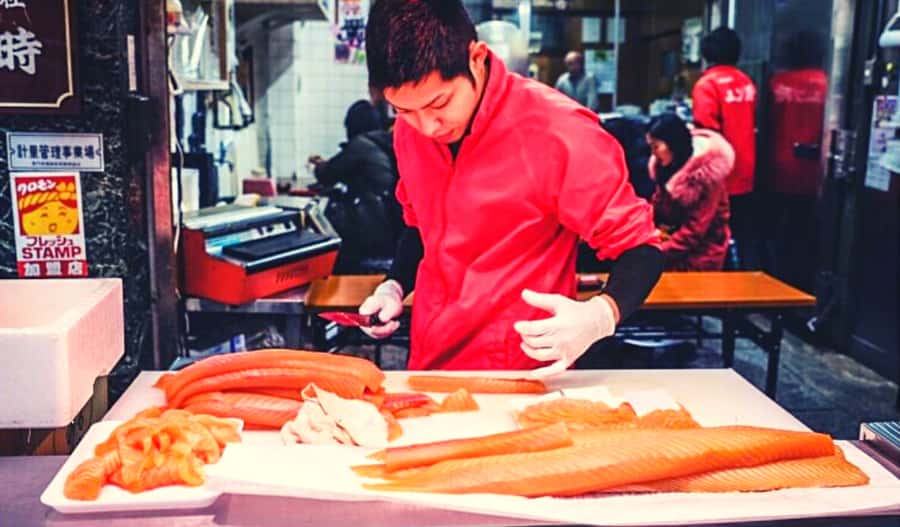
- Kuromon Ichiba brings food into the story: See where chefs shop and sample selected market produce, with extra food purchased at your own cost.
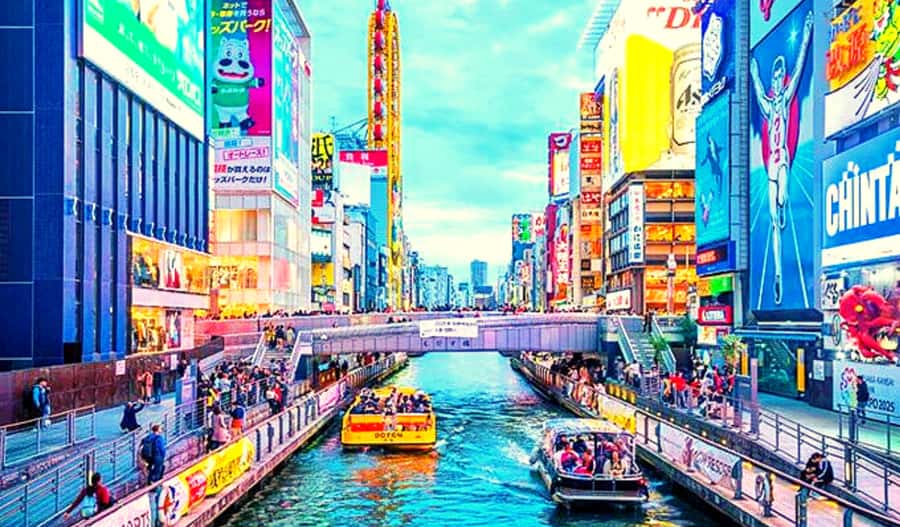
- Dotonbori is best after dark: Neon signs, the river, giant billboards, and takoyaki make the evening departure especially atmospheric.
- The 3-hour group walk is limited to nine people: Meet at Namba Metro Station, Exit 24, for a fast introduction to central Osaka.
- Private tours change the depth of the day: Four, five, and seven-hour versions can add Osaka Castle, Shitennoji, a knife demonstration, and quieter restaurant lanes.
- Guides shape the experience: Guides including Josh, Rahat, Taka, Harry, Stephanie, and Stephane are praised for humor, stories, flexibility, and practical advice.
- Come ready to walk: Comfortable shoes are essential, and large bags or luggage are not allowed.
Why this walk works as an Osaka introduction
Osaka can feel scattered at first. Namba, Dotonbori, Shinsaibashi, Amerikamura, Kuromon, and Shinsekai each have their own mood, and a map does not always explain how they fit together. This tour gives you a working map of the city on foot.
You begin around Namba, one of Osaka’s most useful bases. From there, your guide connects famous streets with smaller lanes that are easy to miss. You will hear about food, local customs, neighborhood history, Japanese popular culture, and the practical details that help you plan the rest of your stay.
I see this as an excellent first or second-day activity. You can use the guide’s suggestions later for dinner, shopping, photographs, and independent wandering. Several guide-led outings also adjust to questions and interests, which matters more than a rigid speech when you are trying to understand a new city.
The guide roster changes. English-speaking guides named Josh, Rahat, Taka, Harry, Stephanie, Stephane, Mary, Meryem, and others have led recent departures. Their backgrounds vary, so the tone may range from history-heavy to highly conversational. That variety is worth keeping in mind when you book: the route is consistent, but the personality and stories will depend on who leads your walk.
Other walking tours in Osaka people book:
- Osaka Local Foodie Walking Tour in Dotonbori and Shinsekai
★ 5.0 · 985 reviews - Osaka Bar Hopping Night Walking Tour in Namba (3 bars, 6 tastes)
★ 5.0 · 958 reviews - Osaka: Deep Backstreets Walking Tour with Dinner Option
★ 4.9 · 902 reviews
Namba back lanes and the first takoyaki
The route starts with a look at central Osaka away from the main shopping streets. You slip through narrow lanes lined with bars and small restaurants, including cobblestone passages where local regulars spend their evenings.
The value here is not simply seeing a pretty alley. Your guide explains how these compact food districts work and points out places you might return to later. The lanes can feel tucked away and cramped, so this is not a polished sightseeing route. That is precisely the point.
A small serving of takoyaki is included. These are the familiar battered octopus balls associated with Osaka, usually served hot and covered with sauce and other toppings. The tour also provides a canned drink from a vending machine.
Keep your expectations realistic. This is a taste, not a meal. Food and drinks beyond the included snack are not covered, and market prices vary. If you like trying local food, budget extra money for Kuromon Ichiba and any restaurant recommendations your guide gives you.
Kuromon Ichiba Market and the cost of tasting
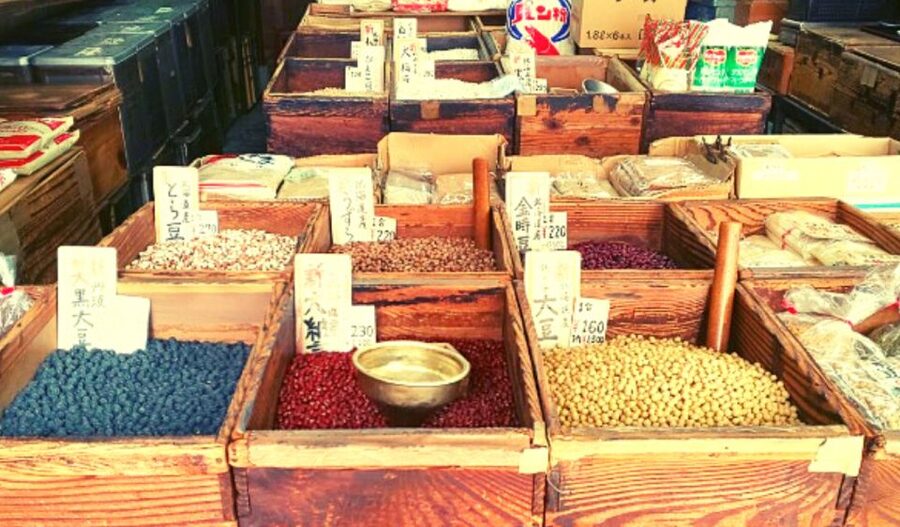
Kuromon Ichiba is one of the tour’s most useful stops because it gives context to Osaka’s food culture. The market is known as a place where professional cooks buy fresh ingredients, and your guide explains the seafood, unusual products, and ready-to-eat options as you walk.
A guide makes a real difference here. Market stalls can be visually overwhelming, and it is not always clear what you are looking at or how people normally eat it. You might encounter seafood, meat, sweets, and other local produce, with some tasting included depending on the day and the available vendors.
Do not confuse the included market tasting with an all-you-can-eat food tour. The advertised inclusion is a small snack, takoyaki, and a canned drink, while additional food is your responsibility. One outing included tastings such as puffer fish and Kobe beef, but you should not assume those exact items will be available on every departure.
I like the market portion because it helps you make better choices later. Your guide can explain what is worth buying, what is mainly for looking, and which foods might fit your appetite or budget. It is also a good place to ask about vending machines, meal types, sweet foods, and everyday eating habits.
The drawback is crowding. Kuromon can be busy, and stopping at stalls with a group requires patience. Keep your belongings compact, follow the guide closely, and avoid bringing a suitcase or large bag.
A quiet temple between food districts
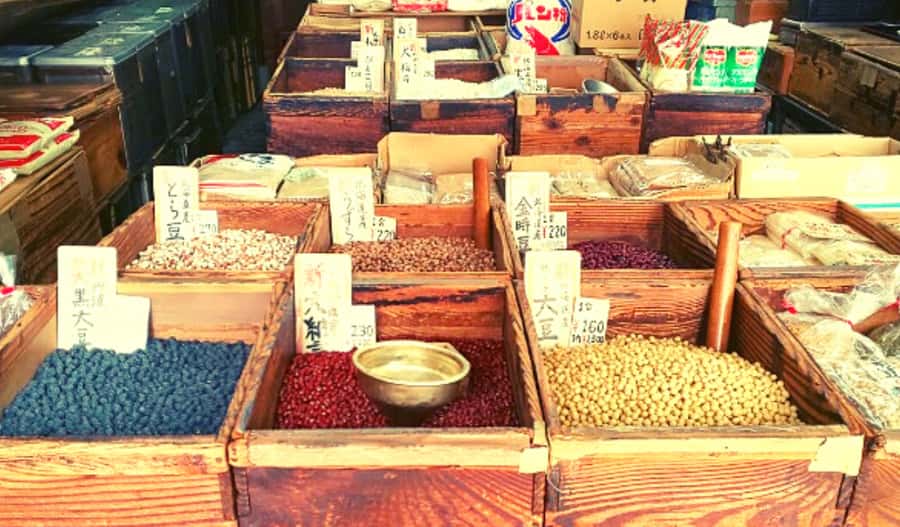
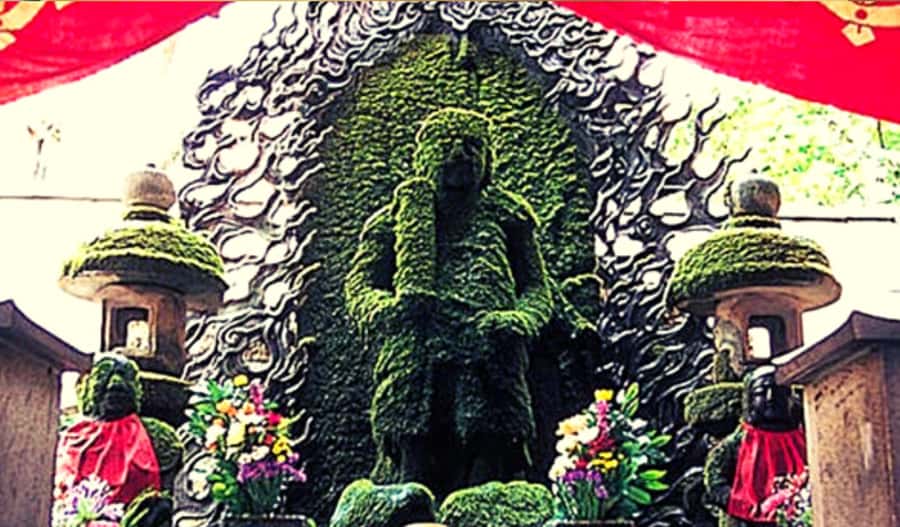
After the market, the walk shifts tone. You leave the intense food streets and pass through quieter lanes toward a temple with a long and unusual history. The route also includes boutique eateries and small shops that do not have the visual noise of Dotonbori.
This transition is one of the best parts of the experience. Osaka is often reduced to neon, food, and comedy, but the city also has calmer corners and old religious sites. A short temple stop gives you a pause from the crowds and a chance to ask about local customs and the city’s past.
The exact amount of time spent here depends on the tour length and the guide. On a three-hour walk, expect an overview rather than a detailed temple visit. On a private tour, you have more room to linger or ask for added cultural context.
Other quiet corners of Osaka:
- Osaka Kickstart: Hotspots & Hidden Gems Tour
★ 5.0 · 1,306 reviews - Ultimate Osaka Walking Tour: Castle, Dotonbori & Hidden Gems
★ 5.0 · 862 reviews - Private Osaka Walking Tour: Highlights & Hidden Gems
★ 5.0 · 569 reviews - Kyoto Geisha Walking Tour: Gion District & Hidden Gems
★ 4.7 · 3,273 reviews
Dotonbori after dark
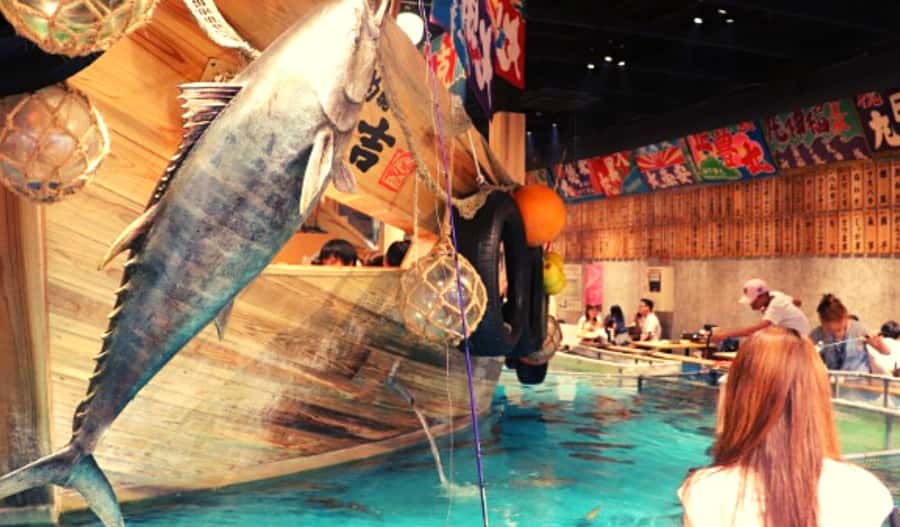
Dotonbori is Osaka’s famous theater of light. Giant signs, oversized characters, restaurants, and the central river create a scene that can feel almost cartoonish. Your guide explains the local stories and points out details that disappear when you are simply trying to take photographs.
I especially recommend the night option if your schedule allows it. The signs become the main event, and the riverfront feels more dramatic after sunset. One useful way to approach the area is to treat it as both a photo stop and a place to learn how Osaka presents itself through food and advertising.
You will have a chance to eat takoyaki with a drink, but again, this is a small included tasting. If Dotonbori sparks your appetite, ask your guide where to return for a fuller meal. Guides are also able to suggest places for later dinners and explain dishes that may be unfamiliar.
Dotonbori can be loud and crowded. If you dislike busy streets, a daytime departure may feel easier, though you will lose some of the nighttime sign display. The tour is not designed as a quiet stroll, so expect traffic, crowds, and frequent stops for photographs.
Amerikamura and Osaka’s playful view of America
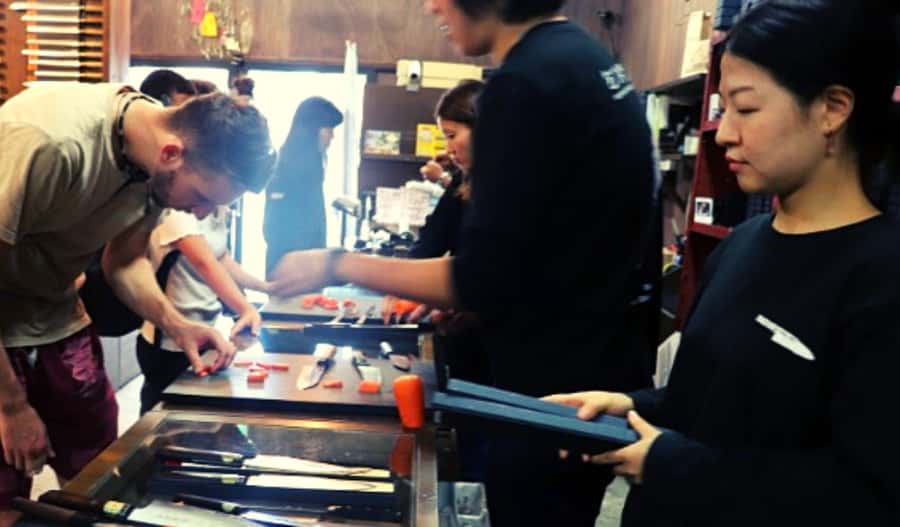
The route then heads toward Amerikamura, often shortened to Amemura. This district is a window into Japanese interpretations of American fashion and youth culture, rather than an exact copy of the United States.
That distinction makes the stop interesting. You see how another culture borrows, reshapes, and reimagines outside influences. The area also has vintage shops and independent stores, and a private or flexible group tour may allow time for a quick look inside one that catches your eye.
Do not expect a museum-style presentation. Amerikamura is best understood by walking through it, asking questions, and noticing the odd combinations of signs, clothing, music, and design. It is a good counterpoint to the market and temple stops.
If shopping is a priority, tell your guide early. The three-hour schedule has many stops, and there may not be time for a long browse. Private tours provide more control, particularly if you want to spend time in a vintage store or food district.
Shinsekai and old Osaka atmosphere
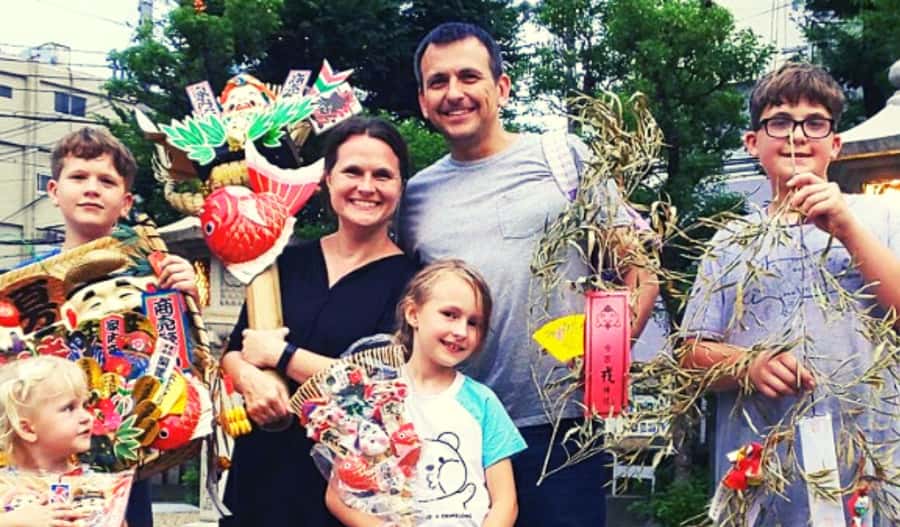
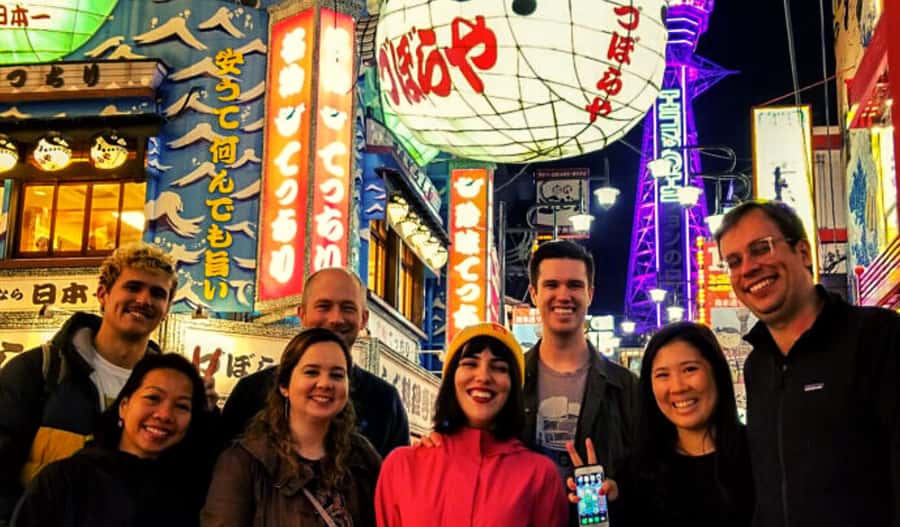
Shinsekai offers yet another side of the city. The neighborhood is known for its retro feel, colorful restaurants, old-style gaming parlors, and fishing-themed eateries. It feels less polished than the central shopping zones and gives you a chance to see a different idea of Osaka entertainment.
Your guide helps explain the visual oddities instead of leaving you to guess what they mean. You may see older forms of leisure beside modern commercial signs, a mix that makes the district memorable.
The tour presents Shinsekai as a neighborhood to observe, not a staged cultural display. Conditions can vary by time of day, and the area may feel rougher around the edges than Dotonbori. That is part of its character, but travelers seeking only temples and refined streets may prefer a private itinerary with more control over the route.
What changes on the 4, 5, and 7-hour private tours
The three-hour group walk is the efficient choice. It has a maximum of nine people, meets at Namba Metro Station, and covers a wide slice of the central city. You get orientation, stories, a snack, and a list of places to revisit.
The private versions offer more than extra time. They can be adjusted to your interests and may include:
- Osaka Castle
- Shitennoji, described as Japan’s oldest temple
- A Japanese knife shop with a private demonstration and lesson
- More restaurant lanes and local alleys
- The East Shinsaibashi food area
- The Osaka Museum of Housing and Living
Osaka Castle changes the balance of the day. It adds one of the city’s major sights, but it can also require extra travel time. Transportation is not included, so you should expect to handle any train fares yourself. One private outing used an IC card to reach the castle, which is a practical reminder to have a usable transit card if your plan includes it.
Shitennoji offers a calmer and more traditional setting. The Museum of Housing and Living is useful if you want to see how Osaka’s homes and streets changed from earlier periods to the present. The knife lesson is the most specialized option and suits cooks, serious food lovers, or anyone interested in Japanese craft.
A seven-hour walk sounds long, but the schedule can pass quickly when the guide adjusts to your pace. Still, be honest about your stamina. This is a walking experience, not a vehicle-based city tour.
Guide quality, flexibility, and communication
The most consistently praised part of this experience is the guide’s energy and ability to make Osaka understandable. Josh is described as especially strong on Japanese culture and history, while Rahat is repeatedly praised for humor, practical tips, and unusual facts. Taka receives high marks for warmth and for sharing his affection for Osaka.
Other guides, including Harry, Stephanie, Stephane, Mary, Meryem, and Bryan, are described as friendly, lively, flexible, and good at answering questions. That range matters because a walking tour succeeds or fails on communication. You want a guide who can explain a vending machine or a restaurant custom just as readily as a major historical point.
The guide may not always be Japanese-born. One outing was led by an Australian who had lived in Osaka for several months, while other guides have lived in Japan for many years. If native local background is important to you, ask about the guide when booking. The useful measure is how clearly the guide can explain the city and respond to your interests.
Price, group size, and practical value
At $33 per person, the three-hour group tour is priced as an orientation walk rather than a full food tour. The included takoyaki and canned drink are modest, but the real value comes from the route, local explanations, and advice you can use for the rest of your stay.
The price is strongest if you take it early in your Osaka visit. A guide can help you decide where to return, which areas suit your taste, and how to read the city’s food districts. If you already know Namba and Dotonbori well, the private route may offer better value because it can add the castle, temple, museum, knife shop, and less familiar neighborhoods.
Private tours cost more overall, but the information provided here does not specify a separate private price. Choose one for control and depth, not simply for the label. Hotel pickup is available only for private tours with centrally located hotels, and you need to send the hotel details at least a day ahead.
The tour operates in rain or shine. Serious conditions such as a typhoon or earthquake can lead to cancellation and a full refund. Wear comfortable shoes, leave luggage behind, and allow extra money for food and transport.
Who should book this Osaka walk?
I would choose the three-hour group tour if you want a lively first look at Osaka, especially on your first evening. It suits solo visitors, couples, and small groups who like walking, street food, local stories, and a busy urban setting.
The private version is better for families or companions with a clear wish list. It also suits repeat visitors who want the East Shinsaibashi food area, a knife lesson, Osaka Castle, Shitennoji, or the housing museum rather than another basic Dotonbori visit.
This is not a good match if you have a mobility impairment, are pregnant, dislike crowded streets, or need a seated sightseeing experience. The route covers uneven lanes and requires steady walking. Large bags and luggage are not allowed.
FAQ
Where does the group tour meet?
Meet the guide at Exit 24 of Namba Metro Station, at the top of the stairs. Look for the Exit 24 sign and a bicycle stand about seven meters away. The coordinates are 34.667372, 135.4999547.
How long is the tour?
The group tour lasts three hours. Private options last four, five, or seven hours, depending on the booking and chosen itinerary.
Is the tour private?
You can choose a group tour or a private tour. The group tour has a maximum of nine people.
Is Osaka Castle included?
Osaka Castle is available only on the private four, five, and seven-hour tours. It is not included on the three-hour group tour.
Is hotel pickup available?
Hotel pickup is available only for private tours staying in centrally located Osaka hotels. Send the hotel details at least one day before the tour if you want to request pickup.
What food and drink are included?
The tour includes a small takoyaki snack and a canned drink from a vending machine. Other food and drinks are not included.
Is transportation included?
Transportation is not included. If your private route includes places such as Osaka Castle, you are responsible for the transport costs.
Can I cancel the booking?
You can cancel up to 24 hours in advance for a full refund. Reserve now and pay later is also available.
Should you book it?
Book this walk if you want Osaka explained through its food streets, odd corners, neon districts, and local habits. The three-hour version is a strong-value introduction at $33, while the private tours make sense when you want a slower pace or specific additions such as Osaka Castle, Shitennoji, or a knife lesson.
I would book it near the start of your stay, choose an evening departure for Dotonbori’s lights, and bring a small bag, comfortable shoes, and an appetite for more than the included snack. If you want a quiet temple tour or a full meal-focused experience, choose another activity. If you want a lively first map of Osaka with a guide who can turn side streets into stories, this is a smart choice.
More walking tours elsewhere in Japan
- Osaka: Main Sights and Hidden Spots Guided Walking Tour
★ 4.9 · 702 reviews - Osaka Castle Walking Tour and Castle Tower Admission
★ 5.0 · 561 reviews - Kuromon Market Food Walking Tour in Osaka (6 stops, 6 tastes)
★ 5.0 · 550 reviews - Osaka: Five Must-See Highlights Walking Tour & Ramen Lunch
★ 4.7 · 411 reviews
Just added in Osaka
- Osaka: Mind & Spirit Balance Temple Reiki Healing★ 5.0 · 41 reviews
- Osaka Temple Cool Foot Bath & Matcha Experience〈45min〉★ 4.9 · 82 reviews
- Full Day Kyoto Tour : Bamboo Forest, Golden Temple, Fushimi Inari★ 5.0 · 84 reviews
- Osaka: Minoh, Katsuoji Temple, & Minoh Falls Full-day Tour★ 4.9 · 172 reviews
- OSAKA NIGHT FUSION Japanese Taiko Kabuki Samurai Dance Show★ 4.8 · 155 reviews
- Ramen and Gyoza Cooking Class in Osaka★ 5.0 · 202 reviews
- Osaka: A Modern Samurai, Kabuki, Taiko, & Dance Show★ 4.5 · 66 reviews
- Osaka: Samurai Training Experience KENDO in Osaka★ 5.0 · 111 reviews
Walking Tours, compared.
Kyoto Geisha Walking Tour: Gion District & Hidden Gems
Read our review →
Tokyo Tsukiji Fish Market Food and Culture Walking Tour
Read our review →
Imperial Palace and Shogun Historical Walking Tour
Read our review →
Gion Geisha District Walking Tour – Stories of Geisha
Read our review →
Shinjuku Local Bar and Izakaya Guided Walking Tour
Read our review →
Asakusa Walking Tour with Sensoji Temple Visit
Read our review →
Nishiki Market Brunch Walking Tour (7 Tastings + Brunch)
Read our review →Browse the lists this tour appears in